
REVIEW · FUSHIMI INARI AND THE TEMPLES OF KYOTO
Gion and Fushimi Inari Shrine Kyoto Highlights with Government-Licensed Guide
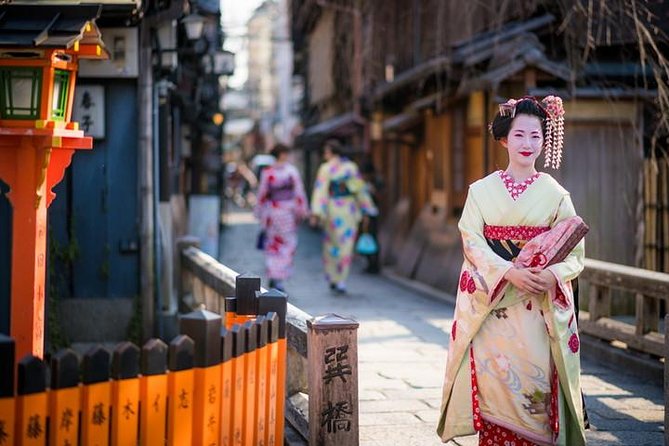
Gion at night can feel like a maze. This government-licensed guided walk ties together Fushimi Inari-taisha and Kyoto’s most photogenic geisha streets, with a guide helping you follow the route on foot and make sense of what you are seeing. You get the practical benefit of not getting lost, plus the fun of learning how the old entertainment district works, including the Maiko versus Geiko difference.
I love two things most. First, the pacing is built for wandering, not rushing, so you can actually enjoy the narrow lanes and canal-side views. Second, the guide’s explanations make the area click, especially around geisha history and the small shrines that most people skate past.
One consideration: admissions are not included for Kiyomizu-dera and Kennin-ji, so you’ll want a bit of extra budget for temple entry while still getting great value from the guided portion.
In This Review
- Key highlights you will feel on the ground
- Why a licensed English guide helps more than you think
- Fushimi Inari-taisha: free entry time and torii trails
- Gion, Pontocho, and Miyagawacho: the streets you came for
- Yasaka Shrine and Tatsumi Daimyojin: short stops with big context
- Kiyomizu-dera Temple: what to expect and what to budget
- Kennin-ji in a minute: a quick hit, not a long visit
- How the guide turns street scenes into real understanding
- Getting great value from the price
- Where you start, where you end, and how the walking works
- Who should book this evening walk
- Should you book this Gion and Fushimi Inari evening tour?
- FAQ
- How long is the tour?
- Is this tour mostly walking?
- What is the group size?
- What is included in the price?
- Are temple and shrine admission tickets included?
- Where do I meet the guide?
- How far ahead do people usually book?
- Can I cancel for a full refund?
- Is it suitable for most travelers?
Key highlights you will feel on the ground
- Fushimi Inari first, with free entry time to reset your Kyoto mindset: torii gates and trails right away before the geisha-district crowds hit.
- Gion, Pontocho, and Miyagawacho in one evening: multiple sides of the same world, explained in context as you walk.
- Shirakawa Area along the canal: willow-lined scenery, high-end ochaya, and the kind of street atmosphere cars cannot reach.
- Maiko and Geiko history that stays understandable: you are not just told facts, you learn how the district functions.
- A licensed local English guide in a max-10 group: small enough to hear clearly, organized enough to keep you moving.
- Short shrine stops that add meaning fast: Yasaka and Tatsumi Daimyojin are quick, but they help you connect the dots.
Evening walks through the old quarters, compared
- Kyoto Geisha Walking Tour: Gion District & Hidden Gems
★ 4.7 · 3,273 reviews - Kyoto: Gion Magical Night Walking Tour with Geisha Trivia
★ 4.9 · 2,393 reviews - Kyoto: Gion Geisha District Walking Tour – Stories of Geisha
★ 4.7 · 2,187 reviews - Best of Kyoto: Gion, Geisha, Pagodas & Cobblestones
★ 4.9 · 2,058 reviews
Why a licensed English guide helps more than you think
Kyoto can be charming and confusing at the same time. Gion alone can scramble your sense of direction, because the best scenes are in side streets, not on main roads. This tour leans into that reality with a government-licensed local English speaking guide who keeps you on track and explains what is happening as you go.
The other big win is size. With a maximum of 10 travelers, you are not fighting for attention or getting stuck behind a wall of phones. You can ask short questions, listen without strain, and keep up with the group pace. Plus, the tour is designed as a walking route, which means you spend your time where the views actually are, not where buses drop you.
If you have ever tried to research geisha districts on your own, you already know the problem. There is plenty of information online, but it does not help you understand what you see at street level. Here, the guide turns the district into something you can read with your eyes, including the human side of how Maiko and Geiko fit into the neighborhood.
Fushimi Inari-taisha: free entry time and torii trails

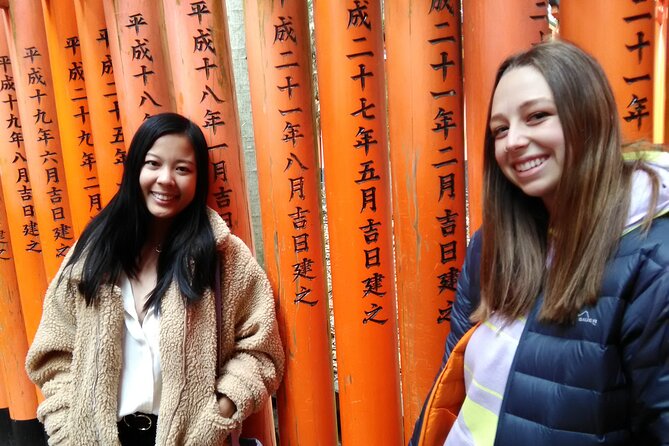
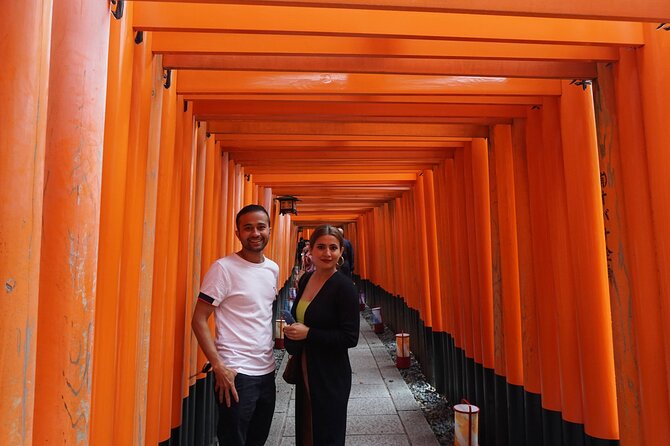
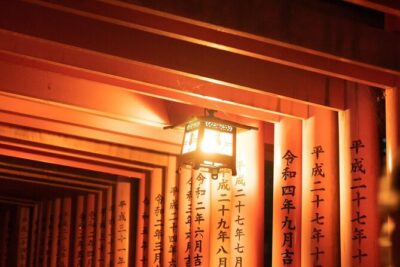
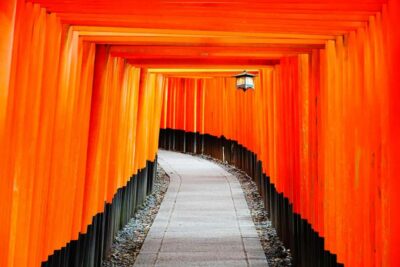
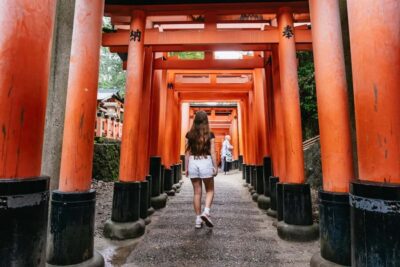
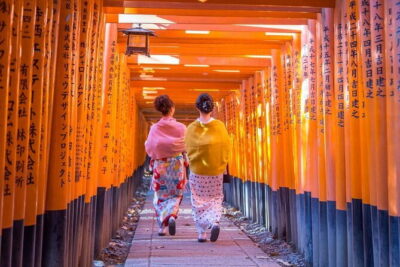
The evening starts at Fushimi Inari-taisha Shrine. This is one of Kyoto’s signature Shinto sites, famous for its thousands of vermilion torii gates that line trails behind the main area. Even if you do not plan to hike deep into the mountain routes, the scale of the gates is the kind of visual that makes you slow down.
What I like about starting here is mental timing. You get a clear, dramatic landmark early, before the softer, lane-based atmosphere of Gion. It sets the tone for the rest of the evening, because you are already in “Kyoto world” mode once you move into the geisha district.
Entry is listed as free, and the stop is about one hour, so you get enough time to take in the gate-lined pathways without feeling like you have to sprint. One practical note: shrines and temple grounds can get crowded, so wear comfy shoes and be ready for a bit of weaving around other groups.
Gion, Pontocho, and Miyagawacho: the streets you came for
This is the heart of the tour, and the tour is built to make it feel manageable. The guide takes you through Gion’s geisha-district area around Shijo Avenue, between Yasaka Shrine to the east and the Kamo River toward the west. You see the sort of streets where you will spot shops, restaurants, and ochaya, those traditional teahouses connected to the geisha world.
The tour also includes Pontocho and Miyagawacho, which matters because Kyoto’s entertainment districts have different vibes block to block. On foot, you notice the shift in street feel, lighting, and storefront rhythm. That is hard to capture if you only do the “main lane and a photo” approach.
Then there is the Shirakawa Area along the canal. It runs parallel to Shijo Avenue and is lined with willow trees. You also see high-class restaurants and ochaya that often have private rooms above the street level. This part is especially good for photos, because the canal gives depth, and the street walls create that enclosed Kyoto look.
One more reason this section is worth paying for: the guide helps you navigate. Cars cannot access many of the best narrow areas, and streets can twist just enough to throw off first-timers. A guide saves time here, not by skipping anything, but by choosing the right turns so you experience the district without stress.
Which temple to give the morning to, reviewed
- Kyoto: Fushimi Inari, Kinkakuji, Bamboo Grove 1 Day Bus Tour★ 4.8 · 4,316 reviews
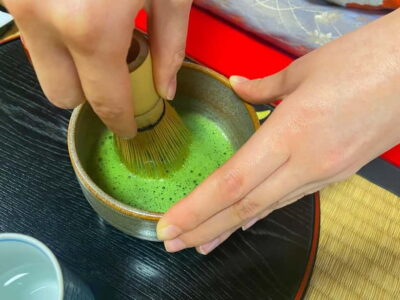
- Kyoto: Tea Ceremony in a Traditional Tea House in Kiyomizu★ 4.9 · 3,519 reviews
- Kyoto/Osaka: Nara, Fushimi Inari Taisha, Arashiyama Bus Tour★ 4.7 · 1,275 reviews
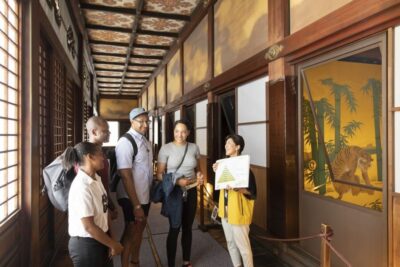
- Kyoto: Nijo-jo Castle and Ninomaru Palace Guided Tour★ 4.7 · 1,020 reviews
- Osaka/Kyoto: Arashiyama, Nara & Fushimi Inari Shrine w/Lunch★ 4.4 · 754 reviews
Yasaka Shrine and Tatsumi Daimyojin: short stops with big context

After Gion, you make two quick shrine stops that add texture. Yasaka Shrine, also known as Gion Shrine, is free to visit and takes about 10 minutes on the tour. It is one of Kyoto’s most famous shrines, founded over 1350 years ago. The site sits between the popular Gion district and the Higashiyama area, which is exactly why it fits this route. You are not just watching buildings, you are walking through the geography of the neighborhood.
Next is Tatsumi Daimyojin Shrine, another free stop around 10 minutes. It is in the Gion area near Shirakawa, an area closely associated with ochaya and geisha activity. The tour includes the look at the inner torii area near the shrine, and while the stop is short, it gives you a cultural “anchor point” before you shift into the bigger temple sites.
These brief shrine moments are easy to treat as checkboxes. Do not. They help you understand why Gion is not just a nightlife postcard. It has religious and historical roots that show up in the street layout and in the way people move through the area.
Kiyomizu-dera Temple: what to expect and what to budget
Then you move into the classic Kyoto temple segment with Kiyomizu-dera. The temple is described as having been founded over 1250 years ago, and it sits halfway up Mt. Otowa in the Higashiyama mountain range. That hillside location matters for your plan: you will be on foot, and you should expect an uphill feel and uneven ground in parts.
This stop is about one hour, which is a good match for first-time visitors who want the main experience without turning the evening into an all-day hike. The big catch is that admission is not included. So while you are paying for the guide and route, you should bring extra cash or payment options for the temple entry.
If you tend to hate “surprise fees,” this is your heads-up. Still, the guided structure helps. The guide’s role here is not to replace the temple experience. It is to place it in context so you understand why it sits in this broader east Kyoto world, right after you have seen Gion’s shrine-adjacent atmosphere.
Kennin-ji in a minute: a quick hit, not a long visit

The tour finishes with a stop at Kennin-ji Temple. It is very close to the Hanamikoji and Shijo streets, and the grounds are described as expansive and pleasant to walk. The temple features karesansui gardens, those dry landscape garden styles you will often see in Zen sites.
However, the time listed is only about 1 minute and admission is noted as not included. That sounds too short to absorb much, and that is exactly how you should treat it. This is more of a pass-by highlight, a way to connect the dots between central Gion street life and the quieter temple atmosphere a few steps away.
So if you care deeply about garden time, plan to come back later on your own. But as part of a six-hour packed walking evening, Kennin-ji gives you a flavor of Kyoto’s temple variety without forcing you to give up the rest of the route.
How the guide turns street scenes into real understanding
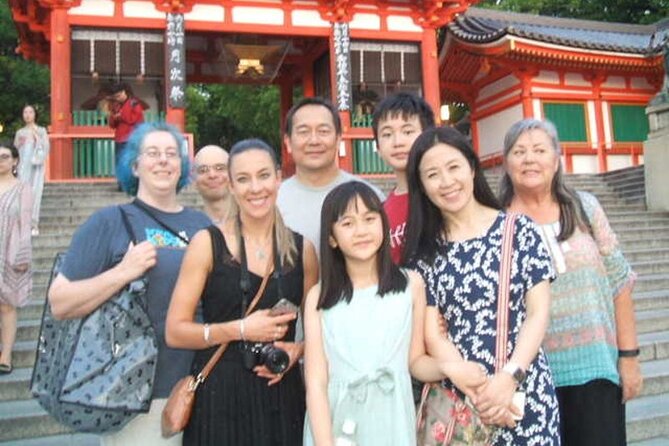
A lot of walking tours in Kyoto stop at explaining what the buildings look like. This one is different because the explanations are aimed at how the district works. You get fascinating insights about geisha history and how the entertainment district developed over time, not in a lecture way, but in a way that fits what you see while you walk past gates, shrines, teahouses, and canal edges.
One specific name you might hear mentioned in connection with this tour format is Mari san. The praise tied to that guide centered on clear explanations and spotting Maiko and Geiko when they appear unexpectedly. Even if you do not catch a performance or a dramatic spotting moment, the “what to look for” guidance still pays off, because it changes how you read the streets.
Also, there is something practical here. In Kyoto, routes can be confusing, and lines of sight matter. A licensed guide can steer you away from dead ends and help you position yourself for good views without blocking anyone’s path.
Getting great value from the price
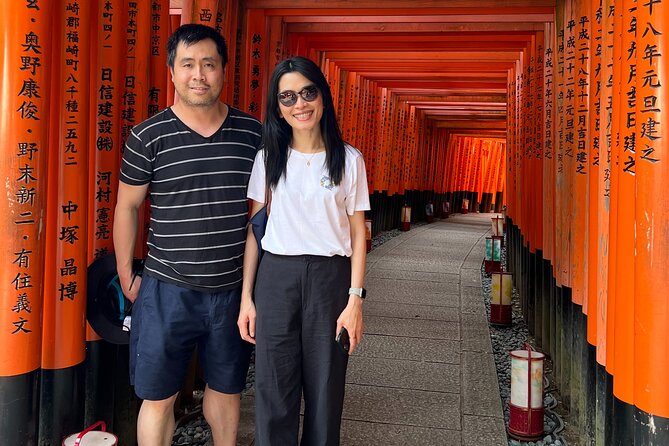
At $154.37 per person for about 6 hours, you are paying for a few things at once: a licensed English speaking guide, a structured walking route linking major sites, and small-group attention (max 10). You are also getting a mobile ticket, which helps reduce time spent coordinating.
What can make or break value is admission. Fushimi Inari is free, which is a nice start. But Kiyomizu-dera and Kennin-ji are not included, so you should budget extra for those entries. The guide’s entry fees are covered only for the sights listed in the itinerary, so it is not like every temple fee is baked into your price.
Still, the overall structure is what you are really buying. You are not piecing together transit, hunting for directions, and hoping someone else has mapped the best walking angles for Gion streets and canal areas. For first-time visitors, that alone can be worth the price, because one wrong turn can eat an hour.
Another small value clue is how far in advance it gets booked, around 89 days on average. This is not a “wait until the last minute” kind of activity if you want a specific time slot and a smaller group experience.
Where you start, where you end, and how the walking works
This is a walking tour with pickup and drop-off on foot. You meet at Tatsumi-jinja Shrine (Tatsumi Dai-myojin) in Higashiyama Ward, Motoyoshicho, at the address listed for the meeting point: 605-0087 Kyoto, Higashiyama Ward, Motoyoshō, 元吉町5959.
The tour ends back at the meeting point, so you are not left stranded across town. That matters in Kyoto, where evening transit can feel like a scramble when your group is already tired.
The route is also described as near public transportation, which is helpful if you want flexibility. If you are combining this with other plans in the same area, you are not committing to a long chain of transfers.
Who should book this evening walk
You should strongly consider this tour if you:
- Want Gion plus Fushimi Inari in one evening, without figuring out the route yourself.
- Prefer guided context, especially around geisha history and how Maiko and Geiko differ.
- Like walking tours where the best parts are on narrow streets and canal paths, not main thoroughfares.
- Appreciate a small group where you can actually hear your guide.
You might think twice if you:
- Hate temple admission add-ons, because Kiyomizu-dera and Kennin-ji are not included.
- Want a long, slow visit at Kennin-ji, since this stop is extremely brief.
- Are expecting a tour that includes geisha performances. This format focuses on district history and sights, not a show ticket.
Should you book this Gion and Fushimi Inari evening tour?
If your goal is to understand Kyoto’s geisha districts while also hitting a major shrine landmark, I think this is a smart pick. The price feels fair for what you get: a licensed guide, a route that reduces confusion, and time in places you could wander past without context. Just go in knowing Kiyomizu-dera and Kennin-ji admissions are extra, and you will make better choices for what you want to spend time on during the stops.
If you are a first-timer, this tour is especially good. You get a guided “first read” of Gion’s geography, the Shirakawa canal setting, and the larger spiritual landmarks that frame the neighborhood. Then, once you know the layout, you can come back later and go deeper under your own steam.
FAQ
How long is the tour?
The tour runs for about 6 hours.
Is this tour mostly walking?
Yes. It is a walking tour, and the pick up/drop off is on foot.
What is the group size?
The tour has a maximum of 10 travelers.
What is included in the price?
The price includes a licensed local English speaking guide and the tour uses a mobile ticket. Group discounts are also mentioned.
Are temple and shrine admission tickets included?
Fushimi Inari-taisha is free. Admission tickets are not included for Kiyomizu-dera and Kennin-ji.
Where do I meet the guide?
You meet at Tatsumi-jinja Shrine (Tatsumi Dai-myojin) in Higashiyama Ward, Kyoto. The address provided is 605-0087 Kyoto, Higashiyama Ward, Motoyoshō, 元吉町5959.
How far ahead do people usually book?
On average, this tour is booked 89 days in advance.
Can I cancel for a full refund?
Yes, you can cancel for a full refund if you cancel at least 24 hours before the experience start time.
Is it suitable for most travelers?
Most travelers can participate, it is near public transportation, and service animals are allowed.
Which Kyoto Temple Gets Your Morning


Evenings in the Old Quarters


Newest Kyoto write-ups from the Loving Japan desk

Fushimi Inari and the Temples of Kyoto, side by side.
 ★ 4.8Fushimi Inari, Kinkakuji, Bamboo Grove 1 Day Bus TourFrom $1224,316 reviews
 ★ 4.9Tea Ceremony in a Traditional Tea House in KiyomizuFrom $493,519 reviews
 ★ 4.7Kyoto/Osaka: Nara, Fushimi Inari Taisha, Arashiyama Bus TourFrom $521,275 reviews
 ★ 4.7Nijo-jo Castle and Ninomaru Palace Guided TourFrom $161,020 reviews
 ★ 4.4Osaka/Kyoto: Arashiyama, Nara & Fushimi Inari Shrine w/LunchFrom $61754 reviews
 ★ 4.7Nijo Castle, Kiyomizu & Fushimi Inari Guided TourFrom $54700 reviews
 ★ 5.0Nijo, Kinkaku-ji, Arashiyama, Kiyomizu & Fushimi InariFrom $51699 reviews
 ★ 4.7Imperial Palace & Nijo Castle Guided Walking TourFrom $49453 reviews