
REVIEW · FUSHIMI INARI AND THE TEMPLES OF KYOTO
Golden Pavilion, Nijo Castle, & Nishiki Market Half day tour
Golden temples and samurai stories, in four hours. This half-day Kyoto tour is a smart way to connect three UNESCO stops with the Edo-period context that helps everything click. I especially like the guide’s iPad visual explanations and the way you move from Kinkaku-ji’s gold-leaf Zen to Nijo Castle’s Edo power drama without wasting time. One possible drawback: it is not an easy-going stroll, so if you have back issues or limited walking ability, you should look for a different plan.
You start in the morning, ride public transport, and end at Nishiki Market so lunch is right there. The pacing is tight but fair, and the guide keeps it readable and photo-friendly where rules allow.
In This Review
- Key Highlights You Will Actually Feel
- A Four Hour Kyoto Intro: Kinkaku-ji, Nijo Castle, and Nishiki Market
- Meeting at Kyoto Station and Getting Around Efficiently
- Golden Pavilion Kinkaku-ji: Gold Leaf, Zen Meaning, and Photo Rules
- Golden Pavilion time on the ground
- Nijo Castle: Edo Period Power, Nightingale Floors, and Security by Design
- Nijo Castle time on the ground
- A note on pacing
- Nishiki Market Lunch Break: Kyoto’s Kitchen and What the Guide Sets Up
- Why the iPad Visual Explanations Are a Real Value Add
- Price and What You Are Really Paying For
- Who This Half Day Tour Suits Best (And Who Should Skip It)
- Quick Practical Tips Before You Go
- Should You Book This Golden Pavilion, Nijo Castle, and Nishiki Market Tour?
Key Highlights You Will Actually Feel
- Golden Pavilion meaning, not just photos, including why the gold leaf mattered
- Nijo Castle’s nightingale floors explained as an early security idea
- Edo Period context that turns architecture into a story of shoguns and samurai
- Nishiki Market timed for lunch, with a quick origin lesson before you choose food
- English or Spanish live guidance with an iPad and lots of attention
- Private group feel, so you can ask questions and get help taking pictures
Which temple to give the morning to, reviewed
- Kyoto: Fushimi Inari, Kinkakuji, Bamboo Grove 1 Day Bus Tour
★ 4.8 · 4,316 reviews - Kyoto/Osaka: Nara, Fushimi Inari Taisha, Arashiyama Bus Tour
★ 4.7 · 1,275 reviews - Kyoto: Nijo-jo Castle and Ninomaru Palace Guided Tour
★ 4.7 · 1,020 reviews - Osaka/Kyoto: Arashiyama, Nara & Fushimi Inari Shrine w/Lunch
★ 4.4 · 754 reviews
A Four Hour Kyoto Intro: Kinkaku-ji, Nijo Castle, and Nishiki Market
If this is your first serious morning in Kyoto, this tour is the kind of plan that saves you later. You do Kinkaku-ji, Nijo Castle, and Nishiki Market in about four hours, so you get the big landmarks plus the historical thread that connects them.
I like that the tour does not treat these as separate sightseeing stops. The Golden Pavilion is framed as a shogun-era villa turned Zen temple, and Nijo Castle is framed as a stage for the shogun’s control over samurai-era power. That context makes the buildings easier to read, not just look at.
The value here is practical. You also get an iPad-based explanation designed by the guide, plus the chance to ask questions in real time. You are not just walking, you are learning in a way you can carry with you for the rest of your trip.
Meeting at Kyoto Station and Getting Around Efficiently
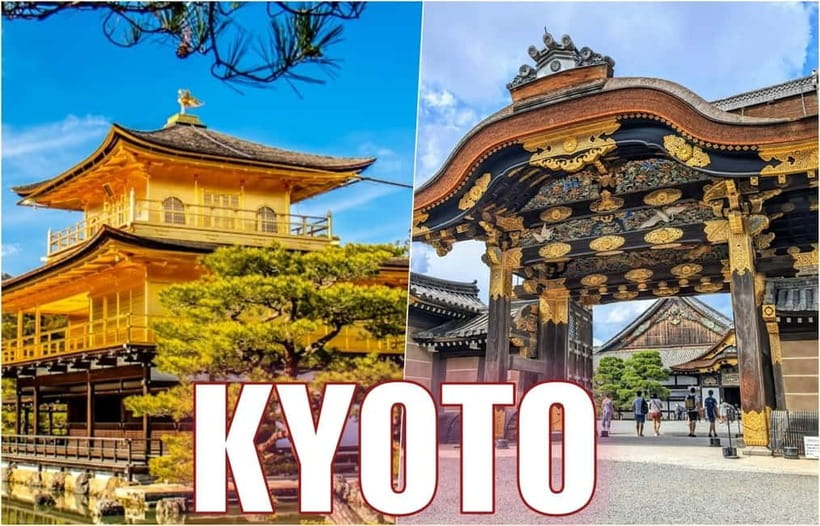
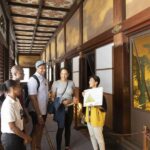
You meet at a clearly marked spot: in front of the door of 7-Eleven, JR Kyoto Station Building 1F. Use the Kyoto Tower side exit. Your guide holds an iPad and a red card that says RBRT (Roberto), so you should have an easy time spotting him.
Timing matters on this one. The tour runs from 8:30 am to 12:30, with travel between sites built in. Expect about 35 minutes by bus or coach early on, then subway rides between the two UNESCO sites. The result is a half-day that feels planned rather than scattered.
A quick heads-up on logistics: this tour takes place rain or shine. You also need comfortable shoes and at least a solid walking condition, because you are moving through temple areas where some spots forbid photography and where stairs can be involved even if you are not climbing anything like a mountain.
Golden Pavilion Kinkaku-ji: Gold Leaf, Zen Meaning, and Photo Rules
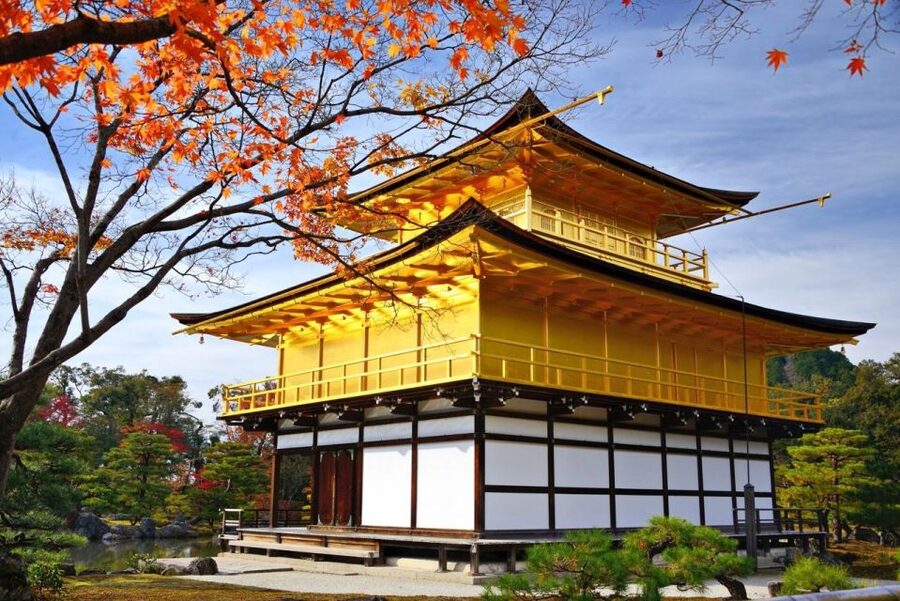
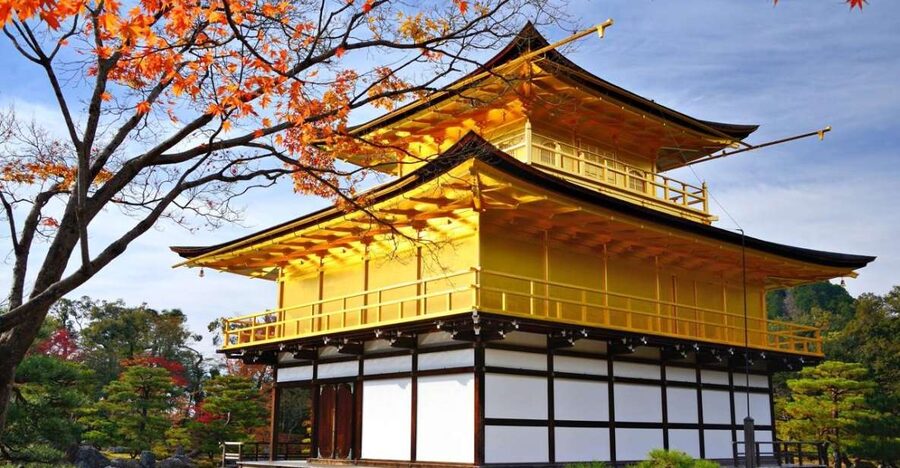
Your first stop is Kinkaku-ji, the Golden Pavilion, a UNESCO World Cultural Heritage site in northwest Kyoto. The guide frames it as more than a pretty temple. It was originally built as a villa for Ashikaga Yoshimitsu, a 14th-century shogun figure. That detail changes the way you see the place.
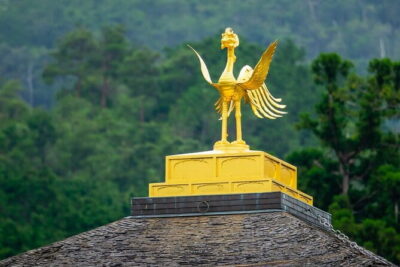
You learn that the pavilion’s top two floors are covered with real gold leaf. And you also learn the point of the gold leaf, it was used to show wealth, power, and devotion. When you stand there, the visual logic makes sense, especially with the pond reflection effect you are shown to look for.
This is also where photography rules come into play. The tour is clear that there are areas inside temples where taking pictures is forbidden. So I treat it like this: plan to enjoy the view in person first, then capture what you can legally, rather than chasing every angle.
What makes this stop worth your time is the pairing of awe with explanation. If you only see the gold, you miss why it exists. If you understand why it was built, the gold leaf becomes a symbol, not just a shiny surface.
Eat your way along the arcade a different way
- Nishiki Market Brunch Walking Tour (7 Tastings + Brunch)★ 5.0 · 1,355 reviews
- Kimono Tea Ceremony at Kyoto Maikoya, NISHIKI★ 5.0 · 911 reviews
- Kyoto Nishiki Market Food and Culture Walking Tour★ 5.0 · 412 reviews
- Kyoto: Nishiki Market Tea Ceremony with Koto Performance★ 4.8 · 294 reviews
- Kyoto: Local Food Tasting Tour at the Nishiki Market★ 4.7 · 135 reviews
Golden Pavilion time on the ground
You get about 1.5 hours guided at Kinkaku-ji. That is usually enough to see the key parts without feeling herded through.
Nijo Castle: Edo Period Power, Nightingale Floors, and Security by Design
Next comes Nijo Castle, another UNESCO World Cultural Heritage site, with Edo period architecture and highly detailed woodwork. Here the tour shifts from temple symbolism to political reality.
The guide explains the “who held power and how” story behind the walls. You get clarity on struggles between samurai and feudal lords, and on the shogun as a powerful military dictator. You also touch the big transition, how the samurai era ends and modernization begins.
Then you get one of Kyoto’s best practical, hands-on curiosities: the nightingale floors. The floors chirp when walked on. The guide connects it to an early security idea, meaning this place was designed to notice movement and discourage intrusion.
This is one of those details that makes the castle feel alive. It is not just ornate carpentry. It is a working design meant to control access and protect authority.
Nijo Castle time on the ground
You spend about 95 minutes with a guide here. That time lets you take in the architecture while still hearing the Edo period explanation, instead of trading one for the other.
A note on pacing
This stop is guided and structured, but it still includes walking. For anyone with back problems or pregnancy, the tour is explicitly not a fit, and I agree with that caution. It is a history-and-architecture morning, not a sit-down museum loop.
Nishiki Market Lunch Break: Kyoto’s Kitchen and What the Guide Sets Up
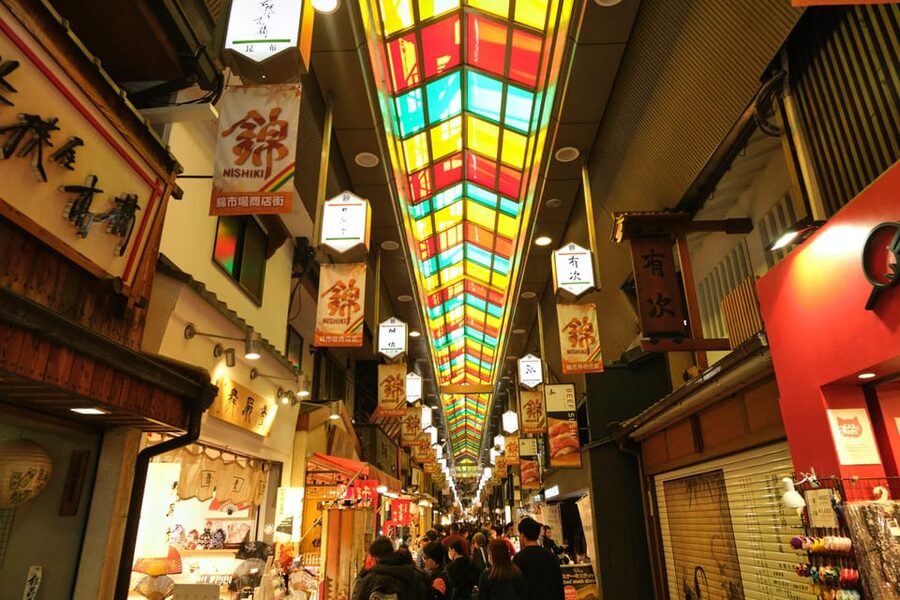
The tour ends at Nishiki Market around 12:30, right at the market entrance. The timing is deliberate. You get a short market origin explanation first, and then you choose lunch among a large selection of options.
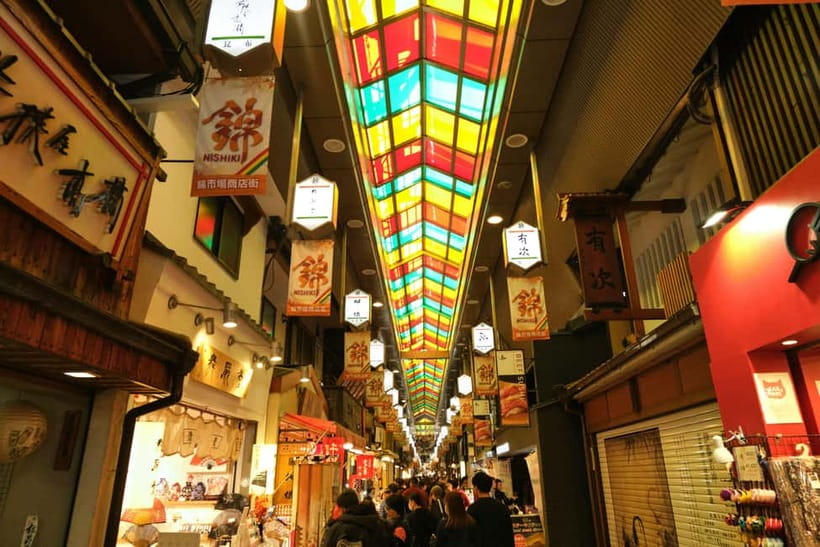
The market is known as Kyoto’s Kitchen and it runs along a narrow street of about five blocks, with over one hundred shops and restaurants. It is also food-focused, with things like fresh seafood, produce, knives, and cookware.
One thing I like about this ending is the choice architecture. You do not leave the tour with a single pre-set meal. You get context, then you can follow your appetite, budget, and curiosity.
Also, the tour notes that English explanations are provided for foreign visitors. That matters because the market can feel chaotic without some grounding, and a quick origin lesson helps you navigate it without stress.
And yes, Nishiki Market can be active. Even when it is busy, the tour keeps the mood manageable by ending with “walk and choose,” rather than more structured sightseeing.
Why the iPad Visual Explanations Are a Real Value Add
A lot of tours say they are educational. This one makes the education usable.
The guide uses an iPad with explanations created by himself, and that is not just a gimmick. It helps you connect three different kinds of places: a shogun-linked Zen temple, a castle built around Edo authority and security, and a market shaped by Kyoto’s food culture.
In other words, you are not just collecting facts. You are building a framework. After Kinkaku-ji and Nijo Castle, the Nishiki Market origin explanation lands more smoothly because you already have that bigger Kyoto context in your head.
I also appreciate the attention style. The experience description is clear that the guide is open to taking as many pictures of you as you wish. And the vibe from the booking feedback is consistently personal, including extra touches like a final short film and, in some cases, a video created for participants. Even if you are not there for souvenirs, those little additions make the experience feel cared for.
Price and What You Are Really Paying For
The price is $90 per person for a four-hour private tour. For Kyoto, that is not a bargain-bin deal, but it is also not random pricing. You are paying for three UNESCO sites, guided time at Kinkaku-ji and Nijo Castle, and guided context that helps you understand why these places matter.
Still, budget correctly. Entrance fees are not included. You should plan for:
- Nijo Castle: 1,300 yen (about US$8.15)
- Golden Pavilion: 500 yen (about US$3.10)
Transportation is also listed as not included as a separate fee. So you will want to plan for public transport costs on top of the tour price.
So here is my value take: this is a strong option if you want maximum meaning per hour. If you are the type who enjoys reading “the why” behind iconic spots, the guide’s Edo Period storytelling and iPad visuals can make your money feel well spent. If you just want scenic photos and you do not care about historical context, you could potentially do these stops on your own more cheaply, but you would lose the connective tissue the guide supplies.
Who This Half Day Tour Suits Best (And Who Should Skip It)
This tour fits best if you:
- want a history-forward Kyoto morning
- like guided interpretation more than self-guided wandering
- can walk comfortably through temple areas and transit
- prefer a private feel, with English or Spanish live guidance
It may not be a good fit if you have:
- back problems
- wheelchair needs
- pregnancy
- issues with seasickness (included in the activity notes)
- limited mobility or low walking comfort
Also, there are practical constraints: no baby strollers, and no luggage or large bags. This is a public-transport, walking-heavy style half day, so travel light.
If you are traveling with older kids who can handle walking, you might find it works well, but the tour is still not designed as a slow, stroller-friendly route.
Quick Practical Tips Before You Go
- Bring comfortable shoes. You are on your feet for several segments.
- Expect rain or shine. Dress in layers you can manage.
- Know that some temple areas have picture restrictions, so keep your phone ready but follow the rules on-site.
- Keep your plans flexible for a morning start, since the tour runs 8:30 am to 12:30.
If you are hungry after the tour, that is the point. You end at Nishiki Market so lunch is within reach without extra travel.
Should You Book This Golden Pavilion, Nijo Castle, and Nishiki Market Tour?
Yes, I would book it if you want the best of Kyoto’s famous sights in one tight morning, and you care about understanding the Edo Period context behind what you see. The combination of Kinkaku-ji, Nijo Castle, and Nishiki Market makes sense as a “start smart” plan, and the guide’s iPad storytelling is the kind of extra support that helps you remember what you learned.
I would hesitate if you want a relaxed pace, if you have significant mobility limitations, or if you are mainly after photos with minimal walking and less explanation. In that case, you may prefer a slower, self-guided approach.
For many first-time visitors, though, this is a strong way to build a foundation for the rest of your Kyoto trip.
Along the Nishiki Arcade
Which Kyoto Temple Gets Your Morning
Newest Kyoto write-ups from the Loving Japan desk

Fushimi Inari and the Temples of Kyoto, side by side.
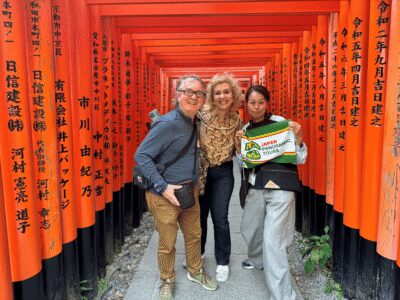 ★ 4.8Fushimi Inari, Kinkakuji, Bamboo Grove 1 Day Bus TourFrom $1224,316 reviews
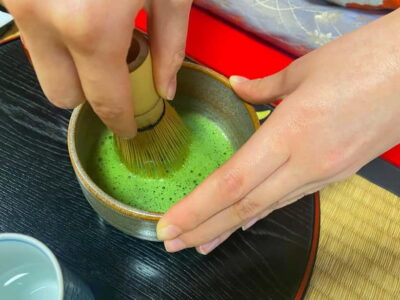 ★ 4.9Tea Ceremony in a Traditional Tea House in KiyomizuFrom $493,519 reviews
 ★ 4.7Kyoto/Osaka: Nara, Fushimi Inari Taisha, Arashiyama Bus TourFrom $521,275 reviews
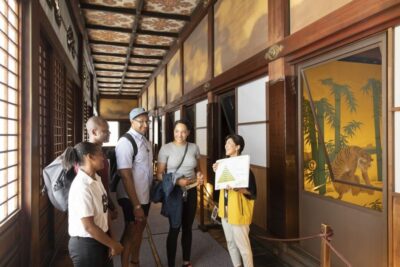 ★ 4.7Nijo-jo Castle and Ninomaru Palace Guided TourFrom $161,020 reviews
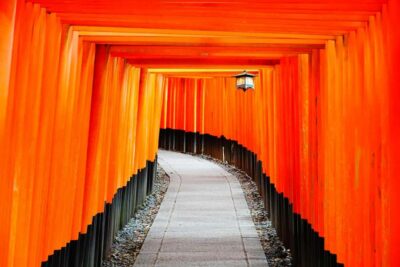 ★ 4.4Osaka/Kyoto: Arashiyama, Nara & Fushimi Inari Shrine w/LunchFrom $61754 reviews
 ★ 4.7Nijo Castle, Kiyomizu & Fushimi Inari Guided TourFrom $54700 reviews
 ★ 5.0Nijo, Kinkaku-ji, Arashiyama, Kiyomizu & Fushimi InariFrom $51699 reviews
 ★ 4.7Imperial Palace & Nijo Castle Guided Walking TourFrom $49453 reviews