
REVIEW · NISHIKI MARKET AND KYOTO FOOD WALKS
Kyoto: Local Food Tasting Tour at the Nishiki Market
Kyoto food starts with a market. This Nishiki Market tasting tour is a smart way to get your bearings fast, with a local guide leading a small-group walk through a 400-year-old food hub while you sample Kyoto favorites. I especially like the mix of local flavors plus the cultural stories that explain what you are eating, and how everyday Kyoto food traditions work. The main catch to plan around is that the tour cannot accommodate dietary restrictions like vegetarian, halal, kosher, gluten-free, or allergy-related needs.
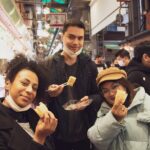
You will not do a sit-down meal here. Instead, you get guided tastings across several stalls, so you can try a range of textures and flavors without having to decide which shop to trust in the crush of the market. One more thing to know upfront, you will be walking, and it is not suitable for wheelchair users or people with mobility impairments.
If you want a first-day Kyoto activity that feels practical and very “Kyoto,” this hits the mark. Nishiki Market is often called Kyoto’s Kitchen, and with a guide you get to taste the classics plus the seasonal details that are easy to miss when you wander alone.
In This Review
- Key highlights before you go
- Kyoto’s Kitchen, and Why It’s So Hard to Do Alone
- Your 3-Hour Route Through Nishiki Market and Beyond
- Starting points, then straight into Nishiki Market
- Nishiki Market tastings: 1.5 hours of Kyoto classics
- A quick break at Nishiki-Tenmangu Shrine
- Shinkyogoku Shopping Arcade and Teramachi Street
- A short detour to a hidden spot
- The Tastings You Actually Want to Know About
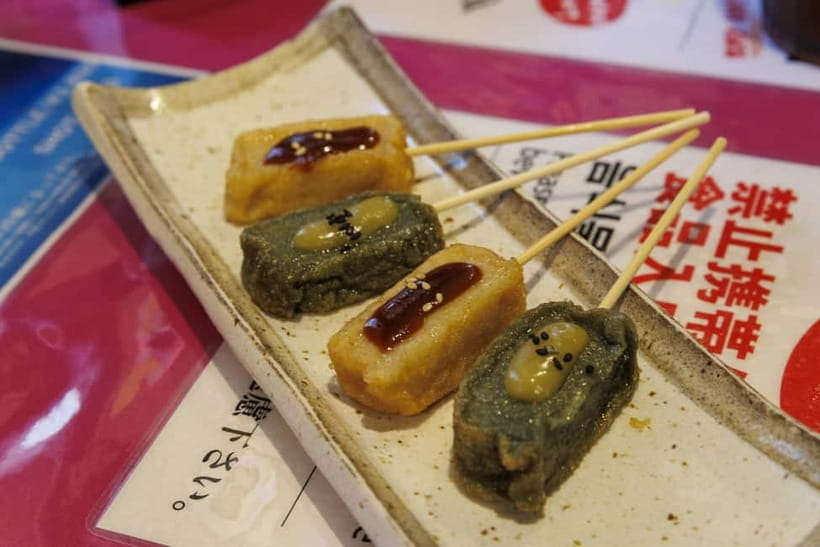
- Yuba: Kyoto’s tofu-skin comfort
- Obanzai: the everyday home-cooking thread
- Hamo tempura: a seasonal, regional taste
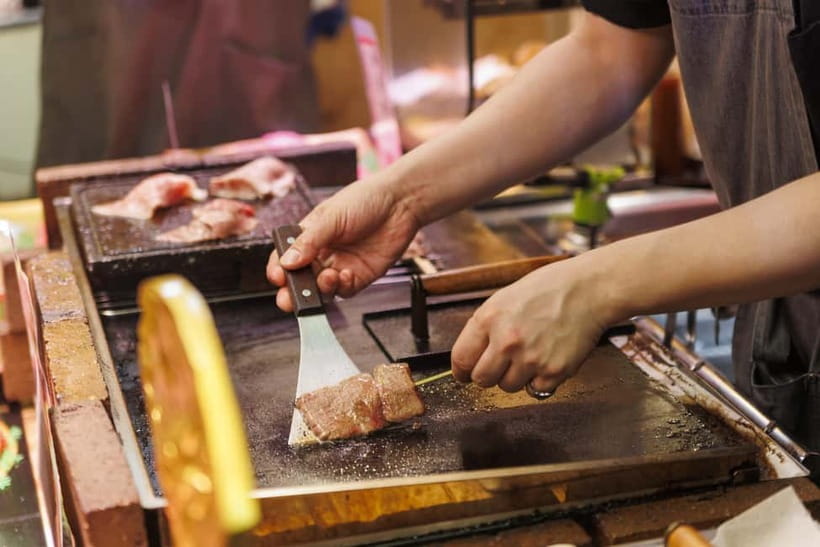
- Wagyu steak skewers: a crowd-friendly highlight
- Extra samples that teach flavor, not just food
- What You’ll Learn From the Guide, Not Just Eat
- Price and Logistics: Is $78 Good Value?
- Tea Ceremony Add-On at 2:00 PM: The Calm After the Snacks
- What to Bring, and the Stuff That Can Trip You Up
- Who This Tour Suits Best (and Who Might Skip It)
- Should You Book This Nishiki Market Food Tasting Tour?
- FAQ
- What kind of food experience is this at Nishiki Market?
- How long is the Kyoto Nishiki Market food tour?
- What food tastings are included?
- Is the tea ceremony included, or is it optional?
- What language is the tour guide?
- What should I bring and what is not allowed?
Key highlights before you go
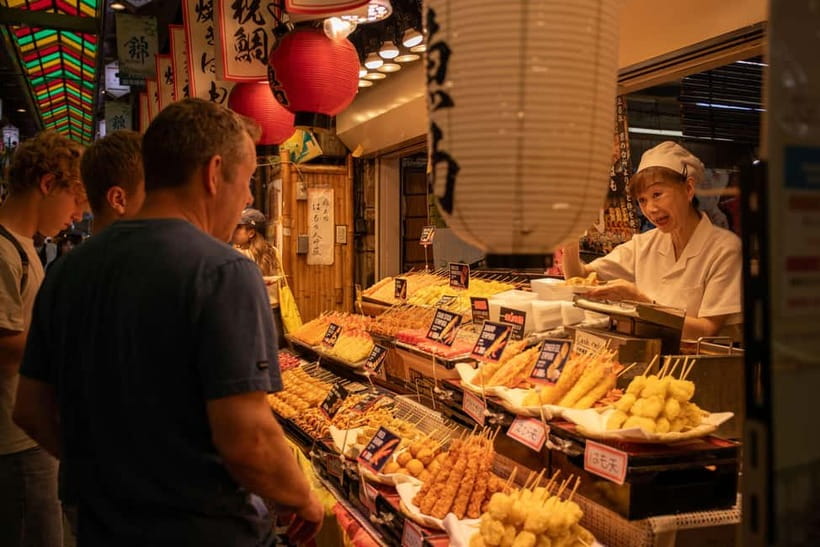
- 400-year-old Nishiki Market with about 130 food stalls, easy to explore with a guide
- Max 6 participants for questions, pacing, and smoother tasting stops
- 5 carefully selected specialties including Hamo tempura and Wagyu steak skewers
- Short shrine and shopping-arcade stops that connect food to place, not just food
- Tea ceremony option with kimono dressing and a 90-minute session starting at 2:00 PM
Eat your way along the arcade a different way
- Nishiki Market Brunch Walking Tour (7 Tastings + Brunch)
★ 5.0 · 1,355 reviews - Kimono Tea Ceremony at Kyoto Maikoya, NISHIKI
★ 5.0 · 911 reviews - Kyoto Nishiki Market Food and Culture Walking Tour
★ 5.0 · 412 reviews - Kyoto: Nishiki Market Tea Ceremony with Koto Performance
★ 4.8 · 294 reviews
Kyoto’s Kitchen, and Why It’s So Hard to Do Alone
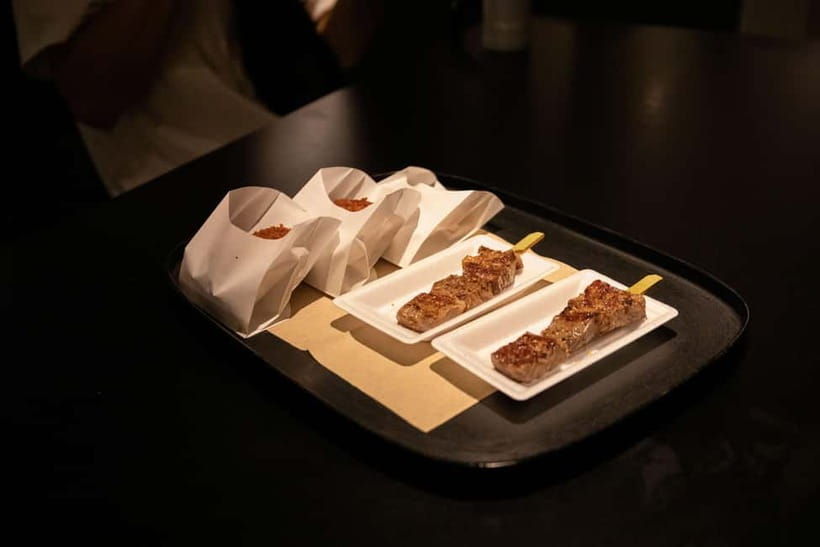
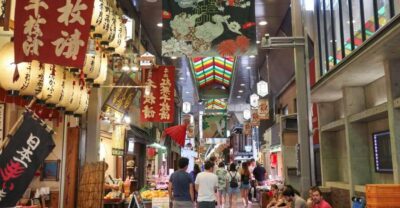
Nishiki Market is the kind of place where your senses get overwhelmed fast. It is narrow, crowded, and packed with things you have never heard of, which is part of the fun. The other part is the decision fatigue. Standing in front of stall after stall trying to translate labels while your timing slips gets exhausting.
That is why this tour works so well. You get a local English-speaking guide who keeps the route moving and the tasting focused. Instead of buying a full snack at random, you taste a guided lineup that includes Kyoto-specific classics and market staples. You also learn the background behind what you are sampling, so you do not just eat, you understand.
I like that the tour is built for approachability. It is not a rigid banquet. It is more like an organized food walk where the guide helps you navigate the market’s layout and the best versions of each item.
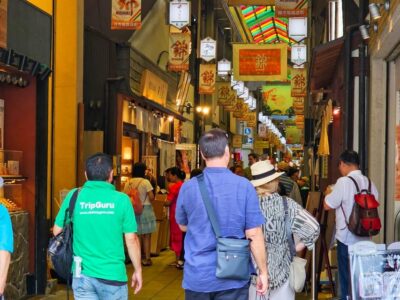
Your group stays small, limited to 6 participants. That matters because Nishiki Market can feel like a wall of people. With fewer travelers, you can actually hear your guide, ask questions, and move through the crowds without constantly bumping elbows.
One more practical upside: the tour includes tastings of seasonings and sweet notes, not only hot food. You might try items like special Kyoto seasonings, crackers, and Japanese flavored honey. Those smaller samples are how you learn what makes Kyoto food taste different.
Your 3-Hour Route Through Nishiki Market and Beyond
The tour runs about 3 hours, listed as 270 minutes. It is a walking plan, so wear comfortable shoes and expect short stops where you sample, listen, and then move along.
Here is how the flow typically works from start to finish:
Starting points, then straight into Nishiki Market
Your exact meeting point can vary depending on the option you book. The listed options include Shijo Street Sidewalk Expansion Project Memorial and the 四條東洞院内裏跡 area. The point is that you should double-check the specific address or landmark you are given when you book, not just the general neighborhood.
Once everyone is together, the main portion is inside Nishiki Market for about 1.5 hours. That is enough time to hit several stalls and still feel like you are seeing the market, not just skipping from one snack to another.
- PERFECT KYOTO 1-Day Bus Tour★ 5.0 · 13,518 reviews
- Kyoto: Fushimi Inari, Kinkakuji, Bamboo Grove 1 Day Bus Tour★ 4.8 · 4,316 reviews
- Kyoto: Tea Ceremony in a Traditional Tea House in Kiyomizu★ 4.9 · 3,519 reviews
- Kyoto Geisha Walking Tour: Gion District & Hidden Gems★ 4.7 · 3,273 reviews
- Kyoto: Tea Ceremony Ju-An at Jotokuji Temple★ 4.9 · 3,207 reviews
Nishiki Market tastings: 1.5 hours of Kyoto classics
This is the heart of the experience. The market has around 130 food stalls, so your guide picks a set that makes sense together. You will get chances to sample multiple specialties, including yuba, obanzai, Hamo tempura, and Wagyu steak skewers. The tour also includes additional tastings such as Kyoto seasonings, crackers, and flavored honey.
What I like about this structure is that it teaches range. Yuba gives you that distinctive tofu skin texture. Hamo tempura brings a regional flavor that many visitors have never tried. Wagyu skewers show up in a more straightforward, satisfying form. Obanzai adds the “home cooking” angle, which is a big part of how Kyoto keeps its food culture grounded.
A quick break at Nishiki-Tenmangu Shrine
After the market, there is a short visit to Nishiki-Tenmangu Shrine for about 10 minutes. This stop is brief, but it helps break the food-and-stalls intensity. It also gives you a sense of how the food market sits inside a lived-in neighborhood, not a museum version of Kyoto.
A 10-minute shrine pause is not the time to expect a deep, ceremonial experience. It is more a moment to look around, reset your senses, and hear a bit of context tied to the area.
Shinkyogoku Shopping Arcade and Teramachi Street
Next, you spend about 45 minutes in the Shinkyogoku Shopping Arcade, then around 30 minutes in the Teramachi Street Shopping District. These segments matter because they connect the market to daily Kyoto life. You see different storefront types, street rhythms, and shopping styles that feel like part of the same ecosystem.
It also helps you get more out of the “after Nishiki Market” time. Once you have walked this route once with a guide, you are better prepared to return on your own later and not feel lost.
A short detour to a hidden spot
There is also a “hidden gem” stop for about 10 minutes. The listing does not give a specific name, so I would treat this as a bonus detour. In practice, these short detours usually exist to show you something quieter and less obvious, often a place that fits the guide’s theme for that day.
If you like food tours that feel like a guided stroll, these small surprise stops are worth it. If you prefer strict focus with no detours, keep in mind this tour is designed to balance tasting with wandering.
The Tastings You Actually Want to Know About
Most food tours list items, then you leave with a random collection of snacks. This one is more thoughtful. You are promised 5 special foods as part of the included tastings, plus additional seasonings and treats.
Here are the standouts you should look for in the tour flow:
Yuba: Kyoto’s tofu-skin comfort
Yuba is often described as tofu skin, but it is better thought of as a delicacy with a delicate, silky bite. Kyoto is known for this ingredient, and it shows up in different preparations. Even if you have had tofu before, yuba tends to feel more delicate and special, which is exactly why it is a good “first Kyoto” tasting.
Obanzai: the everyday home-cooking thread
Obanzai is the Kyoto idea of home cooking. It is not a single dish. It is a category of flavors that reflect what people cook and eat at home. On a tasting tour, obanzai is useful because it shifts you from “tourist food” into the comfort-zone logic of local cuisine.
Hamo tempura: a seasonal, regional taste
Hamo is eel, and the special part is how Kyoto treats it. Tempura also changes the texture, making the flavor feel lighter and crisp rather than heavy. If you like trying something that feels local instead of widely available, this is one of the most interesting tastings on the list.
Wagyu steak skewers: a crowd-friendly highlight
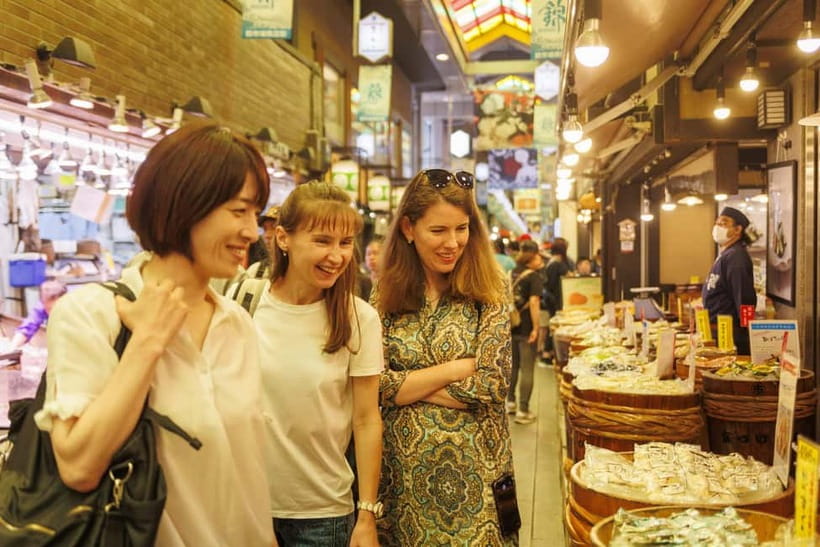
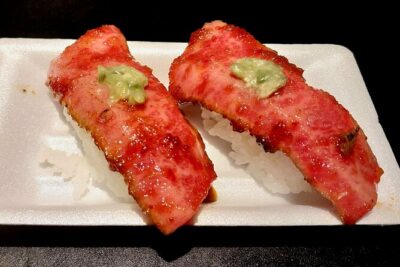
Wagyu skewers are a satisfying stop. The value here is not only the taste, it is the contrast with the other foods. After crisp tempura and delicate tofu skin, the skewers give you a richer, more savory bite.
Extra samples that teach flavor, not just food
The tour does not stop at five main specialties. You might also taste special Kyoto seasonings, crackers, and Japanese flavored honey. These are important because they teach your palate what to look for later when you are buying snacks on your own.
If you are wondering what makes Kyoto food taste different, these small samples often do the job. Seasonings and sweet notes help you notice differences faster than eating one huge dish.
What You’ll Learn From the Guide, Not Just Eat
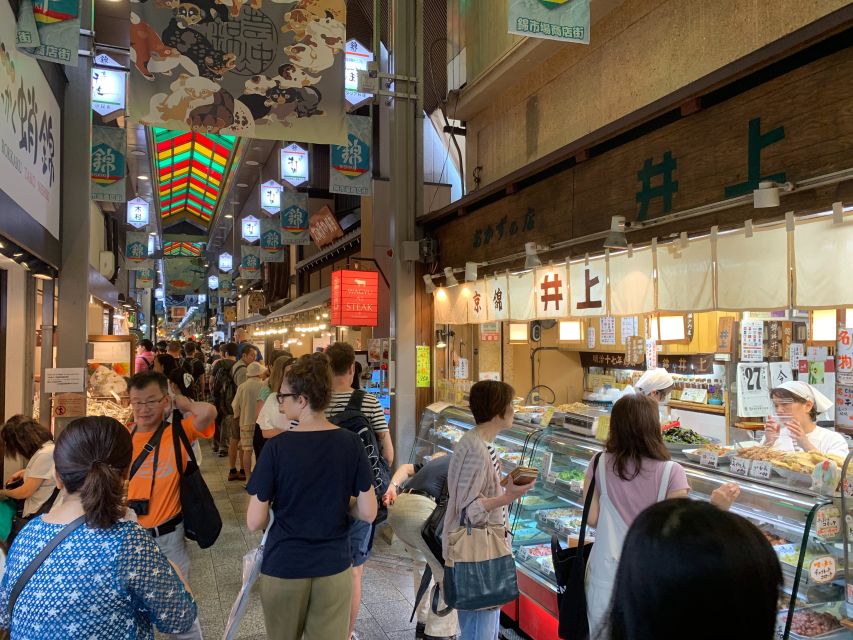
The guide component is where this tour becomes more than a snack route. English-speaking local guides lead the walk, and they typically tie foods to culture, tradition, and everyday life in Kyoto.
Some named guide examples you might encounter include Takuna or Takuma, Hide, Toshi, Yume, Ayu, Iku, Annie, Satomi, and Miho. Different personalities bring different strengths, but the pattern in the guide stories is consistent: clear explanations, patience at tasting stops, and a willingness to answer questions about Japan beyond the market.
That question-answer time is practical. When you learn what a dish is and why it is served a certain way, you can order better later. You also avoid wasting money on items that are not worth it for your tastes.
One more helpful detail: the tour is paced to prevent the market from feeling like chaos. Guests often describe the timing as well balanced, with enough walking plus enough tasting. That is a big deal because markets can run your energy down quickly if you are rushing.
Price and Logistics: Is $78 Good Value?
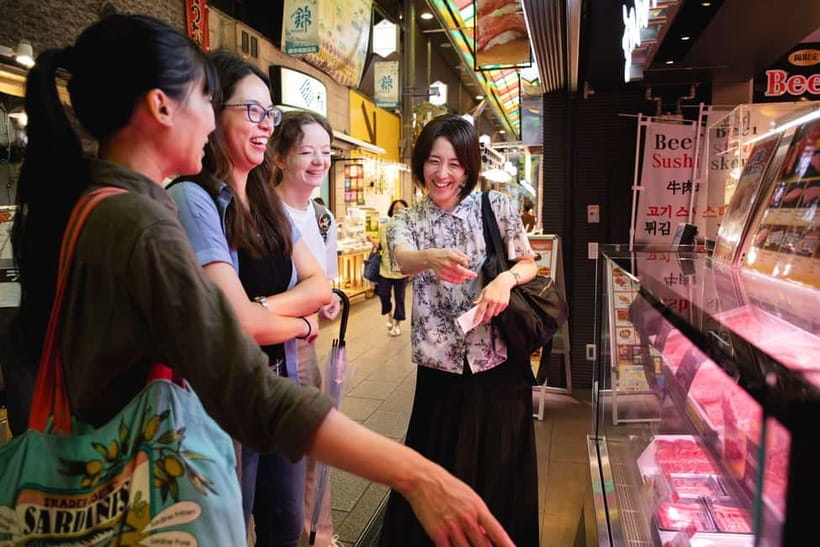
At $78 per person for about 3 hours, this tour is priced like an organized, small-group food experience with guide time and multiple tastings. Whether it is a good value comes down to what you would do if you tried to explore Nishiki Market by yourself.
If you plan to wander without guidance, you would likely spend time choosing stalls and you might miss specialty items like Hamo tempura or yuba preparations that you would not know to hunt for. You would also end up buying fewer items because the market crowd makes long tasting comparisons difficult. That usually leads to buying one or two “safe” snacks and leaving with less variety.
This tour solves that. You get multiple tastings, a guided walk, and a route that extends beyond the market into nearby shopping districts and a shrine area. It also caps group size at 6, which can reduce stress in a place that is busy by nature.
Could it feel pricey if you hate walking or you already know exactly what you want to eat? Sure. This is not a cooking class. It is a sampling walk, so if you expect a full meal sit-down experience, your value comes from variety and guidance, not from a plated feast.
Tea Ceremony Add-On at 2:00 PM: The Calm After the Snacks
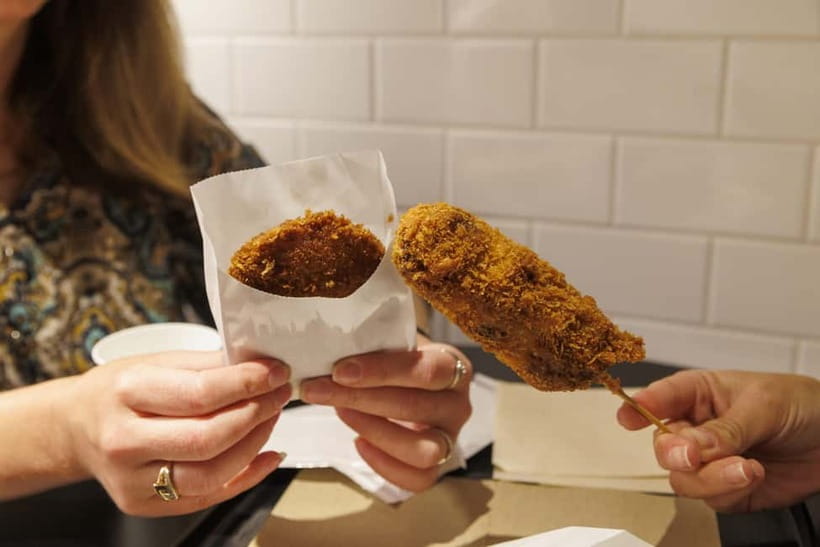
Some people book this tour for Nishiki Market, then add the tea ceremony option as a perfect contrast. The tea ceremony begins at 2:00 PM, after your food tour ends. You will need to make your own way to the tea ceremony venue near Nishiki Market after the tour.
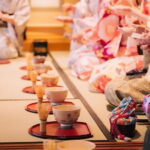
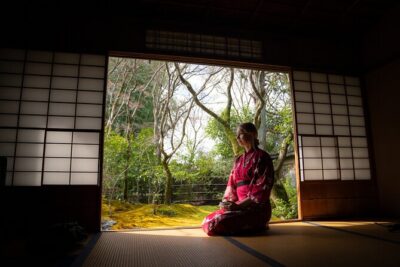
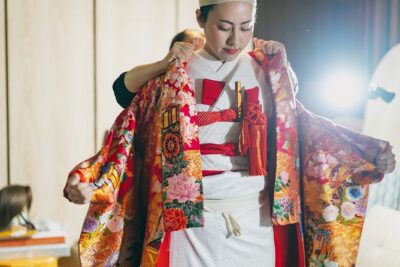
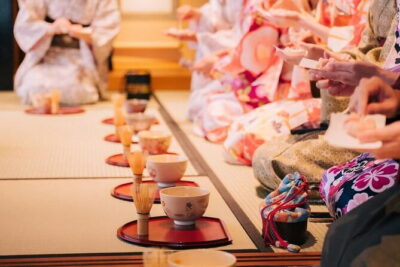
The tea ceremony session runs about 90 minutes. It includes professional kimono dressing, then a guided ceremony led by a seasoned tea master. You also get time for commemorative photos in a traditional setting.
This add-on is a good fit if you like your travel day to have both food energy and a slower cultural ritual. It also pairs well because you already learned about local traditions through food. The tea ceremony gives you a second lens on Kyoto culture, one that is calmer and more formal.
One practical note: since the time starts at 2:00 PM, think about your overall schedule for the day so you are not late or scrambling across neighborhoods.
What to Bring, and the Stuff That Can Trip You Up
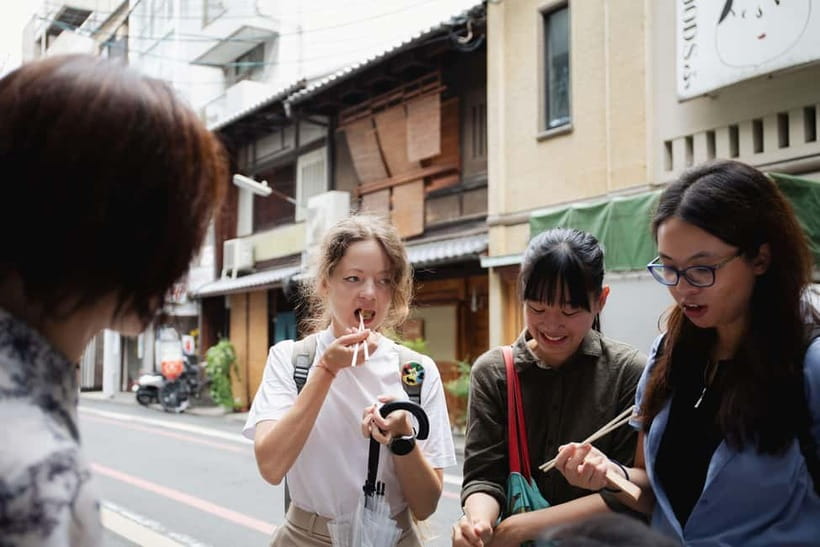
This is where small planning matters.
Bring:
- Comfortable shoes. You are walking a lot for a 3-hour experience.
- Rain gear. Kyoto weather can change quickly, and you do not want to cut your appetite with soaked clothes.
Plan around the rules:
- No pets.
- No luggage or large bags.
Fit expectations:
- This is not suitable for wheelchair users or people with mobility impairments.
- It is a group walking tour, so you should be ready to keep pace and stand in short lines for tastings.
Also, take the meeting point seriously. The tour lists multiple starting locations. If you pick the wrong one or arrive late, you might end up wasting time. I suggest arriving a few minutes early, and confirming the exact landmark tied to your booking.
Who This Tour Suits Best (and Who Might Skip It)
This Kyoto Nishiki Market food tasting tour fits best if you:
- Want an efficient first pass through Nishiki Market with less decision stress.
- Like variety, not just one signature dish.
- Enjoy learning while you snack, especially about regional ingredients like yuba and Hamo tempura.
- Prefer a small-group experience limited to 6 people.
- Are open to a short shrine stop and some arcade walking after the main market.
You might skip it if:
- You need dietary accommodations. The tour cannot accommodate vegetarian, halal, kosher, gluten-free, or allergy-related requests.
- You have mobility limitations that make market walking tough.
- You are looking for a full sit-down meal rather than tastings and strolling.
Should You Book This Nishiki Market Food Tasting Tour?
Yes, if you want a Kyoto food day that feels organized, local, and not overly stressful. For $78, you are buying three things at once: a local guide, five focused specialties plus additional samples, and an itinerary that stretches beyond the market so you understand the area better.
Book it especially if it is your first time in Kyoto and you want to leave the market with more confidence. With a guide like Takuma, Hide, Toshi, Yume, Ayu, Iku, Annie, Satomi, or Miho, you are more likely to understand what you are eating and what to look for again later.
Skip it if dietary needs are a concern, or if you know you want a slow, seated meal day instead of a walking sampler. In that case, Nishiki Market might be better tackled on your own at a relaxed pace.
If your plan matches the tour style, this is one of the easiest ways to eat like Kyoto for a few hours, then keep exploring with a better sense of direction.
FAQ
What kind of food experience is this at Nishiki Market?
It is a small-group walking tasting tour, not a sit-down meal. You sample a variety of Kyoto specialties across carefully chosen shops, with time to learn culture and history while walking through the market.
How long is the Kyoto Nishiki Market food tour?
The tour is listed as 3 hours, or about 270 minutes, including time at Nishiki Market and several additional stops.
What food tastings are included?
The tour includes 5 special foods and additional tastings. The listed specialties include yuba, obanzai (local home cooking), hamo tempura, and Wagyu steak skewers, plus other tastings like Kyoto seasonings, crackers, and Japanese flavored honey.
Is the tea ceremony included, or is it optional?
The tea ceremony is optional. If you select the tea ceremony option, it is a 90-minute experience starting at 2:00 PM, and includes kimono dressing and guidance by a tea master.
What language is the tour guide?
The live tour guide is English.
What should I bring and what is not allowed?
Wear comfortable shoes and bring rain gear. Pets are not allowed, and you should not bring luggage or large bags.
Along the Nishiki Arcade
Newest Kyoto write-ups from the Loving Japan desk

Nishiki Market and Kyoto Food Walks, side by side.
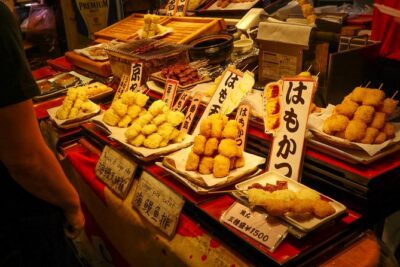 ★ 5.0Nishiki Market Brunch Walking Tour (7 Tastings + Brunch)From $681,355 reviews
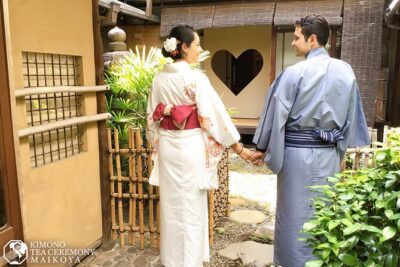 ★ 5.0Kimono Tea Ceremony at Kyoto Maikoya, NISHIKIFrom $65911 reviews
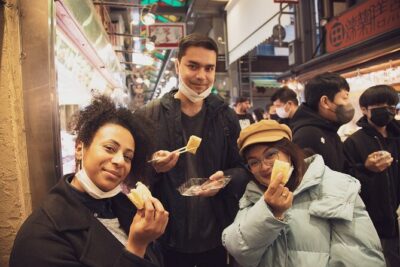 ★ 5.0Kyoto Nishiki Market Food and Culture Walking TourFrom $80412 reviews
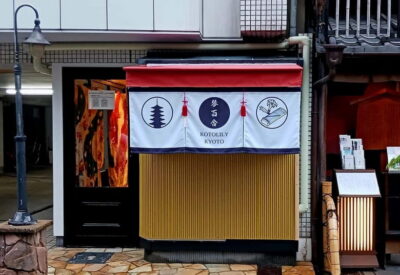 ★ 4.8Nishiki Market Tea Ceremony with Koto PerformanceFrom $56294 reviews
 ★ 4.8Nishiki Market Brunch Walking Tour-7 Tastings+BrunchFrom $66197 reviews
 ★ 5.0Kimono Tea Ceremony Experience at Kyoto Oritzuruya, NishikiFrom $50116 reviews
 ★ 5.0Kyoto Food Tour of 10 Tastings with Wagyu, Mochi & More SurprisesFrom $14285 reviews
 ★ 4.7Nishiki Market and Depachika Food Tour with a LocalFrom $4276 reviews
Filed on these lists too