
REVIEW · ONSEN, HOT SPRINGS AND BATHHOUSES
Guide tour of Japanese bathing culture at Funaoka Onsen
Learn onsen manners fast, with a local guide. This Kyoto experience pairs Sarasa Nishijin with Funaoka Onsen, so you get the meaning behind Japanese public bathing and then you practice it. I like the small-group format and how the pacing gives you time to ask questions before you step into the bath.
One key thing to know: the onsen requires nude bathing, and bathing is gender-segregated, so couples may not stay together.
In This Review
- Key moments that make this tour worth your time
- Kyoto onsen etiquette, the practical way
- Sarasa Nishijin: the former bathhouse cafe that sets the tone
- Funaoka Onsen: learning the method before you soak
- How the experience feels: relaxing, but not vague
- Price and value: what you are really paying for
- Practical logistics that can make or break it
- The nude bathing reality, and how to plan for it
- Health and safety: who should skip hot baths
- Who this Kyoto onsen tour suits best
- Should you book this Funaoka Onsen bathing culture tour?
- FAQ
- Where does the tour start?
- How long is the tour?
- How much does it cost?
- What is included in the ticket price?
- Is this tour good for beginners or first-time onsen visitors?
- Do I have to bathe nude?
- How many people are in the group?
- Is there any reason I should not participate?
- Will I be able to communicate with the guide?
- What if plans change?
Key moments that make this tour worth your time
- Sarasa Nishijin cafe in a former public bathhouse gives you context before you soak
- A pre-bath etiquette lesson at Funaoka Onsen helps you feel calm, not clueless
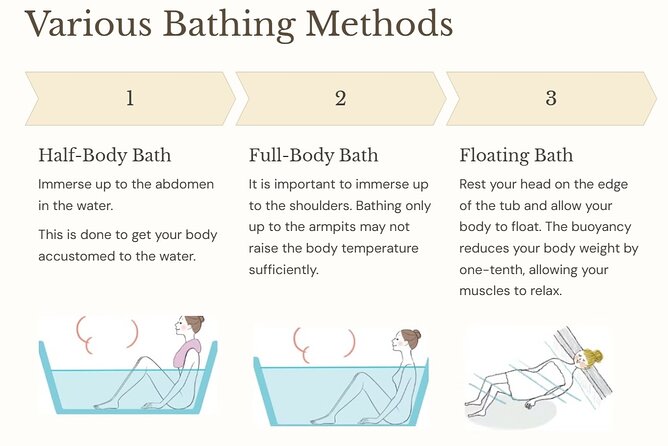
- Hands-on practice of bathing methods so you are not just watching
- A local guide named Atsuki who sticks with you through the process
- Maximum 5 people keeps the experience personal and question-friendly
Warmer options. Baths we have been into
- Kyoto: Traditional Concert at Townhouse or Bathhouse
★ 4.9 · 224 reviews
Kyoto onsen etiquette, the practical way
If your Kyoto plans lean toward shrines, temples, and photo stops, this tour adds the other half of everyday Japan: how people actually relax and care for their bodies. Japanese bathing is not just hygiene. It is a social ritual with clear expectations.
What I like most is that the lesson does not stay theoretical. You learn the “how” and “why,” then you try it. That turns onsen anxiety into simple, doable steps.
Another big plus is the tone. Instead of acting like an etiquette police officer, the guide’s role is to reduce mistakes so you can enjoy the bath. The group stays small, up to five people, which matters when you are doing something this different from home.
A possible drawback is language. The guide is local Japanese and not very strong in English, so you will want a patient, straightforward communication style. If you can follow instructions and ask the same question a second time, you will be fine.
Sarasa Nishijin: the former bathhouse cafe that sets the tone
Your tour starts at Sarasa Nishijin. The spot is a cafe that was renovated from a public bathhouse, which means you are standing in a building that already understands the rhythm of bathing. Before you even reach the onsen, you get a chance to connect the dots between past and present Japan.
At this first stop, you sip a drink and learn about the history of Japanese public baths and how to bathe properly. This matters because onsen rules are easier to remember when you understand where they come from. You are not just being told what to do, you are learning what the ritual protects, like comfort, cleanliness, and respect for shared space.
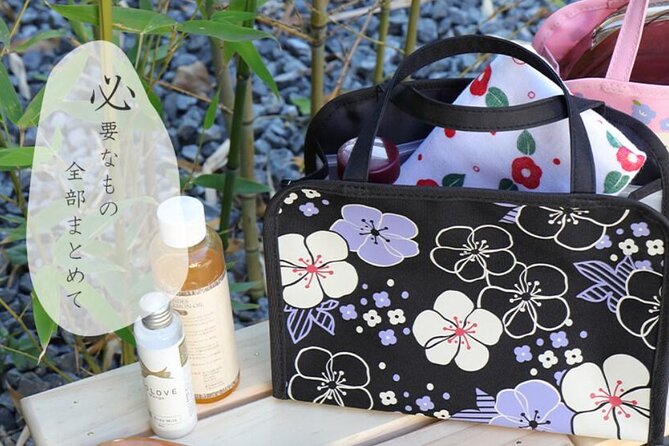
You also get a take-home guide with proper bathing techniques. That is genuinely useful. It helps you repeat what you learned at your next sento or onsen visit, when you are on your own and trying to avoid awkward trial and error.
Funaoka Onsen: learning the method before you soak
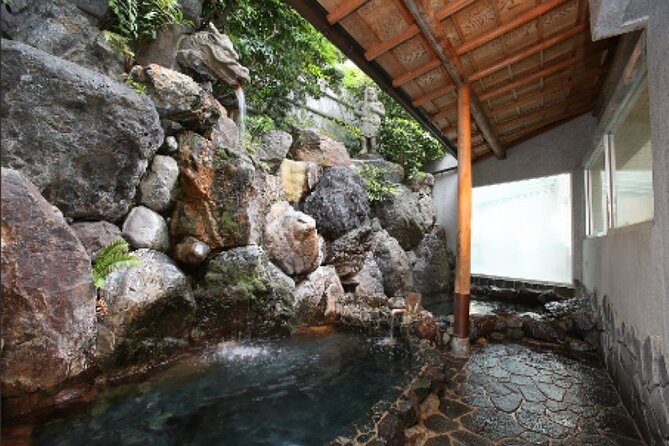
Next you head to Funaoka Onsen. This is the main event, and it has a strong local reputation among Kyoto residents. The setting is a beautifully preserved bathhouse, and the best way to describe the experience is calm and guided.
Before you enter the bath, the guide uses materials to lecture on unique bathing methods. Then you try the method yourself. This “watch, listen, practice” setup is exactly what you want for a first onsen visit. You will not spend your whole time wondering if you are doing something wrong. The guide is there throughout to keep you on track.
One detail that came up in feedback is that Funaoka Onsen has an interesting origin story tied to competition with geothermal onsen. Even if you do not focus on the business history, it adds a layer of meaning. You are not just buying a relaxing ticket. You are stepping into a place with a local narrative.
- PERFECT KYOTO 1-Day Bus Tour★ 5.0 · 13,518 reviews
- Kyoto: Fushimi Inari, Kinkakuji, Bamboo Grove 1 Day Bus Tour★ 4.8 · 4,316 reviews
- Kyoto: Tea Ceremony in a Traditional Tea House in Kiyomizu★ 4.9 · 3,519 reviews
- Kyoto: Tea Ceremony Ju-An at Jotokuji Temple★ 4.9 · 3,207 reviews
- Kyoto: 45-Minute Tea Ceremony Lesson Experience★ 4.3 · 2,378 reviews
How the experience feels: relaxing, but not vague
The best part of a good cultural tour is that it changes your state of mind. With onsen etiquette, that means you relax because you understand what comes next.
The guide, Atsuki, is described as supportive and helpful, especially for first-timers and solo visitors. That makes sense. When you are by yourself in a place with rules you do not yet know, even small uncertainty can spoil the experience. Here, you get a clear overview of the steps, and the guidance helps you shift from worry to ease.
Also, the whole thing is timed. The first stop is about fifteen minutes, and then the onsen part runs about an hour. That structure prevents the common problem where you arrive at an attraction and the explanation is over before you feel ready. Instead, you get context and then actual time in the bath environment.
Price and value: what you are really paying for
The price is $45.72 per person, for about 1 hour 30 minutes. Admission tickets are included at both stops.
If you look at that as only an onsen ticket, it may seem pricey. But you are not just paying for entry. You are paying for a structured etiquette lesson, a local guide, and coaching through the process. The tour also includes a take-home guide, which extends the value beyond that one visit.
One underrated value point is group size. With a maximum of five travelers, you get attention that you would not get from a larger group or a self-guided visit. For onsen culture, where the difference between doing it right and doing it awkwardly can be the difference between comfort and stress, that attention is worth money.
Timing helps too. This experience tends to be booked about 34 days in advance. If you want a specific day, you should plan ahead rather than waiting until the last week.
Practical logistics that can make or break it
You meet at Funaoka Onsen, address 82-1 Murasakino Minamifunaokachō, Kita Ward, Kyoto, 603-8225, Japan. The activity ends back at the meeting point.
The good news: it is near public transportation. That matters in Kyoto, where hopping between areas can eat time. The bad news: because the guide’s English is limited, you will want to arrive on time and be ready to follow directions quickly.
The tour uses a mobile ticket. So yes, bring your phone. If your battery is shaky, carry a charger. These little tech failures can be stressful when you are also dealing with a new cultural setting.
The nude bathing reality, and how to plan for it
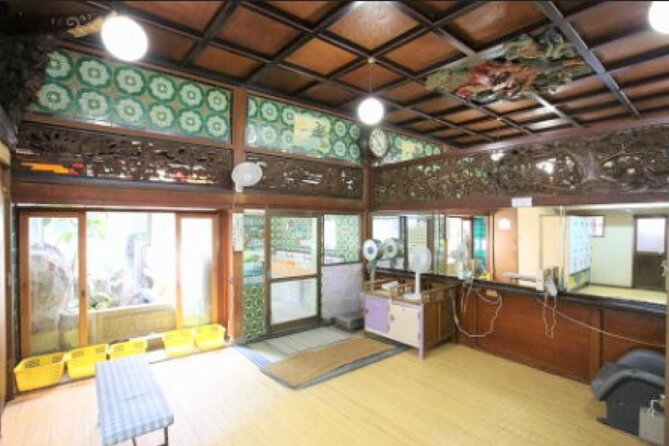
Here is the important part: the onsen requires nude bathing. It is gender-segregated, so men and women bathe separately. Also, couples may be separated. That is not negotiable, because the facility runs on its cultural rules.
If you are uncomfortable with nudity, or you are trying to stay together as a couple in the same bathing area, this tour may not be the best fit. You might still enjoy the cultural lecture, but the actual bathing experience is part of the program.
If you are okay with nudity and you are mainly there to learn how to do it respectfully, this tour is a smart way to get over the mental hurdle. The guide helps you feel less self-conscious because you have a plan and someone to guide you through the sequence.
Health and safety: who should skip hot baths
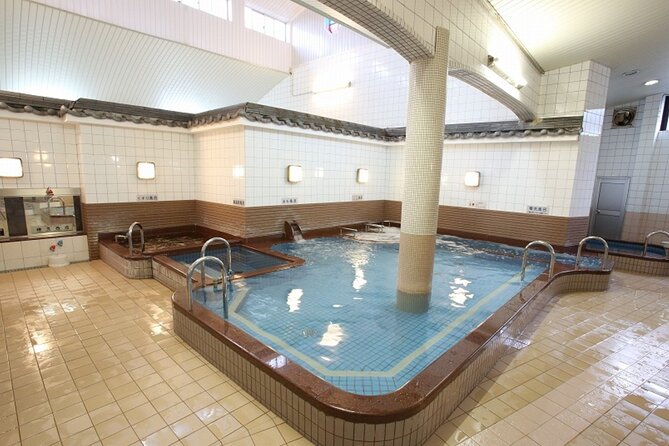
Japanese hot springs and public baths can be wonderful, but they are not for everyone. The tour specifically advises against participation if you have contraindications for hot spring bathing, including severe heart or lung diseases, recent gastrointestinal bleeding, advanced malignant tumors, or severe anemia.
You should also skip if you are feeling unwell the day of the tour, especially with a fever, or if you have consumed alcohol. If a doctor advises against hot spring participation, you must refrain.
This is not meant to ruin your vacation. It is meant to keep you safe. If you are unsure, it is worth asking your doctor, because your health beats any cultural bucket list.
Who this Kyoto onsen tour suits best
This is a great fit if you want an authentic, hands-on cultural experience beyond the standard checklist. It also works well if you care about wellness and mindfulness, since the tour focuses on health benefits and calming ritual.
It is especially helpful for:
- First-time onsen visitors who do not want to guess
- Solo travelers who want support and a clear plan
- People who enjoy practical cultural lessons, not just sightseeing
It may be less ideal if:
- You strongly dislike nudity, even with gender separation
- You need the experience to keep couples in the same spaces
- You prefer tours with strong English support throughout
One more note from the tour information: it states that staff are not homosexual. That is not part of bathing etiquette, and it is not something I would judge as “good” or “bad.” But it is written in the details you were given, so you should consider it if it matters to you.
Finally, Atsuki is not an employee of Funaoka Onsen. This is still a real local guide-led experience, but it is good to know the tour is guided independently.
Should you book this Funaoka Onsen bathing culture tour?
I would book it if you want a calmer, correct first onsen visit in Kyoto. The combination of a former bathhouse cafe learning stop, then a structured pre-bath lesson, then actual practice at Funaoka Onsen is exactly what makes this tour feel worth your time.
I would skip it if nude bathing is a deal-breaker for you, or if you are traveling as a couple and you need to stay together during the bath portion. The gender segregation and possible separation are not minor details.
If you are flexible and you want to learn the etiquette behind Japanese bathing culture, this tour gives you a way to enjoy the experience without second-guessing yourself the whole time. You will leave with a take-home guide, and more importantly, you will understand what to do next time.
FAQ
Where does the tour start?
It starts at Funaoka Onsen, 82-1 Murasakino Minamifunaokachō, Kita Ward, Kyoto, 603-8225, Japan. The tour also ends back at the meeting point.
How long is the tour?
The experience runs about 1 hour 30 minutes total.
How much does it cost?
The price is $45.72 per person.
What is included in the ticket price?
Admission tickets are included for both stops, and you receive a take-home guide for proper bathing techniques.
Is this tour good for beginners or first-time onsen visitors?
Yes. The tour is designed to explain etiquette and bathing methods before you enter the bath, which helps if it is your first time.
Do I have to bathe nude?
The experience requires nude bathing. It is segregated by gender.
How many people are in the group?
The tour has a maximum of 5 travelers.
Is there any reason I should not participate?
You should not participate if you have contraindications for hot spring bathing (such as severe heart or lung diseases, recent gastrointestinal bleeding, advanced malignant tumors, or severe anemia). You should also avoid participation if you feel unwell, have a fever, or have consumed alcohol, and you must refrain if your doctor advises against it.
Will I be able to communicate with the guide?
The guide is local Japanese and is not very good at English, so you may need to rely on simple instructions and basic communication.
What if plans change?
Free cancellation is available. You can cancel up to 24 hours in advance for a full refund.
Baths We Have Been Into
Newest Kyoto write-ups from the Loving Japan desk
Onsen, Hot Springs and Bathhouses, side by side.
 ★ 4.4Nara and Uji Day Trip with Deer Park and Hot SpringFrom $57302 reviews
 ★ 4.9Traditional Concert at Townhouse or BathhouseFrom $32224 reviews
 ★ 5.0From Tokyo: Private Tour to Fuji/Hakone – Onsen, Art, NatureFrom $322116 reviews
 ★ 5.0Mt. Fuji, Hakone Private Tour from Tokyo – Onsen, Arts and NatureFrom $85279 reviews
 ★ 4.3Mount Fuji 5th Station & Onsen Day TripFrom $5075 reviews
 ★ 4.6From Fukuoka: Mount Aso, Kurokawa Onsen, and Shrine TourFrom $5072 reviews
 ★ 5.0Private Nagano 1-Day Tour:Snow Monkeys,Zenko-ji,Obuse,Sake,OnsenFrom $33771 reviews
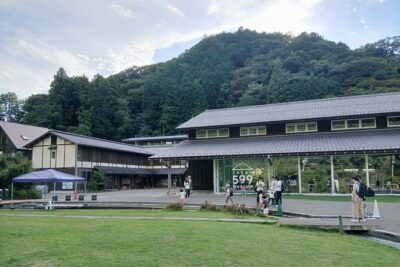 ★ 5.0Mt Takao Tour with Ramen and Tattoo-Okay Hot SpringFrom $12069 reviews
Filed on these lists too