
REVIEW · JAPANESE COOKING CLASSES
Gyoza Making from Scratch- Tokyo Ultimate Cooking Class
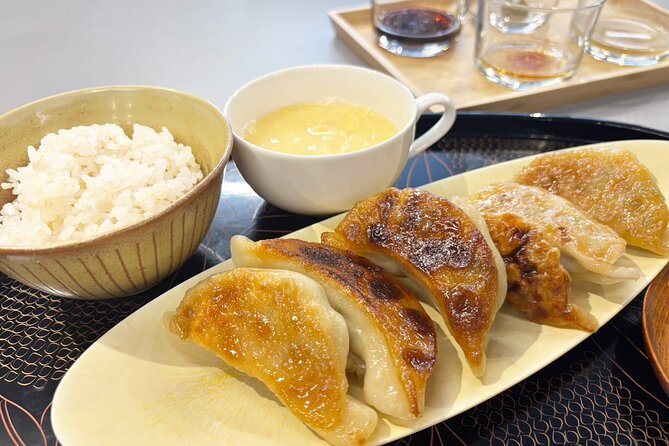
Dumplings, made by hand, change everything. In this Tokyo class, you build gyoza from scratch, from dough and filling to folding and pan-frying, then you taste them with multiple dipping sauces.
The setting is a modern Patia Kitchen studio in central Tokyo, so you get a real cooking-kitchen feel without the hassle of bouncing across town.
I love how hands-on the process is, especially kneading dough and making wrappers you can actually compare to store-bought ones. I also like that the instructor guides you step by step in English, and you leave with an English recipe plus digital photos.
One possible drawback: it’s not a full-day activity, so if you want lots of free time to wander before and after, you’ll need to plan your Tokyo schedule around an hour 50 minute class.
In This Review
- Key Highlights You Should Know
- Gyoza From Scratch in Central Tokyo: What You Really Learn
- Patia Kitchen Studio Setup and the Small-Group Advantage
- Wrapper Dough and Filling Basics: From Kneading to the First Bite
- The Handy Comparison: Handmade vs Store-Bought Wrappers
- Folding Techniques That Actually Make a Difference
- Pan-Fried Yaki-Gyoza: How the Heat Changes Everything
- Soup, Side Dish, and Dipping Sauces for a Real Japanese Meal
- English Recipe and Digital Photos: Your At-Home Practice Kit
- Chicken Filling Option: A Simple Add-On If You Plan Ahead
- Price and Value: Is $92.24 Worth It?
- Timing, Tickets, and Getting There Without Stress
- Who This Tokyo Gyoza Class Fits Best
- Should You Book This Gyoza Class?
- FAQ
- What is included in the Gyoza Making from Scratch class?
- How long is the class?
- Where is the class held?
- Is transportation provided?
- How many people are in the class?
- Can I request chicken instead of pork?
- What do I get to take home?
- Is it good for all ages?
- Can I cancel for free?
Key Highlights You Should Know
- Wrappers from scratch (then you compare them to store-bought for texture and taste)
- Juicy filling technique with focused guidance on how to get the right feel
- Folding practice so you learn how the dumplings actually take shape
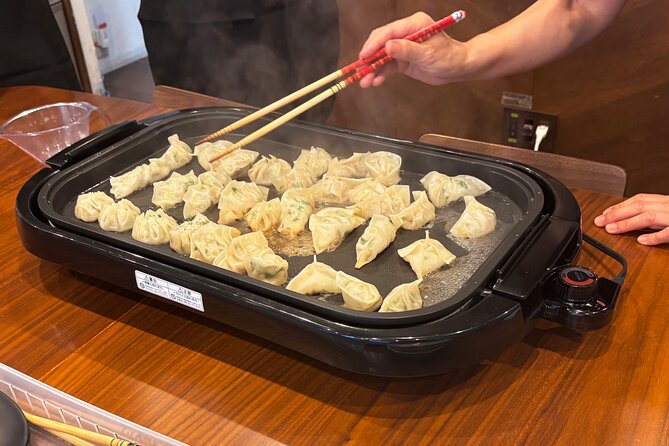
- Yaki-gyoza cooking in a pan-fried style you can repeat at home
- A full plate experience with soup, a side dish, and several dipping sauces
Cook it yourself instead. Other kitchens in Tokyo
- Tokyo: Roll and Authentic Sushi Making Class in Asakusa
★ 4.9 · 1,957 reviews - Tokyo: Sushi Making Class in a Happi Coat near a Famous Spot
★ 4.9 · 1,377 reviews - Tokyo Sushi Making Class in Tsukiji with Professional Chef
★ 5.0 · 1,177 reviews - Ramen & Gyoza Cooking Class in Tokyo with Local Supermarket Visit
★ 5.0 · 823 reviews
Gyoza From Scratch in Central Tokyo: What You Really Learn
This is a Japanese cooking class built around one main goal: make gyoza correctly, not just assemble ingredients. You start at the foundation, with wrapper dough and filling, then you work through folding and cooking. The result is not only food, it is technique you can carry home.
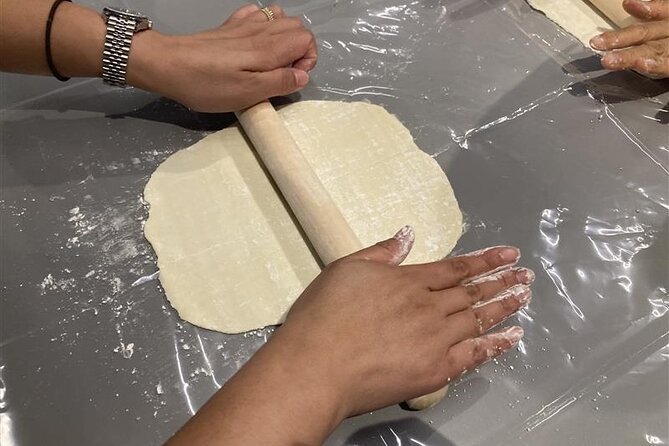
You will learn how to make gyoza wrappers and filling from scratch using fresh ingredients. That matters because gyoza is all about balance. If the wrapper is too thick, it eats like a dumpling jacket. Too thin, and it tears or turns soggy. By making your own, you understand what good wrapper texture feels like before you ever taste the finished dumplings.
You’ll also fold and cook both handmade and store-bought wrappers. This is a smart move for your expectations. Store-bought wrappers can be good for weeknights, but knowing how the handmade version differs gives you a practical reason to do the extra work. You get a real sensory comparison, not a vague promise.
Patia Kitchen Studio Setup and the Small-Group Advantage
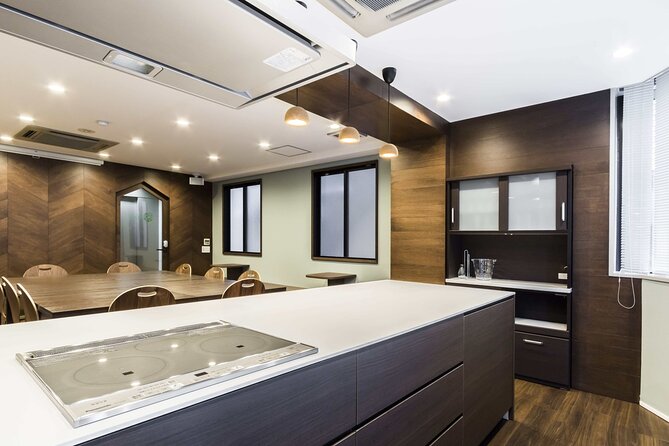
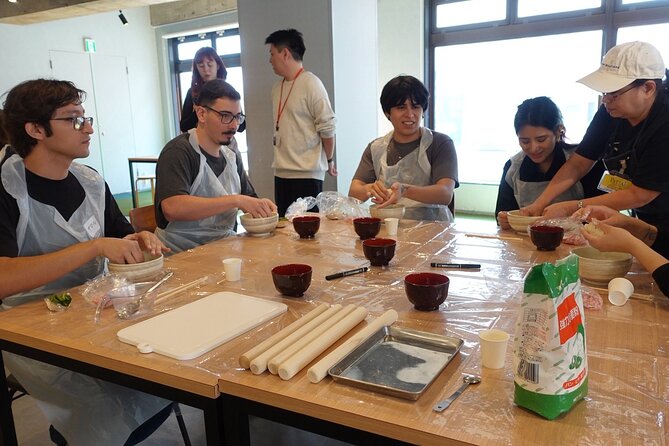
The class takes place at Patia Kitchen studios in central Tokyo. The kitchen is described as modern, stylish, and fully equipped, which is exactly what you want in a hands-on cooking setting. You do not need to bring tools, and you can focus on the steps rather than improvising your own station.
Another value point is the group size. The class caps at 12 travelers, which is small enough that you are not lost in the crowd. In a practical cooking class, smaller groups usually mean more time for the instructor to notice how your dough behaves and how your folds seal. If you pick up mistakes early, you get better results on the pan.
No hotel pickup or drop-off is included, so plan on getting yourself there using public transit. The activity also notes it is near public transportation, which helps. If you like to travel light and independent, this format suits you. If you rely on door-to-door transportation, you may find it slightly more work than a guided tour with pickup.
Wrapper Dough and Filling Basics: From Kneading to the First Bite
The cooking flow is built around making everything yourself. You will make the gyoza wrappers from scratch, then create the filling. That means you get hands-on practice with dough and with the texture of the filling, not just mixing in bowls and hoping for the best.
The wrapper part is more than just rolling dough. You need to understand kneading enough so the dough becomes workable, then you handle it in a way that keeps it from drying out. In gyoza-making, small changes matter. A dough that is too dry can crack when you try to seal. A dough that is too soft can lose shape. The instructor’s step-by-step guidance in English is important here, because you are learning the cues and not only memorizing instructions.
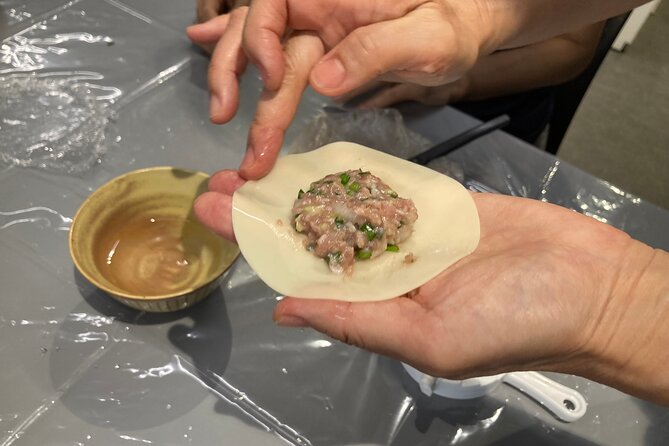
Then comes the filling. The class specifically promises the secret to making juicy gyoza filling. While the exact method is not spelled out here, the promise tells you the class is focused on texture and moisture balance. Too dry and you end up with dull dumplings. Too wet and they can leak or break during pan-frying. When the class emphasizes juice, you should expect technique around how ingredients are cut, mixed, and portioned, not just which ingredients go into the bowl.
- Mt Fuji and Hakone 1-Day Bus Tour Return by Bullet Train★ 5.0 · 26,383 reviews
- 1-Day Tokyo Bus Tour★ 5.0 · 14,250 reviews
- Tokyo: teamLab Planets TOKYO Digital Art Museum Entry Ticket★ 4.6 · 9,779 reviews
- Mt Fuji & Hakone Cruise, Drum Show Bullet Train 1 Day from Tokyo★ 4.0 · 7,413 reviews
- Tokyo: Shinjuku Food Tour (13 Dishes at 4 Local Eateries)★ 5.0 · 6,603 reviews
The Handy Comparison: Handmade vs Store-Bought Wrappers
One of the most practical parts of this class is the chance to compare handmade and store-bought wrappers. You do not just hear about differences. You cook and taste them, so you can decide what you truly care about.
Here’s what you can look for:
- Wrapper thickness and bite. Handmade wrappers often feel different because you control the dough.
- How well the edges seal. Folding quality depends on wrapper flexibility and moisture.
- Cooking behavior in the pan. Wrappers can respond differently to heat based on their thickness and dough texture.
Even if you plan to use store-bought wrappers at home, the comparison helps you understand when it is worth making your own. For example, if you love a delicate wrapper that stays tender, you might find handmade is your go-to for special occasions. If you mainly want convenience, store-bought might still make sense, with technique differences in how you fold and cook.
Folding Techniques That Actually Make a Difference
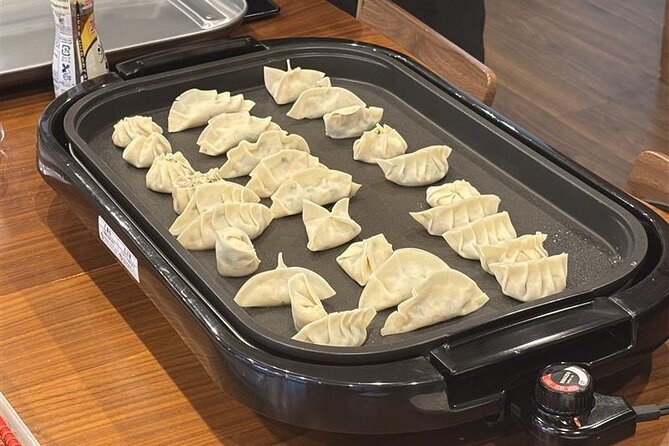
Folding is where gyoza moves from food prep to craft. You will learn the folding techniques, and you will practice enough to get a feel for how the pleats work. The class includes instruction aimed at making the dumplings hold together when pan-fried.
This is also where technique affects flavor. A well-sealed gyoza dumpling keeps the filling from escaping, so you get better texture and better taste per bite. When the edges are not sealed properly, you get dry filling or uneven cooking.
Because the class is small, you can benefit from real-time correction. If your folds are not crisp, the instructor can guide you on handling the wrapper and placement. If your dough is sticking, you can adjust your work habits fast instead of learning by disappointment on the pan.
Pan-Fried Yaki-Gyoza: How the Heat Changes Everything
Yaki-gyoza is the pan-fried style, and it is one of the most satisfying ways to eat dumplings. In this class, you will cook the gyoza pan-fried, so you learn how to manage heat while keeping the dumplings from undercooking inside.
Pan-frying dumplings is not only about getting a golden bottom. It is about timing and heat control so the filling cooks through while the wrapper keeps its structure. You will practice cooking handmade and store-bought wrappers, which should help you understand if one kind of wrapper needs a slightly different approach.
A good sign of quality in a class like this is that they teach more than assembly. If you only learn folding, you might make pretty dumplings that turn out inconsistent. By including cooking instruction for the pan-fried style, the class aims to teach the full chain, from raw to finished bite.
Soup, Side Dish, and Dipping Sauces for a Real Japanese Meal
After the gyoza prep, you do not just eat dumplings alone. The class includes how to prepare a soup and a side dish to enjoy with your gyoza. That is a big value point because it turns the activity into a complete meal experience, not just dumplings with a plate.
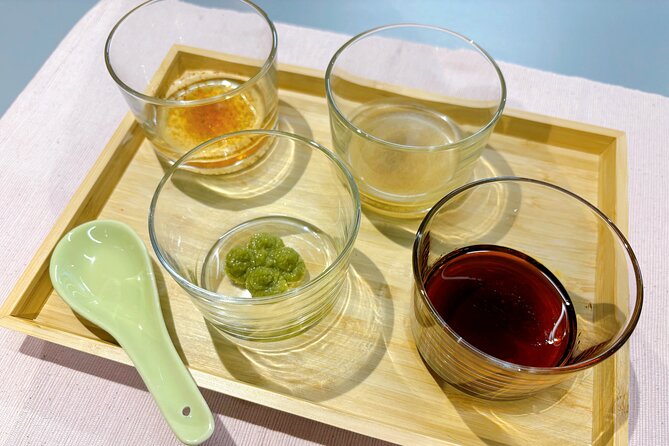
You will also enjoy your gyoza with several different dipping sauces. This matters because sauce choice is a major part of gyoza enjoyment. Some sauces lean savory and tangy, others are more mellow. When you taste multiple options, you can figure out your preference and learn how flavor shifts with sauce.
Here’s what you can do to get more from the meal portion:
- Taste the dumplings plain first, if offered, then add sauce.
- Pay attention to how sauce changes the wrapper texture. Tangy sauces can make tender wrappers feel even softer or more lively.
- Decide what you want to replicate at home so you do not rely on only one flavor profile.
English Recipe and Digital Photos: Your At-Home Practice Kit
You receive an English recipe to recreate gyoza at home. That is not a small extra. For many cooking classes, the instruction is great in the moment but you forget details later. With an English recipe, you have a fallback when you want to repeat the steps without guessing.
You also receive later-downloadable photographs from the class. This is helpful for two reasons. First, you can compare your finished gyoza shape and fold style to what it should look like. Second, it gives you a memory trail so the techniques feel more real when you practice later.
Practical tip: use the recipe soon after your class while your muscle memory is fresh. Even if you do store-bought wrappers at first, you can still use what you learned about filling texture, folding, and pan-frying.
Chicken Filling Option: A Simple Add-On If You Plan Ahead
The class notes that chicken filling is available upon request. If you let them know more than 48 hours in advance, you can switch the filling from pork to chicken.
This is useful if you prefer chicken, or if pork is not your thing. Since the class is focused on technique, changing the protein may change flavor, but it should not erase the core skills you learn. Still, it’s smart to request early so the studio can prepare accordingly.
If you have allergies or strong dietary restrictions, you should confirm details directly with the provider ahead of time. The data here mentions pork-to-chicken switching, but it does not list allergy accommodations.
Price and Value: Is $92.24 Worth It?
At $92.24 per person, this class sits in the higher bracket for a single cooking session. That price only makes sense if you view it as a technique workshop rather than a simple meal.
Here’s why the value can be there:
- You make wrappers and filling from scratch, not only one or two components.
- You get multiple learning moments: folding techniques, pan-frying (yaki-gyoza), and making soup plus a side dish.
- You get comparison practice between handmade and store-bought wrappers.
- The class provides an English recipe and digital photos, which extends value beyond the cooking hour 50 minutes.
- Group size is capped at 12, which supports better instruction.
If you love hands-on cooking, this price is easier to justify because you are paying for time, ingredients, and guidance. If you only want to eat delicious gyoza and do not care about the process, you might find better value elsewhere, since this is built around learning.
My advice: treat the cost like you would a cooking school class back home. If you would happily pay to learn dumpling technique in your own city, this is the Japan version worth considering.
Timing, Tickets, and Getting There Without Stress
The duration is about 1 hour 50 minutes. That is a sweet spot for a cooking class. Long enough to feel like you learned real technique, short enough that you can still plan other Tokyo activities the same day.
You’ll use a mobile ticket. That reduces the admin friction when you arrive. You also start and end back at the meeting point, so the class does not turn into an all-day tour.
Plan to get there using public transportation since hotel pickup and drop-off are not included. The class is described as near public transportation, so you should be able to plug it into your existing day plan. Still, give yourself extra time the first time you go to a new neighborhood studio.
Who This Tokyo Gyoza Class Fits Best
This experience is described as great for all age groups, from young children to seniors. That makes sense because the work is step-by-step and not dependent on advanced knife skills or intense physical demands.
You’ll likely enjoy this class if:
- You want hands-on Japanese cooking, not just a food tasting.
- You enjoy learning technique you can repeat at home.
- You like dumplings and want to understand why gyoza turns out the way it does.
- You want an English-friendly instruction setup in central Tokyo.
You might want to choose something else if:
- You need a full day of sightseeing rather than a focused activity.
- You dislike cooking tasks and prefer a guided tour where you mainly observe.
- You cannot manage public transit to a central studio.
Should You Book This Gyoza Class?
Book it if you want a structured, technique-focused way to learn gyoza in Tokyo, with wrappers from scratch, folding practice, and pan-fried yaki-gyoza cooking, plus a complete meal with soup, a side dish, and several dipping sauces. The English recipe and digital photos make it more than a one-time bite.
Skip it if your main goal is simply to eat gyoza and you are short on time. This is worth it when you want to come away with a real skill, not just a souvenir meal.
If you do book, request chicken filling more than 48 hours in advance if that matters to you, and plan your day so you can arrive a little early. In a hands-on class, being calm when you start makes everything easier.
FAQ
What is included in the Gyoza Making from Scratch class?
Meals and the cooking experience are included. You also get later-downloadable photographs from the class during or after the experience.
How long is the class?
The duration is about 1 hour 50 minutes.
Where is the class held?
The class is held at Patia Kitchen studios in central Tokyo.
Is transportation provided?
No hotel pickup and drop-off are included. The activity is near public transportation.
How many people are in the class?
The experience has a maximum of 12 travelers.
Can I request chicken instead of pork?
Yes. Chicken filling is available upon request if you let them know more than 48 hours in advance.
What do I get to take home?
You receive an English recipe to recreate gyoza at home. You also receive later-downloadable digital photos as a souvenir.
Is it good for all ages?
The class is described as great for all age groups, from young children to seniors.
Can I cancel for free?
Yes, free cancellation is available. You can cancel up to 24 hours in advance for a full refund.
Kitchens You Can Book Into


Newest Tokyo write-ups from the Loving Japan desk



Japanese Cooking Classes, side by side.
 ★ 5.0Sushi Making Tokyo Roll and Authentic Japanese Sushi ClassFrom $593,971 reviews
 ★ 4.9Roll and Authentic Sushi Making Class in AsakusaFrom $581,957 reviews
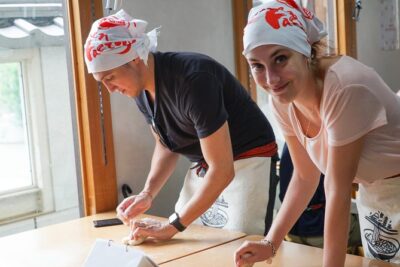 ★ 5.0Ramen Cooking Class at Ramen Factory in KyotoFrom $1311,937 reviews
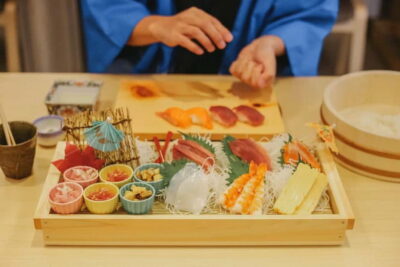 ★ 4.9Sushi Making Class in a Happi Coat near a Famous SpotFrom $421,377 reviews
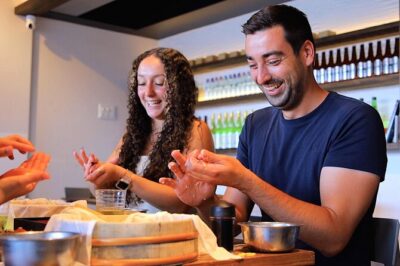 ★ 5.0Sushi Making Osaka Roll and Authentic Japanese Sushi ClassFrom $311,220 reviews
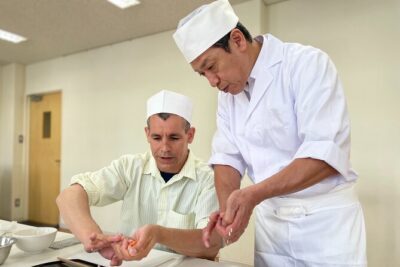 ★ 5.0Tokyo Sushi Making Class in Tsukiji with Professional ChefFrom $491,177 reviews
 ★ 5.0Ramen & Gyoza Cooking Class in Tokyo with Local Supermarket VisitFrom $122823 reviews
 ★ 5.0Tsukiji Fish Market Guided Tour and Sushi Making with Pro ChefFrom $104775 reviews
Filed on these lists too