
REVIEW · JAPANESE COOKING CLASSES
Sushi Making Tokyo Roll and Authentic Japanese Sushi Class
Sushi lessons in Asakusa feel personal. You get hands-on guidance from English-speaking instructors, plus a full lunch from your own creations. One catch, the meeting spot can be a little tricky to find, so show up early.
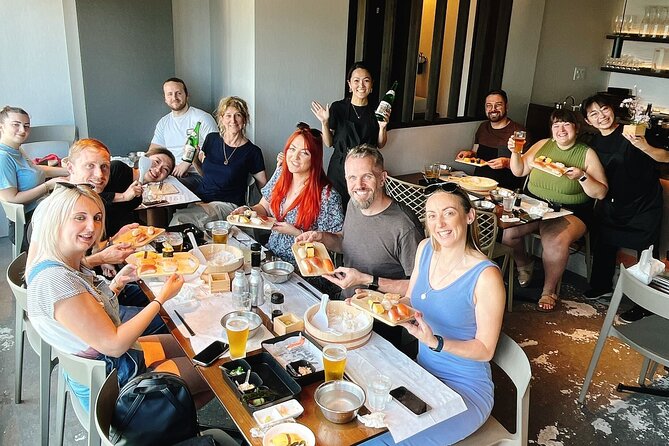
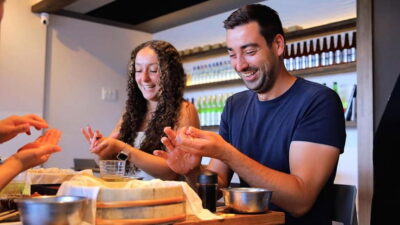
This is a relaxed, beginner-friendly class where the leader teaches you at the table, and a foodie guide adds context about Japanese food culture as you go. You work in small teams, learn by watching and doing, and end by eating what you made, usually with time to snap photos.
With a price around $59.69 for about 1 hour 40 minutes, it can be a very good deal in Tokyo, as long as you’re ready to trade restaurant scrolling for actual hands-on practice.
In This Review
- Key things that make this sushi class worth your time
- Asakusa near Senso-ji, the location that makes the class click
- What you actually learn, sushi rolls and nigiri without stress
- Hands-on coaching, what the English instruction feels like in real life
- From classroom to lunch table, how the meal part works
- Price and timing in Tokyo, is $59.69 really good value?
- Meeting point and practical logistics, getting there without stress
- Who this sushi class suits best, and who might want something else
- Small-group energy, what makes the class feel fun (not robotic)
- Should you book this sushi-making class near Senso-ji?
- FAQ
- What is the duration of the sushi class?
- Where is the meeting point?
- Is hotel pickup or drop-off included?
- Do I need prior cooking experience?
- What language are the instructions in?
- What will I make during the class?
- How many people are in the group?
- Is a mobile ticket used?
- Can I cancel for a full refund?
- Are service animals allowed?
Key things that make this sushi class worth your time
- Maki plus nigiri: you learn both sushi rolls and authentic-style nigiri in one session
- English support throughout: clear instruction for international visitors, with helpful visuals and step-by-step coaching
- Eat what you make: you get a real lunch, not just a small tasting
- Small group feel: up to 30 people, so you are not shouting over a crowd
- Asakusa location near Senso-ji: great for pairing with a temple walk before or after class
Cook it yourself instead. Other kitchens in Tokyo
- Tokyo: Roll and Authentic Sushi Making Class in Asakusa
★ 4.9 · 1,957 reviews - Tokyo: Sushi Making Class in a Happi Coat near a Famous Spot
★ 4.9 · 1,377 reviews - Tokyo Sushi Making Class in Tsukiji with Professional Chef
★ 5.0 · 1,177 reviews - Ramen & Gyoza Cooking Class in Tokyo with Local Supermarket Visit
★ 5.0 · 823 reviews
Asakusa near Senso-ji, the location that makes the class click
Tokyo sushi classes can feel like you are doing an activity in a vacuum. This one helps you avoid that. The meeting point is in Asakusa, near Senso-ji, so your sushi learning fits naturally into the rhythm of sightseeing in one of the city’s most classic old-town areas.
Even if you are not a big temple person, the neighborhood helps you understand why sushi is more than food. You are learning technique and culture in the same area where visitors already come to slow down and notice details.
Practical note: people say the place can be a little tricky to find, so treat this like a “be early” stop. Arriving about 15 minutes before class makes everything smoother, especially if you are navigating with your phone.
What you actually learn, sushi rolls and nigiri without stress
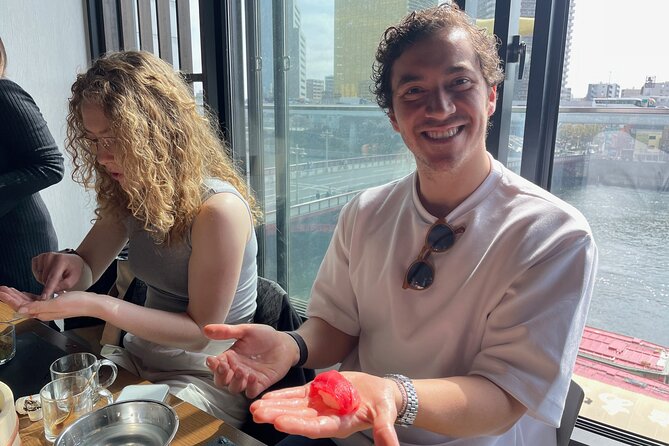
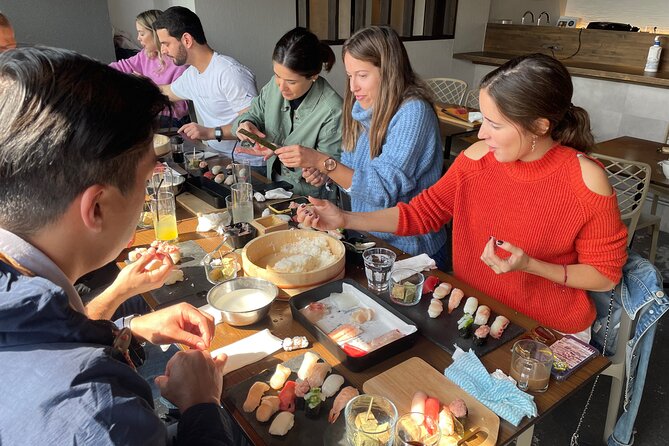
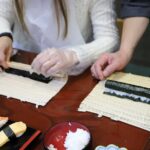
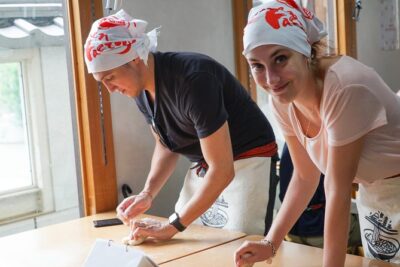
The core of the class is simple and beginner-friendly: you make sushi rolls (maki) and learn how to form nigiri. The leader teaches step by step, and you do the moves at your own station instead of just watching.
One of the big wins here is that the instruction is structured, not vague. Many classes like this throw you onto the hardest part first. This one typically starts with basics, then moves into technique once you understand the goal. You also get help while you work, so when something looks messy, you are not stuck guessing.
From the way instructors teach, you can expect lessons in the practical “why” behind sushi. Things like how the rice should feel, how the rolling works, and how nigiri gets shaped so it holds together are exactly what you need if you want to recreate sushi at home later.
And yes, you get a culture component while you cook. Several participants mention history and food facts at the start, plus sushi vocabulary that actually helps during your Tokyo meals. That is a small detail, but it matters. Knowing words for roll types and key ingredients turns future restaurant visits into conversations, not just orders.
Hands-on coaching, what the English instruction feels like in real life
In Tokyo, the quality of an English-led food class comes down to communication. Here, that seems to be the strong point. Instructors use clear explanations, and people mention visuals like a video or PowerPoint, plus table-side guidance while you work.
This matters because sushi is one of those foods where tiny steps change everything. If your instructor explains how to handle rice, then corrects your hand position while you roll, you learn faster. If they just say good luck, you will probably make something edible but not repeatable.
The class leader also adjusts pace in a way that works for mixed groups. Families with kids report that instruction stays friendly and manageable, and couples report that it is still fun and not childish. One review even called out how the teacher and assistant worked well together during the session, with lots of encouragement.
You might also hear certain instructor names from people who have attended, like Moe, Ken, Kazu, Jun, Arisa, and pairs like Karoi and Shiroi. That is not the point for you to memorize, but it signals that you are likely getting consistent teaching talent.
Counters and courses we sat at around Tokyo
- Sushi Making Tokyo Roll and Authentic Japanese Sushi Class★ 5.0 · 3,971 reviews
- Make Sushi and Create Unforgettable Memories in Tokyo★ 5.0 · 1,413 reviews
- Tokyo: Sushi Making Class in a Happi Coat near a Famous Spot★ 4.9 · 1,377 reviews
- Tokyo Sushi Making Class in Tsukiji with Professional Chef★ 5.0 · 1,177 reviews
- Tokyo Night Foodie Tour in Shinjuku – Seasonal Sushi, Wagyu Beef★ 5.0 · 1,161 reviews
From classroom to lunch table, how the meal part works
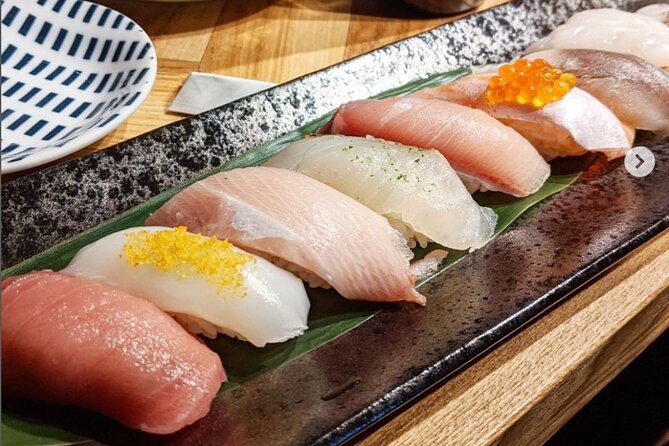
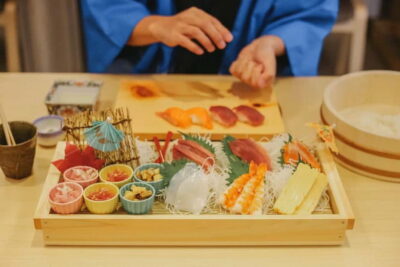
This is not a “watch and snack” experience. The class is built so you sit down and eat what you make. Multiple people describe having enough ingredients to feel like you had a full lunch, not a light bite.
That is a major value point in Tokyo. If you only pay for a lesson and end up with a couple pieces of sushi, the cost can feel steep. Here, you get both learning time and a satisfying meal from the same session.
Because you take photos afterward, you also get a nice little memory loop. Sushi is great for pictures because the end result looks good even when you are a beginner. It feels more rewarding than some cooking classes where your food ends up disappearing before you can enjoy it.
One caution: sushi making can take focus. Expect your hands to be busy, and expect you to be a little sticky at times. That is normal for rice and rolling mats. If you are sensitive to mess, you might want to bring a small towel or plan on washing hands right after.
Price and timing in Tokyo, is $59.69 really good value?
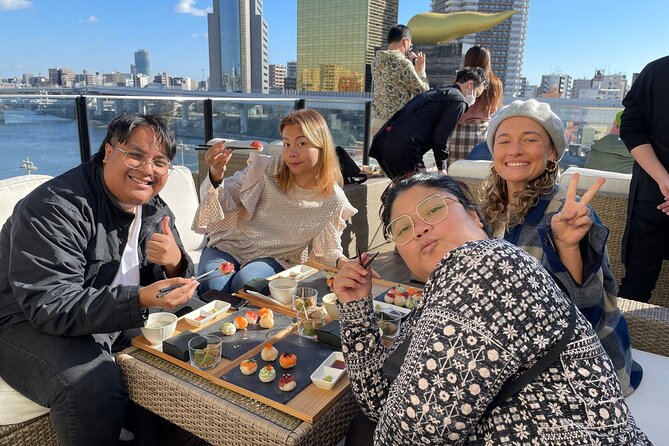
At about $59.69 per person for roughly 1 hour 40 minutes, the value mostly depends on what you expect.
If you want a hands-on cooking class plus a meal, it is priced like an experience that tries to deliver real output, not just entertainment. You get instruction in sushi rolls and nigiri, plus cultural notes, and you eat the results. In Tokyo, that combo usually costs more if you try to replicate it by yourself.
If your goal is only to taste sushi, then this may not beat a restaurant. But this is not that kind of deal. This is a skills class with lunch attached. People repeatedly highlight the “we ate what we made” factor because it changes how you judge the price.
Also, class length matters. In 1 hour 40 minutes, you can fit this into a day without rearranging your entire itinerary. It is long enough to learn and make a meal, short enough that you still have time to see Asakusa afterward.
Meeting point and practical logistics, getting there without stress
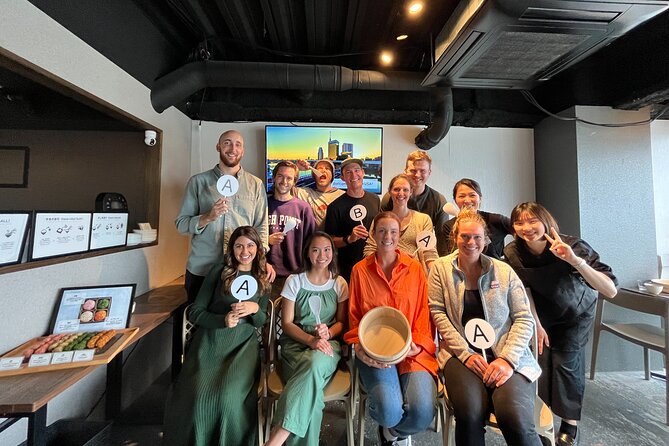
The meeting location is listed at 2-chōme-17-9 Kaminarimon, Taito City, Tokyo 111-0034. The activity ends back at the meeting point.
No hotel pickup or drop-off is included, so you will want to plan your own transit. The good news is that it is near public transportation, which helps a lot in Tokyo where trains are your best friend.
Because the location can be hard to spot, I strongly suggest you do this one like a pro:
- Walk in a little early
- Double-check your route on the day
- Aim to be ready at least 10 to 15 minutes before start
That is also the best way to keep the rest of your day from turning into a scramble.
The tour uses a mobile ticket, so keep your phone charged and accessible. If you are traveling with limited data or your battery runs down early, bring a small power bank.
Who this sushi class suits best, and who might want something else
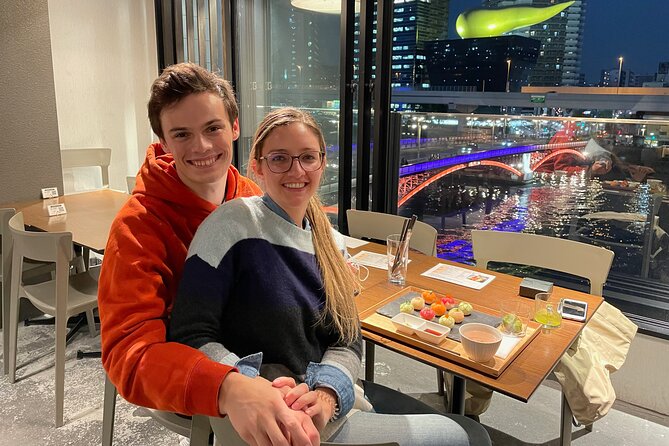
This is ideal if you want one of these outcomes:
- You like sushi and want to understand how it is made, not just how it tastes
- You want a family-friendly activity that does not feel like babysitting
- You want an interactive Tokyo experience where the meal is part of the learning
Families are a strong match. Multiple parents mention bringing kids around elementary and early teen ages, with kids enjoying it because it is hands-on and the instructors teach clearly. Couples also tend to like it because it feels like a shared project, and you leave with tangible results you can talk about later.
If you already know how to make sushi at home and you are chasing a very strict, traditional apprenticeship style, you might find the structure more tourist-friendly than old-school. Some people describe it as less traditional and more built for visitors, even while enjoying it a lot. In that case, you might prefer a specialist workshop with deeper customization.
Small-group energy, what makes the class feel fun (not robotic)
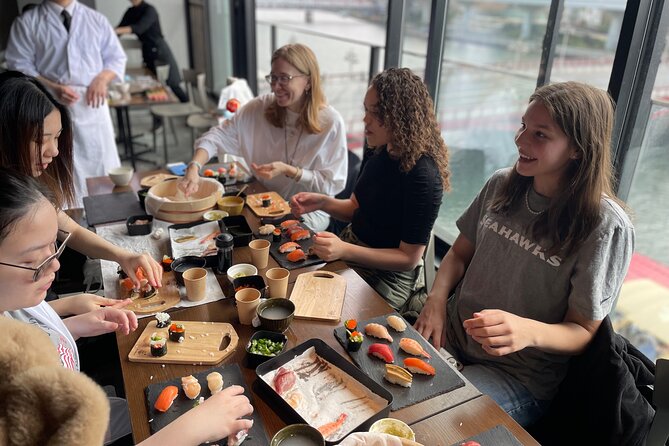
One reason this kind of class works is that sushi needs teamwork, even when you cook solo. Rolling is repetitive, shaping rice takes rhythm, and mistakes are easiest to fix when someone is nearby.
The small-group limit helps with that. With up to 30 people, you are more likely to get corrections and reassurance instead of being ignored until the session ends.
The vibe also comes from the way instructors teach. People mention energetic, entertaining delivery alongside real technique. Several descriptions highlight patience and clarity, and that combination is what turns a potentially intimidating food into an activity you can actually finish with confidence.
If you like learning by doing, this is one of the better ways to spend a Tokyo afternoon. You leave with sushi in your stomach and knowledge in your head.
Should you book this sushi-making class near Senso-ji?
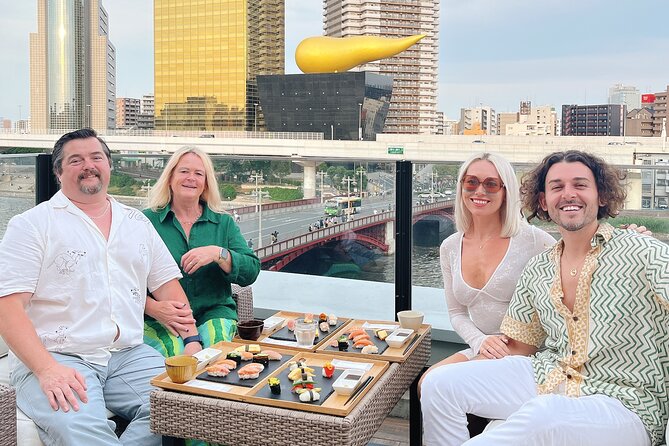
I’d book it if you want a hands-on Japanese food experience that ends with lunch and teaches sushi in a way that beginners can follow. The combination of English instruction, maki plus nigiri, and eating what you make is the sweet spot for most visitors.
Skip it only if you are looking for a private, advanced sushi apprenticeship or you are trying to minimize time doing anything messy and hands-on. Otherwise, this is one of the easiest ways to turn sushi from a restaurant item into a skill you can remember.
If your day includes Senso-ji anyway, this class is a smart pairing. It gives your temple visit a flavorful counterpart, and it turns your final photos into something you can explain, not just show.
FAQ
What is the duration of the sushi class?
The class runs for about 1 hour 40 minutes.
Where is the meeting point?
The meeting point is 2-chōme-17-9 Kaminarimon, Taito City, Tokyo 111-0034, Japan.
Is hotel pickup or drop-off included?
No. Hotel pickup and drop-off are not included.
Do I need prior cooking experience?
No cooking experience is required.
What language are the instructions in?
The class includes an English speaking instructor.
What will I make during the class?
You will learn to make sushi rolls and authentic Japanese nigiri step by step, and then you eat what you made.
How many people are in the group?
The maximum group size is 30 travelers.
Is a mobile ticket used?
Yes, the tour includes a mobile ticket.
Can I cancel for a full refund?
Yes, free cancellation is available. You can cancel up to 24 hours in advance of the experience for a full refund.
Are service animals allowed?
Yes, service animals are allowed.
Counters and Courses

Kitchens You Can Book Into

Newest Tokyo write-ups from the Loving Japan desk



Japanese Cooking Classes, side by side.
 ★ 4.9Roll and Authentic Sushi Making Class in AsakusaFrom $581,957 reviews
 ★ 5.0Ramen Cooking Class at Ramen Factory in KyotoFrom $1311,937 reviews
 ★ 4.9Sushi Making Class in a Happi Coat near a Famous SpotFrom $421,377 reviews
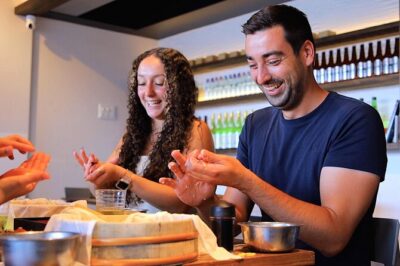 ★ 5.0Sushi Making Osaka Roll and Authentic Japanese Sushi ClassFrom $311,220 reviews
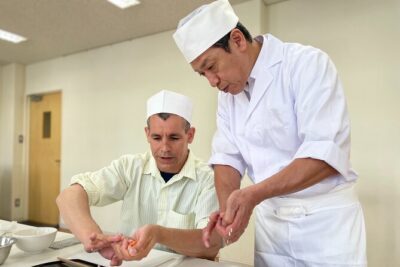 ★ 5.0Tokyo Sushi Making Class in Tsukiji with Professional ChefFrom $491,177 reviews
 ★ 5.0Ramen & Gyoza Cooking Class in Tokyo with Local Supermarket VisitFrom $122823 reviews
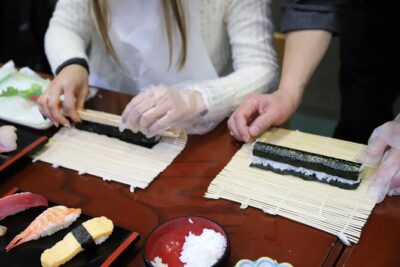 ★ 5.0Tsukiji Fish Market Guided Tour and Sushi Making with Pro ChefFrom $104775 reviews
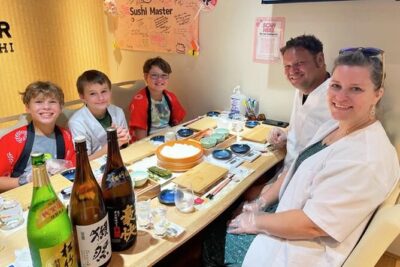 ★ 5.0Sushi Making in Kyoto! Same-day bookings welcome!From $53713 reviews
Filed on these lists too