
REVIEW · JAPANESE COOKING CLASSES
Tokyo: Sushi Making Class in a Happi Coat near a Famous Spot
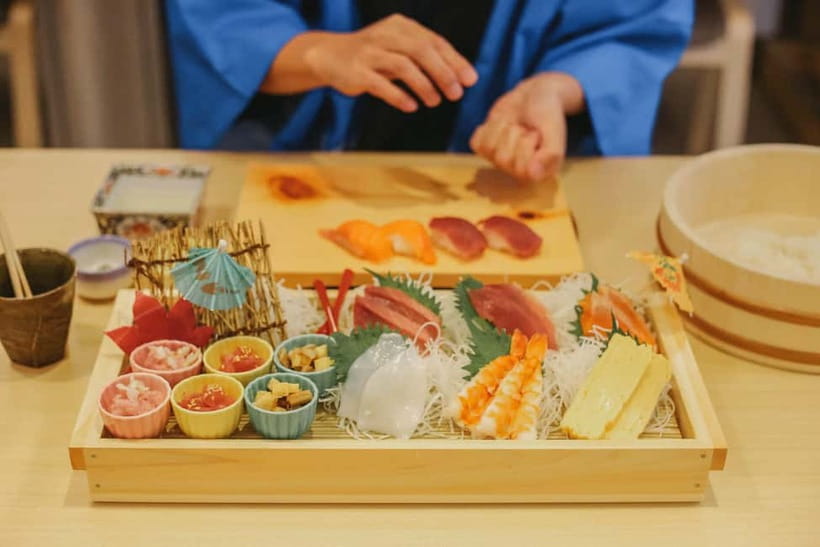
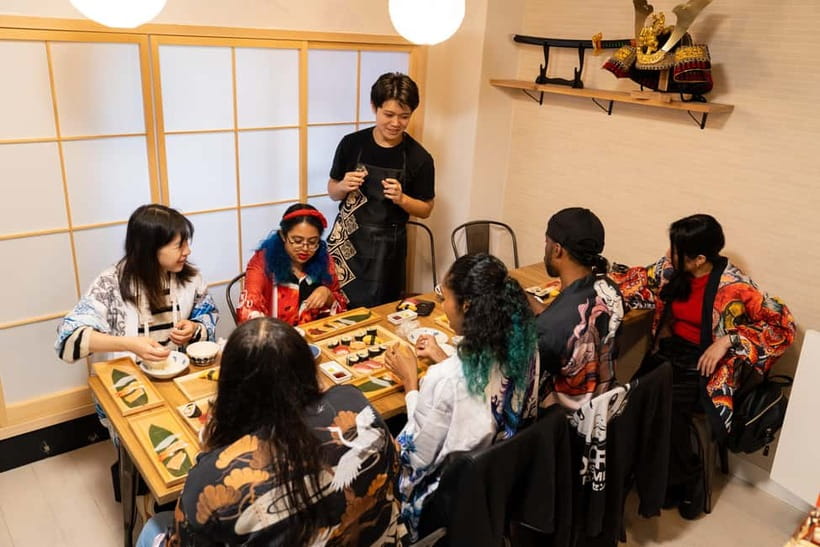
Tokyo is loud, fast, and full of food temptations. This class slows things down, and puts you in control of the sushi. You’ll wear a traditional happi coat and learn tuna and salmon nigiri step by step.
What I really like is how hands-on it feels, not like a demo. The chef teaches the rice and pressing technique, then you make your own nigiri to eat right away. One thing to consider is that the seating can be shared with other customers depending on how busy the venue is, so it’s not always a strictly private setup.
You also need to speak up early if you have dietary needs or allergies. Options for vegetarian, vegan, and gluten free are available, but the key detail is to request them in advance.
In This Review
- Key Points You Should Know Before You Book
- A 90-Minute Sushi Workshop in Tokyo, Happi Coat Included
- What You’ll Make: Tuna and Salmon Nigiri, With Class Variations
- The Classroom Flow, From Rice Basics to Hand-Pressed Nigiri
- Wearing the Happi Coat Changes the Mood
- Chef-Led Teaching and English Support That Actually Helps
- Dietary Needs and Allergies: Ask Early, and You’ll Be Set
- Price and Value: $42 for Skill, Food, and Chef Time
- Logistics That Matter on the Day
- Pair It With Nearby Tokyo Sightseeing
- Practical Tips to Get Better Nigiri the First Time
- Should You Book Sushi Garyu’s Nigiri Class?
- FAQ
- How long is the sushi making class?
- What will I learn to make?
- Do I have to bring ingredients?
- Will I wear a happi coat?
- What languages are the instructors?
- Are vegetarian, vegan, or gluten free options available?
- What should I do if I have food allergies?
- Will I be seated with other people?
- How does pricing work for children?
- Is free cancellation and pay later available?
Key Points You Should Know Before You Book
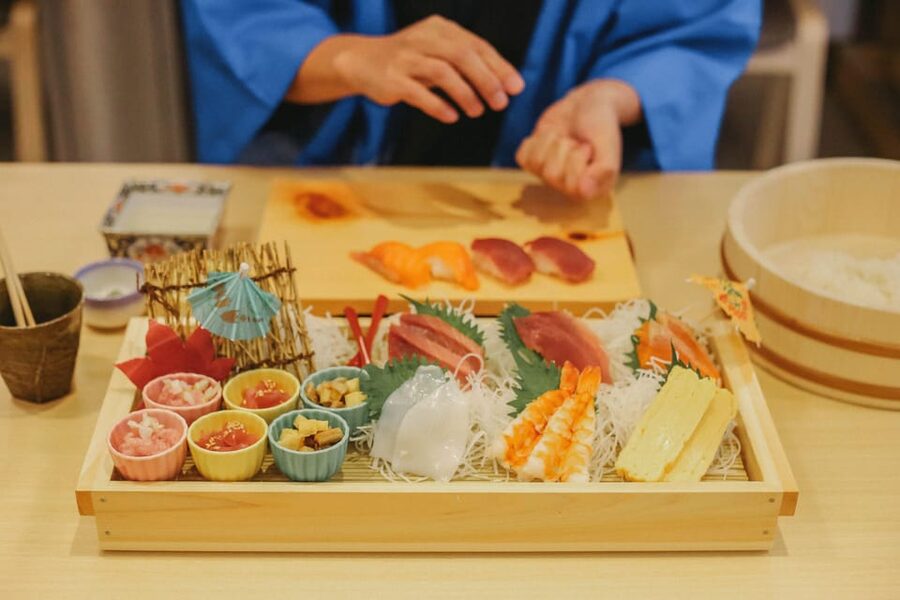
- Happi coat experience: You’ll dress the part, and you’ll likely get easy photo moments with the outfit and props.
- True nigiri practice: You make nigiri yourself, not just watch someone else do it.
- Fresh, beginner-friendly format: It’s designed for beginners, with guidance throughout the process.
- Small-group, chef-led teaching: Many recent classes highlight friendly instructors like Chef Hide, Mikoto, Emi, and Mai.
- Diet and allergy requests: Vegetarian, vegan, and gluten free can be accommodated if you message ahead.
Cook it yourself instead. Other kitchens in Tokyo
- Tokyo: Roll and Authentic Sushi Making Class in Asakusa
★ 4.9 · 1,957 reviews - Tokyo: Sushi Making Class in a Happi Coat near a Famous Spot
★ 4.9 · 1,377 reviews - Tokyo Sushi Making Class in Tsukiji with Professional Chef
★ 5.0 · 1,177 reviews - Ramen & Gyoza Cooking Class in Tokyo with Local Supermarket Visit
★ 5.0 · 823 reviews
A 90-Minute Sushi Workshop in Tokyo, Happi Coat Included
If you want one Tokyo activity that feels both practical and fun, this sushi class fits the bill. The basic hook is simple: you learn how to make nigiri sushi from scratch, and you do it in a Japanese-style setting while wearing a tube-sleeved happi coat.
I like that the experience is built around doing. First you get taught, then you practice, then you eat your own work. That turns a food activity into a real skill you can repeat at home, even if your kitchen setup looks nothing like a sushi counter.
The time commitment is also realistic. Ninety minutes is long enough to learn the core moves, but short enough to still enjoy the rest of Tokyo the same day.
What You’ll Make: Tuna and Salmon Nigiri, With Class Variations
The center of the menu is nigiri sushi made with popular ingredients like tuna and salmon. That’s great value because nigiri is the “signature” skill. Once you get comfortable shaping the rice and topping it cleanly, you understand sushi in a way that restaurant-only eating won’t teach.
Some sessions also mention learning or making additional items like maki and onigiri. The safest way to think about it is this: nigiri is guaranteed in the core description, and your specific mix may vary by instructor and group pace.
Either way, you’re going to leave with two wins:
- You can name the parts of nigiri and explain how the rice is handled.
- You can recreate the basic sushi workflow back home, not just copy one dish.
The Classroom Flow, From Rice Basics to Hand-Pressed Nigiri
This class follows a straightforward arc, and that’s exactly what makes it work for beginners.
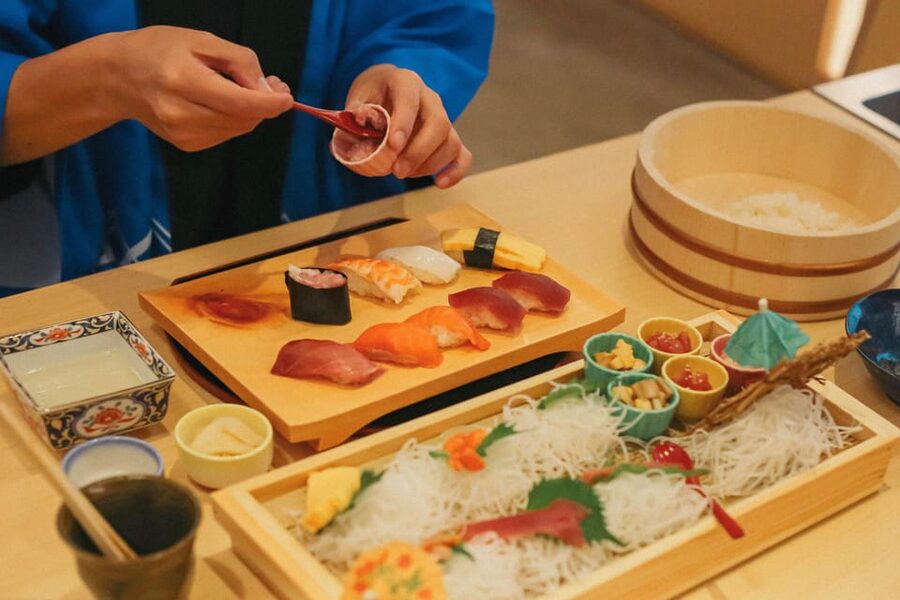
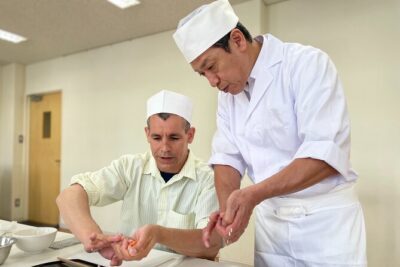
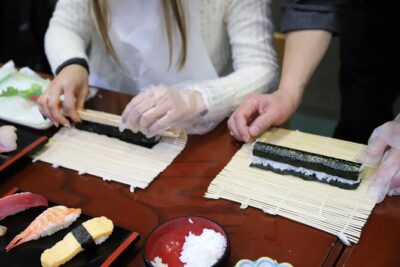
You start with an explanation of the sushi process and technique. Then the chef guides you through the key steps, and you try the actions yourself. The description is clear that you’ll work under a skilled sushi chef and learn how to make sushi from scratch.
Here’s what that usually means in practice, and why it matters:
- Rice handling is the foundation. Nigiri lives or dies by how the rice is formed. The chef shows the right approach, and you practice so it doesn’t turn into a sticky mess or a sad, lumpy shape.
- Topping placement needs control. You learn how to set the fish cleanly and respectfully, without tearing it or overthinking it.
- You get feedback in the moment. Multiple instructors in past sessions were praised for being patient and attentive, including Chef Hide and Mikoto in different class dates.
After the lesson, you eat what you made. And yes, the portion is often described as generous, more than enough to feel properly full, so you’re not paying for a snack experience.
Counters and courses we sat at around Tokyo
- Sushi Making Tokyo Roll and Authentic Japanese Sushi Class★ 5.0 · 3,971 reviews
- Make Sushi and Create Unforgettable Memories in Tokyo★ 5.0 · 1,413 reviews
- Tokyo: Sushi Making Class in a Happi Coat near a Famous Spot★ 4.9 · 1,377 reviews
- Tokyo Sushi Making Class in Tsukiji with Professional Chef★ 5.0 · 1,177 reviews
- Tokyo Night Foodie Tour in Shinjuku – Seasonal Sushi, Wagyu Beef★ 5.0 · 1,161 reviews
Wearing the Happi Coat Changes the Mood
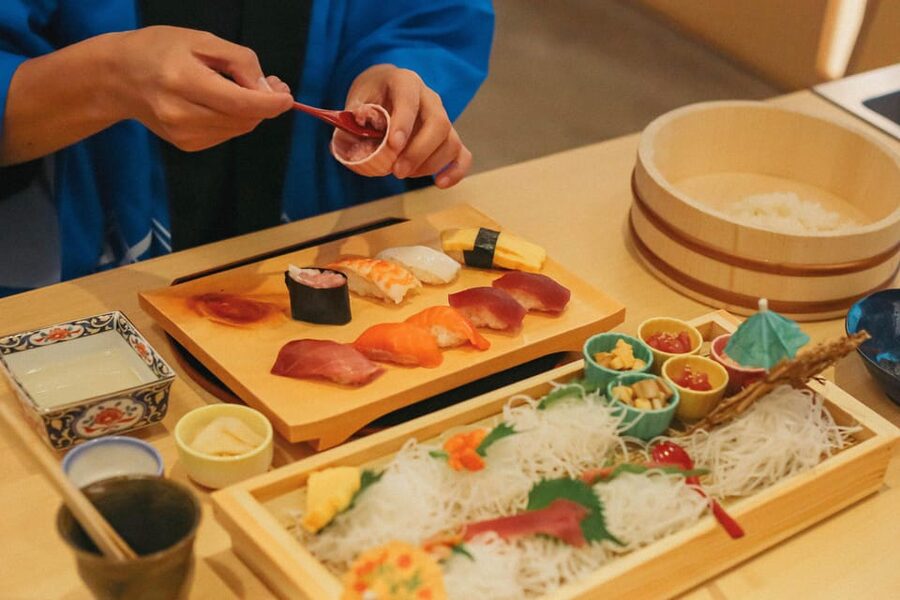
This might sound like a gimmick, but it actually works. When you put on a happi coat, you stop being a tourist and start being a participant.
Past classes also mention that the experience includes photo opportunities in the Japanese outfit and with props. That matters because sushi-making is hands-on, and you’ll want something fun to remember the day.
More importantly, the chef energy seems to lean friendly and relaxed in many sessions. Guests highlight instructors with great humor and clear step-by-step guidance, such as Chef Hide, Mikoto, and others. That style is a big deal for first-timers. If you’re nervous, a calm teacher helps you relax your hands and focus on technique.
Chef-Led Teaching and English Support That Actually Helps
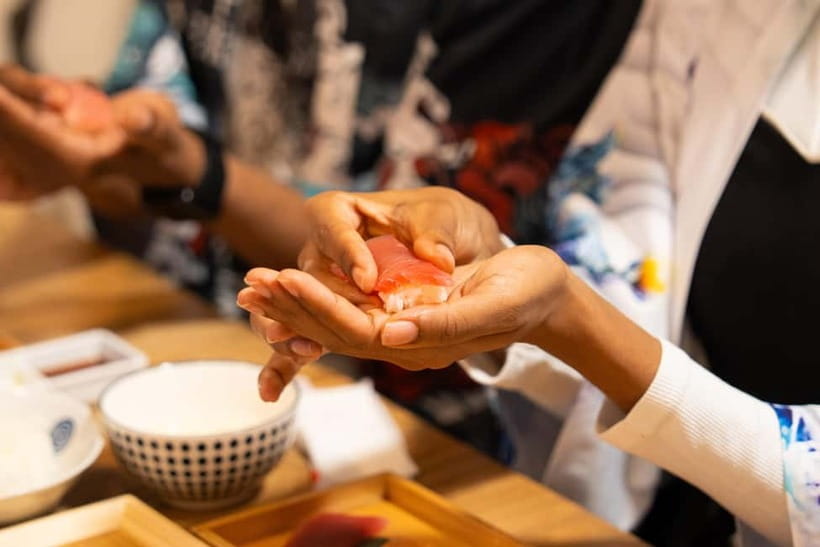
The instructors are listed as English and Japanese, and that is one of the practical reasons this class works for visitors. You don’t have to translate everything in your head.
In recent guest feedback, several specific teachers were named across dates, including Chef Hide, Mikoto, Emi, Miwa, and Mai. The repeated theme is simple: the teaching feels personal, and the chef pays attention so your sushi comes out looking better than you expected.
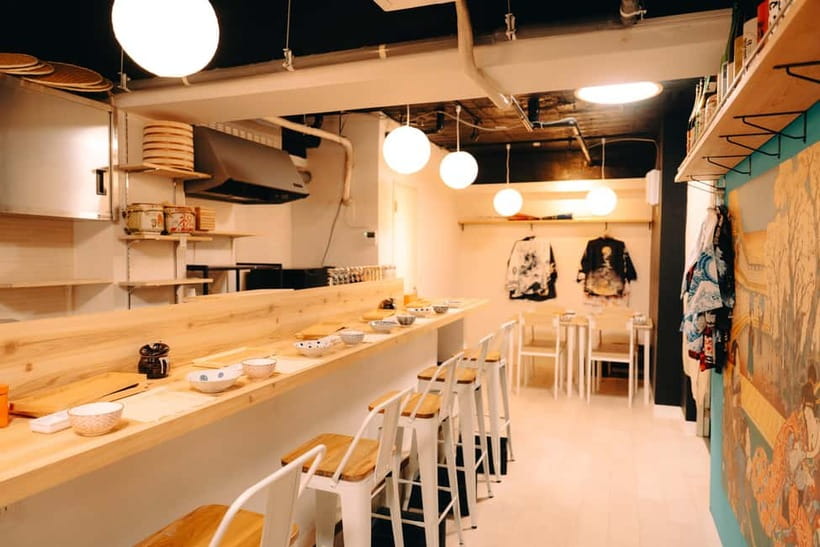
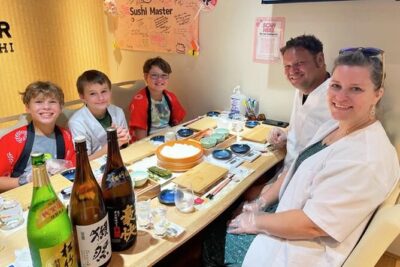
One detail I appreciate is that the class can be more intimate than typical group tours. Reviews describe setups where attention stays high even when multiple people are present, and some sessions mention being seated with other customers only depending on venue busyness.
So what should you expect?
- A guided session with clear explanations.
- Help when you have questions.
- Enough interaction that you don’t feel lost when it’s time to form nigiri yourself.
Dietary Needs and Allergies: Ask Early, and You’ll Be Set
This is a class you should book confidently if you need options, but with one rule: message ahead.
The provided info is clear that you should notify them about food allergies in advance by message. Vegetarian, vegan, and gluten free are available too. The note is also direct that if you wait until the day of, they may not be able to accommodate you.
That’s important, because sushi ingredients can be deceptively tricky. Soy sauce, cross-contact, and fish-based elements can change depending on what’s in your roll and sauce. So don’t wing it. Send your request early and keep it simple:
- List your allergies.
- Tell them you want vegetarian, vegan, or gluten free.
- Confirm any needs related to gluten.
If you do, you’re more likely to get a smooth experience and the “eat what you made” part won’t feel awkward.
Price and Value: $42 for Skill, Food, and Chef Time
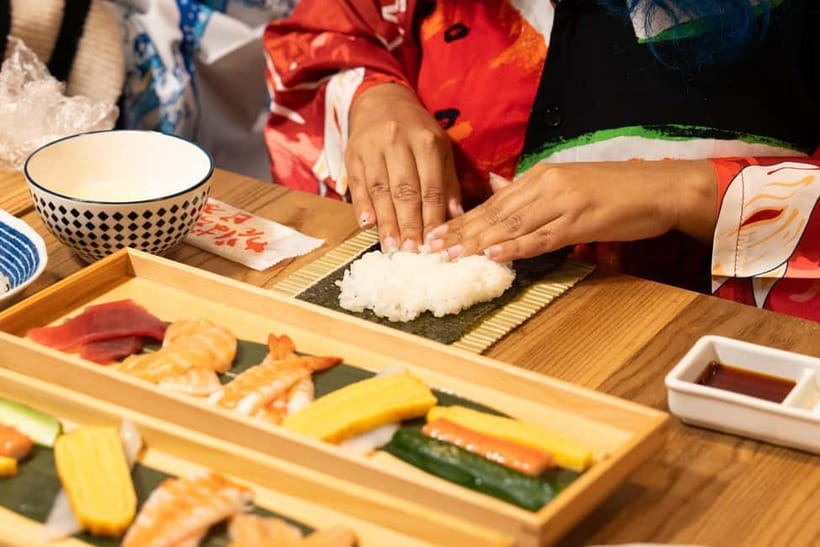
At $42 per person, you’re paying for three things at once: instruction, ingredients, and a meal outcome. That changes the math compared to buying sushi only.
You’re not just eating fish on rice. You’re learning a process. The class gives you the steps and hands-on practice, so you leave with a repeatable skill. That’s the value jump.
There’s also the ingredient cost. Tuna and salmon are not cheap, and sushi-grade preparation takes care. When you add the chef instruction and the fact that you typically finish comfortably full, the price starts to look fair for Tokyo.
Also consider that this is only ninety minutes. For many people, that’s a sweet spot in a travel schedule. It’s easy to fit into a day without losing half of it to logistics.
Logistics That Matter on the Day
Let’s keep this practical.
- The meeting point may vary depending on the option booked. So check your confirmation and plan a little buffer time.
- Depending on how busy the venue is, you may be seated with other customers. That usually isn’t a problem, and it often makes the class feel more social, but if you’re trying to keep things ultra-private, know that could happen.
- Children: the info says they charge for children over 4 years old, and under 4 should share a dish. Children fees follow the list provided, so you’ll want to check your specific booking.
- If you’re traveling with family, it’s still a good format because the class is beginner-friendly. One review also mentions a couple doing it with kids and describing it as easy and fun, which aligns with the overall design.
If you’ve ever struggled to find a smaller Tokyo venue, you’re not alone. One guest described it as a little hard to find but not too difficult. My advice is simple: allow extra minutes and double-check the address in your app.
Pair It With Nearby Tokyo Sightseeing

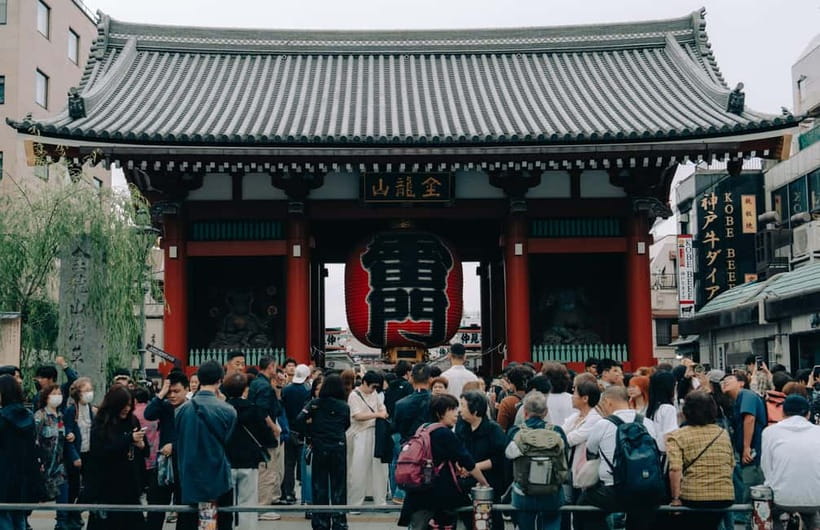
Because it’s in central Tokyo and built as a focused class, it pairs well with the rest of your day. The activity is positioned near a famous Tokyo sightseeing area, which is exactly what you want when you’re planning food-first itineraries.
The best way to use it:
- Do it before you start your full-on sushi sprint.
- Or do it after a morning of markets and temples, so lunch is guaranteed and educational.
Either way, you’ll get more out of your walking time afterward. Once you understand nigiri basics, you’ll notice details in restaurants, like how rice shape changes from piece to piece and how fish is placed.
Practical Tips to Get Better Nigiri the First Time
This isn’t a test, but you’ll get better results if you follow a few common-sense tricks.
- Pay attention to rice handling early. That’s where most beginners lose the look.
- Don’t rush the pressing step. Gentle control beats speed.
- Ask questions while you’re still shaping. Waiting until the end is when small mistakes turn into bad habits.
- Lean into the photo moment. The happi coat is part of the experience, and multiple sessions were praised for picture spots and taking photos.
Also, go in expecting a real meal. Guests described the portion as generous, and the whole point is to learn, then eat.
Should You Book Sushi Garyu’s Nigiri Class?
Book it if you want a hands-on Tokyo food experience that teaches a skill you can use at home. The format is beginner-friendly, the core focus is tuna and salmon nigiri, and you get to wear the happi coat, which makes the experience feel like more than a class.
You should think twice only if you need a strictly private setting, because seating can be shared depending on venue busyness. Also, if you have allergies or strict dietary needs, don’t wait. Message in advance so they can accommodate vegetarian, vegan, or gluten free requests properly.
If you’re looking for one Tokyo activity that’s practical, fun, and likely to become a story you tell later, this one makes a lot of sense.
FAQ
How long is the sushi making class?
The class lasts 90 minutes.
What will I learn to make?
You will learn how to make nigiri sushi using ingredients like tuna and salmon, with guidance from the chef.
Do I have to bring ingredients?
No. Ingredients are included in the class.
Will I wear a happi coat?
Yes. You will don a traditional Japanese happi coat during the experience.
What languages are the instructors?
The instructor languages are English and Japanese.
Are vegetarian, vegan, or gluten free options available?
Vegetarian, vegan, and gluten free options are available. You need to inform them in advance by message.
What should I do if I have food allergies?
Let them know in advance by message. The info specifically asks you to share allergy details before the class.
Will I be seated with other people?
Depending on how busy the venue is, you may be seated with other customers.
How does pricing work for children?
The info says they charge for children over 4 years old, and a child under 4 should share a dish.
Is free cancellation and pay later available?
Free cancellation is offered up to 24 hours in advance for a full refund, and reserve now & pay later is available.
Counters and Courses


Kitchens You Can Book Into

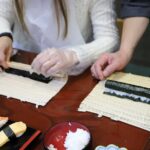
Newest Tokyo write-ups from the Loving Japan desk



Japanese Cooking Classes, side by side.
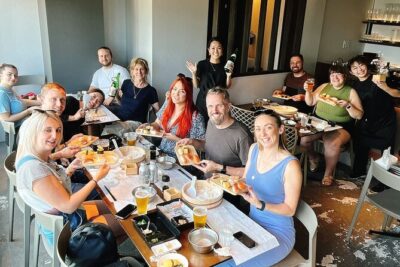 ★ 5.0Sushi Making Tokyo Roll and Authentic Japanese Sushi ClassFrom $593,971 reviews
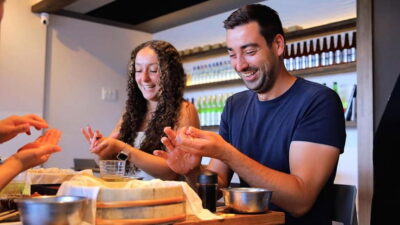 ★ 4.9Roll and Authentic Sushi Making Class in AsakusaFrom $581,957 reviews
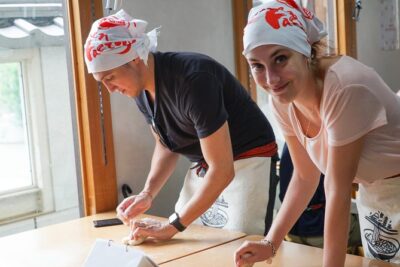 ★ 5.0Ramen Cooking Class at Ramen Factory in KyotoFrom $1311,937 reviews
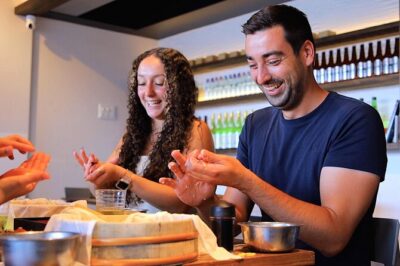 ★ 5.0Sushi Making Osaka Roll and Authentic Japanese Sushi ClassFrom $311,220 reviews
 ★ 5.0Tokyo Sushi Making Class in Tsukiji with Professional ChefFrom $491,177 reviews
 ★ 5.0Ramen & Gyoza Cooking Class in Tokyo with Local Supermarket VisitFrom $122823 reviews
 ★ 5.0Tsukiji Fish Market Guided Tour and Sushi Making with Pro ChefFrom $104775 reviews
 ★ 5.0Sushi Making in Kyoto! Same-day bookings welcome!From $53713 reviews
Filed on these lists too