
REVIEW · CYCLING AND E-BIKE TOURS
Historical Kyoto E-Bike Tour
Plum blossoms meet pedal power. This half-day Kyoto ride strings together famous sites and lesser-known streets with e-bike help and a small max 8 group.
I like that the experience is designed for low effort, so you spend your energy looking, not huffing uphill. You’ll also get a clear setup with a bike, helmet, and a route that keeps the day moving.
I also like the stops. You’ll hit Kitano Tenmangu Shrine, end at Kinkaku-ji, and walk into the Arashiyama bamboo stretch plus Tenryu-ji UNESCO gardens. The tour includes a water bottle and admission for the major sites, which makes it feel like good value. One thing to consider: the start spot can be a little tucked away, and you’re riding through real city traffic where stop signs and shared paths are part of the experience.
In This Review
- Key highlights at a glance
- Kyoto by e-bike: why the pace feels right
- Starting near Nakagyo, finishing where you began
- Kitano Tenmangu Shrine: learning, plum trees, and quiet detail
- Kinkaku-ji as your finale: the gold-leaf effect
- Arashiyama bamboo walk: how to handle the crowds with a guide
- Tenryu-ji UNESCO gardens: Kyoto’s designed stillness
- Guides and safety on Kyoto streets, from George to Jody
- Lunch time and photo breaks: what you should plan for
- Price and value: what $99.49 is buying you
- Who should book, and who should think twice
- Should you book this Historical Kyoto E-Bike Tour?
- FAQ
- How long is the Historical Kyoto E-Bike Tour?
- How much does the tour cost?
- How big are the groups?
- Where does the tour start and end?
- What stops are included?
- Are admission tickets included?
- Is there water or lunch built into the day?
- FAQ
- What is the cancellation policy?
- Is a mobile ticket used?
- Is the tour near public transportation?
- Is the e-bike required, and will it be difficult physically?
- Is the tour suitable for most people?
- Do I need to bring money for lunch?
- What should I wear for the riding and walking?
Key highlights at a glance
- E-bike assist for less physical exertion, even if you are not a strong cyclist
- Two morning tour options so you can match your Kyoto plans
- Max 8 per group for an easier pace and more guide attention
- Arashiyama bamboo plus Tenryu-ji UNESCO gardens for classic Kyoto scenery
- Admission tickets and a water bottle included for smoother day-of logistics
- Bring yen or cash for lunch, since payment can be cash-only at some spots
Cover Kyoto on two wheels instead
- Arashiyama Bamboo Forest & Hidden Gems Bike Tour (Early Bird)
★ 5.0 · 613 reviews - 5 Top Highlights of Kyoto Full Day Bike Tour (E-bike option)
★ 5.0 · 511 reviews - Full Day Biking Tour Exploring the Best of Kyoto
★ 5.0 · 498 reviews - E-Bike Tours of the highlights of Kyoto!!!
★ 5.0 · 291 reviews
Kyoto by e-bike: why the pace feels right
Kyoto can be a lot. Even if you love temples, the walking adds up fast, and crowds can swallow your time. This tour tackles both problems by using an e-bike so you cover more ground without turning the day into a leg workout.
The timing is also smart. You’re looking at about 5 to 6 hours, which is enough to see major highlights and still stay relaxed. Expect a mix of riding and on-foot time, because shrines, temple gardens, and especially the bamboo area are best experienced slowly.
The small group size matters. With up to 8 people, you’re not fighting for space at every crosswalk or waiting in a long line at gates. One review pattern that shows up again and again is guides staying attentive, riding the group in a way that keeps everyone together, and giving practical instructions so you can focus on the sights.
Starting near Nakagyo, finishing where you began
Your day begins at Memory Kyoto Bike Tour in Nakagyo Ward, at 8-6 Umaryo-cho, Nishinokyo, Nakagyo-ku, Kyoto city, 604-8492. The tour ends back at the meeting point, which makes it easier to plan the rest of your evening in Kyoto.
You’ll use a mobile ticket, and you’ll get confirmation at booking. Since it’s near public transportation, you can usually fit it into a normal sightseeing day instead of building a whole travel day around it.
One practical note from real-world experience: some start locations are a little hard to spot if you arrive late or you are rushing. Build in a little buffer and take your time finding the shop. That small effort can help you start calm instead of stressed.
Kitano Tenmangu Shrine: learning, plum trees, and quiet detail
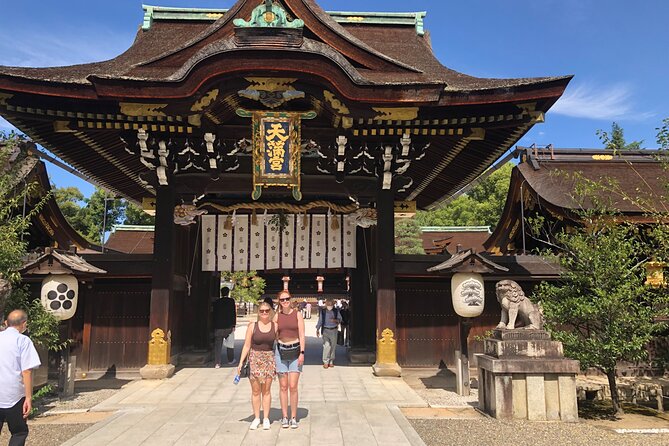
Stop one is Kitano Tenmangu Shrine, and it’s a great opening choice because it sets the tone for Kyoto’s mix of beauty and meaning. The shrine is connected to Sugawara no Michizane, revered as the deity of learning, so you’re not just looking at a pretty site, you’re stepping into a tradition with a purpose.
If you happen to travel in early spring, the plum trees are a star. The idea of walking among around 1,000 plum trees is not just marketing, it’s what makes this area feel like it has its own weather system. Even outside peak bloom time, you’ll still get that shrine atmosphere, the calm streets, and a chance to ease into the day before the bigger crowds.
Admission is included here, so you don’t have to think about ticket lines or last-minute payments. You’ll also have about 30 minutes to take in the grounds, photos, and the guide’s context.
- PERFECT KYOTO 1-Day Bus Tour★ 5.0 · 13,518 reviews
- Kyoto: Fushimi Inari, Kinkakuji, Bamboo Grove 1 Day Bus Tour★ 4.8 · 4,316 reviews
- Kyoto: Tea Ceremony in a Traditional Tea House in Kiyomizu★ 4.9 · 3,519 reviews
- Kyoto Geisha Walking Tour: Gion District & Hidden Gems★ 4.7 · 3,273 reviews
- Kyoto: Tea Ceremony Ju-An at Jotokuji Temple★ 4.9 · 3,207 reviews
Kinkaku-ji as your finale: the gold-leaf effect
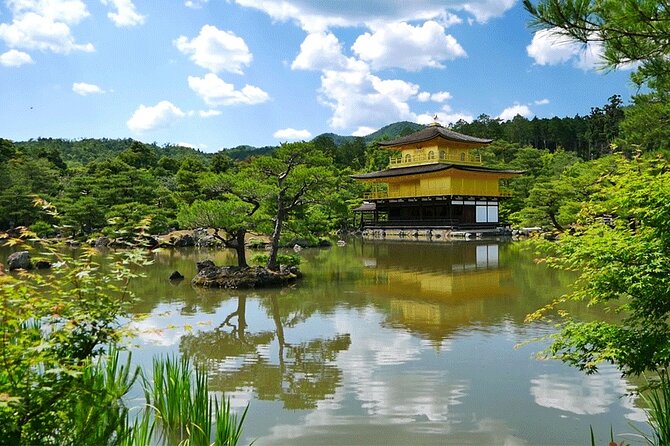
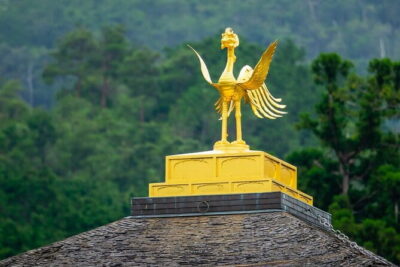
Ending at Kinkaku-ji (the Golden Pavilion) is a smart way to finish. It’s one of those sights that works at two levels: first, your eyes catch the iconic shape and the gold-leaf look; second, your brain settles into the reflection on the pond and the story behind it.
The tour gives about 45 minutes at this stop, and the pacing is usually enough time to see the main views without feeling like you’re getting rushed out the door. Admission is included, which again helps you keep the day smooth and reduces surprise costs.
One thing I like about this structure is that it gives you a payoff after a day that has already built momentum. You start with meaning, ride through neighborhoods, walk through a legendary landscape, and then close with a Kyoto landmark that photographers never tire of.
Arashiyama bamboo walk: how to handle the crowds with a guide
Arashiyama’s bamboo grove is the stop people dream about, and you do more than simply pass by. You get a 45-minute Bamboo Forest Trail walk, with enough time to slow down, frame photos, and move at a pace that feels human.
Here’s what I’d watch for: bamboo groves can feel crowded, even when you are managing the route well. A guide who knows how to handle the flow helps you avoid the worst bottlenecks and gives you a better sense of where to stand and when to move.
Some tours also offer small choices, like where you want to finish within Arashiyama after the walk. That flexibility can matter because it lets you align the day with your energy level and what you want to do next in the neighborhood.
Also, expect some walking. Even with e-bike assistance, you’re stepping into a scenic pedestrian experience, so wear comfortable shoes and plan for a bit of foot time at temples and paths.
Tenryu-ji UNESCO gardens: Kyoto’s designed stillness
After the bamboo, you continue to Tenryu-ji Temple, which is a UNESCO World Heritage Site (since 1994). The main idea here is the garden, and the tour time gives you a real chance to look rather than just snap one photo and rush away.
You’ll spend about 45 minutes, and admission is included. This stop is a nice contrast to bamboo. Bamboo feels tall and dramatic, while Tenryu-ji often feels like a calm space where the garden layout guides your eye.
If you like when a guide connects scenery to purpose, this is usually where that shows up. Kyoto’s temple gardens are not just scenery, they’re designed viewpoints, seasonal symbolism, and living traditions. Even if you are not a garden expert, you’ll likely come away with a clearer sense of why Kyoto looks the way it does.
Guides and safety on Kyoto streets, from George to Jody
The biggest make-or-break factor on a bike tour is confidence. If you feel safe and informed, the day flies. If you feel lost or unsure at crossings, the experience sours fast.
This tour is built around safety coaching. Your guide explains what streets you’ll cross and the basic riding rules in Kyoto. Helmets and the e-bike itself are part of the setup, but the real value is the instruction: how to position, when to slow down, and how to share the road.
It also helps that the tour groups are small and that guides stay attentive. You might ride with guides like George, Pohan, Diego, Jody, Benjamin, Jorge, or Jodie, and the feedback you’ll notice across them is consistent: friendly teaching, clear safety guidance, and a willingness to adjust if weather or group needs change.
One practical consideration: Kyoto has limited dedicated bike infrastructure in some areas. Roads can be shared with pedestrians, cars, buses, mopeds, and other cyclists, and that can feel a little intense if you are not used to city riding. If you are riding confidently, you’ll probably relax quickly. If you are new to bicycles, treat it as an instruction-heavy day, go slow at crossings, and trust the guide to manage the group pace.
Lunch time and photo breaks: what you should plan for
There is time built into the day for lunch between biking segments. The exact lunch format seems to vary, but you do get a break from the sights and time to eat something real.
From the experiences shared, lunch spots can include a ramen stop, and in some cases there are options like a food court area. Some places may work with cash, and at least a few experiences point out that having money on hand is wise. So bring enough yen, and keep a small buffer for snacks or drinks.
Photo breaks also come naturally, especially during the bamboo walk and around temple exteriors. If you like photographing details, the route gives you repeated chances to stop and frame without feeling like you are always lagging behind.
Dietary needs were mentioned as something guides handle with attention, so if you have restrictions, it’s worth sharing them ahead of time when you book.
Price and value: what $99.49 is buying you
At $99.49 per person, this tour sits in the “good value, if you use the whole package” category. The price makes more sense when you break down what’s included.
You get an e-bike and helmet, which is the big piece most self-guided rentals require you to figure out on your own. You also get a water bottle, which sounds small, but it removes one minor decision. Admission is included for the major stops: Kitano Tenmangu, Kinkaku-ji, the bamboo area walk, and Tenryu-ji.
Most importantly, you’re paying for the guide. Bike tours in Kyoto are not just about transport, they are about flow. A knowledgeable guide helps you avoid wasted time, understand what you are looking at, and ride a route that balances iconic sights with street-level charm.
If you only want one or two landmarks and you don’t care about explanations, it might feel pricey compared with a public transit and ticket plan. But if you want a half-day structure that covers a lot without exhausting you, the value holds up.
Who should book, and who should think twice
This is a strong choice if you want a high-sight-to-effort ratio. It’s also a good fit if you are traveling with family members who are less interested in long walking days. The e-bike setup helps, and the small group size tends to make the experience easier to manage.
It’s also a smart pick if you like learning context. The guides consistently explain customs and history in a way that makes temples feel less like scenery and more like living culture. People mention how guides answer questions, explain where you are crossing, and connect what you see to Japanese traditions.
If you are a beginner at city biking, don’t panic. Just go in with the right expectations. You are sharing roads with moving traffic and pedestrians, and some walking is part of the day. If you are not comfortable riding in busy streets at all, a walking or bus-based tour might be calmer.
Should you book this Historical Kyoto E-Bike Tour?
I’d book it if you want to see major Kyoto highlights in one smooth half-day, without turning your legs into the main attraction. The combo of e-bike assistance, included admissions, a small group, and expert guidance is exactly what makes this kind of tour worth your time.
Do consider the practical stuff before you go. Arrive early enough to find the meeting point, bring yen for lunch, and wear shoes that work for a bamboo forest walk and temple grounds. If you like cities with a guide-led story and you can handle shared roads for part of the day, this should be a very satisfying Kyoto day.
FAQ
How long is the Historical Kyoto E-Bike Tour?
The tour runs about 5 to 6 hours.
How much does the tour cost?
The price is $99.49 per person.
How big are the groups?
The tour has a maximum group size of 8 travelers.
Where does the tour start and end?
It starts at Memory Kyoto Bike Tour in Nakagyo Ward, and it ends back at the same meeting point.
What stops are included?
You visit Kitano Tenmangu Shrine, Kinkaku-ji, the Bamboo Forest Trail in Arashiyama, and Tenryu-ji Temple.
Are admission tickets included?
Yes, admission tickets are included for the stops listed in the tour schedule.
Is there water or lunch built into the day?
A bottle of water is included, and the schedule includes time for lunch between biking segments.
FAQ
What is the cancellation policy?
You can cancel for a full refund if you do so at least 24 hours before the experience starts, and it is free cancellation up to 24 hours in advance.
Is a mobile ticket used?
Yes, the tour includes a mobile ticket.
Is the tour near public transportation?
Yes, the meeting point is listed as near public transportation.
Is the e-bike required, and will it be difficult physically?
The tour is designed so everyone can use an e-bike to reduce physical effort.
Is the tour suitable for most people?
The tour information says most travelers can participate.
Do I need to bring money for lunch?
The tour schedule includes time for lunch, and it can involve paying at the lunch stop, so bringing money is a good idea.
What should I wear for the riding and walking?
The tour includes biking between locations and walking at some stops, including the bamboo area, so comfortable footwear is important.
Bicycles and E-Bikes We Have Ridden

Newest Kyoto write-ups from the Loving Japan desk

Cycling and E-Bike Tours, side by side.
 ★ 5.0Hidden Kyoto E-Biking tourFrom $1161,843 reviews
 ★ 5.0Tokyo Guided Small-Group Biking TourFrom $1061,250 reviews
 ★ 5.0Tokyo Great Cycling TourFrom $99811 reviews
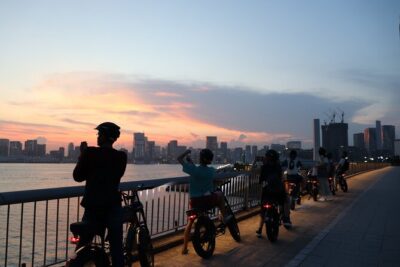 ★ 5.0Tokyo Top Highlights 3h Guided E-bike TourFrom $63714 reviews
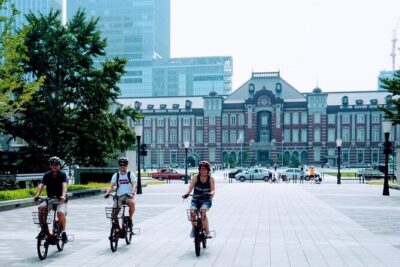 ★ 5.03h Tokyo E-Bike Tour: Hidden Gems, and Local Life with guideFrom $63670 reviews
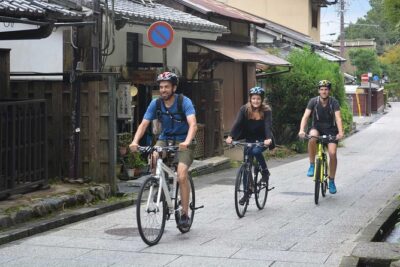 ★ 5.0Arashiyama Bamboo Forest & Hidden Gems Bike Tour (Early Bird)From $106613 reviews
 ★ 5.05 Top Highlights of Kyoto Full Day Bike Tour (E-bike option)From $172511 reviews
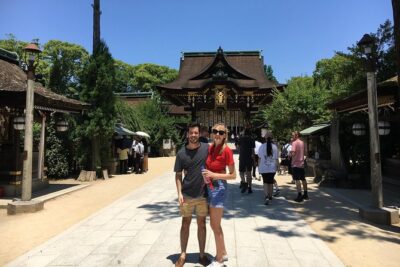 ★ 5.0Full Day Biking Tour Exploring the Best of KyotoFrom $119498 reviews
Filed on these lists too