
REVIEW · TOKYO TOWER, GINZA AND THE IMPERIAL PALACE
Imperial Palace Tour: Discover Samurai History with a Local Guide
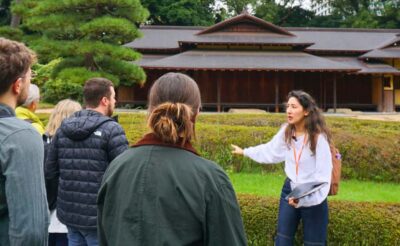
Samurai history starts with a quiet bridge walk. This 2-hour Imperial Palace East Gardens experience is interesting because you trace the Tokugawa shogunate era through stone, gates, and stories tied to Japan’s political power. I like the small group size (max 8), and you also get a local guide who connects what you see to the people behind it, like emperors and samurai warriors.
One thing to plan for is the start. A previous guest noted it can take a moment to locate the guide at the beginning, so arrive a bit early at the Starbucks meeting point and double-check you are standing at the right spot near Kōkyogaien Wadakura Fountain Park.
In This Review
- Key highlights you’ll feel during the walk
- A 2-hour walk through Imperial Palace East Gardens and Edo Castle remnants
- Starting at Starbucks near Kōkyogaien Wadakura Fountain Park
- Sakurada Tatsumi Yagura: a rare Edo-period watchtower stop
- Nijūbashi Bridge: the iconic two-tier approach over the moat
- Imperial Palace East Gardens: gates, stone ruins, and calm pathways
- Imperial Palace area: how the guide ties emperors and power to what you see
- Price and value: why $12.90 can make sense for this route
- Who this Imperial Palace East Gardens tour is best for
- The “so-so start” issue, and how to prevent it
- Should you book this Imperial Palace tour with YURAGI?
- FAQ
- Where does the tour start?
- How long is the Imperial Palace tour?
- How many people are in the group?
- Is the tour admission ticket free for the stops?
- Is there a fitness requirement?
- Can I get a full refund if I cancel?
Key highlights you’ll feel during the walk
- Max 8 travelers keeps the pacing relaxed and questions welcome
- Former Edo Castle ground turns the East Gardens into more than just pretty paths
- Tatsumi Yagura (Sakurada Nijū Yagura) gives you a rare, Edo-period watchtower stop
- Nijūbashi Bridge frames the classic approach over the moat toward the inner grounds
- All stops listed as admission-free means your money goes to the guide and route, not ticket clutter
The central Tokyo landmarks, reviewed one by one
- Flagship 2-Hours Official Street Go-Kart Tour – Tokyo Bay Shop
★ 5.0 · 4,974 reviews - Tokyo: Imperial Palace and Shogun Historical Walking Tour
★ 5.0 · 2,251 reviews - Tokyo: Meiji Shrine, Asakusa, Skytree Bus Tour and Cruise
★ 4.7 · 1,986 reviews - Tokyo Panoramic 1 Day: Meiji Shrine, Asakusa, Odaiba and SKYTREE®
★ 4.5 · 1,222 reviews
A 2-hour walk through Imperial Palace East Gardens and Edo Castle remnants

This is a history-walk with a clear focus: the Imperial Palace East Gardens area that traces back to the Edo Castle stronghold of the Tokugawa shogunate. You do not just look at landmarks. Your guide turns them into a timeline you can physically walk through, with commentary on emperors, samurai warriors, and how power shaped Japan.
What makes it work as a short tour is the way the route strings together “edges” of the past. You move from watchtower to bridge, then into gardens with stone ruins and gates, and finally to the Imperial Palace area itself. It’s the kind of route where even if you only have a couple of hours in Tokyo, you still get a sense of how the city’s story shifted over time.
Starting at Starbucks near Kōkyogaien Wadakura Fountain Park
Your meeting point is Starbucks Coffee at Kōkyogaien Wadakura Fountain Park, 3-1 Kōkyogaien, Chiyoda City, Tokyo 100-0002, Japan. The tour ends back at the same place, so you are not stuck navigating a separate drop-off location after your walk.
Here’s the practical move: plan to arrive early and give yourself a few minutes to find the group. One feedback point in the overall rating history hints that the first minutes can feel uncertain if you arrive right on time. If you’re traveling with a phone, keep it handy for quick coordination.
Sakurada Tatsumi Yagura: a rare Edo-period watchtower stop
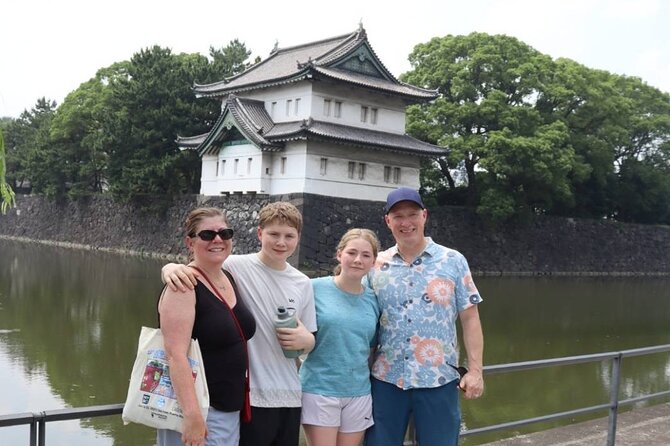
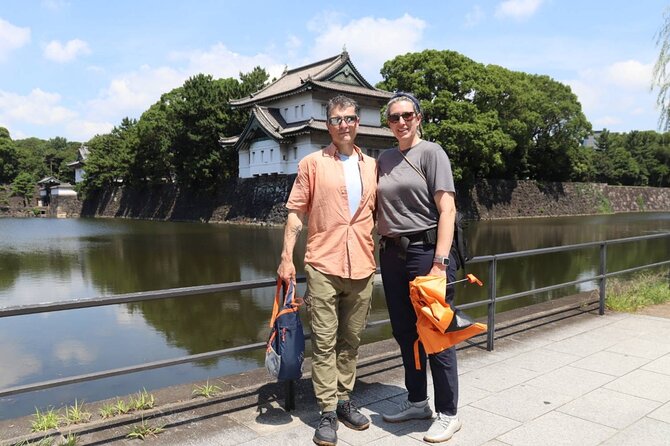
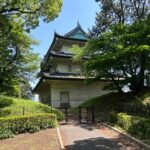
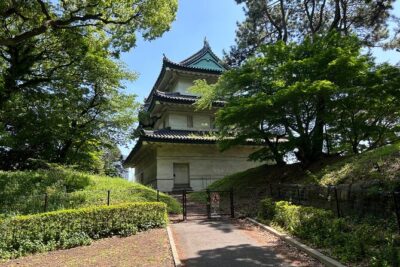
Stop one is Sakurada Tatsumi Yagura, also known as Sakurada Nijū Yagura. This is a historic two-story watchtower located inside the Imperial Palace grounds. It was built during the Edo period, and it is one of the few surviving structures from that time.
This stop matters because watchtowers are about more than scenery. Even if you have never studied Japanese architecture, you can usually “read” a structure like this. A two-story watchtower implies height, sightlines, and control. When your guide connects it to the Tokugawa shogunate era, the tower becomes a symbol of how power monitored space and movement.
A small drawback to note: watchtowers can be visually satisfying from the right angle, but that depends on where the group stands. If you like photos, wait for your guide’s cues on positioning and do not rush ahead.
Blade work and stagecraft, other sessions
- Tokyo: Samurai Sword & Archery Class from Samurai Descendant★ 5.0 · 603 reviews
- Best Samurai Experience in Tokyo★ 5.0 · 458 reviews
- Tokyo: Samurai Entertainment Night Show in Kanda Shrine★ 4.6 · 417 reviews
- Samurai Ninja Museum Asakusa: Samurai Sword Lesson & Tour★ 4.8 · 306 reviews
- Ninja Samurai 2-hour hands-on lesson by Japanese master in Tokyo★ 5.0 · 194 reviews
Nijūbashi Bridge: the iconic two-tier approach over the moat
Next you hit the Two-tiered Bridge, called Nijūbashi Bridge. This is one of the most iconic views in the Imperial Palace area: a double-arched bridge spanning the moat. It serves as the main approach to the inner grounds, and the stone structure is part of what makes it instantly recognizable.
You get a strong “compression” effect here. You see a landmark most visitors associate with postcards, but on this walk you also get the political meaning behind the design: the way an approach guides you toward an inner world. The moat and the bridge together create a boundary you can feel. Even from the outside, it helps you understand why these spaces were built to control access.
Timing is short here, so it helps to keep your camera ready. There is a 15-minute stop window, and you will likely want those minutes to include a couple of photos and time to listen.
Imperial Palace East Gardens: gates, stone ruins, and calm pathways
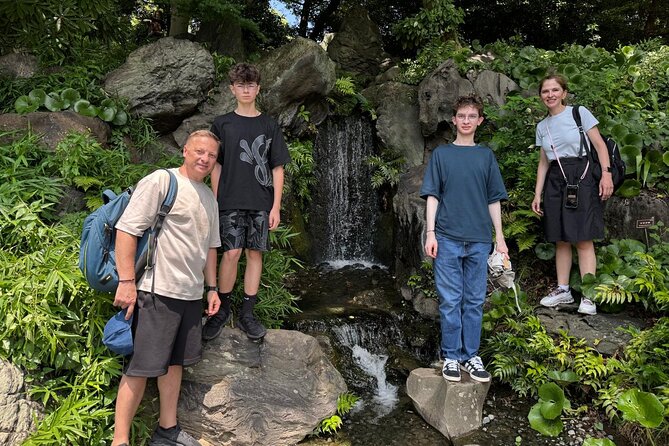
Stop three is the Imperial Palace East Gardens, located on the former grounds of Edo Castle. The gardens are open to the public and include stone walls, gates, seasonal flowers, and traditional Japanese landscaping.
This is usually the part where you slow down mentally. The guide’s job is to turn the setting into context: you are walking through remnants of a castle layout, not just enjoying greenery. Stone walls and gates are physical reminders that the Edo Castle stronghold was designed for defense and order, and your walk helps you connect those elements to how the Tokugawa period reshaped Japan.
The “seasonal flowers” detail is a nice touch, but do not rely on it as your only reason to come. What you should count on is the structure of the paths, the way the stone features repeat, and the feeling of walking a planned space. If you enjoy history you can see, this stop delivers.
The one consideration: gardens can be crowded at certain times of day, and your group size is small but you will still be sharing space. Keep your pace calm. Let the guide manage the flow so you do not miss the explanations tied to specific gates and ruins.
Imperial Palace area: how the guide ties emperors and power to what you see
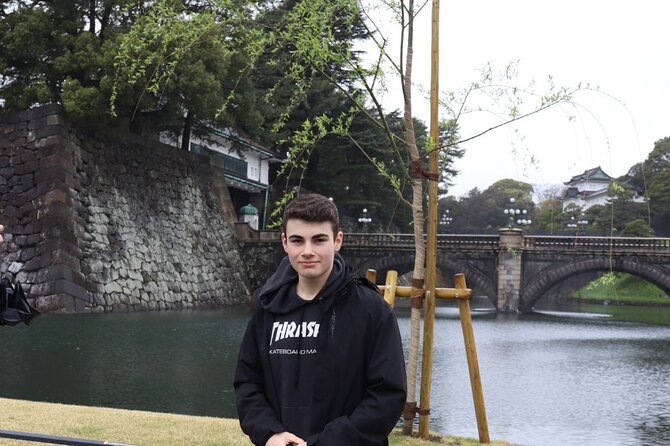
Stop four is the Imperial Palace. The tour frames it as the residence of the Emperor of Japan and a major Tokyo landmark in Chiyoda Ward. It also notes it is located on the former site of Edo Castle and includes moats and stone walls.
Even though you are not walking through the palace interiors on this kind of route, you still get something valuable: perspective. Your brain can compare the exterior elements your guide points out, like moats and stone walls, with what you saw earlier around the bridge and watchtower. The story the guide is building is basically cause and effect. Power changes hands and rules evolve, but physical geography and fortifications leave traces you can still interpret.
This stop also helps explain the human side of the place. Your guide tells stories of Japanese emperors and samurai warriors, then links them to political power that shaped the past. That matters because it turns a landmark into a setting for people, not just a backdrop.
One practical note: this final stretch is part of a timed 30-minute stop. If you want extra photos or to linger, plan to do so within the group rhythm rather than trying to pause whenever you feel like it.
Price and value: why $12.90 can make sense for this route
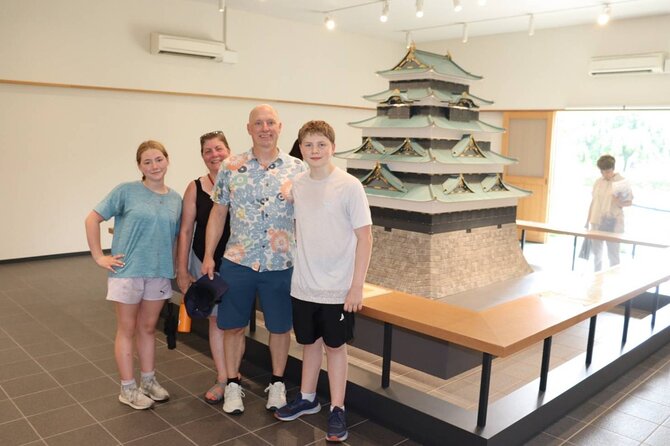
At $12.90 per person for about 2 hours, this is priced for value in two ways. First, you are paying for a guided walk that focuses on multiple major landmarks and ruins in one route. Second, the group cap of 8 travelers keeps it personal enough that your questions can actually matter.
You also get mobile ticketing, and the itinerary stops are listed as admission ticket free. That combination matters in Tokyo, where time and ticket confusion can add friction. Here, the money you spend mainly buys guidance and routing rather than separate entry fees.
If you are deciding between “read about it later” versus “learn while you walk,” this is the kind of tour that nudges you toward the second option. You get a guided structure that makes the Imperial Palace East Gardens area feel logical, not random.
Who this Imperial Palace East Gardens tour is best for
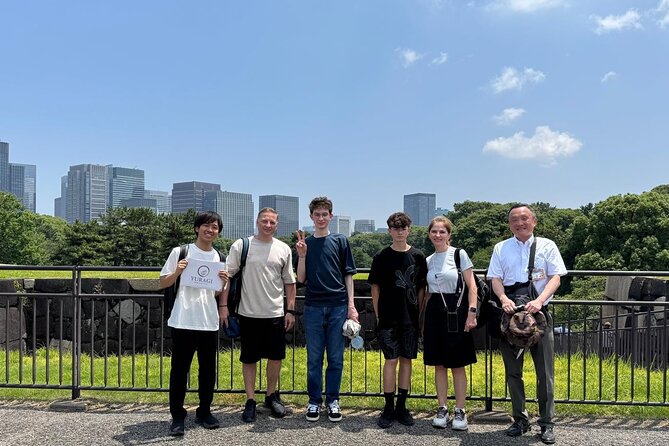
This tour fits best if you want a focused samurai and imperial history walk without a long day commitment. The route is a moderate physical effort experience, and it is near public transportation, which is helpful if you are juggling other Tokyo sights.
It is also ideal if you like small-group attention. With a max of 8 travelers, it feels easier to ask questions and keep up with the guide’s explanation rather than getting lost in a larger crowd.
If you are traveling as a couple or solo and want to meet a small group for context, this layout works well. Even the meeting point at a Starbucks near Kōkyogaien makes it relatively easy to orient yourself before you start walking.
The “so-so start” issue, and how to prevent it
One rating note in the overall history points to a mild snag at the very beginning: trouble finding the guide at first, followed by an interesting tour once the group connected. You can prevent most of that stress with a simple plan.
Arrive early at the Starbucks location near Kōkyogaien Wadakura Fountain Park. Take a quick scan of the area for the group and wait a few minutes rather than wandering. If you are traveling during peak hours, add buffer time. It’s a small effort that can turn the first 5 minutes from confusing into calm.
Should you book this Imperial Palace tour with YURAGI?
I think you should book it if you want a short, well-scoped walk through the Imperial Palace East Gardens area, with clear stops tied to the Edo Castle and Tokugawa shogunate story. The combination of a small group (max 8), a local guide style, admission-free stops, and a price of $12.90 makes this one of the more practical options for first-time visitors who still want context.
Skip it if you already know your way around this specific area and you would rather explore on your own without a guide’s narrative structure. Also, if you strongly dislike walking through formal grounds and want strictly indoor sites, this may feel more “outside landmark reading” than hands-on museum time.
Based on the overall rating of 4.9 out of 5 from 20 reviews, with 100% recommended, it has strong momentum. For a 2-hour history walk in Tokyo, that consistency is a good sign.
FAQ
Where does the tour start?
The tour starts at Starbucks Coffee – Kokyo Gaien Wadakura Fountain Park, 3-1 Kōkyogaien, Chiyoda City, Tokyo 100-0002, Japan.
How long is the Imperial Palace tour?
The duration is about 2 hours.
How many people are in the group?
The tour has a maximum of 8 travelers.
Is the tour admission ticket free for the stops?
The itinerary lists admission ticket free for the stops included on the route.
Is there a fitness requirement?
The tour asks for travelers with a moderate physical fitness level.
Can I get a full refund if I cancel?
Yes. You can cancel up to 24 hours in advance for a full refund. If you cancel less than 24 hours before the experience starts, the amount paid is not refunded.
Blade Work and Stagecraft



Central Tokyo Landmarks



Newest Tokyo write-ups from the Loving Japan desk






Tokyo Tower, Ginza and the Imperial Palace, side by side.
 ★ 5.0Flagship 2-Hours Official Street Go-Kart Tour – Tokyo Bay ShopFrom $644,974 reviews
 ★ 4.6Tokyo Tower: Admission TicketFrom $93,661 reviews
 ★ 5.0Imperial Palace and Shogun Historical Walking TourFrom $222,251 reviews
 ★ 4.7Meiji Shrine, Asakusa, Skytree Bus Tour and CruiseFrom $1221,986 reviews
 ★ 4.8Chopstick Making Workshop in GinzaFrom $251,366 reviews
 ★ 4.5Tokyo Panoramic 1 Day: Meiji Shrine, Asakusa, Odaiba and SKYTREE®From $851,222 reviews
 ★ 4.9Imperial Palace Japanese History Walking TourFrom $32987 reviews
 ★ 4.9Imperial Palace and Shogun Walking TourFrom $16935 reviews