
REVIEW · FUSHIMI INARI AND THE TEMPLES OF KYOTO
Inside of Fushimi Inari – exploring and lunch with locals
Kyoto’s torii maze gets real quiet here. This Fushimi Inari-taisha shrine hike focuses on the mountain route, not just the postcard line, with an off-the-beaten-track path and explanations as you walk. I like that the group stays small, so you actually hear the story behind the gates, not just footsteps and phones.
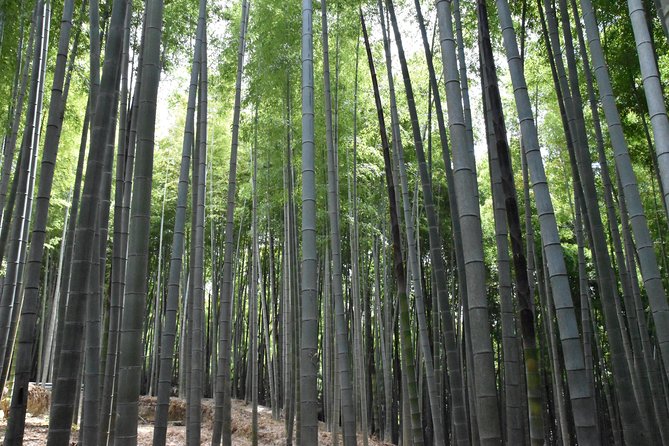
I love the two-part experience: main shrine viewing with context, then a calmer hike through bamboo and cedar toward lesser-seen spots. I also like the included lunch plan, including soba noodles plus a mid-walk break with Japanese tea and a boiled egg.
One drawback to plan for is the physical side. Expect stairs and some uphill forest walking, and it can feel tougher than it looks from the bottom, so go in with a moderate fitness mindset.
In This Review
- Key things you’ll notice on this tour
- Entering Fushimi Inari with a plan that feels calmer
- Meeting point, timing, and why that matters at Fushimi Inari
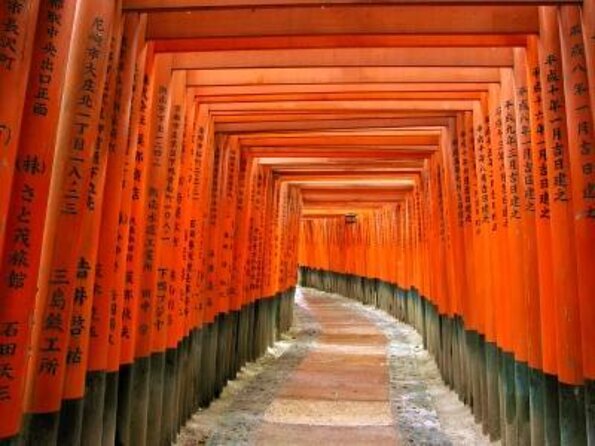
- The main shrine part: red torii gates, history, and real meaning
- Bamboo and cedar forest walking, plus the stops most people miss
- The summit climb to 233m: short effort, big payoff
- Lunch like you’re eating with the Kyoto rhythm
- Guide skills that make the difference on this mountain
- Price and value: what $72.26 buys you in real terms
- Who this tour fits best (and who should think twice)
- Should you book this Fushimi Inari inside-route tour?
- FAQ
- How long is the Fushimi Inari hike and lunch?
- How much does the tour cost?
- What is included in the tour?
- Is admission included?
- What is the meeting point?
- Is the group small?
- What dietary options are available?
- How physically demanding is the hike?
- Do I need a paper ticket?
- What happens if the weather is bad?
Key things you’ll notice on this tour
- Small-group pacing: you walk with a tight set of people and your guide adjusts the pace to fit the group
- Red torii with context: you spend time at the main shrine and hear why the gates matter
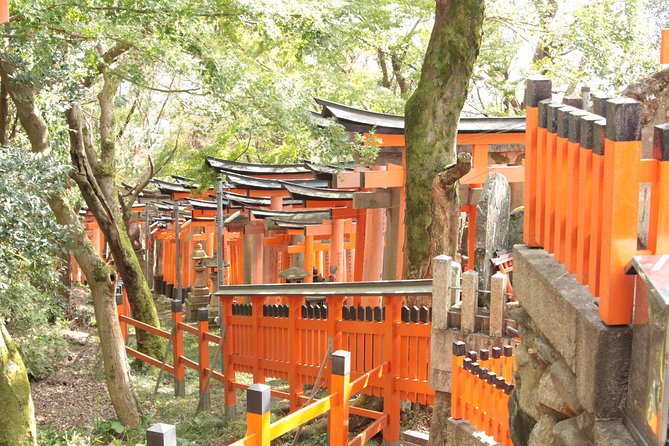
- Hidden route hiking: bamboo and cedar paths, plus stops at quieter holy spots
- Practical summit time: a short climb up to the summit area (233m) with time to look around
- Included food breaks: soba lunch, plus tea and a boiled egg break during the hike
- Fewer crowds up the mountain: you head away from the busiest flow when possible
Which temple to give the morning to, reviewed
- Kyoto: Fushimi Inari, Kinkakuji, Bamboo Grove 1 Day Bus Tour
★ 4.8 · 4,316 reviews - Kyoto: Tea Ceremony in a Traditional Tea House in Kiyomizu
★ 4.9 · 3,519 reviews - Kyoto/Osaka: Nara, Fushimi Inari Taisha, Arashiyama Bus Tour
★ 4.7 · 1,275 reviews - Kyoto: Nijo-jo Castle and Ninomaru Palace Guided Tour
★ 4.7 · 1,020 reviews
Entering Fushimi Inari with a plan that feels calmer
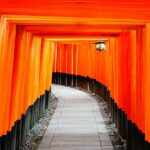
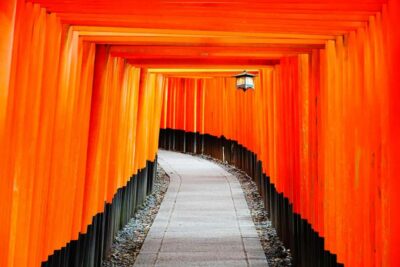
Fushimi Inari-taisha is famous for a reason. The red torii gates can look like an endless tunnel, and you can burn a lot of time just waiting to move. This tour’s approach is different: you still see the iconic part, but you get a route that also covers the mountain side, where the experience changes from city sightseeing to shrine hiking.
What makes it work for most people is the flow. You start with the main shrine area, then you move into forest walking where the pace naturally slows. And because the group is kept small, your guide can slow down for questions, handle the timing, and help you notice details that you would likely miss on your own.
There is one practical thing to remember from the start. This is still a hike. You will climb and you will see stairs, so if your feet or knees get cranky on slopes, plan accordingly.
Meeting point, timing, and why that matters at Fushimi Inari
You meet at Great Torii Japan in the Fushimi ward area, at 深草薮之内町68番地. The tour also ends back at the meeting point, which keeps the logistics simple.
The main thing I’d watch here is the clock. Fushimi Inari draws crowds, and meeting up late can quickly turn into stress. One caution that has shown up is a no-show situation caused by guide coordination and hard-to-match details like clothing. The takeaway for you is straightforward: if you are even a few minutes early, you’ll feel better, and if your group splits at any point, get a clear visual reference for your guide before walking deeper.
Good news: you’ll get a mobile ticket, so you should not be juggling paper. The meeting location is also described as near public transportation, which helps if you are building the day around Kyoto transit.
The main shrine part: red torii gates, history, and real meaning
The tour’s first big chunk is shrine time. You spend about 3.5 hours total on the experience, and you do start with the shrine area and the gates that made Fushimi Inari iconic.
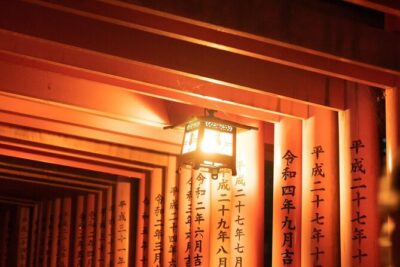
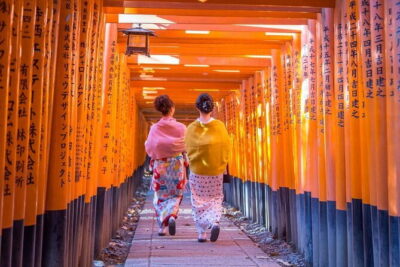
This isn’t just a quick walk under thousands of torii. Your guide provides explanations about the history and cultural background of the shrine and the gates. That matters because Fushimi Inari is more than a photo spot. It is a living spiritual site, and understanding why the gates exist makes the whole mountain circuit feel less like a scenic loop and more like a route with purpose.
You also get main shrine viewing and a structured introduction before you move into the quieter forest sections. It’s a smart order. If you go straight to the mountain route first, you might miss the chance to understand what you are seeing. If you only stay in the busy torii lanes, you miss the calmer side that gives you that Kyoto feeling of walking through something sacred, not just crowded.
- PERFECT KYOTO 1-Day Bus Tour★ 5.0 · 13,518 reviews
- Kyoto: Fushimi Inari, Kinkakuji, Bamboo Grove 1 Day Bus Tour★ 4.8 · 4,316 reviews
- Kyoto: Tea Ceremony in a Traditional Tea House in Kiyomizu★ 4.9 · 3,519 reviews
- Kyoto: Tea Ceremony Ju-An at Jotokuji Temple★ 4.9 · 3,207 reviews
- Kyoto: 45-Minute Tea Ceremony Lesson Experience★ 4.3 · 2,378 reviews
Bamboo and cedar forest walking, plus the stops most people miss
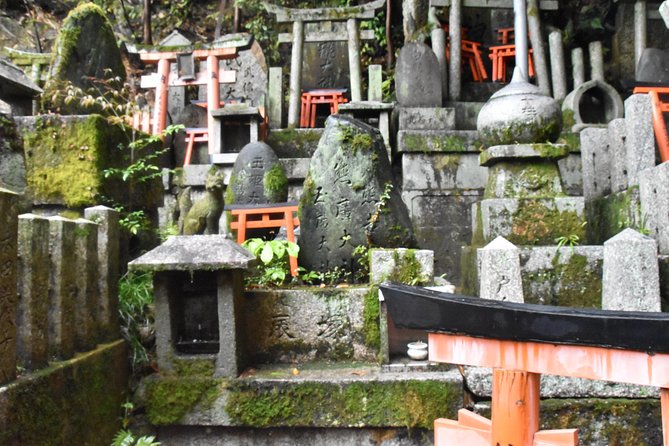
After the main shrine viewing, you transition into walking that feels more like hiking than sightseeing. Expect peaceful paths through bamboo and cedar trees, with chances to visit smaller, more local holy spots.
On this route, the tour includes stops such as:
- Worship stones (smaller ritual features that are easy to walk past without guidance)
- A waterfall stop, which helps break up the climb with a cooler, calmer moment
- A gate factory visit, which gives you a practical look at how these torii gates are made and maintained
This is where the tour starts to earn its keep. On your own, it’s common to follow the easiest traffic flow. On a guided route like this, you get a better chance to see the mountain as locals experience it, with pockets of quiet where the sound shifts from footsteps and chatter to wind in the trees.
One consideration: the route includes stairs and uneven steps. A guide can slow down for safety, but you still need to be comfortable with uphill effort.
The summit climb to 233m: short effort, big payoff
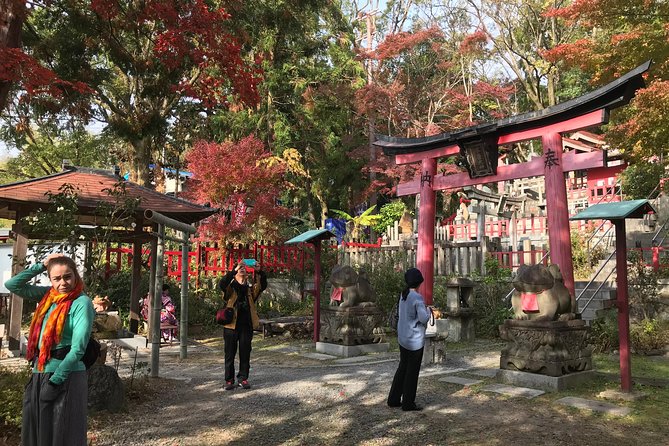
The final push is a forest route climb toward the summit shrine area. The ascent itself is about 20 minutes, and the summit sits at around 233m.
At the summit, you get time to look around and you can pray at the shrine if you want to. Even if you do not follow every ritual, the moment usually hits because the space changes. You feel like you are higher up in the mountain, and the torii maze perspective becomes more layered.
The best part of a guided summit stop is that you are not trying to figure out routes and shortcuts while your legs are already tired. Your guide helps you stay on track and keeps the timing so you can actually enjoy the views instead of rushing through them.
Still, take the hike seriously. The reviews highlight that stairs are steep in spots. If you know stairs are your weak point, choose your footwear carefully and go slow. This is the kind of tour where pacing matters more than speed.
Lunch like you’re eating with the Kyoto rhythm
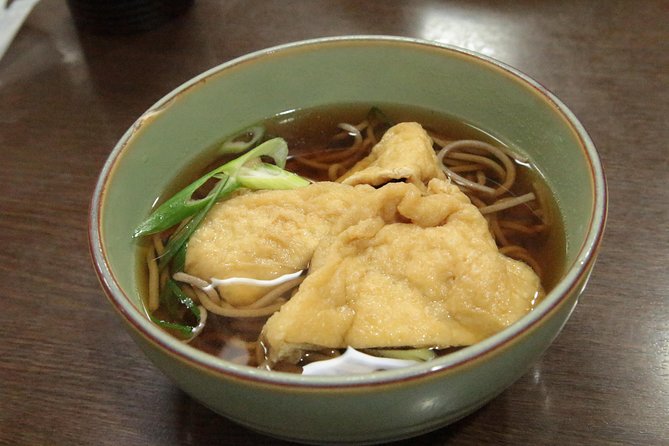
Food is not an afterthought on this experience. You get soba noodle lunch plus a break that includes Japanese tea and a boiled egg.
This is good value because you are not paying extra for a sit-down meal mid-hike, and it removes one of the common planning hassles on shrine days. Fushimi Inari is full of snack options, but you can lose time hunting for something that fits your schedule and diet.
Dietary needs are also addressed. The tour notes that vegetarian, Halal-friendly, and gluten-free options are available. That can be a big deal in Japan, where menu wording and cross-contamination can be unclear. If you have dietary constraints, you should still plan to communicate them clearly at booking, but the key point is that the tour is set up to handle multiple types of eaters.
One more practical win: a lunch break helps you recover before the summit push or before the final stretch of hiking, so you stay comfortable instead of walking hungry.
Guide skills that make the difference on this mountain
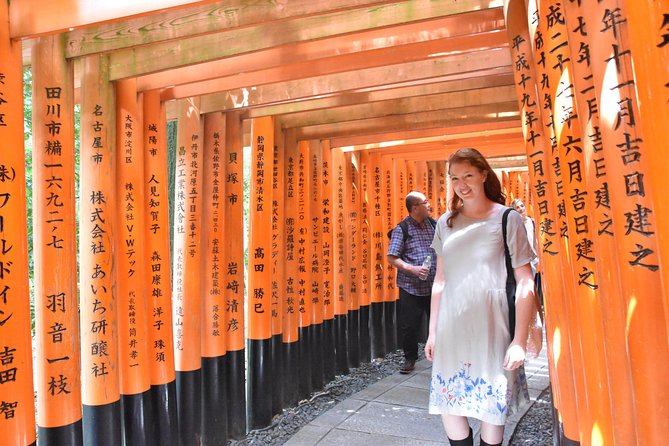
The quality of Fushimi Inari guides tends to show up fast. When you hear the story, you start noticing the shrine details that would otherwise blend together. When the guide adjusts for the group, the hike feels fair instead of rushed or punishing.
The strongest praise in the provided feedback centers on guidance that keeps the group together and moves people away from the busiest crowds. Guides like Satsuki and Ko/Go are called out for being friendly, informative, and for taking you along paths where you can quietly walk through the trees and smaller shrines.
If you like structure, this tour gives it. If you prefer flexibility, it still works because the guide can adjust pacing. The goal is to help you see more than the famous tunnel of torii, while still getting the main shrine highlights first.
Price and value: what $72.26 buys you in real terms
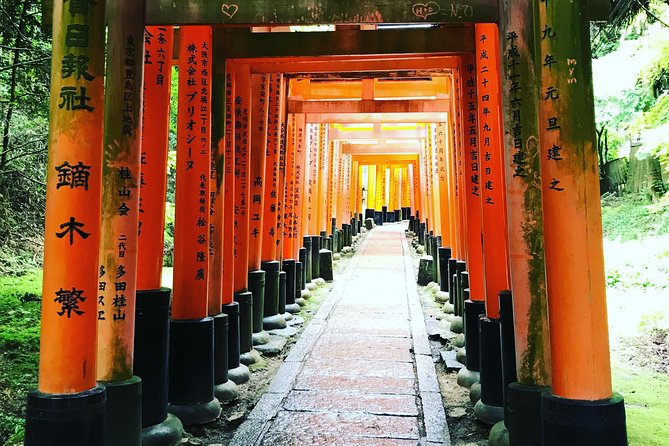
At $72.26 per person, this is not the cheapest way to visit Fushimi Inari. But it also bundles the parts that cost time and money if you do them separately.
You’re paying for:
- A guided route that includes quiet walking sections and specific stops like the waterfall and gate factory
- Explanations during the main shrine and along the mountain route
- The included soba lunch
- The added tea and boiled egg break
- A small-group experience, which is often the difference between a calm hike and a chaotic crowd crush
If you have ever planned a Kyoto day around major sights, you know the hidden cost is logistics. Getting the right pacing and route takes planning effort. This tour reduces that effort and adds context that makes the place make more sense.
Group size is another value lever. The concept is small-group (up to 12 participants), while the booking detail lists a maximum of 6 travelers. Either way, the setup aims for fewer people than the standard big bus crowd.
Who this tour fits best (and who should think twice)
This tour fits best if you want a mix of spiritual sightseeing and actual hiking time. If you like walking through forest paths, reading the meaning behind shrine features, and stopping for breaks instead of rushing straight to the next photo, you’ll probably be happy with this plan.
You should think twice if:
- You struggle with stairs or uphill walking. The route includes steep steps in places.
- You want a super relaxed, no-strain stroll. This is hiking, just guided and paced.
A moderate fitness level is what’s suggested. That’s a good sign because it means you do not need to be an athlete. But you should come prepared for effort.
Should you book this Fushimi Inari inside-route tour?
I’d book it if your goal is to see Fushimi Inari as more than a torii photo line. The included lunch and the fact that you get both the main shrine area and quieter forest stops makes it an efficient half-day plan. The best reviews emphasize guides who take you away from the masses and keep the experience calm and meaningful.
I’d skip it or choose another option if you want only flat, easy walking, or if stairs are a hard no for your body. Also, if you are prone to missing meeting times, build in extra buffer at the start so coordination stays smooth.
If you do book, wear grippy shoes, expect stairs, and come ready to slow down. The payoff is a version of Fushimi Inari that feels lived-in, not just looked-at.
FAQ
How long is the Fushimi Inari hike and lunch?
The tour is about 4 hours in total, with roughly 3 hours 30 minutes focused on hiking and lunch.
How much does the tour cost?
The price is $72.26 per person.
What is included in the tour?
You get a guided Fushimi Inari-Taisha experience with a soba noodle lunch, plus a break with Japanese tea and a boiled egg.
Is admission included?
Yes, an admission ticket is included as part of the experience.
What is the meeting point?
You meet at Great Torii Japan, 612-0881 Kyoto, Fushimi Ward, 深草薮之内町68番地, and the tour ends back at the same meeting point.
Is the group small?
Yes. It is described as a small-group experience, with a maximum listed in the details (and also described as limited to a small number).
What dietary options are available?
Vegetarian options are available, the tour is Halal friendly, and gluten-free food is also available.
How physically demanding is the hike?
It is best for travelers with a moderate physical fitness level. The route includes stairs and a climb to the summit area.
Do I need a paper ticket?
No. The tour uses a mobile ticket.
What happens if the weather is bad?
The experience requires good weather. If it is canceled due to poor weather, you will be offered a different date or a full refund.
Which Kyoto Temple Gets Your Morning



Newest Kyoto write-ups from the Loving Japan desk
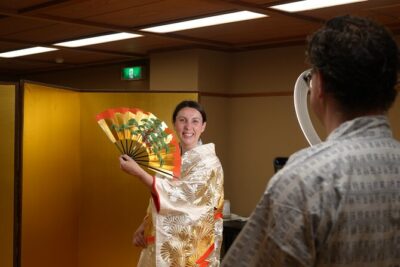
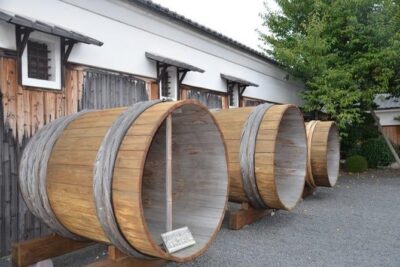
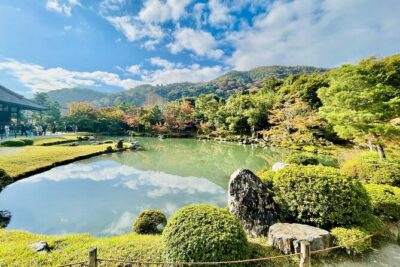
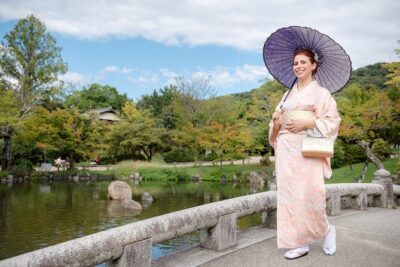
Fushimi Inari and the Temples of Kyoto, side by side.
 ★ 4.8Fushimi Inari, Kinkakuji, Bamboo Grove 1 Day Bus TourFrom $1224,316 reviews
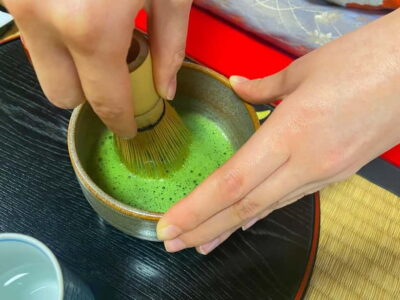 ★ 4.9Tea Ceremony in a Traditional Tea House in KiyomizuFrom $493,519 reviews
 ★ 4.7Kyoto/Osaka: Nara, Fushimi Inari Taisha, Arashiyama Bus TourFrom $521,275 reviews
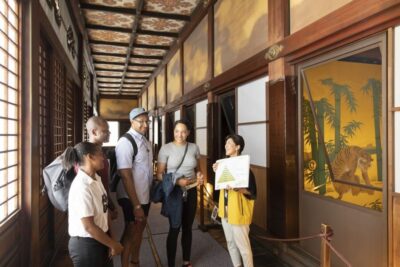 ★ 4.7Nijo-jo Castle and Ninomaru Palace Guided TourFrom $161,020 reviews
 ★ 4.4Osaka/Kyoto: Arashiyama, Nara & Fushimi Inari Shrine w/LunchFrom $61754 reviews
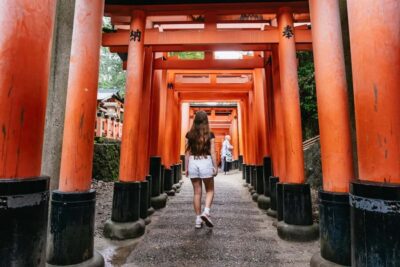 ★ 4.7Nijo Castle, Kiyomizu & Fushimi Inari Guided TourFrom $54700 reviews
 ★ 5.0Nijo, Kinkaku-ji, Arashiyama, Kiyomizu & Fushimi InariFrom $51699 reviews
 ★ 4.7Imperial Palace & Nijo Castle Guided Walking TourFrom $49453 reviews
Filed on these lists too