
REVIEW · FUSHIMI INARI AND THE TEMPLES OF KYOTO
Inside of Fushimi Inari – exploring and lunch with locals
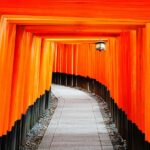
Torii gates, but quieter inside. This tour gets you past the usual chaos into less-frequented shrine paths and up to the summit shrine, with a guide explaining what you’re looking at as you go. The only real heads-up is that you’ll be climbing stairs on a hike with real up and down.
What I especially like is that you don’t just get sightseeing, you get food and pauses that feel local: soba lunch at a traditional restaurant plus a tea break with boiled egg in a mountain hut. It’s also a small group (10 people max), which makes it easier to ask questions and stop for photos without feeling like you’re in a moving crowd.
In This Review
- Key points that make this Fushimi Inari tour different
- Entering Fushimi Inari from the inside, not the crowd line
- Meeting at the Great Torii Gate (大鳥居) and starting with a plan
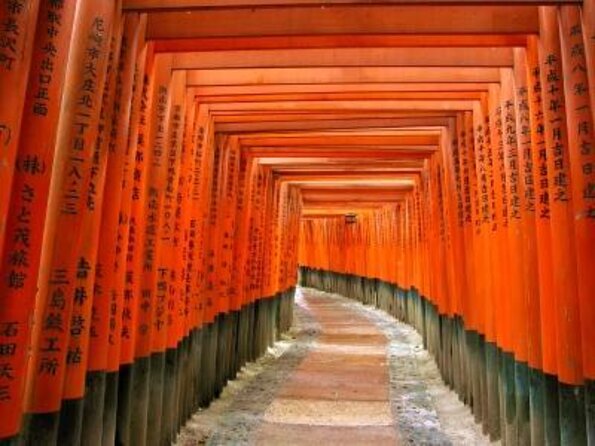
- Main shrine time: red torii gates, context, and the holy rhythm
- Bamboo and cedar forest route: worship stones, a waterfall, and a factory stop
- Climbing toward the summit shrine: 233m high and worth it
- The descent: photo stops on less-crowded tracks and local time flow
- Lunch at a traditional soba restaurant, plus Inari sushi
- Price and value: why $67 feels fair for a guided, food-included half day
- What to wear and how to pace yourself on the stairs
- Who this tour suits best (and who should think twice)
- Should you book this inside Fushimi Inari experience?
- FAQ
- What is the tour length?
- Where do I meet the guide?
- Is this tour walking or sightseeing only?
- What food and drinks are included?
- Are there vegan options?
- How big is the group?
- What should I bring?
Key points that make this Fushimi Inari tour different
- Inside-route focus, not the standard camera-line loop, with a steady, human pace
- Summit shrine climb (about 20 minutes up) to a viewpoint over Kyoto
- Bamboo and cedar forest sections, including worship spots like stones and a waterfall
- A working-meets-spiritual stop, where you visit a factory linked to torii making
- Tea and boiled egg in a mountain hut, then a real soba lunch to end the hike
- Diet flexibility with notice, since vegan options are available if you tell the team IN ADVANCE
Which temple to give the morning to, reviewed
- Kyoto: Fushimi Inari, Kinkakuji, Bamboo Grove 1 Day Bus Tour
★ 4.8 · 4,316 reviews - Kyoto/Osaka: Nara, Fushimi Inari Taisha, Arashiyama Bus Tour
★ 4.7 · 1,275 reviews - Kyoto: Nijo-jo Castle and Ninomaru Palace Guided Tour
★ 4.7 · 1,020 reviews - Osaka/Kyoto: Arashiyama, Nara & Fushimi Inari Shrine w/Lunch
★ 4.4 · 754 reviews
Entering Fushimi Inari from the inside, not the crowd line
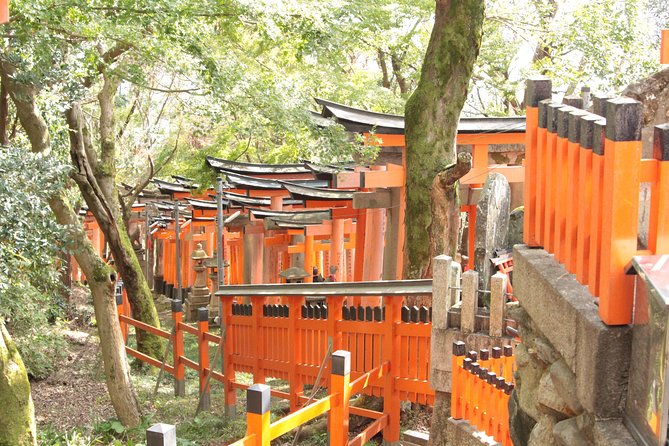
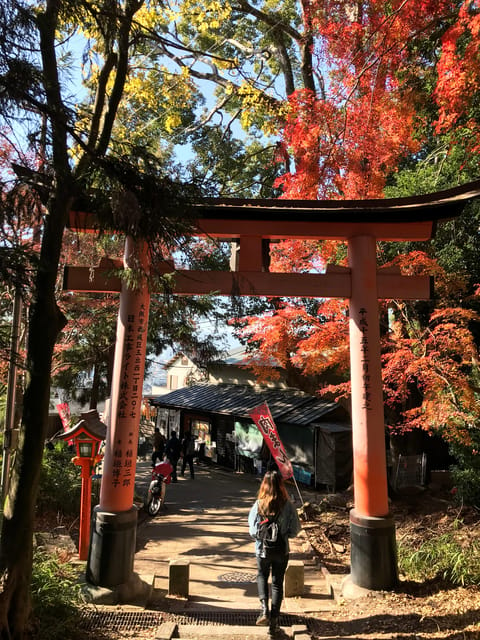
Fushimi Inari Taisha is famous for a reason, and you can’t fully escape the buzz. Still, what you’re really paying for here is direction. Instead of marching through the most photographed sections, you follow a route that feels more like a journey, with calmer turns, quieter pockets, and stops where the guide helps you connect the dots.
Two things that make it click: first, you’re not left to guess what all those red gates mean in practice. The guide walks you through the history and cultural background of the site as you move, so the scenery has context. Second, you get time to look, not just to pass. The group keeps a casual pace, and guides are used to working around how people walk and stop for photos.
One caution: this is still a hike. Even if it’s paced well, the terrain includes stairs and some up-and-down segments, so comfortable shoes matter.
Meeting at the Great Torii Gate (大鳥居) and starting with a plan
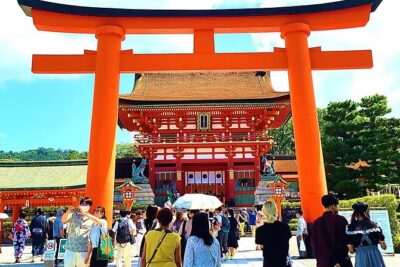
You meet at the Great Torii Gate at 大鳥居, at the stone pillar at the first gate across from the JR Inari Station exit. It’s also an easy walk from Fushimi-Inari Station on the Keihan line, about 10 minutes.
Why that matters: starting at the iconic point helps you orient fast. You can connect the route you’ll be walking with what you see when you arrive, instead of playing catch-up later.
Your guide is also the traffic controller. With a small group capped at 10, you’re less likely to get separated, and you can actually hear explanations at the stops. The tour runs about 4 hours, and your timing may shift a bit depending on walking pace.
Main shrine time: red torii gates, context, and the holy rhythm
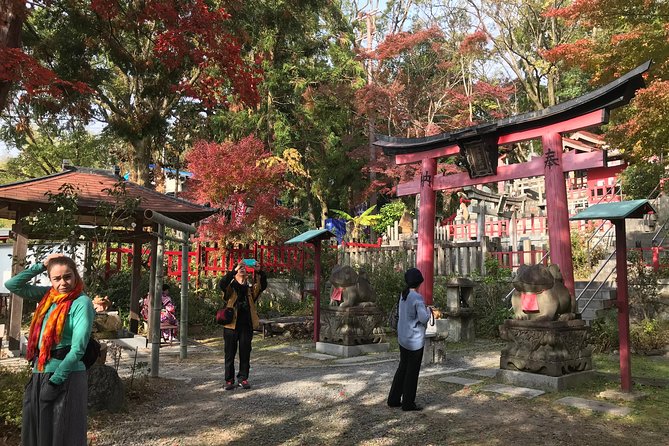
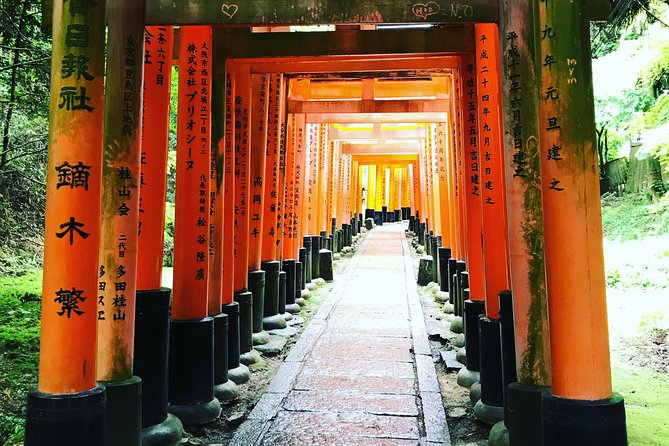
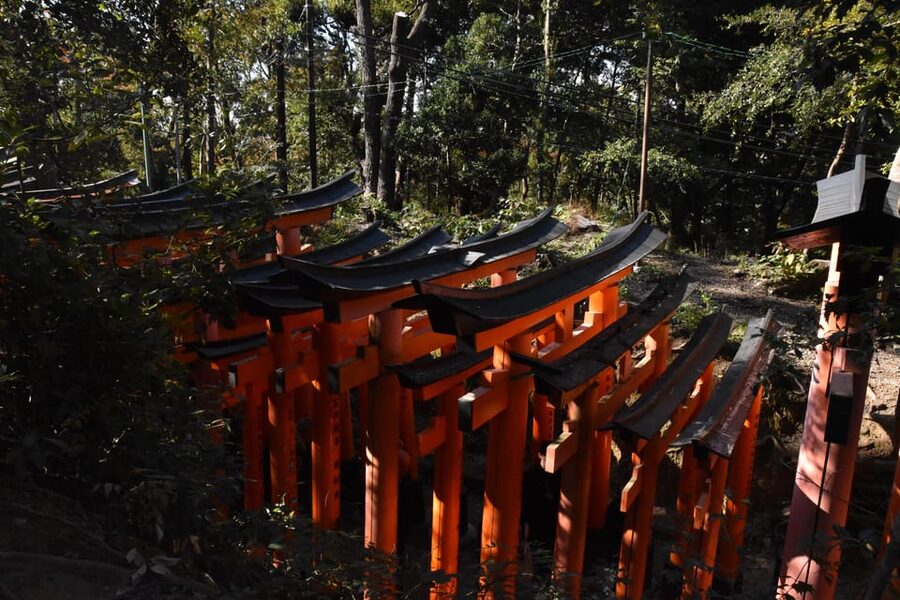
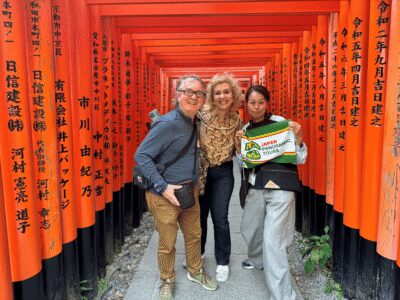
The first phase is about the core experience: walking through the main shrine area with the famous red torii gates and getting an explanation of their history and cultural background. The guide’s job here is practical. They help you understand what you’re seeing so it doesn’t feel like a scenic backdrop.
Expect you’ll spend enough time that the place starts to feel like a lived space, not a checklist. You’ll also have a chance to take photos, but you’re not pushed through like you’re in a single-file line.
There’s also an offering element included, so you’ll likely see how offerings are handled with staff assistance. Even if you don’t plan to do anything yourself, watching how it’s done helps you feel less like an outsider.
- PERFECT KYOTO 1-Day Bus Tour★ 5.0 · 13,518 reviews
- Kyoto: Fushimi Inari, Kinkakuji, Bamboo Grove 1 Day Bus Tour★ 4.8 · 4,316 reviews
- Kyoto: Tea Ceremony in a Traditional Tea House in Kiyomizu★ 4.9 · 3,519 reviews
- Kyoto Geisha Walking Tour: Gion District & Hidden Gems★ 4.7 · 3,273 reviews
- Kyoto: Tea Ceremony Ju-An at Jotokuji Temple★ 4.9 · 3,207 reviews
Bamboo and cedar forest route: worship stones, a waterfall, and a factory stop
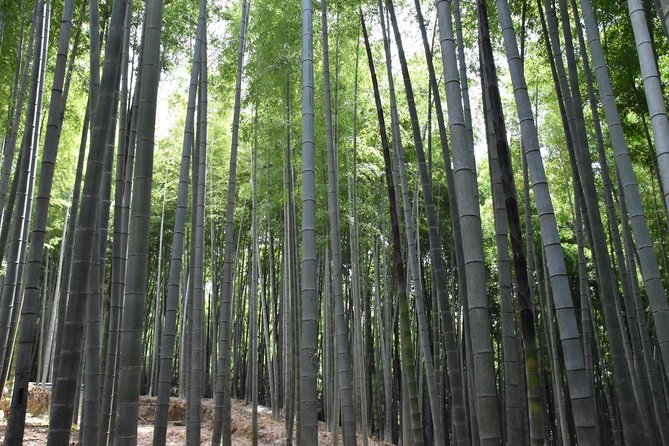
After the main shrine area, the tour shifts gears into something calmer and more nature-based. You’ll walk through a peaceful path with bamboo and cedar trees. This is where the experience feels less like a crowded attraction and more like a temple route you’d stumble onto on your own, if you knew how to choose your turns.
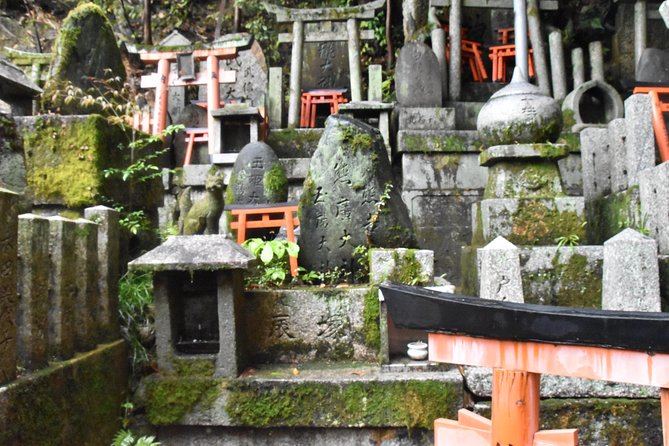
During this section, you’ll visit authentic holy spots, including worship stones and a waterfall. Those small stops are valuable because they break the monotony of gate photos. Instead of only seeing red pillars, you see what people come to mark, pray at, and pay attention to.
Then comes a surprising, grounded moment: you’ll visit a factory. That matters because it connects the spiritual side to the real work behind the torii gates. One review highlight was the chance to watch a master carve torii columns, which adds an artisan layer to the story. Even if your exact stop looks slightly different day to day, the idea is the same: you’re seeing how tradition stays practical.
Also, expect you’ll go up or down some stairs during these segments. Nothing about it screams athletic challenge, but you should plan for steps.
Climbing toward the summit shrine: 233m high and worth it
One of the biggest upsides here is that you get a forest route up to the summit shrine. The climb takes about 20 minutes, and the summit is 233m high. The guide will show you around the shrine once you arrive.
This part is about two things: the change in view, and the change in tempo. Up top, the place feels quieter and more spacious. And from the viewpoint, you can take in a panorama over Kyoto city.
If you like photos, this is your moment. The route is set up so you get viewpoints and framing opportunities without only shooting from the most crowded angles.
Before or around the summit area, there’s also an included tea and snack break. You’ll have tea and a boiled egg with salt in a mountain hut. It’s a simple pause, but it helps you reset so the second half of the walk doesn’t feel like a grind.
The descent: photo stops on less-crowded tracks and local time flow
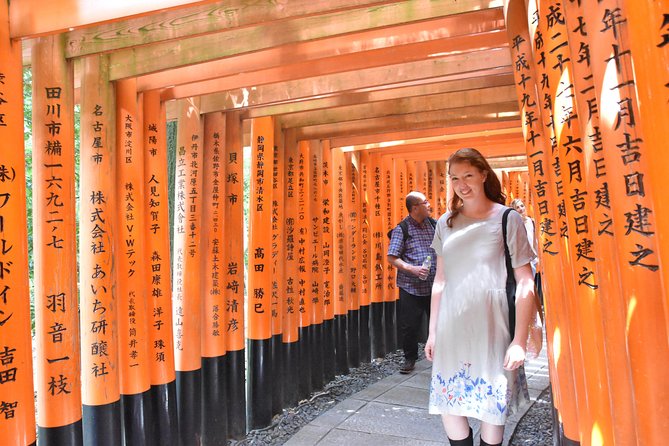
Going down isn’t just a return trip. There’s a dedicated photo-shooting part, and your guide will point out photogenic spots that are often less crowded. This is where timing matters. When the crowd density shifts, you catch angles and spaces you’d likely miss if you followed the most obvious route.
You’ll also get what you could call local time flow. The guide helps you move through the area at a human pace, so you’re not rushing while others are filming from the same corner. It can feel like you’re walking with someone who knows the rhythm of the site, not just reciting facts.
Expect more steps on the way down. If you’re someone who hates stair landings, take it slowly. The good news is your guide is used to the walking pace of a mixed group.
Lunch at a traditional soba restaurant, plus Inari sushi
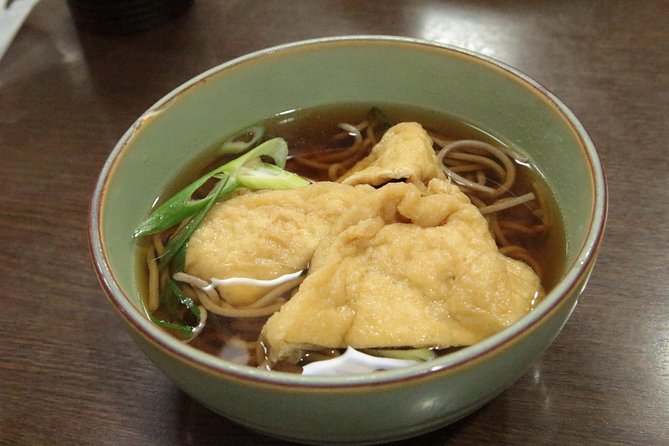
After the hike, you’ll stop for lunch at a traditional restaurant. The lunch is included and typically includes Japanese noodle soba plus fried sweet sushi, Inari sushi.
This is one of those value-adds that makes a guided half-day feel complete. You’re not trying to hunt for food between trains, and you’re not stuck with a convenience-store meal after climbing.
Vegetarian and vegan options are available, but you have to tell them IN ADVANCE. Some diners also noted vegetarian accommodation worked well, which matches the tour’s stated policy. If you have dietary restrictions, message clearly before the day of the tour so the restaurant can prepare correctly.
One practical note: drinks at the lunch restaurant are not included. So if you want something beyond the tour’s included tea, plan to pay separately.
Price and value: why $67 feels fair for a guided, food-included half day
At $67 per person for about 4 hours, this isn’t a bargain tour built on skipping everything except walking. You’re paying for a few things that add up:
- A guide who explains the site while you walk, including cultural background
- A route that includes quieter paths, a forest section, and the summit shrine area
- Included snack support during the hike (tea and boiled egg)
- Included lunch at a soba restaurant, including Inari sushi
- A small group size limited to 10, which helps with comfort and pacing
When you price it out in your head, the lunch and tea break are doing real work. And the route choice is the other half of the value. Being guided to less-crowded viewpoints and photogenic stops is hard to replicate if you’re just wandering.
What to wear and how to pace yourself on the stairs
The tour asks for comfortable clothes and shoes, plus a hands-free backpack for hiking. That’s not just a suggestion. When you’re moving through shrine paths and stair sections, a backpack with straps helps you keep your hands free for photos and balance.
A few pacing tips from how the tour runs:
- You’ll likely take breaks, especially around the tea stop.
- Your schedule can shift depending on walking speed.
- If you need frequent breaks, bring that up early so your guide can help you keep a comfortable rhythm.
Fitness-wise, this is better described as easy-moderate with a lot of walking, plus stairs. If you have mobility limits, it may feel uncomfortable.
Who this tour suits best (and who should think twice)
This fits you well if you want:
- Less crowded routes and quieter angles inside Fushimi Inari
- A guide who can explain what you’re seeing, not just where to walk
- The full half-day flow: hike, viewpoint, then a proper soba lunch
- A small-group experience where questions are welcome
It might not fit if:
- Stairs and up-down walking are a problem for you
- You want a mostly flat stroll with minimal walking
- You’re only interested in the main gate photo spots and nothing else
Should you book this inside Fushimi Inari experience?
I think it’s a smart choice if you care about details and flow. The combo of summit access, quieter paths, included tea snack, and a real soba lunch makes the day feel like more than a crowded temple visit.
If you’re the type who gets overwhelmed by crowds, the inside-route focus is the headline. And if you like food as part of travel, the included soba meal is one more reason not to wing it.
If stairs are your concern, double-check your comfort level before booking. Otherwise, this is one of those Kyoto experiences where a good guide can make the whole place feel more meaningful, not just more photographed.
FAQ
What is the tour length?
The tour runs for about 4 hours.
Where do I meet the guide?
You meet at the Great Torii Gate at the stone pillar at the first gate across from JR Inari Station exit. The finish point is the same.
Is this tour walking or sightseeing only?
It’s a walk with a forest route up to the summit shrine and includes stairs and up-and-down sections.
What food and drinks are included?
Lunch is included, with Japanese noodle soba and fried sweet Inari sushi. You also get tea and a boiled egg with salt at a mountain hut.
Are there vegan options?
Vegan options are available, but you need to tell the team in advance.
How big is the group?
The group is small, limited to 10 participants.
What should I bring?
Wear comfortable clothes and shoes. Bring a hands-free backpack for hiking.
Which Kyoto Temple Gets Your Morning


Newest Kyoto write-ups from the Loving Japan desk

Fushimi Inari and the Temples of Kyoto, side by side.
 ★ 4.8Fushimi Inari, Kinkakuji, Bamboo Grove 1 Day Bus TourFrom $1224,316 reviews
 ★ 4.9Tea Ceremony in a Traditional Tea House in KiyomizuFrom $493,519 reviews
 ★ 4.7Kyoto/Osaka: Nara, Fushimi Inari Taisha, Arashiyama Bus TourFrom $521,275 reviews
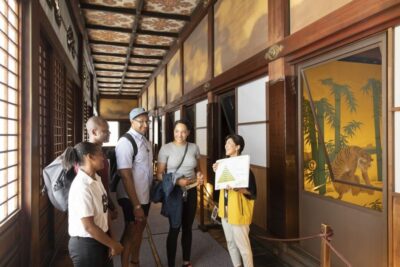 ★ 4.7Nijo-jo Castle and Ninomaru Palace Guided TourFrom $161,020 reviews
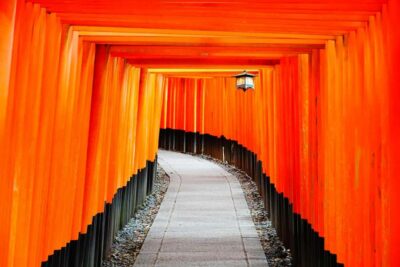 ★ 4.4Osaka/Kyoto: Arashiyama, Nara & Fushimi Inari Shrine w/LunchFrom $61754 reviews
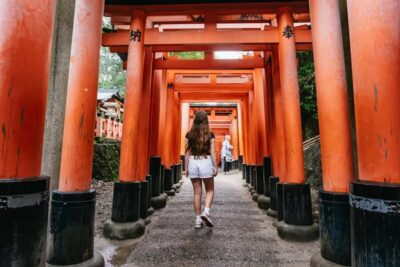 ★ 4.7Nijo Castle, Kiyomizu & Fushimi Inari Guided TourFrom $54700 reviews
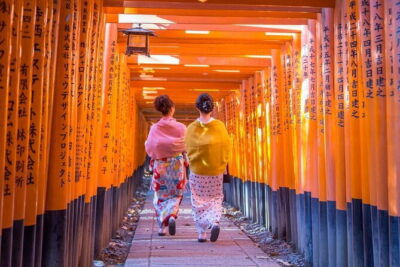 ★ 5.0Nijo, Kinkaku-ji, Arashiyama, Kiyomizu & Fushimi InariFrom $51699 reviews
 ★ 4.7Imperial Palace & Nijo Castle Guided Walking TourFrom $49453 reviews
Filed on these lists too