
REVIEW · TSUKIJI AND TOYOSU FISH MARKETS
Inside Tokyo’s Kitchen: Tsukiji Market, Food & Culture Tour
Tokyo’s seafood stories start before breakfast. I love the small-group size and the way you get to taste fresh sushi and sweets without feeling swallowed by the crowds. One possible catch: the tour offers vegetarian and vegan options, but the selection can be limited.
I also like that this isn’t just eat-and-run. You start with Kabuki culture at Kabukiza and finish with a quieter shrine moment at Namiyoke Inari, so the food makes sense in context, not as random samples. Plus, your guide helps translate so you can follow what’s happening, even if Japanese is not your thing.
The pace works well for a 3-hour visit, but you’ll be walking. Wear closed-toe shoes, because market floors can be wet, and you’ll want stable footing before you hunt down your next bite.
In This Review
- Key things I’d plan for on this Tsukiji food-and-culture tour
- Why this outer Tsukiji tour feels calmer than the headline version
- Stop 1: Kabukiza, Kabuki Inari Shrine, and a quick culture primer
- Stop 2: Tsukiji outer market for sushi, snacks, and wagashi sweets
- What you can realistically expect to taste
- A small heads-up on how the tastings might happen
- Cultural add-on: shrines and craft thinking while you eat
- Stop 3: Namiyoke Inari Shrine and the calm finish near Tsukiji Station
- What small-group limits change, besides the obvious
- Guides who make the market make sense (and examples of the vibe)
- Food value: what $83.35 buys you (and what it doesn’t)
- Dietary needs: vegetarian and vegan options with limited selection
- Practical details that matter on walking days
- Wear the right shoes
- Plan for a simple, fast meeting spot
- Should you book this Tsukiji food-and-culture tour?
- FAQ
- How long is the Tsukiji Market, Food and Culture Tour?
- What time does the tour start?
- Where do I meet the guide?
- Where does the tour end?
- How big is the group?
- Are vegetarian or vegan options available?
- Is this tour good for children?
- What should I wear for the tour?
- Are drinks or tips included?
- Can I cancel and get a full refund?
Key things I’d plan for on this Tsukiji food-and-culture tour
- Meet at Kabukiza’s Kabuki Inari Shrine first, so the tour starts with Tokyo performing-arts culture, not food chaos
- Outer Tsukiji Market focus keeps you on the more approachable side of the area, with narrow alleys and constant snacks
- Fresh sushi and wagashi sweets are part of the standard tasting mix, not just “maybe if there’s time”
- Shrine pauses at both ends give you a breather and help explain how local culture frames everyday eating
- Max of 6 people means fewer waits for answers, and easier crowd navigation
- Dietary options exist but are limited for vegans and vegetarians, so plan your expectations
Hungry earlier than that? Other market breakfasts we tried
- Tokyo Tsukiji Fish Market Food and Culture Walking Tour
★ 5.0 · 3,184 reviews - Tokyo: Tsukiji Fish Market Food and Walking tour
★ 5.0 · 1,724 reviews - Tokyo: Tsukiji Fish Market Guided Walking Tour
★ 4.9 · 1,397 reviews - Tokyo Sushi Making Class in Tsukiji with Professional Chef
★ 5.0 · 1,177 reviews
Why this outer Tsukiji tour feels calmer than the headline version
Tsukiji’s name alone can create big expectations. People picture a nonstop frenzy, and that can be true if you arrive with no plan. What I like about this tour is that it’s built for control: you get a guided route through the outer market area, plus food tastings and cultural context, without you having to decode everything on the fly.
It’s also timed like a morning mission. Starting at 8:00 am, you’ll be out while the area is active, but before the day gets too heavy. That matters because Tsukiji is all senses at once. A guide helps you sort the noise from what’s worth stopping for.
And since this is capped at six travelers, you’re not stuck behind a line of strangers. You can ask questions, change pace when your feet need a breather, and actually pay attention to what you’re eating.
Stop 1: Kabukiza, Kabuki Inari Shrine, and a quick culture primer
The tour begins at Kabuki Inari Shrine at Kabukiza. You meet in front of the shrine, and the first part is short, about 10 minutes, and free. The point here is not a long temple visit. It’s orientation, plus a Tokyo lesson in how performance and tradition overlap in daily life.
Kabuki is Japan’s distinctive blend of drama and dance, and Kabukiza is the famous theater setting you can admire right at the start. Why I think this is a smart move: it gets you in the right mindset for the whole morning. Food at Tsukiji isn’t only about taste. It’s also about craft, routine, and local rituals. Starting with Kabuki gives you a frame for that.
If you’re a first-timer, this stop helps you understand Tokyo’s rhythm fast. If you’re not a first-timer, it still works because it sets a respectful tone before you move into the market.
Stop 2: Tsukiji outer market for sushi, snacks, and wagashi sweets
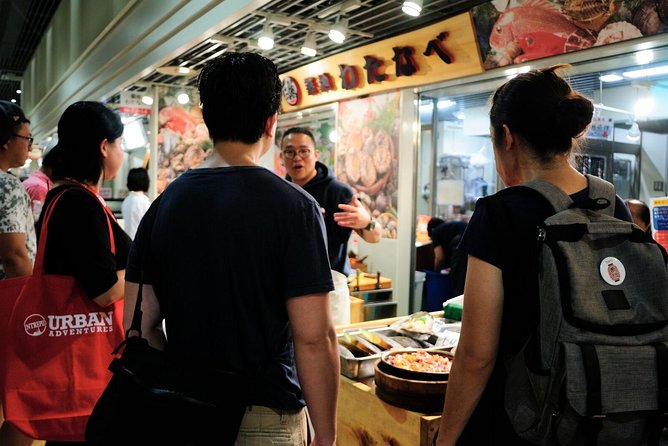
Your main time block is about 2 hours in the outer market area. This is where the day becomes sensory. The alleys are narrow. You’re walking past seafood, vegetables, and snack shops with constant motion. It’s the kind of place where you can get overwhelmed quickly, especially if you don’t speak the language.
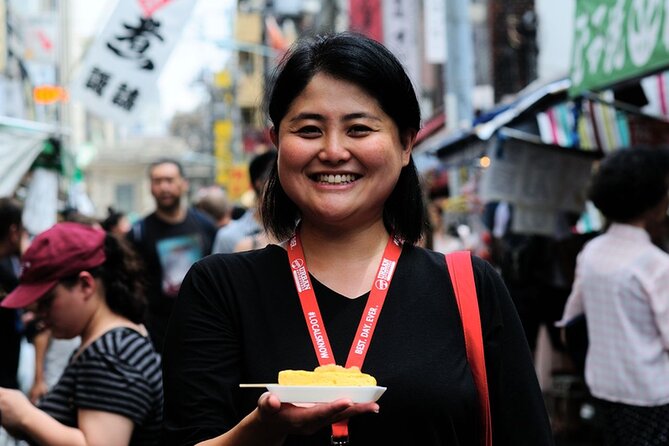
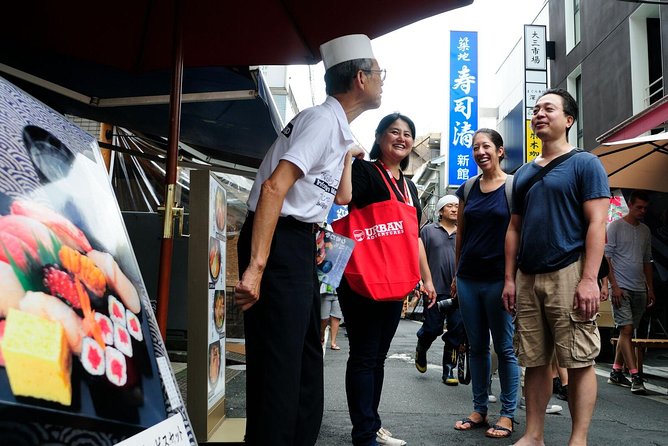
The tour route is designed to prevent that. You get to try fresh sushi, Japanese snacks, and kawaii wagashi sweets while your guide explains what you’re seeing. That translation piece is more important than people expect. With the right guidance, you understand the difference between types of fish, how sweets are built, and why certain items show up in the local flow.
- Mt Fuji and Hakone 1-Day Bus Tour Return by Bullet Train★ 5.0 · 26,383 reviews
- 1-Day Tokyo Bus Tour★ 5.0 · 14,250 reviews
- Tokyo: teamLab Planets TOKYO Digital Art Museum Entry Ticket★ 4.6 · 9,779 reviews
- Mt Fuji & Hakone Cruise, Drum Show Bullet Train 1 Day from Tokyo★ 4.0 · 7,413 reviews
- Tokyo: Shinjuku Food Tour (13 Dishes at 4 Local Eateries)★ 5.0 · 6,603 reviews
What you can realistically expect to taste
While specific items can vary by day, I’d plan for a mix like this, based on what’s commonly included in the tasting set:
- Fresh sushi, plus other bite-size market foods
- Japanese snack-style tastes you can grab as you walk
- Wagashi sweets, including cute, traditional styles
- Some groups have also experienced items like tamagoyaki, fish cake (satsumaage), assorted tuna nigiri, and even sea eel roll, depending on what’s available and how the guide builds the morning
A small heads-up on how the tastings might happen
One theme from past experiences is that the morning can include tastings from nearby shops, not only the very center of the outer market. That can be totally fine, and it sometimes makes sense for timing, availability, and speed. Just don’t assume every bite will be a live, on-the-spot roll being made in the exact moment you arrive.
Also, come hungry but don’t expect a full sit-down meal. You’re here for sampling, plus guidance. That’s why you’ll leave informed, not stuffed like you just moved in.
Cultural add-on: shrines and craft thinking while you eat
The guide isn’t just pointing at food. You’ll hear explanations tied to what’s in front of you, and you’ll connect the dots between ingredients and tradition. It’s the difference between eating snacks and actually understanding why certain foods are treated with care.
Stop 3: Namiyoke Inari Shrine and the calm finish near Tsukiji Station
The tour ends at Namiyoke Inari Shrine by the Tsukiji area. This stop is also around 10 minutes, and it’s free to visit. It’s a good counterbalance to the market chaos.
Namiyoke Inari is described as tranquil, which is exactly what you need at the end. You’ve spent hours walking and sampling. Now you can slow down, take in the quiet, and let the morning settle.
After the shrine visit, there’s a short walk, about 10 minutes, to the nearest station. In practice, that makes the finish easy to plug into the rest of your Tokyo day. The tour connects you to Tsukiji Station (including the Hibiya Tokyo Metro Line access).
What small-group limits change, besides the obvious
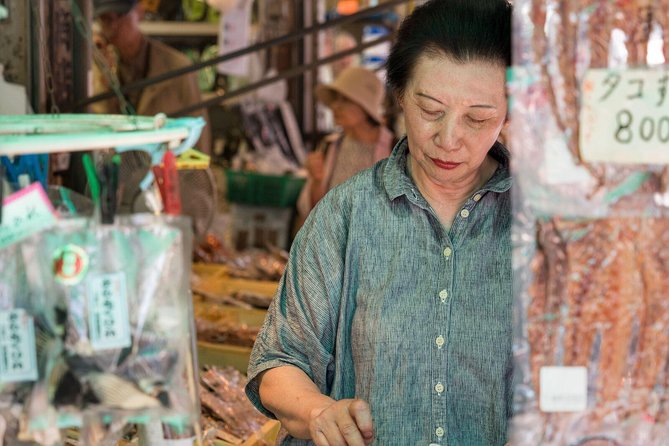
Maximum six travelers is not just a comfort perk. It changes how the morning works.
First, you’re less likely to miss the important bits. Tsukiji can be a choose-your-own-adventure maze if you go without a guide. With a small group, you tend to get a tighter path and fewer “where do we go now?” moments.
Second, questions become normal. Food tours can be frustrating when you can’t hear the guide or when you only get one answer in a crowd. Here, your guide can slow down, translate details, and answer your curiosity.
Third, your guide can adapt. A smaller group makes it easier to adjust based on what stores can do that day, how crowded a corner is, and how your feet are holding up.
If you like tours where you feel part of the flow instead of dragged through it, this size helps.
Guides who make the market make sense (and examples of the vibe)
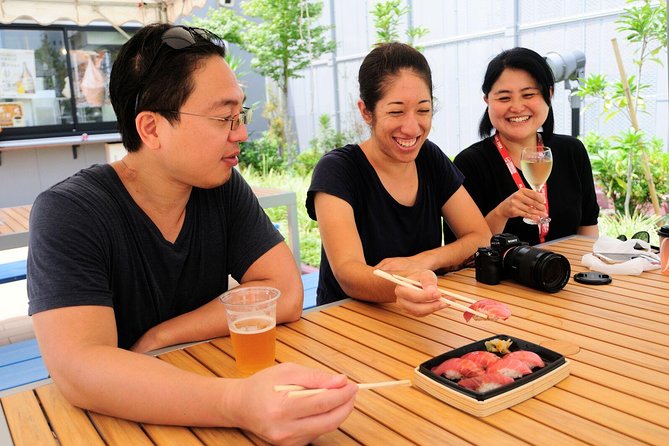
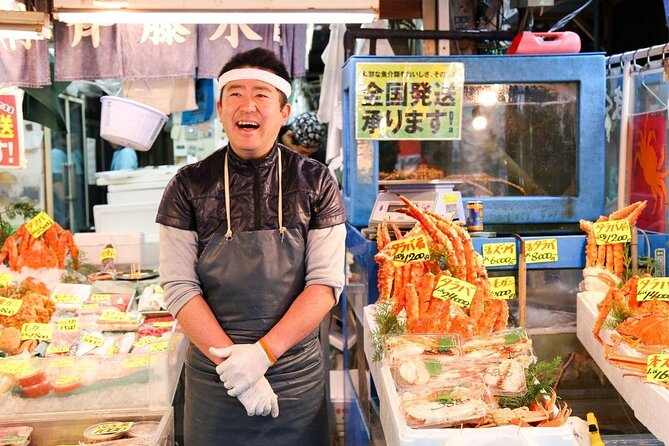
One of the strongest signals in past experiences is how the guides run the morning. Names that come up include Mihari, Yuri, Shino, Aya, and Koz. The consistent theme is not just food knowledge, but teaching you how to see.
For example:
- Yuri’s style has included hands-on details like grinding real wasabi and using a wasabi tool so you taste it the way the ingredient is intended.
- Aya’s groups have been led through multiple tuna styles and other specific samples like sashimi and eel roll.
- Koz’s mornings have included a strong “market around Tokyo” feel, with snack variety and plenty of cultural context.
- Mihari’s groups have highlighted the guide’s ability to keep things moving while still making sure everyone gets a good experience.
Even if your guide is different, that pattern tells you what to expect: clear explanations, helpful translation, and a route that keeps you from feeling lost.
Food value: what $83.35 buys you (and what it doesn’t)
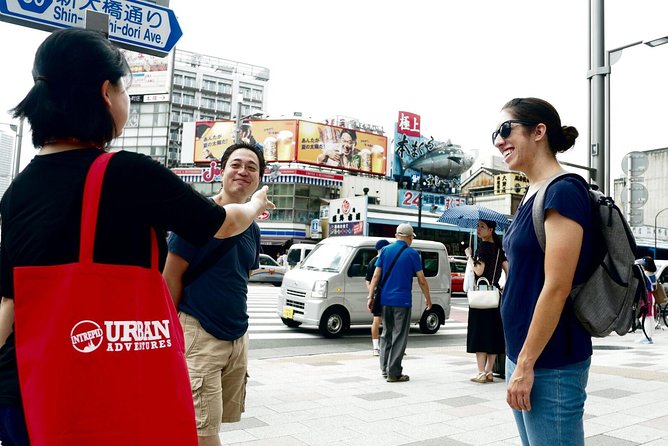
At $83.35 per person for about 3 hours, this is a mid-range food tour by Tokyo standards, but it makes sense when you look at the structure.
You’re paying for:
- Guided navigation through a tough area
- Included tastings, including fresh sushi and wagashi sweets
- Cultural stops at two shrines plus the Kabuki-related start point
- Time spent translating and explaining, which is the difference between shopping and understanding
What you should expect to pay extra for:
- Drinks and any additional food are not included
- Tips are not included in the price
So here’s the practical value question for you: do you want to spend this morning wandering on your own, trying to find the right stalls and guessing what you’re eating? Or do you want a guided route with tastings and context baked in? If the second option sounds like your style, the price is fair.
Dietary needs: vegetarian and vegan options with limited selection
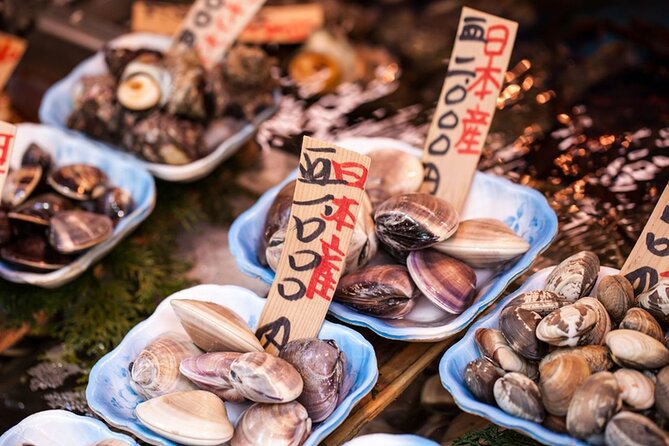
This is where I’d be most honest in your planning. The tour says vegetarian and vegan options are available, but the selection is limited.
That means you should treat this as a partial tasting experience, not a guarantee of a full variety menu that matches every craving. If you’re vegetarian or vegan, message any dietary needs early when booking, and come prepared for the reality that Japan’s market foods often rely on fish-based ingredients.
Also, think beyond substitutes. Even if you can’t have every seafood item, you can still learn a lot about what’s on offer. Just don’t assume you’ll replace every tasting with an equal-volume vegan alternative.
Practical details that matter on walking days
Two things can make or break a morning like this: feet and timing.
Wear the right shoes
You’ll be walking on market floors that can be wet, especially where you step around stalls and entrances. Closed-toe shoes are required, and sneakers are recommended. If you hate sore feet, you’ll thank yourself later.
Plan for a simple, fast meeting spot
You start at Kabuki Inari Shrine near Kabukiza, then finish by Tsukiji Station. Make your life easy by arriving a bit early, checking your map view before you reach the meeting area, and keeping your mobile ticket ready.
A common complaint in the wild is missing the start spot when people arrive flustered. You can avoid that with a calm approach.
Should you book this Tsukiji food-and-culture tour?
Book it if you want a small-group morning that mixes fresh sushi and sweets with real Tokyo culture stops, without the stress of figuring out the outer market alone. It’s especially strong for first-timers who want direction, translation, and a route that makes sense.
Consider skipping or adjusting expectations if you’re expecting a full meal worth of food, or if your diet is vegetarian or vegan and you need lots of matching options. In that case, treat it as a guided cultural walk with limited dietary flexibility, and plan to top up with a meal afterward.
If you’re the type who likes shrines, snacks, and learning why food fits into daily Tokyo life, this is a morning worth protecting on your itinerary.
FAQ
How long is the Tsukiji Market, Food and Culture Tour?
It runs for about 3 hours.
What time does the tour start?
The start time is 8:00 am.
Where do I meet the guide?
You meet at Kabuki Inari Shrine at 4 Chome-12 Ginza, Chuo City, Tokyo 104-0061.
Where does the tour end?
The tour ends near the Tsukiji Fish Market, accessible from Tsukiji Station.
How big is the group?
The tour has a maximum of 6 travelers.
Are vegetarian or vegan options available?
Yes, vegetarian and vegan options are available, though the food selection can be limited.
Is this tour good for children?
It’s child-friendly, and children under 6 can join for free.
What should I wear for the tour?
Wear closed-toe shoes because inner market floors can be wet. Sneakers are recommended.
Are drinks or tips included?
No. Drinks and additional food are not included, and tips/gratuities for your guide are also not included.
Can I cancel and get a full refund?
Yes. You can cancel up to 24 hours in advance for a full refund.
Market Mornings We Have Reviewed

Newest Tokyo write-ups from the Loving Japan desk


Tsukiji and Toyosu Fish Markets, side by side.
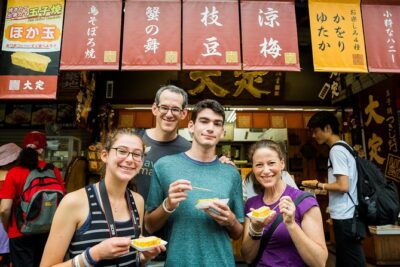 ★ 5.0Tokyo Tsukiji Fish Market Food and Culture Walking TourFrom $993,184 reviews
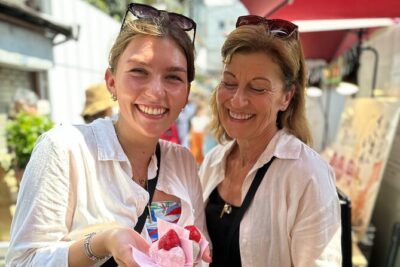 ★ 5.0Tsukiji Fish Market Food and Walking tourFrom $301,724 reviews
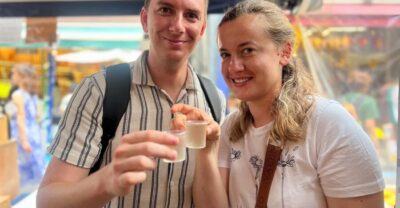 ★ 4.9Tsukiji Fish Market Guided Walking TourFrom $221,397 reviews
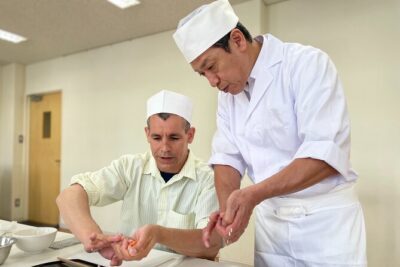 ★ 5.0Tokyo Sushi Making Class in Tsukiji with Professional ChefFrom $491,177 reviews
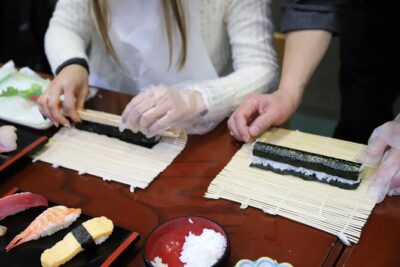 ★ 5.0Tsukiji Fish Market Guided Tour and Sushi Making with Pro ChefFrom $104775 reviews
★ 4.7Tsukiji Fish Market Food and Culture Walking TourFrom $96757 reviews
★ 5.0Tsukiji Fish Market Guided Tour and Sushi Making with Pro ChefFrom $104775 reviews
★ 4.7Tsukiji Fish Market Food and Culture Walking TourFrom $96757 reviews
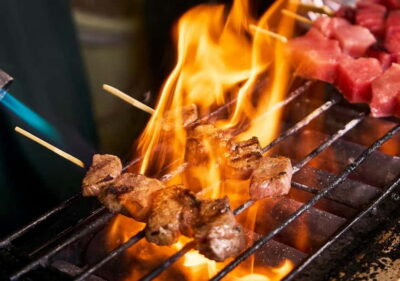 ★ 5.0Tsukiji Fish Market: Street Food & Culture Walking TourFrom $33669 reviews
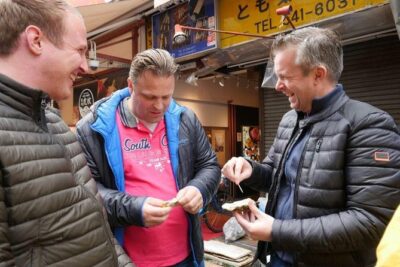 ★ 5.0Tsukiji Fish Market Small-Group Food Walking TourFrom $87621 reviews
Filed on these lists too