
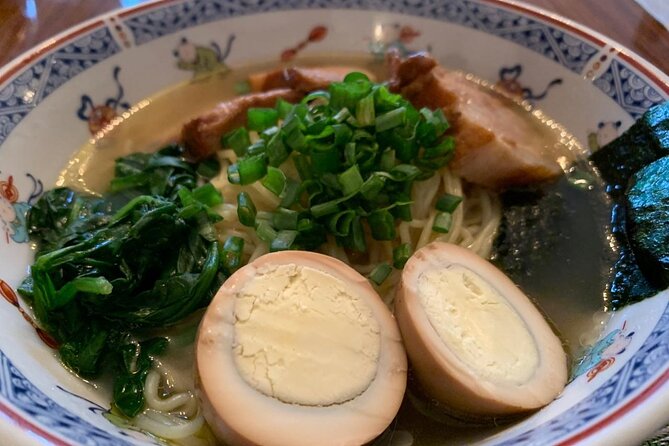
REVIEW · JAPANESE COOKING CLASSES
Japanese Home Cooking Class & Walk in Todoroki Temple Tokyo
Tokyo tastes better at home. I love the Todoroki Valley stroll and the quick visit to Todoroki Fudoson, because it cools your brain down before you cook. Then I love the small-group home cooking with Tomoko at Casa de Tomokita, where you actually learn how to make Japanese flavors, not just watch.
The format is very hands-on, and you eat what you make together in a real home setting, which is a rare treat in Tokyo. I also like that you get recipe handouts and instruction tailored to what you want to cook, and she can adapt to different eating preferences. One drawback to plan for: you’ll select your main dish in advance so the right ingredients are available.
In This Review
- Key reasons this Todoroki cooking class feels worth it
- Todoroki Temple Stop Sets the Tone for Cooking In Real Tokyo
- Meeting at Todoroki Station: Fast to Find, Easy to Start
- How the Todoroki Valley Walk Works With the Whole Schedule
- Inside Casa de Tomokita: What a Small Group Really Gives You
- Choosing Your Main Dish Ahead: Where Planning Helps the Cooking
- The Cooking Class Itself: Hands-On, Step-by-Step, and Not Overcomplicated
- What You Eat and Drink: A Full Meal, Not a Sample Plate
- Todoroki Fudoson and Valley, Then Back: The Whole Day Feels Like a Local Loop
- Value Check: Why $110.99 Can Be a Good Deal in Tokyo
- Who Should Book This, and Who Might Skip It
- Practical Tips That Make This Class Easier
- Should You Book This Japanese Home Cooking Class in Todoroki?
- FAQ
- What is the duration of the Japanese home cooking class?
- How many people are in the group?
- What stops are included before the cooking?
- Where do I meet the tour?
- What is included in the price?
- What are the operating hours?
- Is a mobile ticket provided?
- Is free cancellation available?
- Can the menu be adjusted for dietary needs?
Key reasons this Todoroki cooking class feels worth it
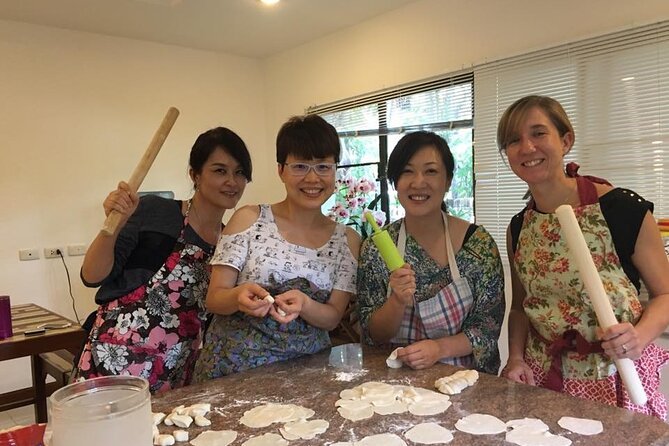
- A tiny group size (max 4 travelers) for more real instruction and less waiting
- Todoroki Fudoson temple and Todoroki Valley included, for a calm start in the middle of Tokyo
- Pick your main dish ahead (okonomiyaki, ramen, sushi rolls, and more) so ingredients are ready
- Food, hot drinks, bottled water, and alcoholic drinks included with your meal
- You leave with recipes so you can recreate the dishes at home
- Personalization for dietary needs is something she has handled for past participants
Cook it yourself instead. Other kitchens in Tokyo
- Tokyo: Roll and Authentic Sushi Making Class in Asakusa
★ 4.9 · 1,957 reviews - Tokyo: Sushi Making Class in a Happi Coat near a Famous Spot
★ 4.9 · 1,377 reviews - Tokyo Sushi Making Class in Tsukiji with Professional Chef
★ 5.0 · 1,177 reviews - Ramen & Gyoza Cooking Class in Tokyo with Local Supermarket Visit
★ 5.0 · 823 reviews
Todoroki Temple Stop Sets the Tone for Cooking In Real Tokyo
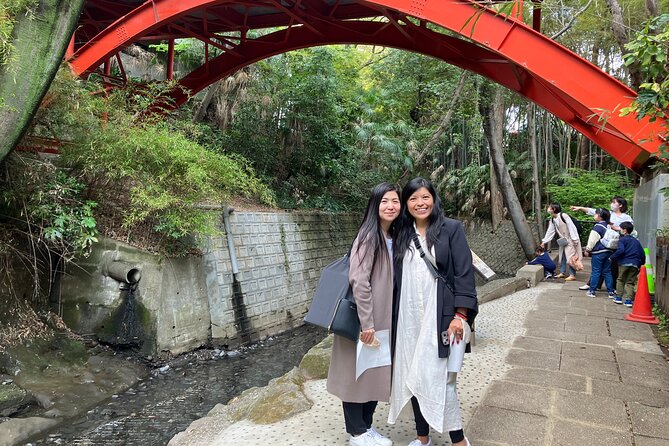
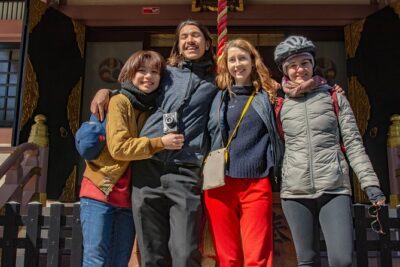
This experience starts with a short walk and two small, meaningful stops that change the mood fast. First up is Todoroki Fudoson, a local temple visit that takes about 10 minutes and is free. It is not a big production, but it gives you that Tokyo “pause” moment, the kind you often miss when you pack the city into back-to-back train rides.
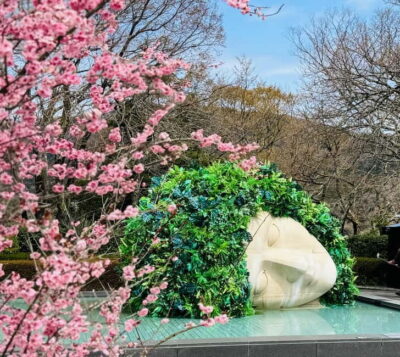
Next comes Todoroki Valley for a quick look at the view, around 5 minutes and free. The Todoroki Valley part matters more than you might think. A cooking class can feel intense, especially if you are hungry and the knives are already out. This short valley break helps you settle, get your bearings, and notice the neighborhood without rushing.
A practical tip: wear comfortable shoes. You are on foot for the transition from the station area to the home kitchen zone, and Tokyo sidewalks add up quickly in heat or humidity.
Meeting at Todoroki Station: Fast to Find, Easy to Start
You meet at Todoroki Station, 3 Chome-1, in Setagaya City. The nice thing here is that the meeting point is near public transportation, and Todoroki Station is generally easier to navigate than some of Tokyo’s massive hubs.
The activity runs Monday to Friday between 11:00 AM and 2:00 PM, based on the listed operating window. That timing is great for an afternoon that feels like a meal with a purpose, not a rushed class squeezed between sightseeing stops.
If you are the type who likes to arrive early, do it. You will want a few minutes to confirm you have the right exit and to get calm before walking toward the valley and then into someone’s home.
How the Todoroki Valley Walk Works With the Whole Schedule
The schedule is built like a gentle ramp. You do two short outdoor stops, then you walk about 5 minutes to Casa de Tomokita’s home area after the valley. That transition keeps the day from feeling like one long waiting game.
Think of this as a “taste of daily Tokyo life” layer before the cooking begins. You are not just dropping into a kitchen. You get to see how locals move through a neighborhood, then you step into a real home environment where the meal happens.
Also, because the group is kept small, you should not expect constant announcements or lots of waiting around. The flow is more: meet, walk, arrive, cook, eat, and then head back to the meeting point at the end.
- Mt Fuji and Hakone 1-Day Bus Tour Return by Bullet Train★ 5.0 · 26,383 reviews
- 1-Day Tokyo Bus Tour★ 5.0 · 14,250 reviews
- Tokyo: teamLab Planets TOKYO Digital Art Museum Entry Ticket★ 4.6 · 9,779 reviews
- Mt Fuji & Hakone Cruise, Drum Show Bullet Train 1 Day from Tokyo★ 4.0 · 7,413 reviews
- Tokyo: Shinjuku Food Tour (13 Dishes at 4 Local Eateries)★ 5.0 · 6,603 reviews
Inside Casa de Tomokita: What a Small Group Really Gives You
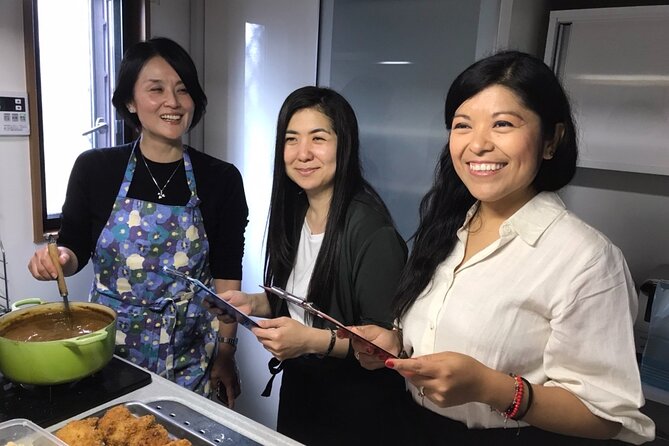
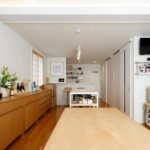
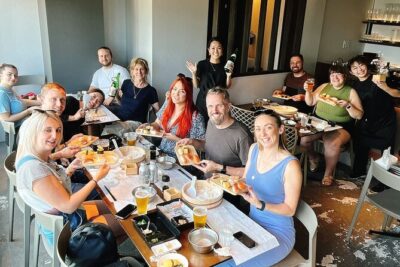
The class is capped at 4 travelers, so you are not sharing a cutting board with a crowd. This is one of the biggest reasons the experience gets such strong ratings. In a home kitchen, you benefit from space, attention, and faster feedback when something goes wrong.
The host, Tomoko (Casa de Tomokita), greets you and guides you through the process. Some participants also mention a helper, Junko, which makes the whole day feel organized without feeling stiff.
You’ll get instruction that is explained clearly, and you’ll have time to participate. Even if your Japanese is limited, communication tends to be manageable, and several past participants note that English is strong, with Spanish also mentioned.
Here is the real value for you: you learn technique. Not just what to do, but why certain steps matter in Japanese cooking. That is what lets you recreate the results later, even if your ingredients are slightly different back home.
Choosing Your Main Dish Ahead: Where Planning Helps the Cooking
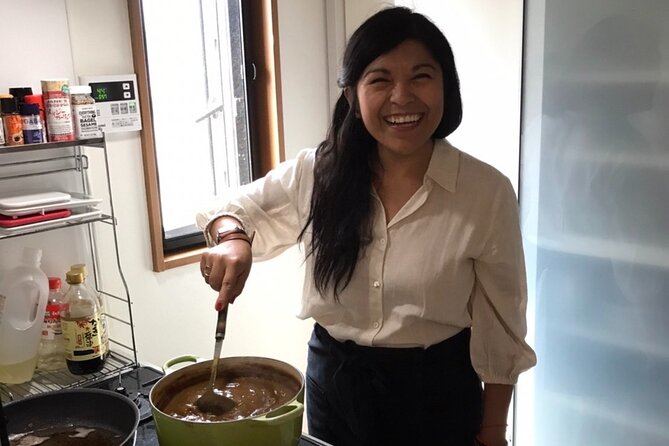
A key detail: you select your main dish in advance to ensure the ingredients are available. That means if you want something specific, like ramen or okonomiyaki, you should make that choice early rather than assuming you can decide on the day.
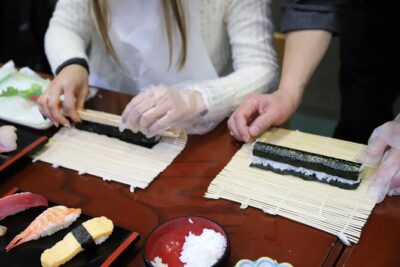
Typical main choices mentioned include okonomiyaki, ramen, sushi rolls, and other Japanese favorites. Your final menu also includes an appetizer, main, and dessert, so even though you pick the main, you are still building a full meal.
Why this matters: it reduces waste and keeps the cooking timeline smooth. It also means your hands-on portion can actually happen, instead of turning into a scramble for ingredients or substitutions.
If you have dietary restrictions, this is the moment to speak up. Past participants report Tomoko has customized menus for vegetarian and pescatarian needs, and she has handled food allergies. Tell her what you need during booking so she can plan accurately.
The Cooking Class Itself: Hands-On, Step-by-Step, and Not Overcomplicated
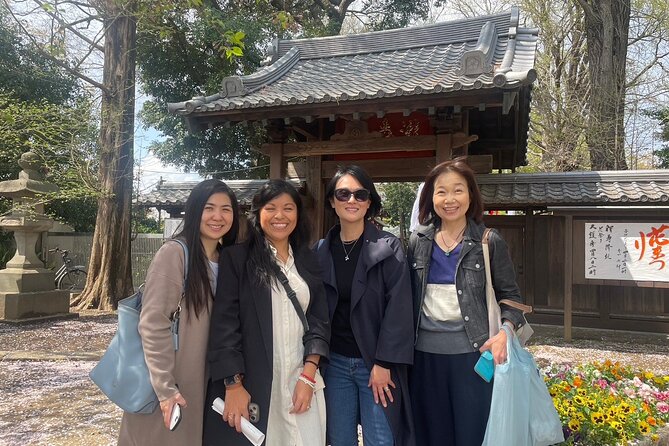
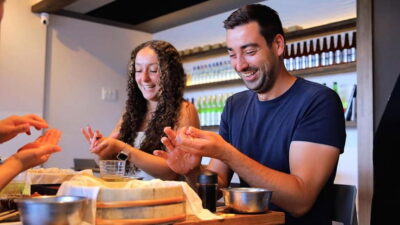
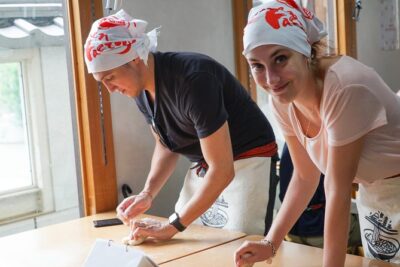
The class is designed for all skill levels, from beginners to experienced cooks. You do not need special training to enjoy this, but you do need willingness to get a little involved. This is cooking class, not a tasting tour where someone else does the work.
Once you’re in the kitchen, you’ll prep and cook multiple components. Based on what people have made on prior classes, you might cover dishes like gyoza, ramen, takoyaki, tempura-style items, soy milk soup, fried rice, curry rice, and more.
Expect sides too. Several participants mention a lot of small dishes alongside the main course, plus salad and dressing. This is how Japanese home cooking often feels, like one meal spread across several flavors and textures rather than one single centerpiece.
You will likely get recipe materials to take home. Participants have described having English recipes and printed instructions available during cooking, which helps you follow along and repeat the method later.
One more practical note: the class includes eating what you cook, so you should come hungry, but not starving. Between prep, cooking, and lunch, it is easy to lose track of time, especially if you are enjoying the conversation.
What You Eat and Drink: A Full Meal, Not a Sample Plate
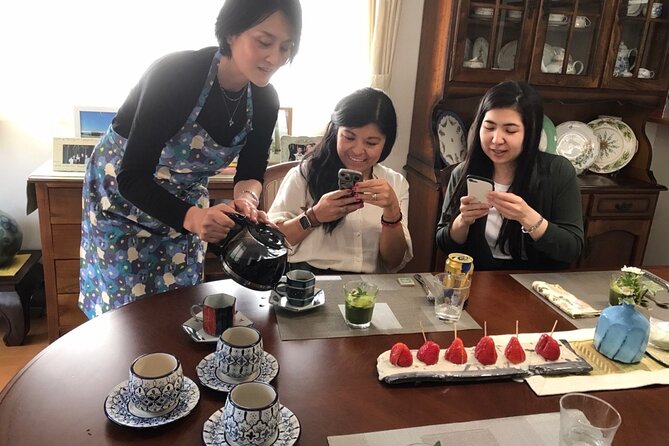
This is not just “a bite here, a bite there.” Your meal includes the food you cook, plus bottled water, hot drinks, and alcoholic beverages. That matters because alcohol in a cooking class can be part of how the host relaxes the table and makes the meal feel social.
The dessert portion often leans Japanese and seasonal. Past classes have included matcha-based desserts, sometimes with mochi and matcha ice cream. If you are a sweets person, plan on being happy here.
If you are not an alcohol drinker, you still get hot drinks and bottled water included, so you’re not stuck. The main point is that the package treats your meal like a shared lunch in a home setting, not like a short demo.
Todoroki Fudoson and Valley, Then Back: The Whole Day Feels Like a Local Loop
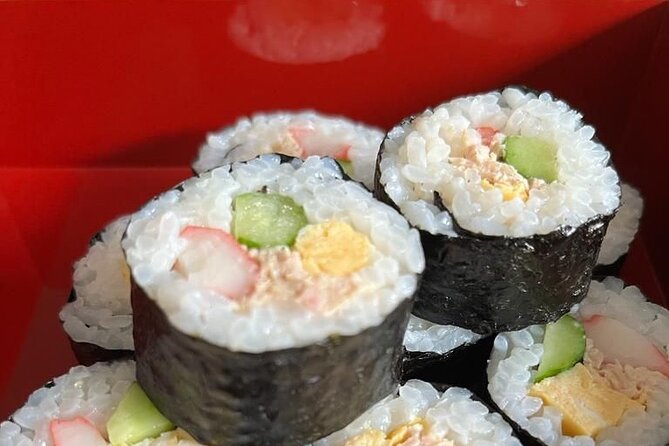
The day is built as a simple loop. You start at Todoroki Station, visit Todoroki Fudoson, enjoy Todoroki Valley views, then walk to the home cooking area for the class and meal. At the end, it returns you back to the meeting point.
That structure is great if you want something meaningful that is still low stress. You do not have to plan trains for multiple stops, and you are not trying to squeeze in a half-dozen attractions.
Also, the total time is listed around 2 hours 30 minutes (approx.). That makes it a realistic afternoon activity. It can also pair well with a lighter evening plan in Tokyo, since you are not dealing with a long time commitment.
Value Check: Why $110.99 Can Be a Good Deal in Tokyo
At $110.99 per person, this is not the cheapest thing in Tokyo. But it can still feel like good value because you get a lot packaged together.
You are paying for:
- A small-group, hands-on lesson (max 4 travelers)
- All ingredients and food for an appetizer, main, and dessert
- Bottled water, hot drinks, and alcoholic beverages
- Recipe handouts so you can cook at home afterward
- A mini cultural start with Todoroki Fudoson and Todoroki Valley
In cities where food experiences often charge for the meal alone, adding instruction plus drinks plus take-home recipes tips the math in your favor. The small group also protects quality, because you are not competing for attention around a shared counter.
If you love cooking, this price is easier to justify. If you only want to eat and prefer zero hands-on effort, it might feel like more work than you want. But for anyone curious about Japanese technique, it tends to be a strong value.
Who Should Book This, and Who Might Skip It
I recommend it if you want:
- Hands-on Japanese cooking in a home setting
- A meal that feels local and shared, not a tourist performance
- A small-group experience with personal feedback
- A calm start through Todoroki Valley before you get into the kitchen
Skip it if:
- You hate any participation in cooking and want pure sightseeing
- You need a fully flexible menu on the day, since your main dish is chosen ahead
- You want a large group atmosphere or a scripted, high-energy tour style
This class is especially suitable for solo travelers too. The group limit helps you avoid feeling like you are stuck behind a crowd, and the host’s approach tends to make it feel like you are visiting rather than being processed.
Practical Tips That Make This Class Easier
Here’s how to set yourself up for a smoother time.
First, choose your main dish early when you book. That small decision affects ingredient prep, and it keeps your cooking timeline on track.
Second, list any dietary needs clearly. Past participants describe successful customization for vegetarian, pescatarian, and allergy considerations. If you are unsure what to ask, message the host with specifics about what you do not eat.
Third, come with comfortable clothing and a willingness to get a little busy. Japanese cooking can involve quick steps, and you’ll move between prep and cooking stations.
Finally, bring curiosity. Part of the appeal is not only the food, it is the conversations and the quiet neighborhood rhythm before lunch.
Should You Book This Japanese Home Cooking Class in Todoroki?
Yes, if you want a high-value Tokyo afternoon that mixes neighborhood calm with real cooking skills. The combination of Todoroki Fudoson and Todoroki Valley at the start, plus the small-group home kitchen format, is hard to beat when you are looking for something more personal than a standard attraction.
Book it with confidence if you enjoy learning recipes you can actually repeat later, and if you’re okay planning your main dish choice ahead. If you want a fully flexible menu with no decision-making, you might find that planning step slightly annoying, but for most people it is a small trade for a smoother class and better ingredients.
If you want, tell me what main dish you’re leaning toward (ramen, okonomiyaki, sushi rolls, something else) and whether you have any dietary restrictions. I can help you think through what to request so you get the most satisfying menu.
FAQ
What is the duration of the Japanese home cooking class?
The experience is listed as about 2 hours 30 minutes (approx.).
How many people are in the group?
The class has a maximum of 4 travelers.
What stops are included before the cooking?
You visit Todoroki Fudoson temple and then enjoy views at Todoroki Valley before walking to the cooking location.
Where do I meet the tour?
You meet at Todoroki Station, 3 Chome-1, Setagaya City, Tokyo 158-0082, Japan.
What is included in the price?
The price includes the food you cook and eat, bottled water, hot drinks, and alcoholic beverages.
What are the operating hours?
The listed opening hours are Monday to Friday, 11:00 AM to 2:00 PM.
Is a mobile ticket provided?
Yes, the tour includes a mobile ticket.
Is free cancellation available?
Free cancellation is available if you cancel up to 24 hours in advance for a full refund.
Can the menu be adjusted for dietary needs?
Many participants report the host can customize menus for different diets and food allergies. It’s best to share your needs when booking so your menu can be planned.
Kitchens You Can Book Into
Newest Tokyo write-ups from the Loving Japan desk


Japanese Cooking Classes, side by side.
 ★ 5.0Sushi Making Tokyo Roll and Authentic Japanese Sushi ClassFrom $593,971 reviews
 ★ 4.9Roll and Authentic Sushi Making Class in AsakusaFrom $581,957 reviews
 ★ 5.0Ramen Cooking Class at Ramen Factory in KyotoFrom $1311,937 reviews
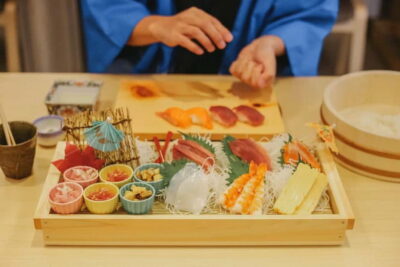 ★ 4.9Sushi Making Class in a Happi Coat near a Famous SpotFrom $421,377 reviews
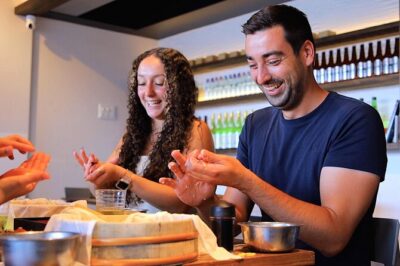 ★ 5.0Sushi Making Osaka Roll and Authentic Japanese Sushi ClassFrom $311,220 reviews
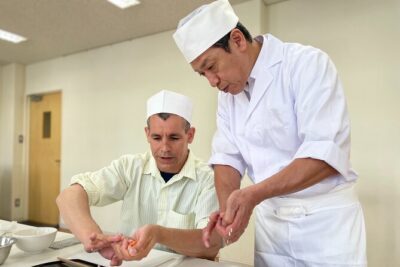 ★ 5.0Tokyo Sushi Making Class in Tsukiji with Professional ChefFrom $491,177 reviews
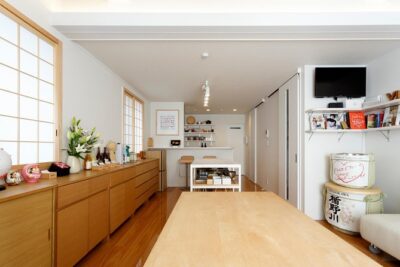 ★ 5.0Ramen & Gyoza Cooking Class in Tokyo with Local Supermarket VisitFrom $122823 reviews
 ★ 5.0Tsukiji Fish Market Guided Tour and Sushi Making with Pro ChefFrom $104775 reviews
Filed on these lists too