
REVIEW · FUSHIMI INARI AND THE TEMPLES OF KYOTO
Kiyomizu Temple and Backstreets of Gion, Half Day Group Tour
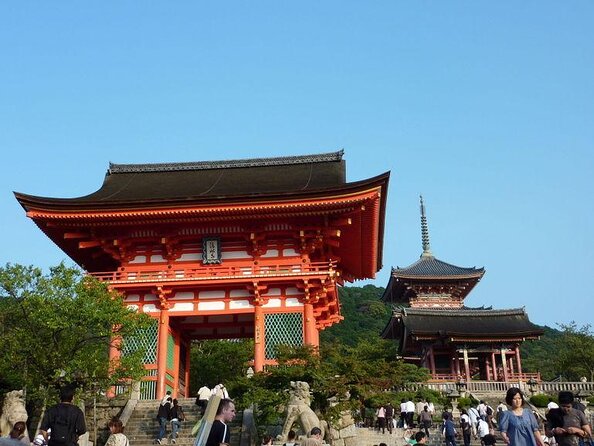
Kiyomizu-dera first, then Gion backstreets. I like how this small-group tour threads you through UNESCO-listed Kiyomizu-dera and down through Sannenzaka and Ninenzaka without wasting time, and I also love the way your guide explains Zen and Shinto in plain, practical terms. The main catch is the walking, including uphill stretches in a packed, photo-hungry area.
I also like the fact the group stays small (max 8), which keeps the pace human and makes it easier to ask questions, slow down, or adjust if you’re traveling with kids, as many guides are used to doing. Guides listed in past tours like Mitsuhiko, Mika, Takuma, and Kiyoto are praised for managing crowds calmly and keeping things organized.
You’ll start at Kyoto Ceramic Center in Higashiyama and end in Gion, with a mobile ticket and included entry at Kiyomizudera and Kennin-ji. The tour runs rain or shine, so it’s a smart “see the key stuff” plan even when Kyoto weather is unpredictable.
In This Review
- Key things that make this tour worth your time
- Why this Kiyomizu-dera to Gion half-day tour makes sense
- Starting at Kyoto Ceramic Center in Higashiyama
- Kiyomizudera: the view, the story, and the crowd skill your guide brings
- Sannenzaka and Ninenzaka: classic Kyoto slopes that set the tone
- The quiet break near Kiyomizudera: garden time you can actually feel
- Yasaka Pagoda and the short stops that add meaning
- Yasaka Kōshin-dō: protection and color in a small temple setting
- Yasui-Konpiragu: a popular ritual stop with lines
- Kennin-ji: oldest Zen temple energy in the middle of the city
- Gion backstreets and Hanamikoji: geisha district at walking pace
- Price and value: what $59.45 buys you in Kyoto time
- Practical tips for a smoother Kiyomizu-dera and Gion walk
- Should you book this Kiyomizu-dera and Gion tour?
- FAQ
- How long is the Kiyomizu Temple and Backstreets of Gion tour?
- Where do I meet the tour guide?
- Where does the tour end?
- Is this tour a small group?
- Is a mobile ticket provided?
- Are temple or attraction entry fees included?
- What should I wear?
- Does the tour run in bad weather?
- Can I cancel for a refund?
- When will I receive booking confirmation?
Key things that make this tour worth your time
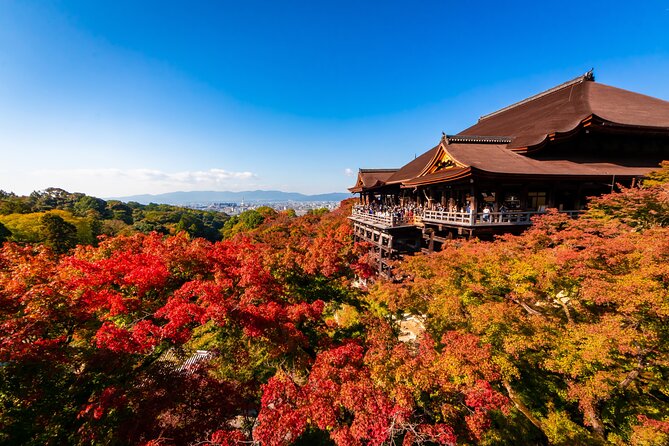
- Kiyomizudera plus Zen and Shinto, all in one half-day loop, with context that makes the sights click
- Small group size (up to 8), which makes navigating crowded streets far less stressful
- Included admission for Kiyomizudera and Kennin-ji, so you spend less time figuring out tickets
- Old-street walking on Sannenzaka and Ninenzaka, the classic uphill-to-Gion approach
- Guides who manage crowds and pacing, with flexibility for different interests and group needs
Evening walks through the old quarters, compared
- Kyoto Geisha Walking Tour: Gion District & Hidden Gems
★ 4.7 · 3,273 reviews - Kyoto: Gion Magical Night Walking Tour with Geisha Trivia
★ 4.9 · 2,393 reviews - Kyoto: Gion Geisha District Walking Tour – Stories of Geisha
★ 4.7 · 2,187 reviews - Best of Kyoto: Gion, Geisha, Pagodas & Cobblestones
★ 4.9 · 2,058 reviews
Why this Kiyomizu-dera to Gion half-day tour makes sense
Kyoto can feel like a puzzle when you’re trying to fit temples, shrines, and old streets into one day. This tour is designed for exactly that problem. In about 4 hours, you get a guided walking route through Higashiyama and into Gion, hitting the big “first-timer must-see” stops without spending your time hunting for the right turns.
What I like most is that it’s not just sightseeing. Your guide helps you understand what you’re looking at, especially around Zen Buddhism at Kennin-ji and the mix of religious traditions you’ll see around Kiyomizudera and nearby shrines. That context turns a checklist day into a more meaningful Kyoto day, even if you only have a half day.
The other smart part is that it’s set up like a real neighborhood walk. You’re not just sprinting between major gates. You’re moving through the same historic streets locals and visitors use, then into Gion’s famous lanes where the vibe shifts fast from temple bustle to old wooden storefront charm.
Starting at Kyoto Ceramic Center in Higashiyama
Most people start at Kiyomizudera, but this one starts at Kyoto Ceramic Center (Kyoto Ceramic Art Association Official Shop and Gallery). The meeting point is 583-1 Yūgyōmaechō, Higashiyama Ward, Kyoto, and the tour notes a free admission ticket there.
This start has a practical payoff. You begin in Higashiyama, where everything is already moving uphill and around old lanes. Taking a quick moment at the ceramic center helps you get your bearings before the real walking begins. Plus, Kyoto ceramics are a big part of the local craft scene, so it’s a gentle, low-pressure way to ease into the day rather than diving straight into crowds.
If you like browsing, this is also the kind of place you can look at and then move on, without it eating your temple time. If you’re not a ceramics person, don’t worry. You’re not trapped there. You’re simply starting at a clear location that’s easy to find near public transportation.
Kiyomizudera: the view, the story, and the crowd skill your guide brings
Your next stop is Kiyomizu-dera, with about 1 hour on site and admission included. Kiyomizudera is a UNESCO World Heritage Site and one of Kyoto’s most visited temples, which means you should expect lines, tight spaces, and plenty of people stopping for photos.
This is where a guided experience earns its keep. Without context, Kiyomizudera can feel like a lot of steps and directions. With a guide, you’re more likely to notice the cultural and historical reasons people come, including how the temple is understood beyond just the famous viewpoints.
The biggest practical takeaway for you: plan for uphill and for moving slowly. Even with good organization, you’ll still be part of the general flow. But the advantage here is that your guide can help you time your route through the busiest areas and explain what each major space means as you pass through.
One more bonus: because this tour builds in the nearby streets right after Kiyomizudera, you’re not left standing around wondering what to do next. You go from temple intensity to the classic “Kyoto hillside streets” vibe with momentum.
Which temple to give the morning to, reviewed
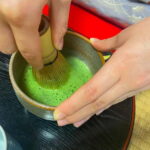
- Kyoto: Tea Ceremony in a Traditional Tea House in Kiyomizu★ 4.9 · 3,519 reviews
- Kyoto: Nijo-jo Castle and Ninomaru Palace Guided Tour★ 4.7 · 1,020 reviews
- Osaka/Kyoto: Arashiyama, Nara & Fushimi Inari Shrine w/Lunch★ 4.4 · 754 reviews
- Kyoto: Nijo Castle, Kiyomizu & Fushimi Inari Guided Tour★ 4.7 · 700 reviews
- Kyoto: Nijo, Kinkaku-ji, Arashiyama, Kiyomizu & Fushimi Inari★ 5.0 · 699 reviews
Sannenzaka and Ninenzaka: classic Kyoto slopes that set the tone
After Kiyomizudera, you walk Sannenzaka and Ninenzaka, the historic steep streets that climb up to the temple area. The tour allots about 30 minutes, and this is often the part people remember most for the atmosphere.
These slopes are more than a cute photo route. They’re a shortcut to understanding why Higashiyama feels “Kyoto” in a way that’s hard to replicate elsewhere. You’ll pass old storefronts, traditional-style buildings, and the kind of street rhythm that makes Kyoto more than temple surfaces and souvenir streets.
You’ll want to keep your pace steady here. The streets are steep, and it’s easy to tire out early if you rush to get the “best angles.” If you’re traveling with kids or just not in hiking mode, this is where a small group matters. A guide can help adjust your tempo so the day stays enjoyable.
The quiet break near Kiyomizudera: garden time you can actually feel
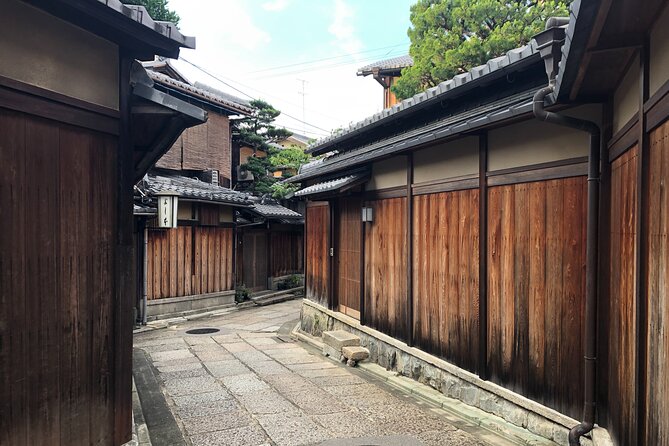
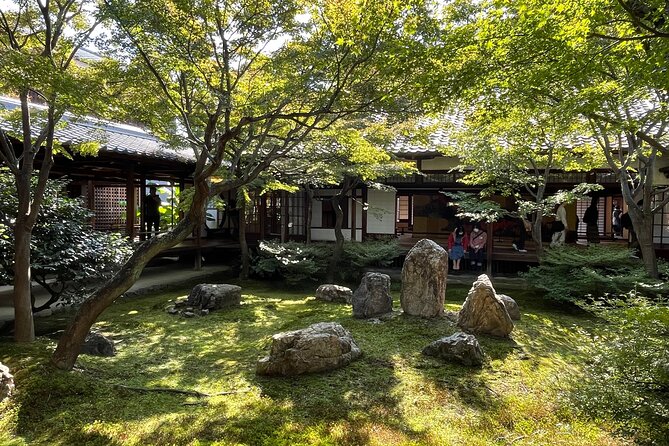
Between the big landmarks and the downhill flow, the route includes a Japanese garden near Kiyomizudera. The tour description points to the garden’s design details: ponds, traditional wooden bridges, and carefully arranged plants, all aimed at creating a calmer scene.
This stop is a smart contrast. Kiyomizudera can be crowded and loud. The streets can be busy too. A garden break helps reset your attention. You stop “performing Kyoto tourism” and start actually looking at how the space is composed.
It’s also a good place to slow down if the uphill sections are wearing you out. Even if you only spend a short amount of time, the garden gives your eyes a different kind of task, not just moving forward and taking photos.
Yasaka Pagoda and the short stops that add meaning
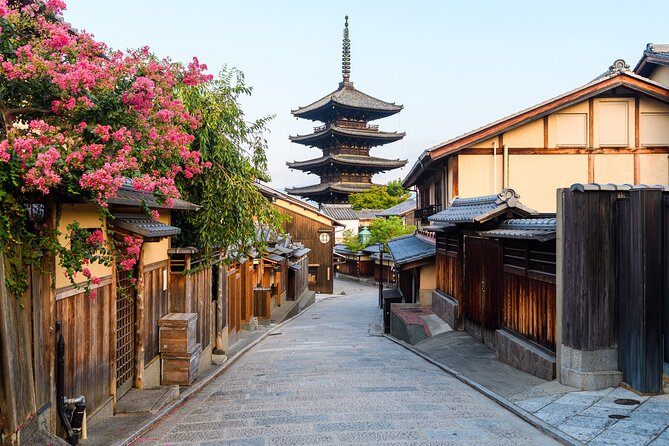
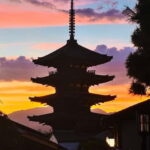
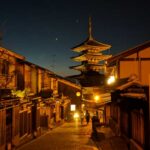
As you continue down the Higashiyama route, you’ll see the Yasaka Pagoda, a historic five-story landmark known as one of Kyoto’s iconic visuals. You’ll also have a couple quick cultural stops nearby, each only 10 minutes on the schedule.
I like these short pauses because they reduce the “temple fatigue” feeling. Instead of being locked into one long site after another, you get mini moments to anchor the region’s identity. The pagoda is a visual marker that helps you mentally map where you are, and it’s a strong image of classic Kyoto architecture.
Then come two shrine experiences that are short but different:
Yasaka Kōshin-dō: protection and color in a small temple setting
You’ll stop at Yasaka Kōshin-dō Temple (Yasaka Koshindo), about 10 minutes, and the tour lists entry as free. This temple is dedicated to Koshin, a guardian deity believed to protect people from illness and misfortune.
The description also notes its popularity for colorful kukuri offerings (the detail is partially truncated in the tour notes, but the main idea is that it’s known for these eye-catching elements). If you enjoy small places where people come with specific beliefs and practices, this stop works well, especially because it’s close to the route rather than requiring extra detours.
Yasui-Konpiragu: a popular ritual stop with lines
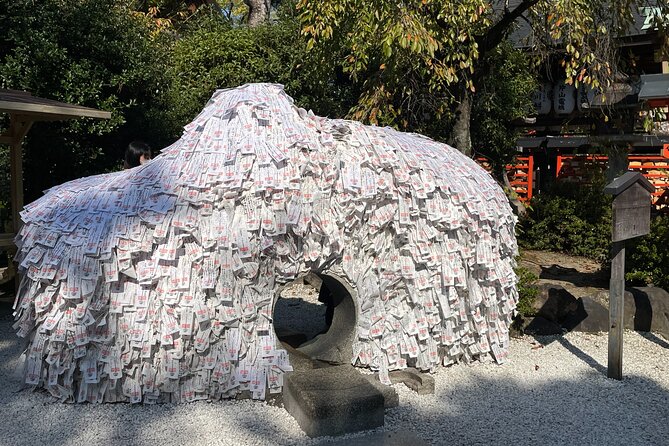
Next is Yasui-Konpiragu, another about 10 minutes, free to enter. This Shinto shrine is known for a ritual tied to cutting negative relationships and forming positive ones, and the tour notes that the unique ritual can bring long lines.
Because the stop is brief, you’re not committing to waiting forever. You may still see the energy of the ritual area. Even just understanding what the shrine is famous for helps you connect the dots when you see visitors clustering around a specific action.
Kennin-ji: oldest Zen temple energy in the middle of the city
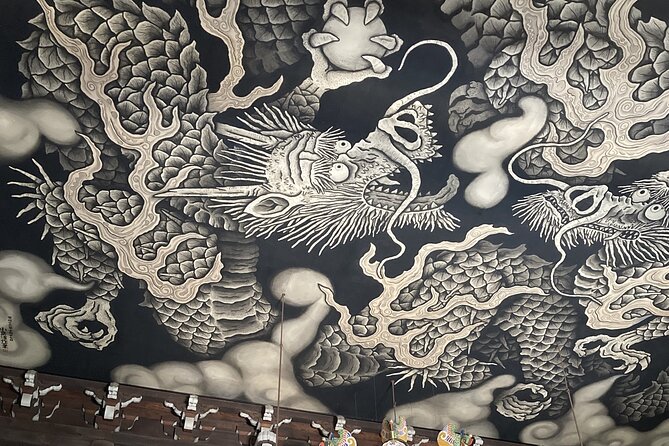
The tour then moves to Kennin-ji, with about 50 minutes and admission included. Kennin-ji is known as Kyoto’s oldest Zen temple, founded in 1202, and it’s one of those places where the city noise doesn’t fully follow you inside.
The tour description emphasizes calm and space even though the temple is centrally located. That matters, because it turns Kennin-ji into a real mental reset. You’re no longer just walking through famous scenery. You’re in a grounded environment built for quiet attention.
If you’re curious about Zen, this stop does the most useful work on the “why this matters” side. Your guide will explain the connection to Zen Buddhism and point out features like the Dharma Hall, which the tour notes call out as impressive.
Time wise, 50 minutes is a sweet spot. Long enough to get your head around what you’re seeing, but not so long that you lose steam for the walk into Gion.
Gion backstreets and Hanamikoji: geisha district at walking pace
Finally, you’ll walk through Gion, described as Japan’s largest geisha district, then head along Hanamikoji. The tour doesn’t give a separate duration for the final Gion portion, but it’s where the route transitions from temple-focused culture to Kyoto street culture.
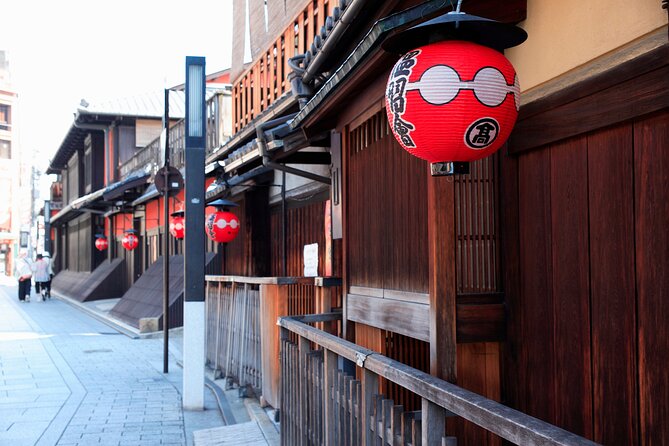
Hanamikoji is lined with traditional wooden machiya houses, teahouses, shops, and restaurants. The effect is immediate. The moment you enter these lanes, Kyoto starts to feel like a living place rather than a museum.
This is also the part where your guide’s crowd experience matters. Gion can be packed and uneven underfoot. Your guide can help you keep moving at a comfortable pace while still letting you stop and look.
A nice detail from past tours is that some guides go beyond sightseeing, with a sense of fun that can include small food breaks like sampling Japanese snacks. That isn’t guaranteed in the tour outline, but it fits the overall style of these guided walks, where the goal is to make the day feel like more than only monuments.
The tour ends at 571 Gionmachi Minamigawa, Higashiyama Ward, Kyoto. One note to plan around: there can be a delay at the end, so if you have an appointment right after, it’s smart to give yourself a buffer.
Price and value: what $59.45 buys you in Kyoto time
At $59.45 per person for about 4 hours, the value comes from three places.
First, you’re getting a guided route through several major stops. If you tried to stitch it together alone, you’d spend extra time figuring out the flow, especially in the crowded Kiyomizu-dera area and along the approach streets.
Second, the tour includes admission tickets for Kiyomizudera and Kennin-ji, which helps you avoid paying out again for the two biggest “time sink” entries.
Third, you’re paying for local navigation. Even if the route is walkable on a map, a guide helps you avoid getting stuck in slow lines at the wrong moments. People often underestimate how much energy goes into simply staying oriented.
Is it the cheapest way? No. But it’s a cost-effective way to buy back time, reduce stress, and get explanations that make the religious and historic details easier to hold onto.
Practical tips for a smoother Kiyomizu-dera and Gion walk
A few practical points can make this tour far more enjoyable.
Wear comfortable walking shoes. The route includes uphill stretches and steep streets around Sannenzaka and Ninenzaka, plus the general unevenness you often find in historic Kyoto.
Expect walking. Even though it’s a half day, it’s not a “sit on a bus and see things” outing. If you like a pace that burns off jet lag, this style tends to fit well.
Plan for crowds at Kiyomizudera and in Gion. You won’t be avoiding people entirely, but you can avoid frustration when you’re not constantly checking maps or second-guessing the route.
If you’re visiting in rainy weather, you’re covered. The tour runs rain or shine, so bring something for wet sidewalks and keep an umbrella plan practical.
And if you’re flexible on the day’s focus, the tour notes it can be customized to your interests. That’s useful if you care more about Zen temples, more about Shinto shrines, or you just want a photography-friendly route with less lecture time.
Should you book this Kiyomizu-dera and Gion tour?
Book it if you want a smart half-day route that hits Kiyomizudera, Kennin-ji, and Gion backstreets without turning Kyoto into map-rotations all afternoon. It’s especially worth it if it’s your first time in the area and you want the religious and cultural connections explained in a way that’s easy to follow.
Skip it, or choose a different option, if you have limited mobility or you’re not comfortable with uphill walking and crowds. This is a walking-first day, and the steep streets and busy temple grounds are part of the experience.
If you can walk, enjoy a guided cultural story, and want to see the best-known corners of Higashiyama plus Gion in one go, this is a strong fit.
FAQ
How long is the Kiyomizu Temple and Backstreets of Gion tour?
The tour lasts about 4 hours.
Where do I meet the tour guide?
Meet in front of Kyoto Ceramic Center at 583-1 Yūgyōmaechō, Higashiyama Ward, Kyoto, 605-0864, Japan.
Where does the tour end?
The tour ends at 571 Gionmachi Minamigawa, Higashiyama Ward, Kyoto, 605-0074, Japan.
Is this tour a small group?
Yes. The walking tour has a maximum of 8 travelers.
Is a mobile ticket provided?
Yes, the tour uses a mobile ticket.
Are temple or attraction entry fees included?
Admission is included for Kiyomizu-dera Temple and Kennin-ji. Other listed stops show admission ticket free or free entry.
What should I wear?
Wear comfortable walking shoes since it is a walking tour.
Does the tour run in bad weather?
Yes, the tour takes place rain or shine.
Can I cancel for a refund?
Free cancellation is available up to 24 hours in advance for a full refund.
When will I receive booking confirmation?
Confirmation is received at the time of booking.
Which Kyoto Temple Gets Your Morning


Evenings in the Old Quarters
Newest Kyoto write-ups from the Loving Japan desk
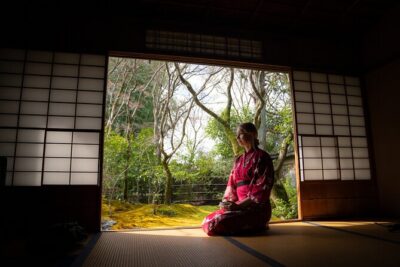
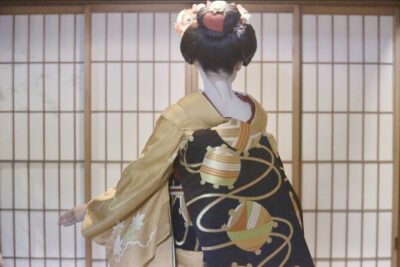
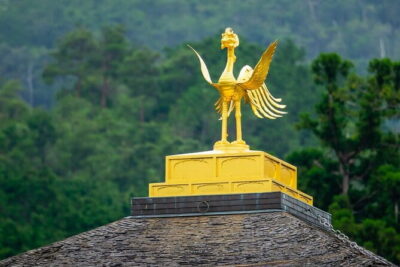

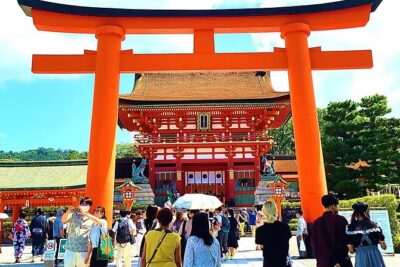
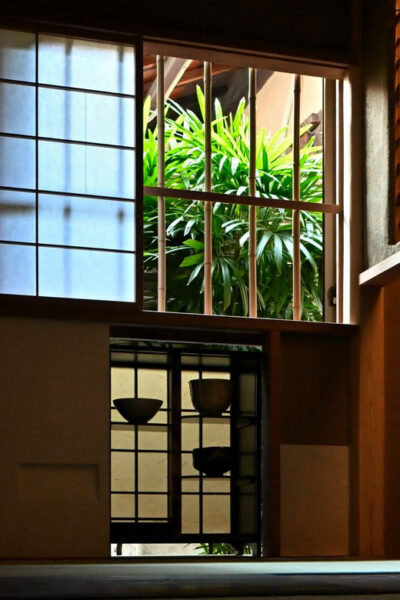
Fushimi Inari and the Temples of Kyoto, side by side.
 ★ 4.8Fushimi Inari, Kinkakuji, Bamboo Grove 1 Day Bus TourFrom $1224,316 reviews
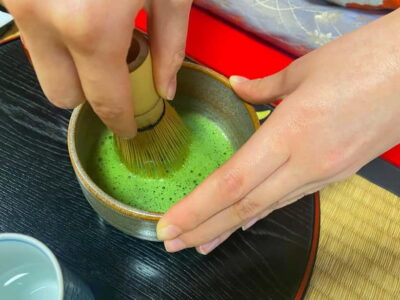 ★ 4.9Tea Ceremony in a Traditional Tea House in KiyomizuFrom $493,519 reviews
 ★ 4.7Kyoto/Osaka: Nara, Fushimi Inari Taisha, Arashiyama Bus TourFrom $521,275 reviews
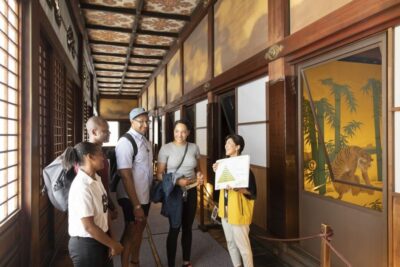 ★ 4.7Nijo-jo Castle and Ninomaru Palace Guided TourFrom $161,020 reviews
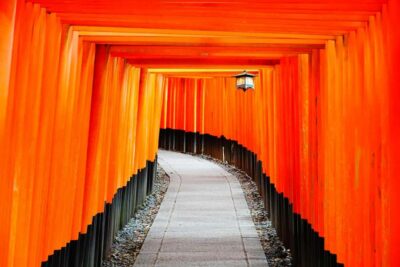 ★ 4.4Osaka/Kyoto: Arashiyama, Nara & Fushimi Inari Shrine w/LunchFrom $61754 reviews
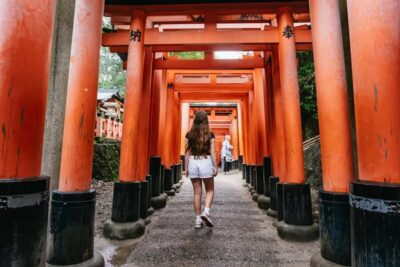 ★ 4.7Nijo Castle, Kiyomizu & Fushimi Inari Guided TourFrom $54700 reviews
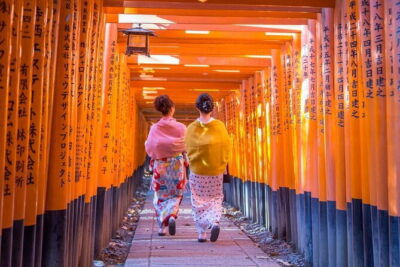 ★ 5.0Nijo, Kinkaku-ji, Arashiyama, Kiyomizu & Fushimi InariFrom $51699 reviews
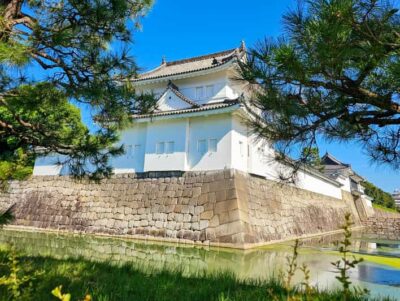 ★ 4.7Imperial Palace & Nijo Castle Guided Walking TourFrom $49453 reviews
Filed on these lists too