
REVIEW · CYCLING AND E-BIKE TOURS
KIYOTO’s Kyoto Private E-Cycling Tour: Highlights & Hidden Gems
Kyoto by bike keeps your feet fresh.
KIYOTO’s private e-cycling tour is a fast, outdoorsy way to hit major landmarks like Fushimi Inari-taisha Shrine and Tofuku-ji, without spending the whole day on foot. I like the private, tailored pace, meaning your guide can adjust stops to what you actually want. I also like that the e-bike rental is included, so you do not waste time tracking down gear. One trade-off: you do need to be comfortable riding a bicycle, including in crowded areas.
This route mixes famous sights with calmer moments along the Shirakawa River and less-frequented temple grounds, so your day feels full but not frantic. If you’re traveling with kids, the tour can be a good fit too, since kids’ bikes (non-electric) and limited kids’ seats are available when requested.
Below is how the day works, what each stop feels like, and whether this is really worth your time in Kyoto.
In This Review
- Key Reasons This Tour Works So Well
- What a Private E-Cycling Day in Kyoto Really Feels Like
- Price and Value: When $198.15 Makes Sense
- Route Overview: From Fushimi Inari to Shirakawa River Walks
- Higashi Hongan-ji, a Major Temple Start
- Fushimi Inari-taisha Shrine, the Torii Tunnel
- Komyo-in Temple, Quiet Garden Time (Paid Entry Possible)
- Tofuku-ji Temple, Tsutenkyo Bridge Views
- Hōkan-ji Temple, Yasaka Pagoda Photo Stop
- Yasui-Konpiragu, a Shrine With Personal Meaning
- Hanamikoji Street, Gion’s Tea House Atmosphere
- Tatsumi Bridge, a River-Side Wooden Moment
- Shirakawa Canal and River Terrace, Water Sounds Included
- Heian Jingu Shrine, the Massive Vermilion Torii
- Nanzen-ji Temple and Suirakaku Aqueduct
- Philosopher’s Walk, a Scenic 2 km Stretch
- Honen-in, Zen Calm in a Forest Setting
- Shimogamo Jinja, One of the Oldest Roots
- Kamogawa Delta and Stepping Stones
- Teramachi-dori and Sanjo Street, Kyoto Street Life
- Kyoto Gyoen, the Imperial Palace Park Break
- How the Guide Keeps It Fun, Safe, and Not Rushed
- E-Bike Setup, Fitness Level, and Family Options
- Temple Time vs. Bike Time: A Quick Reality Check
- Who Should Book This Tour and Who Should Skip It
- Should You Book KIYOTO’s Kyoto Private E-Cycling Tour?
- FAQ
- How long is the Kyoto private e-cycling tour?
- Is the tour private?
- Do I need to bring a bicycle or get equipment myself?
- Are temple and shrine admission tickets included?
- What about food and drinks?
- Who can join the tour physically?
- Is it good for families with kids?
- Where do we meet and where does the tour end?
- Can I cancel for a refund?
Key Reasons This Tour Works So Well
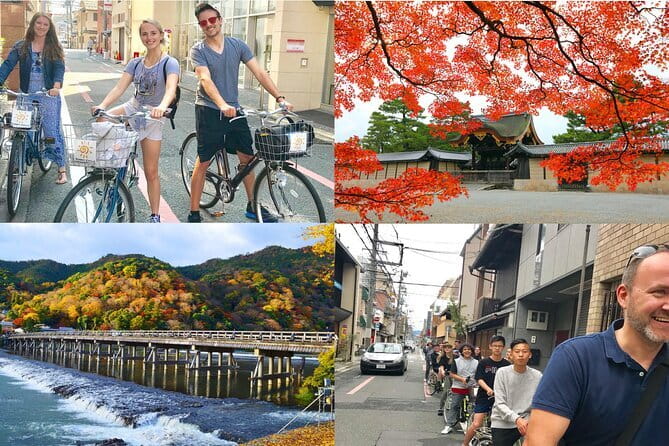
- E-bike included (plus a normal cycle option), so you start riding quickly.
- Private tour, your group only, with a pace that can be adjusted for your comfort level.
- A stop-heavy route that connects major shrines and temples with quieter river walks.
- Photo-friendly guiding, with guides described as helpful and fun, and focused on capturing great moments.
- Mostly free entry points, with only specific temples marked as paid or not included.
- Easy-to-follow structure across 4 to 8 hours, so you can plan around it.
Cover Kyoto on two wheels instead
- Arashiyama Bamboo Forest & Hidden Gems Bike Tour (Early Bird)
★ 5.0 · 613 reviews - 5 Top Highlights of Kyoto Full Day Bike Tour (E-bike option)
★ 5.0 · 511 reviews - Full Day Biking Tour Exploring the Best of Kyoto
★ 5.0 · 498 reviews - E-Bike Tours of the highlights of Kyoto!!!
★ 5.0 · 291 reviews
What a Private E-Cycling Day in Kyoto Really Feels Like
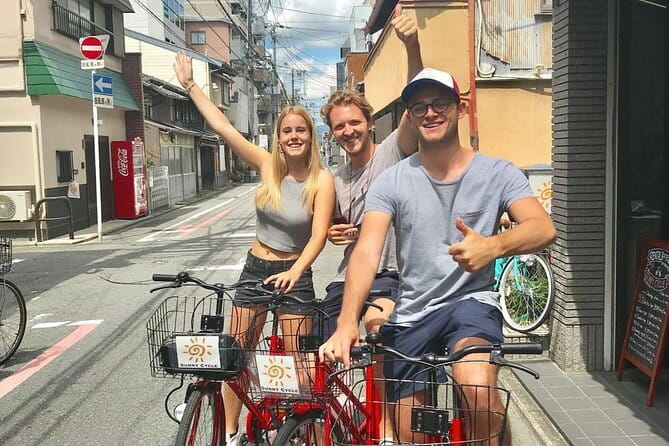
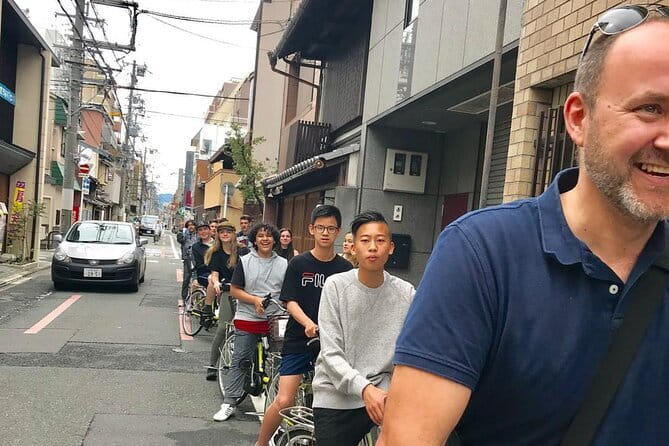
Think of this tour as Kyoto on wheels, with the work done for you. The e-bike rental is part of the experience, so you can focus on sightseeing instead of logistics. The private format matters here, because you are not tied to a one-size-fits-all group pace. If your group wants slower photo stops, more time at a temple, or extra time for a river-side stretch, your guide can usually shape the flow around that.
You also get the benefit of a guide who mixes history and culture with practical storytelling. People often come away praising the guides for being fun, engaging, and attentive, including while cycling in busy areas. Some guides are specifically noted for safety and for moving around crowds with care, which is exactly what you want in Kyoto’s narrow streets.
The tour runs about 4 to 8 hours depending on the schedule you book. That range is a big deal. A shorter option helps you fit Kyoto landmarks into a limited stay. A longer option lets you linger more, especially at scenic stretches like the Shirakawa River area and the Philosopher’s Path corridor.
Price and Value: When $198.15 Makes Sense
The price listed is $198.15 per person. On paper, that is not cheap. But the value comes from three things the day includes that cost money and time if you do it solo:
- You get the bike built in (electric, and sometimes a normal cycle option).
- You get a guide for a half day or more, including route navigation and cultural commentary.
- You cover a lot of high-demand Kyoto sights efficiently, which is hard to pull off by foot without turning the day into a workout.
What is not included is also important. Food and drink are not included. Also, while many temple and shrine stops listed here are free, some entries are marked as not included. For example, Komyo-in Temple is listed as not included, so plan for the possibility of an additional ticket if you want to go inside there.
If you are the type of traveler who hates wasting mornings trying to figure out transport, the bike plus guide combination can feel like a time-saver bargain rather than an expense. If you prefer wandering with no structure at all, you might still find it worth the first-time “hit the icons” value, then switch to solo exploring afterward.
Route Overview: From Fushimi Inari to Shirakawa River Walks
This is a classic Kyoto circuit, but with enough variety to keep it interesting. You start near Sunny CycleJapan in Shimogyo Ward and end back at the same meeting point.
Here’s how the day unfolds in a practical, feel-it-in-your-body way, stop by stop.
- PERFECT KYOTO 1-Day Bus Tour★ 5.0 · 13,518 reviews
- Kyoto: Fushimi Inari, Kinkakuji, Bamboo Grove 1 Day Bus Tour★ 4.8 · 4,316 reviews
- Kyoto: Tea Ceremony in a Traditional Tea House in Kiyomizu★ 4.9 · 3,519 reviews
- Kyoto Geisha Walking Tour: Gion District & Hidden Gems★ 4.7 · 3,273 reviews
- Kyoto: Tea Ceremony Ju-An at Jotokuji Temple★ 4.9 · 3,207 reviews
Higashi Hongan-ji, a Major Temple Start
You begin with Higashi Hongan-ji, a major Jodo Shinshu Buddhist temple in central Kyoto, established in 1602. It’s known for its large grounds and the main hall called Goeido. This is a solid opener because it gives you a big cultural anchor early, before the day turns into shrine-photo mode.
Fushimi Inari-taisha Shrine, the Torii Tunnel
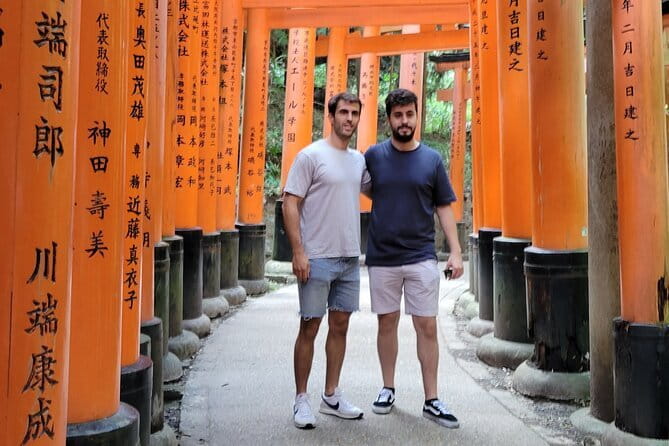
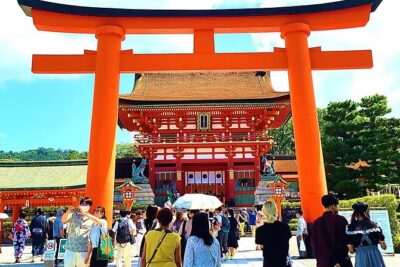
Next is the showpiece: Fushimi Inari-taisha Shrine. It is the head shrine for Inari shrines across Japan, famous for thousands of bright red torii gates that form tunnel-like trails up the mountain. The stop here is listed at about 40 minutes, with admission ticket free.
Practical note: the torii area can be busy. Your guide helps with timing and positioning so you can still get photos and soak it in without burning your whole time in one line.
Komyo-in Temple, Quiet Garden Time (Paid Entry Possible)
Komyo-in is a sub-temple of Tofuku-ji, with a tranquil garden. The itinerary specifically calls out autumn leaves and moss-covered grounds as a standout visual. The listed time is about 20 minutes, and admission ticket is marked as not included.
If you want to see this garden space, be ready for an extra entry fee. If you are mainly focused on the bike ride and want a quicker pass, you can treat it as a photo and atmosphere stop.
Tofuku-ji Temple, Tsutenkyo Bridge Views
Tofuku-ji comes next, with special mention of Tsutenkyo Bridge, a famous autumn color viewpoint. The long bridge spans a valley and offers panoramic maple views. The stop is short here at about 10 minutes and admission ticket is listed as free.
This is one of those “catch it from the best angle” moments. Ten minutes can be enough if you know where to stand, which is exactly where a guide saves you time.
Hōkan-ji Temple, Yasaka Pagoda Photo Stop
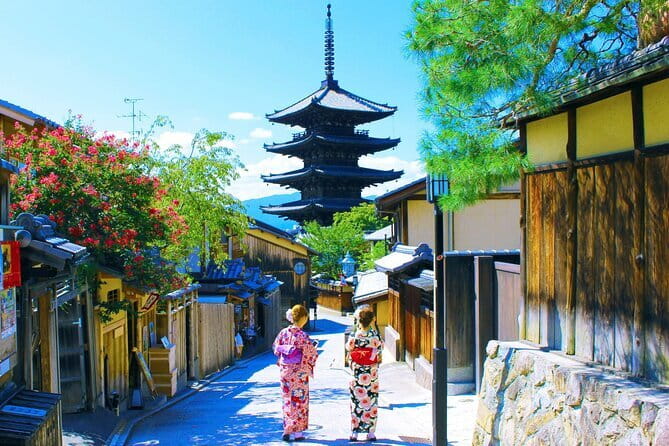
Then you hit Hōkan-ji Temple, specifically the Yasaka Pagoda. The description leans into that postcard look, with the pagoda’s silhouette framed against historic Higashiyama. The stop is about 20 minutes and admission ticket is free.
If you love Kyoto architecture photos, this is a good moment to slow down. You can get shots that feel different from the torii reds, more gray and warm wood tones.
Yasui-Konpiragu, a Shrine With Personal Meaning
Yasui-Konpiragu Shrine is known for prayers connected to cutting off bad relationship ties and bringing good ones. The stop is about 10 minutes and entry is free.
This is not about grandeur. It’s about that Kyoto human side, where people come with specific worries and hopes. Even if you do not pray, you’ll feel why locals treat shrines as practical spiritual stops.
Hanamikoji Street, Gion’s Tea House Atmosphere
Next is Hanamikoji Street in the Gion district, lined with traditional tea houses and restaurants. It’s a quick stop at about 10 minutes and admission is free.
If you’re imagining classic Kyoto street scenes, this is where your memory will lock in. Keep in mind it can be crowded depending on the time of day, so it is more “glance and capture” than “walk for an hour.”
Tatsumi Bridge, a River-Side Wooden Moment
A listed favorite for many people: Tatsumi Bridge along the Shirakawa River. The itinerary calls it a small but stunning wooden bridge. The stop is about 10 minutes and admission is free.
This is one of the best examples of the tour’s style: not only the famous names, but also the scenic micro-stops that make the day feel designed.
Shirakawa Canal and River Terrace, Water Sounds Included
From there, you move through Shirakawa Canal (about 15 minutes) and then the Shirakawa Shinsui Terrace (about 15 minutes), both free. The area includes traditional machiya houses, willow-lined canal views, and a calmer rhythm where geisha may occasionally stroll.
The terrace stop is nice if you want a short break from temple entrances. The stone-paved paths and close-up river sounds make this feel like a breather, not another checklist stop.
Heian Jingu Shrine, the Massive Vermilion Torii
At Heian Jingu, you get the Great Torii, described as massive at 24.2 meters tall and built in 1929 for Emperor Showa’s enthronement. The stop is about 15 minutes and entry is free.
This is where you can appreciate scale. It is hard to understand a giant gate from pictures. Up close, it’s visually dominant in a way that photographs well.
Nanzen-ji Temple and Suirakaku Aqueduct
Nanzen-ji is a prominent Rinzai sect temple established in 1291, with beautiful gardens. The itinerary lists about 15 minutes there, then about 10 minutes at Nanzenji Suirokaku, the brick aqueduct called Suirakukaku, completed in 1888.
You get both sacred space and historical infrastructure. If you like architecture, the aqueduct is a standout because it looks sturdy and old at the same time, more brick-and-shadow than ornate carvings.
Philosopher’s Walk, a Scenic 2 km Stretch
Philosopher’s Path is listed at about 2 kilometers along the Biwa Canal corridor, and your stop is about 30 minutes. Admission is free.
On foot, this can eat a lot of time because it is easy to stop for every photo. On bike, you can treat it like a scenic corridor, moving at a comfortable pace while still enjoying the walk sections.
Honen-in, Zen Calm in a Forest Setting
Honen-in is described as a peaceful Zen temple in a forest, said to be founded by Honen Shonin in the 13th century. The stop is about 15 minutes and free.
This is your chance to shift gears. After streets and crowds, you get calmer grounds where the visuals feel softer.
Shimogamo Jinja, One of the Oldest Roots
Shimogamo Jinja, officially known as Kamomioya Shrine, is described as one of the oldest Shinto shrines in the region, with roots tracing back to around 90 BC. Your stop is about 30 minutes and free.
This is a meaningful contrast to the torii tunnel at Fushimi Inari. You can feel the difference between a shrine built for pilgrimage-style movement and one where stillness is part of the experience.
Kamogawa Delta and Stepping Stones
Next is the Kamogawa Delta at Kamogawa Park, where the Kamo and Takano Rivers meet. The itinerary calls out stepping stones shaped like turtles and birds, plus seasonal beauty like cherry blossoms. The stop is about 15 minutes.
Then you also have Stepping Stones at Kojin (Ebisugawa Tobiishi) for about 10 minutes, with locals and visitors hopping across stones or taking photos. It is listed free.
This is a fun, lighthearted break in an otherwise temple-heavy day. It’s also ideal if your group wants something interactive that does not require lining up at a ticket booth.
Teramachi-dori and Sanjo Street, Kyoto Street Life
You end with time on Teramachi-dori Street, a north-south shopping street through central Kyoto, followed by Sanjo Street, an east-west hub near Kawaramachi and the Kamo River. Each is around 10 minutes. Admission is free for these street stops.
This section is good for picking up small souvenirs or grabbing a quick food option on your own, since food and drink are not included in the tour.
Kyoto Gyoen, the Imperial Palace Park Break
There is also a stop in Kyoto Gyoen, the large park area surrounding the old Imperial Palace. It’s described as offering nature year round and being popular with locals. It’s also famous for cherry blossoms.
The timing for this park stop is not spelled out, but it’s a great way to end the day with open space instead of more entrances.
How the Guide Keeps It Fun, Safe, and Not Rushed
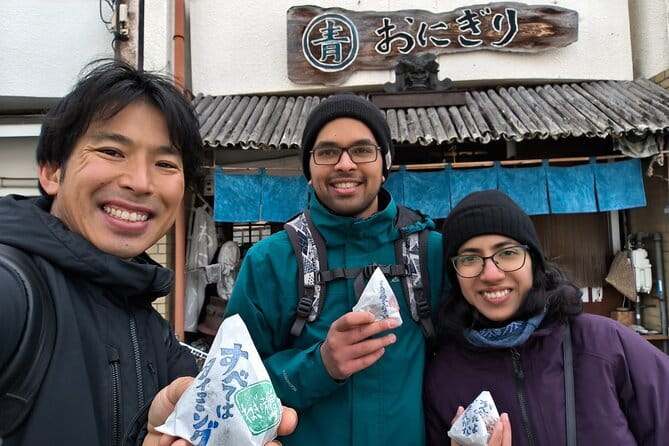
The best part of a private bike tour is the human layer. You are not just moving from point A to B, you’re getting explanations and route choices.
The tour experience is described as both history-focused and culture-focused, with guides who share local customs and everyday life. Many guide names come up repeatedly, including Yonnie, Yuhey, Yuichi, Mana, Kento, Polina, Takuma, and sometimes others. Across those names, the common thread is that they aim to make the day feel smooth, safe, and enjoyable.
This matters most in Kyoto street conditions. You’re mixing bicycles, pedestrians, and traffic around popular spots. Guides are specifically praised for being safe while navigating around crowded Kyoto streets and for adjusting the route to locations your group wants.
If you are traveling with kids, you’ll want that kind of guidance. People mention guides being engaging with children and making sure everyone keeps pace.
E-Bike Setup, Fitness Level, and Family Options
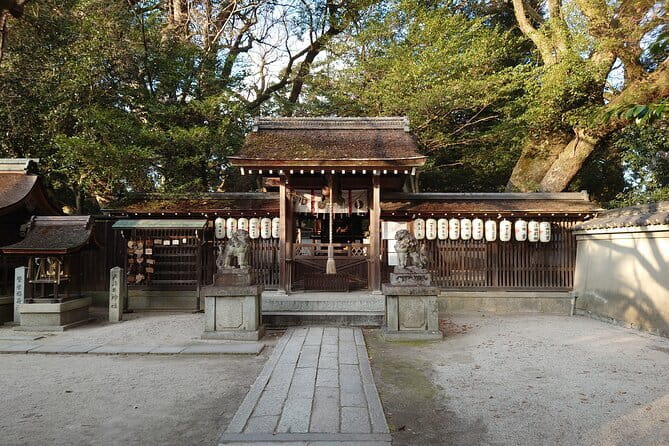
This tour is built for people who can ride a bicycle. It also specifies moderate physical fitness level, which makes sense for a day that includes multiple stops and plenty of cycling time.
A few practical details to keep in mind:
- Electric bike is included, with a normal cycle available too.
- Kids’ bikes are non-electric and availability is limited, so you should request when booking.
- Kids’ seats are also limited and should be requested in advance when needed.
- The tour ends back at the meeting point, so you are not dealing with complicated end logistics.
If you are a total beginner with balance or nervous around bikes, this is the part where you should think carefully. The tour clearly expects you to ride, not just sit on a guided promenade.
Temple Time vs. Bike Time: A Quick Reality Check
This is not a slow temple march where you spend hours inside. The schedule is stop-heavy, and many pauses are short. Some temple times listed are 10 minutes, others are 15 or 20. That can feel perfect if your goal is to see a lot without burning energy.
The flip side is that if you want deep, long reflection at a single location, you might feel you are rushing. The private format helps, since your guide can adjust pacing for your group’s preferences, but the overall route is still designed to cover many targets.
Also, since many entry points are free, you might expect everything to be free. One stop is clearly marked as not included for ticket admission: Komyo-in Temple. If you are trying to keep a strict budget, it’s worth planning that possibility.
Who Should Book This Tour and Who Should Skip It
Book it if you:
- Want to see major Kyoto highlights in one day without walking between far-flung areas.
- Like scenic outdoor stops along rivers and temple grounds.
- Have a group that values a tailored pace rather than a fixed group schedule.
- Are comfortable cycling and want a guide to handle the route.
Consider skipping it if you:
- Do not feel comfortable riding a bicycle in busy areas.
- Want an unhurried, all-day temple immersion focused on a smaller number of sites.
- Are mainly looking for food experiences, because food and drink are not included.
This tour often fits best as either your first big Kyoto day or your “I need to cover the classics efficiently” day.
Should You Book KIYOTO’s Kyoto Private E-Cycling Tour?
If you want a high-coverage Kyoto day that still feels personal, I’d lean yes. The combination of e-bikes included, a private guide, and a route that blends icons like Fushimi Inari with calmer river-side scenes like Shirakawa makes it easy to recommend.
It also works well for groups that get tired of nonstop walking. A bike day can turn the whole trip into something you actually feel energized for, not drained by.
Just be honest about your riding comfort. The tour is designed for cyclists, not for people hoping for a no-pressure stroll. If you can ride and you want to see a lot, this is a strong use of your Kyoto time.
FAQ
How long is the Kyoto private e-cycling tour?
It runs from about 4 to 8 hours, depending on the option you book.
Is the tour private?
Yes. It is a private tour/activity, and only your group participates.
Do I need to bring a bicycle or get equipment myself?
No. Electric bike (e-bike) rental is included. A normal cycle is also available.
Are temple and shrine admission tickets included?
Paid entrance is not included. Some stops listed are free, but some entries are marked as not included, such as Komyo-in Temple.
What about food and drinks?
Food and drink are not included, so plan to eat on your own during breaks or after the tour.
Who can join the tour physically?
You should have moderate physical fitness and be able to ride a bicycle.
Is it good for families with kids?
It can work for families. Kids’ bikes (non-electric) and kids’ seats are available, but availability is limited, so request when booking.
Where do we meet and where does the tour end?
You start at Sunny CycleJapan in Shimogyo Ward, Ōhorichō, 477 1F, and the tour ends back at the same meeting point.
Can I cancel for a refund?
You can cancel for a full refund if you cancel at least 24 hours in advance of the experience start time. If you cancel less than 24 hours before, the amount paid is not refunded.
Bicycles and E-Bikes We Have Ridden
Newest Kyoto write-ups from the Loving Japan desk

Cycling and E-Bike Tours, side by side.
 ★ 5.0Hidden Kyoto E-Biking tourFrom $1161,843 reviews
 ★ 5.0Tokyo Guided Small-Group Biking TourFrom $1061,250 reviews
 ★ 5.0Tokyo Great Cycling TourFrom $99811 reviews
 ★ 5.0Tokyo Top Highlights 3h Guided E-bike TourFrom $63714 reviews
 ★ 5.03h Tokyo E-Bike Tour: Hidden Gems, and Local Life with guideFrom $63670 reviews
 ★ 5.0Arashiyama Bamboo Forest & Hidden Gems Bike Tour (Early Bird)From $106613 reviews
 ★ 5.05 Top Highlights of Kyoto Full Day Bike Tour (E-bike option)From $172511 reviews
 ★ 5.0Full Day Biking Tour Exploring the Best of KyotoFrom $119498 reviews
Filed on these lists too