
REVIEW · FUSHIMI INARI AND THE TEMPLES OF KYOTO
Kyoto 6h Private Tour Fushimi Inari, Kiyomizu, Gion & Hidden Gems
Kyoto in half a day can feel like a sprint, but this private route feels organized. You start near Kyoto Station, then glide through seven big sights, including Kiyomizu-dera (UNESCO), with a guide who keeps the day moving without turning it into a checklist blur.
What I really like is that it is a true small-group format, up to 3 people, so you get personal explanations at each stop instead of listening from the back. Guides such as Yoshi and Kaori have been praised for being clear, patient, and never rushing people, which matters a lot at places like Fushimi Inari where the crowd mood can change fast.
One thing to consider: this is a fixed half-day plan with no lunch time, and you will still pay for temple admission and transit on the way (cash in yen helps). If you want a relaxed sit-down meal or extra detours, this tour may feel a little too scheduled.
In This Review
- Key highlights to know before you go
- The best part of a 5.5 hour private Kyoto plan
- Kyoto Station start, Gion finish: a route that makes sense
- Stop 1: Fushimi Inari-taisha and the torii gate flow
- Stop 2: Chishaku-in and a calmer garden break
- Stop 3: Sanjusangendo and the long hall of 1,000 figures
- Stop 4: Kiyomizu-dera, UNESCO, and the balcony viewpoint area
- Stop 5: Sannenzaka and Ninenzaka old lanes, shopping and old wood
- Stop 6: Yasakanoto (five-story pagoda), quick photo stop
- Stop 7: Gion district in the late-day Kyoto mood
- Taxi plus public transit: why this mix helps in Kyoto
- Price and value: $236.48 for up to 3 people
- What you should bring and how to avoid payment headaches
- Who this private Kyoto route fits best
- The call: should you book this Kyoto 7-stop private tour?
- FAQ
- What is the tour duration?
- How many people can join as a private group?
- Where does the tour start and when?
- Where do you end the tour?
- Are temple admissions included?
- Is lunch included?
- What extra costs should I plan for?
Key highlights to know before you go
- Seven major sights in one half day, including Fushimi Inari, Kiyomizu-dera, and Gion
- Private guide for your group of up to 3, so questions actually get answered
- Kiyomizu-dera UNESCO time, plus the classic balcony viewpoint area
- Chishaku-in stop for a quieter temple-garden break
- Smart transport mix, taxis plus public transportation to reduce backtracking
- Fixed itinerary, so you cannot swap stops or change the start time
Evening walks through the old quarters, compared
- Kyoto Geisha Walking Tour: Gion District & Hidden Gems
★ 4.7 · 3,273 reviews - Kyoto: Gion Magical Night Walking Tour with Geisha Trivia
★ 4.9 · 2,393 reviews - Kyoto: Gion Geisha District Walking Tour – Stories of Geisha
★ 4.7 · 2,187 reviews - Best of Kyoto: Gion, Geisha, Pagodas & Cobblestones
★ 4.9 · 2,058 reviews
The best part of a 5.5 hour private Kyoto plan
Kyoto is a puzzle. Even if you know the places you want, getting from Shrine A to Temple B without wasting an hour is the real challenge. This tour is designed to solve that by bundling nearby highlights and using both taxis and public transportation when it makes sense.
You also feel the advantage of doing it private. A shared group can rush you through a temple’s atmosphere. With a private guide, the pacing can match your group, and the guide can explain what to notice as you walk. That is how you end up understanding the sites, not just taking photos.
The time window is about 5 hours 30 minutes, and that half-day length is exactly right for first-timers who want the classics and still want energy left for evening streets.
Kyoto Station start, Gion finish: a route that makes sense
The day begins at the Kyoto Tourist Information Center Kyo-NaviJapan, located in the Kyoto Station building area (2nd floor), starting at 12:00 pm. You finish around Gion, at Gionmachi Minamigawa (near Minamigawa), which is convenient if you want to head out for dinner and evening strolls afterward.
One practical benefit: your guide tells you how to get to your next stop after the tour. That is useful in Kyoto, because after you leave your last temple, you do not want to spend your precious evening figuring out bus and train routes.
Also, wear comfortable shoes. This is not just museum time. You will walk, and you will hit slopes during the old-street section later in the day.
Stop 1: Fushimi Inari-taisha and the torii gate flow
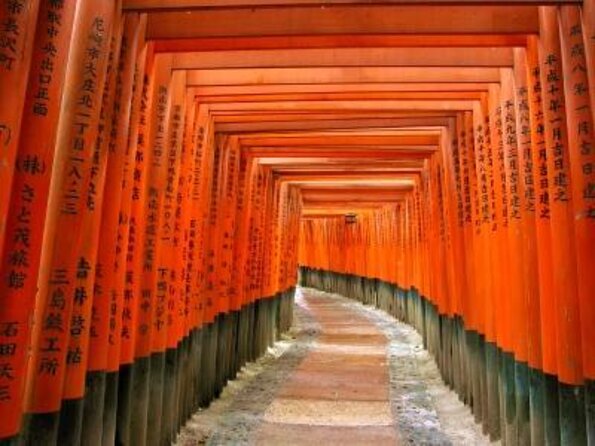
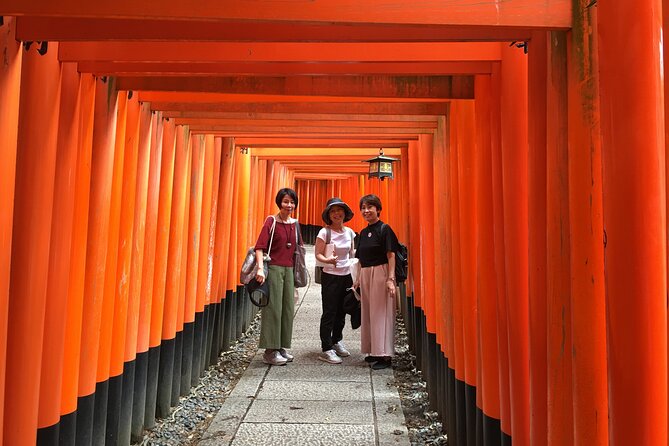
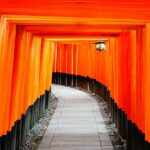
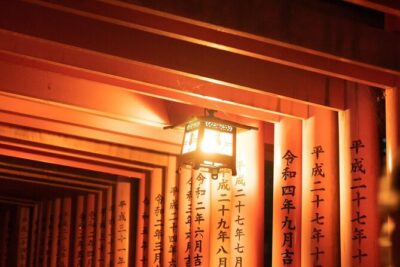
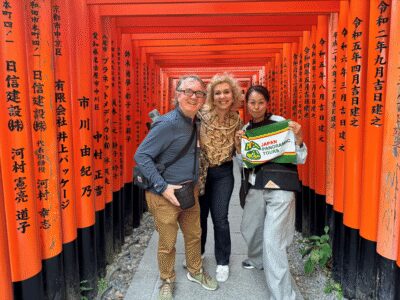
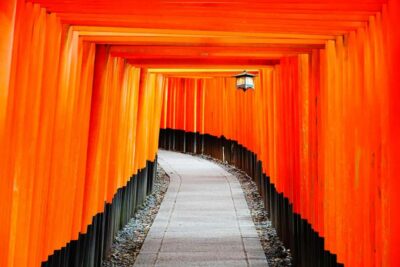
Fushimi Inari-taisha is the Kyoto you think you know, the one with thousands of torii gates marching up the hillside. This tour gives you about 1 hour at the shrine, and admission is free.
The big value here is not only seeing the torii tunnel. A good guide helps you understand what you are walking through and why the place is so important. Fushimi Inari is strongly associated with business and prosperity traditions, so you may see visitors doing specific worship routines along the route.
Crowds are the obvious drawback. Even with a guided pace, you might hit busy lanes. The workaround is simple: keep moving and focus on the gate rhythm and the changing views as the paths climb and curve. If you take breaks, do them at natural “pause points” so you do not lose time in congested sections.
Which temple to give the morning to, reviewed
- Kyoto: Fushimi Inari, Kinkakuji, Bamboo Grove 1 Day Bus Tour★ 4.8 · 4,316 reviews
- Kyoto: Tea Ceremony in a Traditional Tea House in Kiyomizu★ 4.9 · 3,519 reviews
- Kyoto/Osaka: Nara, Fushimi Inari Taisha, Arashiyama Bus Tour★ 4.7 · 1,275 reviews
- Kyoto: Nijo-jo Castle and Ninomaru Palace Guided Tour★ 4.7 · 1,020 reviews
- Osaka/Kyoto: Arashiyama, Nara & Fushimi Inari Shrine w/Lunch★ 4.4 · 754 reviews
Stop 2: Chishaku-in and a calmer garden break
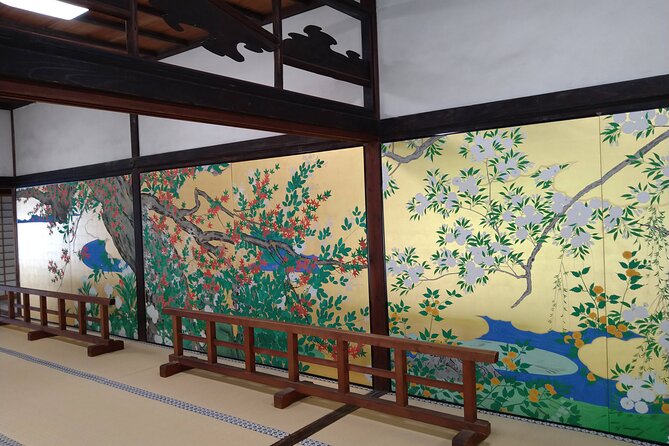
After the intensity of Fushimi Inari, the tour shifts to Chishaku-in for about 40 minutes. Admission is not included, but the payoff is mood.
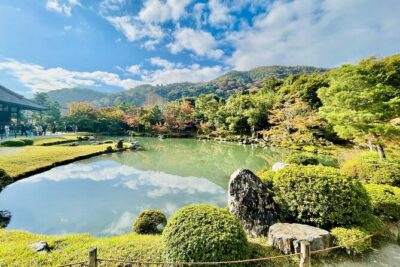
This is the stop that feels less like a stamp-collecting session and more like a breather. The reason it works is that you get Japanese-style garden atmosphere and a slower pace. When Kyoto gets crowded, a garden temple stop can reset your head.
If you enjoy quieter corners, this is the place to focus on details like the garden layout and how the temple grounds guide your movement. You are not just looking at one object, you are experiencing a planned space.
Stop 3: Sanjusangendo and the long hall of 1,000 figures
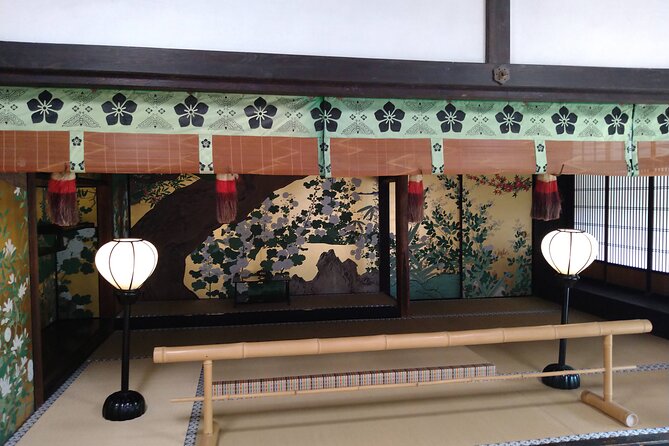
Next comes Sanjusangendo, about 1 hour. This temple is famous for having the largest number of national treasures in Japan, and it is also known for a long wooden hall with 1000 statues of Kannon (the goddess of mercy).
Admission is not included here either, so factor that into your spending, but this is one of those places where paying the entry feels justified by the sheer scale. The statues are the headline, and the hall’s length is part of the effect. It helps to have your guide point out what makes the arrangement meaningful, not just how many statues there are.
The practical tip is to plan your attention. If you only glance, you miss the structure. If you slow down for a minute or two at a couple of viewing angles, you will understand why people get impressed here.
Stop 4: Kiyomizu-dera, UNESCO, and the balcony viewpoint area
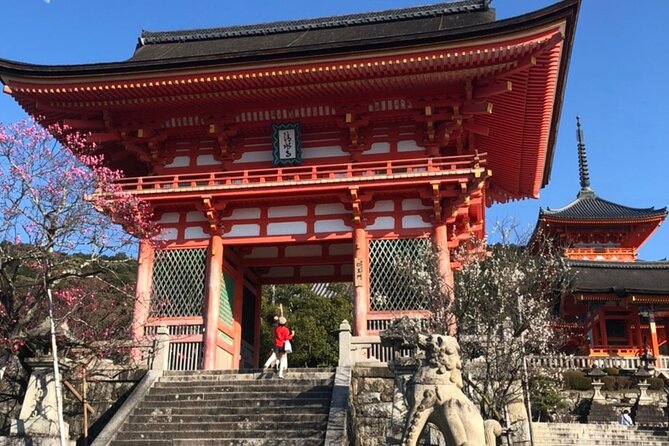
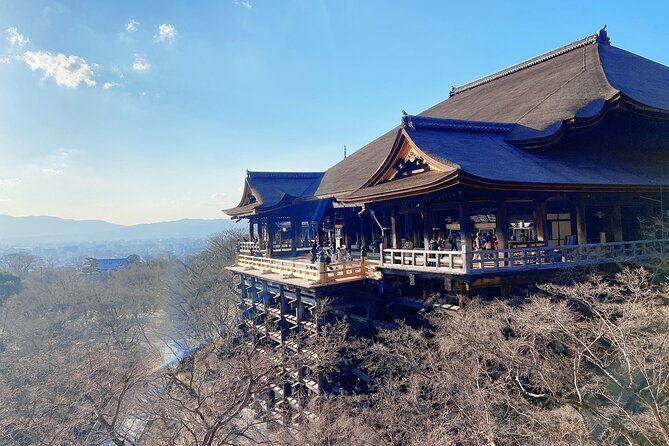
Then you hit Kiyomizu-dera, a UNESCO World Cultural Heritage site, for about 1 hour. Admission is not included, and this stop is the tour’s centerpiece.
Kiyomizu-dera is famous for its huge balcony where you can enjoy panoramic views of Kyoto. The guide’s role matters because the best views depend on where you stand and how the crowd flows around the main viewing area. If the space is busy, you do not need to fight people for a perfect angle. Instead, listen to your guide’s advice on where to stand and when to step aside.
One drawback to acknowledge: Kiyomizu-dera is popular, so expect crowds around the balcony and main approach areas. The strategy is to keep your time efficient, take your photos without stopping for long stretches, and use your guide’s explanations to get the “why” behind what you are seeing.
Stop 5: Sannenzaka and Ninenzaka old lanes, shopping and old wood
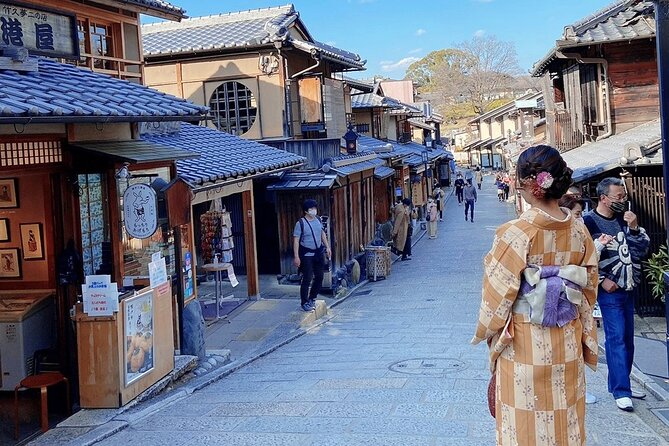
After temples, you switch to streets. Sannenzaka and Ninenzaka get about 1 hour here, and admission is free.
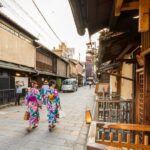
These slopes are lined with traditional wooden buildings and souvenir shops. This is where you slow down for browsing, but it is still not a slow, empty stroll. The streets can be busy, and the slopes mean you are walking with elevation, not just flat sightseeing.
If you want keepsakes, this is an easy place to shop because so much is concentrated here. If you are more about atmosphere than buying, treat it like a photo walk. Look up at rooflines, notice the old-street layout, and pause at viewpoints where the street bends.
Tip: if you are going to buy small items, keep cash ready. Many spots prefer Japanese yen, and you will appreciate not scrambling at checkout.
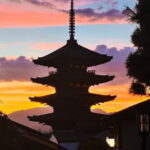
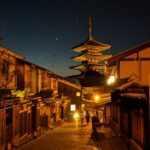
Stop 6: Yasakanoto (five-story pagoda), quick photo stop
Next is Yasakanoto, about 5 minutes. Admission is free, and you mostly see it from the outside.
This stop is short on purpose. It gives you a recognizable Kyoto landmark without stealing time from the bigger interior-focused sites. If you care about photos, it is still worth keeping your eyes open for angles that capture the pagoda cleanly against the street scene.
The only downside is obvious: five minutes goes quickly. If you want extended photo time, you will need to be strategic, pick one or two angles fast, and move on.
Stop 7: Gion district in the late-day Kyoto mood
Finally, you land in Gion for about 20 minutes. Admission is free.
Gion is the geisha district, with the chance to see Maiko and Geiko depending on the time and what is going on around the streets. You should treat this as observational sightseeing, not a guarantee of formal encounters. The value is the neighborhood atmosphere and the streetscape that makes Gion feel like Kyoto rather than just another tourist zone.
If you are finishing around Gion, this is also a great place to transition into dinner or a short evening walk. The timing often lines up nicely with the softer late-day light, so you can keep exploring without feeling stuck on a strict schedule.
Taxi plus public transit: why this mix helps in Kyoto
This tour uses both taxis and public transportation to save time and energy. That is smart in Kyoto because traffic, distances, and route planning can turn into a time sink when you do everything on your own.
You should also expect some extra costs:
- Public transportation fee: about 150 yen per person
- Taxi fee: about 2500 to 3000 yen per taxi
- Temple admission fees: about 1500 yen per person for all temples
What that means for you is simple: the price you pay for the tour covers the guide and organization, but your day-to-day expenses for getting in and getting around are still real. If you plan your budget with those numbers in mind, you will not get surprised.
Since this is a private tour, transport logistics can be handled more flexibly for your group size, up to 3 people. That keeps the itinerary tight but not chaotic.
Price and value: $236.48 for up to 3 people
The tour price is $236.48 per group, up to 3 people, and it runs for about 5 hours 30 minutes. On paper, that can look pricey if you are thinking per person. But Kyoto has a simple reality: a private guide plus transport planning is what costs money.
Here is the value logic:
- You do not have to research routes, opening times, and how to connect temples efficiently.
- You get a guide who can explain what you are seeing at multiple stops, not just one.
- You also get a transport strategy that includes taxis, which is usually the shortcut option when you are trying to cover ground fast.
To judge whether it is a good deal for you, think like this: if you would otherwise hire a taxi between far-apart stops and still spend time figuring out transit, this private format often ends up feeling like the smoother choice.
What you should bring and how to avoid payment headaches
Do not wait until you are at the temple gate to decide you need cash. This tour specifically suggests having Japanese yen ready because many places do not accept other currencies for admission, taxis, transit, and souvenirs.
Also:
- Bring a bit of cash even if you expect to pay mostly with included services.
- Wear comfortable shoes for walking and slopes.
- If you are the type who likes to stop for photos, know that you still have a timeboxed itinerary, so take photos in focused bursts.
And yes, the no-lunch detail matters. The tour does not include lunch time, so you should eat before you start. If you arrive hungry, you will feel it during the street and slope portion later.
Who this private Kyoto route fits best
This tour is a strong match for:
- First-time Kyoto visitors who want the big names plus one quieter temple stop
- Small groups who want a guide’s explanations without blending into a larger crowd
- People who dislike transit stress and want a plan that uses taxis strategically
- Travelers who want to finish in Gion for evening exploring
It may be less ideal if you:
- Want a long sit-down lunch or frequent bathroom breaks with extra downtime
- Like to roam freely and change the order of sights day to day
- Need a very slow pace at each location, because this is designed for efficiency
The call: should you book this Kyoto 7-stop private tour?
If your priority is seeing seven major Kyoto highlights in one half day, with a private guide who can keep things calm and informative, this is an easy yes. The blend of Fushimi Inari, Kiyomizu-dera, old-street slopes, and a Gion finish makes the schedule feel like a coherent Kyoto sampler.
I would book it if you are planning your first Kyoto day and want a structured plan that still includes a quieter garden-temple moment. If you are the kind of traveler who wants to linger, or if you absolutely need lunch built into the route, then look for a longer private option or plan a flexible, unguided add-on after the tour ends in Gion.
FAQ
What is the tour duration?
The tour runs for about 5 hours 30 minutes.
How many people can join as a private group?
It is a private tour for your group, up to 3 people.
Where does the tour start and when?
The tour starts at Kyoto Tourist Information Center Kyo-NaviJapan in Kyoto Station (2nd floor) at 12:00 pm.
Where do you end the tour?
The tour ends in the Gion area, near 570-177 Gionmachi Minamigawa, Higashiyama Ward.
Are temple admissions included?
No. Temple admission is not included, and the total for the temples is about 1500 yen per person.
Is lunch included?
No. Lunch is not included, and there is no time to eat during the tour, so it is recommended you eat before you start.
What extra costs should I plan for?
You should plan for public transport (about 150 yen per person) and taxi fees (about 2500 to 3000 yen per taxi), plus temple admission (about 1500 yen per person). Bringing Japanese yen is advised.
Which Kyoto Temple Gets Your Morning


Evenings in the Old Quarters
Newest Kyoto write-ups from the Loving Japan desk
Fushimi Inari and the Temples of Kyoto, side by side.
 ★ 4.8Fushimi Inari, Kinkakuji, Bamboo Grove 1 Day Bus TourFrom $1224,316 reviews
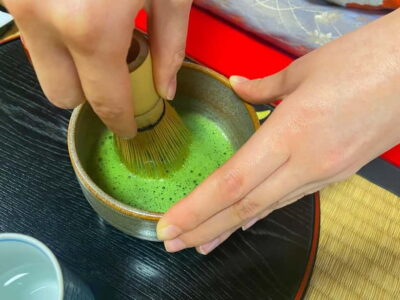 ★ 4.9Tea Ceremony in a Traditional Tea House in KiyomizuFrom $493,519 reviews
 ★ 4.7Kyoto/Osaka: Nara, Fushimi Inari Taisha, Arashiyama Bus TourFrom $521,275 reviews
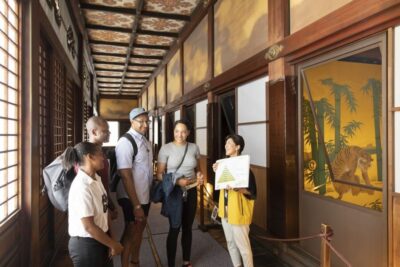 ★ 4.7Nijo-jo Castle and Ninomaru Palace Guided TourFrom $161,020 reviews
 ★ 4.4Osaka/Kyoto: Arashiyama, Nara & Fushimi Inari Shrine w/LunchFrom $61754 reviews
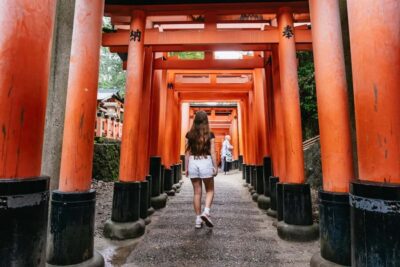 ★ 4.7Nijo Castle, Kiyomizu & Fushimi Inari Guided TourFrom $54700 reviews
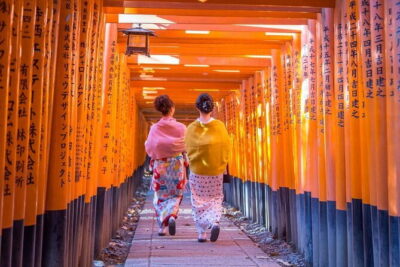 ★ 5.0Nijo, Kinkaku-ji, Arashiyama, Kiyomizu & Fushimi InariFrom $51699 reviews
 ★ 4.7Imperial Palace & Nijo Castle Guided Walking TourFrom $49453 reviews
Filed on these lists too