
REVIEW · CYCLING AND E-BIKE TOURS
Kyoto: City Secrets eBike Tour
Kyoto slows down on two wheels. This 9 km e-bike tour is a great way to see famous sights like the Golden Pavilion, then slip into calmer side streets where the city feels more personal. You start with major temple and shrine stops, then gradually shift gears toward Zen gardens and quiet thinking time.
Two things I especially like: you get the big visual hits without a full-day headache, and the ride is paced for real life, not racing from one photo spot to the next. Guides I’ve seen praised include Shizuka, Henry, Michael, Yuta, and Sean, and the common theme is how confidently they steer a small group through Kyoto. One drawback to plan for is that the tour assumes you’re a confident cyclist, since some routes include cobblestones, tight turns, and even a steeper section near the end.
In This Review
- Key highlights worth your attention
- Why Kyoto by e-bike beats the gridlock
- Getting started at NORU, gear on, and rules explained
- World Heritage temples and shrines: the momentum begins right
- Golden Pavilion by bike: the view hits different
- Kyoto’s oldest geisha district: pacing and presence matter
- The shrine of knowledge: learning that feels practical
- Tea at Daitoku-ji: Zen philosophy with a cup in hand
- Zen gardens and monastery calm: where the ride softens
- Road tips for Kyoto riding, and how to stay relaxed
- Guides can make or break the story: Shizuka, Henry, Yuta, Sean
- How hard is it really for a 225-minute, 9 km ride
- Price and value: $127 for a full, guided afternoon
- Who should book this tour, and who should pass
- Should you book the Kyoto City Secrets eBike Tour?
- FAQ
- How long is the Kyoto City Secrets eBike Tour?
- How far do you ride on the e-bikes?
- How big is the group?
- Where is the meeting point?
- What departure times are available?
- What time should I arrive?
- Who is the tour suitable for?
- What’s included in the price?
- What happens if the tour is canceled due to weather?
Key highlights worth your attention
- Golden Pavilion and Zen garden calm in the same afternoon
- Small group size limited to 8, so questions and pace actually matter
- Tea ceremony and temple insight with guides who explain Zen in plain language
- Old neighborhoods on bike lanes and backstreets, not just main roads
- Stops like a 1,000-year-old cafe and mochi sampling, plus water and refreshment breaks
Cover Kyoto on two wheels instead
- Arashiyama Bamboo Forest & Hidden Gems Bike Tour (Early Bird)
★ 5.0 · 613 reviews - 5 Top Highlights of Kyoto Full Day Bike Tour (E-bike option)
★ 5.0 · 511 reviews - Full Day Biking Tour Exploring the Best of Kyoto
★ 5.0 · 498 reviews - E-Bike Tours of the highlights of Kyoto!!!
★ 5.0 · 291 reviews
Why Kyoto by e-bike beats the gridlock
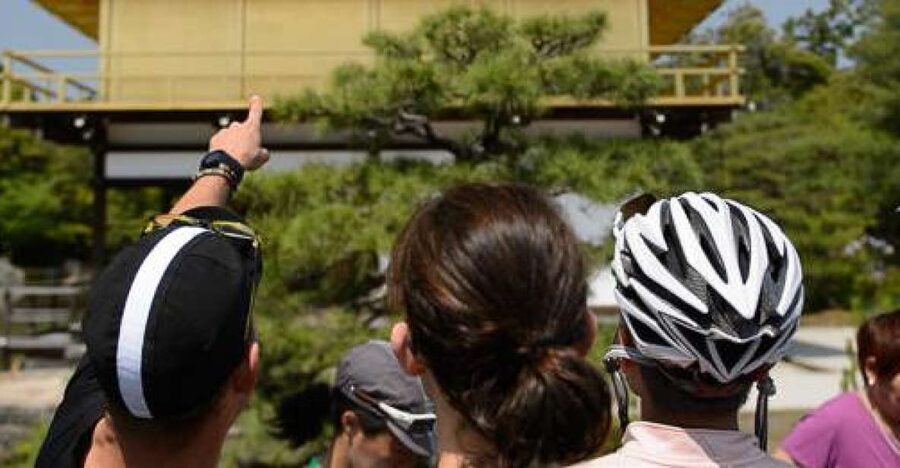
Kyoto is gorgeous, but it can also feel like you’re constantly dodging crowds, following arrows, and standing in lines. A bike tour changes your speed and your view. Instead of spending half your day waiting for your turn to enter a gate, you move steadily through the city, with breaks timed for when places feel calmer.
This is also a smart “middle ground” tour. You get the recognizable monuments, but you spend real time on the approach, where you see neighborhoods and street life that most people only pass through when they’re commuting or transferring between buses. With e-bikes, you’re not burning your legs on every small hill. You still pedal enough to feel engaged, but the motor helps you stay comfortable when the route turns technical.
And yes, the 9 km distance matters. It’s not about endurance. It’s about giving you enough time to connect sights and stories without turning the afternoon into a workout.
Getting started at NORU, gear on, and rules explained
The meeting point is NORU, and you’ll want to be there early. Departures run at 9 am, 9:30 am, and 1 pm, and the operator asks you to arrive 15 minutes before so you don’t miss the start. Once you’re in, you’ll get the e-bike and helmet, plus an English-speaking guide who keeps the group together.
What I like about the setup is how it helps you relax fast. With helmets provided and a small group, you’re not dealing with strangers piling on top of each other. The best guides also give a quick “how we ride here” talk that becomes useful later when you hit turns, narrow roads, or intersections.
Practical tip: wear shoes you can bike in comfortably. You’ll be on and off the bike for temple stops, and some surfaces can be uneven. A rider described cobblestone and tight turns as a bit technical later in the day, so don’t wear slick sandals unless you’re confident about footing.
World Heritage temples and shrines: the momentum begins right
The tour starts with stops at World Heritage temples and shrines. That matters because it sets context quickly. Kyoto isn’t just pretty scenery, it’s a whole layered system of beliefs, rituals, and historic power. When you begin with major religious sites, the smaller places you visit later land differently in your mind.
Another plus: early stops also tend to feel more manageable. Even when a temple is popular, arriving on a bike group schedule can mean fewer long waits than you’d see if you showed up in a random time window. Guides are also good at giving you the “what you’re looking at” moments, so you don’t just snap pictures and move on.
One common theme from guides named in participant stories is that they connect temple design with everyday meaning. For example, one rider praised Shizuka for offering Zen philosophy in an easy, human way, not a lecture.
- PERFECT KYOTO 1-Day Bus Tour★ 5.0 · 13,518 reviews
- Kyoto: Fushimi Inari, Kinkakuji, Bamboo Grove 1 Day Bus Tour★ 4.8 · 4,316 reviews
- Kyoto: Tea Ceremony in a Traditional Tea House in Kiyomizu★ 4.9 · 3,519 reviews
- Kyoto Geisha Walking Tour: Gion District & Hidden Gems★ 4.7 · 3,273 reviews
- Kyoto: Tea Ceremony Ju-An at Jotokuji Temple★ 4.9 · 3,207 reviews
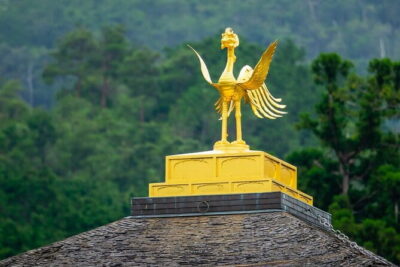
Golden Pavilion by bike: the view hits different
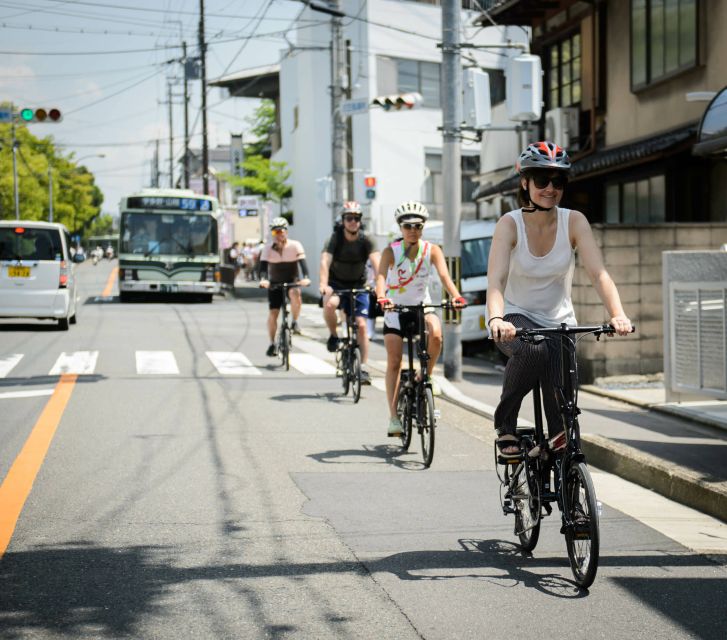
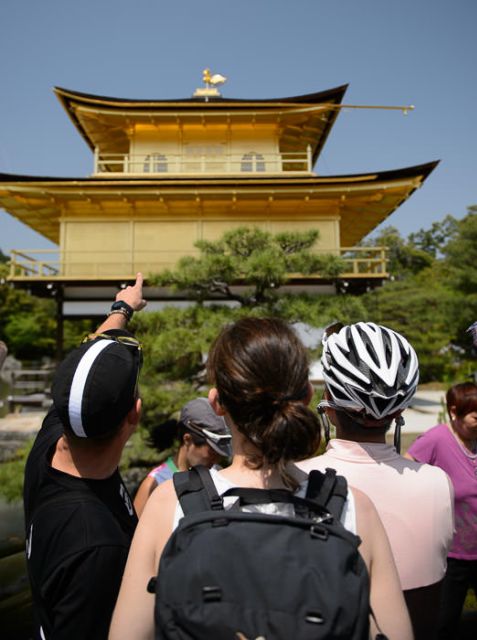
The Golden Pavilion is one of those Kyoto sights people recognize instantly. What’s special in this tour is how the bike ride gets you there with a sense of arrival, rather than just funneling you into a crowd.
Cycling to a famous temple also gives you more flexibility in where you pause. You can take in the immediate visual impact, but you also get a chance to notice the surroundings that people skip when they’re stuck in a single viewing lane.
And because this tour isn’t only about one monument, you’re not left thinking, great photo, now what. The Golden Pavilion becomes a pivot point, where the route shifts from iconic landmarks toward quieter spiritual spaces.
Kyoto’s oldest geisha district: pacing and presence matter
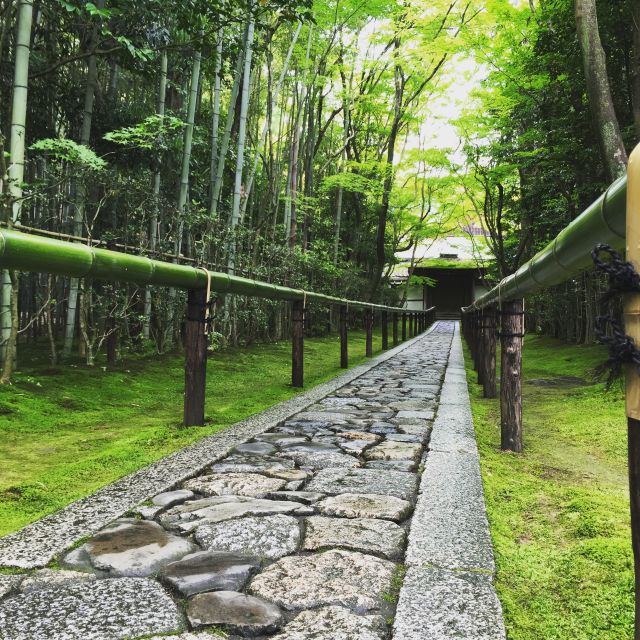
The highlight list calls out cycling through Kyoto’s oldest geisha district. In real terms, that means you’ll spend time in a neighborhood where history isn’t just on signs. You’re riding streets where the atmosphere is older, the rhythm feels slower, and the architecture does more than look good in photos.
One rider mentioned being fortunate enough to see geishas during the tour, which is exactly why bike timing can feel magical. You aren’t just staring from a single spot. You’re moving, and your guide is positioning you where people traffic is less chaotic.
Also, backstreets help. Several participant comments emphasized that the routes use cozy side streets so you don’t spend the afternoon stressed in heavy traffic. That makes a difference for first-time e-bike riders and for anyone who isn’t eager to wrestle with city road noise.
The shrine of knowledge: learning that feels practical
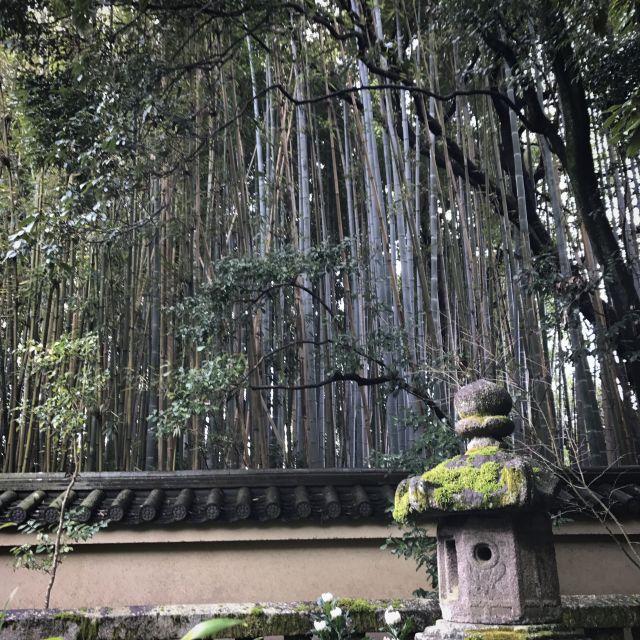
The itinerary includes Kyoto’s shrine of knowledge. The phrase alone hints at why this stop can be meaningful beyond the postcard factor. Shrines in Japan often carry symbolism tied to study, character, and hope. When your guide explains what to notice and how people relate to the space, it turns into more than a quick stop for a stamp or a photo.
This is one of the reasons I like this tour format. You’re not just collecting attractions. You’re building a mental map of how locals think about education, faith, and daily discipline, and then you carry that mindset to the Zen gardens later.
If you’re the type who enjoys asking questions, this is the moment to do it. Guides on this route have been praised for answering questions in a way that makes Kyoto feel like a lived culture, not a museum.
Tea at Daitoku-ji: Zen philosophy with a cup in hand
A standout moment in participant stories is a tea ceremony stop at Daitoku-ji. Tea in a temple setting changes your tempo instantly. You’re forced to slow down, pay attention to the ritual, and stop multitasking with your phone.
Even if you’ve done tea before, temple tea can feel different because it’s paired with the site’s spiritual focus. One review specifically praised Shizuka for offering an insight into Zen philosophy, which is exactly what you want from a Kyoto tour. You’re seeing the places, but you’re also getting the meaning behind the design, the silence, and the way people behave inside.
Tea stops also give your body a break. After riding and walking at multiple sites, you want a moment that doesn’t involve stairs, queues, or another “stand and look” segment. Tea does that well.
Zen gardens and monastery calm: where the ride softens
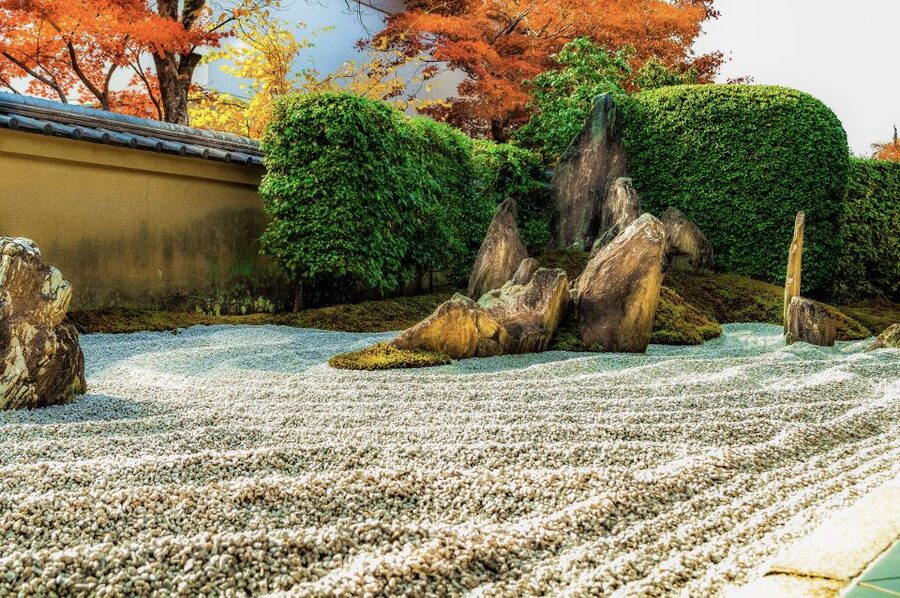
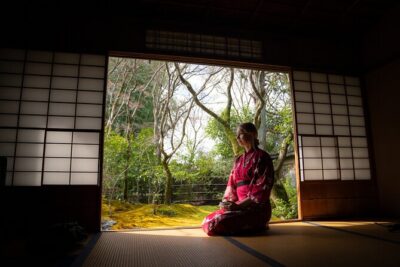
The tour’s final tone shifts toward Zen gardens and tranquil environments described as carefully set away from urban noise. This part of the experience is often the reason people remember the tour days later.
One rider described reaching a Zen setting where they experienced near-quiet, with birds and natural sounds doing most of the talking. That’s the payoff of cycling into quieter temple corners. The bike gets you there, but the garden is what settles you.
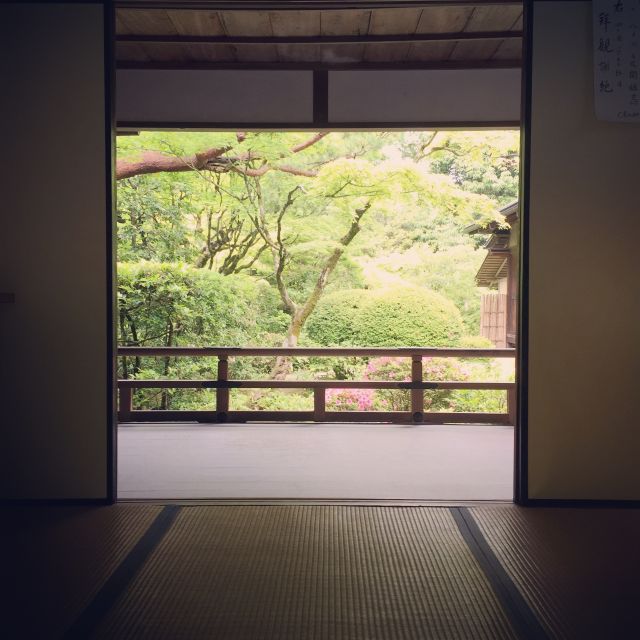
In practical terms, this is where the guide’s pacing matters most. A good guide doesn’t rush you through the quiet parts. They give you time to look, understand what’s in front of you, and let the space do its job. If you like calm breaks during sightseeing, this itinerary delivers that shift.
Some participants also mentioned visiting a Zen Buddhist monastery and enjoying the deeper meaning of that stop, especially if you’re already curious about Zen as a way of thinking rather than only a style of gardens.
Road tips for Kyoto riding, and how to stay relaxed
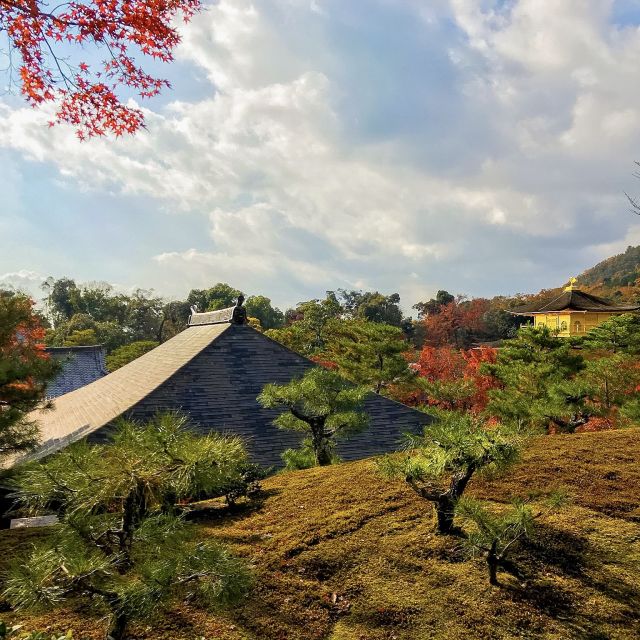
Kyoto bike routes can feel friendly compared with some other big Japanese cities, but it’s still a real street environment. Here are the practical tips you’ll actually use:
- Stay left and follow road rules. One rider specifically advised watching for red traffic lights and obeying local road behavior.
- Expect some technical sections. Comments included cobblestone paths, tight turns, and a short steeper or more demanding segment toward the end.
- Ride with confidence, not speed. The e-bike makes hills easier, but it does not replace good balance.
One participant also praised their guide for making sure everyone felt safe and comfortable, including checking in during the hotter parts of the day and providing water. That kind of care matters because e-bikes reduce effort, but they don’t remove the need to be aware.
If it’s raining, the tour can still go on depending on conditions. One rider reported ponchos were used and fit the situation well. If your schedule allows, bring a light rain layer anyway.
Guides can make or break the story: Shizuka, Henry, Yuta, Sean
This tour’s rating is very high, and the repeated reason is the guide experience. In participant notes, the most praised guides include Shizuka, Henry, Michael, Yuta, Sean, and Shawn.
Look for what these names represent across stories:
- They adapt pacing to the group.
- They explain history and religion in plain, question-friendly ways.
- They guide you onto side streets that feel safer and quieter.
- They add small human touches like remembering names and managing heat.
One rider credited Henry for steering them to off-the-beaten-track places they never would have found alone. Another praised Yuta for being friendly, funny, and able to make Kyoto feel alive with anecdotes. And several participants mentioned that guides gave restaurant recommendations after the tour, which is a nice bonus when you’re still figuring out where to eat.
This is why the guide matters. On a city this layered, a standard sightseeing route can feel like a checklist. The better guides connect the checklist to why the places exist, how people use them, and what to notice that you’d miss without context.
How hard is it really for a 225-minute, 9 km ride
At 225 minutes total for 9 km, you’re not planning for a long workout. This is a half-day adventure with breaks, walking at sites, and a steady rhythm that includes time to sit, relax, and learn.
That said, you do need basic bike confidence. The tour is designed for riders over age 13 who can ride a bicycle confidently, and there’s also a minimum height of 140 cm. One review even warned that some terrain can be technical, including cobblestones and quick turns.
I’d frame it like this: you should be comfortable mounting a bike, stopping smoothly, and navigating city turns. You don’t need to be an athlete. E-bikes reduce the hardest effort, but you’ll still feel the difference when the route switches from flat cruising to the slightly tougher bits.
If you’re traveling with teens, families, or a mixed group of fitness levels, the e-bike approach is a great equalizer. Several participant comments mention families and teenagers enjoying the ride without it turning into a struggle.
Price and value: $127 for a full, guided afternoon
The price is $127 per person, and the value depends on what you’re comparing it to.
Here’s what you get for that cost:
- An English-speaking live guide
- Bikes and helmets
- All entrance fees to the attractions
That package matters in Kyoto. Temple and shrine entry can add up fast, and it’s not always easy to coordinate without losing time hunting tickets or figuring out routes. This tour also bundles transportation in a way that reduces dead time. You’re moving between stops efficiently, yet you still get the slower moments at Zen gardens and tea.
If you’re the type who wants one afternoon that helps you understand Kyoto, not only see it, the $127 starts to make sense. It’s not cheap, but it’s closer to a day of guided access plus equipment, rather than a basic sightseeing walk.
Who should book this tour, and who should pass
You should strongly consider booking if you:
- Want Kyoto highlights plus calmer, lesser-seen streets
- Like the idea of e-bikes for comfort on hills
- Prefer a small group experience limited to 8 participants
- Enjoy explanations of culture, religion, and etiquette, especially Zen
You might think twice if:
- You don’t feel confident riding a bike in city conditions
- You’re under the tour’s height and age requirements
- You want strictly museum-style stops with minimal riding
One balanced note from the way participants talk about the experience: some recommend it most if you’ve got at least a bit of context about Kyoto or if you’re combining it with a more standard first-time highlights plan. But even if you’re coming in fresh, the guide support and small-group structure make it easier than you’d expect.
Should you book the Kyoto City Secrets eBike Tour?
If your ideal Kyoto afternoon is part iconic, part quiet, and part “I never would have found this by myself,” I’d book it. The combination of Golden Pavilion, neighborhood riding through Kyoto’s older districts, and the shift into Zen gardens is a strong mix of visual and mental payoff. Add the tea stop at Daitoku-ji and the stories of guides like Shizuka, Henry, Michael, Yuta, and Sean, and you’re likely to leave with more than photos.
Book it especially if you want a practical way to beat crowd pressure without giving up culture. Just be honest about bike confidence. If you can ride steadily, follow simple road rules, and handle occasional cobblestones or tight turns, this tour fits well.
FAQ
How long is the Kyoto City Secrets eBike Tour?
The tour duration is 225 minutes.
How far do you ride on the e-bikes?
The route is described as a 9 km e-bike tour.
How big is the group?
The tour is a small group limited to 8 participants.
Where is the meeting point?
Meet at NORU.
What departure times are available?
There are three departure times: 9 am, 9:30 am, and 1 pm.
What time should I arrive?
You must arrive 15 minutes before your departure time.
Who is the tour suitable for?
It’s designed for anyone over age 13 who can ride a bicycle confidently, and it’s not suitable for people under 4 ft 6 in (140 cm).
What’s included in the price?
Included are an English-speaking guide, bikes, helmets, and all entrance fees to attractions.
What happens if the tour is canceled due to weather?
If the supplier cancels due to heavy rain, storms, or inclement weather, you receive a 100% refund.
Bicycles and E-Bikes We Have Ridden

Newest Kyoto write-ups from the Loving Japan desk


Cycling and E-Bike Tours, side by side.
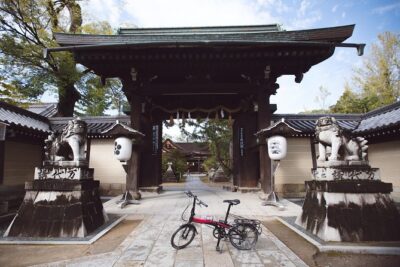 ★ 5.0Hidden Kyoto E-Biking tourFrom $1161,843 reviews
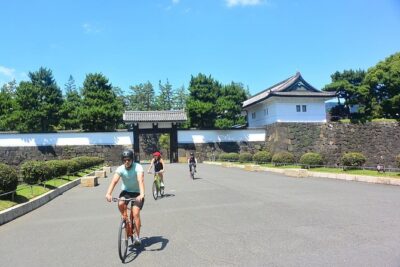 ★ 5.0Tokyo Guided Small-Group Biking TourFrom $1061,250 reviews
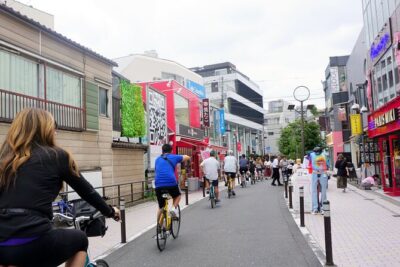 ★ 5.0Tokyo Great Cycling TourFrom $99811 reviews
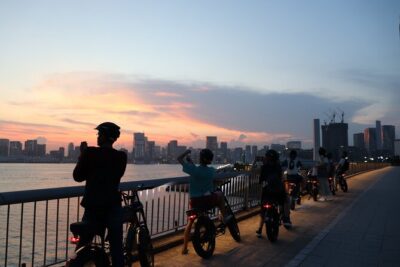 ★ 5.0Tokyo Top Highlights 3h Guided E-bike TourFrom $63714 reviews
 ★ 5.03h Tokyo E-Bike Tour: Hidden Gems, and Local Life with guideFrom $63670 reviews
 ★ 5.0Arashiyama Bamboo Forest & Hidden Gems Bike Tour (Early Bird)From $106613 reviews
 ★ 5.05 Top Highlights of Kyoto Full Day Bike Tour (E-bike option)From $172511 reviews
 ★ 5.0Full Day Biking Tour Exploring the Best of KyotoFrom $119498 reviews
Filed on these lists too