
REVIEW · FUSHIMI INARI AND THE TEMPLES OF KYOTO
Kyoto Early Bird English Tour: Fushimi Inari & Gion(Private opt)
Kyoto turns magical early, before the day fills up. This private morning tour strings together Fushimi Inari and the must-see views at Kiyomizu-dera, then finishes in Gion so you can keep exploring on foot. I especially like that your guide handles the story so each stop feels connected, and that you get professional photos taken during the walk. One consideration: while the tour is listed at about 4 to 5 hours, some schedules can feel closer to a shorter morning window depending on pace and how long you linger.
You’ll move at a comfortable walking rhythm and use public transport, so it works best if you like being outside for a few hours. The good news is that several key sights along the way have free admission, which keeps the add-ons simple. Still, Kiyomizu-dera requires a separate ticket, and transit costs are not included.
In This Review
- Key Things That Make This Tour Worth Your Morning
- Enter Kyoto’s Torii World First: Fushimi Inari
- Kiyomizu-dera and Its Ticket: Views You Can Feel in Your Bones
- Sannenzaka and Ninenzaka: The Short Walk That Sets the Mood
- The Nail-Free Wonder: Yasaka Pagoda (Hokanji)
- Yasaka Koshindo Colors: A Fast Temple Stop With Real Personality
- Gion on Foot: Finishing in Kyoto’s Most Famous Geisha District
- Where the Tour Starts and How It Flows
- Photos and the Guide’s Role: Why This Isn’t Just a Sight List
- Price and Value: What You Pay for, and What You Still Need
- Who This Tour Fits Best (And Who Might Want a Different Plan)
- Should You Book the Kyoto Early Bird English Tour?
- FAQ
- Where does the Kyoto Early Bird English Tour start?
- Where does the tour end?
- How long is the tour?
- What is included in the tour price?
- What costs are not included?
- Which major stops are part of the route?
- Is the tour private?
- Is admission free at the shrine and other stops?
- What level of fitness is required?
- What happens if I arrive late?
Key Things That Make This Tour Worth Your Morning
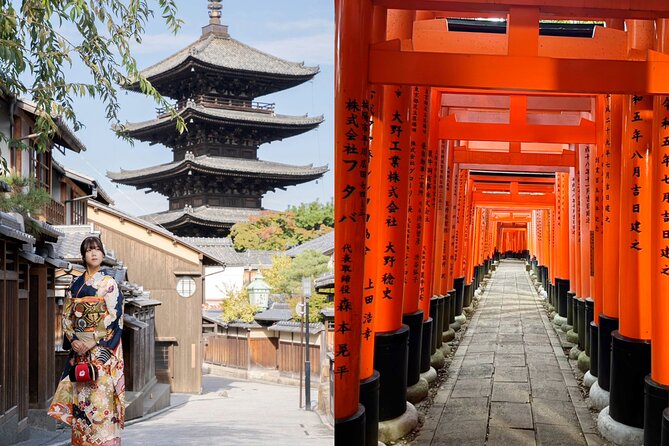
- Fushimi Inari early timing for easier sightlines through the torii gates
- A private English guide who can explain what you are actually looking at
- Guide-taken professional photos so you do not have to play camera operator
- A smart hit-list route that links shrine, temple views, old streets, and Gion
- Most stops are free (you mainly pay for Kiyomizu-dera)
Evening walks through the old quarters, compared
- Kyoto Geisha Walking Tour: Gion District & Hidden Gems
★ 4.7 · 3,273 reviews - Kyoto: Gion Magical Night Walking Tour with Geisha Trivia
★ 4.9 · 2,393 reviews - Kyoto: Gion Geisha District Walking Tour – Stories of Geisha
★ 4.7 · 2,187 reviews - Best of Kyoto: Gion, Geisha, Pagodas & Cobblestones
★ 4.9 · 2,058 reviews
Enter Kyoto’s Torii World First: Fushimi Inari
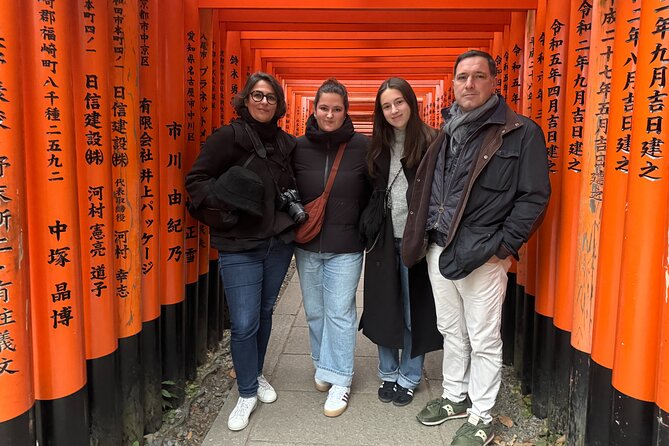
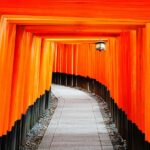
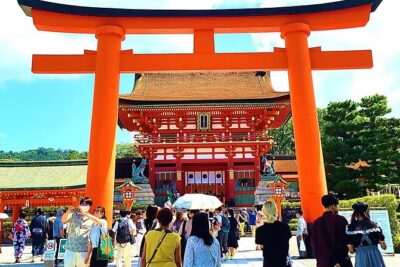
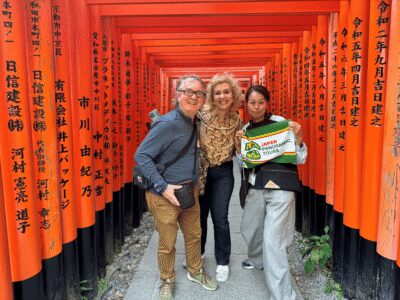
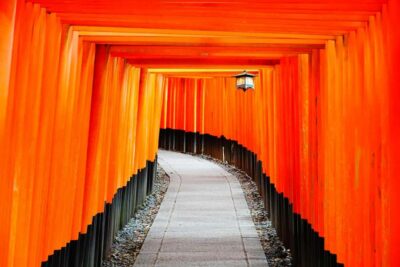
If you like iconic places but also hate elbow-to-elbow crowds, this first stop does a lot of work for you. Fushimi Inari-taisha is the Kyoto shrine most people recognize instantly, thanks to thousands of red torii gates climbing Mount Inari in long, tunnel-like paths. They are not just decoration. Your guide can help you understand why people keep returning here, including the shrine’s association with prosperity.
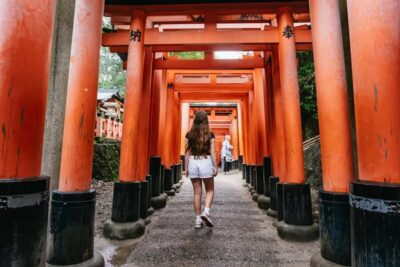
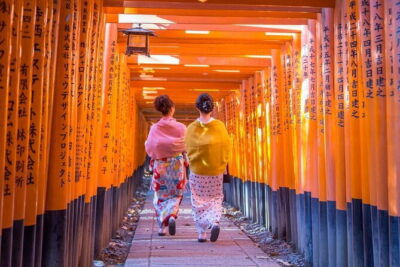
Timing matters. Start early and the gates feel less like a line you stand in and more like a place you walk through. Even if you have seen pictures, walking under the torii changes how you read the scene. The repeated red frames turn the hike into a visual rhythm, and you can get photo angles that are hard to manage later.
Practical stuff to know:
- Admission at Fushimi Inari is free, so you can focus on the experience without paying at the gate.
- Wear comfortable shoes. Parts of the approach and the grounds can mean uneven footing and some steps.
This is also where I recommend slowing down. Take a few minutes at the points your guide suggests. The best photo spots often come from small turns, not from standing in the widest area.
Kiyomizu-dera and Its Ticket: Views You Can Feel in Your Bones
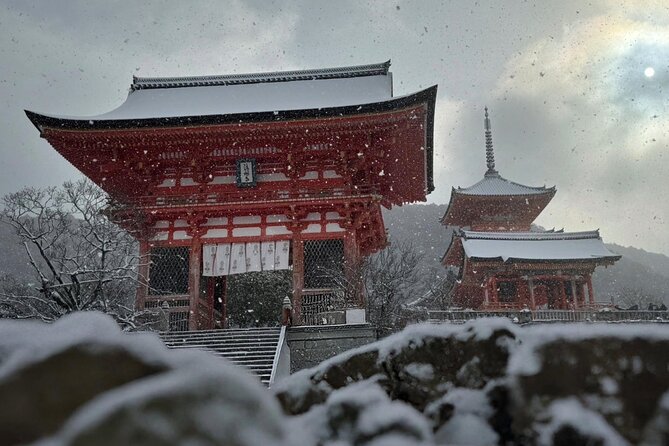
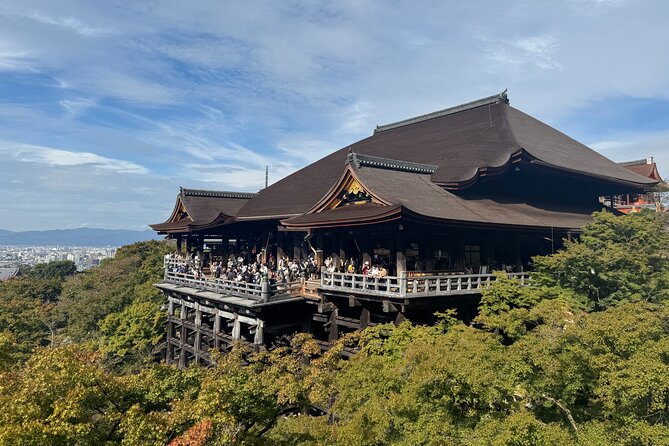
Next comes Kiyomizu-dera, the temple that people point to when they talk about Kyoto’s classic skyline views. The location on a hillside means the scene stretches out over the city, and that height is what makes the stop feel dramatic. Your guide’s job here is to connect the architecture and religious purpose to what you are seeing, so it is not just scenic sightseeing.
Two things to plan:
- Kiyomizu-dera admission is not included (listed as ¥500 per person).
- You should factor time for ticketing and for the slow moment when you realize the viewpoint is the whole point.
This stop is popular, so if you want pictures without fighting the densest crowds, arriving earlier in the day is a real advantage. The temple grounds also have the kind of “look up, then look outward” layout, where your perspective changes as you move a few steps at a time.
A tip I like for this portion: if you feel the urge to rush, resist it. Spend time at the main viewing areas and also look around at the surrounding structures. Kiyomizu-dera rewards that second look.
Sannenzaka and Ninenzaka: The Short Walk That Sets the Mood
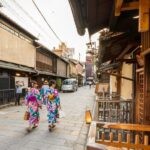
After the temple views, the itinerary shifts to old-street Kyoto with Sannenzaka and Ninenzaka. These are stone-paved lanes lined with traditional-style buildings and shops, where the street itself is part of the experience. Even if you do not plan to buy souvenirs, this is a great place to slow down, snack, and soak up the atmosphere in smaller doses.
Your time here is brief, so treat it like a “window-shopping and photos” segment rather than a full shopping spree. The value is the contrast: you go from a hillside landmark to streets where Kyoto feels more like a lived-in neighborhood.
What I’d do:
- Walk both lanes at a relaxed pace.
- Pause at a couple of spots for photos, then keep moving so you do not lose your energy for the later stops.
Which temple to give the morning to, reviewed
- Kyoto: Tea Ceremony in a Traditional Tea House in Kiyomizu★ 4.9 · 3,519 reviews
- Kyoto: Nijo-jo Castle and Ninomaru Palace Guided Tour★ 4.7 · 1,020 reviews
- Osaka/Kyoto: Arashiyama, Nara & Fushimi Inari Shrine w/Lunch★ 4.4 · 754 reviews
- Kyoto: Nijo Castle, Kiyomizu & Fushimi Inari Guided Tour★ 4.7 · 700 reviews
- Kyoto: Nijo, Kinkaku-ji, Arashiyama, Kiyomizu & Fushimi Inari★ 5.0 · 699 reviews
The Nail-Free Wonder: Yasaka Pagoda (Hokanji)
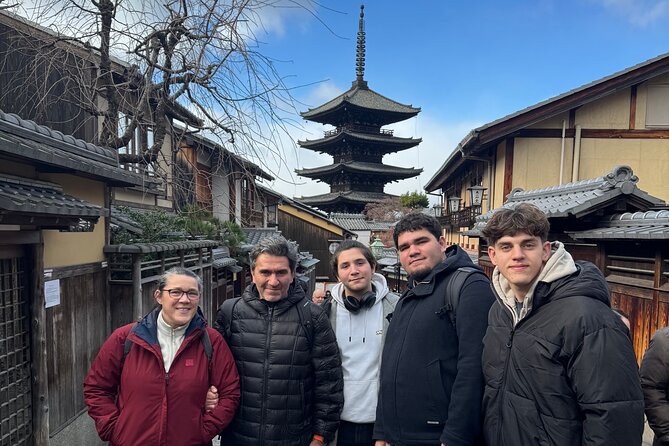
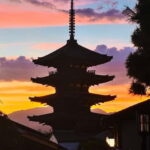
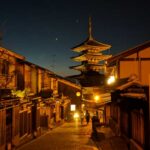
Then you reach Yasaka Pagoda, also known as Hokanji Temple. The standout detail here is the structure’s reputation for being built without nails, which is exactly the kind of fact that makes a quick stop feel worth your time. The scale can surprise you because it is not what you expect from the surrounding streets.
This is a shorter stop, so you will not get a long, sit-down explanation. But the guide can give you the “why it matters” context so you notice details instead of just passing by.
If you like architecture facts and want your morning to include at least one moment that feels like a true engineering story, this stop hits the mark.
Yasaka Koshindo Colors: A Fast Temple Stop With Real Personality
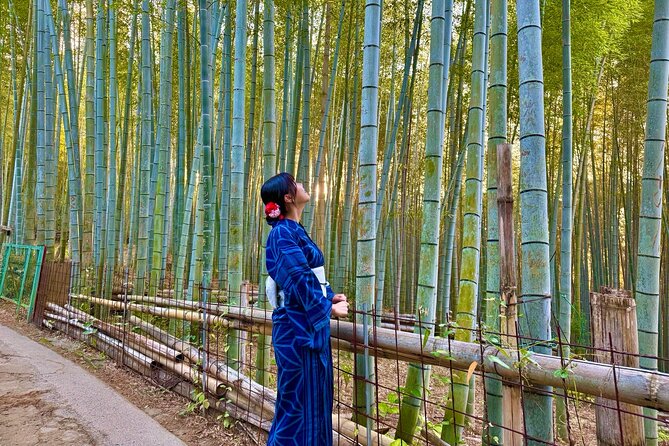
Next is Yasaka Koshindo, another temple stop that is quick but memorable if you pay attention to color and symbolism. Many Kyoto temples are visually quieter, so the bold decoration here makes an immediate impression. Even in a short visit, you can feel the difference between this shrine-temple style and the calmer looks elsewhere.
This is where you can do something simple and satisfying: look carefully at the painted elements, then step back to see the whole arrangement. Your guide’s explanations can help you connect what you see with how worshipers interact with these spaces.
Gion on Foot: Finishing in Kyoto’s Most Famous Geisha District
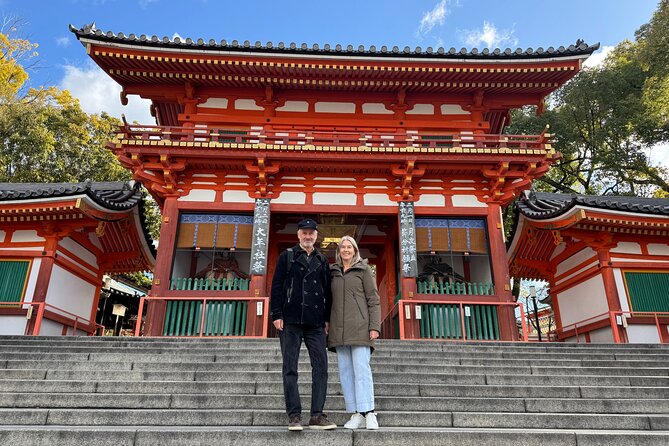
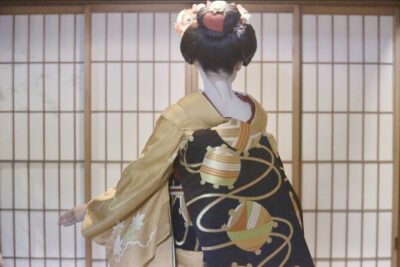
Finally, you arrive in Gion, Kyoto’s best-known geisha district. This is one of those places where the street view matters as much as the historic buildings. You will see traditional machiya townhouses and teahouse-style buildings, and you can walk the preserved-feeling streets that make Gion famous.
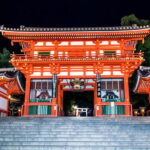
Your guided time here is shorter, but the way it lands is smart: you end in the area where you can keep sightseeing on your own. The tour finishes at Yasaka Shrine in Gion, which also makes it easy to continue with nearby sights and dining.
What makes this ending valuable:
- You get a guided orientation first, so you know what you are seeing.
- Then you get freedom. After the tour, you can choose where to spend your remaining energy.
One practical note: this is a busy area in general, so keep your phone ready and your pace steady.
Where the Tour Starts and How It Flows
The meeting point is Kyoto Station, Higashishiokoji Kamadonocho in Shimogyo Ward. The tour ends at Yasaka Shrine, 625 Gionmachi Kitagawa, Higashiyama Ward. Between those points, you will use public transportation plus walking, with plenty of time on foot.
That “walking plus transit” mix is a big reason this tour can feel efficient. You avoid spending your whole morning figuring out the route, and your guide keeps the flow moving from shrine to temple views to old streets to Gion.
Also, do not treat it like a sit-everywhere tour. It is designed for walking, and it asks for moderate physical fitness. If you have knee issues, you might want to plan for more time on the steps and uneven ground.
Photos and the Guide’s Role: Why This Isn’t Just a Sight List
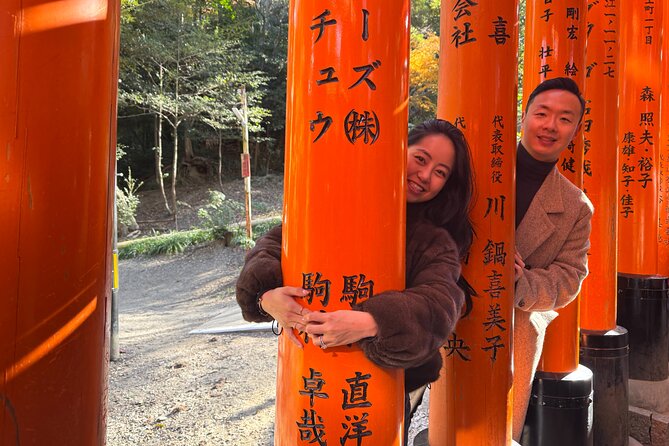
A big part of the value here is practical, not fancy. Your tour includes professional photos taken during the tour. That means you are not constantly hunting for someone to take pictures for your group, and you get angles you might not think to try yourself.
Many groups highlight the same kind of guide traits: clear English, friendly patience, and explanations that connect each stop to Kyoto culture. A recurring name you may see in this experience is Ikki, described as a Kyoto-born guide with excellent English and a knack for making people feel comfortable asking questions. Some parties also mention an extra touch like a booklet with pictures and tips related to temple or shrine visits. Even if you do not get the booklet, the goal is the same: help you understand what you are doing while you are doing it.
If you want a calm morning that still feels full, this is the right kind of guide-led structure.
Price and Value: What You Pay for, and What You Still Need
The tour price is $99.10 per person. That base cost includes:
- a passionate local English-speaking guide
- professional photos
What is not included:
- public transportation fare (listed as ¥390 per person)
- Kiyomizu-dera admission (¥500 per person)
- food and drinks
How I think about value: you are paying for time management, language help, and photo support across multiple major sights. If you try to do this same combination on your own, you will spend time figuring out routes, buying tickets, and recruiting strangers for photos. Here, the guide handles the flow and helps you get better results without you managing the chaos.
Because most of the listed sights have free admission (including Fushimi Inari), your out-of-pocket day can stay pretty predictable. The only obvious fixed add-on is Kiyomizu-dera and transit.
Who This Tour Fits Best (And Who Might Want a Different Plan)
This tour fits best if you:
- want a first-time Kyoto highlight route without spending the whole day coordinating logistics
- enjoy shrine and temple context, not just seeing the postcard version
- like early starts and walking at a steady pace
- care about good photos but do not want to handle the camera every step
It is less ideal if you:
- hate walking or you need long breaks
- prefer a slower, unstructured day where you stay in one neighborhood for hours
- want food included in the ticket price (food and drinks are not included)
Should You Book the Kyoto Early Bird English Tour?
Yes, if you want an efficient, guide-led morning through Kyoto’s big-name sights with real photo help. The early start is the real secret weapon, especially for Fushimi Inari. Add in the professional photos and the chance to end in Gion, and it becomes more than a checklist.
Before you book, just do two simple checks:
- Confirm you are comfortable with a walking-heavy half day plus public transit.
- Plan for the extra costs of Kiyomizu-dera (¥500) and transport (¥390 per person), since they are separate.
If that works for you, this is an easy morning win.
FAQ
Where does the Kyoto Early Bird English Tour start?
The meeting point is Kyoto Station, Higashishiokoji Kamadonocho, Shimogyo Ward, Kyoto.
Where does the tour end?
The tour ends at Yasaka Shrine, 625 Gionmachi Kitagawa, Higashiyama Ward, Kyoto, in the Gion area.
How long is the tour?
The tour duration is listed as approximately 4 to 5 hours.
What is included in the tour price?
Included are a local English-speaking guide and professional photos taken during the tour.
What costs are not included?
Public transportation fare is listed as ¥390 per person, Kiyomizu-dera admission is ¥500 per person, and food and drinks are not included.
Which major stops are part of the route?
The tour includes Fushimi Inari-taisha Shrine, Kiyomizu-dera Temple, Sannenzaka and Ninenzaka, Yasaka Pagoda (Hokanji), Yasaka Koshindo, Gion, and Yasaka Shrine.
Is the tour private?
Yes. It is a private tour/activity, meaning only your group participates.
Is admission free at the shrine and other stops?
The tour lists free admission for Fushimi Inari-taisha, Sannenzaka and Ninenzaka, Yasaka Pagoda, Yasaka Koshindo, and Yasaka Shrine. Kiyomizu-dera admission is not included.
What level of fitness is required?
The tour is described as a walking experience and recommends travelers with a moderate physical fitness level.
What happens if I arrive late?
If you are late for the meeting time, you will not be able to join the tour or receive a refund.
Which Kyoto Temple Gets Your Morning


Evenings in the Old Quarters
Newest Kyoto write-ups from the Loving Japan desk

Fushimi Inari and the Temples of Kyoto, side by side.
 ★ 4.8Fushimi Inari, Kinkakuji, Bamboo Grove 1 Day Bus TourFrom $1224,316 reviews
 ★ 4.9Tea Ceremony in a Traditional Tea House in KiyomizuFrom $493,519 reviews
 ★ 4.7Kyoto/Osaka: Nara, Fushimi Inari Taisha, Arashiyama Bus TourFrom $521,275 reviews
 ★ 4.7Nijo-jo Castle and Ninomaru Palace Guided TourFrom $161,020 reviews
 ★ 4.4Osaka/Kyoto: Arashiyama, Nara & Fushimi Inari Shrine w/LunchFrom $61754 reviews
 ★ 4.7Nijo Castle, Kiyomizu & Fushimi Inari Guided TourFrom $54700 reviews
 ★ 5.0Nijo, Kinkaku-ji, Arashiyama, Kiyomizu & Fushimi InariFrom $51699 reviews
 ★ 4.7Imperial Palace & Nijo Castle Guided Walking TourFrom $49453 reviews
Filed on these lists too