
REVIEW · FUSHIMI INARI AND THE TEMPLES OF KYOTO
Kyoto: Fushimi Inari Shrine Walking Tour
Torii gates set the mood fast. This guided walk pairs the famous Fushimi Inari-taisha torii gates with stories about Inari worship, then follows the trails toward Kyoto views. You get a plan for where to go and why it matters, without feeling like you are guessing in the dark.
What I like most is the focus on meaning, not just sightseeing. I also like that admission is included, so you are not spending the best part of your time stuck in ticket lines. One thing to consider is the walk includes some uphill climbing, so if you prefer flat routes, plan for a workout.
In This Review
- Key highlights worth your attention
- Why this 6:00 pm Fushimi Inari timing works
- Finding the meeting point at Daily Yamazaki, then getting your bearings
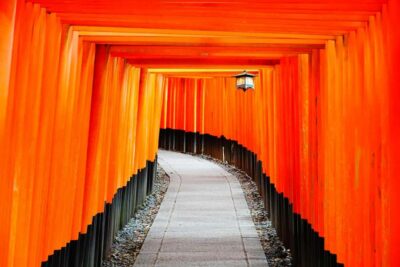
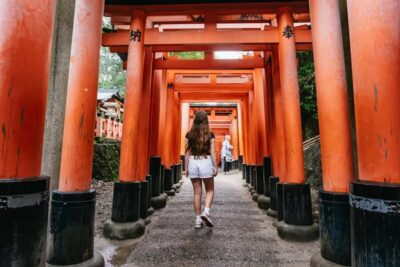
- Stop at Fushimi Inari-taisha, where the torii gates mean more than photos
- Walking the scenic trails for Kyoto views (and a real workout)
- What included admission saves you, beyond the ticket cost
- Small group size: less rushing, fewer missed turns
- Learning on-site: Inari stories, fox symbolism, and ritual details
- Photo spots and quiet moments, without turning it into a race
- What to bring for an evening shrine walk
- Is this tour good value for $39.64?
- Who should book this, and who may prefer something else?
- Should you book the Kyoto: Fushimi Inari Shrine Walking Tour?
- FAQ
- How long is the Kyoto: Fushimi Inari Shrine Walking Tour?
- What time does the tour start?
- Where is the meeting point?
- Is admission to Fushimi Inari-taisha included?
- What is included in the tour price, and what is not?
- What is the cancellation policy?
Key highlights worth your attention
- Skip-the-line style convenience with admission included in the tour price
- Small group size (max 10) so the guide stays easy to follow
- Inari worship explained with practical, real-world context you can see on-site
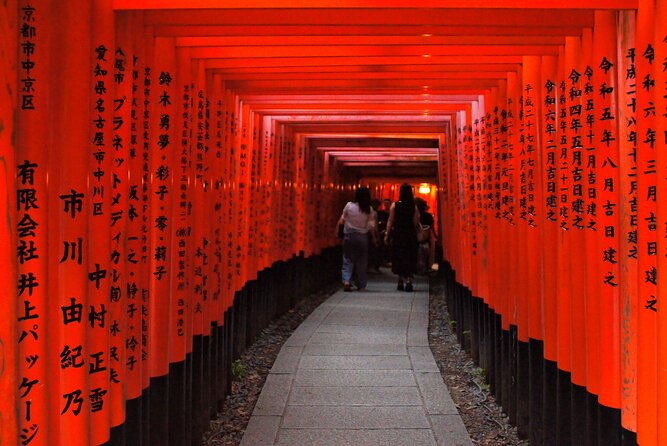
- Torii symbolism made readable, especially around fox-related references
- Scenic trail timing, with stops for quiet moments and photo-ready viewpoints
Which temple to give the morning to, reviewed
- Kyoto: Fushimi Inari, Kinkakuji, Bamboo Grove 1 Day Bus Tour
★ 4.8 · 4,316 reviews - Kyoto/Osaka: Nara, Fushimi Inari Taisha, Arashiyama Bus Tour
★ 4.7 · 1,275 reviews - Kyoto: Nijo-jo Castle and Ninomaru Palace Guided Tour
★ 4.7 · 1,020 reviews - Osaka/Kyoto: Arashiyama, Nara & Fushimi Inari Shrine w/Lunch
★ 4.4 · 754 reviews
Why this 6:00 pm Fushimi Inari timing works
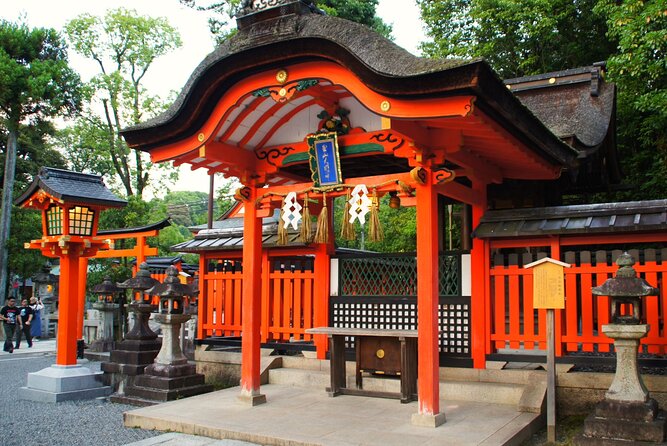
A 6:00 pm start is a smart match for Fushimi Inari-taisha. The torii gates look especially dramatic as evening light shifts, and the mood feels calmer than midday even when it is still busy.
Also, this is not a quick drive-by. You are there long enough to understand the shrine as a place of ongoing practice, not just a set of gates to tick off.
Finding the meeting point at Daily Yamazaki, then getting your bearings
The tour starts at Daily Yamazaki Fushimi Inari Shrine (93 Fukakusa Inarionmaechō, Fushimi Ward, Kyoto). Since it ends back at the same meeting point, you avoid the stress of figuring out a second exit or changing transport plans at the end.
You get a mobile ticket, which helps on the logistics side. The real payoff, though, is that someone else handles the route, so you can focus on walking and learning instead of constantly checking maps.
Stop at Fushimi Inari-taisha, where the torii gates mean more than photos
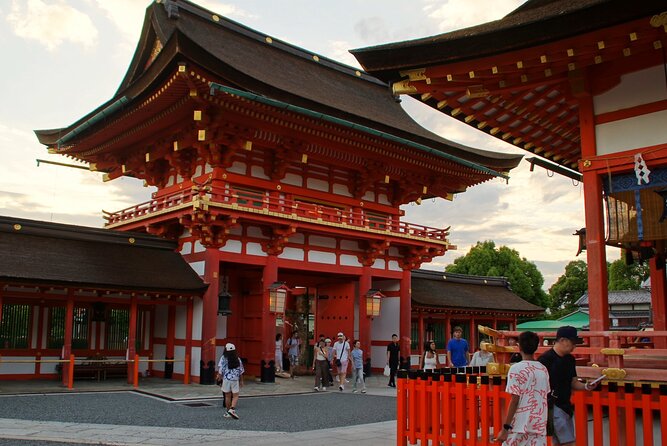
Fushimi Inari-taisha is one of Kyoto’s most recognizable shrines, and the orange-red torii gates are the headline. But the tour is built around the second layer: what you are looking at, what the shrine rituals are about, and why the complex feels the way it does.
The guide explains the spiritual heart of the shrine and connects the scenery to the story of Inari, the fox deity. Instead of treating the fox statues as random decorative pieces, you get a clearer sense of what they represent and how people engage with the space.
You also learn about the shrine practices happening right around you. That matters because Fushimi Inari is still an active place. When you understand what you are seeing, the whole complex clicks into place.
- PERFECT KYOTO 1-Day Bus Tour★ 5.0 · 13,518 reviews
- Kyoto: Fushimi Inari, Kinkakuji, Bamboo Grove 1 Day Bus Tour★ 4.8 · 4,316 reviews
- Kyoto: Tea Ceremony in a Traditional Tea House in Kiyomizu★ 4.9 · 3,519 reviews
- Kyoto Geisha Walking Tour: Gion District & Hidden Gems★ 4.7 · 3,273 reviews
- Kyoto: Tea Ceremony Ju-An at Jotokuji Temple★ 4.9 · 3,207 reviews
Walking the scenic trails for Kyoto views (and a real workout)
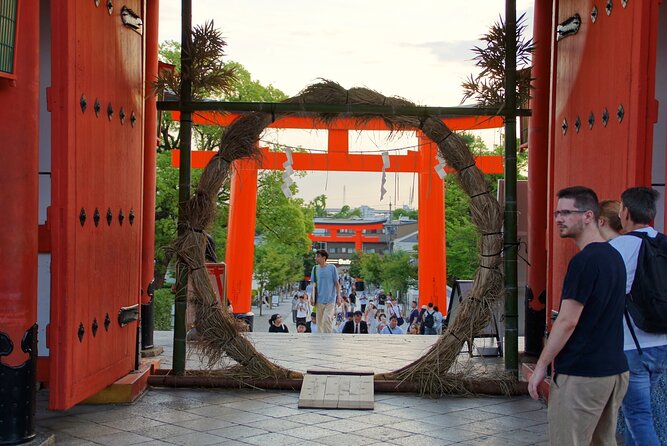
After you start at the main shrine area, the tour follows scenic trails. This is where you earn those wide views over Kyoto as you ascend.
The walking is part culture, part exercise. The evening climb can feel steep in places, especially if you are used to gentle strolls. The good news is the guide manages pacing and keeps the group together, so you are not left to guess what speed you should hold.
A key detail I appreciate here is that the tour includes moments of pause, not just nonstop movement. One of the best parts of the experience is being guided to spots for reflection and quiet looking, not only snapping photos while walking.
What included admission saves you, beyond the ticket cost
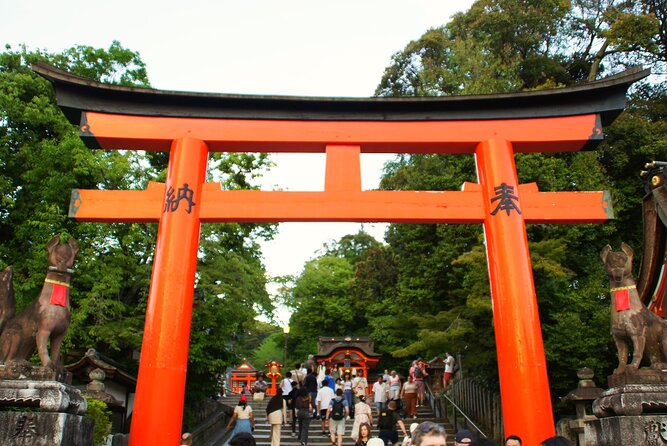
At $39.64 per person for about 2 hours, the price is not just paying for access. It is paying for time, context, and guidance in a spot where getting lost is easy and where lines can eat your energy.
The admission is included, which is the practical win. You do not have to stop and handle the ticket step while everyone else piles in. You arrive, start learning, and keep moving.
The other value is that the guide helps you interpret what you see. Torii gates are the visual hook, but the tour turns them into something you can read. That shift is what makes the experience feel worth it, even if you have seen photos before.
Small group size: less rushing, fewer missed turns
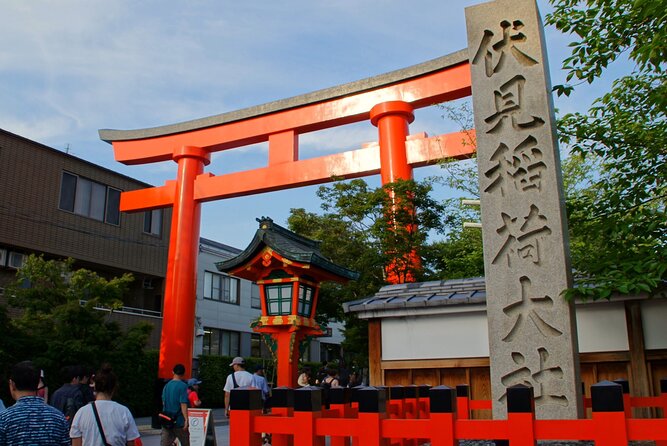
This tour caps at 10 travelers, which is a big deal at a famous site. In crowded places, bigger groups can turn into a stop-and-go chase, where you spend more time negotiating spacing than actually enjoying the shrine.
With a smaller group, you stay oriented. You do not lose track of the guide, and you can actually listen while walking. That also makes it easier to take breaks without falling behind.
In practice, this kind of group size helps with pacing. It feels smoother when the guide can adjust the flow, pause when the group needs a moment, and keep you moving at a comfortable rhythm.
Learning on-site: Inari stories, fox symbolism, and ritual details
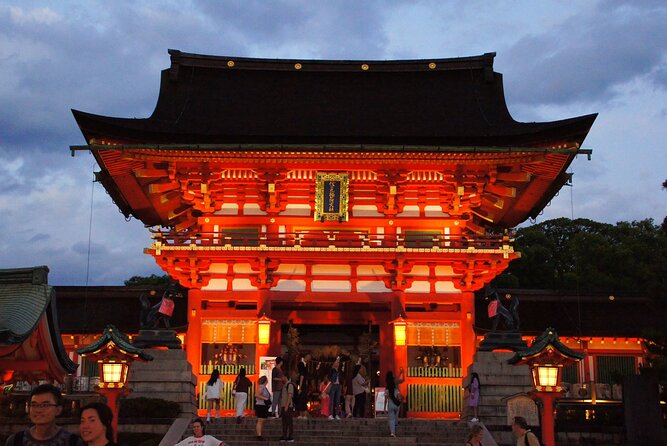
The strongest part of this experience is how the guide connects visible details to the shrine’s meaning. You walk through a place full of symbolism, and you get help understanding it in plain language.
You also hear Inari tales in a way that makes the complex feel less like an outdoor museum. Every fox reference starts to make sense, and the torii gates stop looking like just a photo backdrop.
One of the best practical results is that you stop treating the shrine as a single line you follow. Instead, you notice patterns, you recognize ritual cues, and you understand why certain areas feel quieter or more important.
That is the difference between seeing Fushimi Inari and actually getting it.
Photo spots and quiet moments, without turning it into a race
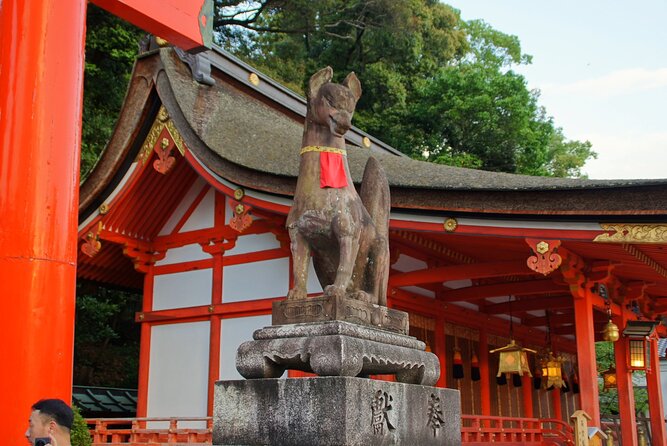
Yes, you will take photos. The gates are gorgeous, and the forested setting helps. But the tour is not only about standing in the best angle for a shot.
The guide brings you to viewpoint areas for Kyoto views and helps you find places for reflection. That pacing keeps the walk from feeling like a checklist, and it gives you time to enjoy the space instead of fighting for seconds.
If you want a calmer feel at a very popular site, the guided approach helps. You are guided through the complex in a way that can reduce the worst of the crowd pressure, so you are not constantly bouncing between congested choke points.
What to bring for an evening shrine walk
You are walking on trails with some climbing, so start with shoes that have good grip. If you are the type who thinks flip-flops are fine for everything, this is a place to reconsider.
Because food and drinks are not included, plan to bring water or a small snack if you usually need one before dinner. The tour is about 2 hours, but you might still want something simple to keep your energy steady after the climb.
A small bag that is easy to handle is also helpful. You will be outside, moving, and stopping for short explanations.
Is this tour good value for $39.64?
For this price, you are paying for three things: admission, an English-speaking guide, and interpretation you would not get on your own without extra research.
Admission included is a clear, practical benefit, especially at a crowded attraction. The guide component also matters because Fushimi Inari has layers, and the tour focuses on meanings and rituals that are easy to miss if you just follow the obvious path.
At the end of the experience, you should feel like you did more than walk through famous scenery. You should walk away with a better understanding of Inari references, torii symbolism, and the shrine’s spiritual rhythms.
If you already know the shrine story and prefer totally independent exploring, you might question the cost. But for most first-timers, the combination of context plus time saved is a fair deal.
Who should book this, and who may prefer something else?
This tour fits best if you want Fushimi Inari to mean something to you. If you like understanding cultural practices, learning what shrine details represent, and walking at a manageable pace with a guide, this is a great match.
It may be less ideal if you strongly dislike uphill walking. The climb is part of reaching scenic spots and viewpoints, and the tour is timed to that experience.
It also works well if you are traveling with limited patience for navigation. The guide takes the lead, and you stay together as you move through the torii paths.
Should you book the Kyoto: Fushimi Inari Shrine Walking Tour?
I think you should book if your goal is not just photos, but understanding. The tour’s best ingredient is its focus on meaning, plus admission included, plus a small group that keeps the experience feeling organized instead of chaotic.
I would skip or consider alternatives if you have mobility concerns or you want a mostly flat, low-exertion plan. Even then, you could still enjoy parts of Fushimi Inari on your own, but you would need to manage the walking and pacing without guide support.
If you are open to a steady climb and you want shrine rituals explained in plain language, this is the kind of tour that turns a famous place into an experience you remember.
FAQ
How long is the Kyoto: Fushimi Inari Shrine Walking Tour?
The tour lasts about 2 hours.
What time does the tour start?
The start time is 6:00 pm.
Where is the meeting point?
You meet at Daily Yamazaki Fushimi Inari Shrine, 93 Fukakusa Inarionmaechō, Fushimi Ward, Kyoto 612-0881, Japan.
Is admission to Fushimi Inari-taisha included?
Yes. Entry and admission to Fushimi Inari-taisha are included.
What is included in the tour price, and what is not?
Included: an English-speaking guide, historical insights into the district, and entry/admission to Fushimi Inari-taisha. Not included: food and drinks, and tips (optional).
What is the cancellation policy?
You can cancel for free up to 24 hours in advance for a full refund. If you cancel less than 24 hours before the start time, the amount paid is not refunded.
Which Kyoto Temple Gets Your Morning



Newest Kyoto write-ups from the Loving Japan desk



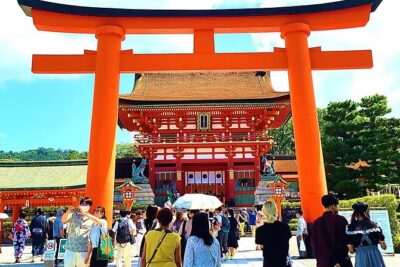

Fushimi Inari and the Temples of Kyoto, side by side.
 ★ 4.8Fushimi Inari, Kinkakuji, Bamboo Grove 1 Day Bus TourFrom $1224,316 reviews
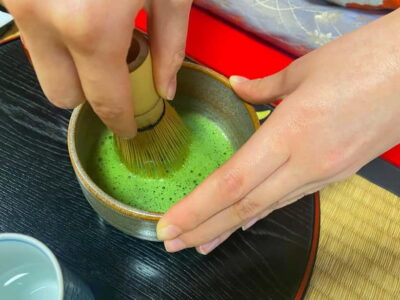 ★ 4.9Tea Ceremony in a Traditional Tea House in KiyomizuFrom $493,519 reviews
 ★ 4.7Kyoto/Osaka: Nara, Fushimi Inari Taisha, Arashiyama Bus TourFrom $521,275 reviews
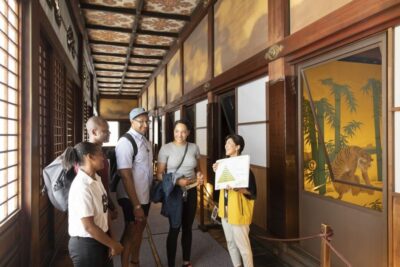 ★ 4.7Nijo-jo Castle and Ninomaru Palace Guided TourFrom $161,020 reviews
 ★ 4.4Osaka/Kyoto: Arashiyama, Nara & Fushimi Inari Shrine w/LunchFrom $61754 reviews
 ★ 4.7Nijo Castle, Kiyomizu & Fushimi Inari Guided TourFrom $54700 reviews
 ★ 5.0Nijo, Kinkaku-ji, Arashiyama, Kiyomizu & Fushimi InariFrom $51699 reviews
 ★ 4.7Imperial Palace & Nijo Castle Guided Walking TourFrom $49453 reviews
Filed on these lists too