

REVIEW · JAPANESE GARDENS AND ZEN MEDITATION
Kyoto: Japanese Gardens Private Customizable Tour
Kyoto gardens can feel like puzzles, with answers in stone. On this private 6-hour tour, you choose which Zen stops matter most, then your licensed guide helps you read the design in a way that actually clicks. I like the customizable route, because it turns a famous-name day into your kind of Kyoto, guided by people like Shoji, Kazu, and Yuka who spoke clear English and paced the explanations just right.
The one thing to plan for is that the big “must sees” often come with extra costs. Entrance fees are not included, and you may use public transportation or a taxi during the day depending on what you prefer, so it is smart to budget for that.
In This Review
- Key things you will notice on this tour
- A 6-hour Kyoto garden day, designed around your pace
- Customizable route: tell your guide your garden priorities
- Zen garden basics you will actually use while walking
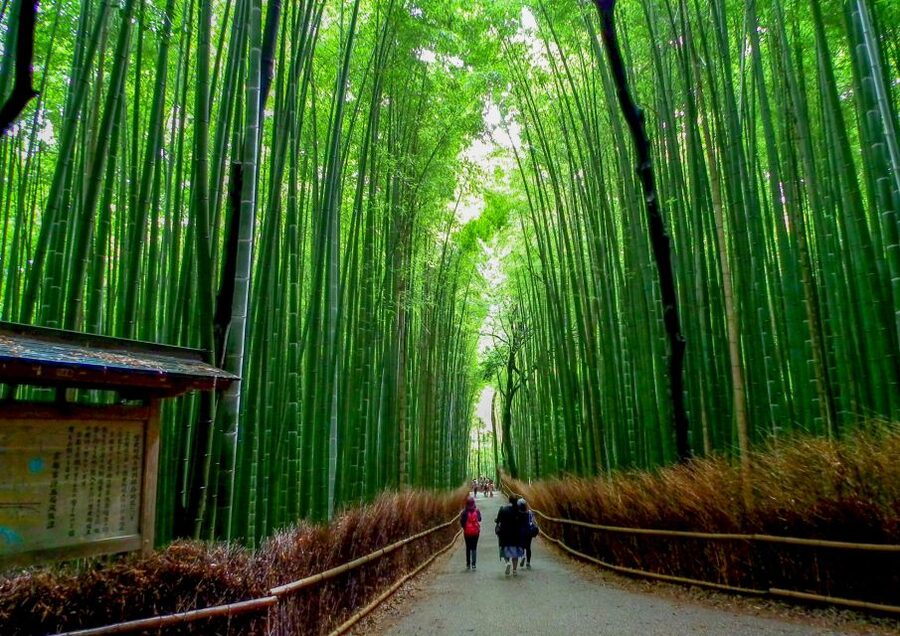
- Arashiyama Bamboo Forest as a garden-tour warm-up
- Kinkakuji and Ginkakuji, why popular stops are worth the effort
- Ryoanji and the dry rock garden style at Zen temples
- Honen-in, Nanzenji, and Tofuku-ji, where garden mood meets temple life
- Kyoto Imperial Palace and Shugakuin Imperial Villa for ceremonial garden vibes
- Daitoku-ji, Kokedera Suzumusidera, and Katsura Imperial Villa for variety in design feel
- Kyoto Botanical Garden as a softer, seasonal finish
- Price and value: what $151 per person really covers
- Getting around: public transport or taxi, and why you should ask early
- Who should book this tour, and who might skip it
- Should you book this Kyoto Japanese Gardens private customizable tour?
- FAQ
- How long is the Kyoto Japanese Gardens Private Customizable Tour?
- Is this tour private?
- What languages are available for the guide?
- Are entrance fees included?
- Do I get pickup from my accommodation or train station?
- Is the tour confirmed before the tour date?
Key things you will notice on this tour
- A licensed guide who explains what you are looking at, including why gardens in Kyoto are built the way they are
- Route flexibility, either you steer or your guide handles the plan
- Zen temple stops with dry rock garden design, where the empty space is part of the message
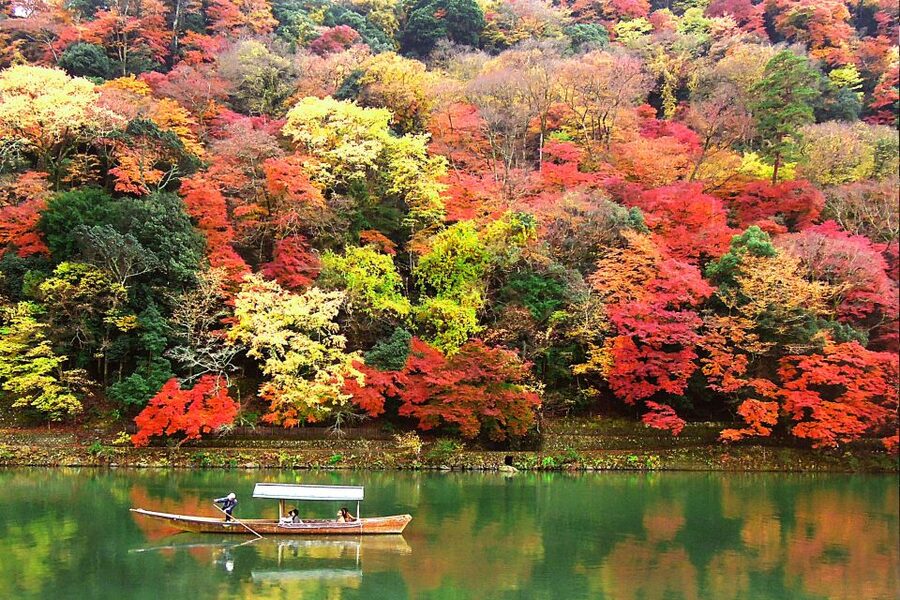
- Seasonal garden moments, with plants and garden scenes that change over the year
- Private group pacing, so you can ask questions without feeling rushed
- Rain or shine touring, so bring weather-proof layers and plan for steady walking
Slower gardens, if the schedule allows
- Kyoto Arashiyama Walking Tour: Bamboo, Monkeys, Gardens & Secrets
★ 5.0 · 1,216 reviews - Kyoto Zen Meditation & Garden Tour at a Zen Temple with Lunch
★ 5.0 · 441 reviews - Kyoto Arashiyama Bamboo forest & Garden Half-Day Walking Tour
★ 5.0 · 413 reviews - Kyoto: Tea Ceremony Meditation – Make Matcha with Tea Master
★ 4.8 · 406 reviews
A 6-hour Kyoto garden day, designed around your pace
This tour is built for people who do not want a checklist scramble. With a private guide, you get the best kind of Kyoto guide work: not just seeing famous places, but understanding the garden language behind them. The day is long enough to feel satisfying, but short enough that you can stay mentally fresh, especially when your guide keeps the story clear and the pace comfortable.
You will be walking between multiple gardens and temple areas, and that is exactly why having someone beside you matters. If you have ever stared at a rock arrangement or a carefully composed plant scene and wondered what you were supposed to notice, this is the right format. Your guide’s job is to help you connect the design choices, like plants and rocks, with the Zen spirit represented through the whole layout.
Because it is private, you can also make the day match your travel style. Want calmer stops and more time to look? Tell your guide. Want the most popular Zen gardens in Kyoto in a tight, efficient run? Your guide can plan that too. The tour is specifically set up for customization, not one-size-fits-all.
Customizable route: tell your guide your garden priorities
The real value here is control. You will tell your guide what you want to emphasize for the day, and they tailor the itinerary. Even if you leave it to them, you are still not stuck with a rigid script, since the goal is matching your interests with Kyoto’s garden variety.
When I think about what to ask for, here are the priorities that usually make the tour feel personal:
- Zen temple focus vs. garden-art focus: The tour is designed to move between dry rock garden design at Zen temples and more artistic garden scenes with seasonal plants.
- Popular Kyoto Zen gardens vs. quieter options: The tour lists several major stops, including Ryoanji, Kinkakuji, and Ginkakuji, but also includes other temple and villa gardens that can add variety.
- How much history you want: The guide will explain meaning and history, but you can steer how deep to go.
One helpful detail from the way guides work on this tour: the explanations are not meant to overwhelm. People described the info as the right amount, which is exactly what you want. In other words, you get context without turning the day into a lecture.
Zen garden basics you will actually use while walking
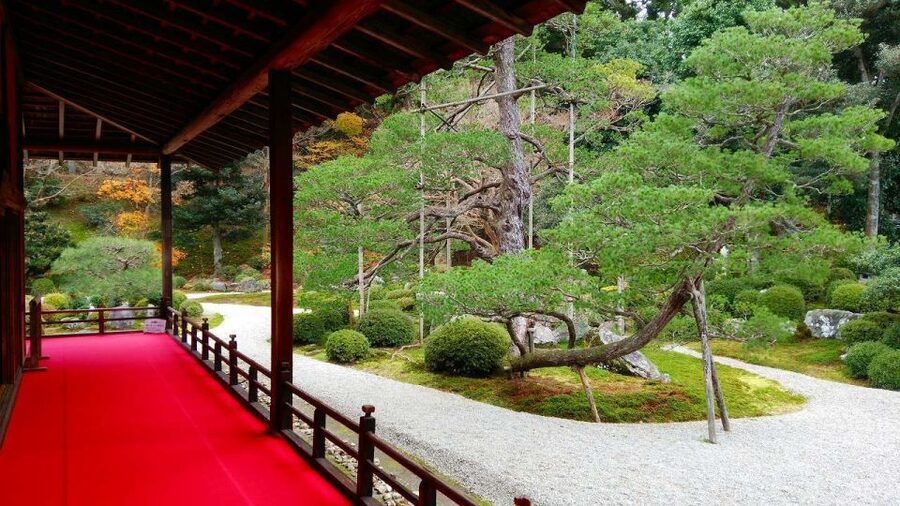
Even if you have visited Kyoto before, Zen gardens can still feel like they are speaking in symbols you are not fluent in. This tour is built around teaching you how the garden design carries meaning.
Here is what you can expect your guide to connect for you as you move through Kyoto’s gardens:
- Plants are not just decoration. They are part of the message, and your guide will help you see how plant choices fit the overall design and mood.
- Rocks do the heavy lifting in Zen temples. At Zen sites, the dry rock garden style puts meaning into arrangements that reward careful looking.
- The whole design communicates a spirit. Your guide will explain how the garden is made to represent traditional Japanese spiritual ideas through layout and materials.
If you want to get the most out of the tour, you can do one simple thing: slow down at each stop long enough to let your guide point out a few key features, then take a minute on your own. That rhythm helps the explanations stick.
Build the day yourself. Other private options
- Kyoto: Arashiyama Customized Rickshaw Tour & Bamboo Forest★ 5.0 · 432 reviews
- Kyoto: Private Customized Walking Tour with a Local Insider★ 4.8 · 383 reviews
- Kyoto Customized Private Tour: See Top Attractions in 1 Day★ 5.0 · 342 reviews
- Kyoto: Private Customizable Day Tour with Guide and Vehicle★ 4.9 · 334 reviews
- Kyoto/Osaka: Kyoto and Nara Customized Private Guided Tour★ 4.6 · 258 reviews
Arashiyama Bamboo Forest as a garden-tour warm-up
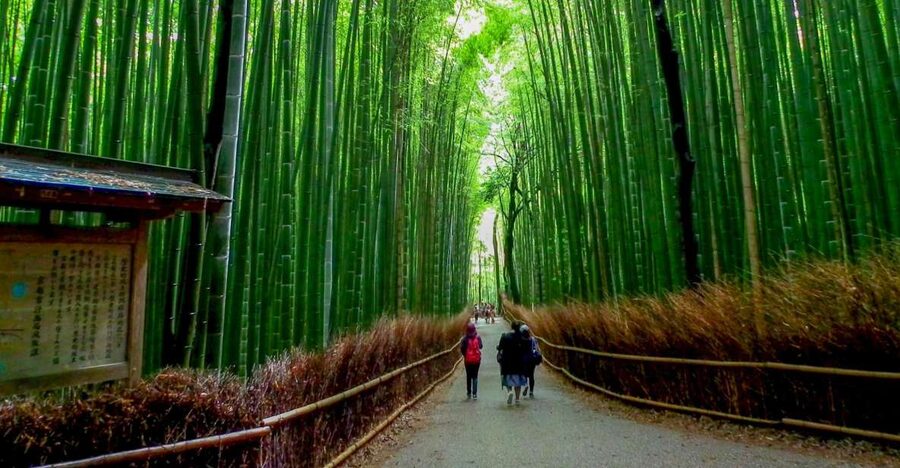
Arashiyama Bamboo Forest is one of the major names that can appear on this route. As a garden-day start (or an in-between break), it gives you a quick sensory reset. Instead of thinking only about stone and careful design, you get a strong sense of scale and texture from the natural setting.
What makes this useful on a guided garden tour is contrast. After a bamboo moment, Zen temple gardens often feel even more deliberate, because you are comparing “nature as atmosphere” with “nature shaped into meaning.” If your route includes Arashiyama, consider it your tone-setter before you move back into design-focused stops.
Practical note: this is popular Kyoto territory, so plan for steady walking and expect crowds to be part of the day. The guide will help you keep your momentum and make the time count.
Kinkakuji and Ginkakuji, why popular stops are worth the effort
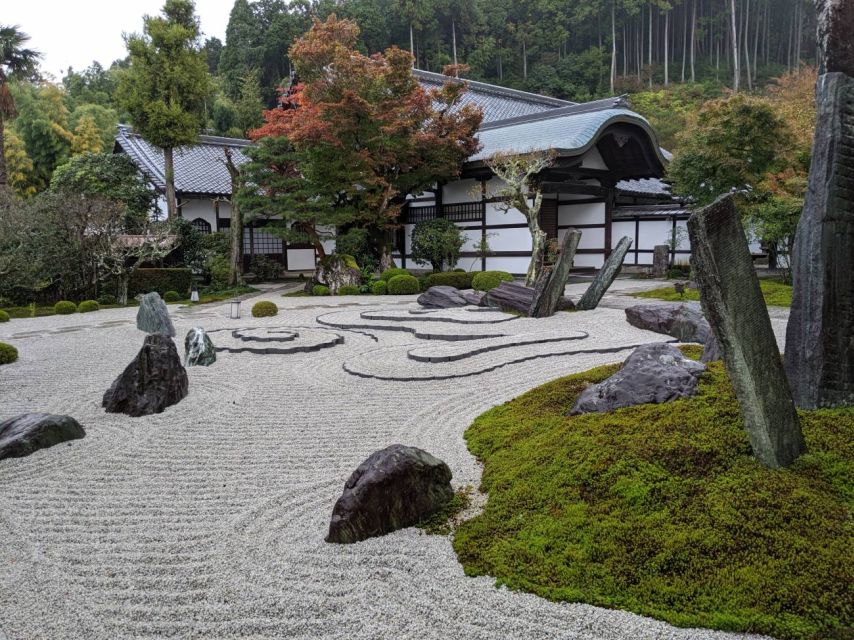
Kinkakuji Temple and Ginkakuji Temple are listed as top picks on this tour, and for good reason. These are the kinds of stops where the guide can help you see beyond the headline. Without context, you might breeze past visual details. With a guide, you learn how the garden’s overall composition carries meaning.
What I like about using famous garden stops in a guided format is that the guide can translate what you might otherwise miss. You can get answers to the questions that usually stay unasked while standing among other visitors:
- What is the design trying to communicate?
- How do plant choices and rock elements work together?
- Why does the garden feel calm and controlled at the same time?
Your guide’s explanations help you move from passive looking to active understanding. And because the day is private and customizable, you can spend as long as you need to digest what you are seeing.
Ryoanji and the dry rock garden style at Zen temples
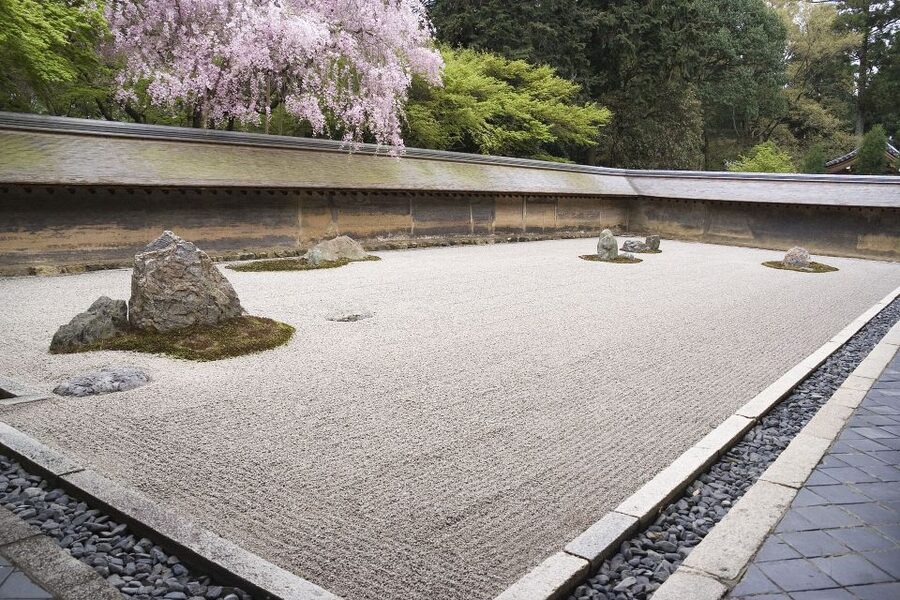
Ryoanji Temple is one of the “Zen garden” anchors on this tour. This is where you are most likely to get the strongest takeaway about how dry rock garden design works.
Dry rock gardens ask you to slow down and see the structure of emptiness. It is not empty in the literal sense. Your guide will point out how rocks and the surrounding layout create the visual rhythm, and how the overall design represents the Zen spirit through structure, restraint, and thoughtful composition.
For you, this kind of stop is the payoff if you like reflective travel. If you prefer action-packed sightseeing only, you might find yourself tempted to rush. Do yourself a favor and plan a few extra minutes for quiet looking, because the point of these gardens is the feeling of focus.
Honen-in, Nanzenji, and Tofuku-ji, where garden mood meets temple life
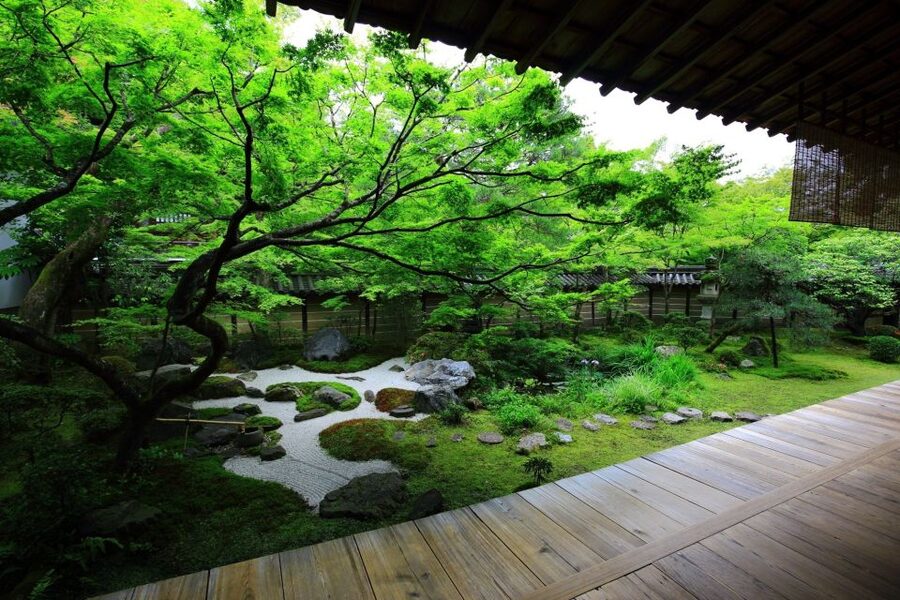
Honen-in, Nanzenji Temple, and Tofuku-ji Temple are grouped among the most popular options for this garden-focused route. Even without getting too technical, these stops are useful because they broaden the day’s emotional range.
The tour is designed to cover different garden styles:
- Seasonal plant-focused gardens that feel like living scenes
- Dry rock garden design that feels like meditation made visible
When your guide adds temple stops like Honen-in, Nanzenji, or Tofuku-ji, it often helps you understand how Kyoto gardens are not just pretty. They are intentional environments, where the layout and plant life connect to meaning.
One consideration: temple areas can involve more walking than you expect if you get pulled into looking at details. The tour’s private format helps because you can adjust your tempo, but you still should expect a “walk and look” day.
Kyoto Imperial Palace and Shugakuin Imperial Villa for ceremonial garden vibes
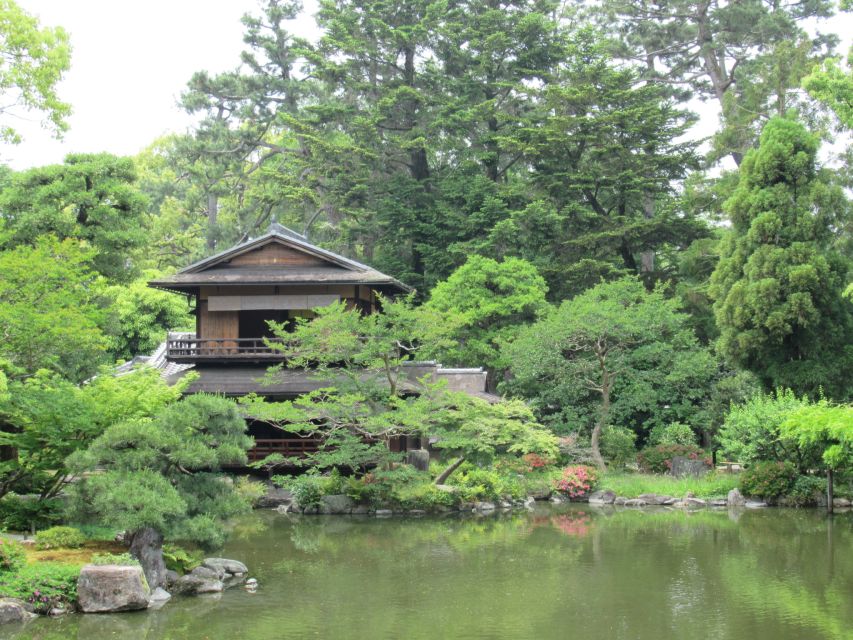
Kyoto Imperial Palace and Shugakuin Imperial Villa are both listed as possible stops, which matters because they give you a different angle on gardens. Instead of focusing only on Zen-style restraint, you also get a chance to see how gardens connect to more formal, ceremonial settings.
What you should take away here is variation. A customizable private tour can shift the balance toward the type of garden you love. If you enjoy the idea of gardens as lived-in spaces tied to culture and place, these stops can help round out the day.
Also, these kinds of settings often reward a guide even more. Your guide can explain meaning and history, and help you read the design without needing to know everything already.
Daitoku-ji, Kokedera Suzumusidera, and Katsura Imperial Villa for variety in design feel
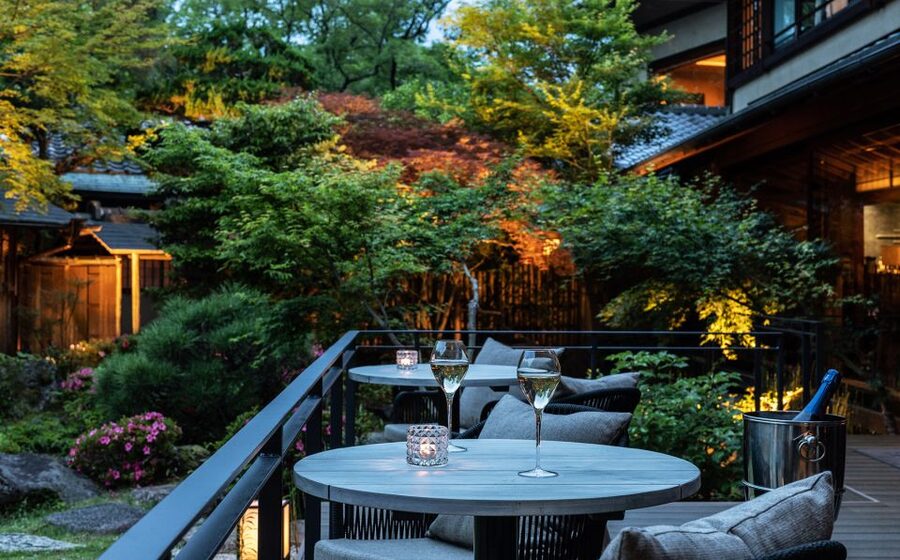
Daitoku-ji Temple, Kokedera Suzumusidera, and Katsura Imperial Villa appear on the tour’s “popular places” list. If you are trying to get a true sense of Kyoto garden culture in one day, these additions can help you see how different sites express the spirit of garden-making in different ways.
Here is the value of mixing them:
- You get both dry rock garden design and seasonal plant scenes across the day.
- You experience gardens that emphasize design restraint and gardens that feel more like scene-building.
- You learn how rocks, plants, and overall layout work together across multiple settings, not just one style.
A practical tip for a day like this: wear shoes you trust. You will likely be moving between places during a half-day window, and Kyoto surfaces can be uneven around temple areas.
Kyoto Botanical Garden as a softer, seasonal finish
Kyoto Botanical Garden is also listed as a possible stop. If you want a gentle close to the day after concentrated temple garden moments, a botanical garden can give you space to enjoy seasonal plants in a less symbolic, more exploratory way.
This is a smart pick if you want your guide to keep the garden story going, but you also want a moment to slow down and appreciate plants directly. It fits nicely with the tour’s emphasis on seasonal plant garden scenes.
Price and value: what $151 per person really covers
At $151 per person for 6 hours, you are paying for three main things:
- a private tour
- a licensed guide
- pickup from your accommodation or train station on foot
What you are not paying for is also important. Entrance fees, food and drinks, and any transportation costs during the tour are not included. The tour also notes that it will use public transportation or taxi depending on your preference, and you can ask your guide about the best mode and costs at the start.
So is it good value? For the right traveler, yes. If you already know you want multiple gardens in one focused half-day, the guide helps you turn those stops into understanding, not just photos. If you are the type who likes to ask why something is designed a certain way, the private licensed guide payoff is real.
If you are only interested in quick sightseeing and you do not care about garden meaning, then the value drops. In that case, you might prefer self-guided time and spend less on guide cost.
Getting around: public transport or taxi, and why you should ask early
The tour can run using public transportation or taxi, based on your preference. That flexibility is handy in Kyoto, because some routes and walking connections are easier at certain times than others.
At the start of the tour, ask your guide about the best transportation mode and what it might cost. Since transportation costs during the tour are not included, getting a quick answer early helps you avoid awkward surprises later.
Pickup is included, and you will meet your guide in the hotel lobby or at a train station. Be ready about 10 minutes before the scheduled pickup time.
And yes, the tour runs rain or shine. That means you should come equipped for weather, not just sunshine. A compact umbrella and a light rain layer can make the difference between a comfortable day and a miserable one.
Who should book this tour, and who might skip it
This is a great fit if you:
- want multiple Kyoto gardens in one half-day without the mental overload of planning
- care about how gardens express meaning through plants, rocks, and design
- like private guidance, where you can ask questions and adjust pacing
- would enjoy a guide who explains culture and customs along the way
It might be less ideal if you:
- hate walking and prefer a slow, rest-heavy day
- only want a “see it fast, move on” experience
- are trying to keep every cost fully predictable, since entrance fees and on-the-day transportation are not included
Should you book this Kyoto Japanese Gardens private customizable tour?
If you want Kyoto gardens to feel like they have a point, book it. The best part is not that you visit famous names, it is that a licensed guide helps you read the design choices, especially the contrast between seasonal plant garden scenes and dry rock garden Zen layouts.
I would especially recommend it if you are traveling with one clear garden interest and you want the day shaped around that. Tell your guide what you care about at the start, and you will likely get a day that feels personal, not generic.
Just go in with the right mindset: you are paying for guide time and interpretation, and you will still handle entrances and any on-the-day transportation costs.
FAQ
How long is the Kyoto Japanese Gardens Private Customizable Tour?
It lasts 6 hours.
Is this tour private?
Yes, it is a private group.
What languages are available for the guide?
The live guide is available in English and Japanese.
Are entrance fees included?
No, entrance fees are not included.
Do I get pickup from my accommodation or train station?
Yes. Pickup is included, and you meet your guide in the hotel lobby or at a train station. You should be ready about 10 minutes before the scheduled pickup time.
Is the tour confirmed before the tour date?
The tour is not confirmed until your guide contacts you about accepting the tour. Most guides contact you within 7 days. If a guide is unavailable, the provider will update you and keep searching until 24 hours before your tour.
Your Driver, Your Route Through Kyoto

Gardens Worth Slowing For


Newest Kyoto write-ups from the Loving Japan desk
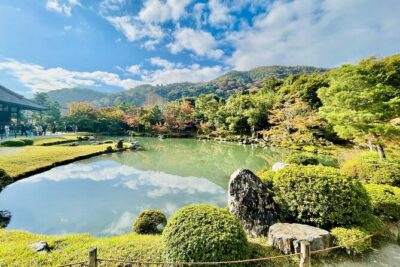
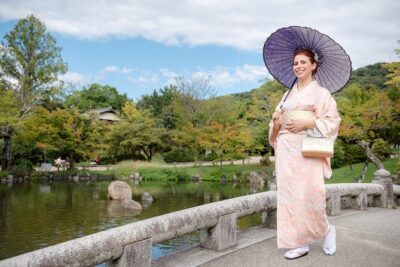
Japanese Gardens and Zen Meditation, side by side.
 ★ 4.5teamLab Botanical Garden Entry TicketFrom $111,710 reviews
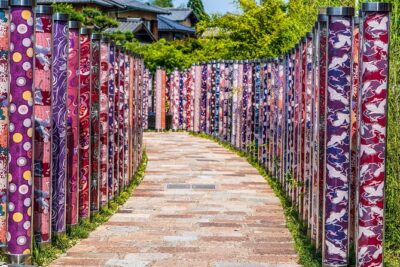 ★ 5.0Kyoto Arashiyama Walking Tour: Bamboo, Monkeys, Gardens & SecretsFrom $651,216 reviews
 ★ 5.0Zen Meditation at a Private Temple with a MonkFrom $55510 reviews
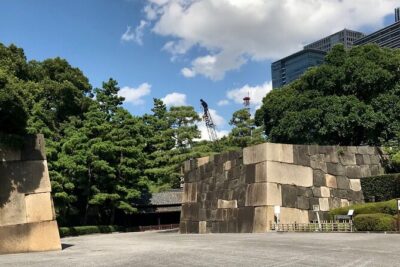 ★ 5.0Imperial Palace East Garden and Edo Castle Walking Tour in TokyoFrom $25510 reviews
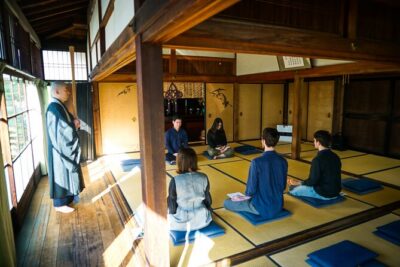 ★ 5.0Kyoto Zen Meditation & Garden Tour at a Zen Temple with LunchFrom $110441 reviews
 ★ 5.0Zen Experience in a Hidden TempleFrom $109437 reviews
 ★ 5.0Kyoto Arashiyama Bamboo forest & Garden Half-Day Walking TourFrom $129413 reviews
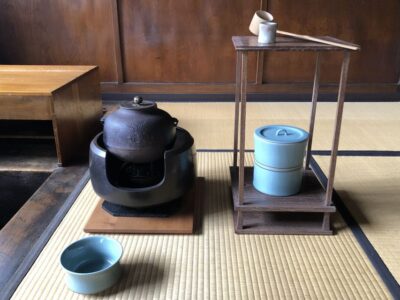 ★ 4.8Tea Ceremony Meditation – Make Matcha with Tea MasterFrom $45406 reviews
Filed on these lists too