
REVIEW · JAPANESE GARDENS AND ZEN MEDITATION
Kyoto: Zen Experience in a Hidden Temple
Two hours, silence, and the right kind of tea. This Kyoto experience takes you to Jusho-in, where you sit zazen in a temple setting designed for focused attention, then talk Zen with the chief priest. I love how the session feels calm and real, not like a performance for tourists.
I also like the way the tour connects practice to everyday senses: matcha is served with seasonal sweets, guided by Eitetsu Nishida himself. One consideration, though, is physical comfort, because two 20-minute zazen periods can be tough at first, and wearing a rented kimono can make sitting more difficult even if chairs are available.
In This Review
- Key highlights to know before you go
- Why Jusho-in feels different from the Kyoto crowds
- Meeting Myoshin-ji, then walking to the 1599 temple
- Two 20-minute zazen sessions with Abbot Eitetsu Nishida
- Zen philosophy, explained in plain language and direct practice
- Matcha and sweets: where tea becomes part of the practice
- The 400-year garden view that helps you stay with the moment
- Photos after zazen: a keepsake without breaking the mood
- Price and what you actually get for $109
- Who should book this Kyoto Zen experience
- Should you book this zazen and matcha session?
- FAQ
- How long is the Kyoto Zen experience?
- What happens during the meditation part?
- Do I get tea and sweets during the tour?
- Is the tour suitable for beginners?
- What is included in the price?
- Does the tour run rain or shine?
- Can I cancel for a full refund?
Key highlights to know before you go
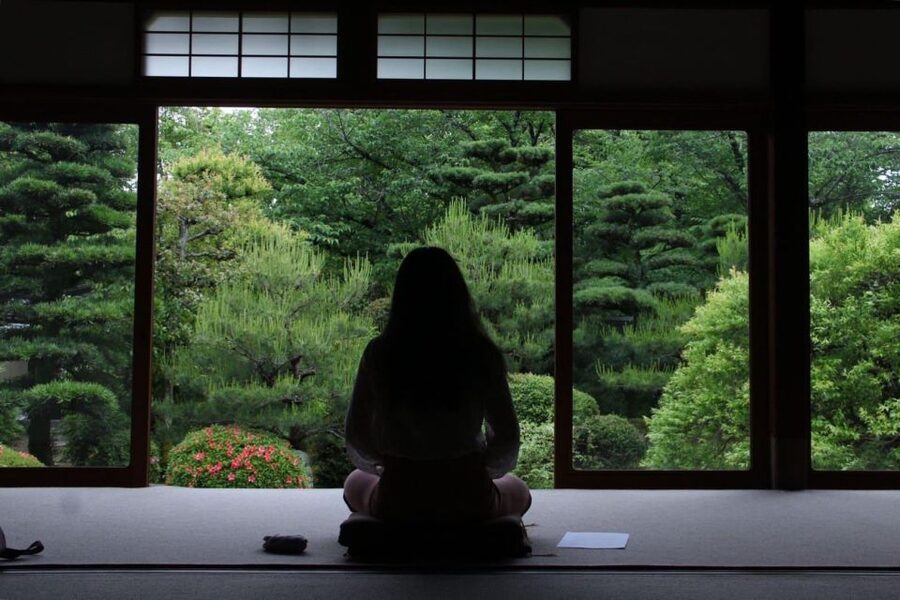
- Zazen with Abbot Eitetsu Nishida in a temple built for direct experience
- Two sets of 20-minute meditation, with structure that helps beginners stay present
- Matcha lesson tied to Zen practice, not just a basic tea tasting
- Garden time with seasonal views, in a space said to be unchanged since its creation
- A photographer and SLR keepsake, so you can focus on meditation instead of your camera
Slower gardens, if the schedule allows
- Kyoto Arashiyama Walking Tour: Bamboo, Monkeys, Gardens & Secrets
★ 5.0 · 1,216 reviews - Kyoto Zen Meditation & Garden Tour at a Zen Temple with Lunch
★ 5.0 · 441 reviews - Kyoto: Zen Experience in a Hidden Temple
★ 5.0 · 437 reviews - Kyoto Arashiyama Bamboo forest & Garden Half-Day Walking Tour
★ 5.0 · 413 reviews
Why Jusho-in feels different from the Kyoto crowds
Kyoto is famous for beauty, and it is also famous for crowds. This experience gives you the opposite mood. You spend your time at Jusho-in, a Zen temple within the Myoshin-ji complex, and the whole day is built around slowing down.
What makes it work is the match between location and activity. Zazen is not about doing something flashy. It is about training attention, returning to the breath, and letting thoughts settle. A quiet temple setting helps your body believe the calm is real, even when your mind is busy.
I also like that you are guided by people who live this practice. You are not just reading about Zen, you are being shown how it feels in real time. The chief priest’s sermon and explanations set context, then you sit. Afterward, you keep that same mindset during tea, because the way you receive and drink matcha is part of the lesson.
Meeting Myoshin-ji, then walking to the 1599 temple
You meet at the north gate of Myoshin-ji Temple, then walk with your guide to Jusho-in. There are two possible start points depending on what you book, including 18 Taniguchisonomachi, so check your confirmation for the exact meeting spot.
This short walk matters more than you might expect. It is a gentle transition away from Kyoto’s street noise and into a temple compound where things feel measured and intentional. Myoshin-ji is the largest Zen temple complex in Japan, and Jusho-in is one of its 46 sub-temples. Jusho-in itself traces back to its founding in 1599, so you are stepping into a place with long continuity.
Once you arrive, you are not hustled through checklists. You are brought into a setting where people sit with purpose. That tone sets you up to do the meditation without feeling like you are being tested.
Two 20-minute zazen sessions with Abbot Eitetsu Nishida
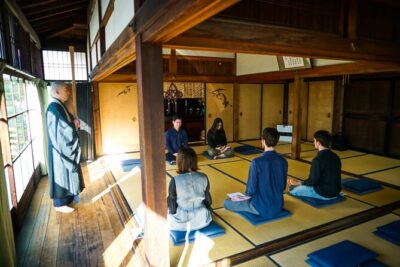
The core of this experience is zazen meditation with Eitetsu Nishida, the 16th generation abbot of Jusho-in. Before you sit, he guides you on what to do and what to focus on. You also get time for questions, so you can ask about basics and etiquette, not just theory.
The structure is simple: you do two rounds of zazen, each about 20 minutes, with a break in between. That format is friendly for beginners. It is long enough to feel the challenge of trying to still the mind, but short enough that you do not lose the thread halfway through.
Here is the practical truth about zazen: your brain will resist. You will notice thoughts, restlessness, and the urge to fix your posture. In a regular class, you may sit and then leave. Here, the guidance helps you treat those distractions as part of the practice instead of a failure.
One strong point from recent visitors: the guidance feels patient. Monks and staff explain key points clearly, and you are given enough time to settle in. People also mention that the chief monk can be funny and kind while still being serious about the practice, which helps you relax into it.
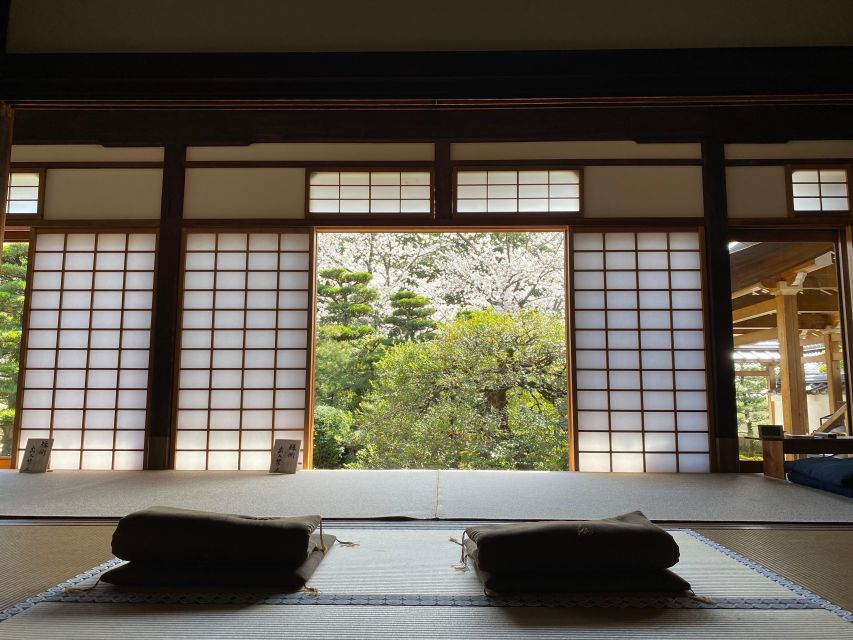
About comfort: the tour assigns seating based on reservation order. Chairs are available if you need them. That is a big deal if you are not used to sitting on the floor. One thing to avoid is renting a kimono if you expect to sit cross-legged for long periods. The tour specifically warns that it can be difficult to sit comfortably in a rented kimono. If you want the most comfortable experience, wear clothing that lets you sit quietly without pinching or restricting movement.
- PERFECT KYOTO 1-Day Bus Tour★ 5.0 · 13,518 reviews
- Kyoto: Fushimi Inari, Kinkakuji, Bamboo Grove 1 Day Bus Tour★ 4.8 · 4,316 reviews
- Kyoto: Tea Ceremony in a Traditional Tea House in Kiyomizu★ 4.9 · 3,519 reviews
- Kyoto Geisha Walking Tour: Gion District & Hidden Gems★ 4.7 · 3,273 reviews
- Kyoto: Tea Ceremony Ju-An at Jotokuji Temple★ 4.9 · 3,207 reviews
Zen philosophy, explained in plain language and direct practice
Zen can sound mysterious when you read about it, but in person it becomes much clearer. Zen, a branch of Mahayana Buddhism, emphasizes zazen and direct experience over relying only on religious texts. In this Rinzai Zen context, there is an emphasis on sudden insight, often described as satori, reached through intense practice.
The experience does not try to turn you into a scholar. Instead, it ties concepts to what you are doing with your body and attention. You hear the chief priest’s sermon, you learn what matters in zazen, and you are encouraged to treat the sitting as the lesson.
What you walk away with is not a memorized lecture. It is a method. You learn how to approach stillness, how to handle distractions, and how to keep your attention from running off to the next thought. People frequently highlight how approachable the instruction is, even when they assumed meditation would be harder than it really was.
There is also something human in the way the abbot is described. Eitetsu Nishida trained for three and a half years and previously worked as a national public servant for 10 years. He has a cheerful personality and a love for animals. That background shows up as warmth during explanations, so Zen feels less like a locked door and more like a shared practice.
Matcha and sweets: where tea becomes part of the practice
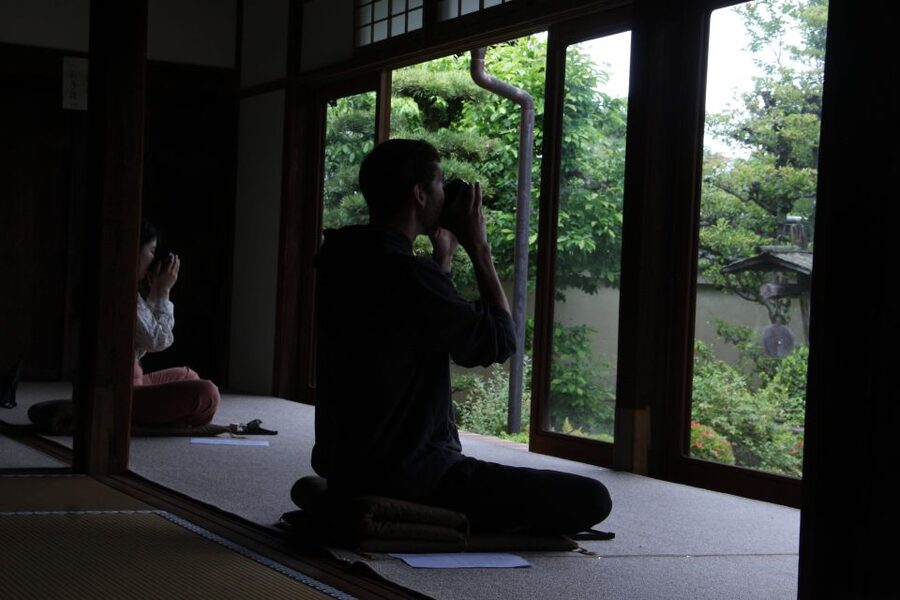
After meditation, the experience moves from stillness to something sensory. You learn about matcha and its history from Eitetsu Nishida, then you drink it with traditional seasonal sweets.
What I like is the connection. Matcha is not treated as a random snack. It is presented as something you learn to receive. The way you hold the cup, the patience you bring, and the attention you use mirror the mindset of zazen. Your mind has to slow down again, this time to the ritual of preparing and drinking tea.
If you have only had matcha in cafes, this experience will likely adjust your expectations. Visitors mention that the tea quality is excellent and that the wagashi, the Japanese sweets, are thoughtfully chosen to pair with the tea. Instead of a generic set, you get something selected for your group and the season.
Tea also becomes a nice bridge after meditation. When you stand up, you can feel your body again. Drinking matcha gives your senses a job, so you do not just bounce back into sightseeing mode. It keeps you in the calm tone the temple started.
The 400-year garden view that helps you stay with the moment
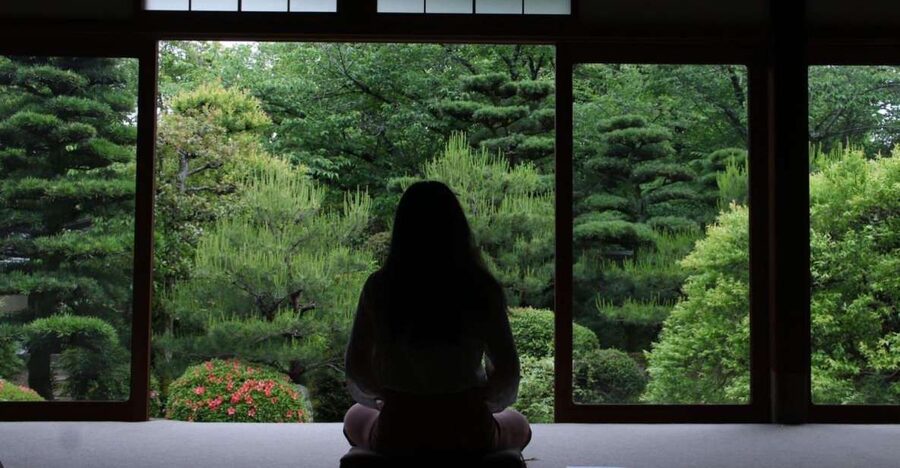
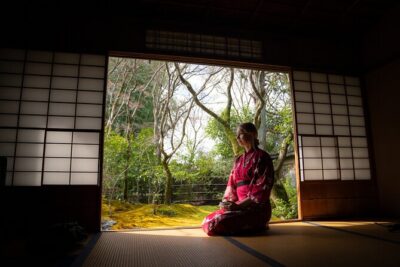
Jusho-in is famous for its garden, and you actually get to experience it rather than just see it from far away. The garden is attributed to Eitoku Kano, a renowned painter from the 16th century, and the layout is described as unchanged since it was created.
In practice, that means the setting is stable. It does not feel like a backdrop that will be swapped out for a seasonal photo wall. It is a real, enduring place for contemplation, with different beauty in each season: cherry blossoms, greenery, autumn leaves, and snow in winter.
During meditation and tea time, the garden atmosphere supports your attention. Even people who do not consider themselves nature lovers often mention how peaceful the view is, especially when you are inside a small building overlooking the grounds.
If you come on a cold day, pay attention to warmth. One guest described meditating with doors open to the garden when it was cold, and blankets were offered. You cannot control the weather, but you can control what you wear. Bring or wear layers so your body stays comfortable enough to let your mind settle.
Photos after zazen: a keepsake without breaking the mood
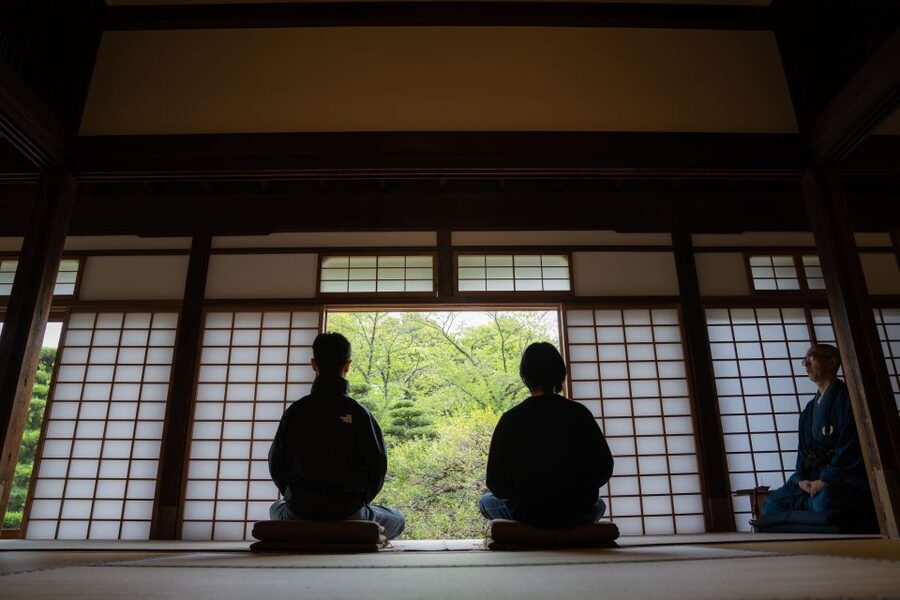
You get a photographer who captures moments during the experience, and you receive the photo data as a keepsake a few days later. It is a small detail, but it solves a real problem.
When you are sitting in meditation, you do not want to be thinking about a camera. You want your hands free, your attention on your practice, and your posture stable. The photography support means you can let your experience happen and still get memories afterward.
Just know this is a calm setting. The pace is respectful, and you will likely spend more time experiencing than posing.
Price and what you actually get for $109
At $109 per person for about two hours, this is not a budget activity. But it also is not priced like a quick tea stop either. You are paying for access to instruction by the chief priest, a structured zazen practice, a temple entry ticket, the tea and sweets, and the photographer.
Here is the value logic that makes it feel fair. Many Kyoto activities are either scenery, shopping, or general cultural explanations. This one is training and ritual, with a real spiritual host. You are also getting a specific match between meditation and tea, so the experience has an internal flow rather than feeling like separate add-ons.
If you want a deeper cultural moment near Kyoto that steps away from the busiest streets, this session is one of the few formats that gives you both atmosphere and guided practice in a short time.
Who should book this Kyoto Zen experience
This is a great fit if you want calm, structure, and meaning in one package.
Book it if you:
- want to try zazen with direct coaching rather than winging it on your own
- like mindful activities where the setting matters as much as the lesson
- want something quieter than Kyoto’s usual tourist rhythm
- enjoy tea culture, especially matcha and wagashi
It also fits families in the sense that it is open to all ages, and there are mentions of people doing it with a 20-year-old and with daughters. That said, if you know your legs struggle with sitting on the floor for 20-minute blocks, choose clothes that let you sit comfortably and plan to use the available chairs if needed.
It is not wheelchair accessible. But chairs are available for those who need assistance during zazen, which is helpful if mobility or posture is an issue.
Should you book this zazen and matcha session?
If you are the type of traveler who wants one meaningful morning in Kyoto, not three packed ones, I think you should book it. This experience is built around zazen and real temple hospitality, then it follows through with matcha and sweets in a setting that supports calm.
I would book it especially if:
- you feel Kyoto crowds are draining your energy
- you want to learn how meditation works in practice, not just as a concept
- you appreciate small groups, clear instruction, and a guided flow
Skip it, or at least go in with eyes open, if:
- you expect meditation to be easy and effortless right away
- you plan to wear a rented kimono, because it can be harder to sit comfortably
If you want a break from chaos, this is one of the few Kyoto activities where the quiet is the point, and the tea and garden help you carry that calm home.
FAQ
How long is the Kyoto Zen experience?
The experience lasts about 2 hours, including explanations for zazen and the tea segment.
What happens during the meditation part?
You do two sets of zazen meditation sessions, each about 20 minutes, with guidance and instructions from the chief priest.
Do I get tea and sweets during the tour?
Yes. After the meditation, you learn about matcha and enjoy matcha with traditional seasonal Japanese sweets.
Is the tour suitable for beginners?
The tour is open to all ages, and the session is structured with explanations before you sit, so it can work well for beginners.
What is included in the price?
Included are a guide, temple entry ticket, the chief priest’s sermon, Japanese tea and sweets, and a photoshoot with photo data provided after the tour ends.
Does the tour run rain or shine?
Yes, it takes place rain or shine.
Can I cancel for a full refund?
Yes. Full refunds are available for cancellations up to 24 hours before the tour.
Gardens Worth Slowing For

Newest Kyoto write-ups from the Loving Japan desk


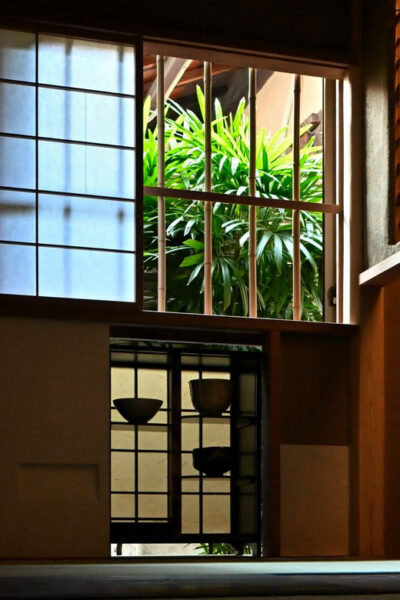
Japanese Gardens and Zen Meditation, side by side.
 ★ 4.5teamLab Botanical Garden Entry TicketFrom $111,710 reviews
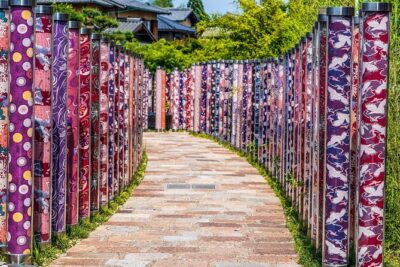 ★ 5.0Kyoto Arashiyama Walking Tour: Bamboo, Monkeys, Gardens & SecretsFrom $651,216 reviews
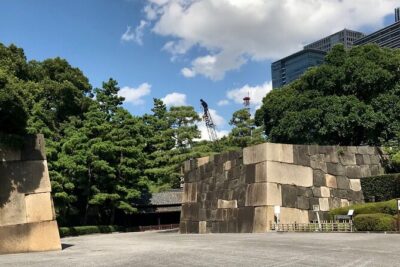 ★ 5.0Imperial Palace East Garden and Edo Castle Walking Tour in TokyoFrom $25510 reviews
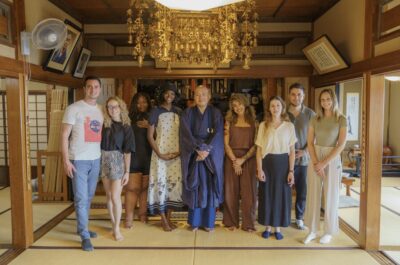 ★ 5.0Zen Meditation at a Private Temple with a MonkFrom $55510 reviews
 ★ 5.0Kyoto Zen Meditation & Garden Tour at a Zen Temple with LunchFrom $110441 reviews
 ★ 5.0Kyoto Arashiyama Bamboo forest & Garden Half-Day Walking TourFrom $129413 reviews
 ★ 4.8Tea Ceremony Meditation – Make Matcha with Tea MasterFrom $45406 reviews
 ★ 4.8Imperial Palace East Gardens Walking TourFrom $19353 reviews
Filed on these lists too