
REVIEW · KYOTO TEA CEREMONIES AND MATCHA
Kyoto: Tea Ceremony Meditation – Make Matcha with Tea Master
A quiet 45 minutes can change your Japan. In a 100-year-old Kyoto townhouse, you learn matcha with a host trained in the Omotesenke tradition, then make a bowl yourself. The small-group vibe means you get hands-on guidance, plus English-speaking tea masters who actually welcome questions, like Miki-san and Aki.
I especially like the mix of calm ritual and practical know-how. You’ll learn the why behind the steps, not just the how, and you’ll get to taste your matcha with a traditional sweet. One possible drawback is that the space is limited and it is not set up for lingering snacks, plus food and drinks are not allowed.
In This Review
- Key Points at a Glance
- Walking Into a 100-Year-Old Kyoto Townhouse
- Omotesenke Matcha 101, Plus Etiquette That Actually Makes Sense
- The Hands-On Part: Making Your Own Bowl of Matcha
- Why the Small Group Size Changes Everything
- The 45-Minute Flow, and How to Prepare for It
- Utensils, Artisans, and the Take-Home Part That Gives It Meaning
- Price and Value: Is $45 Worth It?
- Location and Getting There From Karasuma-dori
- Who Should Book This Matcha Meditation Ceremony?
- Should You Book This Kyoto Tea Ceremony?
- FAQ
- How long is the Kyoto tea ceremony meditation workshop?
- What is included in the price?
- Is the session taught in English?
- Is kimono rental included?
- Are there any restrictions during the ceremony?
- Is the venue wheelchair accessible?
Key Points at a Glance
- Small group, up to 10 people, so you get time with your host and a chance to ask questions
- Omotesenke-style training, with step-by-step etiquette and mindful tea preparation
- Handcrafted utensils made by artisans, the exact tools you use to whisk and serve your bowl
- You make and drink your own matcha, not just watch
- Sweets included, so you can slow down and experience the taste balance
- Curated Japanese crafts and take-home items, available after the ceremony
Sit down somewhere quieter. Other tea rooms we booked
- Kyoto: Tea Ceremony in a Traditional Tea House in Kiyomizu
★ 4.9 · 3,519 reviews - Kyoto: Tea Ceremony Ju-An at Jotokuji Temple
★ 4.9 · 3,207 reviews - Kyoto: 45-Minute Tea Ceremony Lesson Experience
★ 4.3 · 2,378 reviews - Kyoto: Table-Style Tea Ceremony at a Kyo-Machiya
★ 4.9 · 1,211 reviews
Walking Into a 100-Year-Old Kyoto Townhouse
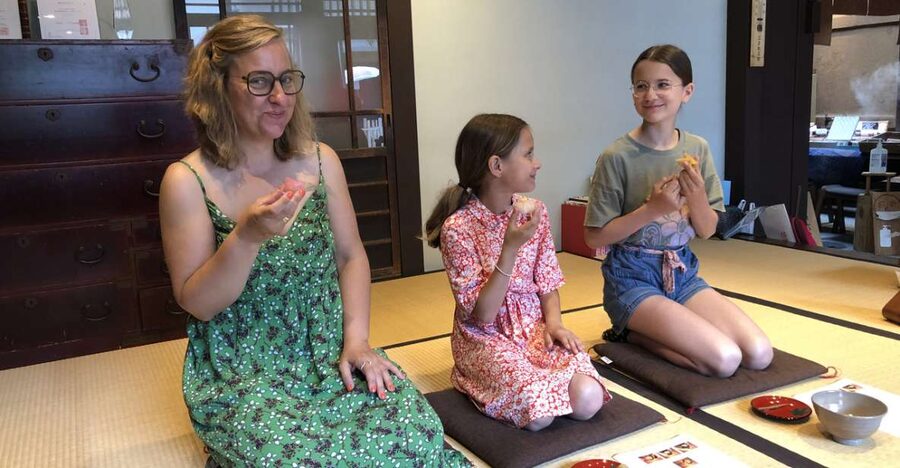
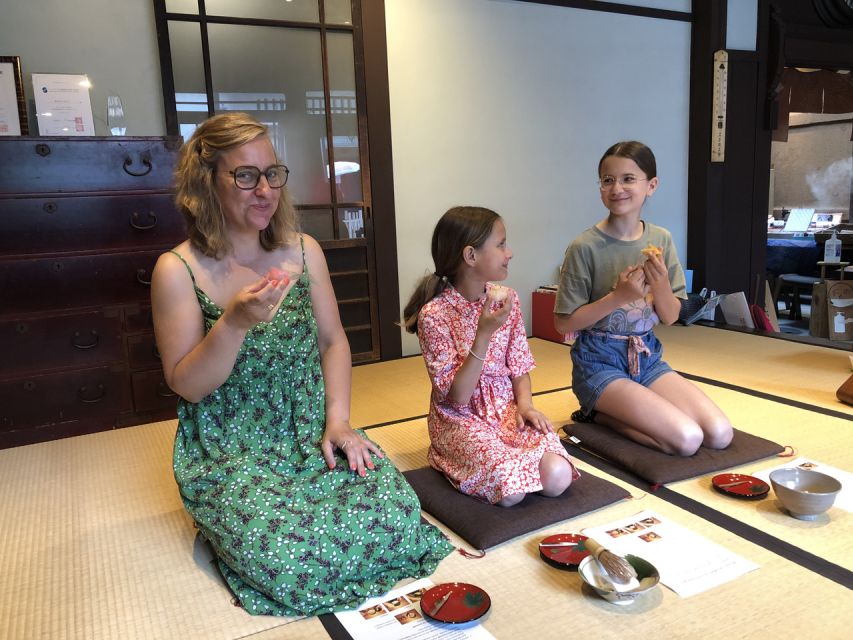
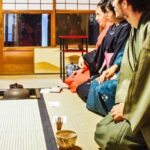
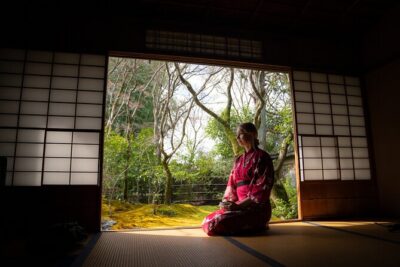
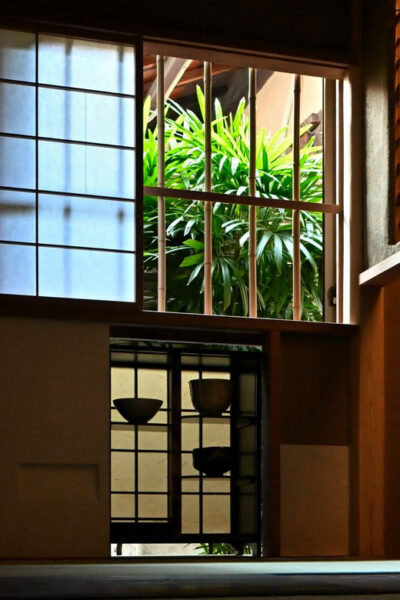
Kyoto has plenty of big sights. This experience is different. You step into a traditional townhouse with tatami and a hushed mood, and the whole point is to help you slow down fast.
The room is designed for attention. That matters because matcha is not just a drink you sample on the go. It’s a sequence of small actions, and when the setting is quiet, your brain actually notices what your hands are doing.
I like that you are guided through a mindful pace. The ceremony has structure, but you are not left to struggle. Hosts who lead in English, including people like Yoko or Joko (names you may see across different sessions), tend to explain each stage clearly before you try it yourself.
Omotesenke Matcha 101, Plus Etiquette That Actually Makes Sense
The program follows the Omotesenke tradition, one of Japan’s most respected schools of tea ceremony. You do not need a background in tea to appreciate this. In fact, the best part is that the host translates the spirit of the process into something you can use right away.
You’ll learn the rhythm of matcha preparation, from how to handle utensils to the mindful way you whisk. More importantly, you’ll learn the etiquette behind the motions. That can sound formal on paper, but in practice it comes off as respectful and logical, like learning the rules of a game so you can play it without stress.
A standout from many sessions is how much time you get for questions. Hosts are comfortable answering tea and culture questions beyond the tea steps themselves. If you care about the meaning of small details, this is where the experience gets satisfying.
Also, you are not expected to perform perfectly. The tone is supportive and patient, including for families with kids. That makes the ceremony feel approachable even if you are traveling solo.
The Hands-On Part: Making Your Own Bowl of Matcha
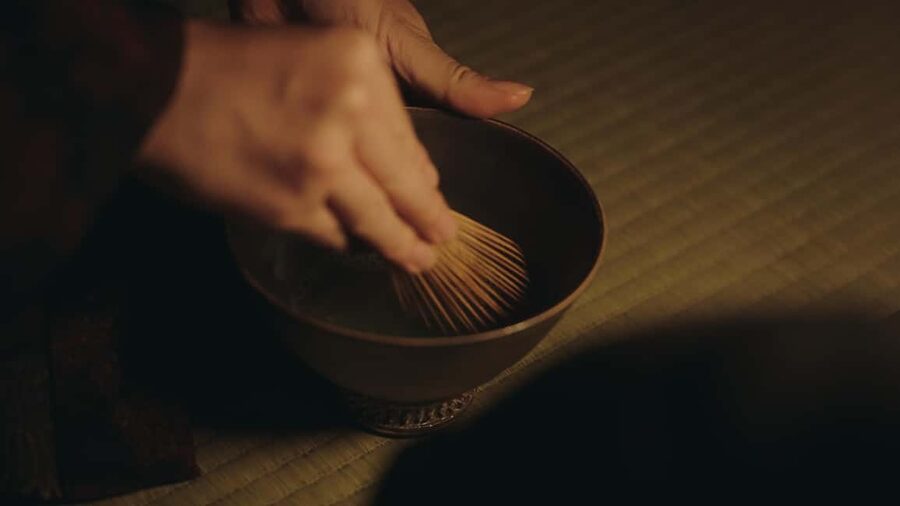
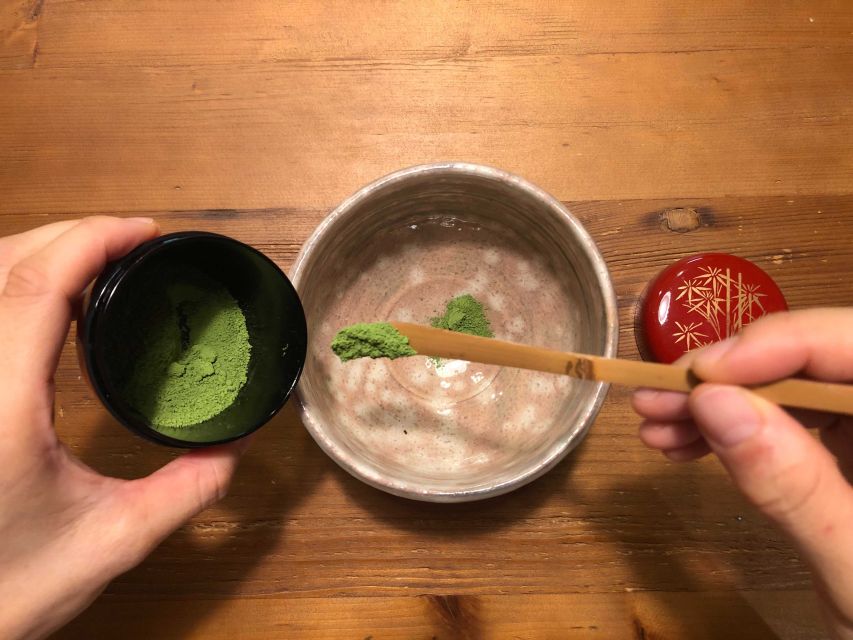
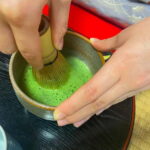
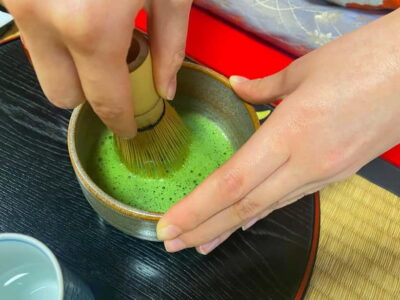
Watching someone whisk matcha is calming. Doing it yourself is even better. This experience includes your own bowl, using utensils that are authentic and handcrafted.
That detail matters for value. If you only taste matcha, you can still enjoy it. But if you make it, you understand why good matcha preparation feels different in the cup. You notice texture, timing, and how the foam changes when you get the technique right.
You’ll also appreciate the quality angle. Many people mention that the tea and utensils feel high quality, and that the session is more than a quick photo stop. Even if you are not a tea nerd, you will pick up enough to recreate the basics later.
When it’s time to drink, it is served right after your preparation. You get a traditional sweet too, so you experience the flavor contrast the ceremony is built around. Plan to take a few quiet minutes with that pairing, not just one fast sip.
Slower gardens, if the schedule allows
- Kyoto Arashiyama Walking Tour: Bamboo, Monkeys, Gardens & Secrets★ 5.0 · 1,216 reviews
- Kyoto Zen Meditation & Garden Tour at a Zen Temple with Lunch★ 5.0 · 441 reviews
- Kyoto: Zen Experience in a Hidden Temple★ 5.0 · 437 reviews
- Kyoto Arashiyama Bamboo forest & Garden Half-Day Walking Tour★ 5.0 · 413 reviews
- Kyoto: Tea Ceremony Meditation – Make Matcha with Tea Master★ 4.8 · 406 reviews
Why the Small Group Size Changes Everything
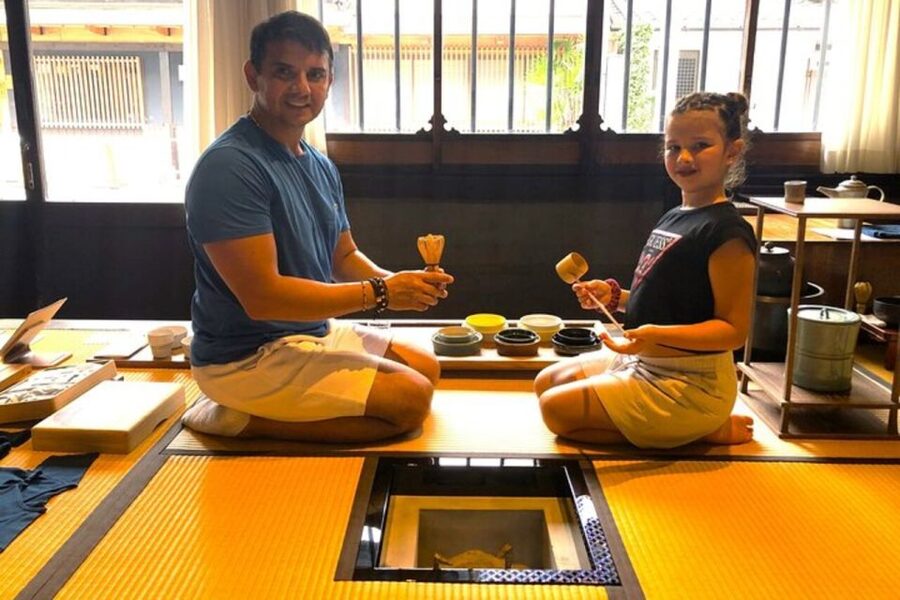
This is a small group activity, limited to 10 participants. That impacts your whole experience.
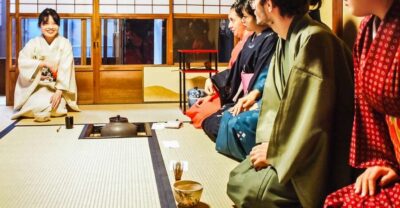
In a larger class, you might feel like a spectator. Here, you can watch, then get called in when it’s your turn. You can ask a question without feeling like you’re slowing down the room.
It also makes the atmosphere better. People often describe it as soothed and meditative in tone, and that tracks. When you are not competing for attention, you settle into the pace faster.
If you’re traveling with kids, this smaller format tends to work well too. Some sessions are described as a good learning-and-hands-on mix for children around elementary age. That said, the overall vibe is meant to stay quiet and respectful, so the ceremony is best enjoyed when everyone can participate calmly.
The 45-Minute Flow, and How to Prepare for It
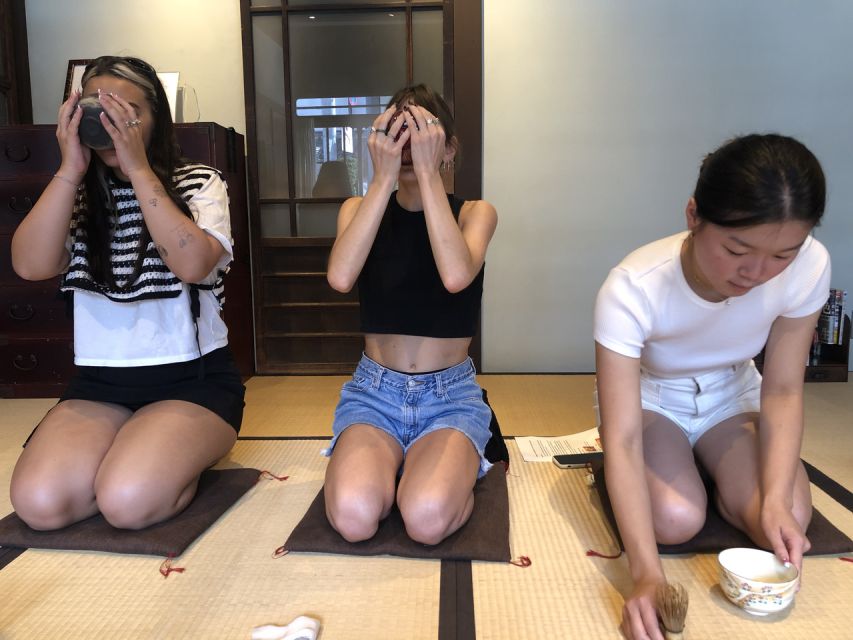
This is a 45-minute experience. It’s short enough that it won’t drain your day, but long enough that you do more than taste.
Here’s the typical feel you should expect:
- You arrive and meet your host.
- You get a guided explanation of the process and etiquette.
- You watch a demonstration, then you make your own bowl.
- You finish with your freshly made matcha and a traditional sweet.
- You have time to browse take-home items afterward.
Because the session is in a limited space, it’s important to arrive on time. You are asked not to arrive earlier than 10 minutes before your scheduled time. That keeps the schedule from getting crowded, and it helps keep the mood calm.
One practical note: refrain from wearing perfumes or colognes. Matcha aroma matters, and strong fragrance can mess with the sensory experience for everyone.
Also, food and drinks are not allowed during the ceremony. The venue is not set up for eating beyond the included sweet.
Utensils, Artisans, and the Take-Home Part That Gives It Meaning
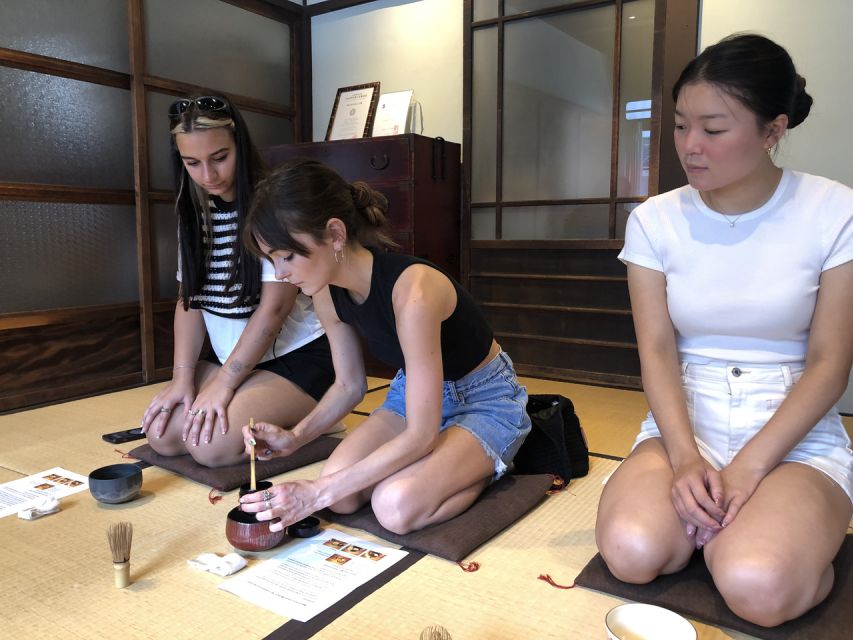
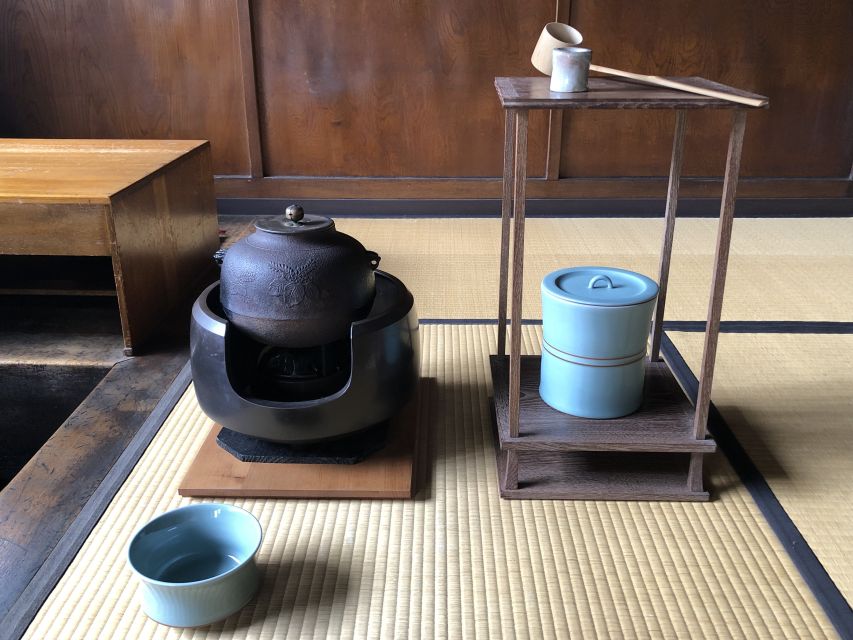
The program uses authentic, handcrafted utensils by skilled artisans. That’s not a throwaway detail. It affects how your hands learn the technique, and it affects how matcha looks and feels in the cup.
You might also notice how the utensils are chosen with intention. That is part of the lesson. Tea ceremony objects are tools, but they also carry a sense of heritage and care.
Then there’s the take-home piece. The experience includes time to explore Japanese crafts and pick up meaningful souvenirs. Many people mention that items are available to purchase at the end. So if you want something more than a postcard, this is a chance to buy something tied to what you just did.
Keep your expectations practical. This is not a huge shopping spree. It’s a curated moment that fits the ceremony, and it gives you a chance to bring a small slice of the process home.
Price and Value: Is $45 Worth It?
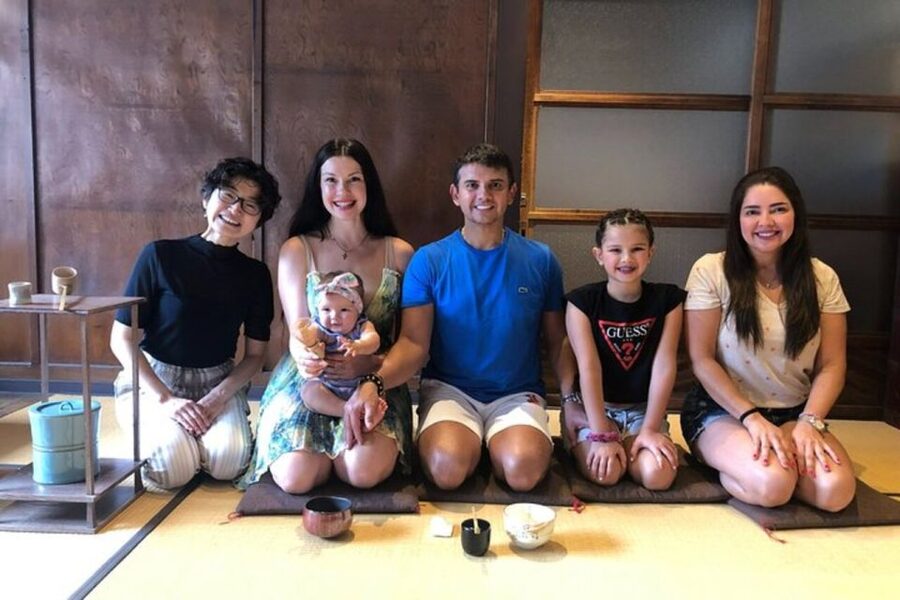
At $45 per person for a 45-minute small group matcha lesson, the value comes from three things: you get instruction, you get to make your own bowl, and you get to keep the connection through curated items.
If you compare this to “watch and sip” tea experiences, the hands-on part is the difference. You are paying for a guided lesson that ends with your own matcha, plus sweets. That is why many people rate it highly.
Also, the small group format matters for value. Paying the same as a bigger group class but getting more attention and more time can feel like a better deal, not just a nicer extra.
Is it expensive for Japan? Sure, compared to a convenience-store snack. But for a focused cultural workshop in central Kyoto, $45 is reasonable, especially with the Omotesenke framework and the handcrafted utensil experience included.
Location and Getting There From Karasuma-dori
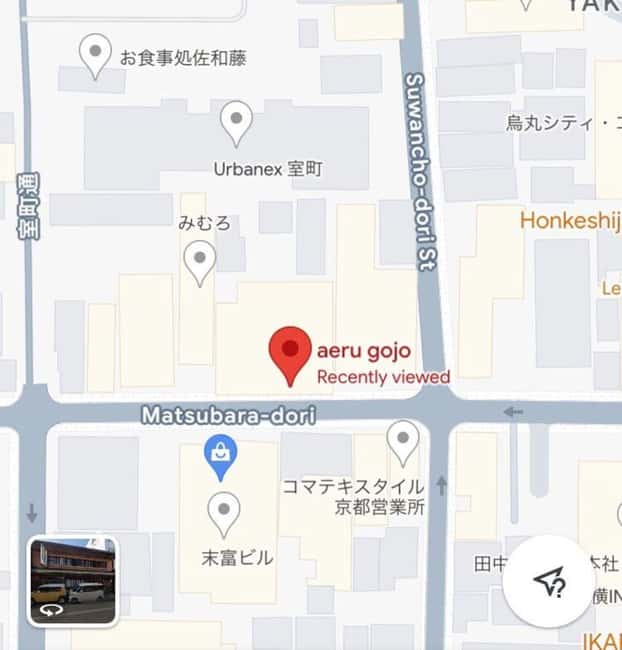
You’ll meet near Karasuma-dori Street, with a simple route: turn at the corner with the Family Mart convenience store, then go straight for one block. Look for the sign for aeru gojo, next to Only Corporation, across from Zen Kyoto.
A practical heads-up: there is no parking lot. If you are riding a rental bicycle, use public parking spaces. The closest one is shared via a link in the activity info.
Also, hotel pickup and drop-off are not included, so you should plan to arrive under your own navigation.
Who Should Book This Matcha Meditation Ceremony?
You should book if you want a Kyoto experience that is calm, hands-on, and culturally rooted without being intimidating.
It’s especially a good match for:
- First-time visitors to Japanese tea culture
- People who like learning by doing, not just watching
- Travelers who enjoy mindful experiences and want a break from bus tours
- Anyone who wants small-group attention in English
You might skip it if:
- You want a long, leisurely sit-down meal afterward
- You prefer activities where food and drinks are part of the event itself (here, they’re not allowed)
- You are hoping for included kimono rental, because kimono and hair setting are not included
Should You Book This Kyoto Tea Ceremony?
I think it’s an easy yes if you want something meaningful that does not eat your whole day. The sweet spot here is the combination of Omotesenke-style guidance, a real chance to make your own matcha, and a calm setting in a traditional 100-year-old townhouse.
Before you book, check your expectations. This is about quiet focus and etiquette, not a party. If you respect that mood, you’ll leave with a bowl you made, a taste memory you can recreate, and a better feel for why tea ceremony details matter.
FAQ
How long is the Kyoto tea ceremony meditation workshop?
The experience runs for 45 minutes.
What is included in the price?
You get the tea ceremony experience, 1 cup of matcha tea, and Japanese traditional sweets.
Is the session taught in English?
Yes. The instructor is English-speaking.
Is kimono rental included?
No. Kimono and hair setting are not included.
Are there any restrictions during the ceremony?
Yes. Food and drinks are not allowed, and bikes are not allowed. You are also asked not to wear perfumes or colognes so others can enjoy the matcha aroma.
Is the venue wheelchair accessible?
Yes. The experience is listed as wheelchair accessible.
Gardens Worth Slowing For

Kyoto by the Bowl
Newest Kyoto write-ups from the Loving Japan desk
Kyoto Tea Ceremonies and Matcha, side by side.
 ★ 4.9Tea Ceremony in a Traditional Tea House in KiyomizuFrom $493,519 reviews
 ★ 4.9Tea Ceremony Ju-An at Jotokuji TempleFrom $293,207 reviews
 ★ 4.345-Minute Tea Ceremony Lesson ExperienceFrom $222,378 reviews
 ★ 5.0World Heritage Kyoto & Nara Uji Authentic Matcha ExperienceFrom $1291,573 reviews
 ★ 4.9Tea Ceremony ExperienceFrom $251,426 reviews
 ★ 4.9Table-Style Tea Ceremony at a Kyo-MachiyaFrom $451,211 reviews
 ★ 4.8Kenrokuen Tea Ceremony ExperienceFrom $351,139 reviews
 ★ 5.0Kimono Tea Ceremony at Kyoto Maikoya, NISHIKIFrom $65911 reviews
Filed on these lists too