
REVIEW · FUSHIMI INARI AND THE TEMPLES OF KYOTO
Kyoto: Kiyomizu-dera, Fushimi Inari & Gion Geisha District
Kyoto reveals itself one shrine step at a time. This half-day route pairs the big icons like Kiyomizu-dera and Fushimi Inari with clear, story-based explanations from Kyoto City Certified Tourist Guide Roberto.
I especially love the hands-on feel of finding temple “power spots,” and I like that Roberto explains geisha and maiko culture with facts, not costume hype.
The one thing to plan for: you do a solid amount of walking on uneven stone and temple paths, so this is not a great match if you have back issues, mobility limits, or you tire easily.
In This Review
- Key Highlights You Will Feel Fast
- Meeting Roberto at Kyoto Station, Then Heading Out Smoothly
- Fushimi Inari Taisha: Learning the Torii Trail, Gate by Gate
- Kiyomizu-dera Power Spots: Love, Longevity, and Study
- Ninen-zaka and Sannenzaka: Walking Old Kyoto Without the Rush
- Gion Geisha District: Understanding Geisha and Maiko with Respect
- How the 4-Hour Pace Actually Works
- Price and Value: What $90 Buys You in Kyoto
- Photo-Friendly Guidance with iPad Explanations
- Who This Tour Fits Best
- Should You Book This Kyoto Temples and Gion Walk?
- FAQ
- Where is the meeting point?
- How long is the tour?
- Is the cost of temple entrances included?
- Do I need cash?
- What about transportation costs?
- What languages is the guide available in?
- Who should avoid this tour?
Key Highlights You Will Feel Fast
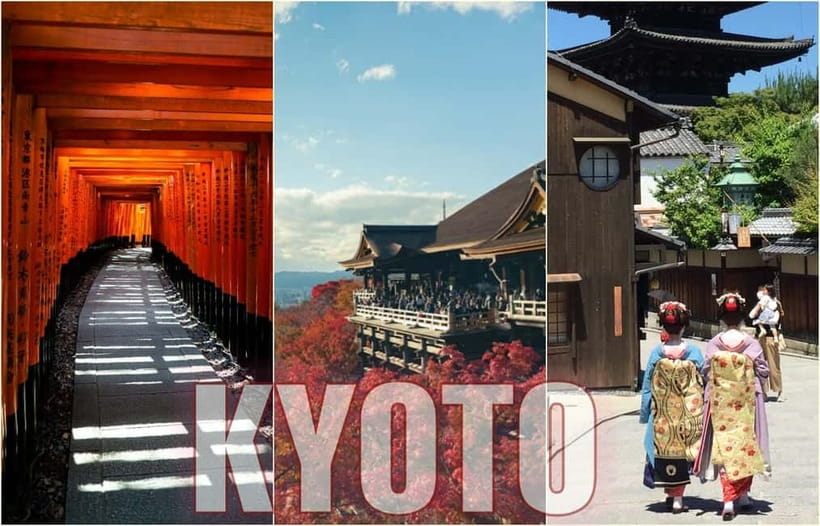
- Power spots at Kiyomizu-dera tied to blessings for love, longevity, and academic success
- Fushimi Inari’s vermilion torii gates plus Shinto context you can actually use
- Old Kyoto streets on Ninen-zaka and Sannenzaka, with traditional merchant buildings
- Gion geisha district facts about geisha and maiko, with respect and clarity
- Photo-friendly guidance using an iPad so you know what you are looking at
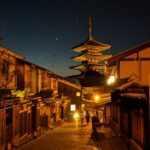
Evening walks through the old quarters, compared
- Kyoto Geisha Walking Tour: Gion District & Hidden Gems
★ 4.7 · 3,273 reviews - Kyoto: Gion Magical Night Walking Tour with Geisha Trivia
★ 4.9 · 2,393 reviews - Kyoto: Gion Geisha District Walking Tour – Stories of Geisha
★ 4.7 · 2,187 reviews - Best of Kyoto: Gion, Geisha, Pagodas & Cobblestones
★ 4.9 · 2,058 reviews
Meeting Roberto at Kyoto Station, Then Heading Out Smoothly
Your tour starts at 7-Eleven Heart-In, JR Kyoto Station Building 1F. Use the Kyoto Tower side exit, then meet in front of the door. Roberto will be holding an iPad and a red card that says RBRT, so you can spot him quickly.
This is a private group, which matters in Kyoto. You do not spend your time playing musical chairs with strangers. You also get a guide who can adjust pacing based on your questions, your photos, and how long you want to linger.
You will use public transportation (train and city bus). The key detail: transportation fees are not included, and you will pay those separately. Also, Kiyomizudera entrance fees are not included either, so bring cash. The good news is the guide’s entrance fees and transportation are handled.
Fushimi Inari Taisha: Learning the Torii Trail, Gate by Gate
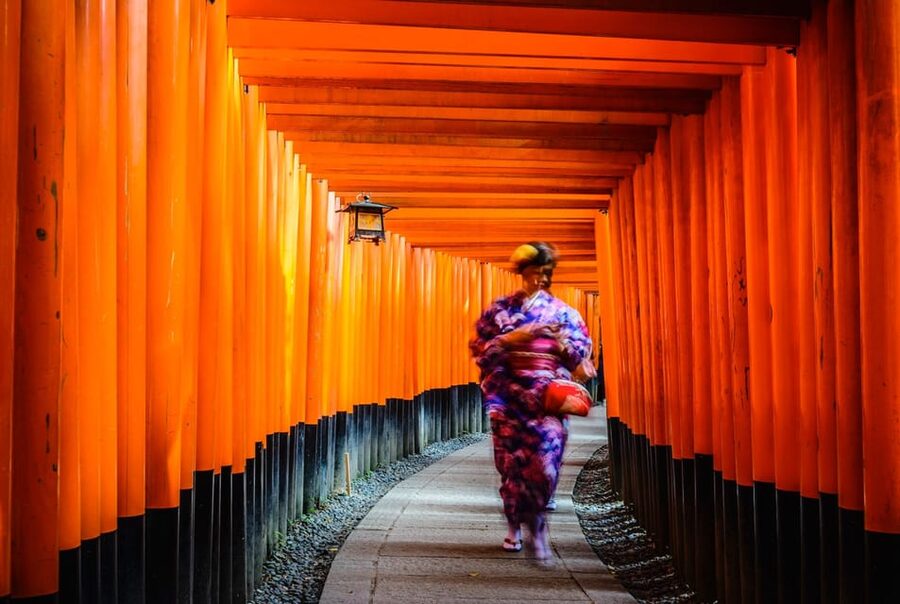
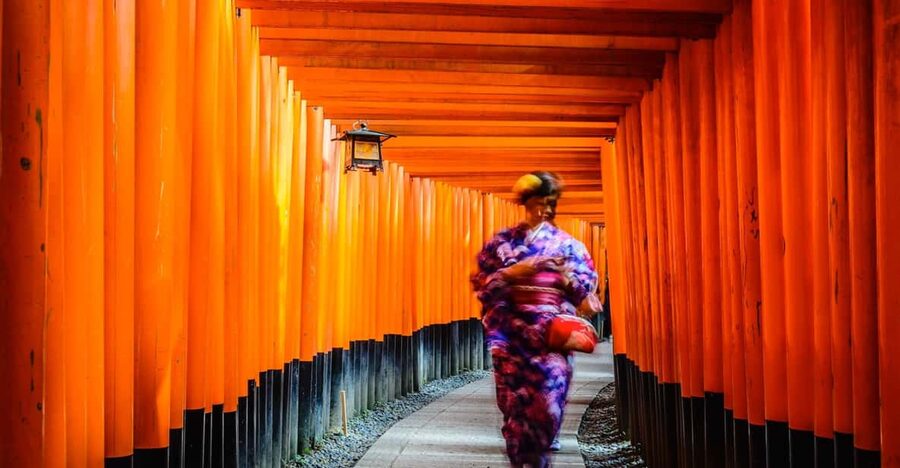
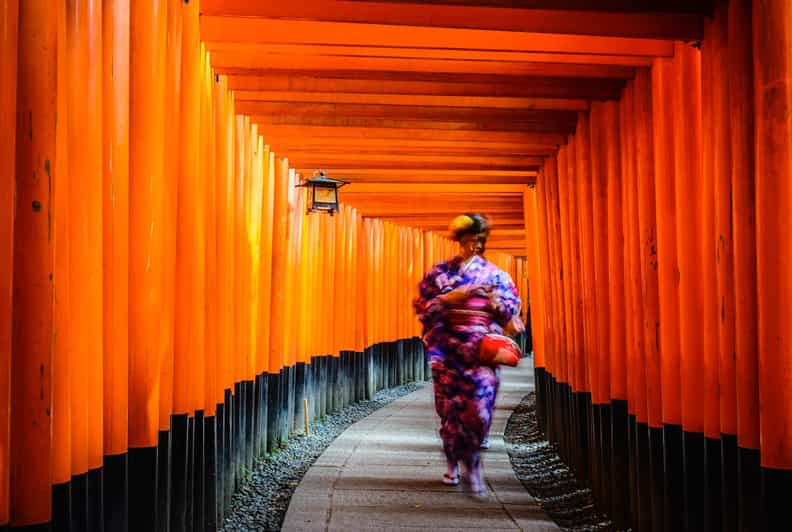
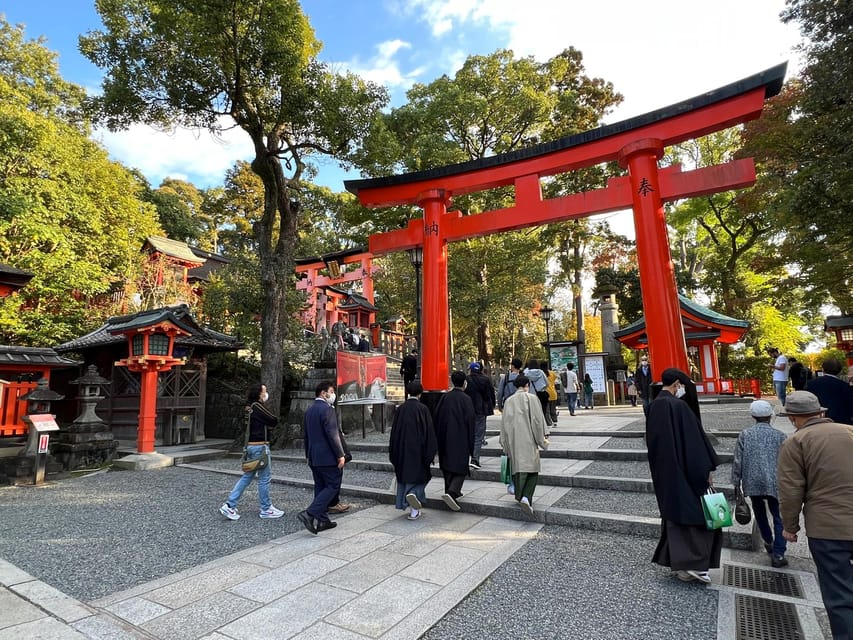
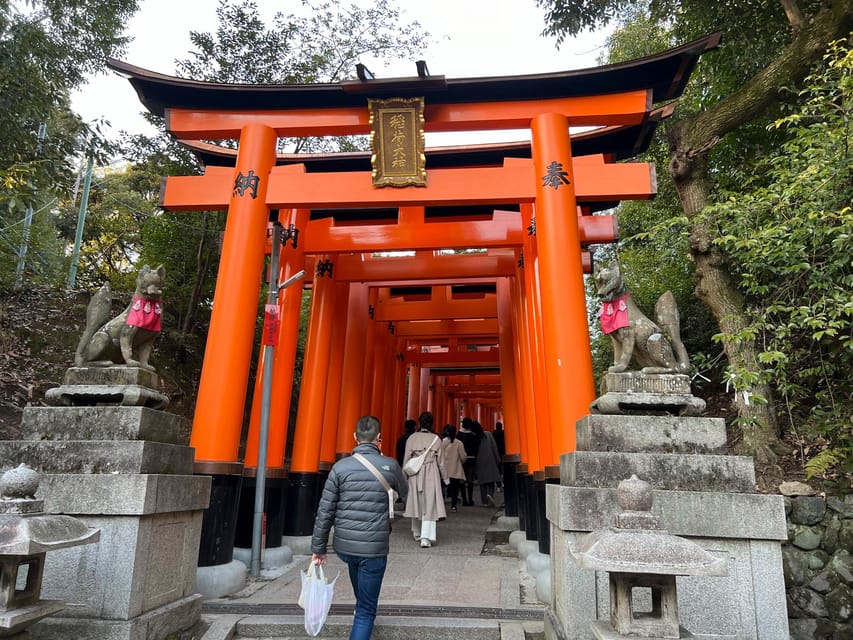
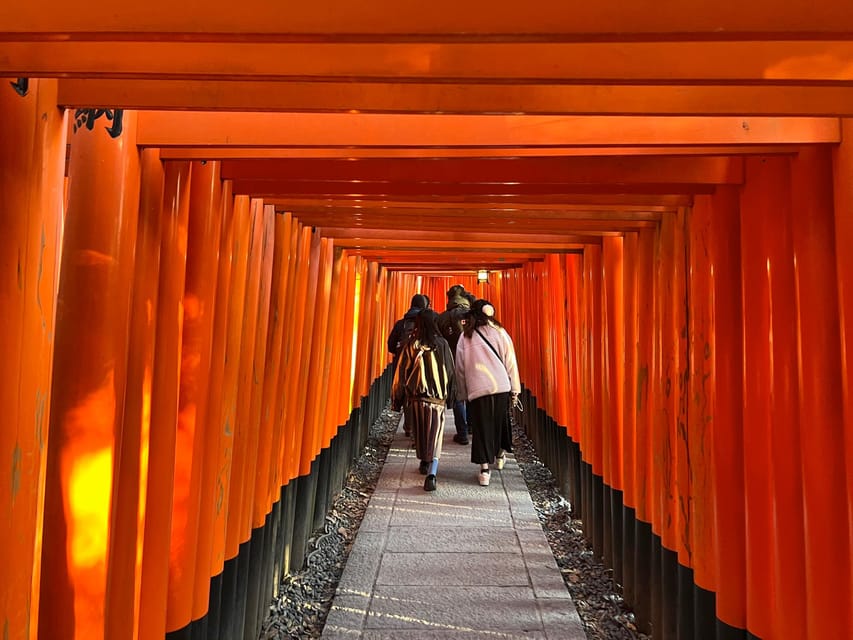
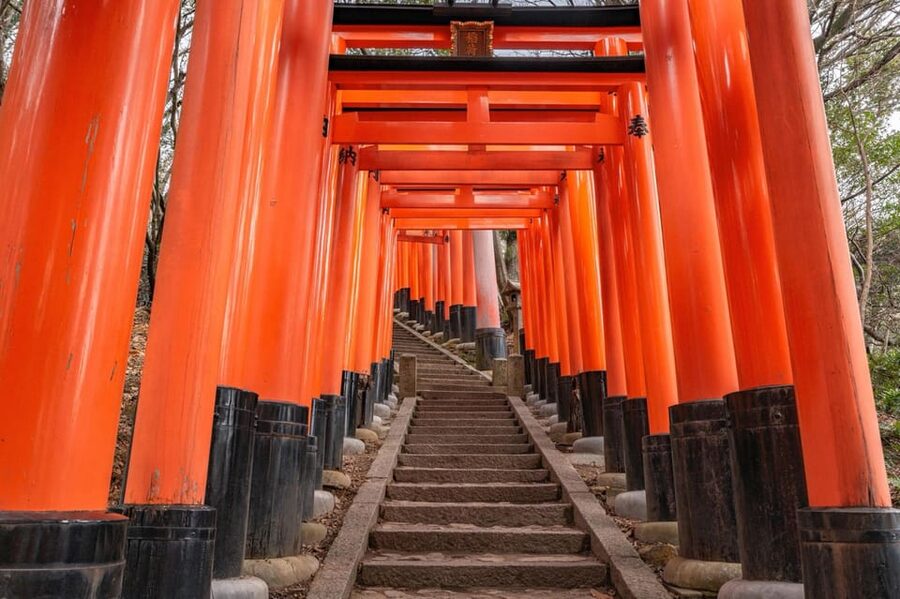
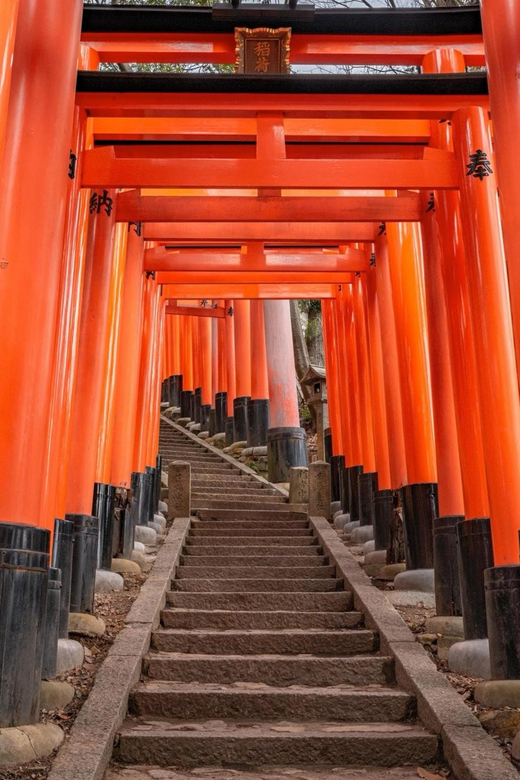
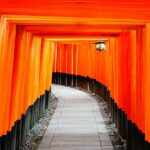
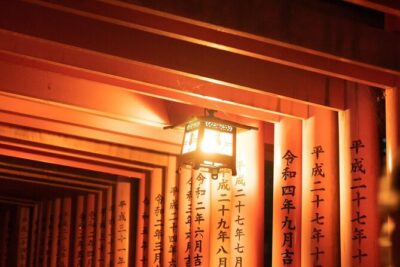
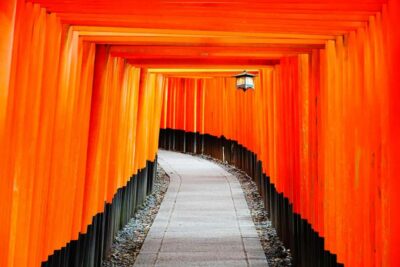
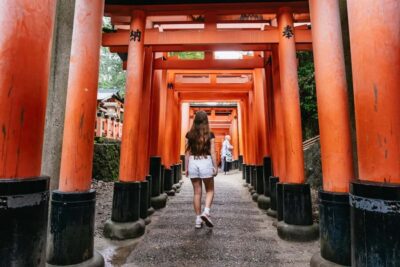
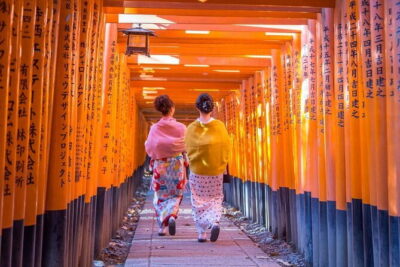
Fushimi Inari Taisha is one of those Kyoto places that feels instantly cinematic. The orange-red torii gates form a path that keeps going, and at a certain point your brain switches from sightseeing to walking.
What makes this stop worth doing with a guide is the framing. Roberto explains the ancient origins and the basic Shinto ideas tied to the shrine. That context changes how you experience the place. Instead of seeing a photo-worthy tunnel, you start noticing why people come, what the shrine represents, and how the path fits into Shinto practice.
You get about 75 minutes here, and it is long enough to enjoy the main trail without rushing through it. Wear comfortable shoes, because the stone and crowd flow can be uneven. Also bring water. Even in mild weather, Kyoto temple walking adds up.
Practical tip: if you want fewer obstacles for photos, pay attention to where people naturally pause. Gates create a pattern, and you can often find a calmer viewing angle just by timing your step between the common stop spots.
Kiyomizu-dera Power Spots: Love, Longevity, and Study
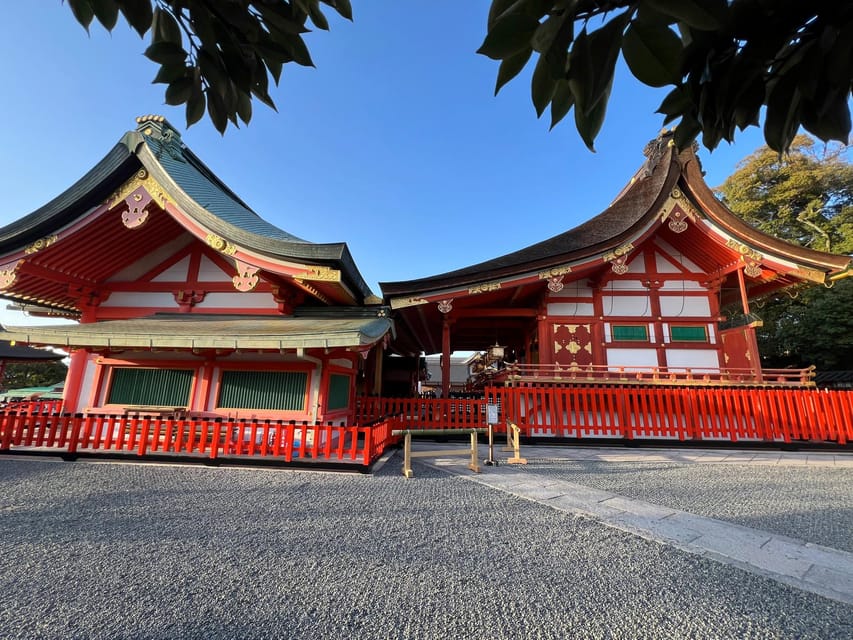
Then you shift to Kiyomizu-dera, one of Kyoto’s most famous temples. You are not just there for the view. You are there for the ritual idea of “power spots,” where visitors pay respects to deities connected to love, longevity, and academic success.
This is the kind of detail that makes a temple visit feel personal. When Roberto points out the purpose behind a stop, you understand what you are doing rather than copying a movement. Even if you are not deeply religious, it gives your visit meaning, and it makes the time inside feel like more than taking pictures.
Kiyomizudera is scheduled for about 80 minutes with guided time. One cost note you should plan for: the entrance fee to Kiyomizudera is about 500 yen and it is not included. Bring cash for this, since small temples and ticket points do not always run smoothly with card-only payments.
Also, watch your footing. The temple areas can be crowded, and some sections have steps and slick-looking stone. If it is rainy, go slower. The view and the atmosphere are worth it, but safety comes first.
Which temple to give the morning to, reviewed
- Kyoto: Fushimi Inari, Kinkakuji, Bamboo Grove 1 Day Bus Tour★ 4.8 · 4,316 reviews
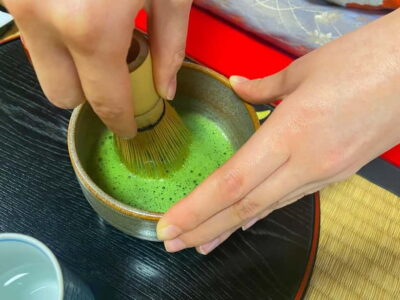
- Kyoto: Tea Ceremony in a Traditional Tea House in Kiyomizu★ 4.9 · 3,519 reviews
- Kyoto/Osaka: Nara, Fushimi Inari Taisha, Arashiyama Bus Tour★ 4.7 · 1,275 reviews
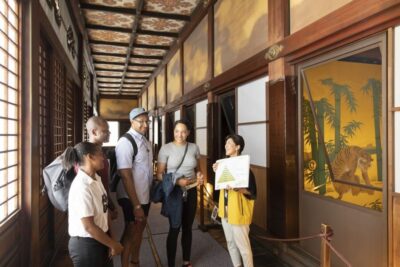
- Kyoto: Nijo-jo Castle and Ninomaru Palace Guided Tour★ 4.7 · 1,020 reviews
- Osaka/Kyoto: Arashiyama, Nara & Fushimi Inari Shrine w/Lunch★ 4.4 · 754 reviews
Ninen-zaka and Sannenzaka: Walking Old Kyoto Without the Rush
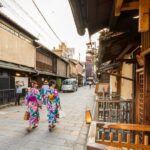
After the temples, the tour shifts into a more “street-level Kyoto” mood with Ninen-zaka and Sannenzaka. These are the old lanes you picture when you think of Kyoto: traditional wooden merchant buildings, preserved streetscapes, and a slower-feeling walk.
This part is short, about 10 minutes for each area, plus a brief on-foot stretch connecting to the next stop. That short timing works well because it gives you the vibe without turning it into a long shopping slog. You can look, absorb, and keep moving.
What I like about this section is how it acts like a reset between the big spiritual sites. Temples feel formal. These streets feel human scale. If you enjoy design, architecture, and everyday Kyoto culture, this is a great add-on to the main sights.
If you want to shop, do it with intention. Look around, check prices, and remember you will still want energy for the final Gion walk.
Gion Geisha District: Understanding Geisha and Maiko with Respect
The tour ends in Gion, Kyoto’s best-known geisha district. This area is packed with things to see: shops, restaurants, and ochaya, the teahouses where geisha and maiko may entertain.
The best part here is not trying to spot a famous face. The best part is what Roberto teaches you about the real structure behind geisha and maiko culture. You learn the basic facts and the role each person plays, so the district makes sense when you are standing in it.
Gion is also known for its traditional machiya merchant houses, those wood-front buildings that look like they belong in a film set. With a guide, you are not just walking past them. You are getting a sense of why the neighborhood layout and architecture matter.
The tour walk here is about 15 minutes, and it ends with you in the Gion area. From there, you can take a city bus or taxi back toward your hotel.
Practical note: Gion can get busy, especially at peak times. If you want good photos, slow down and let the crowd patterns pass you first. In streets like this, patience beats squeezing forward.
How the 4-Hour Pace Actually Works
This is a 4-hour experience built for first-timers who want the highlights, plus just enough side streets to feel like you got the full Kyoto flavor.
The pacing is smart:
- You start with a clear transport plan from Kyoto Station
- You get substantial guided time at Fushimi Inari and Kiyomizu-dera
- You add the old-streets stroll
- You finish with Gion, where the culture theme lands
The trade-off is that you are not doing a slow, all-day wander. This is more like a concentrated, guided route. If you want to spend long hours at one temple, you might feel the schedule nudging you along.
Also, this route is not suitable for everyone. It is not recommended for people with back problems, mobility impairments, wheelchair users, visually impaired visitors, people over 75, or anyone with low fitness. Some of the walking and temple surfaces can be tough.
Price and Value: What $90 Buys You in Kyoto
At $90 per person, this tour sits in the mid-range for a private half-day in Kyoto. The big value driver is the official certified guide and the time you save by not figuring out where to go and what to look for.
Included:
- Kyoto City official certified guide
- Explanations with images on an iPad for easier understanding
- The guide can take as many pictures of you as you want
Not included:
- Food and drinks
- Transportation fees
- Kiyomizudera entrance fee (about 500 yen)
To judge value, think about what you would pay if you did it alone. You would still need to pay for entrance fees and transit. Then add the cost of your time and the confusion tax that comes from trying to understand Shinto and temple “power spot” ideas on your own.
If you care about culture and context, and you want clean photos without asking strangers, $90 can feel fair.
Photo-Friendly Guidance with iPad Explanations
One small but important detail: Roberto uses an iPad with images to explain what you are seeing. That can sound minor, but in Kyoto it is a big deal. Temple spaces are visually complex. A quick visual explanation helps you connect the dots faster.
And the photo part matters too. Roberto is happy to take lots of pictures. If you have ever done a Kyoto day where you keep hunting for someone willing to take your photo, you will appreciate this.
Who This Tour Fits Best
This tour fits you if:
- You want the major Kyoto highlights in one organized half-day
- You like clear explanations, including Shinto basics at Fushimi Inari
- You enjoy respectful cultural learning about geisha and maiko
- You want help with photos and a simple plan from Kyoto Station
It is not a great fit if:
- You need wheelchair access or extra mobility support
- You struggle with stairs or extended walking
- You have back issues or lower stamina
- You cannot handle crowded walking areas in peak seasons
Should You Book This Kyoto Temples and Gion Walk?
If you want a well-paced route that hits Kiyomizu-dera, Fushimi Inari, the old streets, and Gion without getting lost in the details, I think you should book it. Roberto’s style, especially the way he explains temple meanings and geisha culture, makes the sights feel more understandable and more satisfying.
Two final checks before you commit: bring cash for the Kiyomizudera entrance fee, and wear comfortable shoes because this is real walking. If you can handle that, this is a strong way to get your Kyoto bearings fast and still come away with more than just photos.
FAQ
Where is the meeting point?
Meet in front of the door of 7-Eleven Heart-In at JR Kyoto Station Building 1F. Use the Kyoto Tower side exit. Roberto will be holding an iPad and a red card with the words RBRT.
How long is the tour?
The tour lasts 4 hours.
Is the cost of temple entrances included?
Kiyomizudera entrance fees are not included. The fee is about 500 yen. Entrance fees for the guide are not necessary.
Do I need cash?
Yes. The tour notes recommend bringing cash, plus water and comfortable shoes and clothes.
What about transportation costs?
You will use public transportation, and transportation fees are not included, so you should plan to pay those separately.
What languages is the guide available in?
The live tour guide offers English and Spanish.
Who should avoid this tour?
It is not suitable for people with back problems, mobility impairments, wheelchair users, visually impaired people, people over 75 years old, or people with low fitness.
Which Kyoto Temple Gets Your Morning


Evenings in the Old Quarters
Newest Kyoto write-ups from the Loving Japan desk
Fushimi Inari and the Temples of Kyoto, side by side.
 ★ 4.8Fushimi Inari, Kinkakuji, Bamboo Grove 1 Day Bus TourFrom $1224,316 reviews
 ★ 4.9Tea Ceremony in a Traditional Tea House in KiyomizuFrom $493,519 reviews
 ★ 4.7Kyoto/Osaka: Nara, Fushimi Inari Taisha, Arashiyama Bus TourFrom $521,275 reviews
 ★ 4.7Nijo-jo Castle and Ninomaru Palace Guided TourFrom $161,020 reviews
 ★ 4.4Osaka/Kyoto: Arashiyama, Nara & Fushimi Inari Shrine w/LunchFrom $61754 reviews
 ★ 4.7Nijo Castle, Kiyomizu & Fushimi Inari Guided TourFrom $54700 reviews
 ★ 5.0Nijo, Kinkaku-ji, Arashiyama, Kiyomizu & Fushimi InariFrom $51699 reviews
 ★ 4.7Imperial Palace & Nijo Castle Guided Walking TourFrom $49453 reviews
Filed on these lists too