
REVIEW · NISHIKI MARKET AND KYOTO FOOD WALKS
Kimono Tea Ceremony Experience at Kyoto Oritzuruya, Nishiki
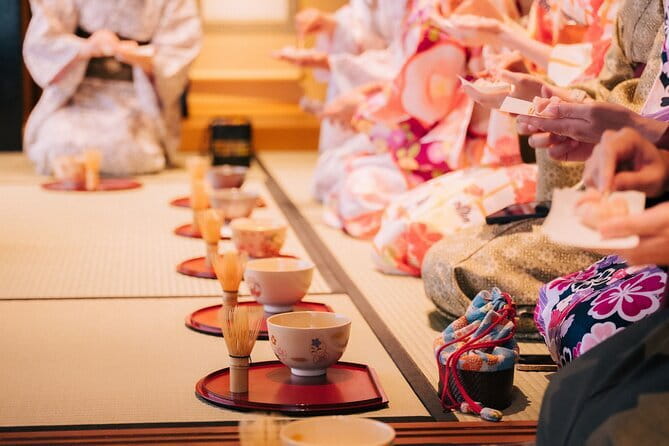
That first bow, kimono sleeves, and matcha calm you fast. This Kyoto Oritzuruya experience mixes kimono dressing with a guided tea ceremony, plus time to savor your own bowl of matcha and wagashi. I also like how the small group size keeps the instructor focused, and the dressing staff turns accessories into an actual skill. The one thing to consider, it can feel a bit tourist-friendly, with some waiting and a more structured flow than a private, quiet tea moment.
In This Review
- Quick take
- Key points before you go
- Where Nishiki Market Adds Real-Life Kyoto Vibes
- Kimono Selection at Oritzuruya: Fun, Flexible, and Surprisingly Practical
- Dressing Up Properly: Hair, Obi, and the Small Details That Matter
- The Tea Room Ritual: What You Learn and Why It Feels Different
- Matcha How-To: Chasen Motions, Consistency, and First Taste
- Wagashi Pairing: The Snack That Teaches You Something
- Optional Calligraphy: A Souvenir With Real Effort
- Time, Flow, and the One Trade-Off to Expect
- Price and Value: Why $50.87 Can Make Sense
- Who Should Book This Kimono and Matcha Session
- Should You Book This Kyoto Kimono Tea Ceremony?
- FAQ
- What is the meeting point for the Kyoto kimono and tea ceremony?
- How long does the experience take?
- How big is the group?
- What is included in the price?
- Is calligraphy included?
- Do I need transportation or hotel pickup?
- Do I need a smartphone for check-in?
- What if there is bad weather?
- What is the cancellation policy?
- Can I wear the kimono after the ceremony?
Quick take
If you want Kyoto culture that does not require prior knowledge, this works. It is also a great choice if you like photos, but you still get real teaching about the tea-making motions. Just go in knowing you are buying an experience with a schedule.
Sit down somewhere quieter. Other tea rooms we booked
- Kyoto: Tea Ceremony in a Traditional Tea House in Kiyomizu
★ 4.9 · 3,519 reviews - Kyoto: Tea Ceremony Ju-An at Jotokuji Temple
★ 4.9 · 3,207 reviews - Kyoto: 45-Minute Tea Ceremony Lesson Experience
★ 4.3 · 2,378 reviews - Kyoto: Table-Style Tea Ceremony at a Kyo-Machiya
★ 4.9 · 1,211 reviews
Key points before you go
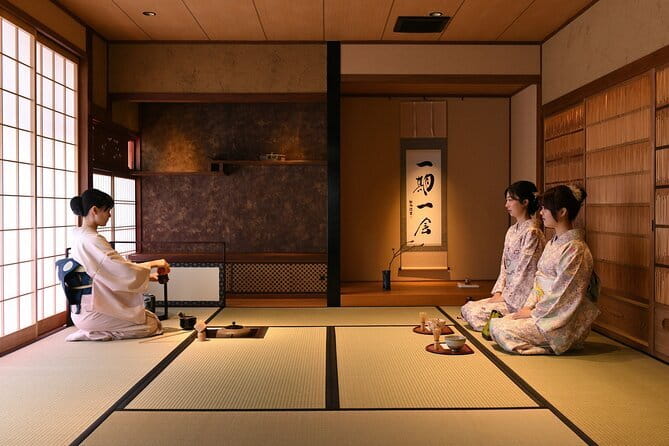
- Choose from over 200 kimono designs and get helped picking the right look
- Hair styling included for women using a simple style, plus accessory guidance
- Matcha basics taught with a traditional bamboo whisk (chasen) and hands-on practice
- Wagashi and matcha snacks are part of the experience, not an afterthought
- Small group setting (max 10 people) helps you feel less rushed
- Optional calligraphy session lets you make a keepsake you actually made
Where Nishiki Market Adds Real-Life Kyoto Vibes
I like starting near Nishiki Market because Kyoto culture is already around you before the ceremony even begins. Your meeting point is Nishiki Orizuruya at 452 Jūmonjichō, Nakagyo Ward, which is easy to reach by public transportation. That matters because you do not want to burn energy getting tangled in transfers right before you sit down for a ritual.
The shop location also helps with photos and atmosphere later. After the ceremony, you may be able to wear the kimono around the area until the shop closes around 18:00, as long as you return in time. It is a fun way to turn a scheduled activity into real street time without needing extra planning.
Kimono Selection at Oritzuruya: Fun, Flexible, and Surprisingly Practical
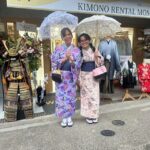
This is one of the strongest parts. You start by selecting your kimono from more than 200 designs, with staff helping you find something that fits your taste and your comfort. Plus sizes are supported, and staff will carry a wide selection across sizes, which is a big deal if you worried about fit.
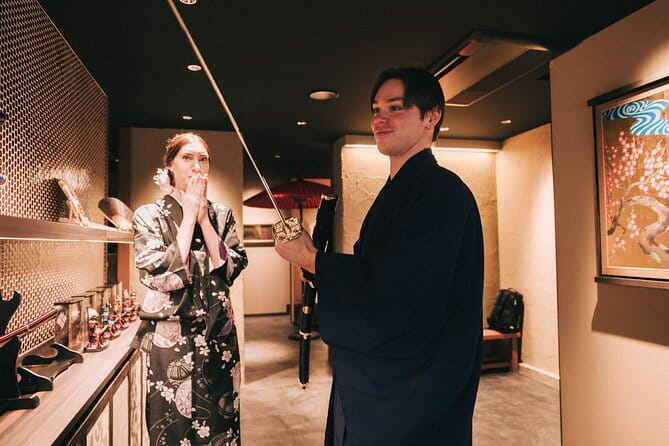
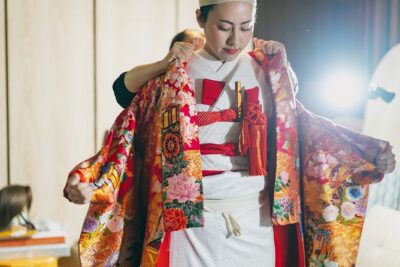
From there, the dressing process becomes a whole mini-experience. You pick hair sticks and hair ornaments, choose your obi sash style elements, and get guided through the steps so it looks right, not just worn. One person in a group shared that the experience even helped with practical comfort choices like underlayers, which can make the kimono day easier.
If you are worried about looking awkward, do not be. You are not dressing yourself in a foreign format. The staff do it for you, and they coach you as you go.
Rental shops we have actually walked into
- Kimono Tea Ceremony at Kyoto Maikoya, NISHIKI★ 5.0 · 911 reviews
- Kyoto: Kimono Rental with Hairstyling and Accessories★ 4.8 · 653 reviews
- Kyoto: Kimono Tea Ceremony at Orizuruya Gion★ 4.9 · 618 reviews
- KYOTO Tea Ceremony with kimono near by Imamiya Jinjya Shrine★ 5.0 · 343 reviews
- Kyoto: Kimono and Tea Ceremony Experience at Cultural Asset★ 4.3 · 306 reviews
Dressing Up Properly: Hair, Obi, and the Small Details That Matter
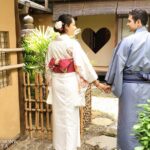
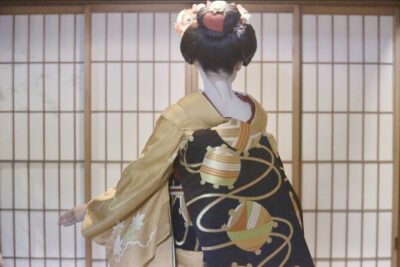
Once the kimono is selected, you move into dressing mode. For women, complimentary hair styling is included, and it is not just a quick fix. You get a simple traditional style, plus help selecting the finishing touches like pins, flowers, and coordinated hair accessories.
Then comes the obi, the sash system that makes the kimono look like a real outfit instead of fabric draped on a person. The point is not just beauty. Correct tying and layering affects how you move, how you sit, and how comfortable you feel when the ceremony starts.
You also slide into traditional sandals. That is a small detail, but it changes your pace. You walk differently. If you are doing this on a day with lots of stairs or uneven pavement, build in extra time.
One more practical note from real-world experience: floor seating can be an issue for some people. There is at least one story where staff accommodated someone who could not sit on the floor by providing a small table and chair. If you have knee or mobility limits, ask what options exist when you check in.
The Tea Room Ritual: What You Learn and Why It Feels Different
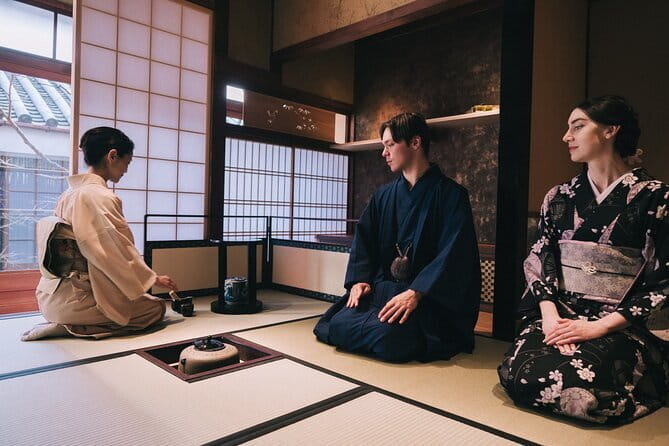
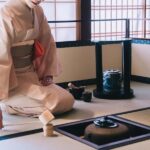
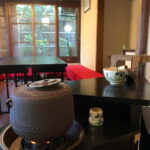
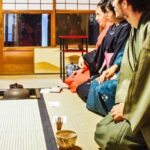
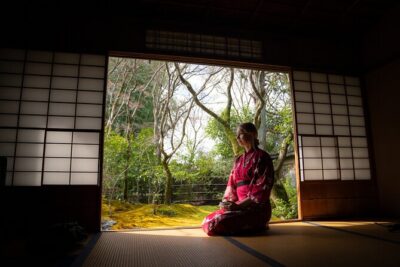
When you enter the tea room, the mood shifts. This is where the experience can either feel meaningful or feel like a show, depending on what you are hoping to get out of it. I think it works best if you treat it as a guided introduction to the rhythm of the ritual, not as a fully spiritual immersion.
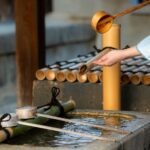
Your licensed instructor guides the ceremony steps and explains the meaning behind the motions, including the cleansing process that happens before the tea is served. That part is easy to skip in your head, but it adds context for why the movements are slow and deliberate.
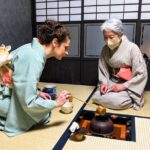
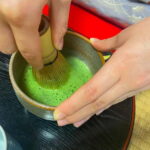
Then you get hands-on time. You learn how to prepare matcha using the chasen, the bamboo whisk. Instead of just watching, you make your own bowl and taste what you created.
Matcha How-To: Chasen Motions, Consistency, and First Taste
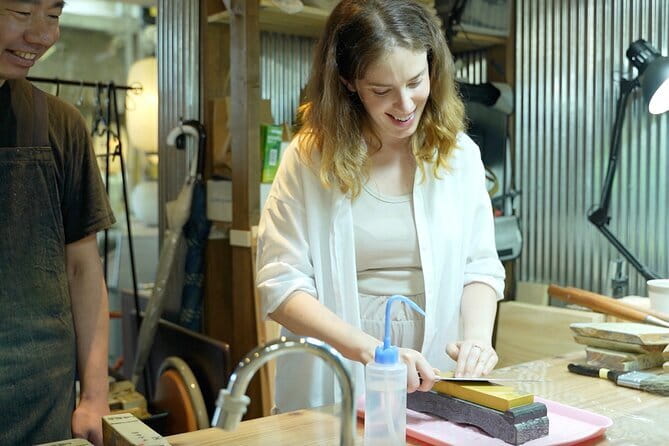
Matcha is the star here, and the teaching is built around doing. You learn the technique using the traditional bamboo whisk, so you get a sense of how the texture changes based on your motion. It is not technical chemistry class, but it is real instruction you can repeat later.
The biggest value for most people is confidence. After this, matcha stops feeling like a mystery menu item and becomes a drink you understand. That is why I see it as more than a photo stop. You leave with a skill you can use at home.
And yes, you will drink your matcha. You also get sweets, which helps you experience the flavor pairing without needing to order anything extra.
Wagashi Pairing: The Snack That Teaches You Something
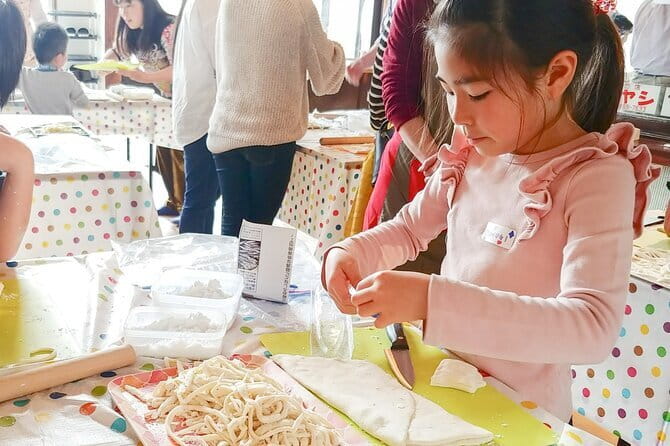
The experience includes wagashi and matcha snacks, and that combination is a big part of why the tea moment works. Wagashi is not just dessert. It is designed to balance sweetness and texture against the bitterness and earthy notes of matcha.
Even if you are not a sweets person, it helps to take a slow bite before sipping. You will notice how the sweetness changes the matcha aftertaste, and you get a better sense of why the ceremony includes food at all.
If you are sensitive to sugar, you can still enjoy the experience by focusing on texture and portion rather than trying to eat everything quickly.
Optional Calligraphy: A Souvenir With Real Effort
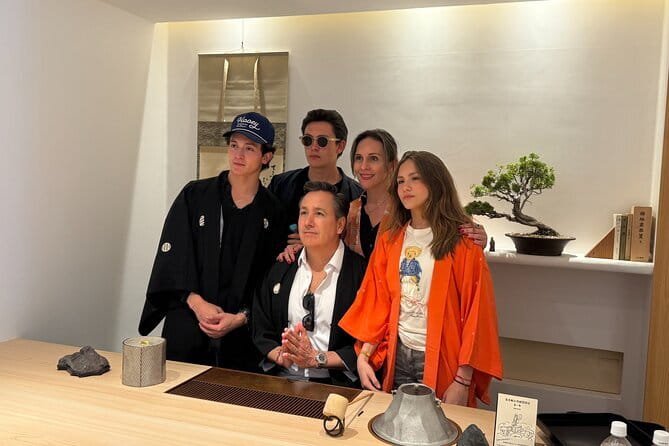
If calligraphy is your thing, this is the add-on to consider. You learn the basics of this ancient art and create your own piece, which becomes a take-home souvenir that feels earned. Reviews often highlight calligraphy as a standout, especially because you end up with a work you drew yourself, not a generic memento.
The calligraphy session also changes the day pace. Instead of only moving through formal steps, you slow down and concentrate on brush strokes. If you want a calmer, creative close, this fits.
One practical tip: bring an open mind. Calligraphy is not about producing perfect strokes on the first try. It is about understanding the basics and enjoying the process.
Time, Flow, and the One Trade-Off to Expect
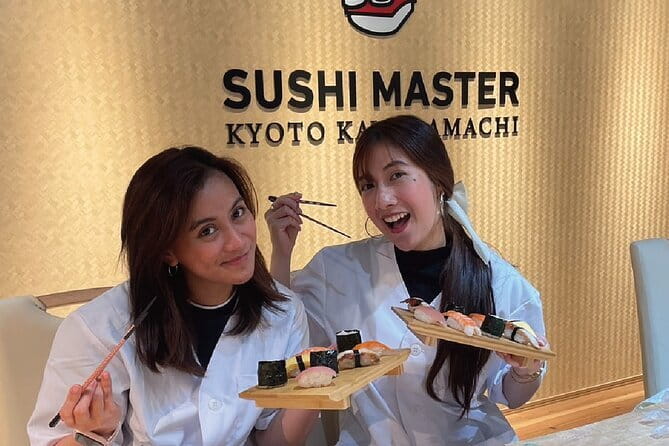
The total duration is about 1 hour 30 minutes. That is a good length for a busy Kyoto itinerary, but it also means the schedule stays tight. You spend real time getting dressed, selecting accessories, and moving through the ceremony steps in sequence.
So the possible drawback is what you might notice right away: it can feel structured and slightly staged, with some waiting. If you hoped for an unhurried, deeply personal tea moment, you may find it more like a well-run cultural workshop with a performance element.
On the flip side, the tight structure is why it is also easy to succeed as a first-timer. You are less likely to miss important steps, and you always know what comes next.
Price and Value: Why $50.87 Can Make Sense
At $50.87 per person, this is not the cheapest thing in Kyoto. But value comes from what you get stacked together.
You are paying for:
- A real kimono, selected from a large variety
- Hairstyling for women
- Tea ceremony instruction and hands-on matcha making
- Wagashi and matcha included
- Utensils provided
- All fees and taxes, plus a licensed guide
That is a lot of services in one block. If you tried to piece it together yourself, you would likely spend more time and money. Even if you mostly care about matcha, the kimono dressing and guided teaching turn it into a full cultural experience rather than a single drink lesson.
The optional calligraphy can add extra value if you want a keepsake that is not just a photo.
Who Should Book This Kimono and Matcha Session
Book this if you want:
- A low-stress way to experience Kyoto tea culture without prep
- A hands-on matcha skill you can repeat at home
- A kimono day that feels guided, including hair and accessories
- A small group setting with a maximum of 10 people
It also works for couples and family groups who want something calm and culturally different from temple-hopping. If you want a creative souvenir, add calligraphy.
Skip it if your priority is a long, quiet, deeply spiritual tea experience with minimal structure. This event is designed for visitors, and the schedule is part of the package.
Should You Book This Kyoto Kimono Tea Ceremony?
Yes, if you like the idea of leaving Kyoto with more than photos. The combination of kimono dressing, structured tea teaching, and hands-on matcha making is a strong value, especially for first-timers. I especially like the practical focus, because you learn motions you can actually do again later.
If you book, go in with the right mindset. Treat the waiting time as part of the ritual build-up, not wasted time. And if you care about calligraphy, plan to add it, because it is the kind of souvenir that makes the day feel personal.
FAQ
What is the meeting point for the Kyoto kimono and tea ceremony?
The meeting point is Nishiki Orizuruya, 452 Jūmonjichō, Nakagyo Ward, Kyoto, 604-8121, Japan.
How long does the experience take?
It lasts about 1 hour 30 minutes.
How big is the group?
The experience has a maximum of 10 travelers.
What is included in the price?
Included are wagashi and matcha snacks, a kimono costume, utensils, simple hairstyling for women, all fees and taxes, and a licensed guide.
Is calligraphy included?
Calligraphy is optional. You can opt for a calligraphy session where you learn the basics and create your own piece.
Do I need transportation or hotel pickup?
Transportation is not included, and there is no hotel pickup or drop-off.
Do I need a smartphone for check-in?
Yes. You must use a link sent after purchase, open it on your smartphone, and present the screen. Screenshots or printed tickets are not accepted.
What if there is bad weather?
The experience requires good weather. If it is canceled due to poor weather, you will be offered a different date or a full refund.
What is the cancellation policy?
You can cancel for free up to 24 hours in advance for a full refund.
Can I wear the kimono after the ceremony?
You may be able to continue wearing the kimono around the area after the ceremony until about 18:00 when the shop closes, as long as you return in time.
Rental Counters, Compared
Kyoto by the Bowl
Newest Kyoto write-ups from the Loving Japan desk

Nishiki Market and Kyoto Food Walks, side by side.
 ★ 5.0Nishiki Market Brunch Walking Tour (7 Tastings + Brunch)From $681,355 reviews
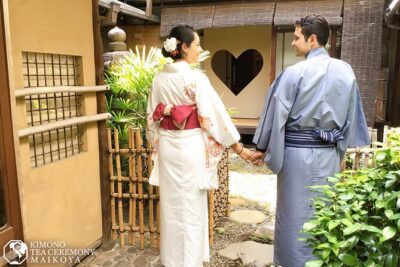 ★ 5.0Kimono Tea Ceremony at Kyoto Maikoya, NISHIKIFrom $65911 reviews
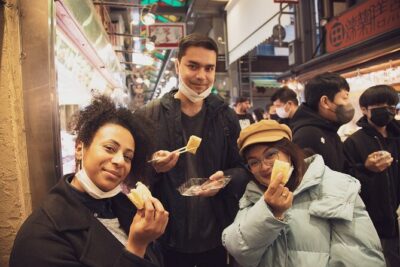 ★ 5.0Kyoto Nishiki Market Food and Culture Walking TourFrom $80412 reviews
 ★ 4.8Nishiki Market Tea Ceremony with Koto PerformanceFrom $56294 reviews
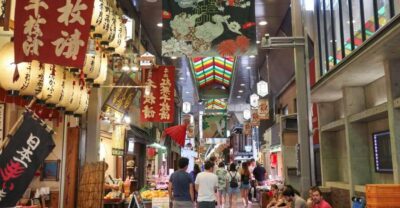 ★ 4.8Nishiki Market Brunch Walking Tour-7 Tastings+BrunchFrom $66197 reviews
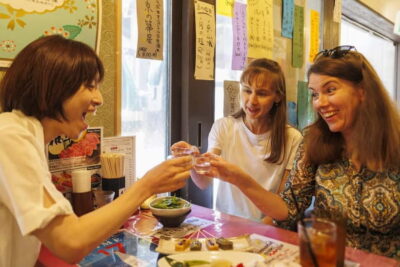 ★ 4.7Local Food Tasting Tour at the Nishiki MarketFrom $78135 reviews
 ★ 5.0Kyoto Food Tour of 10 Tastings with Wagyu, Mochi & More SurprisesFrom $14285 reviews
 ★ 4.7Nishiki Market and Depachika Food Tour with a LocalFrom $4276 reviews