
REVIEW · FUSHIMI INARI AND THE TEMPLES OF KYOTO
Kyoto Magical Night English Tour: Gion & Fushimi Inari Shrine
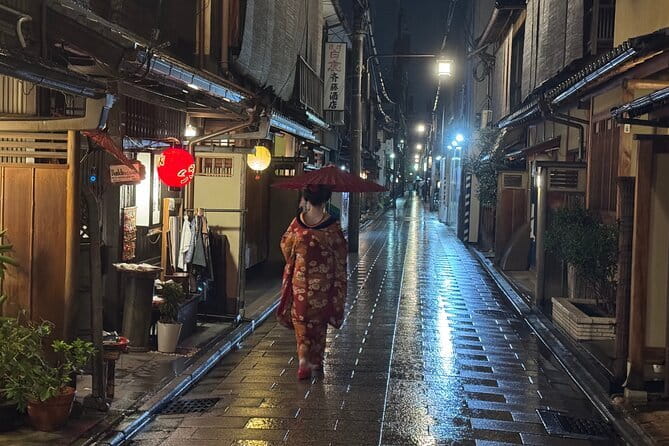
Lantern light turns Kyoto into a storybook. This Kyoto Magical Night English Tour strings together Fushimi Inari at night and the old streets of Gion, with a guide helping you understand what you are looking at as the city cools down. It also fits naturally into a first evening in Higashiyama, since the route loops back to the same meeting area.
I especially love two things about this tour. First, you get professional photo coverage during the walk, which saves time and stress when it is dark and Kyoto keeps moving. Second, I like the structure, you get a guided flow from big-icon sights to quieter shrine lanes, instead of wandering and guessing your way through.
One drawback to plan for is the pace. It is a walking experience for about 2.5 hours, with a moderate fitness level recommended, and the itinerary moves from stop to stop quickly, so wear good shoes and keep expectations realistic if you prefer a slow meander.
In This Review
- Key things you will remember about this night tour
- Kyoto at night, guided: what makes this route worth your time
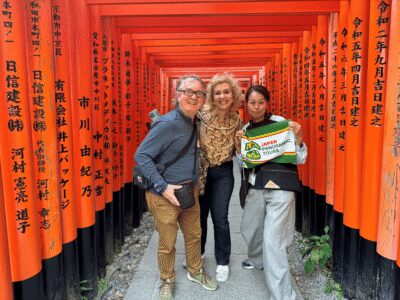
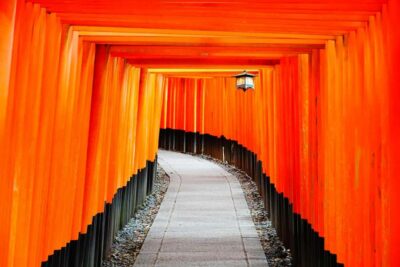
- Fushimi Inari-taisha after dark: the red torii tunnel experience
- Hanamikoji Street and Gion: classic streets, respectful viewing, real chances to see geisha
- Yasui-Konpiragu: praying for relationship peace and trying the famed stone
- Yasaka Pagoda (Hokanji), Sannenzaka, and Ninenzaka: walking Kyoto’s old-stone steps
- Nene-no-Michi and Yasaka Shrine: calmer lanes and the big-prayer finale
- Price and logistics: what you get for $26.43, and what you do not
- Pace tips and where to meet so your evening stays stress-free
- Who should book this Kyoto Magical Night tour?
- Should you book it
- FAQ
- How long is the Kyoto Magical Night English Tour?
- Where does the tour start and end?
- Is admission to temples and shrines included?
- What is not included in the price?
- Are photos included?
- Is this tour mostly walking?
- Do I need a certain fitness level?
- What happens if I arrive late?
- Can I cancel and get a refund?
Key things you will remember about this night tour
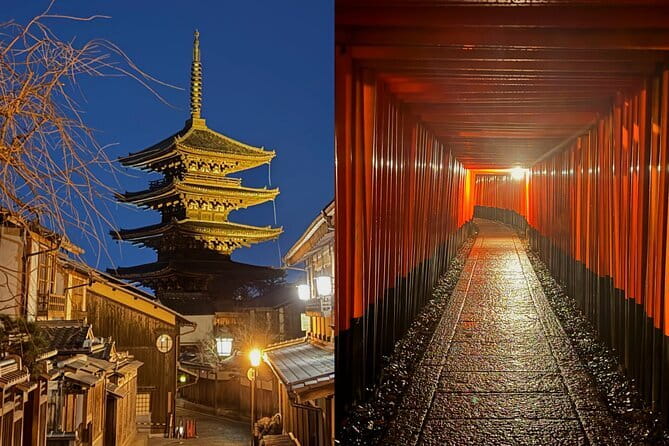
- Fushimi Inari at night: glowing red torii paths where the mood changes fast after sunset
- Gion without the daytime rush: classic wooden streets and a real chance to spot geisha or maiko
- Shrine-to-shrine context: how to read the meaning behind what you see, not just the photos
- Guides who tailor the pace: people in reviews describe patient, friendly coaching for different needs
- Photo support during golden darkness: guides help you get shots when light gets low
Evening walks through the old quarters, compared
- Kyoto Geisha Walking Tour: Gion District & Hidden Gems
★ 4.7 · 3,273 reviews - Kyoto: Gion Magical Night Walking Tour with Geisha Trivia
★ 4.9 · 2,393 reviews - Kyoto: Gion Geisha District Walking Tour – Stories of Geisha
★ 4.7 · 2,187 reviews - Best of Kyoto: Gion, Geisha, Pagodas & Cobblestones
★ 4.9 · 2,058 reviews
Kyoto at night, guided: what makes this route worth your time
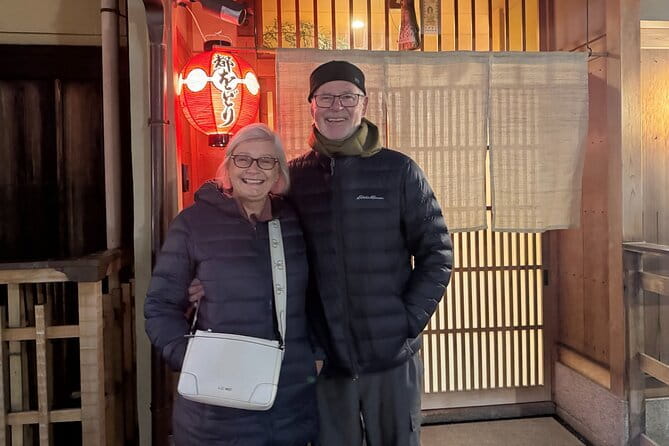
Kyoto night walking has a special feel. Daytime crowds thin out, lanterns turn alleys into soft corridors, and the city’s details get louder because you slow down to notice them.
This tour is built around two icons that are easy to love and also easy to misunderstand on your own. Fushimi Inari looks like pure scenery, but it is also a working spiritual landscape, tied to rice and prosperity. Gion is famous for geisha culture, yet the neighborhood is still lived in, so you get more out of it when you know where to look and how to behave.
One more practical reason I like this evening format: it gives you a “map in your head.” After 2.5 hours, you know how Higashiyama sections connect, where the big foot traffic funnels are, and how shrine visits fit into an enjoyable night stroll, instead of feeling like a checklist.
And yes, your guide matters here. Guides named Ikki, Yui, Yuki, Mariko, and Joi show up in reviews with the same theme: they make the walk feel smooth, they talk clearly in English, and they help you understand the meaning behind torii gates, temple gates, and shrine rituals.
Fushimi Inari-taisha after dark: the red torii tunnel experience
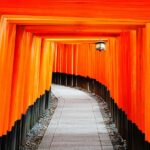
You start at Fushimi Inari-taisha, and the timing is the whole point. In daylight, the torii gates can feel like a crowded hike. At night, you get a slower, more cinematic flow as the path threads through the forested slopes of Mount Inari.
What to focus on once you arrive:
- The torii gates are not random decorations. They mark a sacred path connected to Inari, the Shinto god associated with rice and prosperity.
- Look for the shifting rhythm as the gates stretch forward. Even if you do not climb to the very top, the experience of walking under these gates is the emotional highlight.
- Let your guide set expectations for how to handle prayer respectfully. The group format works well here because you get quick coaching instead of standing there unsure.
There is also a small detail I think you should plan for. One review highlights bringing coins to make a wish. Even if you already know the tradition, having a few coins on hand means you can follow your guide’s lead without having to scramble.
If you like photos, you will understand why people book this specifically for night. The red torii lines up beautifully with darker backgrounds, and a guide can help you choose angles that look good without you blocking others. The tour includes professional photos, but you will still want your own snaps, and this is where timing matters most.
Admission is free at this stop, which helps you get value right away, before you even factor in the guide and photo service.
Hanamikoji Street and Gion: classic streets, respectful viewing, real chances to see geisha
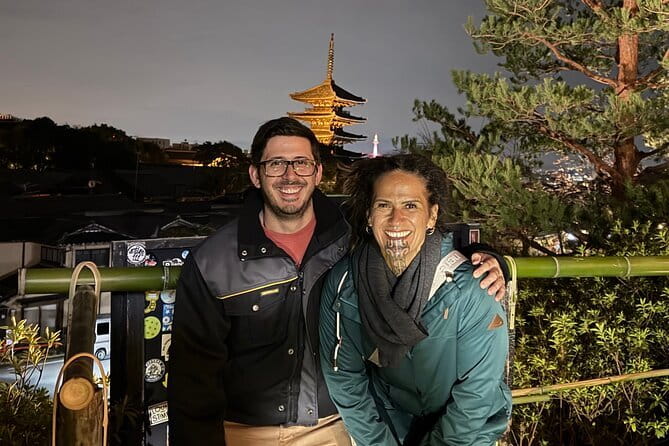
After Fushimi Inari, you transition toward Hanamikoji Street and Gion. The quick stop matters, because this is the area where you can spend hours on your own and still miss the point.
Here is what I like about how this portion is handled:
- You get a gentle introduction to the neighborhood’s traditional wooden machiya townhouses and old-style teahouses.
- You are in the right area at the right time for a chance to see geisha or maiko. Nothing is guaranteed, but evening timing is often when you are most likely to spot movement and atmosphere rather than just architecture.
The big thing to remember in Gion is that you are watching, not chasing. This is why a guided stop works better than wandering. Your guide can point out where the street character shows up most clearly and how to keep your distance, so the experience stays respectful for everyone.
Also, you will likely feel the difference between “seeing” and “understanding.” With a guide, you get context for what you are looking at: how the district’s traditional streets function, why some buildings look the way they do, and how this area fits into Kyoto’s broader cultural fabric.
You are only there briefly, around minutes rather than an hour, so do not expect this to replace a full Gion evening on your own later. Think of this as getting oriented so you can choose where to return if you want longer.
Which temple to give the morning to, reviewed
- Kyoto: Tea Ceremony in a Traditional Tea House in Kiyomizu★ 4.9 · 3,519 reviews
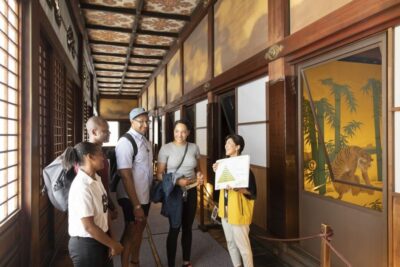
- Kyoto: Nijo-jo Castle and Ninomaru Palace Guided Tour★ 4.7 · 1,020 reviews
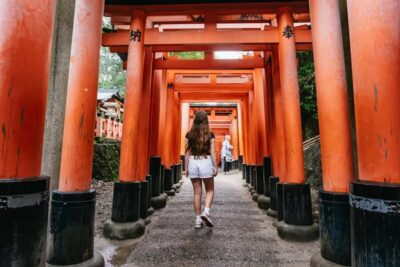
- Osaka/Kyoto: Arashiyama, Nara & Fushimi Inari Shrine w/Lunch★ 4.4 · 754 reviews
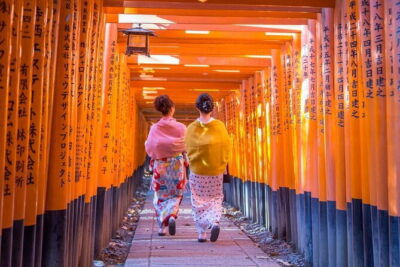
- Kyoto: Nijo Castle, Kiyomizu & Fushimi Inari Guided Tour★ 4.7 · 700 reviews
- Kyoto: Nijo, Kinkaku-ji, Arashiyama, Kiyomizu & Fushimi Inari★ 5.0 · 699 reviews
Yasui-Konpiragu: praying for relationship peace and trying the famed stone
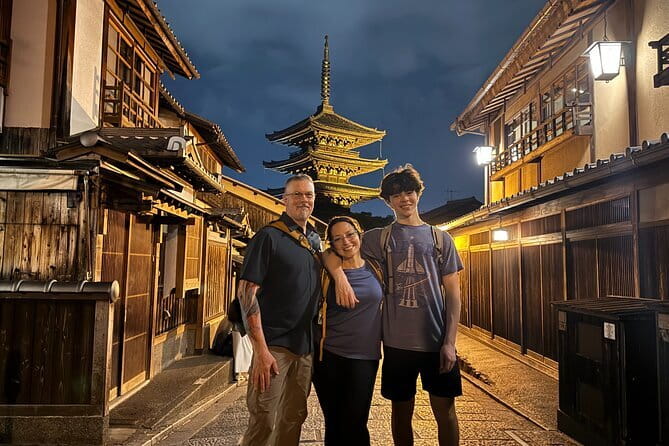
Next up is Yasui-Konpiragu, a shrine people seek out for one specific reputation: severing bad relationships. That theme is not vague. When you walk in, the place is framed around changing personal connections, ending negativity, and moving toward better bonds.
This is a good stop if you like spiritual meaning, not just famous scenery. Your guide can explain why this shrine draws people, and what kinds of prayers are commonly associated with it. It is the kind of stop that makes a night tour feel more than pretty photos.
A standout detail from reviews is the relationship stone at Yasui Konpiragu, and that guests are encouraged to try it. If you see it pointed out, take your time. It is one of those Kyoto “do it once, remember forever” moments.
One practical consideration: like most shrine areas, it can be busy enough that movement matters. So follow your guide’s spacing, and keep your focus on your visit rather than turning it into a slow-motion photo session.
Admission is free here too, which is helpful because this tour stacks multiple significant stops without extra entry fees.
Yasaka Pagoda (Hokanji), Sannenzaka, and Ninenzaka: walking Kyoto’s old-stone steps
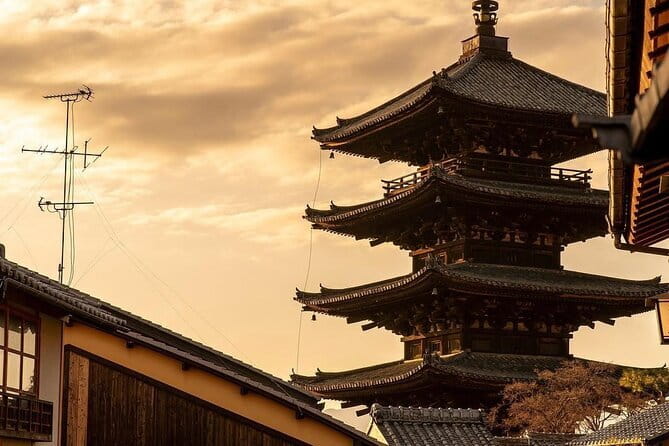
Then you shift to some of Kyoto’s most iconic “walk-through” scenery.
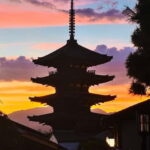
At Yasaka Pagoda (Hokanji), you will see the scale that makes people stop mid-walk. It is known for being one of the oldest wooden structures in Japan, and the impressive claim is that it was built without nails. Whether you focus on that technical detail or just the sheer presence, it is a strong visual anchor for the route.
From there, you move to Sannenzaka and Ninenzaka, the traditional stone-paved slopes lined with old wooden buildings. This is one of the easiest places to feel like you stepped into a time capsule. The shops and stalls add energy, but at night the street still feels more controlled than the day crowds.
Two tips that help here:
- Expect uneven stone underfoot. Take it slow and trust your footing.
- If you want souvenirs, decide quickly. This is a short window, so you can browse, buy one meaningful item, and not lose the rest of your walk.
One small drawback: because the route hits multiple visual hotspots close together, you might feel a little “photo-brain overload.” If that happens, choose one stop to savor with your senses first. For me, that is often Sannenzaka and Ninenzaka at night, where the atmosphere can do the heavy lifting.
Admission is listed as free for these stops too, so you are mostly paying for the guide, the pacing, and the interpretation.
Nene-no-Michi and Yasaka Shrine: calmer lanes and the big-prayer finale
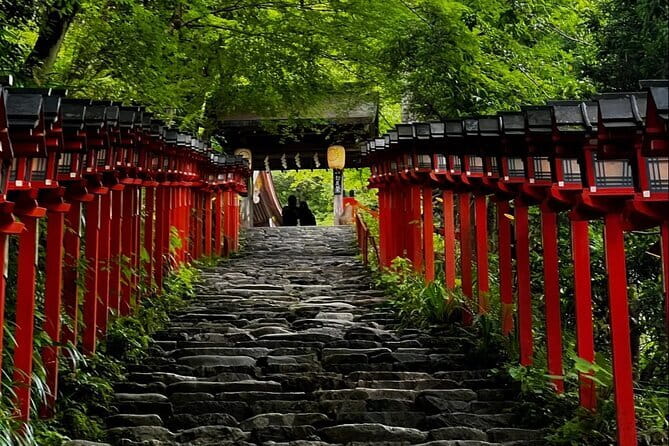
After the slopes, the route takes you along Nene-no-Michi, a serene path named after Nene, the wife of a powerful Japanese shogun. This is one of those sections where the walk feels different from the more commercial streets. The point here is calm. You pass historic-temple vibes and get a slower rhythm before the final shrine area.
Then you end at Yasaka Shrine, which is the headquarters of 2,300 related shrines across Japan. That number alone makes you understand why this place is so central in Kyoto’s spiritual map.
At Yasaka Shrine, you see the meaning of prosperity and protection, themes that fit with the route you have already been on. Starting with a rice and prosperity shrine at Fushimi Inari and then moving through relationship and protective prayers creates a “spiritual conversation” across the night. It is not random sightseeing.
If you like a strong finale, this is it. The guide’s job at the end is not just to point at buildings, but to help you understand why people visit and what it means to show respect. And since your tour returns to the meeting point, you can finish with a clear plan for dinner nearby.
Price and logistics: what you get for $26.43, and what you do not
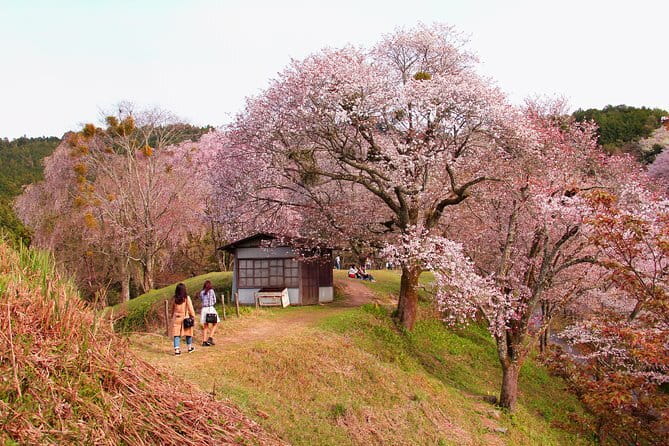
This tour is priced at $26.43 per person, and that number makes sense when you break down what is included.
What you are paying for:
- A local English-speaking guide who is credited in reviews for clear explanations and friendly energy.
- Admission fees for the temples and shrines on the route, which are listed as included.
- Professional photos taken during the walk, a real value-add because night photography is hard without practice.
What is not included:
- Public transportation fare of ¥480 per person
- Food and drinks
In other words, you are not paying extra entry fees multiple times, and the photo help is a practical service, not just a nice perk. The guide also helps you avoid the common self-guided problem in Kyoto nights: you can see things, but you do not always know what you are seeing.
Also note the tour is designed as a walking experience using public transportation, with time on foot between sights. You should be ready for steps and steady pace. If you want to go hard on photos, bring a real water plan too, because the tour does not include meals or drinks.
Pace tips and where to meet so your evening stays stress-free

Your meeting point is the Statue of Izumo-no-Okuni at Kawabatacho in Kyoto’s Higashiyama Ward. The tour ends back at the same meeting location, so you do not need to figure out complicated pickups at the end.
Because it is a walking route, you will do best if you:
- Wear comfortable, grippy shoes. One review specifically calls this out, and stone streets can be a little slippery at night.
- Arrive early. If you are late, you will not be able to join the tour and there is no refund. That rule is strict, so give yourself buffer time.
- Bring a small handful of coins if you want to follow wish or prayer traditions your guide mentions. One review highlights coins for wishing.
Weather also matters. Reviews mention that rain is not a big problem, and the tone stays “adds magic.” If Kyoto drizzle shows up, you will still be able to keep moving, just pack light rain protection if you have it.
Finally, keep the vibe in mind. This is a cultural evening walk, not a racing marathon. If you need breaks, guides in reviews have shown patience, including accommodating older visitors and families with children. Your best move is to tell your guide what your group needs early.
Who should book this Kyoto Magical Night tour?
I think this tour is a strong match if you:
- Are visiting Kyoto for the first time and want an easy first evening that makes sense
- Care about shrines and shrine etiquette, not just photos
- Want guided photo support without having to ask strangers or fight with your phone at night
- Prefer a route with fewer daylight crush vibes, especially around Gion
It is also a good choice for families, including kids, because guides have been described as patient and able to answer questions in a way children can follow.
Where it might not fit as well:
- If you hate walking for 2.5 hours, or you need a slower pace than a structured night route provides
- If you want long stays at each individual location without moving on quickly
Should you book it
If you want a smart, efficient, and meaningful Kyoto night that mixes famous sights with real context, I would book this.
The deal-breakers are mostly personal: you must be comfortable with walking, and you should be punctual. But if you show up ready to move, the included guide, shrine admissions, and professional photos make the $26.43 price feel fair.
My call: book it for your first night in Higashiyama, especially if you want Fushimi Inari and Gion to feel like more than Instagram stops. You will leave with a better sense of Kyoto’s spiritual rhythm, plus photos you can actually use when the lights go low.
FAQ
How long is the Kyoto Magical Night English Tour?
It runs about 2 hours 30 minutes.
Where does the tour start and end?
It starts at the Statue of Izumo-no-Okuni at Kawabatacho in Higashiyama Ward, Kyoto, and ends back at the same meeting point.
Is admission to temples and shrines included?
Yes. Admission fees for all temples and shrines on the route are included.
What is not included in the price?
Public transportation fare is not included (¥480 per person), and food and drinks are also not included.
Are photos included?
Yes. Professional photos are taken during the tour.
Is this tour mostly walking?
Yes. It is designed as a walking experience, with plenty of time on foot.
Do I need a certain fitness level?
A moderate physical fitness level is recommended, since the tour is a walking route.
What happens if I arrive late?
If you are late for the meeting time, you will not be able to join the tour and you will not receive a refund.
Can I cancel and get a refund?
Free cancellation is available up to 24 hours in advance for a full refund.
Which Kyoto Temple Gets Your Morning


Evenings in the Old Quarters
Newest Kyoto write-ups from the Loving Japan desk
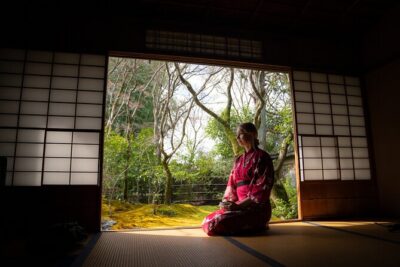
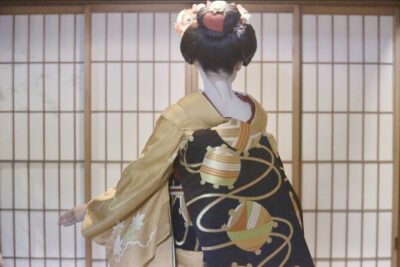
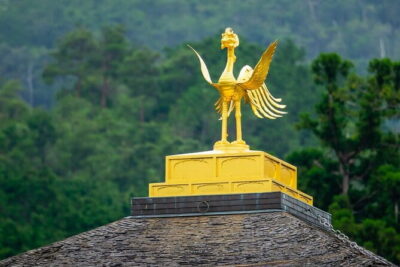

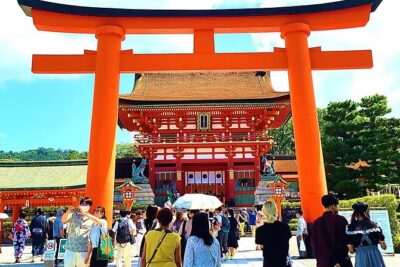
Fushimi Inari and the Temples of Kyoto, side by side.
 ★ 4.8Fushimi Inari, Kinkakuji, Bamboo Grove 1 Day Bus TourFrom $1224,316 reviews
 ★ 4.9Tea Ceremony in a Traditional Tea House in KiyomizuFrom $493,519 reviews
 ★ 4.7Kyoto/Osaka: Nara, Fushimi Inari Taisha, Arashiyama Bus TourFrom $521,275 reviews
 ★ 4.7Nijo-jo Castle and Ninomaru Palace Guided TourFrom $161,020 reviews
 ★ 4.4Osaka/Kyoto: Arashiyama, Nara & Fushimi Inari Shrine w/LunchFrom $61754 reviews
 ★ 4.7Nijo Castle, Kiyomizu & Fushimi Inari Guided TourFrom $54700 reviews
 ★ 5.0Nijo, Kinkaku-ji, Arashiyama, Kiyomizu & Fushimi InariFrom $51699 reviews
 ★ 4.7Imperial Palace & Nijo Castle Guided Walking TourFrom $49453 reviews