
REVIEW · FUSHIMI INARI AND THE TEMPLES OF KYOTO
KYOTO: Tempio Kiyomizu Pagode Gion “Geisya” (Guida Italiana)
Kiyomizu to Gion in Italian, with zero planning. I love that this tour is guided in Italian end to end, and that the price covers both transport and entrance tickets. I also love the way the route connects temple history with everyday Kyoto street life. A possible drawback: it is a 5-hour, walking-focused plan, so if you want lots of free time at each stop, you may feel a bit on a schedule.
The big win is the story your guide brings. You follow ancient pilgrimage paths that grew from the 8th century to today, and your native Kyoto guide (Omae, as named in feedback) answers questions as you go, in clear Italian. The tour also gets strong marks for being friendly and accurate, so you do not just hear facts, you get context.
One more thing I like is how practical it feels. You move by bus first, then shift into a series of short walks through the lanes and markets around Kiyomizu-dera and into Gion. The final stop at Pontocho sets you up to keep exploring after the tour.
In This Review
- Key points that make this Kyoto walk worth your time
- Getting started at Kyoto Station, and finding your meeting spot fast
- The short coach ride, then the pilgrimage route to Kiyomizu-dera
- Kiyomizu-dera visit: 1 hour with your Italian guide doing the heavy lifting
- Sannenzaka and Ninenzaka lanes: sweets, souvenirs, and a gentle walking break
- Gion with a time-boxed guided visit, plus a pass by Kyōto Minami-za
- Ending in Pontocho: finishing smart, not just finishing fast
- Price and what you actually get for $117 in 5 hours
- Who this tour suits best, and who should think twice
- Practical tips so you enjoy the route more
- Should you book this Kiyomizu-dera to Gion tour with Omae?
- FAQ
- What language is the guided tour in?
- How long is the tour?
- Where do we meet at Kyoto Station?
- What is included in the price?
- Where does the tour finish?
- Is the tour wheelchair accessible?
- Can I cancel or pay later?
Key points that make this Kyoto walk worth your time
- Italian guidance throughout so you can ask questions without guessing
- Transport plus entrance tickets included in one simple price
- A route built around pilgrimage history from the 8th century onward
- Short walking segments linking Sannenzaka to Ninenzaka to Gion
- Strong guide feedback with Omae praised for friendliness and detail
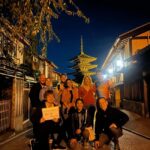
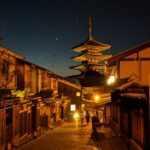
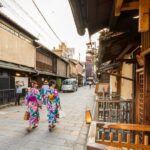
Evening walks through the old quarters, compared
- Kyoto Geisha Walking Tour: Gion District & Hidden Gems
★ 4.7 · 3,273 reviews - Kyoto: Gion Magical Night Walking Tour with Geisha Trivia
★ 4.9 · 2,393 reviews - Kyoto: Gion Geisha District Walking Tour – Stories of Geisha
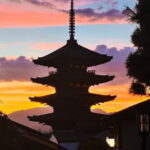
★ 4.7 · 2,187 reviews - Best of Kyoto: Gion, Geisha, Pagodas & Cobblestones
★ 4.9 · 2,058 reviews
Getting started at Kyoto Station, and finding your meeting spot fast
Your tour begins at Kyoto Station, North Entry at Karasuma-Guchi. The meeting point is in the open space between the four escalators in front of the cab terminal area, toward the east just outside the central north entrance. If you need a visual anchor, you can spot Kyoto Tower from that spot, with the tower showing at the top left of where you are standing.
This matters more than it sounds. Kyoto Station is huge, and a small delay can throw off your whole half day. The tour email you receive by the day before is meant to confirm the exact meeting location, so plan to check it.
The tour is designed to get you moving quickly. You meet, you board a coach, and then you shift into the Kiyomizu-dera area with minimal fuss. If you are using train connections that can run late, still arrive early enough to give yourself a buffer for station navigation.
The short coach ride, then the pilgrimage route to Kiyomizu-dera
After meeting at Kyoto Station, you take a bus or coach ride for about 15 minutes. It is a clean setup. You get the convenience of transport for the first jump, then the walking begins where it counts.
The Kiyomizu-dera area is all about routes that people have used for a very long time. You are walking parts of the ancient pilgrimage road network that developed from the 8th century to the present. Your Italian guide explains the cultural and religious logic of what you are seeing, so the streets do not feel like random storefronts.
One of the best parts of this format is that the story and the movement stay connected. You are not hearing a lecture in one place and then sightseeing somewhere else with no links. The guide ties the temple visit to the route leading up to it, then keeps that thread as you head toward Gion.
Kiyomizu-dera visit: 1 hour with your Italian guide doing the heavy lifting
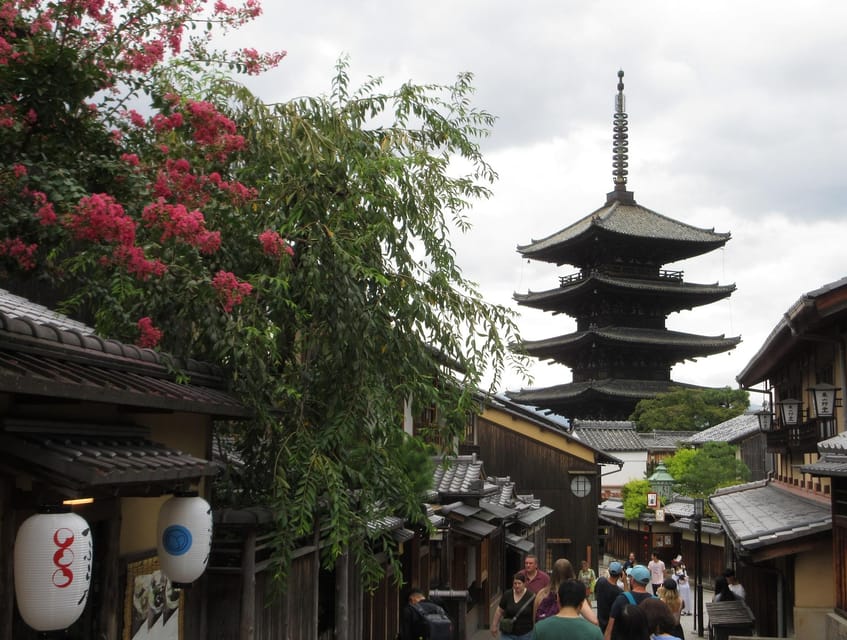
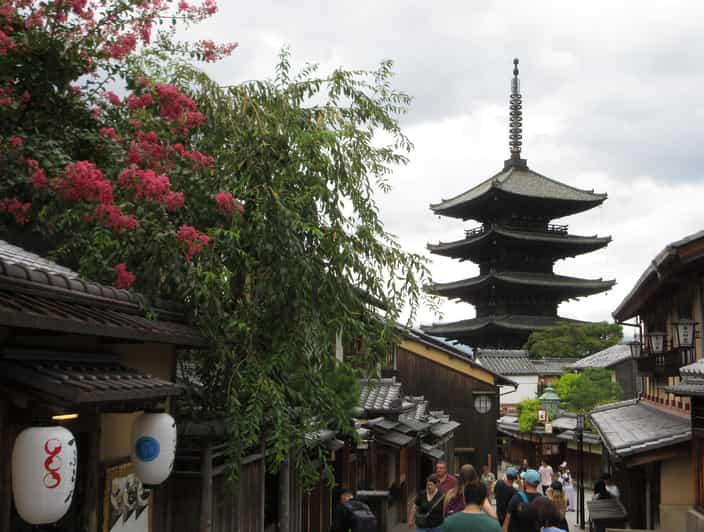
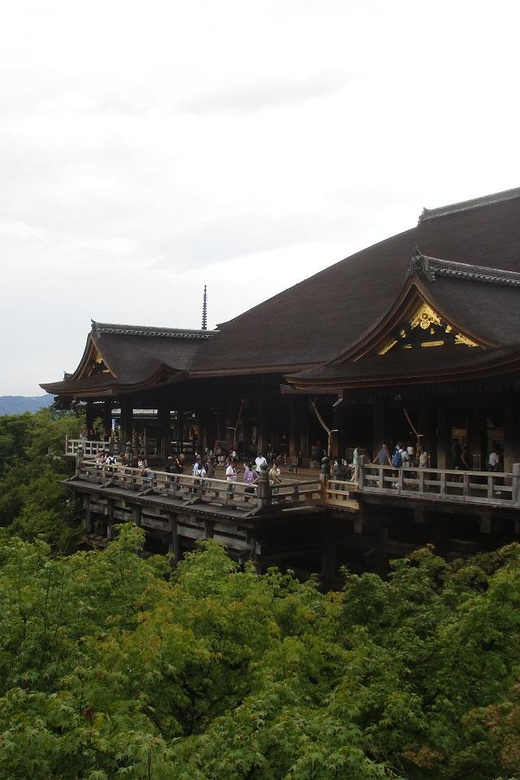
You get about 1 hour at Kiyomizu-dera for a guided visit and sightseeing. This is the core stop, and it is scheduled early enough that you are not rushing through it at the end.
In that hour, the guide focuses on the “why” behind what visitors notice first. Expect historical, cultural, and religious details along the way to the temple, and then explanations on site. The tour format also includes time for questions, and the feedback you have on the guide emphasizes being able to answer everything clearly in Italian.
That question time is a big value point. A temple is easy to photograph, but harder to understand. When you know what you are looking at and how people have interpreted it over time, you remember more and you enjoy the visit more.
A practical consideration: Kiyomizu-dera is a temple visit plus a walking route setup. If you are slower on your feet or want lots of quiet time, you might need to pace yourself and accept that this itinerary stays efficient.
Which temple to give the morning to, reviewed
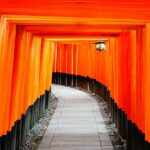
- Kyoto: Fushimi Inari, Kinkakuji, Bamboo Grove 1 Day Bus Tour★ 4.8 · 4,316 reviews
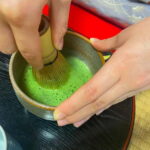
- Kyoto: Tea Ceremony in a Traditional Tea House in Kiyomizu★ 4.9 · 3,519 reviews
- Kyoto/Osaka: Nara, Fushimi Inari Taisha, Arashiyama Bus Tour★ 4.7 · 1,275 reviews
- Kyoto: Nijo-jo Castle and Ninomaru Palace Guided Tour★ 4.7 · 1,020 reviews
- Osaka/Kyoto: Arashiyama, Nara & Fushimi Inari Shrine w/Lunch★ 4.4 · 754 reviews
Sannenzaka and Ninenzaka lanes: sweets, souvenirs, and a gentle walking break
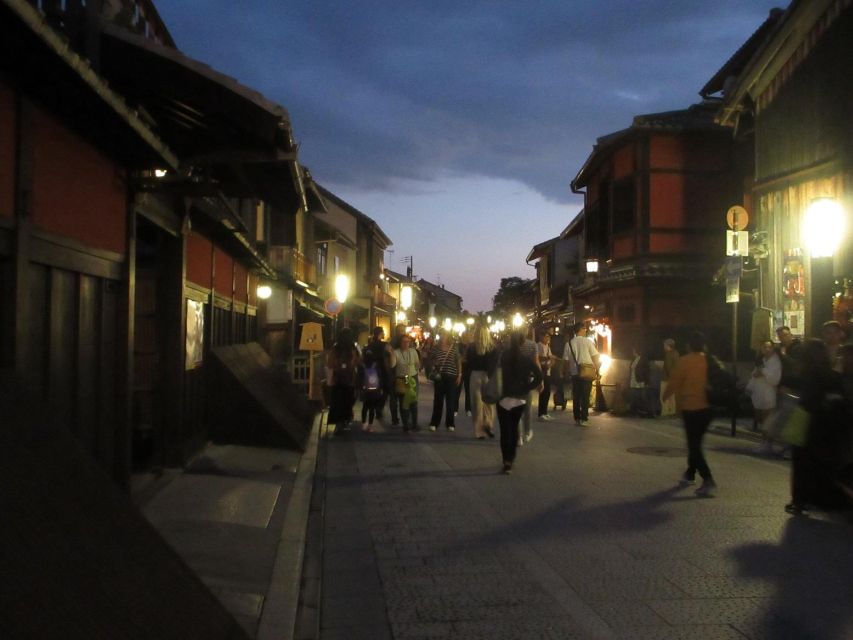
Next comes Sannenzaka, with a short walk of about 3 minutes between segments. Then you head to Ninenzaka, another short stretch on foot. The overall pacing stays easy, but the change of scenery is constant.
These lanes are known for their visitor-friendly street atmosphere. Expect streets lined with souvenir and sweet shops, plus cafés and places for all ages to stop and snack. Even if you do not buy anything, it is a good place to absorb the everyday Kyoto vibe right between the bigger sights.
What I like here is the “reset” effect. You go from a major temple experience into street-level life. Your guide keeps interpreting as you walk, so the shops are not just background. You get a sense of how tourism and tradition coexist in the same narrow corridors.
One tip: wear comfortable shoes. The walking is broken into short parts, but it still adds up, and the lane areas are not made for slow, wide strolling.
Gion with a time-boxed guided visit, plus a pass by Kyōto Minami-za
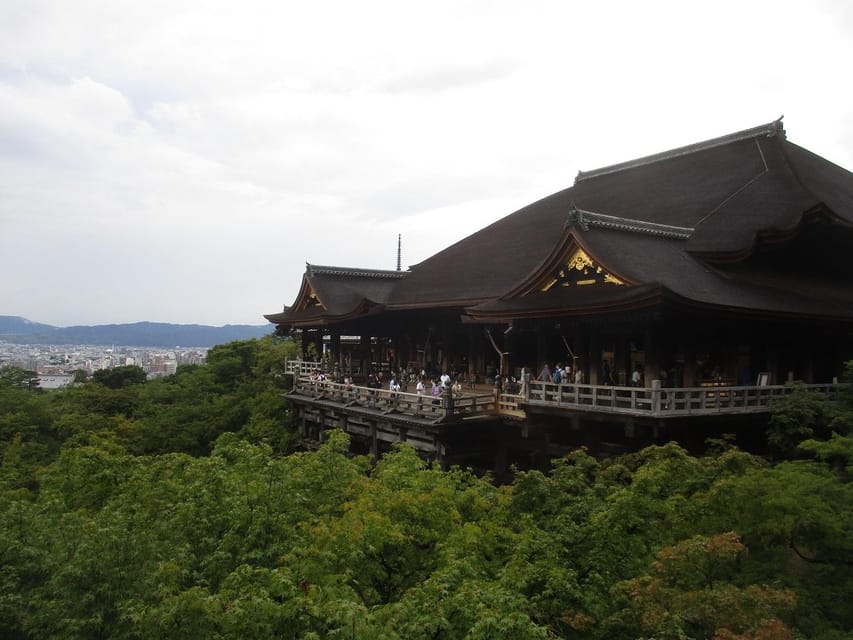
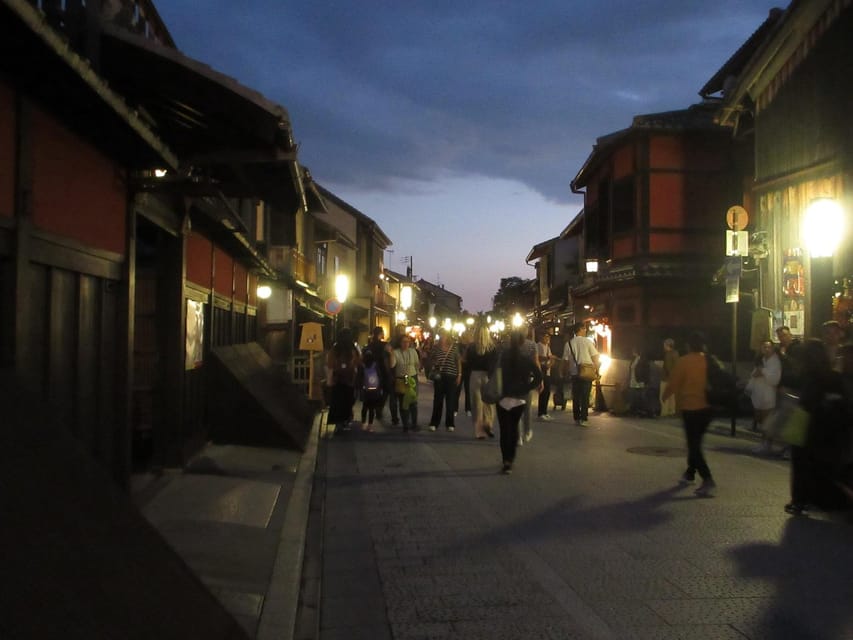
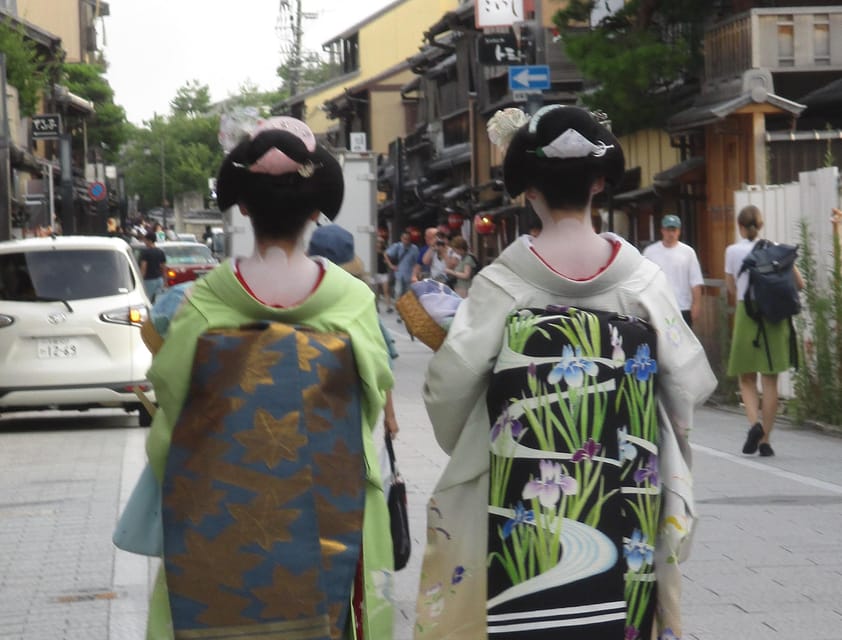
You then reach Gion, where you get about 30 minutes for a guided visit and sightseeing. This is enough time to understand the neighborhood’s role in Kyoto’s cultural identity, without trying to do too much in too little space.
The tour also includes a brief pass-by of Kyōto Minami-za. Even though it is not a full stop, it gives you a visual connection point. If you are interested in how traditional arts show up in modern Kyoto, this kind of pass-by is a useful breadcrumb.
Gion is one of those districts that can feel like a blur if you walk it without context. The guide helps you read what you are seeing, and since the tour is Italian-language, you can actually ask what you are curious about instead of collecting guesswork.
A balanced note: because this portion is time-boxed, it is not meant to turn into an all-afternoon wander. If you want long pauses for photos and people-watching, treat the guided part as your orientation, then continue on your own after the tour ends.
Ending in Pontocho: finishing smart, not just finishing fast
The tour finishes at Pontocho. This is a strong ending point because it is a natural “keep going” zone. You have just come from temple history, then street shopping lanes, then Gion, and now you land in an area where you can transition into evening exploration.
Finishing here also keeps the route feeling coherent. You are not whisked to a random drop-off far from where you want to roam next. Instead, you end in a Kyoto neighborhood that invites you to continue at your own pace.
If you are heading out after the tour, I suggest using the last few minutes to get your bearings. Once you know which way you want to walk next, you avoid that post-tour scramble.
Price and what you actually get for $117 in 5 hours
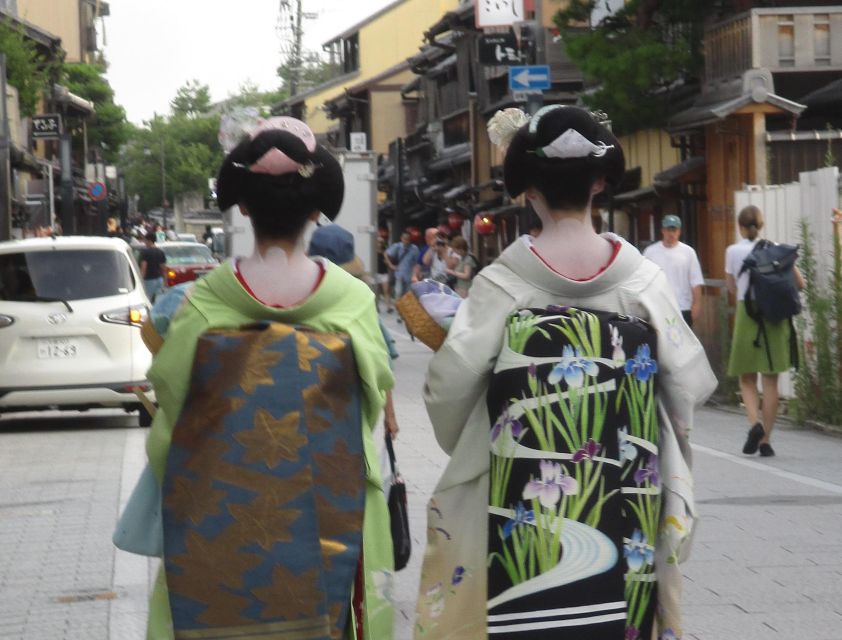
At $117 per person for a 5-hour experience, the real question is value, not just cost. Here, you are paying for three things that are harder to assemble on your own: guided interpretation in Italian, included transport, and included entrance fees for the scheduled monuments.
If you are the type of traveler who wants to show up, follow a plan, and focus on the sights, this kind of package can be worth it quickly. It reduces the time spent figuring out schedules and which stops matter most. It also gives you someone to ask questions to, which is often the difference between a good photo and a meaningful memory.
On the flip side, if you already speak Japanese well or you prefer self-guided pacing, you might feel that 5 hours is too structured for the price. This is a guided itinerary designed to cover major highlights efficiently, not an open-ended exploration with hours of free time.
My take: this is best seen as a “guided orientation” to Kyoto’s cultural core, done in Italian, with minimal logistics headache. If that matches your travel style, the price is easier to justify.
Who this tour suits best, and who should think twice
This is ideal if you want a first-time-friendly run through the Kyoto highlights that connect directly to each other. You get Kiyomizu-dera, then the streets of Sannenzaka and Ninenzaka, then a guided pass through Gion, ending in Pontocho. That flow is exactly what many people want when they have limited time.
It is also a great fit if Italian is your language. The guide is Italian-speaking, and the feedback on Omae emphasizes accuracy plus friendliness. When you can ask your questions and get direct answers, you stop translating in your head and start understanding.
It is listed as wheelchair accessible, which is a meaningful advantage. The itinerary includes walking segments, though, so if you use a wheelchair or mobility aids, you will want to focus on your personal comfort level with short on-foot stretches.
Think twice if you prefer to linger. This tour is time planned: about 1 hour at the temple and about 30 minutes in Gion, plus set walking transitions. If you want a slower pace, you can still do it, but you should be ready to treat the tour as the structured part of your day.
Practical tips so you enjoy the route more
A few small moves will pay off.
- Start with good shoes. Even with short segments, you are still on your feet for hours.
- Arrive early at Kyoto Station. The meeting point is specific, and it is easy to waste time if you show up rushed.
- Bring a plan for photos. The streets near Kiyomizu-dera and the lanes around Sannenzaka and Ninenzaka are the kind of place where you will want pictures, but you do not want to hold up the group.
- Ask questions early. If you have specific interests, like what makes a pilgrimage route matter, say so when you have time with the guide in the temple area.
And one more thing: keep an eye on your timing as you move into Gion. That portion is shorter, so use the guide’s explanations to pick out what you most want to return to after the tour ends in Pontocho.
Should you book this Kiyomizu-dera to Gion tour with Omae?
If you want Italian guidance plus a smooth, efficient route from Kiyomizu-dera through the Sannenzaka and Ninenzaka lanes into Gion, this is a strong choice. The tour rating of 4.7 from 17 reviews signals consistent satisfaction, and the feedback you have highlights Omae as friendly, capable, and attentive to details.
I would book it if:
- You want to understand what you are seeing, not just view it
- You value a guide who can answer questions in your language
- You prefer having transport and entrance tickets handled for you
I would skip it if:
- You want long, unstructured time at each stop
- You are aiming for a deeper, stand-alone temple day instead of a connected route
- You do not like walking between multiple neighborhood segments
If you are planning a Kyoto day that needs to make sense fast, this tour does that job well, with the added bonus of clear Italian explanations and a finish that leaves you ready to keep exploring.
FAQ
What language is the guided tour in?
The live guide provides the tour in Italian.
How long is the tour?
The duration is 5 hours.
Where do we meet at Kyoto Station?
The meeting point is at Kyoto Station, North Entry (Karasuma-Guchi), in the space between the four escalators in front of the cab terminal, toward the east just outside the central north entrance.
What is included in the price?
The price includes transportation rates and entrance tickets for the monuments scheduled during the itinerary, plus the guided service.
Where does the tour finish?
The tour finishes at Pontocho.
Is the tour wheelchair accessible?
Yes, the tour is listed as wheelchair accessible.
Can I cancel or pay later?
You can cancel up to 24 hours in advance for a full refund, and there is an option to reserve now and pay later.
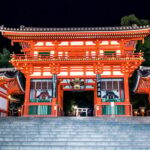
Which Kyoto Temple Gets Your Morning


Evenings in the Old Quarters
Newest Kyoto write-ups from the Loving Japan desk
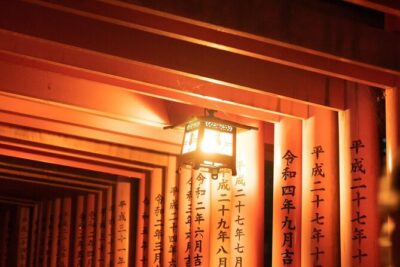
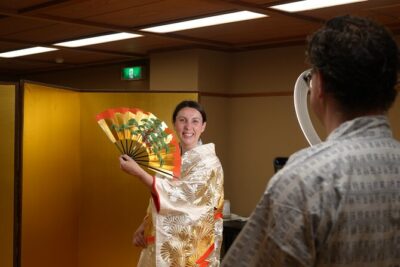
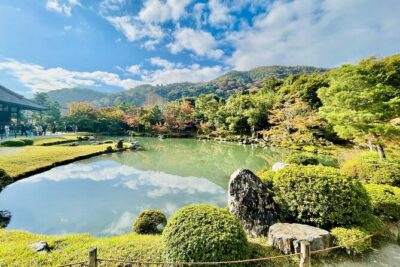
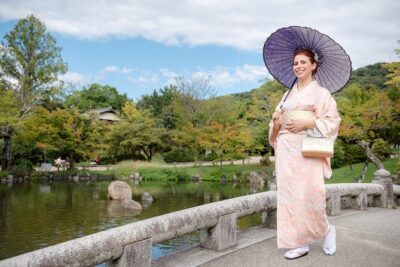
Fushimi Inari and the Temples of Kyoto, side by side.
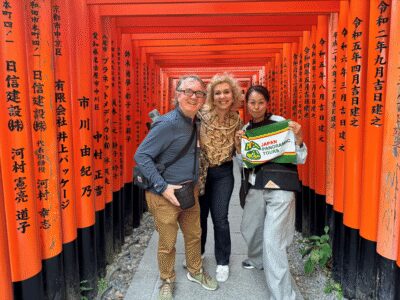 ★ 4.8Fushimi Inari, Kinkakuji, Bamboo Grove 1 Day Bus TourFrom $1224,316 reviews
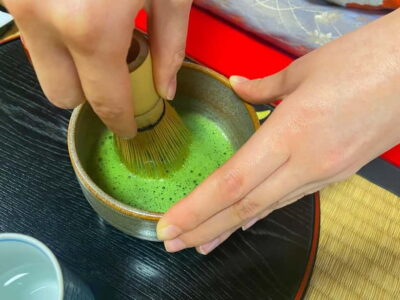 ★ 4.9Tea Ceremony in a Traditional Tea House in KiyomizuFrom $493,519 reviews
 ★ 4.7Kyoto/Osaka: Nara, Fushimi Inari Taisha, Arashiyama Bus TourFrom $521,275 reviews
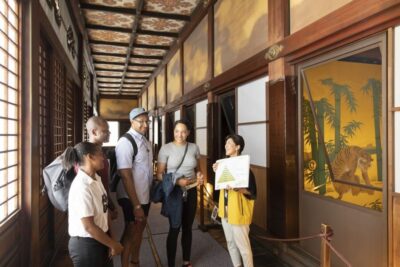 ★ 4.7Nijo-jo Castle and Ninomaru Palace Guided TourFrom $161,020 reviews
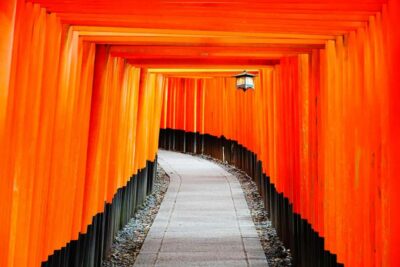 ★ 4.4Osaka/Kyoto: Arashiyama, Nara & Fushimi Inari Shrine w/LunchFrom $61754 reviews
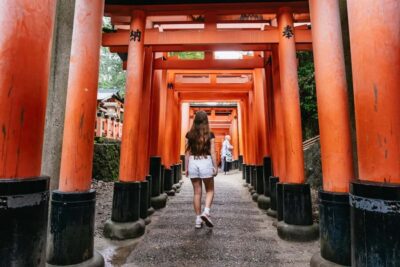 ★ 4.7Nijo Castle, Kiyomizu & Fushimi Inari Guided TourFrom $54700 reviews
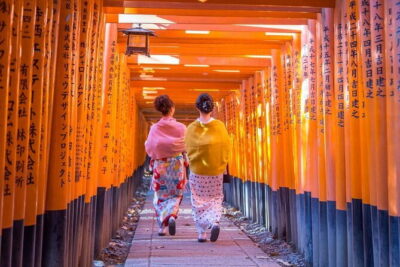 ★ 5.0Nijo, Kinkaku-ji, Arashiyama, Kiyomizu & Fushimi InariFrom $51699 reviews
 ★ 4.7Imperial Palace & Nijo Castle Guided Walking TourFrom $49453 reviews
Filed on these lists too