
REVIEW · NAGOYA AND CENTRAL JAPAN
Nagoya: Grand Sumo Tournament Tour
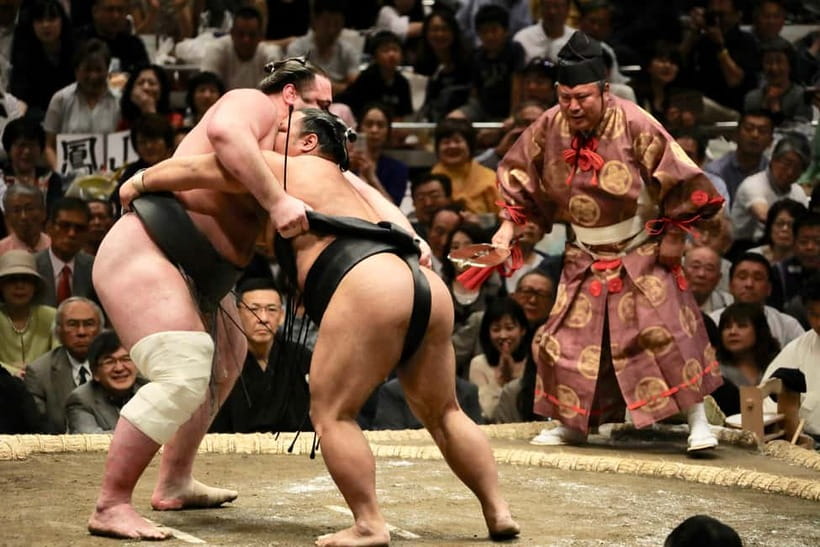
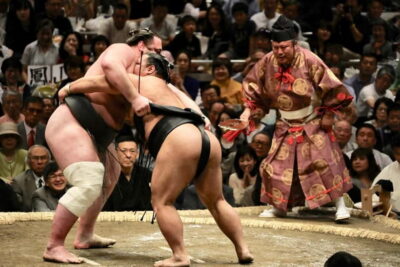
Sumo gets way more fun with a translator. This Nagoya tour uses real-time headsets plus a wrestler pamphlet in English, so you catch the rules and small rituals instead of just watching arms fly.
I love that the guide keeps the day moving, and you can use a cheering towel for a specific wrestler exactly when it matters, with guides like Mari or Yuki bringing extra energy and focus to the action. The real-time commentary also helps you follow what is happening even from your seat.
One tradeoff is logistics and cost: at $225 per person with no hotel pickup, you need to get to the meeting point yourself, and the main viewing is built around starting bouts at 15:00.
In This Review
- Quick highlights
- Nagoya is the easy sumo day trip from Osaka and Kyoto
- Meeting at Nagoyajo Station, then heading straight for the fun
- 15:00 top-division bouts: reserved seats and real-time English through headsets
- The cheering towel moment: a small ritual that makes you feel part of it
- Wrestler pamphlet, photos, and profiles you can actually follow
- Optional Nagoya Castle walk: Tokugawa strategy in wood, metal, and stone
- Price and value: what $225 is paying for
- Who should book this Nagoya sumo tour
- Who might not love it as much
- Should you book this Nagoya grand sumo tournament tour?
- FAQ
- Where do I meet for the Nagoya grand sumo tournament tour?
- Is hotel pickup included?
- What time do the top-division bouts start and how long do they last?
- Are the tour materials in English?
- How do the earphones work?
- What is included in the cheering towel experience?
- Is Nagoya Castle part of the tour?
- Is it possible to reserve now and pay later, and can I cancel?
Quick highlights
- Earphone headset commentary throughout the tour, so you hear the guide clearly from where you sit
- English pamphlet with wrestler photos and profiles, walked through as each match unfolds
- Cheering towel for a selected wrestler, with clear instructions on when and how to use it
- Reserved Chair S or Chair A seating for top-division bouts (3 hours, starting at 15:00)
- Optional Nagoya Castle walking tour, including Honmaru Palace details and Tokugawa history
Central Japan, beyond the obvious stop
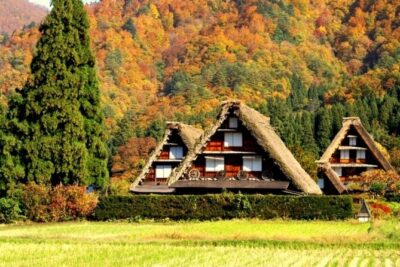
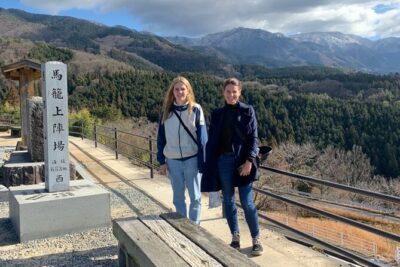
- From Nagoya: Gujo, Hida Takayama, and Shirakawa-go Day Tour
★ 4.4 · 398 reviews - Ghibli Park 1-Day Bus Tour from Nagoya
★ 4.5 · 277 reviews - From Nagoya: Hida Takayama & Shirakawa-go Tour w/Opt. Lunch
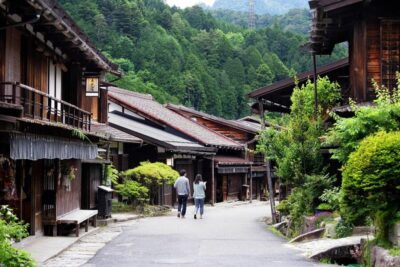
★ 4.5 · 256 reviews - Hiking the Historic Nakasendo Trail [1 Day Tour from Nagoya]
★ 5.0 · 104 reviews
Nagoya is the easy sumo day trip from Osaka and Kyoto
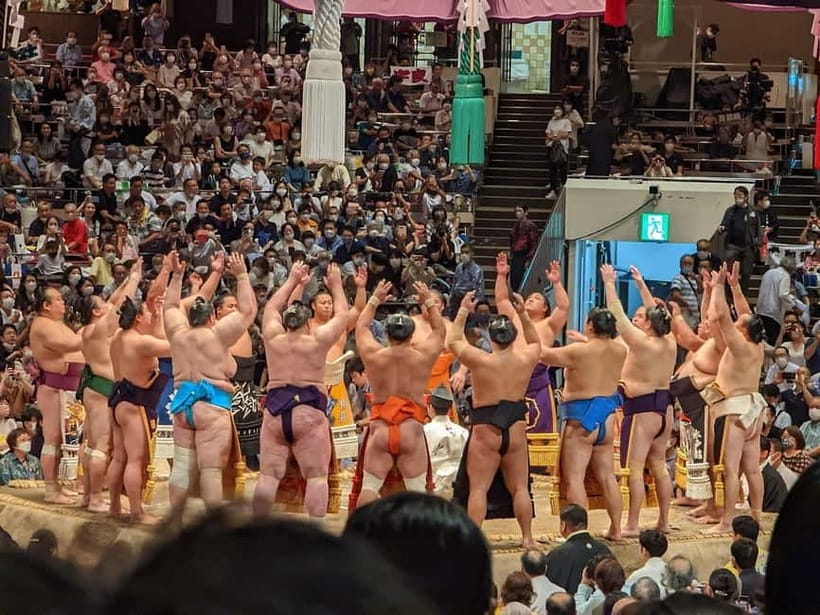
Nagoya is a smart base if you’re already doing Osaka or Kyoto. You’re looking at about a 50-minute train ride from Osaka and roughly 34 minutes from Kyoto, so this tour fits neatly into a normal Japan itinerary.
Also, Nagoya itself has a real sense of “everyday Japan,” not just a stopover. It’s home to Toyota, and it grew around Nagoya Castle, built by the Tokugawa clan in the early 1600s. That matters because your day is not only sumo. It connects the sport to the place.
Meeting at Nagoyajo Station, then heading straight for the fun
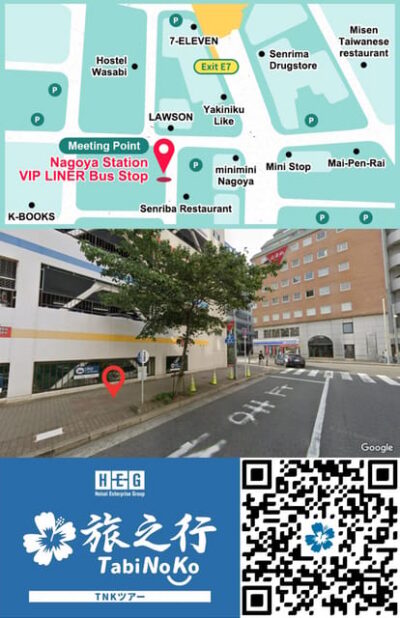
You meet at Meijo Line Nagoyajo Station (M07), Exit 7, ground level. The guide holds a recognizable signboard, so you can spot your group without playing station-hunting games.
There’s no hotel pickup or drop-off, so plan to arrive on your own. If you like to travel light and keep things simple, this still works well, because the meeting point is a clear station address and the tour ends back at the same spot.
Before you head out, wear comfortable shoes. Even though this is a tournament day, the optional castle walking time is part of the experience.
15:00 top-division bouts: reserved seats and real-time English through headsets
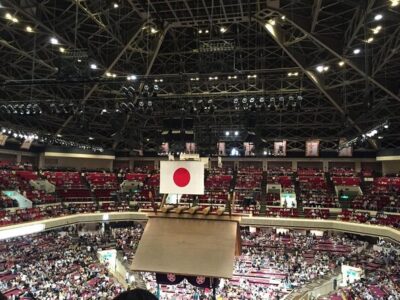
The core of the tour is watching the grand sumo tournament with real-time commentaries from an expert guide. You’ll be seated in Chair S or Chair A seats, and the tour specifically uses an earphone guide system.
That headset detail is a big deal. Sumo halls can be a little hard to read from farther seats, and sound can get lost in the noise. Here, you get the guide’s running commentary clearly even from a distance, so you’re not constantly asking yourself what just happened.
Timing is also handled with common sense. Top-division viewing runs for 3 hours beginning at 15:00. Starting at the right time helps you stay engaged. The idea is simple: watch enough to feel the rhythm, without burning out before the main action.
- Nagoya: Japanese Traditional Sweets making and Tea Ceremony★ 4.9 · 76 reviews
- Magome-juku, Tsumago-juku & Ena-kyo 1d Bus Tour from Nagoya★ 4.6 · 75 reviews
- Ise’s Sacred Shrines and Captivating Coastlines – From Nagoya★ 5.0 · 45 reviews
- Nagoya: Grand Sumo Tournament Tour★ 4.8 · 44 reviews
- Shirakawago & Takayama Bus Tour from Nagoya w/Optional Lunch★ 4.5 · 37 reviews
The cheering towel moment: a small ritual that makes you feel part of it
This is the kind of add-on that sounds silly until you’re doing it. You’ll get a cheering towel for a particular wrestler, and your guide shows you how to use it when that wrestler is about to fight.
Why it works: sumo is full of tradition and timing. When you understand what you’re cheering for and when, the tournament shifts from entertainment to participation.
Your group energy matters, too. Toward the end of the tournament, the plan is to keep momentum high so everyone can cheer together while the guide connects what you’re seeing to the bigger picture of sumo.
Wrestler pamphlet, photos, and profiles you can actually follow
One of the best parts of this tour is the English material you receive. You get a pamphlet with photos and profiles of each wrestler, and the guide walks you through it as you watch each bout.
This is practical, not just “nice to have.” When you know who is in the ring and can place the personalities and background at a glance, you stop treating the matches like random combat clips. Instead, you start spotting patterns and stakes.
You also receive a sumo booklet that explains a lot about the sport. Combined with the real-time commentary, it helps you build quick understanding as the tournament unfolds, instead of trying to learn everything beforehand.
Optional Nagoya Castle walk: Tokugawa strategy in wood, metal, and stone
The optional castle portion is tied to the Nagoya Castle area where the tournament is connected. You’ll get a local guide style explanation of what you’re seeing and why it matters.
Nagoya Castle is described as built in the early 17th century, with traits typical of Japanese castles. The tour focuses on the larger story, not just postcard views:
- the historical backdrop when it was constructed
- how the Tokugawa clan managed the feudal lords who had once been antagonistic
- architectural techniques used to build it
- how effective it was as a fortress and dungeon
If you like history that explains behavior, this section is a good match. It connects power and control to the physical design, which is easy to visualize when someone is pointing out features as you walk.
You also get to marvel at Honmaru Palace. The details are specific: hinoki cypress wood, decorative metal fittings, and fine art on walls, ceilings, and sliding doors. Those materials make the place feel lived-in and carefully made, not like a generic museum room.
Price and value: what $225 is paying for
At $225 per person, this is not a bargain tour. You’re paying for a bundle that is hard to recreate on your own:
- a seat category (Chair S or Chair A) so you’re not scrambling for viewing access
- real-time English commentary delivered through headsets
- English wrestler materials (photos, profiles, plus a booklet) that the guide actively uses while you watch
- a cheering towel and guided timing so you get the full fun factor
- an optional castle walk with guided context
If you’re the type who reads a lot and likes to understand what you’re watching, the value makes sense. You’re essentially paying for frictionless learning. The headset and printed materials remove the two biggest barriers for first-timers: missing the spoken context and not knowing who you’re looking at.
There is one clear consideration. If you expect a sumo outing to be mostly about the match and nothing else, you may feel the price is steep. In that case, you might want a more self-guided plan. But if you want sumo explained in real time, this tour is built for that.
Who should book this Nagoya sumo tour
This tour fits especially well if:
- it’s your first time seeing grand sumo and you want rules, rituals, and what to watch explained
- you want an easy day from Osaka or Kyoto without complicated planning
- you like interactive touches, like the cheering towel, that make the event feel memorable
- you’d enjoy pairing sport with a guided castle walk that gives context
It also works if you’re traveling in a mixed group where not everyone is a sumo fanatic. Even if you’re just there for the culture and spectacle, the guide’s commentary and the wrestler profiles make it easier to stay interested.
Who might not love it as much
If you hate group schedules and you prefer freedom to wander at your own pace, the structured viewing at 15:00 might feel limiting. Also, because there is no hotel pickup, you have to handle getting yourself to Meijo Line Nagoyajo Station.
And if you are very price sensitive, $225 will likely feel like a premium. It is a premium, but the “why” is in the included guidance and materials.
Should you book this Nagoya grand sumo tournament tour?
I’d book it if you want a straightforward, high-signal introduction to sumo in English, with an expert guide actively helping you follow each bout. The headset commentary, the wrestler pamphlet, and the cheering towel are not decorative. They change how the tournament lands.
Book it too if you want a second anchor to the day. The optional Nagoya Castle walk adds that Tokugawa-era depth, plus the Honmaru Palace details like hinoki cypress and decorative fittings.
If your goal is only to sit quietly and watch the matches with minimal extras, you might compare other ways to attend. But for most first-timers, this tour is one of the easiest paths from confusion to understanding.
FAQ
Where do I meet for the Nagoya grand sumo tournament tour?
You meet at Meijo Line Nagoyajo Station (M07), Exit 7 on the ground. The guide will be holding a recognizable signboard.
Is hotel pickup included?
No. Hotel pickup and drop-off are not included.
What time do the top-division bouts start and how long do they last?
The tour watches top-division bouts for 3 hours starting at 15:00.
Are the tour materials in English?
Yes. You receive a pamphlet with photos and profiles of the wrestlers with English translation.
How do the earphones work?
The tour includes an earphone guide system. Your guide provides real-time commentaries through your headset, so you can hear clearly even from a distance.
What is included in the cheering towel experience?
You receive a cheering towel for a particular wrestler. The guide shows you how to use it when that wrestler is about to fight.
Is Nagoya Castle part of the tour?
Nagoya Castle walking tour is optional. If you do it, you visit the castle area where the sumo arena is located, with guidance on history and architecture.
Is it possible to reserve now and pay later, and can I cancel?
Yes, it offers reserve & pay later. You can cancel up to 24 hours in advance for a full refund.
Central Japan Beyond the Obvious




Newest Nagoya write-ups from the Loving Japan desk

Nagoya and Central Japan, side by side.
 ★ 5.0Ultimate Sumo Tournament: Tokyo, Osaka, Nagoya, FukuokaFrom $184468 reviews
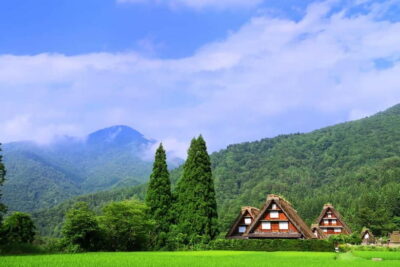 ★ 4.4From Nagoya: Gujo, Hida Takayama, and Shirakawa-go Day TourFrom $61398 reviews
 ★ 4.5Ghibli Park 1-Day Bus Tour from NagoyaFrom $179277 reviews
 ★ 4.5From Nagoya: Hida Takayama & Shirakawa-go Tour w/Opt. LunchFrom $61256 reviews
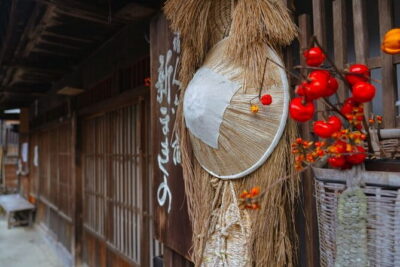 ★ 5.0Hiking the Historic Nakasendo Trail [1 Day Tour from Nagoya]From $210104 reviews
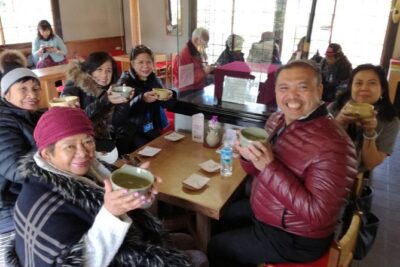 ★ 5.0Nagoya Highlight Tour guided by a friendly localFrom $11286 reviews
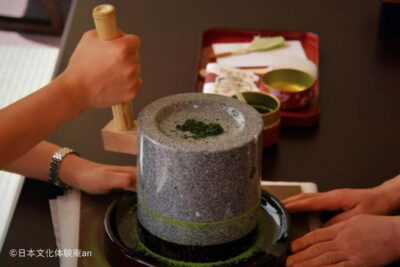 ★ 4.9Japanese Traditional Sweets making and Tea CeremonyFrom $1876 reviews
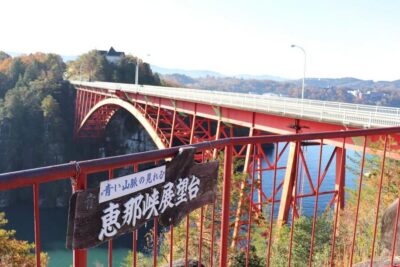 ★ 4.6Magome-juku, Tsumago-juku & Ena-kyo 1d Bus Tour from NagoyaFrom $6175 reviews
Filed on these lists too