
REVIEW · NAGOYA AND CENTRAL JAPAN
Specialties of Nagoya Food Tour
Nagoya eats fast, then explains itself. This 3.5 hour, small-group food walk is built for one big win: you get tastings included and a guide who helps you order without wrestling Japanese menus. I like that it is capped at six people, so you get real attention, not a rushed shuffle.
Two things I really like: you sample stand-out Nagoya classics like Miso Nikomi Udon in red miso broth, and the guide handles the ordering so you can just enjoy the food. Another plus, guides like Patricia bring personal perspective too, including her Peruvian roots and Japanese background, which makes the cultural side feel human, not scripted.
One possible drawback to plan around: it is not suitable for vegans or vegetarians, and the menu is pre-selected (with changes possible based on availability). If you have dietary limits, you will need to message ahead so expectations stay realistic.
In This Review
- Key highlights you should care about
- Price and value for a 3.5 hour Nagoya bite tour
- Meeting point near Mirai Tower, and how the walk actually works
- Sakae stop: starting with Nagoya’s everyday food rhythm
- Oasis 21 energy: taking a quick city break between bites
- Matsuzakaya Nagoya underground: department store food culture in one stop
- The dishes that define Nagoya on this tour
- Miso Nikomi Udon in red miso broth
- Pickles from the world’s longest radish
- Shrimp tempura stuffed rice balls, plus the story behind them
- Spicy chicken wings that hit the Nagoya style
- Hitsumabushi, the eel rice you eat with instructions
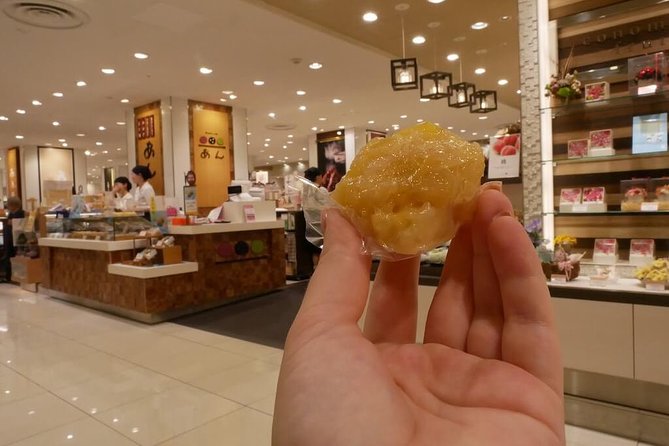
- A sweet potato treat tied to Japanese demons and famine
- Nighttime tours: izakaya culture and your one included drink
- Who should book, and who should skip
- Practical tips before you go (so you enjoy it more)
- Should you book this Nagoya food tour?
Key highlights you should care about
- Six people max, on foot: more time talking, less time waiting.
- Guide orders everything: you skip the awkward menu translation moment.
- 5 to 6 foods and snacks: enough variety to taste Nagoya, not enough to feel stuffed.
- Nagoya set-pieces included: Sakae area streets, Oasis 21, and the Matsuzakaya Nagoya underground.
- Nighttime version adds izakaya culture: one included drink at the last stop.
- Real local specialties on the menu: red miso udon, spicy chicken wings, eel rice, and Nagoya-style pickles.
Central Japan, beyond the obvious stop
- From Nagoya: Gujo, Hida Takayama, and Shirakawa-go Day Tour
★ 4.4 · 398 reviews - Ghibli Park 1-Day Bus Tour from Nagoya
★ 4.5 · 277 reviews - From Nagoya: Hida Takayama & Shirakawa-go Tour w/Opt. Lunch
★ 4.5 · 256 reviews - Hiking the Historic Nakasendo Trail [1 Day Tour from Nagoya]
★ 5.0 · 104 reviews
Price and value for a 3.5 hour Nagoya bite tour
At $150.89 per person, this tour sits in the mid-to-higher range for a food experience, so you want to know what is actually covering that price. Here is the practical part: you are paying for a guide, a tight route, and the convenience factor of built-in ordering. On top of that, you get 5 to 6 foods and snacks plus drinks on nighttime tours. That is the key value equation, because you do not have to add up meal costs as you go.
The duration matters too. Around 3 hours 30 minutes, you have time for multiple tasting stops and breaks, but you are not stuck in a full-day food marathon. Expect a fair amount of walking, though, so this is best for you if you want motion and small rests at restaurants, not a sit-down-only plan.
One more thing I like for your wallet: transport is not included. That keeps the tour price from ballooning, and it is easy to handle because the start point is near public transportation. In other words, the tour is priced for food and guide time, not for your getting there.
Meeting point near Mirai Tower, and how the walk actually works
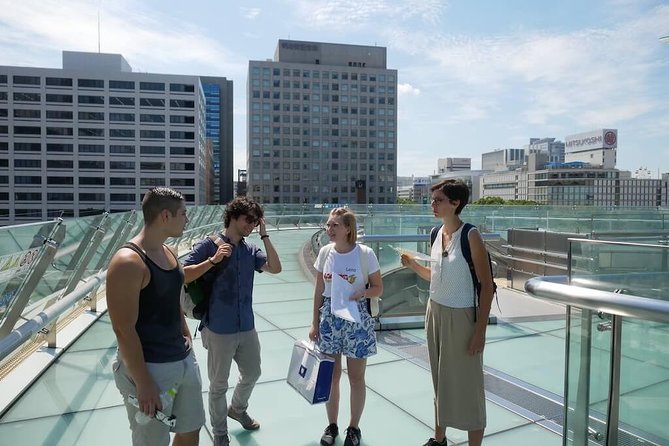
You start at Chubu Electric Power MIRAI TOWER, Nishiki, in Naka Ward. It is a clear, central landmark, and it is near public transport, which helps if you are bouncing between Nagoya sights.
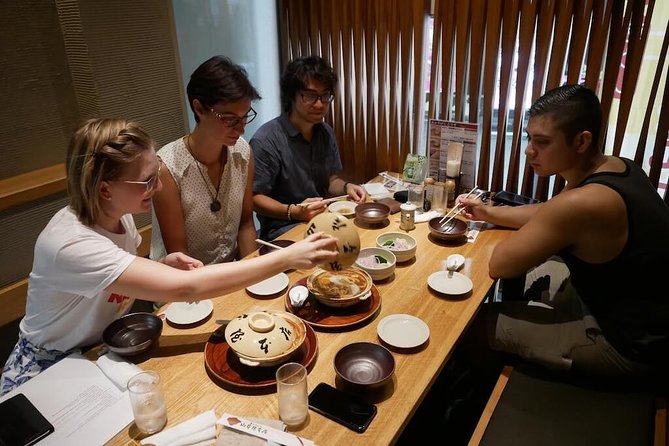
The tour is designed for a walking loop through busy downtown areas, but you are not expected to power through nonstop food debt. The format includes breaks at restaurants during tastings. That is important in Japan, because many places are close together but not built for long lingering. Your guide uses the stops to reset your energy, then keeps things moving.
If you are the type who hates standing in line or trying to order when you do not read the menu, you will feel the benefit quickly. The guide orders for you. That means your effort goes into tasting, not decoding.
Sakae stop: starting with Nagoya’s everyday food rhythm
The first stop is in Sakae, Nagoya’s main shopping and city-center zone. Starting here is smart. You are dropped into a real local flow, not a tourist-only bubble. You also get an early chance to understand what Nagoya food culture looks like day-to-day, before the route shifts into more scenic and specialty settings.
What to expect at this kind of opening stop: a first tasting that sets the tone. You should be ready for flavors that lean savory and hearty. This is not dessert first; Nagoya often shows up as comfort food with attitude, and the tour does that early.
A small consideration: Sakae is active. If you are easily overwhelmed by crowds, plan for that energy at the start. The good news is that your group is small, and your guide keeps you moving between tastings so you are not stuck wandering.
- Nagoya Highlight Tour guided by a friendly local★ 5.0 · 86 reviews
- Nagoya: Japanese Traditional Sweets making and Tea Ceremony★ 4.9 · 76 reviews
- Magome-juku, Tsumago-juku & Ena-kyo 1d Bus Tour from Nagoya★ 4.6 · 75 reviews
- Ise’s Sacred Shrines and Captivating Coastlines – From Nagoya★ 5.0 · 45 reviews
- Nagoya: Grand Sumo Tournament Tour★ 4.8 · 44 reviews
Oasis 21 energy: taking a quick city break between bites
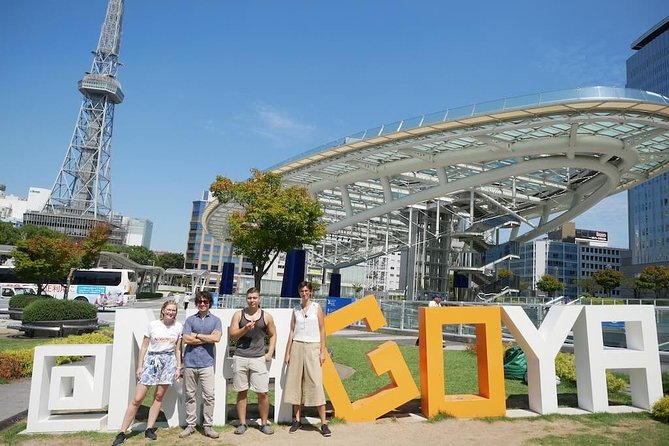
Next you head to Oasis 21. Even if you are mostly there for food, this stop gives your brain a break. It also helps you connect food with place, so Nagoya feels like a city you understand, not a checklist.
Oasis 21 is the kind of spot that makes the walk feel like an actual itinerary. You get a bit of visual context, then you go back to eating. This pacing matters because by the time you reach more food-heavy stops, your taste buds are already warmed up instead of shocked by sudden intensity.
If you prefer a quiet tour, note that this is still a central public area. You will be around other people. Your job is simple: enjoy the movement, then refocus once you sit down to taste the next course.
Matsuzakaya Nagoya underground: department store food culture in one stop
One of the most interesting elements is the underground level of Matsuzakaya Nagoya. The tour uses this space for a reason. In Japan, department store basements are often where everyday shopping meets serious eating. You can find a mix of casual snack culture and higher-end specialty stalls in one place.
This stop adds something that pure street food tours often miss: you see how Nagoya shops, tastes, and treats good food as part of daily life. It is also a practical break from the sun or rain, depending on the season and weather.
The drawback here is mostly personal. If you love open-air street scenes and hate indoor shopping environments, this portion may feel less “street market” and more “food hall.” But if you are trying to avoid guesswork and still eat well, department store basements are a strong strategy, and the tour leverages that.
The dishes that define Nagoya on this tour
This is where the tour earns its reputation. The food list is built around Nagoya signatures, so you do not just eat randomly. You get a guided sampler of local tastes, plus explanations that help you understand what you are tasting and why it matters.
Miso Nikomi Udon in red miso broth
One of the standouts is Miso Nikomi Udon, with steamed udon noodles served in hot soup made from red miso paste. The guide’s timing matters here. When the bowl arrives, it is meant to be eaten hot, so you taste the broth fully. You can expect deep savory flavor, not just saltiness, and the udon texture does a lot to make it feel comforting.
This is also a great choice if you want something filling without needing a second meal afterward.
Pickles from the world’s longest radish
You will also try pickles made from Japan’s famously long radish. This is not just a side dish. In a food tour context, it works as contrast, balancing richer items with a tangy crunch.
Shrimp tempura stuffed rice balls, plus the story behind them
Another highlight is the rice ball component, including local shrimp tempura stuffing. The tour also includes the backstory, which helps you stop eating on autopilot. When you know the tradition behind it, a simple snack becomes more memorable.
Spicy chicken wings that hit the Nagoya style
The tour includes spicy chicken wings, described as peppery in the information. These are the kind of food that people remember because they are bold and easy to understand. They are also a good “transfer point” between different kinds of flavors, so your next tasting does not feel repetitive.
Hitsumabushi, the eel rice you eat with instructions
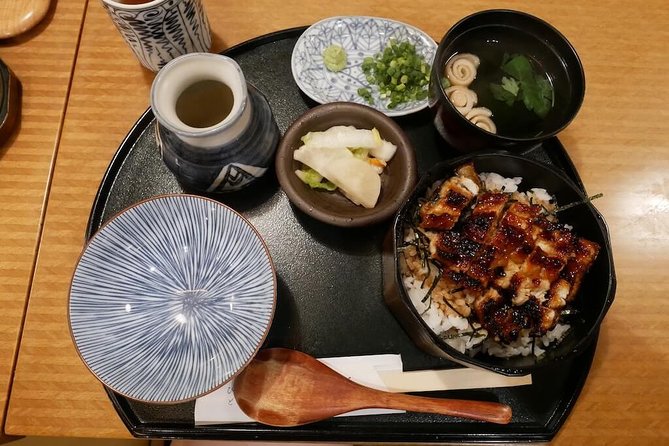
For the biggest Nagoya food lesson, you get help with Hitsumabushi, a dish made from freshwater eel. You will learn how to eat it. That matters because eel rice is not just one-way eating. The tour setting gives you a simple structure to follow, so you do not miss the best way to enjoy it.
If you are curious about eel but hesitant to order it in a restaurant on your own, this tour removes the guesswork. And if eel is already on your list, this is exactly the kind of dish that makes the trip feel focused.
A sweet potato treat tied to Japanese demons and famine
There is also a cultural story woven into a sweet potato treat. The tour talks about Japanese demons and famine and connects that to local food traditions. This is the part you might not get on a purely “eat and run” itinerary, and it gives the food context beyond flavor alone.
Important note: food is pre-selected and may change based on availability. That does not mean the tour is chaotic, it means you should show up ready for a substitute if the exact item is not available.
Nighttime tours: izakaya culture and your one included drink
If you do the nighttime version, you get a clear focus on Japan’s drinking culture in a Nagoya izakaya. This is not just about alcohol. It is about the rhythm of eating and ordering drinks together, plus the social style of a casual Japanese pub.
The deal is straightforward: you get to wash down your peppery chicken wings with a cold Japanese beer or another beverage. And at nighttime, one drink is included at the last stop (alcoholic or non-alcoholic). If you want a tasting that includes a bit of night-life atmosphere without turning the experience into a bar crawl, this format fits.
A small consideration: if you do not drink alcohol at all, choose the non-alcoholic option at the end. The tour is set up to include that, so you are not left without something matching the group.
Who should book, and who should skip
This tour works best if you want three things: guided food ordering, multiple Nagoya specialties in a short time, and small-group attention.
You will likely love it if:
- You want Nagoya classics like red miso udon, eel rice, and chicken wings without researching each stop.
- You do not want to wrestle menus or pronunciation when ordering.
- You enjoy learning the story behind what you eat, not just collecting photos.
You should reconsider if:
- You are vegan or vegetarian. It is not suitable for vegans and vegetarians.
- You have strict allergies or dietary restrictions. The info suggests you should let the provider know, but the menu is still pre-selected, so flexibility may be limited.
If you are traveling with friends or family, the small group size is also a plus. With up to six people, questions and pacing feel manageable.
Practical tips before you go (so you enjoy it more)
First, wear shoes you trust. There is quite a bit of walking, even with breaks built in. Second, go in hungry, but not ravenous. The schedule is set for a sequence of tastings, and it is easy to feel overly full if you eat a huge meal right before.
Third, if you have allergies or dietary needs, message ahead. The tour is designed around specific items, and the food may be changed based on availability. You want clarity before you arrive, not improvisation during the first stop.
Finally, use the mobile ticket and plan to show up at the meeting point on time. The tour runs as a sequence, and being late can throw off the flow for the group, especially when the guide is coordinating orders.
Should you book this Nagoya food tour?
I would book this tour if your goal is simple: taste real Nagoya specialties with minimal stress, and get help ordering so you spend less time figuring out menus and more time eating.
It is especially worth it if you like food that has local identity, like red miso udon and eel rice, and you want the cultural explanations that make those dishes feel specific to Nagoya. The small-group size and restaurant breaks are real quality-of-life wins.
Skip it if you are vegan or vegetarian, or if you need a heavily customized diet. Also skip it if you hate walking and want a fully seated, low-movement experience.
If you fit the sweet spot, this tour is a smart way to get “Nagoya” into your trip in just 3 hours 30 minutes, without turning your day into a hunt for what to order next.
Central Japan Beyond the Obvious


Newest Nagoya write-ups from the Loving Japan desk

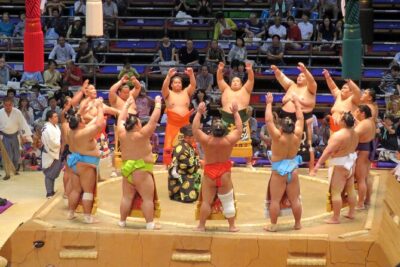

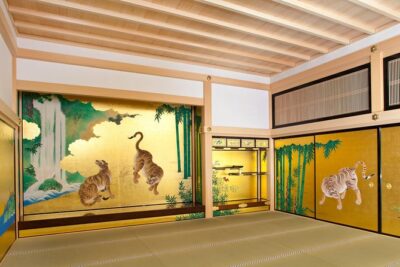
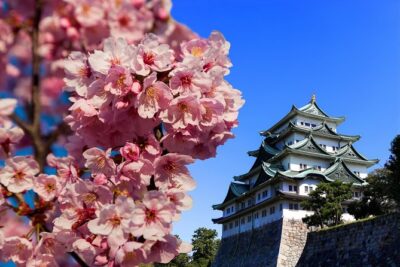
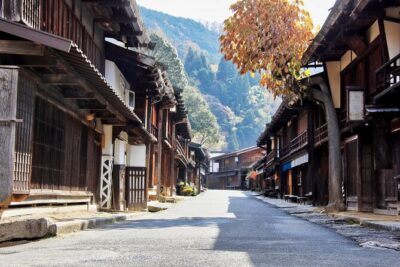
Nagoya and Central Japan, side by side.
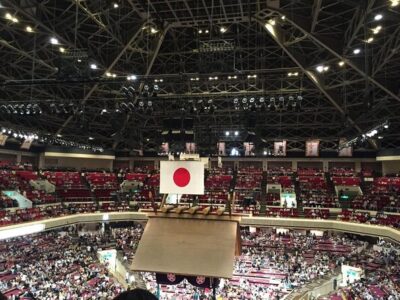 ★ 5.0Ultimate Sumo Tournament: Tokyo, Osaka, Nagoya, FukuokaFrom $184468 reviews
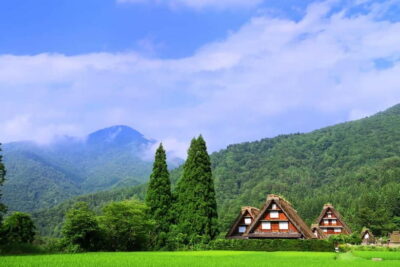 ★ 4.4From Nagoya: Gujo, Hida Takayama, and Shirakawa-go Day TourFrom $61398 reviews
 ★ 4.5Ghibli Park 1-Day Bus Tour from NagoyaFrom $179277 reviews
 ★ 4.5From Nagoya: Hida Takayama & Shirakawa-go Tour w/Opt. LunchFrom $61256 reviews
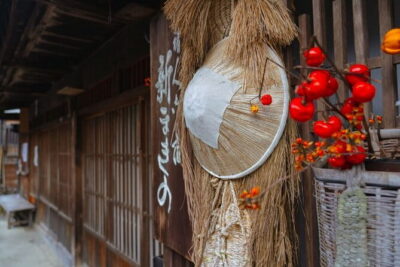 ★ 5.0Hiking the Historic Nakasendo Trail [1 Day Tour from Nagoya]From $210104 reviews
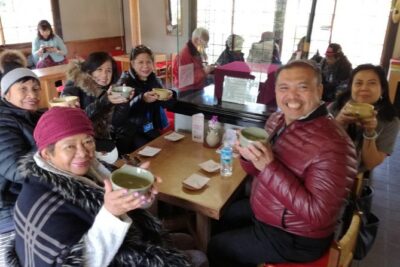 ★ 5.0Nagoya Highlight Tour guided by a friendly localFrom $11286 reviews
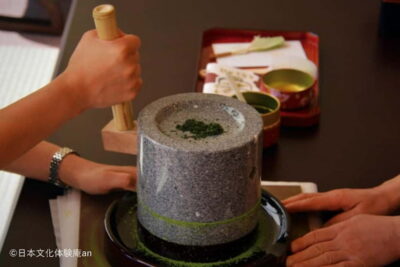 ★ 4.9Japanese Traditional Sweets making and Tea CeremonyFrom $1876 reviews
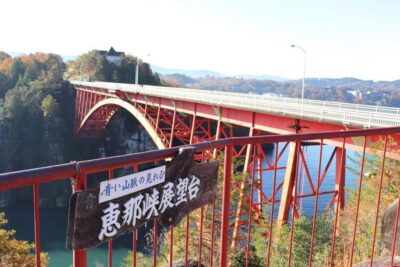 ★ 4.6Magome-juku, Tsumago-juku & Ena-kyo 1d Bus Tour from NagoyaFrom $6175 reviews
Filed on these lists too