
REVIEW · NAGOYA AND CENTRAL JAPAN
From Nagoya: Eihoji, Enakyo, Magomejuku & Tsumagojuku Day Tour
A day in the Kiso Valley beats a screen saver. This Nagoya tour stitches together Edo-period post towns, Zen temple calm, and big Ena Gorge views without you juggling trains.
What I like most is the mix: you get cobblestones and wooden storefronts in Magome and Tsumago, then you shift to quieter places like Kokeizan Eihoji Temple and its garden, and finally you look out over the Ena Gorge area from Enakyo.
The only real thing to watch is language and pacing fit. The tour uses an English- or Chinese-speaking guide, and on some departures the bus may provide English and Chinese commentary at the same time, so if you want nonstop detailed English, go in with flexibility.
In This Review
- Key highlights to know before you go
- Why this Nagoya day trip feels worth it
- The main route: Magome-juku to Tsumago-juku, in one smooth arc
- How Magome-juku actually plays out on foot (about 2 hours)
- Tsumagojuku: the shorter stop that still lands (about 1 hour 10 minutes)
- Kokeizan Eihoji Temple: calm, history, and a garden with a few slopes
- The garden portion: where to slow down and where to watch your step
- Eihoji plus the water setting tied to Oi Dam
- Enakyo Observatory for Ena Gorge panoramas
- Food and breaks: what to expect when lunch is not included
- Guides, language, and the day’s flow
- Price and value: what $63.04 buys you
- Who this tour suits best
- Should you book this tour?
- FAQ
- What time does the tour start?
- How long is the tour?
- Where do I meet the group?
- What’s included in the price?
- Is lunch included?
- Do I need to pay for admission at the stops?
- Will I get a ticket on my phone?
- What luggage can I bring?
- Is the tour suitable for most people?
- What if the tour is canceled due to group size or changes?
- What is the cancellation window?
Key highlights to know before you go
- Magome-juku Nakasendo walk: two hours to wander the historic post town feel, with free entry for the main site areas.
- Tsumago-juku time capsule: about 1 hour 10 minutes to stroll another well-preserved Nakasendo stop.
- Kokeizan Eihoji Temple + garden: included entrance, founded in the Kamakura period, with a serene garden and some slopes to use caution on.
- Enakyo and the Ena Gorge viewpoints: panoramic scenery you can take your time with, plus a lake area connected to Oi Dam.
- Guide-led context: the best part is how the guide connects streets, temples, and geography into one story, and guides you by name in some departures.
Central Japan, beyond the obvious stop
- From Nagoya: Gujo, Hida Takayama, and Shirakawa-go Day Tour
★ 4.4 · 398 reviews - Ghibli Park 1-Day Bus Tour from Nagoya
★ 4.5 · 277 reviews - From Nagoya: Hida Takayama & Shirakawa-go Tour w/Opt. Lunch
★ 4.5 · 256 reviews - Hiking the Historic Nakasendo Trail [1 Day Tour from Nagoya]
★ 5.0 · 104 reviews
Why this Nagoya day trip feels worth it
If you’re basing yourself in Nagoya, you can spend a lot of time and energy getting to places like the Kiso Valley. This kind of tour is valuable because it handles the heavy lifting: air-conditioned coach, an organized route, and entrance fees bundled in. You show up, then you get a full day of places that would each take separate planning.
I also like that the day has contrast built in. You start with Nakasendo post town atmosphere, switch to a Zen temple setting, then finish with big outdoor views of the Ena Gorge area. It keeps the day from feeling like a checklist.
One more plus: the itinerary isn’t only “look from a distance.” There’s actual walking time in the post towns and time to explore temple grounds and a garden, plus scenic areas with trails.
The main route: Magome-juku to Tsumago-juku, in one smooth arc
This is basically a classic Nakasendo Trail day, focused on two post towns and the surrounding natural and cultural scenery. The order matters because Magome-juku gives you the first hit of the old road atmosphere, and Tsumago-juku follows with another version of the same era, so you can compare styles as you go.
It also helps that both post towns are described as former lodging stops for travelers on the Nakasendo, the feudal-era route connecting Tokyo and Kyoto. That context makes cobblestone streets and wooden buildings feel more meaningful than just pretty scenery.
How Magome-juku actually plays out on foot (about 2 hours)
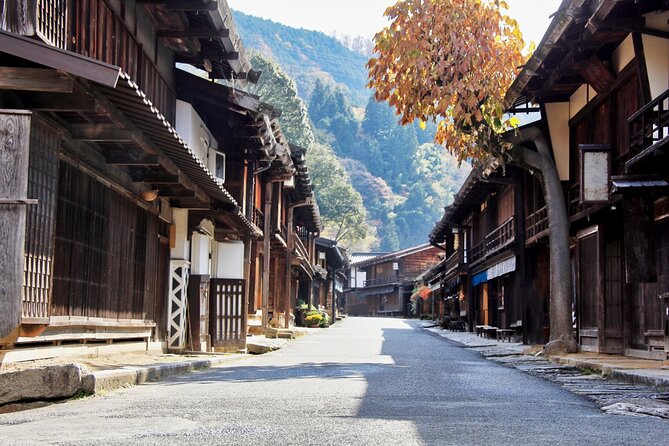
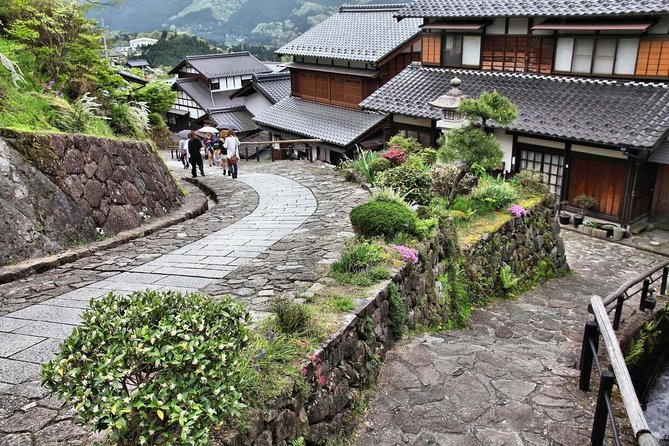
You’ll start at Nakasendo Magome-juku for about two hours. This is one of those places where it’s easy to walk slow without realizing you’ve added time. The vibe comes from the preserved post-town layout and the traditional buildings along the old road.
A few practical things you’ll want to aim for in Magome:
- Take time to scan the streets for the small details, since the charm here is in how the town looks and feels as a traveler would have experienced it.
- Plan on using the time for both wandering and stopping, because two hours disappears faster than you think once you’re photographing.
Admission is listed as free for the main stop, which helps value.
You’ll also get a stop at Magomekan, a convenient souvenir and light-meal shop in Magome-juku. One item specifically mentioned is gohei-mochi: skewered rice cakes coated with sweet miso and walnut sauce. If you want a snack that fits the setting, this is the moment.
You’ll also see a pond view in Magome-juku, with Mt. Ena as a reference point. It’s one of those “pause here” moments that makes the post town feel connected to the surrounding landscape and seasons.
Finally, Magome includes Magome Waki-honjin History Museum, a reconstructed portion of the former Waki-honjin, the lodging associated with feudal lords and officials of the shogunate. Even if museums aren’t your first love, this one helps you understand what these towns were built to support.
- Nagoya Highlight Tour guided by a friendly local★ 5.0 · 86 reviews
- Nagoya: Japanese Traditional Sweets making and Tea Ceremony★ 4.9 · 76 reviews
- Magome-juku, Tsumago-juku & Ena-kyo 1d Bus Tour from Nagoya★ 4.6 · 75 reviews
- Ise’s Sacred Shrines and Captivating Coastlines – From Nagoya★ 5.0 · 45 reviews
- Nagoya: Grand Sumo Tournament Tour★ 4.8 · 44 reviews
Tsumagojuku: the shorter stop that still lands (about 1 hour 10 minutes)
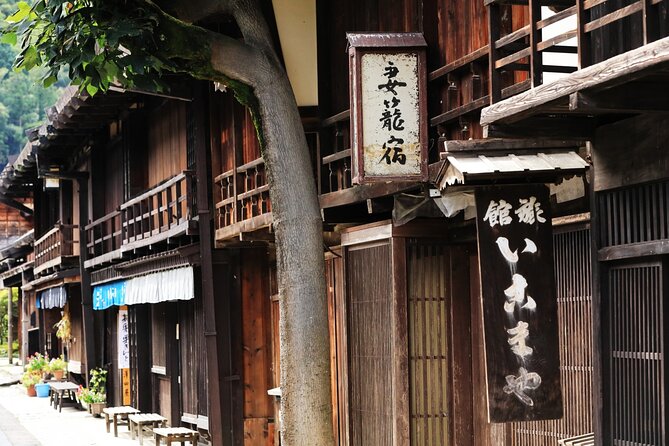
Next up is Tsumagoi-mura, which is also part of the Nakasendo story: Tsumago is located in Nagiso, Nagano Prefecture, and it was one of the post towns on the route connecting Edo with Kyoto. Your listed time here is about 1 hour 10 minutes, which means it’s best to treat it as a focused stroll rather than a full exploration.
For Tsumago, I’d prioritize:
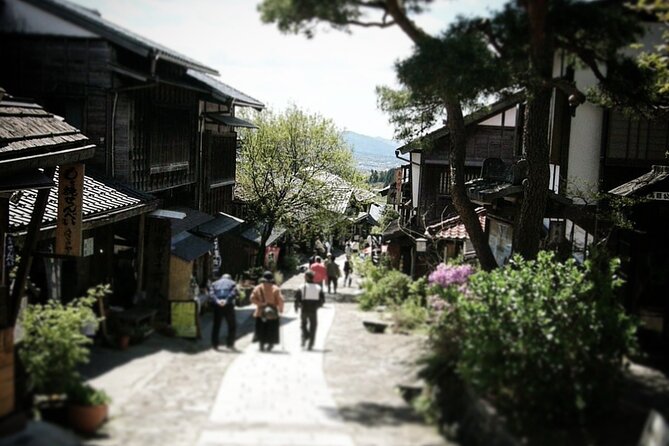
- A slow walk through the well-preserved streets, because that’s what the stop is built for.
- Getting photos early, so you’re not rushing later while you’re deciding what to buy.
With less time than Magome, you’ll feel it if you get stuck in a shop too long. If you want a smoother day, do browsing in Magome and keep Tsumago for walking and atmosphere.
Kokeizan Eihoji Temple: calm, history, and a garden with a few slopes
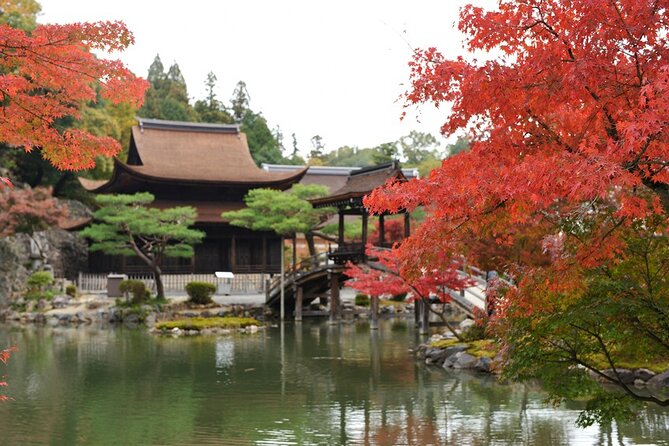
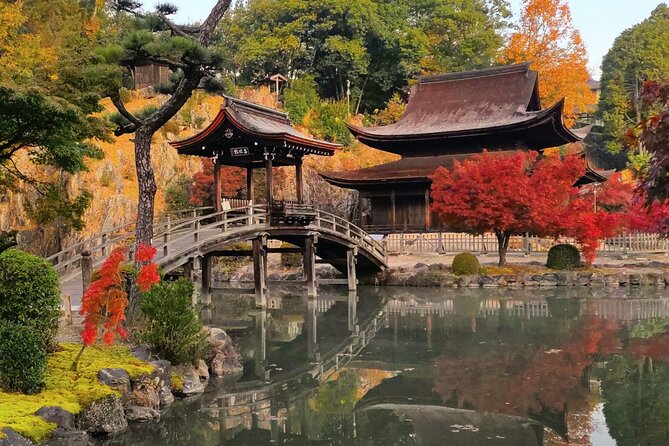
After the post towns, the mood changes. You head to Kokeizan Eihoji Temple (Eihō-ji), a Rinzai Zen Buddhist temple in the northern area of Tajimi, Gifu Prefecture.
Entrance is included, and the temple is described as being founded in the Kamakura period. It also notes that two of the temple structures are designated National Treasures, which signals you’re not just visiting a nice green space. This is one of those temples where architecture and setting matter.
The garden portion: where to slow down and where to watch your step
The tour includes time for Eihoji Temple Garden, described as serene and solemn. The important detail is practical: there are some steep slopes that require caution.
So here’s my advice: wear shoes with grip, and don’t treat this part like a casual stroll with sandals. You’ll enjoy the scenery more if you’re not negotiating footing every few minutes.
If you like garden design, this is the kind of place where different sightlines matter. Even without inventing a specific layout for you, the tour data hints at scenery that is beautiful from multiple angles and encourages careful walking.
Eihoji plus the water setting tied to Oi Dam
The itinerary also mentions an artificial lake created by the Oi Dam, with sightseeing boats operating on the lake. Along both shores, you’ll find uniquely shaped rocks, plus a park on the lakeside.
There’s a good reason to include a water-and-rock stop in a cultural tour: it resets your eyes after cobblestones and after temple buildings. It’s also a great place to pause and let the scenery do the talking.
The tour notes well-developed walking trails here. That’s good news for you if you like to stretch your legs, but keep it realistic. After a long coach day, your energy budget matters. Pick one or two trail loops rather than trying to do everything.
Enakyo Observatory for Ena Gorge panoramas
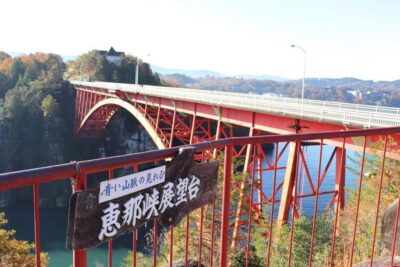
The overview calls out Enakyo Observatory for panoramic views of the Ena Gorge. You’re looking at the winding river and surrounding mountains, the kind of scenery that changes how you feel about the entire region.
This stop is valuable because it connects all the earlier points. You visited old road post towns that existed because people needed to move through valleys. Then you see the gorge itself, and it clicks: geography shaped travel, travel shaped towns, and towns shaped culture.
If you’re the type who likes photos, this is where you’ll probably burn the most camera battery. If you prefer to travel lightly, still plan enough time to stand and look. The view is the activity here.
Food and breaks: what to expect when lunch is not included
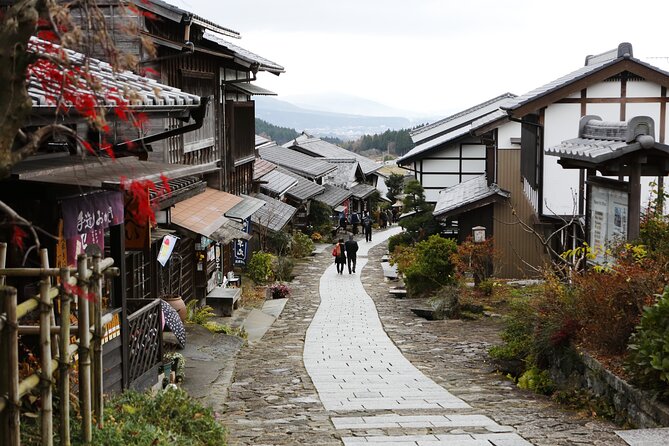
Lunch is listed as not included, which is common on coach tours, especially when sites are spread out. You do get the option for a light meal snack at Magomekan, including gohei-mochi with sweet miso and walnut sauce.
So I’d plan like this:
- Treat Magome as your best chance for a practical snack during the post town portion.
- If you want a proper sit-down lunch, you’ll need to find one on your own during the day since the tour does not include it.
This doesn’t mean you’ll go hungry. It just means you should be intentional, especially if you have dietary needs.
Guides, language, and the day’s flow
A big part of why this kind of tour works is the guide. The included service says the group travels with an English- or Chinese-speaking guide, and commentary may include both languages on the same bus if there are fewer participants.
Here’s what I’d do if language matters to you:
- Don’t assume you’ll hear perfectly tailored commentary in English the entire time.
- When you arrive, confirm what language your group will use and settle your expectations early.
The guide names mentioned in user feedback include Liu and Janet, and other guides are referenced as 小刘 and 神原先生. In the best moments, the guide doesn’t just explain facts, they connect locations. That’s what turns a street or temple into a story you remember.
The pacing is also a strength. One feedback point notes the time at each location feels well spaced. That matters because 9 to 10 hours can feel like a marathon if you get only ten minutes at each stop.
Price and value: what $63.04 buys you
At $63.04 per person, the value comes from the combination:
- Guided day tour over multiple towns and a temple area
- Air-conditioned coach
- Entrance fees and taxes included
- Mobile ticket convenience
- English or Chinese guide support
The trade-offs are simple. Lunch isn’t included, and you’re spending a full day away from Nagoya, so your personal time cost is real. But if you want Magome-juku, Tsumago, and the temple plus scenery without handling transportation planning, this price generally lines up with what you’d pay for convenience plus paid entries.
Also, notice the time coverage: you’re getting around 9 to 10 hours total. That’s long enough to justify the coach cost because you’re not just doing one area, you’re doing several.
Who this tour suits best
This is a strong match if you:
- Want a one-day introduction to the Nakasendo post town experience without trains and transfers
- Like mixing towns with calm stops, especially temple gardens and Zen sites
- Appreciate panoramic scenery and short trail time, not just museum interiors
- Are okay with a full day on a bus and a route that runs continuously
It’s less ideal if:
- You need guaranteed nonstop detailed English. Language can vary by group size and commentary setup.
- You dislike walking or you’re worried about steep slopes in the Eihoji garden.
Should you book this tour?
I’d book this tour if you want a high-structure day that hits the highlights around Nagoya: Magome-juku and Tsumago-juku, a major temple stop at Kokeizan Eihoji, and big scenery from the Ena Gorge area. The biggest reason to choose it is that it packages transport and entrance fees into one straightforward day, so you can focus on walking and looking.
I would not book it if your top priority is flexible independent travel where you control every minute and every meal. Lunch is on you, and the schedule is fixed enough that you’ll feel the boundaries.
If you do book, bring grippy shoes for the garden slopes, plan for a snack in Magome unless you’re comfortable hunting lunch nearby, and confirm what language the guide will use when you meet the group. You’ll get a satisfying snapshot of central Japan, old-road style.
FAQ
What time does the tour start?
The tour starts at 8:30 am.
How long is the tour?
The duration is listed as 9 to 10 hours (approx.).
Where do I meet the group?
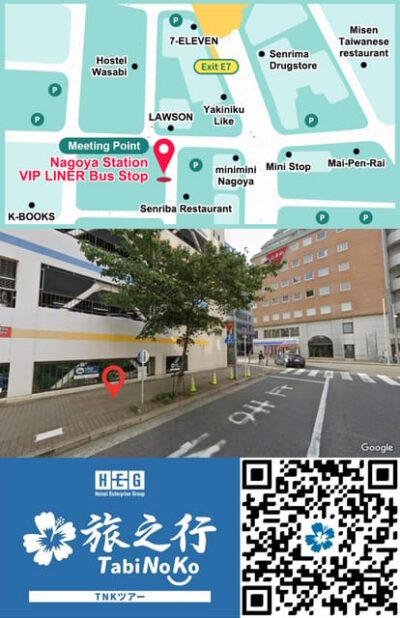
Meet at VIPLINER Nagoya bus stop 20-20, 20-20 Tsubakichō, Nakamura Ward, Nagoya, Aichi 453-0015, Japan.
What’s included in the price?
Included items are an English- or Chinese-speaking guide, air-conditioned coach, and all entrance fees and taxes.
Is lunch included?
No, lunch is not included.
Do I need to pay for admission at the stops?
Some stops are listed as free (such as Magome-juku and Tsumagoi-mura), and Kokeizan Eihoji Temple admission is included.
Will I get a ticket on my phone?
Yes, the tour includes a mobile ticket.
What luggage can I bring?
You can bring one piece of luggage per person. It must be manageable and fit in the vehicle trunk, with a maximum trunk size totaling 155 cm combined height, width, and depth. Items in the trunk are not accessible between stops.
Is the tour suitable for most people?
The information says most travelers can participate, but it also notes steep slopes that require caution in the Eihoji Temple Garden.
What if the tour is canceled due to group size or changes?
The tour may be canceled if the minimum group size of 10 people is not reached, and you’d be notified about 3 to 4 days before. In severe traffic or bad weather, the schedule may be adjusted and planned attractions can be reduced without refunds.
What is the cancellation window?
You can cancel up to 24 hours in advance for a full refund. Changes within 24 hours are not accepted, and refunds are not provided if you cancel less than 24 hours before the experience start time.
Central Japan Beyond the Obvious



Newest Nagoya write-ups from the Loving Japan desk

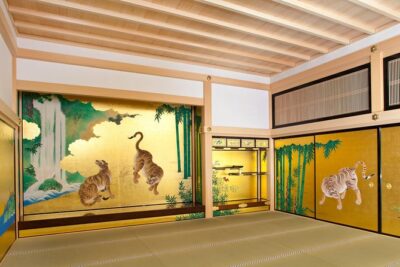
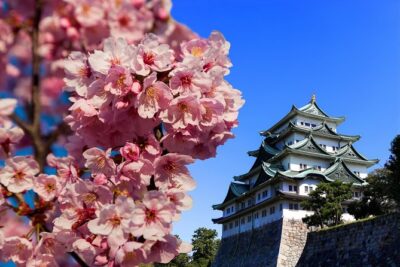
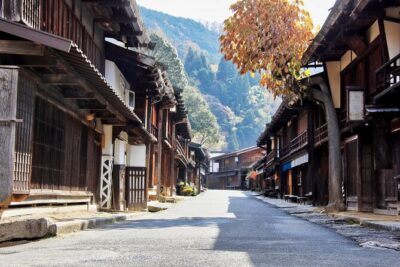
Nagoya and Central Japan, side by side.
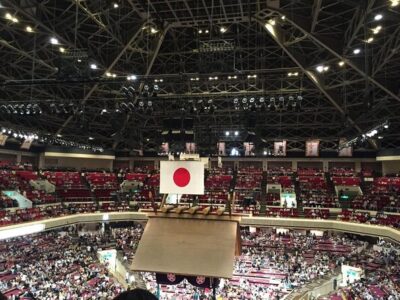 ★ 5.0Ultimate Sumo Tournament: Tokyo, Osaka, Nagoya, FukuokaFrom $184468 reviews
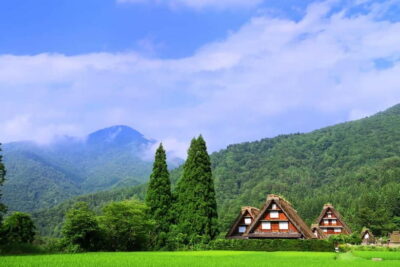 ★ 4.4From Nagoya: Gujo, Hida Takayama, and Shirakawa-go Day TourFrom $61398 reviews
 ★ 4.5Ghibli Park 1-Day Bus Tour from NagoyaFrom $179277 reviews
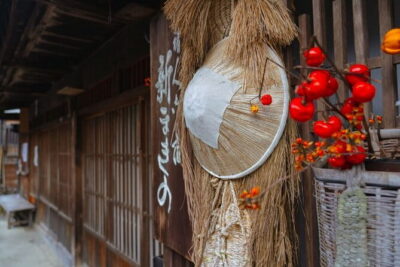
 ★ 4.5From Nagoya: Hida Takayama & Shirakawa-go Tour w/Opt. LunchFrom $61256 reviews
 ★ 5.0Hiking the Historic Nakasendo Trail [1 Day Tour from Nagoya]From $210104 reviews
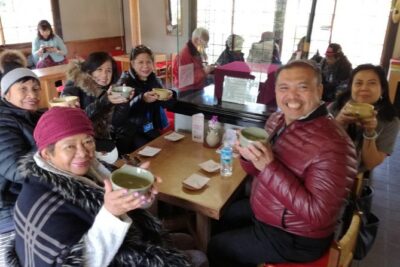 ★ 5.0Nagoya Highlight Tour guided by a friendly localFrom $11286 reviews
 ★ 4.9Japanese Traditional Sweets making and Tea CeremonyFrom $1876 reviews
 ★ 4.6Magome-juku, Tsumago-juku & Ena-kyo 1d Bus Tour from NagoyaFrom $6175 reviews
Filed on these lists too