
REVIEW · NAGOYA AND CENTRAL JAPAN
Nagoya: Traditional Japanese Sweets-Making Workshop
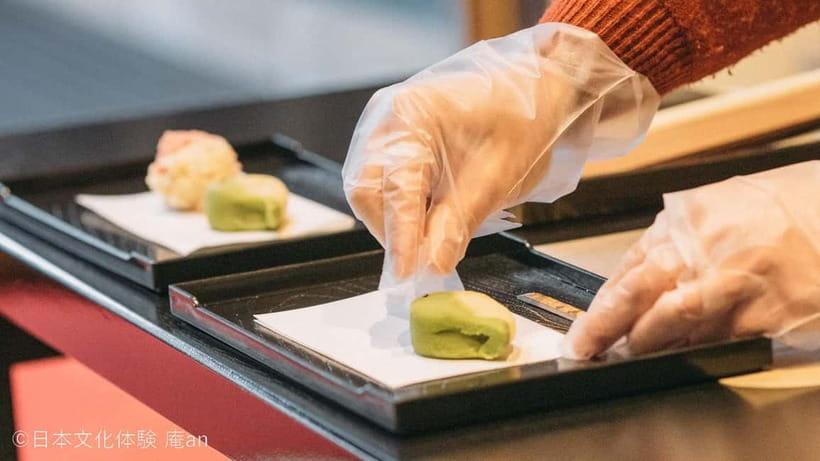
Edible art in Nagoya takes 65 minutes. You shape Nerikiri (traditional Japanese sweets) with Kyoto-style bean paste, then taste your finished creations right there. I love that you make two different sweets chosen for the season, and I also love that the instructor keeps things moving at a hands-on pace. A small consideration is that the workshop is on the 3rd floor with no elevator, so plan your climb into your arrival time.
This is a classroom-style experience with clear guidance and plenty of room to ask questions. I like that you get English support as much as possible, and the experience is designed so you are not just watching, you are actually making. If you are short on time, note that the venue cannot hold the event for late arrivals.
In This Review
- Key highlights at a glance
- Wagashi you actually make, not just buy
- What you create: two seasonal Nerikiri sweets
- The 65-minute flow inside the workshop
- Instructor help in Japanese and English, in a real classroom
- Kyoto bean paste: why it changes your result
- Taste on the spot, and what to do if you want takeout
- Getting there: Kokusai Center Exit 3 and Nagoya Station walk-in
- Price and value: $11 for two sweets and real instruction
- Who should book this Nerikiri workshop, and who might skip it
- Should you book the Nagoya Nerikiri workshop?
- FAQ
- What is included in the Nagoya traditional sweets-making workshop?
- What do I make in the workshop?
- How long is the experience?
- Where is the meeting point?
- What languages are available?
- Is there a cost for takeout?
- Is there a completion certificate?
- What is the operating schedule?
- What is the cancellation policy?
- Is the venue accessible by elevator?
Key highlights at a glance
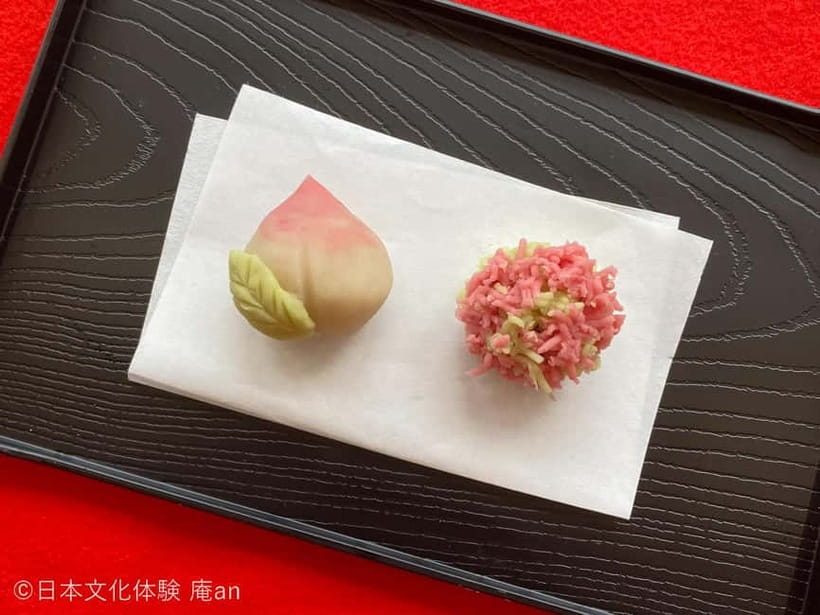
- Two seasonal Nerikiri sweets made by you, not pre-made
- Kyoto long-established bean paste used for the filling
- Eat on the spot when you finish, so there is instant reward
- Instructor guidance with Japanese plus English support when possible
- Classroom format that is friendly for solo travelers or small groups
Central Japan, beyond the obvious stop
- From Nagoya: Gujo, Hida Takayama, and Shirakawa-go Day Tour
★ 4.4 · 398 reviews - Ghibli Park 1-Day Bus Tour from Nagoya
★ 4.5 · 277 reviews - From Nagoya: Hida Takayama & Shirakawa-go Tour w/Opt. Lunch
★ 4.5 · 256 reviews - Hiking the Historic Nakasendo Trail [1 Day Tour from Nagoya]
★ 5.0 · 104 reviews
Wagashi you actually make, not just buy
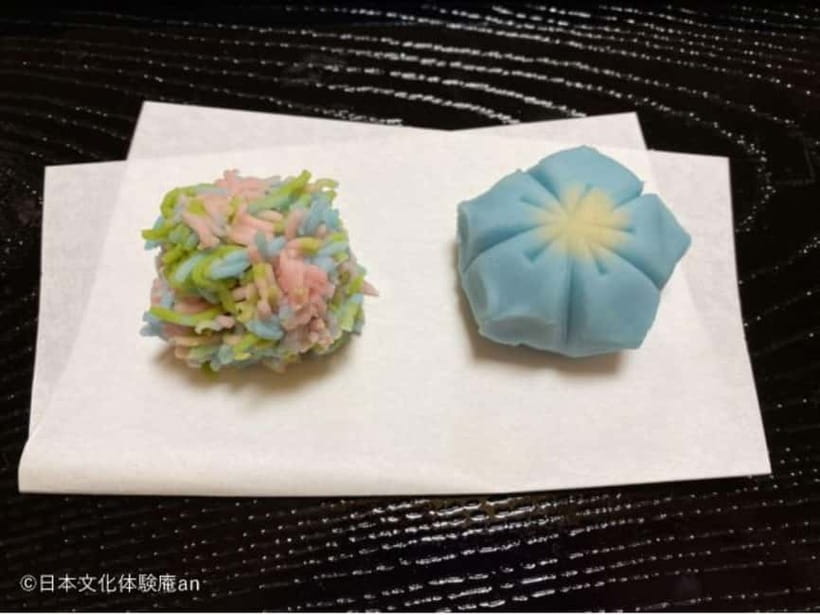
Nagoya has a lot of food to chase, but this workshop is different because it turns sweets into a skill. You are making Nerikiri, which is one of Japan’s best-known styles of wagashi, often used around seasonal holidays and celebrations. The appeal here is practical: you learn how the filling and dough work together, and you get to produce something that looks like it belongs on a proper wagashi plate.
The smartest part of this experience is the way it narrows the focus. Instead of trying to learn everything about Japanese sweets in one go, you make two seasonal sweets. That gives you enough repetition to feel confident with your hands, while still seeing variety in shapes and color choices that fit the season.
And yes, the finished items are meant to be enjoyed. You can eat your sweets right on site once your pieces are complete, so you get both the making and the tasting without waiting for a takeout box.
What you create: two seasonal Nerikiri sweets
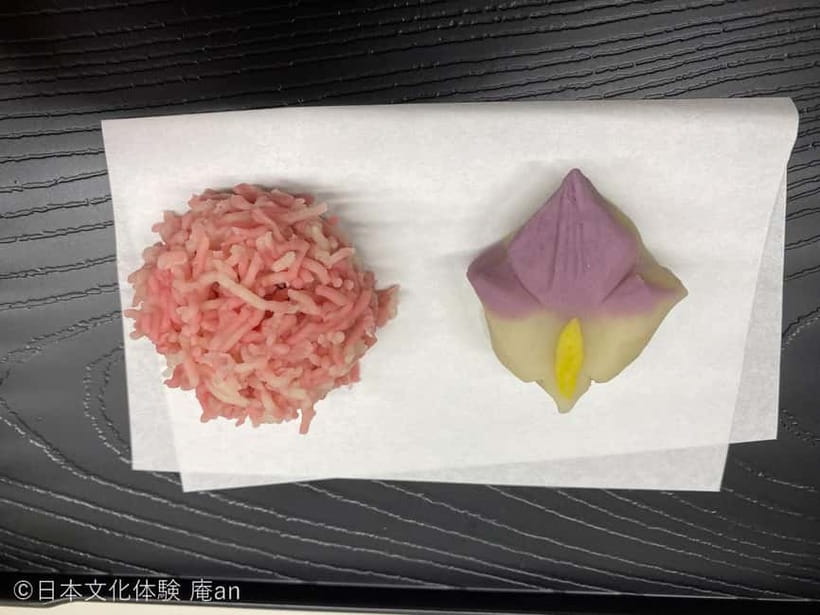
You will make two Nerikiri sweets matched to the current season. That seasonal matching matters more than it sounds. In wagashi culture, the design and color language connect to time of year, weather, and events. Even if you do not know the full symbolism, the workshop setup helps you notice how color and shape choices can shift the mood of something you normally think of as just dessert.
You also use real ingredients, including white and red bean paste. The bean paste is made in Kyoto by long-established shops, which is a big deal because quality shows up in texture. Nerikiri is all about handling, and bean paste consistency affects how smooth the filling spreads, how easily you shape it, and how the final bite feels.
You should also know the “artwork” mindset here. When you place your Nerikiri on a plate, the process becomes part craft, part presentation. You are not only building flavor, you are building form.
The 65-minute flow inside the workshop
This is not a long tour where you wander for hours. The duration is 65 minutes, which means you are in, you learn, you shape, you finish, and you taste.
A typical rhythm looks like this:
- A short start and explanation of what you are making
- Hands-on instruction as you form the sweets
- A work time where you copy the method and adjust your own shapes
- Plating and finishing
- Eating on the spot once everything is done
One detail I appreciate is that the experience does not treat the sweets like a souvenir you only look at. There is time built in to actually enjoy what you made. That matters because Nerikiri is at its best when it is fresh, and the workshop is set up for immediate tasting.
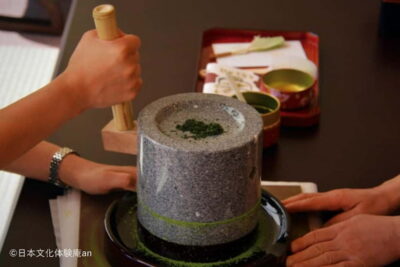
You may also get a brief matcha-related moment. One set of feedback noted an introduction to matcha making alongside the sweets workshop. Even if you are not there for matcha, it is a nice context boost, because it connects the wagashi you are holding to a common partner drink in Japanese tea culture.
Make something to take home. Other workshops
Instructor help in Japanese and English, in a real classroom
This workshop runs in a classroom format, with multiple participants in the same room. One review mentioned a group size around 20 people. That is actually a good size. It is large enough to feel lively, but small enough that the instructor can still guide individuals.
The instructor is Japanese, and English translation is provided as much as possible. In practical terms, you can expect enough support to follow the steps. Several people highlighted that the instruction was clear and included both Japanese and English, and one noted gently paced guidance. That is the sweet spot for a beginner workshop: you are not thrown into silence, but you also still feel like you are learning something real.
If you want to get the most out of it, come ready to do two things:
- Pay attention to how the instructor shapes and presses
- Ask a question if your piece looks different from the example
This kind of workshop rewards curiosity. Even when your shapes are not identical, the method and texture are what you take home.
Kyoto bean paste: why it changes your result
You are not using a generic filling. The workshop uses bean paste produced by Kyoto’s long-established shops. That detail matters because Nerikiri is sensitive to ingredient texture. In many homemade-style sweets, filling can be a little dry or inconsistent. Here, the focus is on steady quality.
For you, that means two things:
- Your dough and filling behave more predictably while you shape.
- The final sweetness and mouthfeel are more rounded, rather than harsh or overly sticky.
The workshop also gives you both white and red bean paste options. That can be fun visually as you work, and it also changes flavor. White paste tends to feel lighter, while red paste tends to read deeper and more traditional. Even if you are not comparing flavor like a pro, you will notice which one suits your taste.
Taste on the spot, and what to do if you want takeout
This experience is built around immediate payoff. Once your Nerikiri is finished, you can eat them on the spot. That is a big value point because you do not need to plan for later.
If you do want to take some home, there is a takeout box option for 100 JPY. That is one of those practical extras that helps if you are traveling with someone who will want a taste later, or if you simply do not want everything to happen in the middle of your day.
One more small thing: the workshop encourages the plating moment. Treat it like a mini photo and then a mini tasting. The sweets are made to look good, but they are also meant to be eaten, so do not overthink it.
Getting there: Kokusai Center Exit 3 and Nagoya Station walk-in
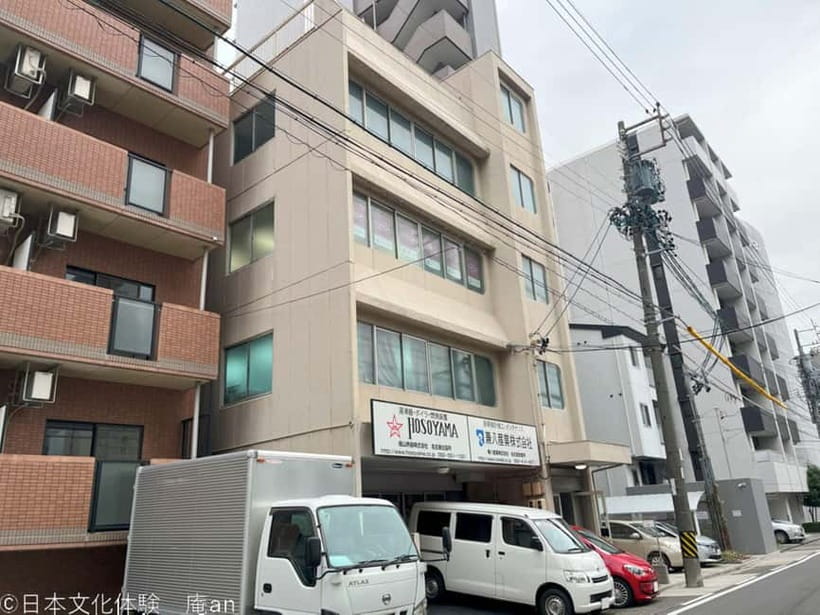
Location is straightforward. The meeting point is about a 1-minute walk from Exit 3 of the Subway Sakura-dori Line station Kokusai Center Station. If you are coming from Nagoya Station, it is about a 13-minute walk from the Sakura-dori side.
Coordinates are listed as 35.1715323, 136.891893, which can be handy if you are using maps offline. Either way, build in buffer time because the venue cannot accommodate delays. In other words, if you run late, you may miss the start.
One logistical point to take seriously: the venue is on the 3rd floor and there is no elevator. If you are traveling with heavy bags or you just do not want stairs, plan a lighter load or arrive a bit earlier.
Price and value: $11 for two sweets and real instruction
At $11 per person for 65 minutes, this workshop sits in the “short, high-impact” category. You are paying for:
- Materials for two sweets
- Instruction in shaping technique
- A structured session that ends with tasting
What makes it good value is the combination. Many inexpensive food activities are either observation-heavy or they give you only one item. Here, you make two seasonal Nerikiri, and you get enough time to feel like you learned something hands-on, not just completed a craft.
You should also consider optional extras. If you want a takeout box, budget 100 JPY. If you want a completion certificate, that is 300 JPY, and names have to be handled in advance for nominative certificates. Those add-ons are not required, but they can be a nice keepsake if you like documenting your Japan trips.
Who should book this Nerikiri workshop, and who might skip it
This workshop is a great fit if you:
- Want a beginner-friendly food skill without needing prior experience
- Like seasonal Japanese culture tied to food
- Prefer doing something interactive over wandering markets
- Are okay with a classroom setting and a short time commitment
It is also friendly for solo travelers. The group format can feel less intimidating than a private lesson, and you still get instruction. Families might find it workable too, since children who sit on their parents’ laps are free of charge if they are under 2 years old.
There are a couple of considerations for others:
- The venue is on the 3rd floor with no elevator.
- Those who do not participate in the experience will not be allowed to enter, so it is not a sit-and-watch option.
- The experience cannot be held to accommodate delays, so timing matters.
If you hate stairs, need a watch-only experience, or want a longer food tour day, you might prefer a different type of activity.
Should you book the Nagoya Nerikiri workshop?
Book it if you want a compact, meaningful wagashi experience that ends with you eating your own creations. The strongest reasons are the basics: you make two seasonal Nerikiri, you work with bean paste from Kyoto long-established shops, and you get guidance in a way that beginners can follow, with English support available as much as possible.
Skip it if you cannot handle stairs, you are likely to be late, or you want a passive activity. Also, if you already feel comfortable making wagashi and want a deep technical course, this is likely not long enough to be your main learning path.
If you are doing a Nagoya day with good food on your mind, this workshop is a smart way to add something hands-on, seasonal, and genuinely Japan. It is the kind of experience where you leave with a story you can literally recreate.
FAQ
What is included in the Nagoya traditional sweets-making workshop?
The workshop includes a set of Japanese traditional sweets making experience. You will make the sweets during the session, and you can eat the sweets on the spot.
What do I make in the workshop?
You will make two seasonal Japanese traditional sweets called Nerikiri.
How long is the experience?
The duration is 65 minutes.
Where is the meeting point?
It is a 1-minute walk from Exit 3 of the Subway Sakura-dori Line station Kokusai Center Station. It is also about a 13-minute walk from the Sakura-dori side of Nagoya Station.
What languages are available?
The experience language is Japanese, and English translation is provided as much as possible.
Is there a cost for takeout?
Yes. A sweets take-out box is available for 100 JPY.
Is there a completion certificate?
Yes. A completion certificate costs 300 JPY. If you want a nominative certificate, you should provide your names in advance.
What is the operating schedule?
Operation hours are from 10:00 to 17:00. Reservations received after 17:00 are processed the next day.
What is the cancellation policy?
You can cancel up to 24 hours in advance for a full refund. After that, cancellation fees may apply based on the policy details.
Is the venue accessible by elevator?
The venue is on the 3rd floor and there is no elevator, so you will need to use the stairs.
Made by Hand, and Yours to Keep

Central Japan Beyond the Obvious



Newest Nagoya write-ups from the Loving Japan desk

Nagoya and Central Japan, side by side.
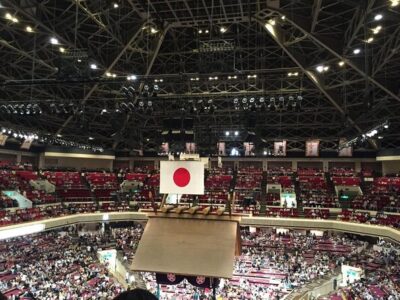 ★ 5.0Ultimate Sumo Tournament: Tokyo, Osaka, Nagoya, FukuokaFrom $184468 reviews
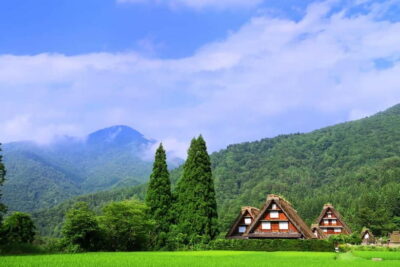 ★ 4.4From Nagoya: Gujo, Hida Takayama, and Shirakawa-go Day TourFrom $61398 reviews
 ★ 4.5Ghibli Park 1-Day Bus Tour from NagoyaFrom $179277 reviews
 ★ 4.5From Nagoya: Hida Takayama & Shirakawa-go Tour w/Opt. LunchFrom $61256 reviews
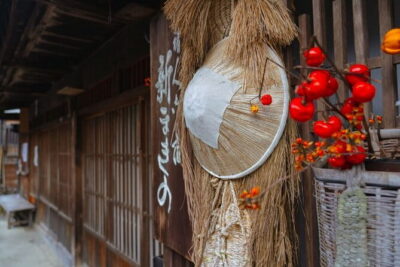 ★ 5.0Hiking the Historic Nakasendo Trail [1 Day Tour from Nagoya]From $210104 reviews
 ★ 5.0Nagoya Highlight Tour guided by a friendly localFrom $11286 reviews
 ★ 4.9Japanese Traditional Sweets making and Tea CeremonyFrom $1876 reviews
 ★ 4.6Magome-juku, Tsumago-juku & Ena-kyo 1d Bus Tour from NagoyaFrom $6175 reviews
Filed on these lists too