
REVIEW · KYOTO TEA CEREMONIES AND MATCHA
Experience Japanese calligraphy & tea ceremony at a traditional house in Nagoya
Quiet ink and calm tea work. This Japanese calligraphy and tea ceremony experience takes you into a real old home in Nagoya, where you learn the why behind the art and then do it yourself. I like that it starts with a simple Sengoku-period history talk using an easy slide show, and you immediately feel the atmosphere of a traditional house with tatami and shoji.
The calligraphy portion is practical, step-by-step, and ends with your writing framed as a souvenir. Then the tea part follows the same idea, first watching matcha being prepared, then trying your own serving motions. One thing to consider is the schedule length, about 2 hours 30 minutes, so it feels like focused practice rather than a long hangout in the garden.
In This Review
- Key Things You’ll Notice in This Kominka Experience
- Nagoya Samurai History, Explained Before the Tea
- Walking Into a Traditional House That Still Feels Lived-In
- From Inkstone to Finished Character: The Calligraphy Workshop
- Tea Ceremony in Two Steps: Watch, Then Serve
- The Hosts and the Feeling of Personal Attention
- Price and Value: Is It Worth $179.63?
- Logistics That Make the Day Easier
- Who This Experience Suits Best (And Who Might Want Something Else)
- Should You Book Japanese Calligraphy and Tea in Nagoya?
- FAQ
- How long is the Japanese calligraphy and tea ceremony experience in Nagoya?
- What happens during the history part of the tour?
- Is Japanese calligraphy instruction included, and do I get tools?
- What is included with the tea ceremony?
- Do I just watch the tea ceremony, or do I participate?
- How big is the group?
- What if I need to cancel?
Key Things You’ll Notice in This Kominka Experience
- Sengoku-era context first, with a short slide show that makes the culture click
- Hands-on ink work, including how to handle the brush and prepare ink
- Choose your own characters and design options, not a one-size-fits-all exercise
- Two-stage tea ceremony, guest tasting first, then you serve
- Small group size (max 6), which helps you get attention and feel comfortable
Sit down somewhere quieter. Other tea rooms we booked
- Nagoya: Japanese Traditional Sweets making and Tea Ceremony
★ 4.9 · 76 reviews
Nagoya Samurai History, Explained Before the Tea
Nagoya sits in Owari, a region tied to some of Japan’s most famous Sengoku names: Oda Nobunaga, Toyotomi Hideyoshi, and Tokugawa Ieyasu. The experience uses that background to set the mood, so calligraphy and tea do not feel like random activities you check off.
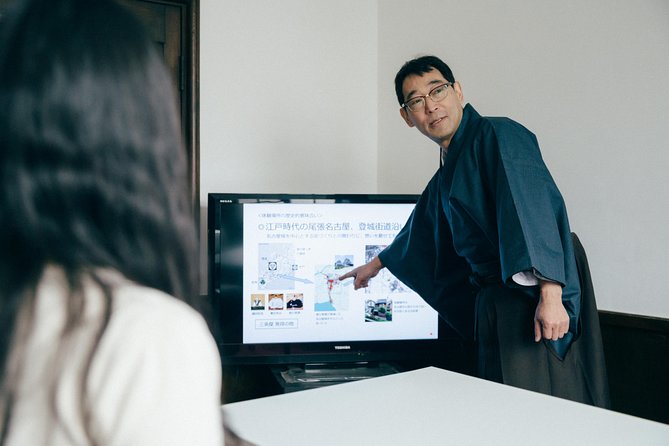
You get about 15 minutes of history commentary in English, delivered with an easy-to-follow slide show about Nagoya in the Sengoku period. It is not heavy lectures. It is just enough context to understand why people cared about discipline, presentation, and calm focus.
If you enjoy history but hate long monologues, this timing is a good fit. If you know almost nothing about the period, you still start out with clear anchors.
Walking Into a Traditional House That Still Feels Lived-In
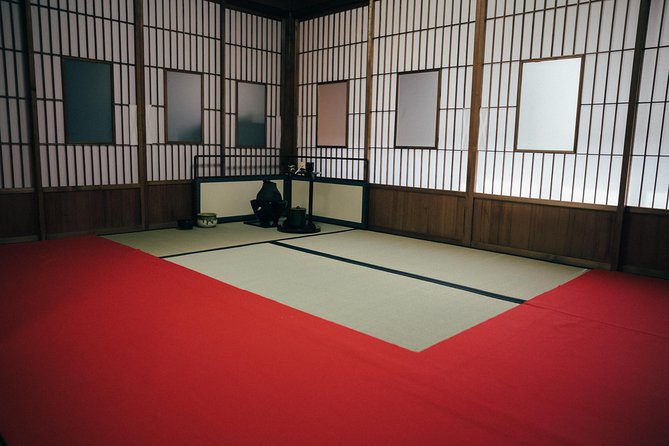
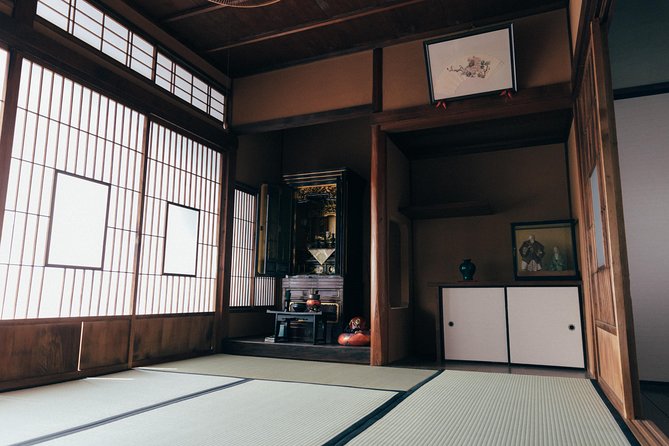
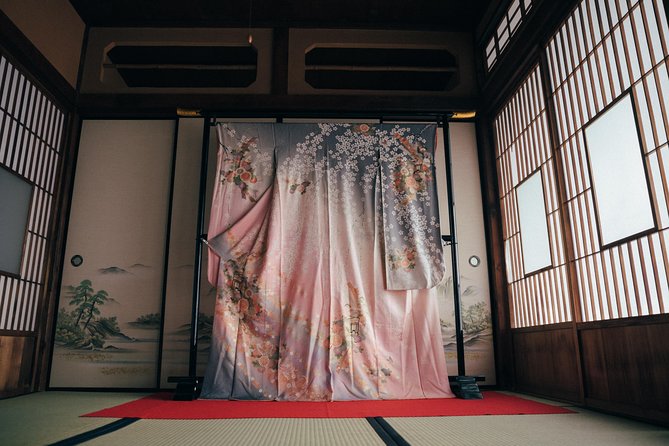
The lesson happens in a kominka, a traditional farmhouse-style home. This matters more than people think. A staged museum demo is one thing, but a quiet residential-style space with tatami mats and shoji paper walls changes how you move and how you pay attention.
The home also includes a traditional Japanese garden setting that shows up in the overall calm of the visit. You are stepping into the kind of place that is rare today, so the sights are not the usual shopping streets and landmark lines.
Practical note: it is a home, not a theme park. You will likely be asked to follow simple guidance when you enter and move around. Keep it flexible, and you will get the best experience.
From Inkstone to Finished Character: The Calligraphy Workshop
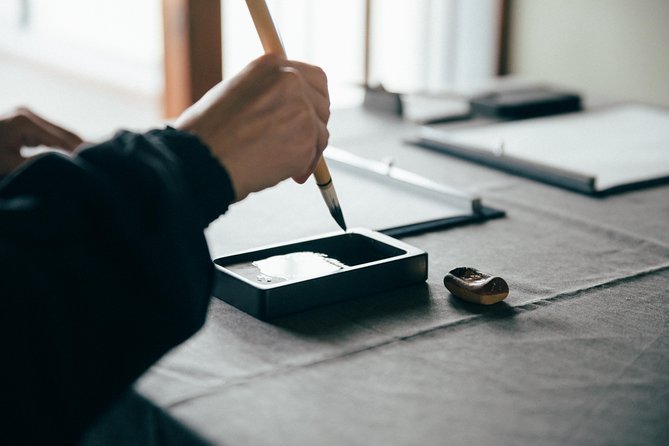
This is the part most people remember, because you actually do the work. You start with the basics of preparing ink: water goes onto the inkstone, and then you rub the ink-stick slowly. The scent of the ink and the quiet room make it feel surprisingly meditative.
Next comes the technique. You learn how to hold and move the brush, which is the key point for beginners. Even if your handwriting is not your strong suit, this is about controlled strokes, not artistic luck.
Then you pick what you want to write. You choose symbols with your favorite meaning and designs from the samples provided. This small choice gives your finished work personality. It also helps you focus, since you are writing something you chose, not just copying a template.
Finally, you copy your character onto a clean copy, and your work is framed as a souvenir. That means you leave with something more substantial than a postcard. It also makes the time feel purposeful, because the session ends with a finished, display-ready result.
Central Japan, beyond the obvious stop
- Nagoya Highlight Tour guided by a friendly local★ 5.0 · 86 reviews
- Nagoya: Japanese Traditional Sweets making and Tea Ceremony★ 4.9 · 76 reviews
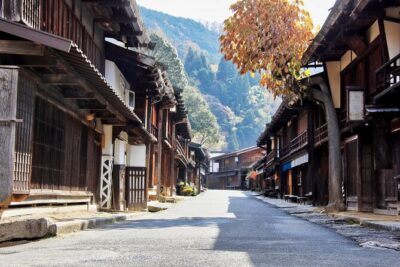
- Magome-juku, Tsumago-juku & Ena-kyo 1d Bus Tour from Nagoya★ 4.6 · 75 reviews
- Ise’s Sacred Shrines and Captivating Coastlines – From Nagoya★ 5.0 · 45 reviews
- Nagoya: Grand Sumo Tournament Tour★ 4.8 · 44 reviews
Tea Ceremony in Two Steps: Watch, Then Serve
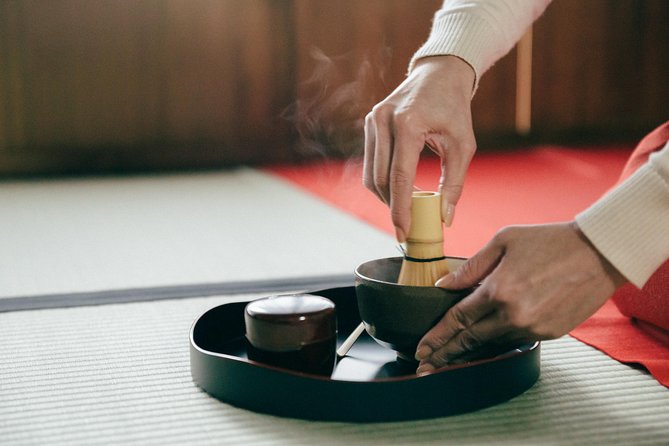
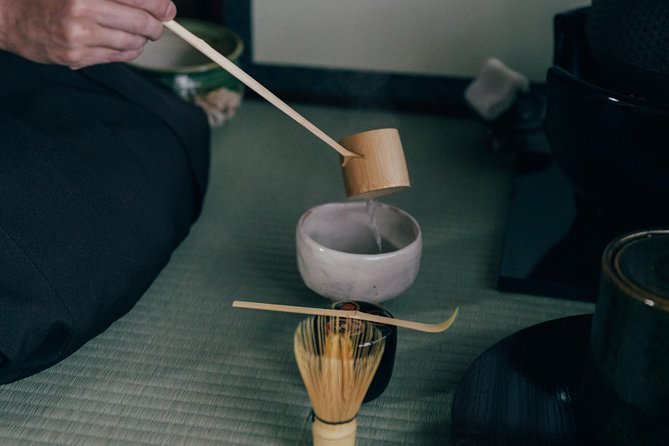
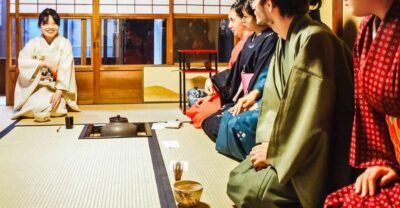
The tea ceremony section starts with the tea room setting and the utensils. You get a straightforward explanation of what you are looking at and why it matters. This helps because tea ceremony has a lot of small motions, and you do not want to feel lost.
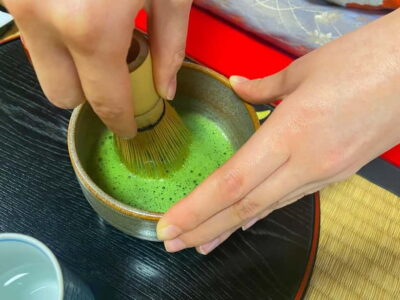
First, you try matcha as a guest. The host serves it, so you experience the flavor and the pace before you try to reproduce the movements yourself. The matcha is paired with Japanese sweets, which also helps you settle into the mood.
Then you switch roles. You serve tea yourself, using what you were shown. This practical approach is what makes it more than just watching someone else perform. You learn by doing, with the calm tone of the space guiding you.
If you like activities where your body learns the rhythm, you will enjoy this part. It is slower than a typical sightseeing stop, and that is the point.
The Hosts and the Feeling of Personal Attention
This experience stays small, with a maximum of 6 travelers. That helps you feel more like a student than a customer being processed.
The warmth of the hosts comes through in the way people describe the day, including praise for Yuzo Mori and his wife. When the host relationships feel genuine, the lesson feels gentler. You are more likely to ask questions and get corrections that actually help.
And because the setting is a traditional home, the interaction feels human. You are not just moving through rooms with a script. You are practicing arts in the space where they belong.
Price and Value: Is It Worth $179.63?
At $179.63 per person, this is not a bargain. But it is also not a mass-production “culture” stop. For the price, you get two structured hands-on lessons, a short history talk, and included refreshments.
Here is the value math that matters:
- Duration: about 2 hours 30 minutes, enough time to learn basics and produce a framed result.
- Included materials: all calligraphy tools are provided.
- Included food and drink: matcha tea plus Japanese sweets.
- Small group size: up to 6 people, which increases attention.
- English guidance: you can follow the history and instructions without guessing.
The only catch is what you do not get. Additional souvenirs are not included, so do not expect a shopping stop or extra packages beyond the calligraphy result. If you want to browse for gifts after, plan for that separately.
Logistics That Make the Day Easier
Finding the place is usually manageable because it is near public transportation. The start point is listed at 4-chōme-32 Yamawakichō, Showa Ward, Nagoya, Aichi 466-0063, Japan, and the experience ends back at the meeting point.
You also get a mobile ticket. That is one less thing to manage during a trip.
This is a 2.5-hour commitment, so I would treat it as a main cultural block, not a quick add-on. Slot it when you can slow down a bit and let the activities land.
If you have allergies, tell the team in advance. Sweets are provided, so this is worth handling before you arrive.
Who This Experience Suits Best (And Who Might Want Something Else)
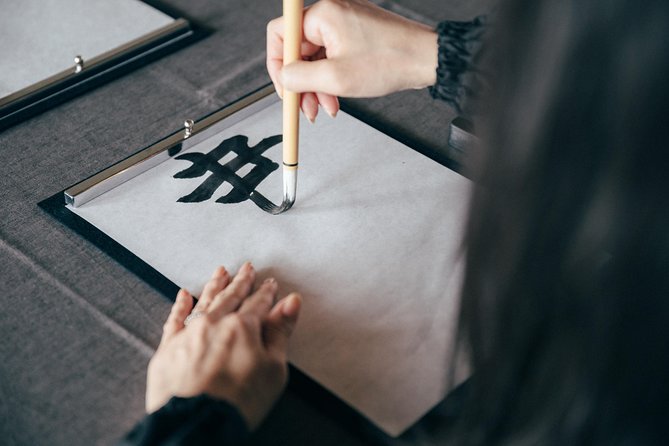
This is a strong choice if you want a real culture experience with your hands involved. You should like:
- learning by doing (calligraphy strokes, then serving matcha)
- a calm environment rather than constant walking and crowds
- a small group, because you will pay attention better and get more feedback
It is also a good fit if you like history, even lightly. The short Sengoku-period talk helps you connect the arts to context instead of treating them like random crafts.
You might rethink it if you want a long sightseeing tour with lots of locations and photo stops. This is one home, one focused flow, and a gentle pace.
Should You Book Japanese Calligraphy and Tea in Nagoya?
If your goal is a meaningful, hands-on cultural moment in Nagoya, I think this is a book-worthy experience. The best part is not that you watch a performance. You write your own character, you serve your own matcha, and you get a framed souvenir result from the calligraphy.
The price is fair for what you receive, especially with the small group size and the included calligraphy tools plus refreshments. The only reason to pass would be if you want a bigger, more varied sightseeing day, or if you are not interested in a short history primer and focused practice.
If you like the idea of learning Japanese arts in a genuine kominka setting, this one makes sense.
FAQ
How long is the Japanese calligraphy and tea ceremony experience in Nagoya?
The experience runs for about 2 hours 30 minutes.
What happens during the history part of the tour?
You receive a brief history commentary for about 15 minutes, using an easy-to-understand slide show about Nagoya during the Sengoku period.
Is Japanese calligraphy instruction included, and do I get tools?
Yes. You get instruction on the basics, including how to hold and move the brush, and all tools of Japanese calligraphy are included.
What is included with the tea ceremony?
You are served matcha tea and some Japanese sweets. The tea room utensils and setting are also explained.
Do I just watch the tea ceremony, or do I participate?
You do both. You first try matcha as a guest, then you learn how to serve tea yourself.
How big is the group?
The experience has a maximum of 6 travelers.
What if I need to cancel?
This experience is non-refundable and cannot be changed for any reason. If you cancel or ask for an amendment, the amount you paid will not be refunded.
Central Japan Beyond the Obvious



Kyoto by the Bowl
Newest Nagoya write-ups from the Loving Japan desk

Kyoto Tea Ceremonies and Matcha, side by side.
 ★ 4.9Tea Ceremony in a Traditional Tea House in KiyomizuFrom $493,519 reviews
 ★ 4.9Tea Ceremony Ju-An at Jotokuji TempleFrom $293,207 reviews
 ★ 4.345-Minute Tea Ceremony Lesson ExperienceFrom $222,378 reviews
 ★ 5.0World Heritage Kyoto & Nara Uji Authentic Matcha ExperienceFrom $1291,573 reviews
 ★ 4.9Tea Ceremony ExperienceFrom $251,426 reviews
 ★ 4.9Table-Style Tea Ceremony at a Kyo-MachiyaFrom $451,211 reviews
 ★ 4.8Kenrokuen Tea Ceremony ExperienceFrom $351,139 reviews
 ★ 5.0Kimono Tea Ceremony at Kyoto Maikoya, NISHIKIFrom $65911 reviews