
REVIEW · NISHIKI MARKET AND KYOTO FOOD WALKS
Nishiki Market Food Tour with Cooking Class
Kyoto food gets real fast at Nishiki Market. This private tour pairs a market walk with a hands-on donburi cooking class. I like that you get a fluent English local guide who steers you through the stalls, plus the chance to cook using fresh market ingredients you just bought.
The format is also practical: you typically spend about one hour in the market, then move to a studio to cook and eat for about another hour. One possible drawback is that the market is busy, so if you’re hoping for lots of extra, on-your-own snacking time during the tour, you may need to budget your hunger and plan to buy a few things outside the included bites.
In This Review
- Key highlights to look for
- Nishiki Market works better with a plan
- What the guided market walk actually feels like
- Included tastings: pickles now, sake if you want
- Your donburi choice: Kaisen-don, Ten-don, or Oyako-don
- Customizing your bowl when you have a preference
- The cooking class: a studio kitchen, not a rushed demo
- Cooking skills you’ll actually remember
- Eating your donburi: what matters on the plate
- Price and value: where the $109 goes
- Timing and meeting point, so you don’t waste minutes
- What might not be perfect for everyone
- Who this experience suits best
- Should you book this Nishiki Market donburi tour?
- FAQ
- Where do I meet for the Nishiki Market tour and cooking class?
- How long is the experience?
- What do I cook during the class?
- Are sake tastings included?
- What is included in the price?
- Is this a private tour and is instruction available in English?
Key highlights to look for
- Private, English-led market walk where you can ask questions and get help translating with shop staff
- Cook your own donburi choice using ingredients included in the tour (Kaisen-don, Ten-don, or Oyako-don)
- Free Japanese pickles tastings during the experience, plus optional sake tasting of three types
- A guided focus that helps you know what matters most in a large, crowded market
- A cozy studio kitchen where you’ll get step-by-step instruction and a recipe to take home
- Taxi from the market to the cooking studio is included, so you’re not hauling ingredients or gear across town
Eat your way along the arcade a different way
- Nishiki Market Brunch Walking Tour (7 Tastings + Brunch)
★ 5.0 · 1,355 reviews - Kimono Tea Ceremony at Kyoto Maikoya, NISHIKI
★ 5.0 · 911 reviews - Kyoto Nishiki Market Food and Culture Walking Tour
★ 5.0 · 412 reviews - Kyoto: Nishiki Market Tea Ceremony with Koto Performance
★ 4.8 · 294 reviews
Nishiki Market works better with a plan
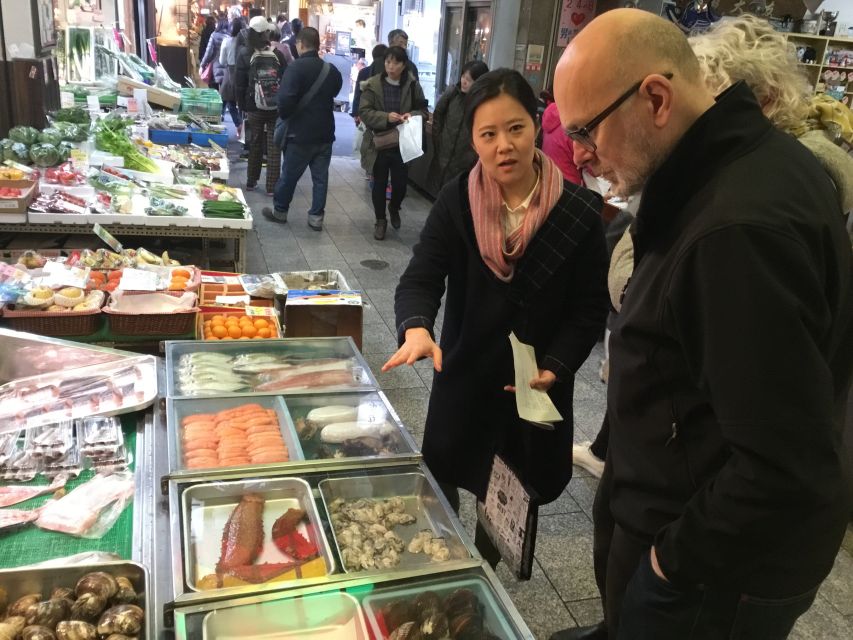
Nishiki Market looks simple on a map, but once you’re inside, it can turn into information overload. This tour’s big value is that it gives you a structure for what to notice, what to sample, and what to buy later.
I also like that the starting point is clear, you meet on the western side entrance of Nishiki Market. That matters because Nishiki has multiple entry points, and arriving without a plan can waste time you’d rather spend eating.
The tour includes a market introduction plus cooking instruction, so you’re not just browsing. You’re learning how the ingredients connect, from what you see at the stalls to what ends up in your bowl.
What the guided market walk actually feels like
Expect to walk with an English local guide who points out foods, shops, and customs. Many people underestimate Nishiki because it’s “only” about a 15-minute walk through the historic stretch, but with explanations, tastings, and questions, you can easily spend hours. This tour helps you get the best parts without wandering in circles.
In a private format, the pace is flexible. If you want extra time at a stall for a specific ingredient you recognize, you can ask. If you’re unsure what you’re looking at, your guide can translate and explain what to buy and why.
One practical win I’d count on: you get guidance on market manners. In past experiences, guides have explained etiquette such as not eating while walking, which you’ll appreciate if you’re trying to do the right thing in a crowded food street.
Included tastings: pickles now, sake if you want
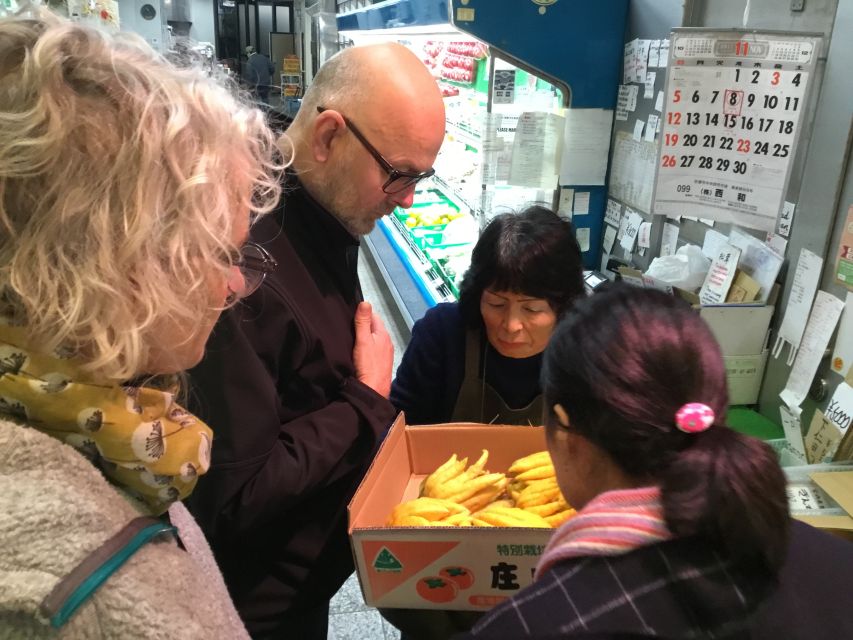
Food tours often promise samples, then hand you a couple of bites and move on. Here, the tastings feel like part of the learning, especially the free Japanese pickles you try during the walk.
You also have the option to taste three types of sake. If you like checking off food and drink pairings, that can be a fun bonus. If you’d rather keep it alcohol-free, you can skip it since it’s described as optional.
A small detail that matters: the guide doesn’t just point at items, they often help you understand how different flavors play together. That makes the later cooking class more than a meal, it becomes a lesson you can reuse at home.
Cook it yourself instead. Other kitchens in Kyoto
- Ramen Cooking Class at Ramen Factory in Kyoto★ 5.0 · 1,937 reviews
- Sushi Making in Kyoto! Same-day bookings welcome!★ 5.0 · 713 reviews
- Kyoto: Ramen Cooking Class at a Ramen Factory with Souvenir★ 4.9 · 532 reviews
- Kyoto: Ramen, Gyoza, and Onigiri Cooking Class★ 5.0 · 445 reviews
- The Original Small-Group Sushi Making Class in Kyoto★ 5.0 · 436 reviews
Your donburi choice: Kaisen-don, Ten-don, or Oyako-don
Here’s the heart of the experience. You don’t just watch someone else cook, you cook your own donburi (bowl) using ingredients you buy on the tour. Ingredients cost is included, and you get to choose between three options:
- Kaisen-don (seafood bowl)
- Ten-don (tempura bowl)
- Oyako-don (chicken and egg bowl)
This choice is one of the best value parts of the tour. If you’re a seafood fan, you can lean that way. If you want a more familiar comfort-food style bowl, Oyako-don is often a crowd-pleaser. And Ten-don can be a fun way to understand tempura’s texture and sauce balance.
Also, you get a recipe. I love that part because it turns a great lunch into something you can recreate, not just something you ate.
Customizing your bowl when you have a preference
A standout theme from participant notes is how accommodating the guide can be with preferences and substitutions. For example, one person requested tofu instead of chicken for their oyako-style bowl, and the tour still worked for that plan.
That doesn’t mean every request will be possible, but it does suggest the process is flexible, especially with a guide who can translate and ask the right questions at the stalls.
If dietary needs matter to you, I’d show up ready with your request clearly stated and ask early. In private tours, that usually makes things easier.
The cooking class: a studio kitchen, not a rushed demo
After the market, you head to the cooking studio, and taxi cost from the market to the studio is included. That’s a smarter setup than walking across town because you’re carrying what you just bought, plus you’re switching from “stroll and sample” mode to “cook and plate” mode.
Timing is straightforward. You typically spend about one hour in the market, then around one hour cooking and eating. That’s long enough to do real steps, not just assemble ingredients and call it done.
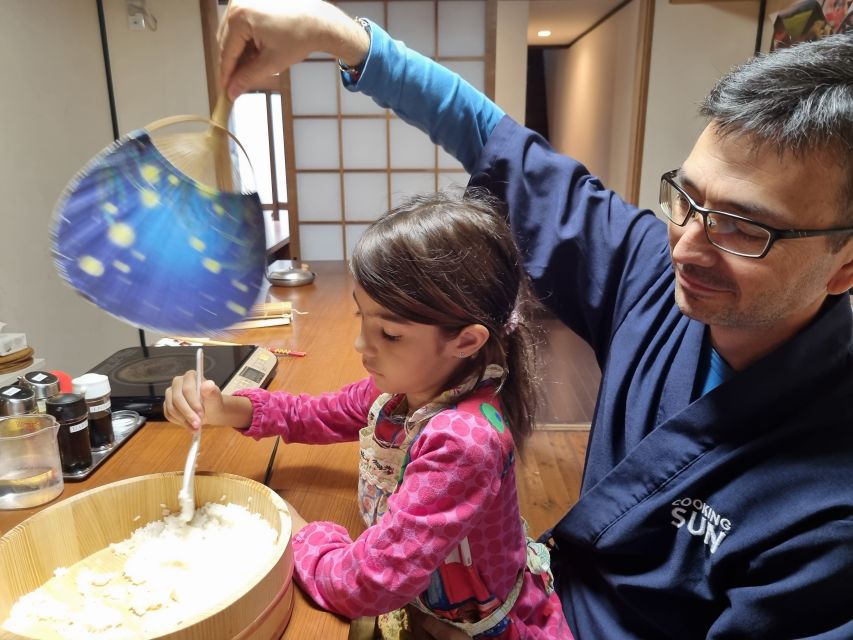
The cooking is taught in an instructor-led way, with step-by-step guidance so you understand what you’re doing and why. People also mention that the class setup feels cozy and welcoming, which helps if you’re not confident in the kitchen.
Cooking skills you’ll actually remember
If you care about technique, you’ll likely appreciate lessons like making dashi and understanding sauce use. Past participants have specifically mentioned learning how to make dashi and recipes that work at home, which is exactly what you want from a class.
The cooking instruction doesn’t stop at flavor. People have also noted tips about getting the food to look good, not just taste good. That is useful if you want your bowl to look like something you’d order in Japan, not like a home experiment.
Eating your donburi: what matters on the plate
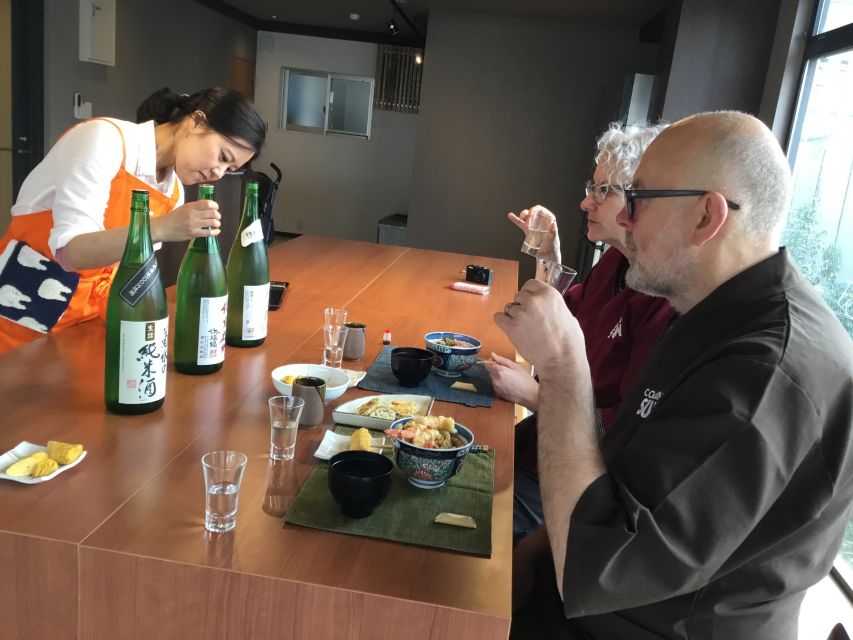
You finish by eating what you cooked, and the meal is part of the class structure. Since your bowl is based on what you selected in the market, it tends to feel more intentional than generic “tour food.”
One practical benefit of cooking your own meal is control. If you’re choosing Kaisen-don, Ten-don, or Oyako-don, you’re also choosing your flavor direction. You’re not stuck with an option you might not love.
Another small plus: because it’s a private tour, you’re not fighting for attention in a group of strangers. That can make it easier to ask how to adjust seasoning or cooking steps to match your taste.
Price and value: where the $109 goes
At $109 per person for a 150-minute private experience, you’re paying for three things at once:
1) a guided market experience,
2) a cooking class with instruction,
3) included ingredients and tastings.
The ingredients cost is included, which matters because donburi can involve multiple components: proteins, eggs or seafood, toppings, sauce elements, and the finishing details that make the bowl feel complete.
You’re also getting taxi support between the market and studio, which you would likely have to pay for yourself on a DIY version. The recipe also adds value because it gives you something to recreate, not just memories of a meal.
What is not included is anything you want to eat on your own. That’s normal, but you should plan for it. If you come hungry and want extra snacks, your bill can rise. If you come prepared to treat the included tastings as your main bites, $109 feels much more aligned with what you get.
Timing and meeting point, so you don’t waste minutes
You meet at the western side entrance of Nishiki Market. That’s the kind of detail that can save you stress. Nishiki is easy to overthink once you’re there, and meeting at the correct entrance helps you start promptly.
The tour typically moves like this: market time first, then cooking and eating. The market portion gives you the context, and the cooking portion gives you the payoff. If you know you only have a short window in Kyoto and want something focused, this flow is a good fit.
The tour is private, which is especially useful if you want to ask more questions than most people would in a group setting. It’s also helpful if you’re traveling with kids or anyone who needs a steadier pace.
What might not be perfect for everyone
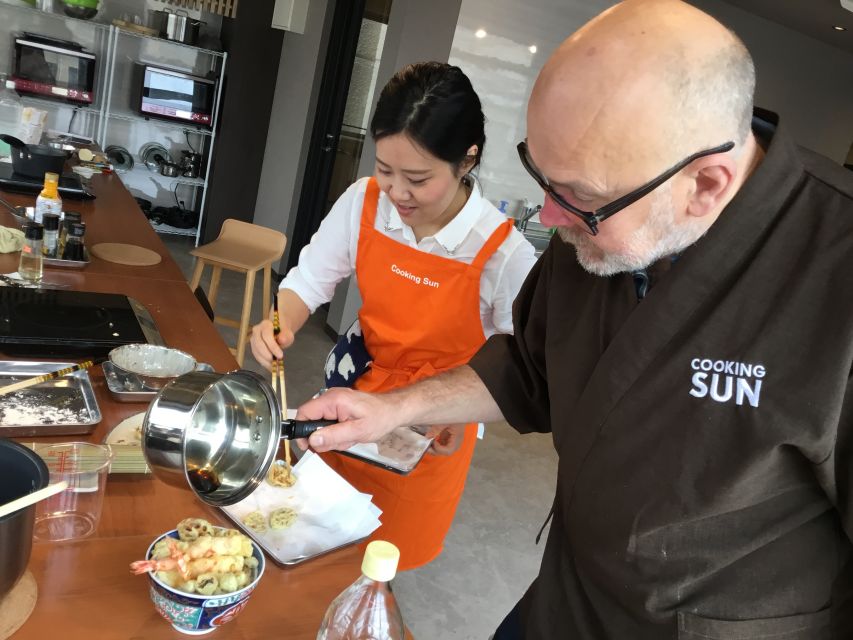
I want you to go in with realistic expectations. Nishiki Market is crowded, and even with a guide, time is still time. One consideration is that some people have wanted more explanation and more opportunity to try extra items during the market portion.
Another possible issue is ingredient quality. In one case, a participant felt that an ingredient for their dish could have been better. That doesn’t sound like a systemic problem in the overall concept, but it is a reminder that seafood and meat options can vary day to day.
Finally, if you love eating while shopping, you should know that the included tastings are built around the tour structure. Any extra bites you want will likely be on you.
Who this experience suits best
This is ideal if you:
- want a market-to-kitchen experience, with donburi as the centerpiece
- enjoy learning how Japanese ingredients work together, not just eating them
- like the idea of taking home a recipe you can use later
- want an English guide to help with stall explanations and translations
It also works well for families, based on comments mentioning kids staying engaged during cooking. If you’re cooking at your pace and asking questions, kids often do better than in fast, sample-only tours.
If you’re the type who already knows Nishiki well and has a long snack list, you might feel you could spend more time on your own. In that case, the tour could feel a bit structured. Still, the cooking class is the main differentiator.
Should you book this Nishiki Market donburi tour?
I’d book it if you want Kyoto food that goes beyond tasting. The market walk gives you direction, and the cooking class gives you a skill and a meal you can repeat.
Choose it especially if you like the idea of cooking one specific bowl, Kaisen-don, Ten-don, or Oyako-don, with ingredients you picked up along the way. The combination of included ingredients, free pickle tastings, optional three sake tastes, and step-by-step instruction makes the price feel more justified than a typical “walk and sample” tour.
Skip it or consider alternatives if you want the tour to function like a self-guided shopping spree. You’ll have included tastings and a structured cooking flow, but extra eating is up to you. If that’s your style, you can still enjoy Nishiki, just plan to add your own snack time outside the class.
If you’d like, tell me your donburi pick (seafood, tempura, or chicken and egg) and whether anyone in your group has dietary preferences. I can suggest how to make the most of the market stops and the cooking portion.
FAQ
Where do I meet for the Nishiki Market tour and cooking class?
You meet at the western side entrance of Nishiki Market.
How long is the experience?
The duration is listed as 150 minutes.
What do I cook during the class?
You cook your own donburi (bowl) meal, choosing from three options: Kaisen-don, Ten-don, or Oyako-don.
Are sake tastings included?
Sake tasting is described as optional, and it can include tasting three different types of sake.
What is included in the price?
The tour includes the tour fee, donburi cooking ingredients, a recipe, sample food tastings in the tour, and taxi cost from the market to the studio.
Is this a private tour and is instruction available in English?
Yes, it is a private group tour, and the instructor language is English.
Kitchens You Can Book Into
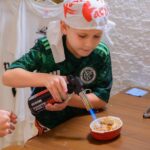
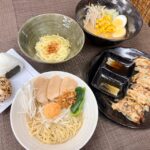
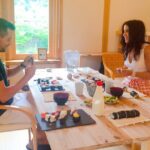
Along the Nishiki Arcade
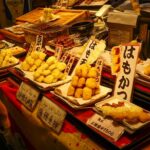
Newest Kyoto write-ups from the Loving Japan desk

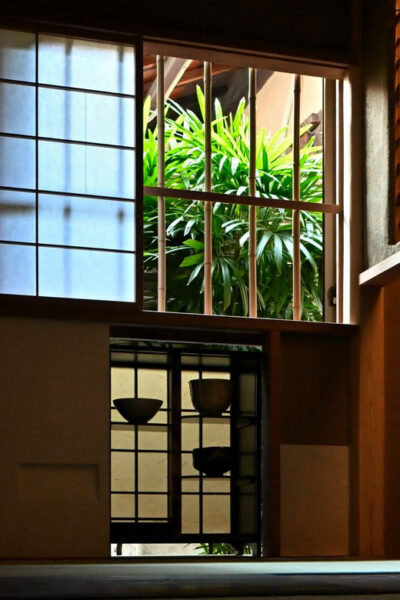
Nishiki Market and Kyoto Food Walks, side by side.
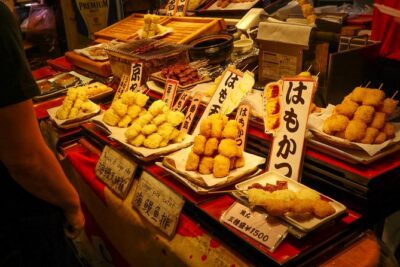 ★ 5.0Nishiki Market Brunch Walking Tour (7 Tastings + Brunch)From $681,355 reviews
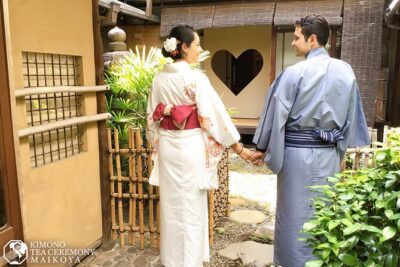 ★ 5.0Kimono Tea Ceremony at Kyoto Maikoya, NISHIKIFrom $65911 reviews
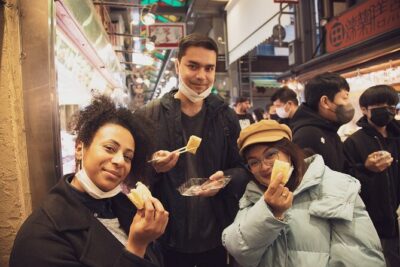 ★ 5.0Kyoto Nishiki Market Food and Culture Walking TourFrom $80412 reviews
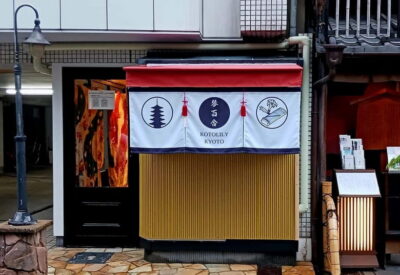 ★ 4.8Nishiki Market Tea Ceremony with Koto PerformanceFrom $56294 reviews
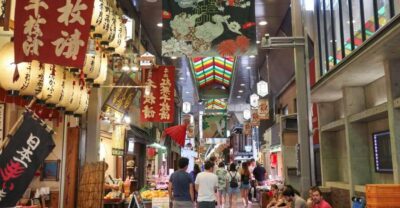 ★ 4.8Nishiki Market Brunch Walking Tour-7 Tastings+BrunchFrom $66197 reviews
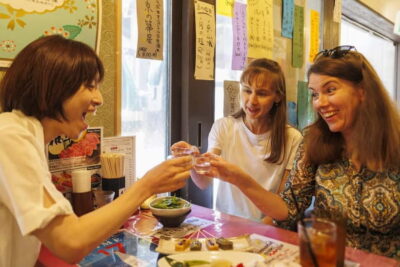 ★ 4.7Local Food Tasting Tour at the Nishiki MarketFrom $78135 reviews
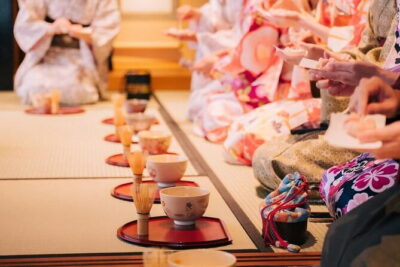 ★ 5.0Kimono Tea Ceremony Experience at Kyoto Oritzuruya, NishikiFrom $50116 reviews
 ★ 5.0Kyoto Food Tour of 10 Tastings with Wagyu, Mochi & More SurprisesFrom $14285 reviews