
REVIEW · JAPANESE COOKING CLASSES
The Original Small-Group Sushi Making Class in Kyoto
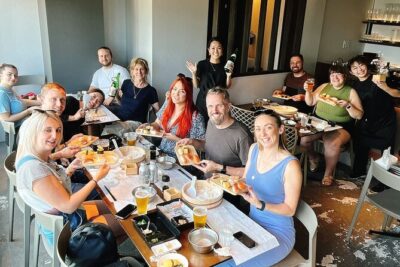
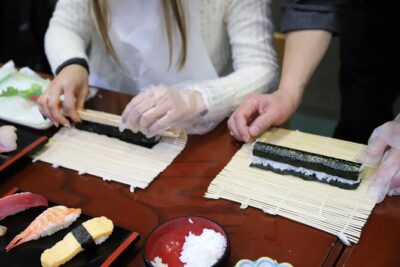
Sushi making in Kyoto feels like a cozy workshop. What makes this class special is the small group size (max 8) and the hands-on pace, led by a Japanese instructor named Kana, in an old Kyoto townhouse near Kiyomizu-dera and Gion. You get to practice core skills like seasoning sushi rice and shaping both nigiri and maki with direct coaching in English.
I especially like how the teaching stays personal, even when the class is relaxing. I also like that the experience ends with a real sushi meal you made yourself, not a quick demo and goodbye. One possible drawback: there is no vegetarian or vegan option listed.
In This Review
- Quick highlights
- Small-group sushi making in a historic Kyoto townhouse
- Finding Atelier SUSHI and meeting Kana and her team
- Rice seasoning: the skill that makes sushi taste like sushi
- Nigiri practice: shaping with patience and feedback
- Maki rolling: how to get clean edges and solid structure
- The sushi meal, tea or coffee, and that calm Kyoto finish
- What you take home, and why it helps you cook again
- Price and value: what $69.64 covers in real terms
- Who this class suits best, and diet questions to ask early
- Should you book this Kyoto sushi making class?
- FAQ
- How long is the Kyoto sushi making class?
- How many people are in the class?
- Is the instructor able to teach in English?
- What does the class include?
- Is there a vegetarian or vegan option?
- Where is the meeting point?
- Is a mobile ticket provided?
- What is the cancellation policy?
Quick highlights
- Max 8 people means you get real attention at the cutting board, not just a shared lecture.
- Kana in English guides you through rice, nigiri, and maki, with patient step-by-step feedback.
- Historic townhouse setting near Kiyomizu-dera and Gion keeps the mood calm and focused.
- You eat what you make for lunch or dinner, depending on the time of your session.
- Apron and gloves provided, plus coffee and/or tea, so you can get started comfortably.
- Take-home keepsakes show up in many reviews, including class notes, a sushi mat, and chopsticks.
Cook it yourself instead. Other kitchens in Kyoto
- Sushi Making in Kyoto! Same-day bookings welcome!
★ 5.0 · 713 reviews - Kyoto: Ramen Cooking Class at a Ramen Factory with Souvenir
★ 4.9 · 532 reviews - Kyoto: Ramen, Gyoza, and Onigiri Cooking Class
★ 5.0 · 445 reviews - The Original Small-Group Sushi Making Class in Kyoto
★ 5.0 · 436 reviews
Small-group sushi making in a historic Kyoto townhouse
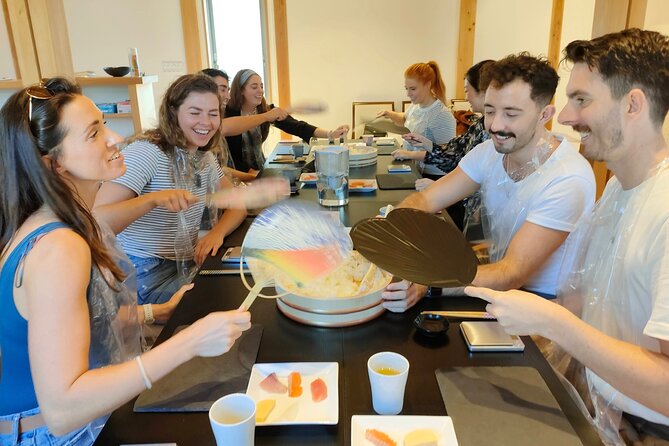
Kyoto is packed with food, but this kind of cooking class gives you something different. The setting matters. This workshop happens in a restored historic townhouse near Kiyomizu-dera and Gion, so you’re not stuck in a generic studio. You can feel the change in pace the moment you enter, calm and purposeful, the kind of place where learning comes from doing.
The small group limit of 8 is a big deal. Sushi skills are hands-on. If the group is bigger, people wait, or they copy without feedback. Here, the class stays interactive, with time to ask questions and refine what you’re shaping.
You’ll also get to work with premium ingredients, including fresh fish and carefully selected local items. That combination, great ingredients plus coaching, is why homemade sushi can finally taste like what you imagined.
Finding Atelier SUSHI and meeting Kana and her team
Your session starts back at the meeting point at Atelier SUSHI311-1 Kitatōryōchō, Higashiyama Ward, Kyoto. It’s near public transportation, which matters in Kyoto, where you don’t want to fight long detours just to eat and learn.
When you arrive, you’re not sent off to wander. You’re brought into the workflow, with aprons and gloves provided. That small detail helps you get moving fast and keeps things hygienic, especially when you’re handling rice and preparing fish.
The instructor you’ll learn from is Kana, and in many sessions her husband serves as an assistant. Reviews repeatedly mention how welcoming and patient they are. That matters because sushi technique can look simple until you try it. The team’s job is to help you fix the tiny things, like how the rice clings, how your hands handle moisture, and how you shape without crushing.
And yes, English is used during the class. If your Japanese is basic or nonexistent, you can still follow along clearly.
Rice seasoning: the skill that makes sushi taste like sushi
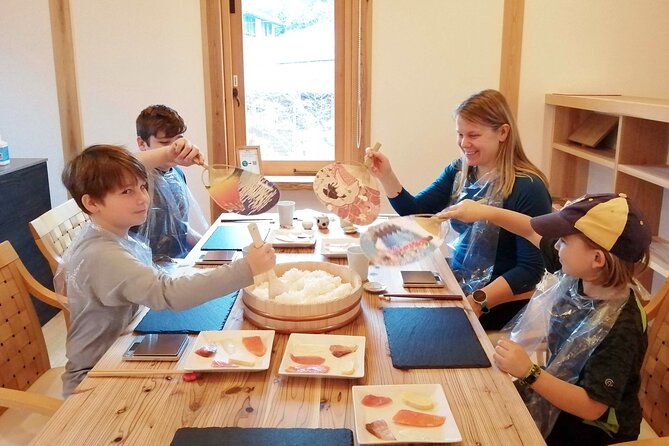
If you’re new to sushi making, your biggest unlock is rice. And this class treats rice as the foundation, not a side step.
You’ll learn how to properly season sushi rice, including the rhythm of the work and what to aim for in the texture. The goal is rice that’s glossy, evenly seasoned, and workable when you shape nigiri and roll maki. If the rice is too dry, it won’t hold. Too wet, and it turns into a sticky mess.
I like that the rice lesson is taught in a way you can repeat later. Many cooking classes give you rules you can’t remember. Here, you practice the feel of it in the moment, so when you try again at home, you’re not starting from zero. You’re just replaying the technique you learned.
This is also where you’ll start to understand sushi culture. Sushi isn’t only about fish. It’s about balance: temperature, seasoning, and how everything comes together in one bite.
Counters and courses we sat at around Kyoto
- The Original Small-Group Sushi Making Class in Kyoto★ 5.0 · 436 reviews
- Sushi – Authentic Japanese Cooking Class – the best souvenir from Kyoto!★ 5.0 · 93 reviews
- Private Kyoto Sushi Cooking Class & Tea Ceremony with Emika★ 5.0 · 66 reviews
- Kyoto: Sushi Making Class with Sushi Chef★ 4.8 · 64 reviews
Nigiri practice: shaping with patience and feedback
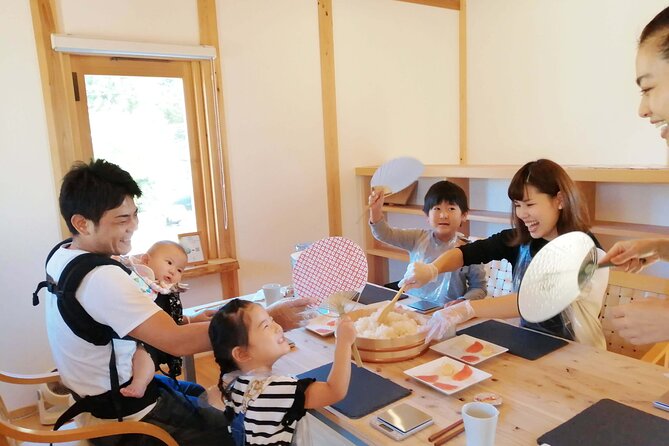
After rice, the class turns to nigiri. Nigiri is where most people get humbled fast. The shapes are small, but the technique is precise. You learn to shape nigiri so it holds together and still looks clean when set in your hand.
The pacing here is relaxed. With only 8 people, you’re not rushed through a checklist. You get time for questions. You also get individual feedback, which is the difference between copying a shape and actually learning why it works.
What you’re aiming for is consistent pressure and a calm, efficient hand motion. If you’ve ever tried to press rice into form and it fell apart, you know what I mean. The class helps you get past that first frustration.
If you’re on a short Kyoto trip and worried about taking a cooking class that’s too basic, this section should calm that worry. Reviews repeatedly point out that people left feeling confident they could reproduce nigiri, not just remember steps.
Maki rolling: how to get clean edges and solid structure
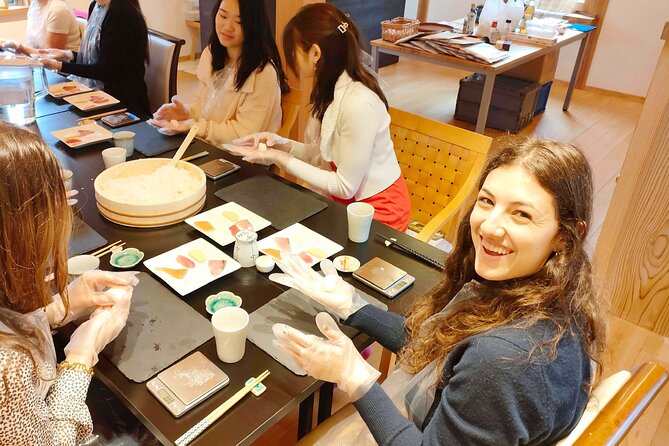
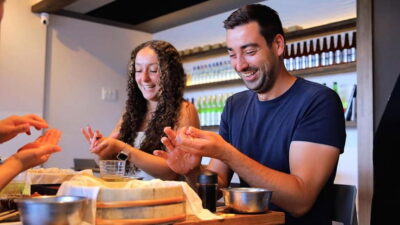
Next comes maki, the rolling part. This is where sushi-making feels fun, because your hands can improve quickly once you understand the method. You’ll practice rolling maki with guidance so the roll stays tight, the sheets behave, and the filling spreads the way it should.
A key advantage of this setup is that the instruction isn’t just visual. You’re doing it while someone can correct what you’re doing in real time. If your roll is loosening, your rice layer is uneven, or the roll won’t seal, you can fix it while you’re still in class.
In many reviews, people mention they learned both nigiri and maki in the same 1.5 hour session. That’s helpful value. You don’t leave with only one skill. You leave with a broader sushi toolkit that makes it easier to plan meals at home.
Also, keep your appetite in mind. You’re making multiple pieces, and you end up with a lot of food. Several reviews specifically say the portion is generous enough that people don’t leave hungry.
The sushi meal, tea or coffee, and that calm Kyoto finish
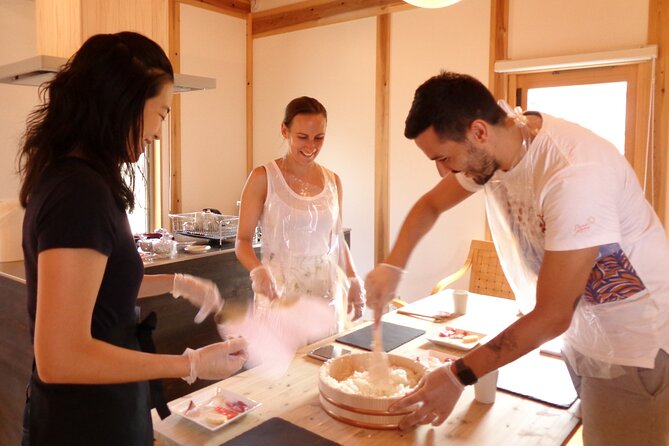
At the end, you eat what you make. The workshop includes a sushi meal, served as lunch or dinner depending on your session time. That’s a smart design. You spend the class learning technique, then you immediately taste your results, so you connect method to flavor.
Between work sessions, you’ll have coffee and/or tea, plus Japanese tea. For me, this kind of pause matters. It keeps you from turning the experience into a frantic race through tasks. You get time to settle in, enjoy the setting, and talk with the instructors.
The townhouse setting near Kiyomizu-dera and Gion also helps. After class, you can step back into Kyoto with a fuller sense of how food fits into daily life there. You’ve just seen sushi as craft, not only as an order at a restaurant.
And it’s not just about taste. Reviews mention cultural notes during the class, including Japanese culture and travel tips. Even if your main goal is cooking, the context tends to make the hands-on parts feel more meaningful.
What you take home, and why it helps you cook again
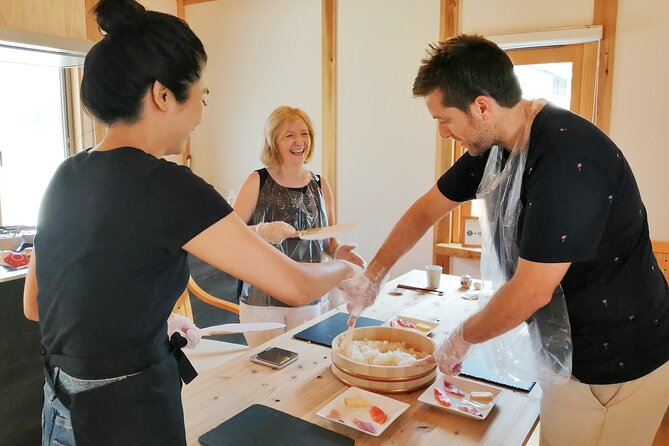
One of the most practical surprises in this experience is the take-home help. Many reviews mention a souvenir gift bag with class notes and tools like a sushi mat and chopsticks. That’s more than a cute souvenir.
It helps you practice without improvising equipment at home. A sushi mat in particular changes the outcome for rolls, and class notes help you remember the order of steps and the key points about rice handling.
So if you’re the type who wants to do more than take photos, this class gives you a realistic path forward. You don’t just come away with edible souvenirs. You come away with the basics to keep going.
Price and value: what $69.64 covers in real terms
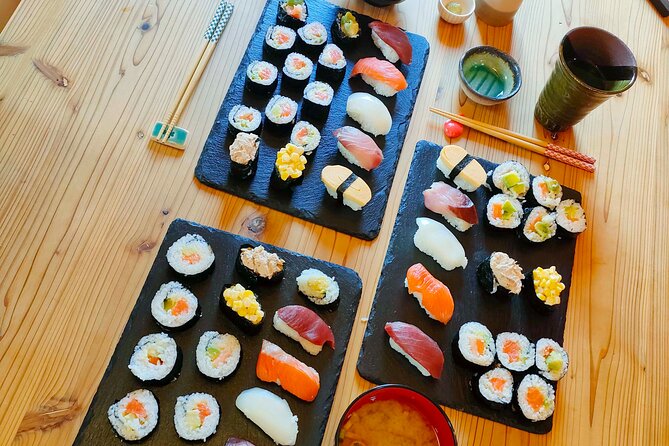
At $69.64 per person for about 1 hour 30 minutes, the price can look like a splurge until you break it down.
Here’s the value logic:
- You’re paying for hands-on instruction from a Japanese instructor in a small group of max 8.
- You receive a full sushi meal made by you, plus coffee and/or tea.
- You get supplies like apron and gloves.
- You’re working with premium fresh fish and selected local ingredients.
Also, this isn’t a fast, assembly-line class. The time you spend is time with feedback. In sushi, that’s where value lives. A big class can be fun, but it’s often frustrating if you want to learn technique. This format aims to prevent that.
If you’re already planning to eat in central Kyoto anyway, this class often feels like you’re paying for instruction on top of a meal. For many people, that’s the sweet spot: you get a meaningful experience without losing the chance to eat well.
If you’re traveling with a friend, you’ll especially appreciate that the class still feels intimate. If you’re solo, it can be a great way to break the day and meet people, without needing to hunt for a group activity.
Who this class suits best, and diet questions to ask early
This is a good fit if you want:
- A small-group sushi class with personal coaching
- A clear path to learn nigiri and maki
- An English-friendly experience with a Japanese instructor
- A meal that ends the lesson, so you’re not starving after cooking
The main limitation to plan around is diet. The listing does not include a vegetarian or vegan option. If your diet is restricted that way, you’ll need to think twice before booking.
For other needs, like allergies, the data you have here points to accommodation in at least some cases. Reviews mention people with gluten and shellfish allergies being handled well, and the team appears willing to work with common restrictions when possible. Still, the safest move is to message ahead with your exact restrictions so they can confirm what can and cannot be prepared for you.
Should you book this Kyoto sushi making class?
Book it if you want a hands-on, small-group sushi class in Kyoto where you’ll actually learn technique, not just watch. If you like the idea of learning rice seasoning, shaping nigiri, and rolling maki in about 90 minutes, with Kana and her assistant guiding you in English, this is the kind of experience that sticks.
Skip it only if the lack of a vegetarian or vegan option is a dealbreaker for your group. Otherwise, come ready to eat, expect to get messy in a controlled way with provided gloves, and plan to take notes so you can reproduce what you learn later.
If you’re trying to make the most of Kyoto in a limited time window, this class is a strong use of a morning or evening slot. You’ll leave with both skills and a full belly, in one calm, local setting.
FAQ
How long is the Kyoto sushi making class?
The class lasts about 1 hour 30 minutes.
How many people are in the class?
The class has a maximum of 8 travelers.
Is the instructor able to teach in English?
Yes, the workshop is conducted in English.
What does the class include?
It includes the hands-on sushi-making workshop, a sushi meal (lunch or dinner depending on session time), an English-speaking instructor, a small-group setup, apron and gloves, and coffee and/or Japanese tea.
Is there a vegetarian or vegan option?
A vegetarian or vegan option is not listed as included.
Where is the meeting point?
The meeting point is Atelier SUSHI311-1 Kitatōryōchō, Higashiyama Ward, Kyoto, 605-0918, Japan.
Is a mobile ticket provided?
Yes, the experience features a mobile ticket.
What is the cancellation policy?
Free cancellation is available up to 24 hours in advance for a full refund. If you cancel less than 24 hours before the start time, the amount paid is not refunded.
Counters and Courses
Kitchens You Can Book Into
Newest Kyoto write-ups from the Loving Japan desk


Japanese Cooking Classes, side by side.
 ★ 5.0Sushi Making Tokyo Roll and Authentic Japanese Sushi ClassFrom $593,971 reviews
 ★ 4.9Roll and Authentic Sushi Making Class in AsakusaFrom $581,957 reviews
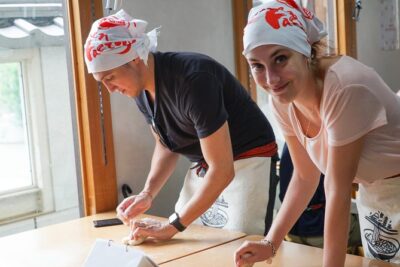 ★ 5.0Ramen Cooking Class at Ramen Factory in KyotoFrom $1311,937 reviews
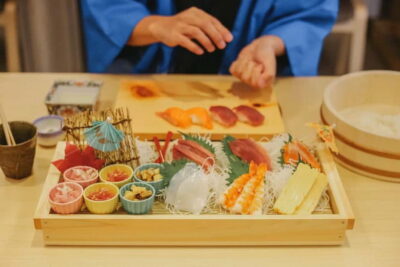 ★ 4.9Sushi Making Class in a Happi Coat near a Famous SpotFrom $421,377 reviews
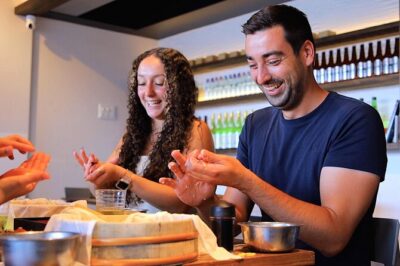 ★ 5.0Sushi Making Osaka Roll and Authentic Japanese Sushi ClassFrom $311,220 reviews
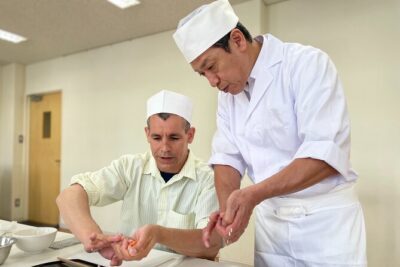 ★ 5.0Tokyo Sushi Making Class in Tsukiji with Professional ChefFrom $491,177 reviews
 ★ 5.0Ramen & Gyoza Cooking Class in Tokyo with Local Supermarket VisitFrom $122823 reviews
 ★ 5.0Tsukiji Fish Market Guided Tour and Sushi Making with Pro ChefFrom $104775 reviews
Filed on these lists too