
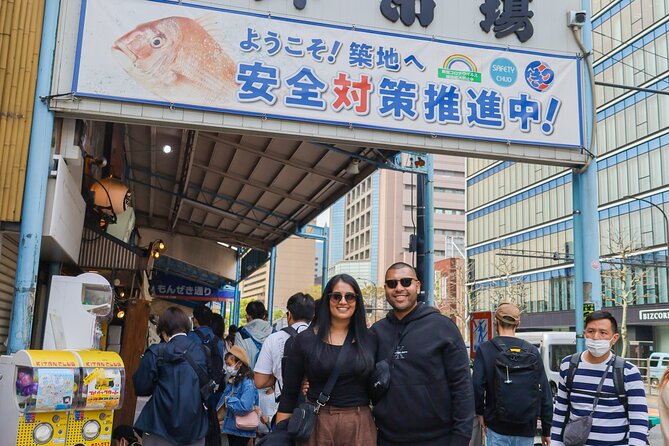
REVIEW · SHIBUYA, SHINJUKU AND HARAJUKU WALKS
One Day Tokyo Group Tour: Asakusa, Harajuku, Shibuya and more
Tokyo clicks fast when you walk with a guide. This one-day group tour strings together Asakusa, Shibuya, Harajuku, and Shinjuku so you can get the ancient and the neon in the same afternoon, with help from an English-speaking guide on hand to answer questions as you go. It also runs with a maximum of 15 travelers, which means you are not lost in a crowd.
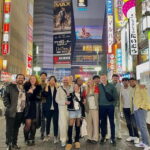
I like the mix of experiences across the day. You start at a temple-centered area in Asakusa, then shift to Shibuya’s most famous street theater, and end in Shinjuku, where Tokyo’s after-dark energy is right there for you to explore further.
One thing to consider: it is a walking-heavy 6-hour route with no lunch included, so you should plan food breaks and keep your energy up.
In This Review
- Key highlights worth prioritizing
- A smart way to see Tokyo in one guided loop
- Asakusa and Senso-ji, where the day starts with real atmosphere
- Shibuya on foot, crossing the famous street and more
- Harajuku Station area, fashion energy without the stress
- Shinjuku finish, where you can turn your tour into a longer night
- Guides you can actually ask questions to
- Walking time, shoes, and the small money details that matter
- Value and price, is $75.77 actually a good deal?
- How to get the most out of the day
- Who this tour fits best
- Should you book this One Day Tokyo Group Tour?
- FAQ
- How long is the One Day Tokyo Group Tour?
- What time does the tour start?
- Where does the tour meet, and where does it end?
- Is there an English-speaking guide?
- Which neighborhoods are included in the tour?
- Are entrance fees included for the stops?
- Is lunch included?
- Do I need to pay for public transportation?
- How large is the group?
- What is the cancellation policy?
- What happens if the weather is poor?
Key highlights worth prioritizing
- Max 15 travelers for easier questions and a less chaotic pace
- Four major districts in one loop, with time to actually look around
- Guides who work the crowd and the culture with real explanations, from Amir to Firas and Flor
- Free admission at multiple stops, with one included ticket day highlight
- Ends in Shinjuku with recommendations so you can keep going on your own
Other routes through the west side of Tokyo, compared
- Tokyo: Shinjuku Food Tour (13 Dishes at 4 Local Eateries)
★ 5.0 · 6,603 reviews - Tokyo Bar Hopping Tour in Shinjuku (All-You-Can-Drink + Dinner)
★ 5.0 · 3,587 reviews - Official Street Go-Kart in Shibuya
★ 5.0 · 3,435 reviews - Tokyo: Shinjuku Food Tour (15 Dishes and 4 Eateries)
★ 4.9 · 2,033 reviews
A smart way to see Tokyo in one guided loop
Tokyo is huge, and planning it alone can feel like herding cats. This tour is built for getting oriented fast, covering four districts that each show a different side of city life. You do most of it on foot, so you will notice the little details cars and taxis simply cannot give you.
The small-group size matters more than it sounds. With up to 15 people, you can ask questions without waiting for a lull in the guide’s story. And you are not just watching Tokyo, you are learning how people move through it.
I also like that it feels flexible in the human way. In this kind of tour, the best guides do not just recite facts. They help you read what you are seeing and make choices that fit your pace.
Asakusa and Senso-ji, where the day starts with real atmosphere
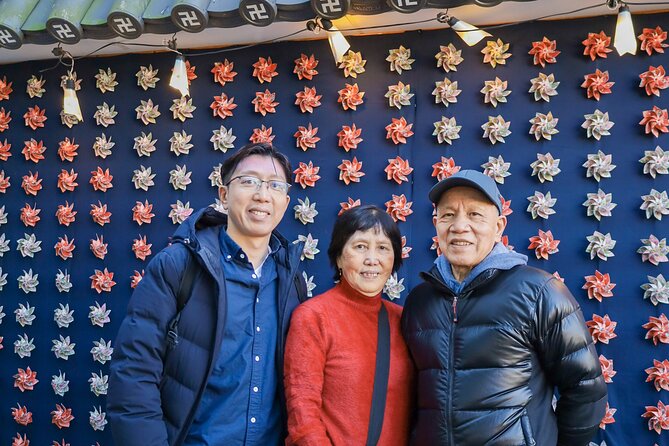
You begin in Asakusa, a district centered on Senso-ji, one of Tokyo’s older temples, reaching back to the 7th century. The vibe here is different from the rest of the city because the focus is devotional and ceremonial, not just commercial.
You get two hours here, which is enough time to do the classic route and still pause for side streets. You can see the temple area, soak in the sights, and get your bearings so the rest of the day feels less random. Since the stop includes free admission, you are spending your time on the atmosphere rather than buying tickets.
What makes Asakusa extra useful in a tour like this is context. Tokyo’s modern neighborhoods can feel like a separate world. Starting with a longstanding spiritual hub helps you understand why Tokyo still keeps tradition in everyday sight.
Practical tip: this is the kind of area where you might want a snack or a small purchase as you walk. Keep a little cash handy, because it makes those quick stops easier.
Shibuya on foot, crossing the famous street and more
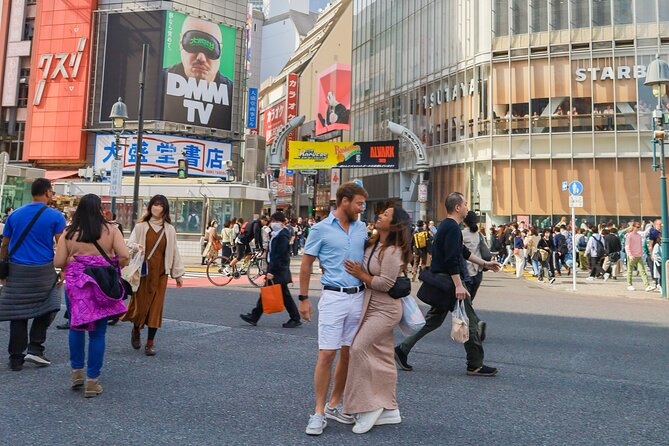
Next is Shibuya, home to the world-famous pedestrian crossing. Yes, it is crowded. Yes, it is busy. But seeing it in person is still one of those Tokyo moments that prints itself into your memory, especially when you stand at the right angles and watch the flow.
You have two hours in Shibuya, and that time is the difference between a photo stop and a real neighborhood feel. The best part is that you are not only looking at the crossing. You also get a guided walk through the wider Shibuya area, where the city’s everyday rhythm shows up through storefronts, side streets, and where people actually hang out.
The tour’s structure helps here. When a guide points out what you should watch for, Shibuya stops being just a spectacle and becomes a place you can read. This is where asking questions is gold, since Shibuya is full of layers that a first-time visit can miss.
Also, the Shibuya stop lists free admission, so your budget stays cleaner. You can spend on experiences rather than entries.
Still on the Sumida side? A few more Asakusa options
- Tokyo: Japanese Dance Cabaret Theater Asakusa-Kaguwa Ticket★ 4.8 · 2,270 reviews
- Tokyo: Meiji Shrine, Asakusa, Skytree Bus Tour and Cruise★ 4.7 · 1,986 reviews
- Tokyo: Roll and Authentic Sushi Making Class in Asakusa★ 4.9 · 1,957 reviews
- Tokyo: Asakusa Walking Tour with Sensoji Temple Visit★ 4.8 · 1,583 reviews
- Tokyo Asakusa Rickshaw Tour★ 5.0 · 1,375 reviews
Harajuku Station area, fashion energy without the stress
After Shibuya, you head to Harajuku Station for one hour. This is the quick-hit style neighborhood stop: people watching, street-level energy, and the sense that Tokyo likes to experiment with appearance and identity.
Because you have a short, focused block of time, you should treat it like a mission: look around, take in the style, and notice what feels like you, not what you think you are supposed to photograph. A guide’s job here is not to drag you through everything. It is to help you target the highlights and explain what you are seeing as you walk.
This stop includes admission ticket included according to the tour details, but the exact attraction is not specified in the information you provided. Still, the key point is that at least part of this Harajuku segment includes a ticketed experience so you are not only wandering.
If you like neighborhoods that feel youthful and visual, Harajuku is where that hits first. If you get overwhelmed by crowds, this is a good chance to regroup, ask questions, and reset your eyes.
Shinjuku finish, where you can turn your tour into a longer night
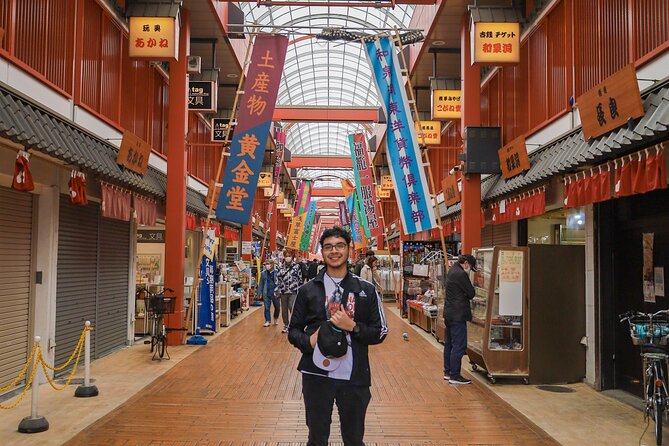
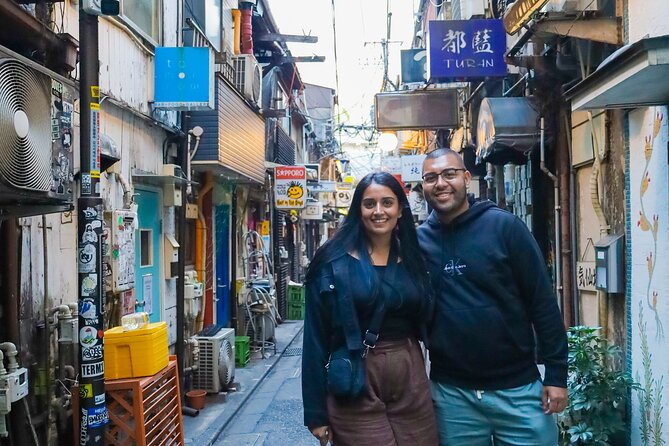
You end with Shinjuku for about one hour, and the emphasis here is on the nightlife hub. Shinjuku is the place locals and tourists both gravitate toward when they want food, energy, and entertainment, and it is especially easy to keep exploring after the tour ends.
The stop is listed as free admission, so your time is spent walking and absorbing the district rather than lining up for entry. Even if your night plans are flexible, finishing in Shinjuku is convenient because it is loaded with places to choose from.
The tour also gives you a practical payoff: you finish in Shinjuku with recommendations for what to do next. That matters because Tokyo after a tour can otherwise feel like, now what? A good guide helps you avoid that “stand around and guess” phase.
Guides you can actually ask questions to
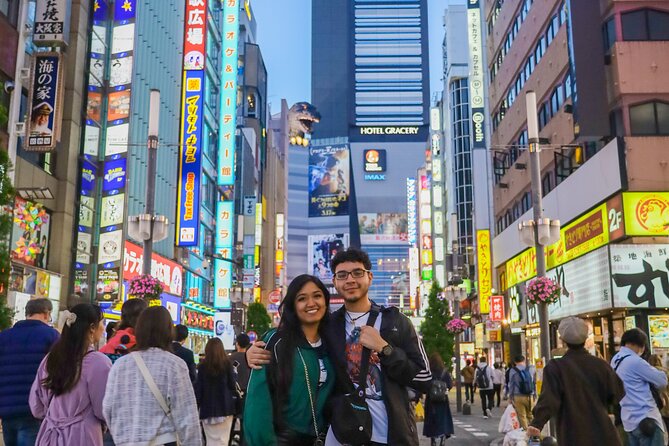
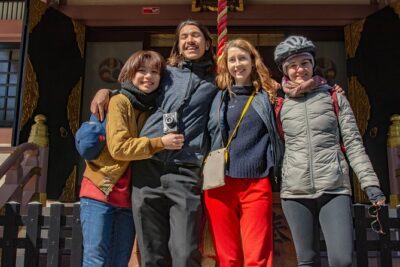
The included English guide is not just there to move you between stations. The best thing about this tour format is the chance to ask questions about Tokyo culture, history, and daily life as you go.
On this particular tour, I’ve seen names like Amir, Flor, Firas, and Ravisha tied to strong guide feedback. The theme is consistent: guides who explain what you are seeing and keep you comfortable, whether your group is small or you have specific interests.
If you want to get value out of any Tokyo walking tour, do this: ask one question per stop that helps you interpret the district. For example, in Asakusa, you might ask why the temple area feels the way it does. In Shibuya, ask what locals pay attention to beyond the crossing.
A guide who answers well turns the tour from sightseeing into understanding. And in a city this big, understanding is the real souvenir.
Walking time, shoes, and the small money details that matter
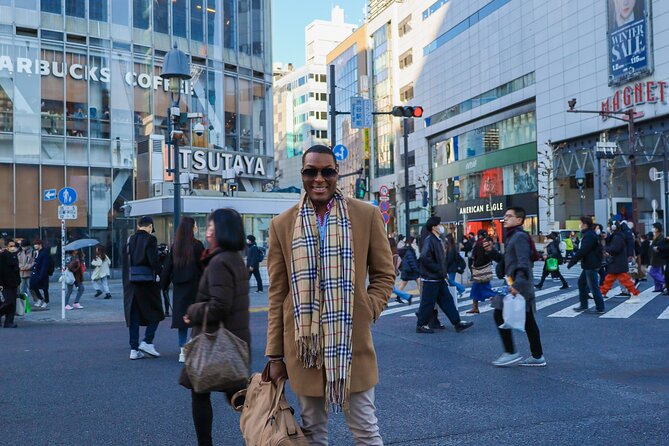
This tour runs about 6 hours and asks for moderate physical fitness. That translates to real walking, real standing, and real time outside. You will feel it in your legs if you show up in soft shoes or assume you can “power through” without breaks.
Here’s my straightforward advice: wear comfortable walking shoes and plan to move at an active pace. That is not negotiable in Tokyo, and it is even more true on a tight route like this.
Money-wise, the tour price is listed at $75.77 per person and includes the English guide and the walking tour. Lunch is not included, and public transportation is not included either, listed at $5 per person. So budget for transit plus meals, and you will feel in control of your day.
Also, the tour uses a mobile ticket. That usually keeps things simple on arrival, but you should still keep your phone charged and accessible.
Value and price, is $75.77 actually a good deal?
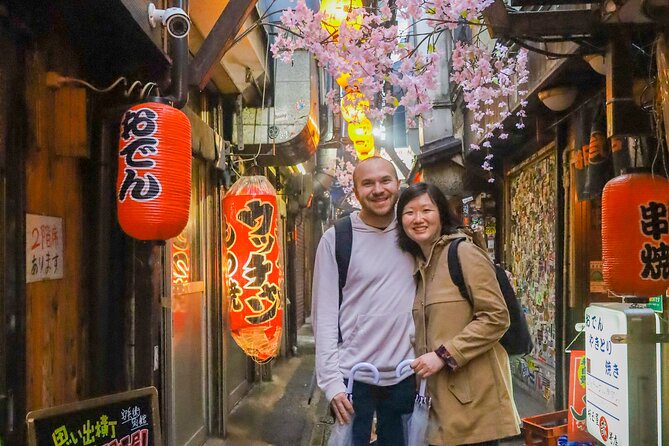
Let’s do the math the practical way. For $75.77, you get a guided walk across several major Tokyo districts, with an English-speaking guide, plus free admission at key stops (Asakusa, Shibuya, and Shinjuku are listed as free). You also have a smaller-than-average group size, which is part of why the tour feels less stressful.
Now add what you do not get. You pay for lunch and you also cover public transportation (listed at $5 per person). The tour does not pretend you will be fed. It is a sightseeing and orientation package.
So is it worth it? If you are short on time, want a guided overview, and prefer walking instead of trying to plan train transfers between distant neighborhoods, then yes, it is a strong value. You are essentially buying time, structure, and context.
If you already know Tokyo well, and you love roaming on your own, you might not need a guide. But most first or intermediate visitors benefit from having someone show the route and explain what to pay attention to.
How to get the most out of the day
This tour works best when you treat it like a guided sampling platter. You are not meant to master each district in one afternoon. You are meant to leave with a mental map and a list of what to revisit.
Here’s how to maximize it:
- At each stop, pick one theme you care about, like food, temples, fashion, or nightlife. Then ask questions that connect to that theme.
- Keep your pace realistic. The tour is 6 hours, and the route includes four districts. Slow down when you need to, but don’t spend too long chasing the perfect photo.
- Plan a meal strategy before you get hungry. Since lunch is not included, you do not want to hit a wall in Shibuya or Harajuku.
Also, because the tour ends in Shinjuku, decide ahead of time what “after the tour” means for you. Even if you keep it casual, having one backup plan can turn the last hour from stressful to fun.
Who this tour fits best
This one-day group tour is a great fit if you:
- Want a Tokyo highlights introduction without spending the whole day figuring out logistics
- Prefer walking and want access to places you would not easily reach by car
- Like a guided explanation, not just photo stops
- Appreciate a smaller group, max 15, so your questions actually land
It may be less ideal if you:
- Have limited mobility or hate walking for hours
- Want a slow, museum-style pace with long sitting breaks
- Are picky about staying completely flexible with timing, since the route is set
If you are visiting Tokyo for a short layover, this kind of guided loop can be especially useful because it gives you a coherent overview instead of random wandering.
Should you book this One Day Tokyo Group Tour?
Book it if you want a smart first impression of Tokyo across Asakusa, Shibuya, Harajuku, and Shinjuku, and you like the idea of a guide answering questions while you walk. The small group size and the mix of free admission stops make it feel like good use of a limited day.
Skip it if you already have your own plan for these neighborhoods and you would rather go at your own pace without structure. Also, if walking for about 6 hours sounds unpleasant, look for a shorter or more relaxed option.
Overall, this tour earns its keep as a practical orientation and a confidence builder. After you finish in Shinjuku, you should feel like you can navigate the city next, not just survive a day in it.
FAQ
How long is the One Day Tokyo Group Tour?
The tour duration is about 6 hours.
What time does the tour start?
It starts at 10:00 am.
Where does the tour meet, and where does it end?
It starts at the Asakusa Culture Tourist Information Center in Tokyo and ends in Shinjuku, Tokyo.
Is there an English-speaking guide?
Yes. An English speaking guide is included.
Which neighborhoods are included in the tour?
You visit Asakusa, Shibuya, Harajuku Station, and Shinjuku.
Are entrance fees included for the stops?
Asakusa, Shibuya, and Shinjuku are listed as free admission stops. Harajuku Station includes an admission ticket.
Is lunch included?
No. Lunch is not included.
Do I need to pay for public transportation?
Yes. Public transportation is not included, and it is listed as $5.00 per person.
How large is the group?
The tour has a maximum of 15 travelers.
What is the cancellation policy?
You can cancel for a full refund up to 24 hours before the experience’s start time.
What happens if the weather is poor?
If the tour is canceled due to poor weather, you will be offered a different date or a full refund.
Asakusa and the Skytree, Keep Going


West Tokyo on Foot: Seven More


Newest Tokyo write-ups from the Loving Japan desk
Shibuya, Shinjuku and Harajuku Walks, side by side.
 ★ 5.0Shinjuku Food Tour (13 Dishes at 4 Local Eateries)From $866,603 reviews
 ★ 5.0Tokyo Bar Hopping Tour in Shinjuku (All-You-Can-Drink + Dinner)From $1063,587 reviews
 ★ 5.0Official Street Go-Kart in ShibuyaFrom $763,435 reviews
 ★ 4.9Shinjuku Food Tour (15 Dishes and 4 Eateries)From $852,033 reviews
 ★ 4.9Shinjuku Local Bar and Izakaya Guided Walking TourFrom $341,794 reviews
 ★ 5.0Tokyo Shinjuku Chopsticks Making ClassFrom $201,763 reviews
 ★ 5.0Tokyo Shinjuku Sumo Show & Experience with PhotoFrom $791,750 reviews
 ★ 4.9Street Kart Experience in ShibuyaFrom $741,484 reviews
Filed on these lists too