
REVIEW · DOTONBORI AND OSAKA STREET FOOD
Osaka Dotonbori: Hand Roll Sushi Experience
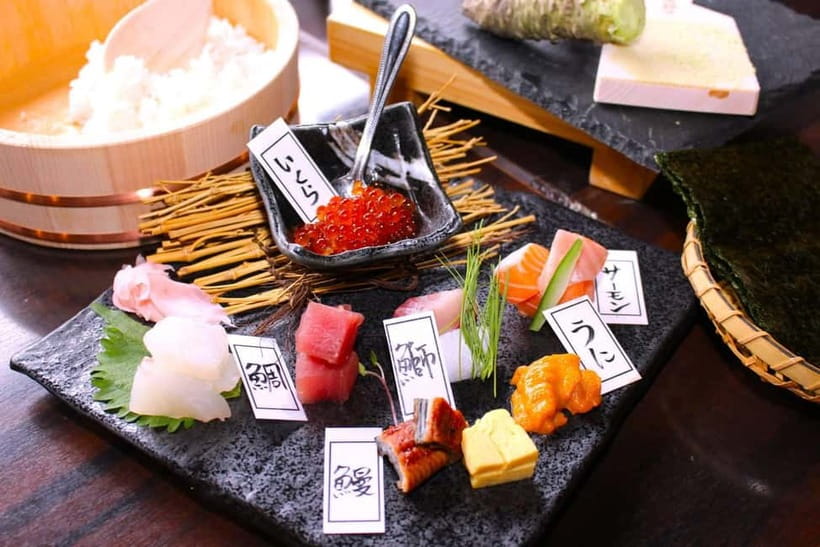
Roll your own sushi in Dotonbori. In Osaka’s Dotonbori district, this hand-roll sushi experience pairs tatami river views with a step-by-step class that takes you from sushi rice to making your own rolls. You’ll do it inside the Kaisen Monogatari Dotonbori setup, located in the Nico Building area, with the action centered on the second floor.
I particularly like the focus on real wasabi. The wasabi tasting is a standout, because you learn what it smells like and how the heat hits compared to the stuff most people know. I also love that you get real hands-on instruction, not just watching, so you leave with a technique you can actually use.
One thing to consider: you don’t seem to get to choose the fish you’ll receive. If you strongly dislike certain seafood, the process can feel a bit like the meal is decided for you, and that can be a mismatch for picky eaters.
In This Review
- Key Things That Make This Hand-Roll Sushi Class Worth It
- Where to Find It on Dotonbori’s Main Street
- The 2-Hour Flow, 12 PM and 2 PM Sessions
- Tatami Rooms and Dotonbori River Views
- Wasabi Tasting: The Heat You Can Smell First
- Sushi Rice: The Vinegar Mixing Lesson That Changes Everything
- Hand-Roll Sushi Practice, With Real Guidance
- Fresh Seafood, But Limited Fish Choice
- Price and Value at 8,000 Yen Per Person
- Who This Class Is Best For (And When to Skip)
- Should You Book the Osaka Dotonbori Hand-Roll Sushi Experience?
- FAQ
- How long is the experience?
- What time do the sessions run?
- Where does it take place?
- Is the experience offered in English?
- What’s included in the price?
- What should I bring?
Key Things That Make This Hand-Roll Sushi Class Worth It
- Real wasabi tasting that highlights aroma and spice, not just a gimmick
- Tatami seating with Dotonbori River views, so the class feels like a mini break from the street
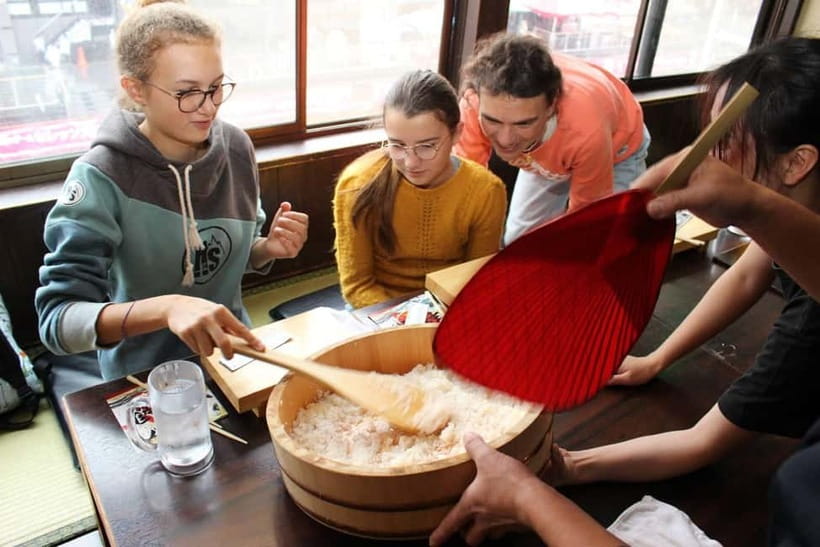
- Sushi rice making lesson, including how vinegar is mixed in and why the rice matters
- Hands-on hand-roll practice, with guidance as you form your rolls
- Chef-led pairings, including a special homemade soy sauce you can use with what you make
- Friendly English support, making it easier to ask questions and learn what you’re doing
Still hungry on Dotonbori? A few more crawls
- Osaka: Shinsekai Food Tour with 13-15 Dishes at 5 Eateries
★ 4.8 · 2,204 reviews - Osaka Local Foodie Walking Tour in Dotonbori and Shinsekai
★ 5.0 · 985 reviews - Osaka: Dotonbori District River Cruise with Drink Discount
★ 4.2 · 876 reviews - Ultimate Osaka Walking Tour: Castle, Dotonbori & Hidden Gems
★ 5.0 · 862 reviews
Where to Find It on Dotonbori’s Main Street
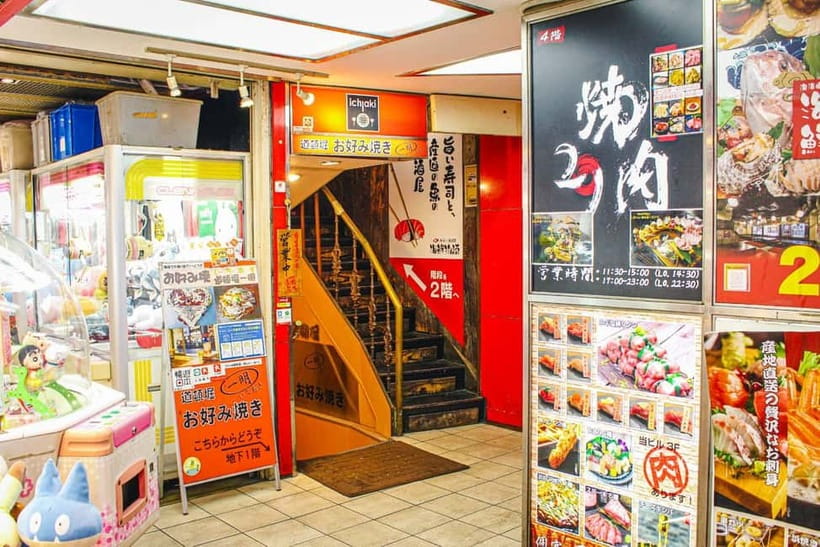
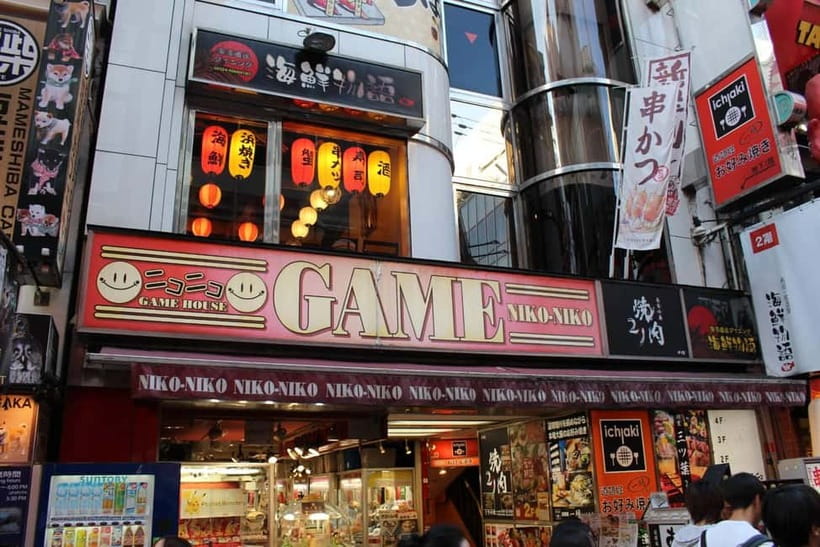
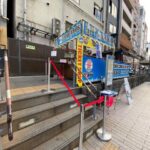
This class is easy to find once you know the trick: it’s on the second floor. The location is Kaisen Monogatari Dotonbori, also tied to 海鮮物語道頓堀店 (your meeting point), at 1-6-12 Dotonbori, Chuo-ku, Osaka, inside the Nico Building. The entrance is on the main street, and there’s a game arcade on the first floor, so you can orient yourself fast.
Here’s what I’d do when you arrive: take a minute to scan the entrance at street level, then look up for signs pointing to the second floor. Because the front door is on the street but the classroom sits above it, you’ll want to double-check before you commit to the wrong staircase.
Also, plan to dress for a short walk and normal city weather. You’re being led into a tatami room, but you’re still in Dotonbori, so comfortable shoes and a light layer help. Bring a camera if you want the river view moment.
The 2-Hour Flow, 12 PM and 2 PM Sessions
Sessions run twice a day, at 12 pm and 2 pm, and each one lasts about two hours. That timing matters because it keeps the experience focused. You’re not signing up for a whole afternoon of waiting around. It’s structured, hands-on, and designed so you can actually make something by the end.
The typical flow looks like this:
1) Introduction to sushi
You start with an overview of sushi basics so the rest of the class doesn’t feel random. It’s especially helpful if you’re new to sushi rolls and want to understand what different steps are trying to accomplish.
2) Making sushi rice
You’ll learn how Japanese rice gets seasoned, with attention on vinegar mixing. This part is practical, because most sushi quality lives or dies on the rice texture and seasoning.
3) Wasabi tasting
Then comes the wasabi tasting, and it’s one of the most talked-about parts. Real wasabi has a different aroma and heat profile than most people expect. Even if you’re not a spicy-food fan, it’s worth trying because the tasting is instructional, not just “here, suffer.”
4) Hands-on hand-roll sushi
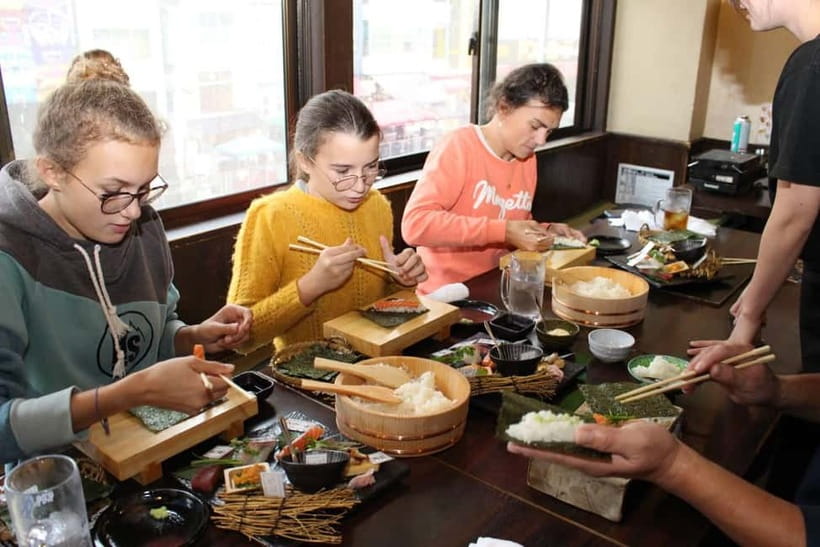
Finally, you make your own hand rolls. You’ll use the provided materials and tools, follow the chef’s guidance, and build your rolls step by step.
A soft drink is included, so you’re not starting the class thirsty. Come ready to eat, because you will taste what you make as you go.
Tatami Rooms and Dotonbori River Views
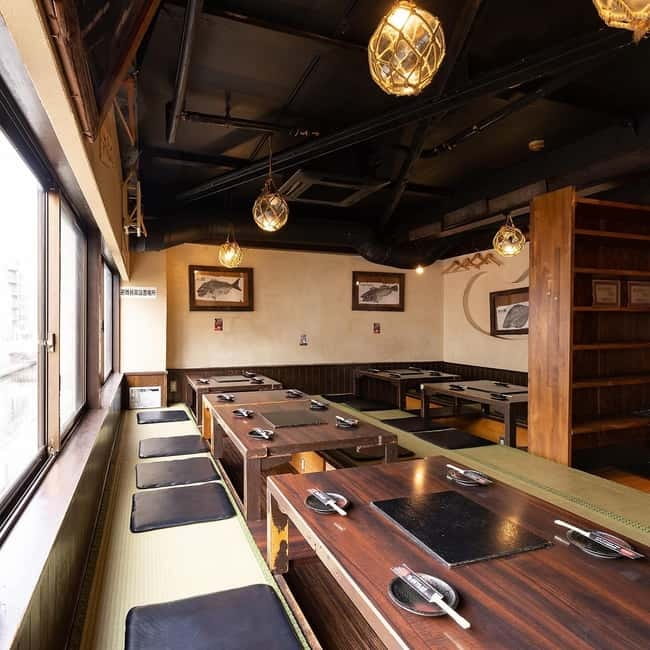
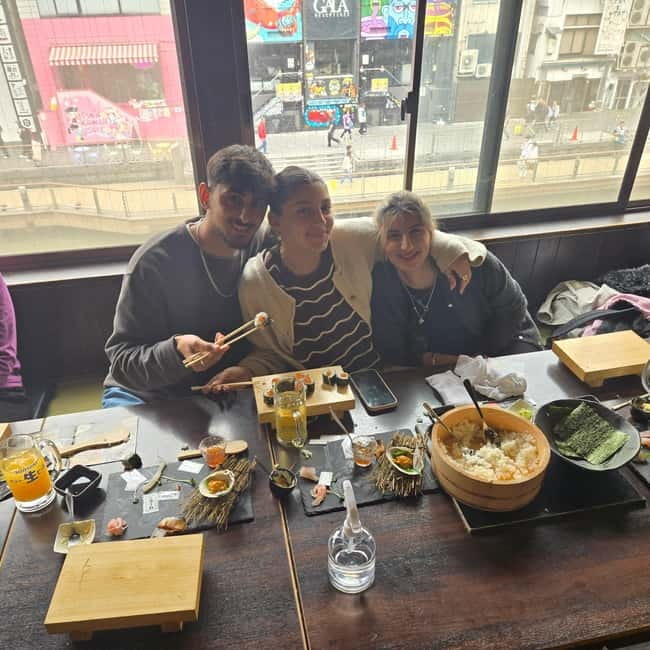
You don’t stay stuck in a back room with fluorescent lighting. You’ll be in an authentic tatami room with stunning views of the Dotonbori River. That’s a big deal for two reasons.
First, it changes the feel of the class. Dotonbori is lively on the street, but up in the tatami space, you get calm and focus. Second, the view gives you a real Osaka moment that lasts beyond the food lesson. You can take a photo, look out for a few minutes, and then get back to rolling.
If you like experiences where you can slow down, this helps. It’s not just cooking for cooking’s sake. The room setting makes the entire session feel like you’re part of a small local ritual.
Counters and courses we sat at around Osaka
- Sushi Making Osaka Roll and Authentic Japanese Sushi Class★ 5.0 · 1,220 reviews
- Osaka Sushi Making Experience★ 5.0 · 400 reviews
- Osaka: Roll and Authentic Sushi Making Class in Dotonbori★ 4.9 · 239 reviews
- Osaka: Sushi Class in Dotonbori★ 4.9 · 160 reviews
- Osaka Dotonbori: Sushi Making Experience★ 4.9 · 122 reviews
Wasabi Tasting: The Heat You Can Smell First
The wasabi tasting is one of the most popular parts of the experience, and for good reason. Real wasabi has a distinct aroma, and the spiciness has a sharper, more immediate character than most people are used to.
What you’ll get out of it is both sensory and practical. You learn how wasabi works with sushi flavors, and why traditional sushi tasting is more about balance than just adding heat. You also learn how different the real thing is compared to wasabi paste or the “green condiment” you might have seen elsewhere.
If you’re someone who loves food that wakes up your nose and then your mouth, you’ll be in your element. If you’re unsure about wasabi, start with a small amount. The class structure makes it easy to try without going overboard.
Sushi Rice: The Vinegar Mixing Lesson That Changes Everything
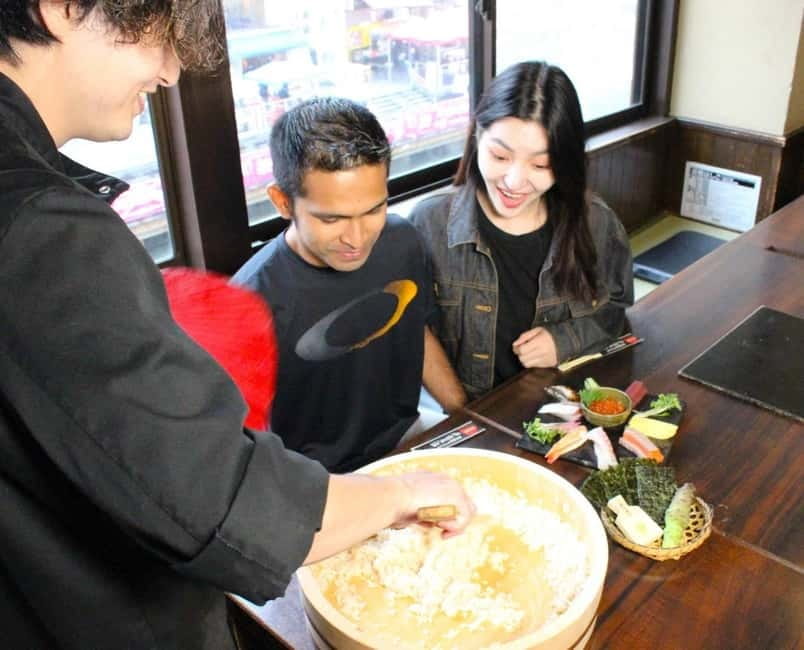
Sushi rice sounds simple. It’s rice, plus vinegar seasoning. But this is where the class earns its value.
You’ll learn about the unique flavor of Japanese rice and how to mix vinegar properly. That step isn’t just tradition talk. It directly affects texture, seasoning, and how the rice holds together when you roll.
Here’s the practical angle: when sushi rice is done right, your hand rolls feel neat, not crumbly. When it’s under-seasoned, the roll tastes flat. When it’s too strong, it overwhelms the fish and toppings. This lesson gives you the “why,” so you understand what to aim for even if you later make sushi at home.
And because you’re doing it in a class setting, you’re not guessing. You’re following instruction and getting feedback as you build the rice base that everything else depends on.
Hand-Roll Sushi Practice, With Real Guidance
This is the part you came for: hands-on hand-roll sushi. The experience provides all materials and tools, so you’re not trying to hunt down bamboo mats or specialty ingredients before you go.
The class also gives you options for your rolls. In other words, you’re not just assembling one preset thing. You’ll be taught how to form the rolls properly, and you’ll get a feel for how much pressure to use, how to position ingredients, and how to keep your roll intact.
A note from real experience: you’ll likely eat what you make during the process. Some people prefer a big final plate of everything they made, so if you’re that type, you might wish the pacing ended with a single final tasting. Still, eating along the way helps you learn faster, because you taste the results immediately.
Chef and soy sauce pairing
One of the best moments reported is when the chef shares a homemade soy sauce meant to pair with the rolls. Then you try it with what you made. That turns the lesson from “instructions” into an actual flavor experience. It also makes you understand why sushi often tastes different with the right sauce, not just with the right fish.
Fresh Seafood, But Limited Fish Choice
You’ll enjoy seasonal seafood flavors as part of the hand-roll experience. Fresh ingredients are part of the appeal, and the class is set up so you can taste and learn rather than just order and eat.
Still, there’s an important consideration. It doesn’t sound like you get to choose the fish you receive. For most people, that’s fine, since trying new seafood is half the fun. For very picky eaters, it can be frustrating because you might receive something you don’t want.
If you know you have strong seafood dislikes, think carefully before booking. You can still enjoy the cooking and rice and wasabi parts, but the sushi you eat may not match your personal tastes.
Price and Value at 8,000 Yen Per Person
At 8,000 yen per person (tax included), the price is about $54, depending on exchange rates. That might sound pricey if you’re comparing it to buying a casual sushi set. But this isn’t just a meal. You’re paying for a guided 2-hour lesson with hands-on making, plus ingredients, tools, and guided tastings.
Here’s what you get for the money, in plain terms:
- Instruction from start to finish, beginning with sushi basics
- A sushi rice making session, including vinegar mixing
- Wasabi tasting with real aroma and spice learning
- Hands-on hand-roll sushi making, with all tools and materials provided
- All the tasting that comes from what you produce
- One drink service, a soft drink
Value usually comes down to whether you want to learn or simply eat. If you want to learn technique, this is one of those classes that actually earns its spot on your itinerary. You leave with both a memory and a skill, and you get the Dotonbori River view as part of the experience, not as a separate sightseeing stop.
Who This Class Is Best For (And When to Skip)
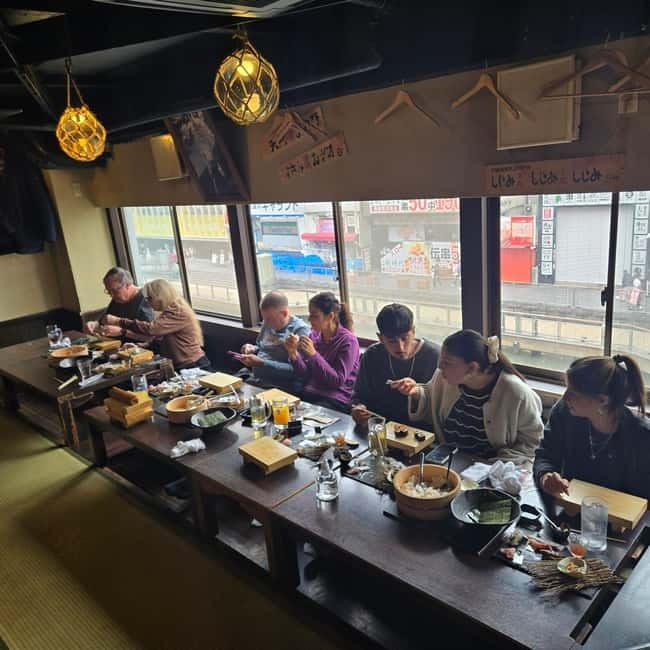
This experience fits beginners and families well, especially because the instruction is in English and the staff is reported as friendly and helpful. People describe the atmosphere as cozy and the helpers as supportive, which matters when you’re trying something with your hands and you might have questions.
It’s also a strong choice if you:
- Want a food lesson that goes beyond eating
- Like wasabi and want to understand what real wasabi tastes like
- Enjoy learning how rice seasoning affects the final roll
- Are visiting Dotonbori and want a more relaxed indoor setting
You might want to think twice if you:
- Have strict seafood dislikes and cannot tolerate fish you might be served
- Prefer to eat only at the end, not during the process
- Want a fully customized menu where you pick every ingredient yourself
For everyone else, the combination of river views, wasabi tasting, rice technique, and actual hand-roll practice makes it a high-success experience.
Should You Book the Osaka Dotonbori Hand-Roll Sushi Experience?
I’d book it if you want an Osaka food activity that’s hands-on, not just a tasting tour. The wasabi lesson and sushi rice session make the class feel grounded in technique, not only in flavor. Add the tatami river view and the friendly team, and you have a well-balanced two hours that doesn’t drag.
If you’re very picky about seafood or you hate the idea of being served something you didn’t pick, then you may find the experience less comfortable. But if you’re curious, open-minded, and ready to get your hands messy in a good way, this is the kind of cooking class that actually sticks with you.
FAQ
How long is the experience?
Each session lasts about two hours.
What time do the sessions run?
The experience runs twice a day, at 12 pm and 2 pm.
Where does it take place?
It is on the 2nd floor of the Nico Building, 1-6-12 Dotonbori, Chuo-ku, Osaka. The meeting point is 海鮮物語道頓堀店にお越しください.
Is the experience offered in English?
Yes. The experience is offered in English.
What’s included in the price?
Included are an introduction to sushi, a sushi rice making session, a wasabi tasting, and a hands-on hand-roll sushi experience. Materials, tools, and one soft drink are also included.
What should I bring?
Bring a hat, camera, water, and comfortable clothes.
Counters and Courses


Dotonbori, Still Hungry



Newest Osaka write-ups from the Loving Japan desk



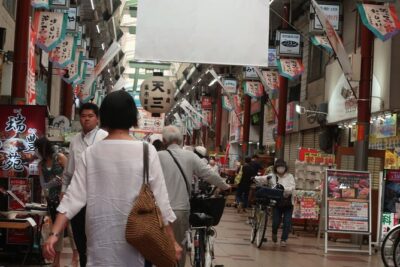
Dotonbori and Osaka Street Food, side by side.
 ★ 4.8Shinsekai Food Tour with 13-15 Dishes at 5 EateriesFrom $532,204 reviews
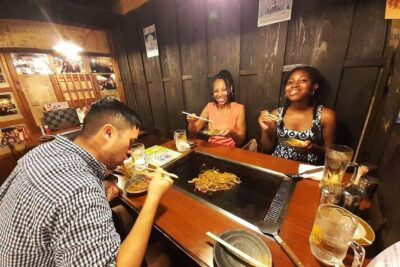 ★ 5.0Osaka Local Foodie Walking Tour in Dotonbori and ShinsekaiFrom $111985 reviews
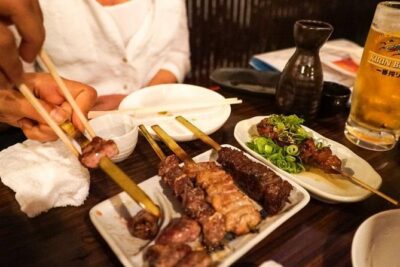 ★ 5.0Osaka Bar Hopping Night Walking Tour in Namba (3 bars, 6 tastes)From $98958 reviews
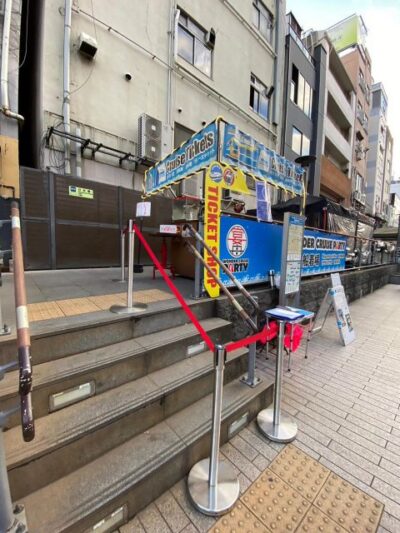 ★ 4.2Dotonbori District River Cruise with Drink DiscountFrom $12876 reviews
 ★ 5.0Ultimate Osaka Walking Tour: Castle, Dotonbori & Hidden GemsFrom $73862 reviews
 ★ 5.0Kuromon Market Food Walking Tour in Osaka (6 stops, 6 tastes)From $50550 reviews
 ★ 4.9Namba Pub Bar Crawl with a Local GuideFrom $30424 reviews
 ★ 5.0Ramen and Gyoza Cooking Class in DotonboriFrom $70378 reviews
Filed on these lists too