
REVIEW · CYCLING AND E-BIKE TOURS
Pedal Adventure Kyoto’s iconic landmarks on an e-bike tour
Kyoto by e-bike feels like a cheat code. You roll from Gion to Fushimi Inari-taisha in about four hours, with an English-speaking route coordinator and an easy e-assist ride that keeps the day fun, not exhausting. One thing to plan for, though, is that the tour requires good weather, so rain can affect the schedule.
What I really like is the mix of famous sights and calmer back streets, plus the guide energy. Guides like Mika or Maki focus on Shinto and Buddhism context, not just where to point your camera, and they help you stay comfortable with practical touches like water, snacks, and pacing for your group size (up to 8 people).
In This Review
- Quick highlights from this Kyoto e-bike loop
- Kyoto E-Bike Loop: how the 4 hours are paced
- Gion at the start: streets, culture, and a fast “get rolling” moment
- Higashiyama Ward: a temple visit with time to notice details
- Fushimi Inari-taisha: torii gates, timing, and what to focus on
- Tōfuku-ji and the Kamogawa River ride: where the day relaxes
- The guide matters: Mika or Maki, and why the stories feel practical
- Bikes and comfort: what’s provided, and what you should bring
- Price and value: why $86.22 can make sense for this route
- Who should book this Kyoto e-bike tour
- Should you book Pedal Adventure Kyoto’s iconic landmarks e-bike tour?
- FAQ
- How long is the e-bike tour?
- Where does the tour start?
- How much does it cost?
- What is included in the price?
- Is lunch included?
- How many people are in the group?
- Does the tour require good weather, and what happens if it is canceled due to weather?
- Is there free cancellation?
Quick highlights from this Kyoto e-bike loop
- Small group max of 8, so you can ask questions and actually hear the answers
- Iconic route, hitting Gion, Higashiyama, Fushimi Inari-taisha, and Tōfuku-ji
- E-bike assist does the heavy lifting, so you can keep moving without feeling wrecked
- Stops include free site entry, with time to look around at each landmark
- Comfort extras, like helmets, water, and snacks, plus rain or heat help reported by past riders
Cover Kyoto on two wheels instead
- Arashiyama Bamboo Forest & Hidden Gems Bike Tour (Early Bird)
★ 5.0 · 613 reviews - 5 Top Highlights of Kyoto Full Day Bike Tour (E-bike option)
★ 5.0 · 511 reviews - Full Day Biking Tour Exploring the Best of Kyoto
★ 5.0 · 498 reviews - E-Bike Tours of the highlights of Kyoto!!!
★ 5.0 · 291 reviews
Kyoto E-Bike Loop: how the 4 hours are paced
This is a classic Kyoto plan, built for moving through the city efficiently while still stopping enough to feel like you saw something real. The full outing runs about 4 hours, with short rides between areas and time on foot at key sites. Because it is an e-bike tour, you are not fighting hills the way you might on a regular bicycle, and you can keep a steady pace even if your legs are not festival-ready.
You’ll start at 19 Shōgoin Higashimachi, Sakyo Ward, Kyoto 606-8325 and end back at the meeting point. The tour uses a mobile ticket, and it is designed to be easy to join with near public transportation. Group size is kept to a maximum of 8 travelers, which matters in Kyoto because it means the guide can manage the flow, safety, and questions without losing the group.
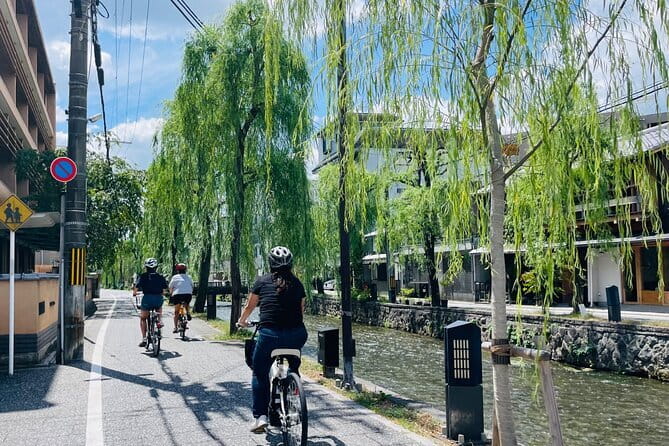
Also, the itinerary is set up as a loop, not a one-way shuffle. That makes a difference. You ride in segments, stop, learn, then keep going. And the day ends with a calmer stretch along the river, which is a nice way to land the experience.
Gion at the start: streets, culture, and a fast “get rolling” moment
The tour kicks off with a quick bike setup, then a short 10-minute cycle to Gion. That timing is smart. It gets you upright and comfortable quickly, so you are not still figuring out controls when you reach the first cultural area.
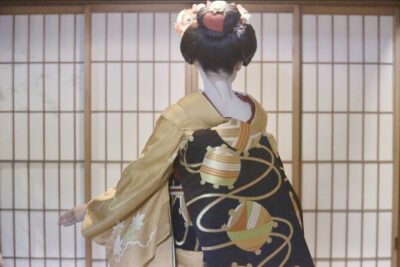
Gion is where Kyoto’s old-world vibes are the loudest. You’ll see the scenery and learn about the Geisha culture, with a guide-led explanation that gives you a framework for what you are noticing. Instead of treating it like a theme park, the guide focuses on how the culture fits into daily life and tradition.
Stop length here is about 10 minutes, and admission is listed as free. That can feel brief if you are expecting long wandering time, but it is not meant to be a deep dive into Gion. It is an opening scene to set the tone, then you move on while momentum is still high.
Consideration: if you love lingering in one neighborhood for an hour, this stop might feel too short. The trade-off is that you get a wider sweep of Kyoto instead of one “big moment.”
Higashiyama Ward: a temple visit with time to notice details
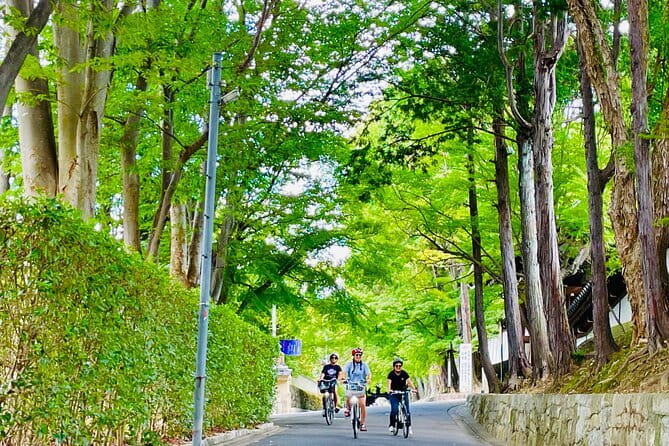
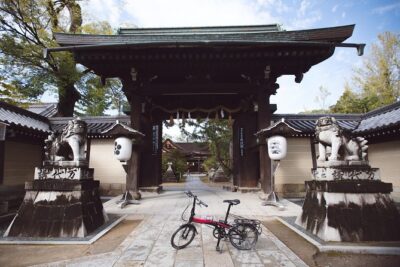
After Gion, you cycle roughly 15 minutes into the Higashiyama area. This is where the tour starts to feel less like a checklist and more like a guided walk-through of Kyoto’s layers. Higashiyama is known for its historic atmosphere, and the route here is set up to show you a temple setting with some quieter angles.
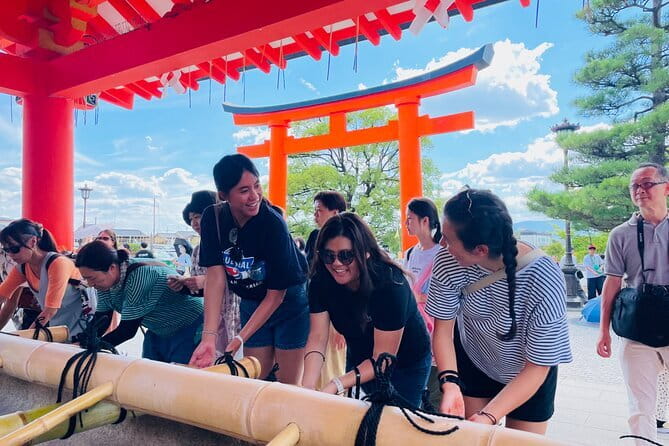
You’ll visit a temple stop with a scheduled 50 minutes on site, with admission listed as free. The guide also includes a quick snack during this segment. That matters more than it sounds. Four hours in Kyoto can add up in heat, humidity, and walking time, and a mid-tour snack helps you keep your energy up without derailing the schedule.
Expect the guide to connect what you see to cultural basics, including context tied to Buddhism and Shintoism. Past riders also describe the guide as funny and thoughtful, and that style tends to make a temple visit feel more like conversation than lecture.
Drawback to keep in mind: temples require a bit of walking and respectful behavior (like any shrine or temple). If you want zero stairs and zero walking, this type of stop might not match your pace preference.
- PERFECT KYOTO 1-Day Bus Tour★ 5.0 · 13,518 reviews
- Kyoto: Fushimi Inari, Kinkakuji, Bamboo Grove 1 Day Bus Tour★ 4.8 · 4,316 reviews
- Kyoto: Tea Ceremony in a Traditional Tea House in Kiyomizu★ 4.9 · 3,519 reviews
- Kyoto Geisha Walking Tour: Gion District & Hidden Gems★ 4.7 · 3,273 reviews
- Kyoto: Tea Ceremony Ju-An at Jotokuji Temple★ 4.9 · 3,207 reviews
Fushimi Inari-taisha: torii gates, timing, and what to focus on
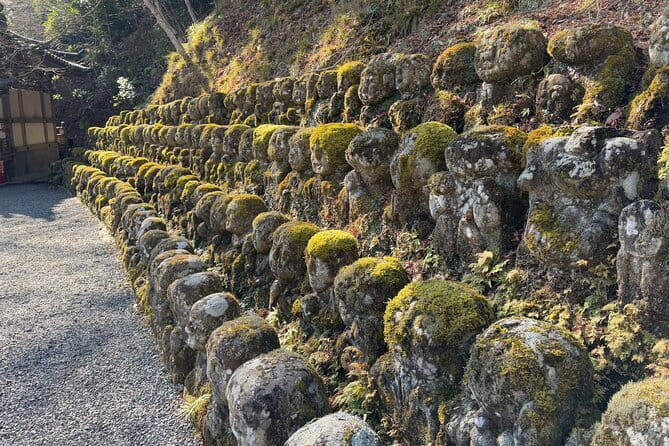
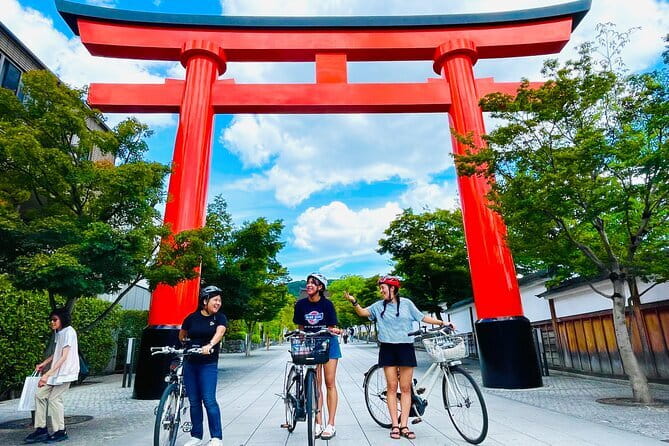
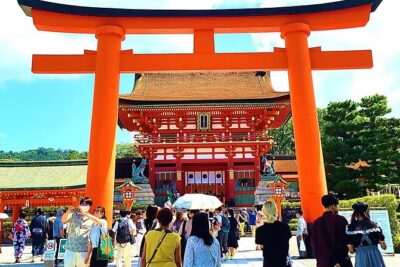
Next is the big name in the itinerary: Fushimi Inari-taisha Shrine. You get about 40 minutes here, and admission is listed as free. That is enough time to see a lot of the gate area, pause for photos, and absorb the atmosphere without feeling rushed.
What makes this stop special on an e-bike day is the way you arrive and the way you leave. You are not just dropping in from a crowded bus and getting swallowed by lines. You arrive as part of a planned route, with your guide helping you manage pace and attention.
If you like sensory details, this stop rewards you. Look for the rhythm of the gates, the way people move, and the moments where the path narrows. A good guide also helps you understand the shrine’s role in Shinto traditions, so you are not just walking through pretty geometry.
Consideration: Fushimi Inari is famous, so there will still be crowds at least at key sections. The tour helps by keeping the rest of your day spread across other areas, so you do not spend all four hours boxed into the most crowded zone.
Tōfuku-ji and the Kamogawa River ride: where the day relaxes
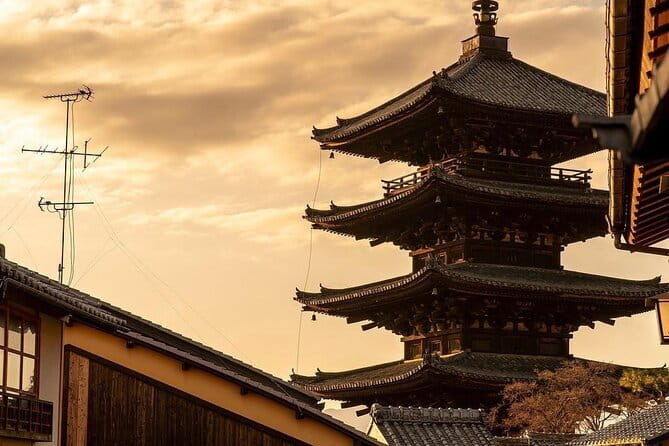
After Fushimi Inari, you cycle about 10 minutes to the Tōfuku-ji Temple complex. This part of the itinerary is shorter at around 20 minutes on site, and admission is listed as free. Tōfuku-ji gives you a different temple feel than the earlier stop, so you are not repeating the same mood twice.
Then comes the most relaxing finish: you follow the Kamogawa River to ride back toward the starting area. This river segment is a big reason many people love this tour. It shifts you from temple and alley focus into open, scenic movement, and it helps your legs recover before you wrap up.
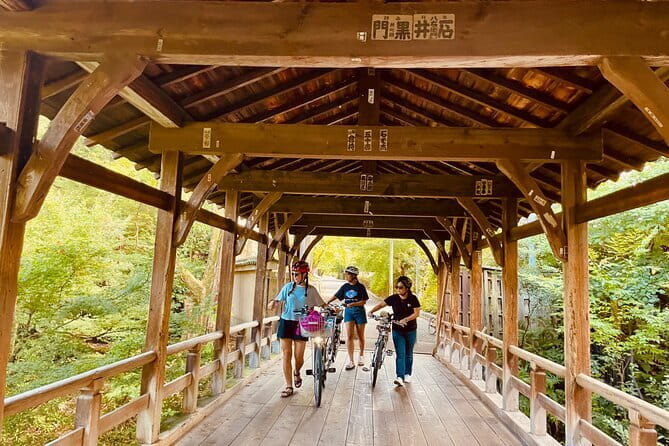
In reviews, riders highlight the ride quality and comfort, like bikes that are easy to control and sometimes come with baskets that help with backpacks or jackets. That might not sound glamorous, but when you are biking through city streets, a basket can be the difference between stable and stressful.
Practical note: bring a light layer even in warm months. River air can feel cooler than the streets, and you want to stay comfortable for the ride back.
The guide matters: Mika or Maki, and why the stories feel practical
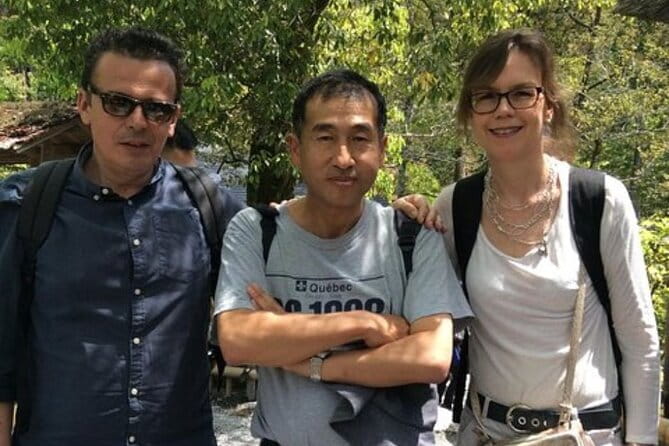
This tour’s reputation is strongly tied to the guide style. Many riders mention Mika or Maki by name, praising a mix of humor, safety focus, and clear English. That combination is a big deal in Kyoto, where signs and etiquette can be confusing if you are relying only on reading.
You’ll also hear cultural context across topics: Shintoism, Buddhism, and even Samurai-related background. That variety is not random. It helps you connect what you see (shrines, temples, neighborhood traditions) to a bigger picture of how Japanese culture grew and changed over time.
Safety also gets real attention. Reviews mention hand signals during riding, and that sort of small detail can make you feel calmer in traffic. The tour is limited to 8 travelers, so the guide can watch the group more closely and adjust pacing if people are slower.
Finally, guides also seem to respond to conditions. One recurring theme is comfort help for both heat and rain, including water, rest moments, and even cooling spray reported by riders. That kind of preparedness is not guaranteed everywhere, but it is part of what people consistently associate with this experience.
Bikes and comfort: what’s provided, and what you should bring
The included basics are solid for a four-hour Kyoto ride:
- E-bike use
- Helmet
- Bottled water
- Snacks
- English-speaking route coordinator
- Admission at stops listed as free
- Return to the meeting point
Also, many riders mention that the bikes are comfortable and well maintained, often with accessories like baskets. That helps you keep your hands free and makes it easier to manage a camera or small day bag.
What you should bring is the usual Kyoto common sense:
- A light rain layer even if the forecast looks okay, since the experience depends on weather
- Sun protection if it is hot (and consider electrolytes if you tend to cramp, since one group purchased electrolyte drinks at a convenience store)
- Comfortable shoes, since you will be on foot at temple and shrine stops
- A small bag that is easy to secure while riding
One more consideration: this tour is described as suitable for most travelers, but you still need to be comfortable riding a bike in an urban environment, even on e-assist. If you are nervous on two wheels, you might feel better doing a shorter practice ride or choosing a different style of tour.
Price and value: why $86.22 can make sense for this route
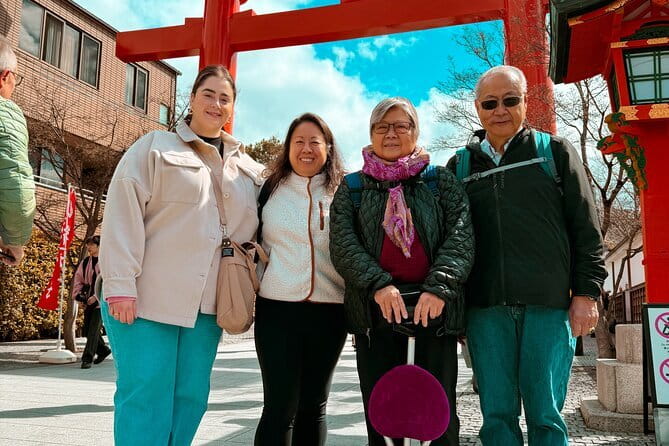
At $86.22 per person, this is not a budget-only option, but it is also not priced like a private tour. The value comes from what is bundled into the price.
You are paying for:
- An e-bike (which is usually a paid rental item on its own)
- A helmet, plus basic gear that keeps the ride practical
- Bottled water and snacks, so you are not stopping for every little need
- An English-speaking coordinator who handles the route, explanations, and pacing
- Time at multiple landmark stops, with admission listed as free for the sites on the schedule
- A small group cap that helps the guide keep things moving
If you are traveling with limited time in Kyoto and want to cover several iconic sights plus neighborhoods you might otherwise skip, an organized loop is usually the efficient call. The e-bike also changes the math. It lets you see more than a walking tour without needing a car or a patchwork of trains and taxis.
Where value can feel less perfect is lunch. Lunch is not included, so you’ll want to plan where you eat after the tour. Since the tour ends back at the starting point, you can choose a nearby meal without a long travel gap.
Who should book this Kyoto e-bike tour
This is a strong fit if you:
- Want to see Gion, Higashiyama, Fushimi Inari-taisha, and Tōfuku-ji in one outing
- Prefer a small-group experience over a giant bus crowd
- Like guided cultural context, not just a photo stop
- Want the fun of biking without worrying about tiring out every few minutes
It may not be ideal if you:
- Want only one neighborhood with lots of free time
- Do not feel comfortable riding a bicycle in a city
- Have strict dietary needs for snacks and want a full lunch included (snacks are provided, but lunch is not)
Should you book Pedal Adventure Kyoto’s iconic landmarks e-bike tour?
If you want a Kyoto day that blends the big names with street-level atmosphere, I think this is a smart booking. The route hits the headlines, but the pacing and small group size help it feel more like a guided journey than a hurried tour.
Book it if you can handle basic riding comfort and you have decent weather flexibility. If rain pops up, the experience is designed to work with weather changes, and past riders describe guides staying on top of comfort needs like heat and rain. For many people, that practical care is the difference between a good sightseeing day and a genuinely memorable one.
FAQ
How long is the e-bike tour?
The tour duration is approximately 4 hours.
Where does the tour start?
The meeting point is 19 Shōgoin Higashimachi, Sakyo Ward, Kyoto 606-8325, Japan.
How much does it cost?
The price is $86.22 per person.
What is included in the price?
Included items are use of the bicycle, helmet, bottled water, snacks, and an English-speaking route coordinator.
Is lunch included?
No, lunch is not included.
How many people are in the group?
The tour has a maximum of 8 travelers.
Does the tour require good weather, and what happens if it is canceled due to weather?
Yes, the experience requires good weather. If it is canceled due to poor weather, you will be offered a different date or a full refund.
Is there free cancellation?
Yes, there is free cancellation. You can cancel up to 24 hours in advance for a full refund, and the cut-off is based on the experience’s local time.
Bicycles and E-Bikes We Have Ridden

Newest Kyoto write-ups from the Loving Japan desk

Cycling and E-Bike Tours, side by side.
 ★ 5.0Hidden Kyoto E-Biking tourFrom $1161,843 reviews
 ★ 5.0Tokyo Guided Small-Group Biking TourFrom $1061,250 reviews
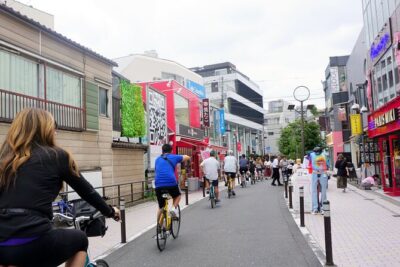 ★ 5.0Tokyo Great Cycling TourFrom $99811 reviews
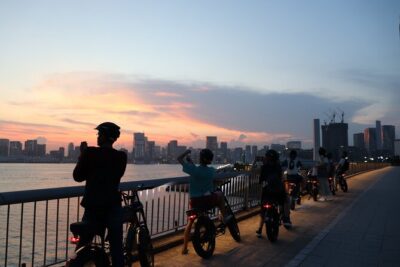 ★ 5.0Tokyo Top Highlights 3h Guided E-bike TourFrom $63714 reviews
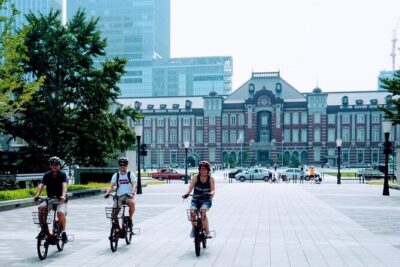 ★ 5.03h Tokyo E-Bike Tour: Hidden Gems, and Local Life with guideFrom $63670 reviews
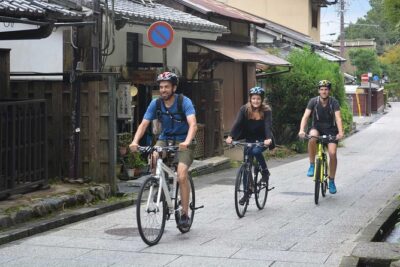 ★ 5.0Arashiyama Bamboo Forest & Hidden Gems Bike Tour (Early Bird)From $106613 reviews
 ★ 5.05 Top Highlights of Kyoto Full Day Bike Tour (E-bike option)From $172511 reviews
 ★ 5.0Full Day Biking Tour Exploring the Best of KyotoFrom $119498 reviews
Filed on these lists too