
REVIEW · FUSHIMI INARI AND THE TEMPLES OF KYOTO
Private eBike Tour Exploring Fushimi with Torii Red Gate Ride
Fushimi Inari, minus the stress.
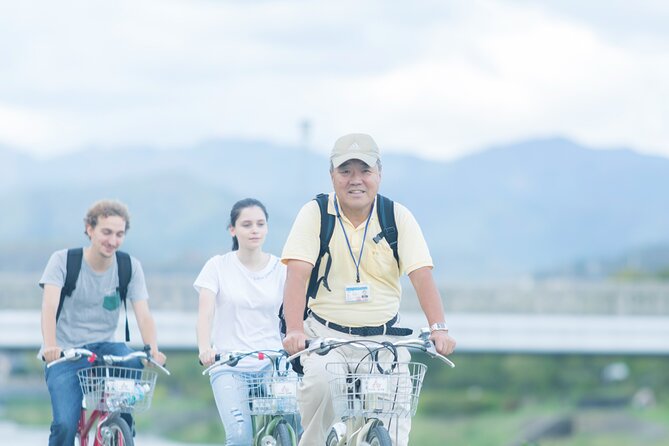
This private e-bike tour strings together Kyoto Station, three major stops, and a calm ride back along the Kamo River, so you get sacred sights and real city atmosphere in one half-day. What I like most is the pacing, you are guided between locations while still having moments to walk, pause, and take photos.
I also like the human touch from the guides, with names like Kaz and Yuichi standing out for the blend of history, humor, and photo help. A bonus is the included rain poncho and helmet, since Kyoto can throw weather at you without warning.
One thing to consider: it runs in rain, and you have to be comfortable riding safely on the road. Also, it is not set up for solo riders, it needs at least 2 guests per guide.
In This Review
- Key points before you go
- Why this Kyoto e-bike route works for Fushimi Inari
- Price and what you actually get for $111.05
- Meeting at Kyoto Station, then cycling your way into the old parts
- Nintendo Original Building stop, a quick Kyoto detour
- Sanjusangendo Temple: the guided hour to slow down
- Tofuku-ji Temple: quick photos at a quiet Zen stop
- Fushimi Inari Torii gates: your main walk with guidance
- Kamo River ride back: the calm finish you will feel later
- Guides make or break it, and this one has strong track record
- Logistics to plan around, without overthinking it
- Who should book this e-bike Fushimi tour
- Should you book this private Fushimi e-bike tour?
- FAQ
- FAQ
- What is the duration of the private e-bike tour?
- Where do we meet and where does the tour end?
- Is the tour private?
- How many people can join per guide?
- Can I book if I am traveling alone?
- Does the tour include helmet and rain gear?
- Does the tour run in rain?
- Which stops are included on the route?
- Are admission tickets included?
- What is the cancellation policy?
Key points before you go
- Private guide and flexible group size: min 2, max 6 per guide, with an extra guide option for larger groups
- E-bike makes the route easier: more sightseeing time, less wrestling with traffic in side streets
- Sanjusangendo is your slow, quiet hour: guided entry inside the temple with time to settle
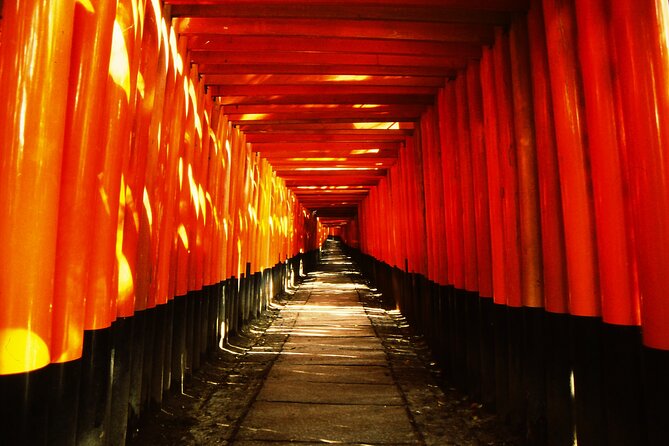
- Fushimi Inari’s torii gates with a plan: walk the famous path with explanations
- Kamo River ride back: a calmer end, with nature and wildlife along the embankment
- Rain-ready gear included: poncho and helmet mean you do not have to scramble last minute
Which temple to give the morning to, reviewed
- Kyoto: Fushimi Inari, Kinkakuji, Bamboo Grove 1 Day Bus Tour
★ 4.8 · 4,316 reviews - Kyoto: Tea Ceremony in a Traditional Tea House in Kiyomizu
★ 4.9 · 3,519 reviews - Kyoto/Osaka: Nara, Fushimi Inari Taisha, Arashiyama Bus Tour
★ 4.7 · 1,275 reviews - Kyoto: Nijo-jo Castle and Ninomaru Palace Guided Tour
★ 4.7 · 1,020 reviews
Why this Kyoto e-bike route works for Fushimi Inari
Kyoto is made for wheels. Between the alleys, side streets, and short hops from one landmark to the next, walking can feel slow and using buses can feel slow in a different way. An e-bike tour keeps you moving while still letting you stop, see, and get that human-scale Kyoto vibe.
This specific route is also smart because it pairs big-ticket sights with slower, quieter pauses. Fushimi Inari is the headline, but the day is balanced by the temple calm of Sanjusangendo and the Zen atmosphere at Tofuku-ji. Then you close with a return ride along the Kamo River, which is the kind of nature break that helps the day feel like yours, not just a checklist.
And because it is private, your guide can set a rhythm. In the past, guides like Kas and JJ have been praised for keeping the tour relaxed while still packing in the right viewpoints and the right explanations.
Price and what you actually get for $111.05
At $111.05 per person for about 3 hours 30 minutes, it is not a budget-only tour. But you are paying for a real guide service plus the bike setup, not just transportation.
Here is where the value comes from:
- Licensed English-speaking guide: you get guided context at multiple sacred sites, not just bike directions
- Bike and safety kit included: helmet and rain poncho remove two common headaches
- Accident insurance included: useful peace of mind when you are riding in traffic
- Site entries handled: Sanjusangendo is included, and the other stops listed are free admissions
If you compare it to spending separate money and time on trains, taxis, and self-guided entry tickets, the total can start to look less expensive than it first appears. The time savings matter most in Kyoto. Missing one connection or waiting too long for buses can wreck a half-day. This tour keeps the flow tighter.
Meeting at Kyoto Station, then cycling your way into the old parts
You meet at Kyoto Cycling Tour Project, Kyoto Station Cycle Terminal, address 552-13 Higashiaburanokōjichō, Shimogyo Ward, Kyoto. The end is back at the same meeting point, which makes planning your next meal much easier.
The tour lasts about 3 hours 30 minutes, and that duration includes cycling between stops. That matters because “tour time” in Kyoto can mean anything from 90 minutes to a whole afternoon if you are not careful. Here, you can count on a structured loop.
Also note the weather plan: the tour operates in rain, and you get a rain poncho. That is great if you hate last-minute scrambling. Just bring shoes you do not mind getting a little wet, and expect the vibe to be quieter on rainy days.
Cover Kyoto on two wheels instead
- Hidden Kyoto E-Biking tour★ 5.0 · 1,843 reviews
- Arashiyama Bamboo Forest & Hidden Gems Bike Tour (Early Bird)★ 5.0 · 613 reviews
- 5 Top Highlights of Kyoto Full Day Bike Tour (E-bike option)★ 5.0 · 511 reviews
- Full Day Biking Tour Exploring the Best of Kyoto★ 5.0 · 498 reviews
- E-Bike Tours of the highlights of Kyoto!!!★ 5.0 · 291 reviews
Nintendo Original Building stop, a quick Kyoto detour
One of the first quick moments is a cycling pass by the former offices of one of Kyoto’s famous companies at the Nintendo Original Building stop. This is only about 10 minutes, with admission free.
Why include something like this on a sacred-sight tour? Because Kyoto is not only shrines and temples. This stop is a reminder that the city runs on modern creativity too. Even if you only catch the exterior, it helps the day feel more like a living city and less like a theme park circuit.
It is also a low-pressure start. You are warmed up on the bike, your guide can get the group settled, and then you move into the spiritual part of the day.
Sanjusangendo Temple: the guided hour to slow down
Your next major stop is Sanjusangendo Temple, where the guide accompanies you inside and explains the history and significance. Plan on about 1 hour, and the admission is included.
This is where the day turns quieter. Sanjusangendo is famous for its long corridors and the intense visual impact of the thousand Buddha statues. Even without going deep into any single aspect, the key experience is the sensation of space and repetition, plus the value of having someone explain what you are seeing.
A practical tip: when you walk into a hall like this, give yourself permission to stand still for a minute. It is easy to rush photos. I’d rather you get one good shot and then spend the rest of the time looking.
Guides who are great with people and patience can make a huge difference here. In past tours, guides like Tibor were highlighted for being patient with kids and guiding attention in a way that still feels respectful.
Tofuku-ji Temple: quick photos at a quiet Zen stop
Next is Tofuku-ji Temple. The stop is about 15 minutes, focused on photos. Admission is free.
This one is shorter on purpose. It adds contrast after the long, intense Sanjusangendo hall. You get a taste of the Zen temple atmosphere without losing the schedule for Fushimi Inari’s walking time.
The “heads up” here is simple: a 15-minute temple stop is not the time for wandering far. Bring your camera and think in terms of angles. If you want more time at Tofuku-ji, this tour is a sampler, not the full experience.
Fushimi Inari Torii gates: your main walk with guidance
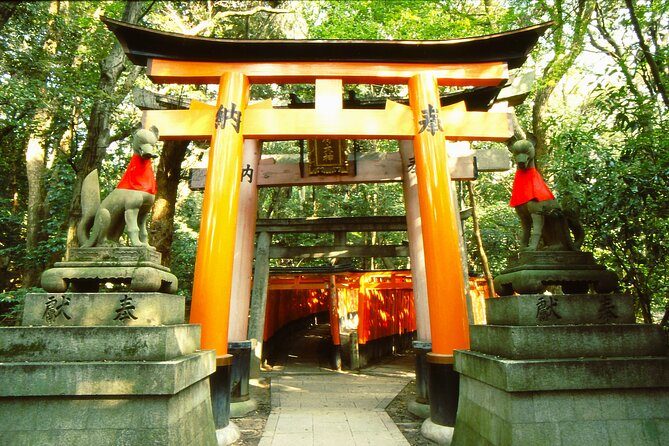
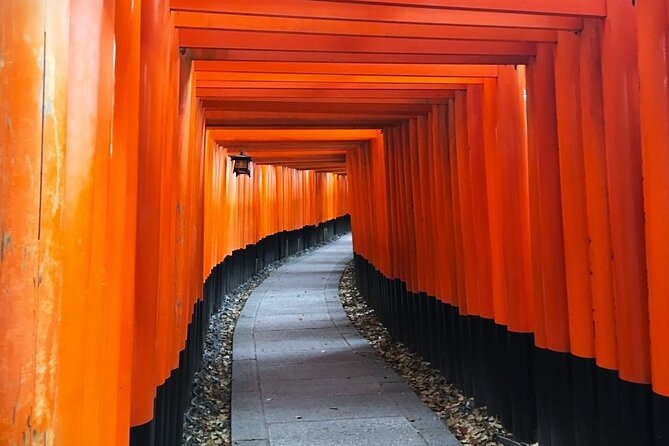
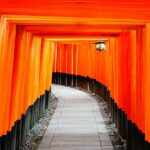
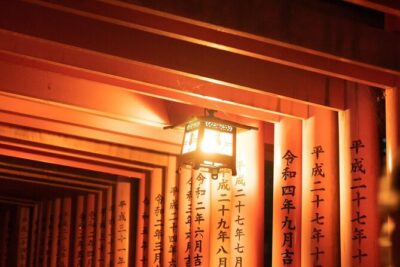
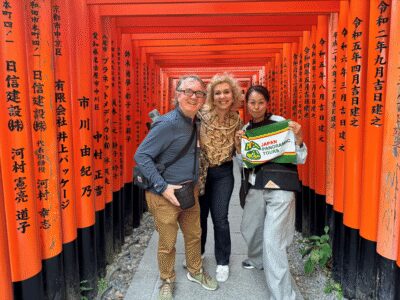
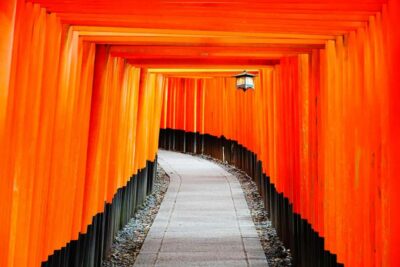
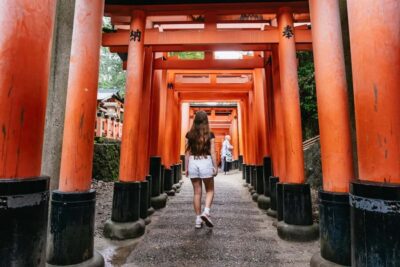
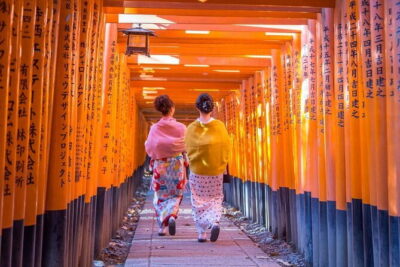
Now for the centerpiece: Fushimi Inari-taisha Shrine. The guide takes you along the famous thousand-gate paths, and you get explanations along the way. The stop is about 1 hour, and admission is free.
You can experience Fushimi Inari in different ways. The way this tour aims for is the walk with a plan: you are not just wandering randomly. The guide helps you understand what you are seeing, and that makes the torii sequence feel more meaningful than just a scenic photo line.
What I like about this structure is that it respects how Fushimi Inari works in real life. You get a guided start and then enough time to enjoy the gates at a comfortable pace. That also helps with crowds. The tour is designed to skip some of the busiest flow and give you scenery by bicycle and then walking.
Photo tip: red torii gates can fool your phone into overexposure. If you are shooting on a bright day, watch for blown-out highlights. If it is raining, you may get darker, more dramatic tones, but keep your lens clean and dry.
Kamo River ride back: the calm finish you will feel later
After the shrine time, you ride back to Kyoto station along the Kamo River embankment. The tour frames it as serene, with nature and wildlife along the way.
This part matters because it changes your pace. Fushimi Inari can feel intense, even when you are moving slowly. The river ride gives your brain a reset. It is also a nice way to reconnect with Kyoto’s street life without stepping into another wave of temple crowds.
If you are the kind of traveler who likes to take a few minutes to observe, this section is often where the trip starts to feel like a real memory instead of just a timeline.
Guides make or break it, and this one has strong track record
A tour like this is only as good as the guide’s ability to manage energy and timing. The standout theme from guide experiences is how friendly, supportive, and practical they can be.
I’ve seen examples of:
- Kaz combining warm welcome, energy, and humor with local context
- Yuichi keeping it chilled but still showing lots of cool spots, plus helping take photos
- JJ and Kay showing strong knowledge and also being genuinely helpful when things went off-script, spending extended time to support someone with a medical issue
- Kas bringing Kyoto history to life in a way that does not feel heavy
That last point is important. Sacred sites can feel like you are either overloaded or under-explained. These guides seem to hit the right middle. You understand what you are looking at, but you still get to enjoy the atmosphere.
Logistics to plan around, without overthinking it
This tour is private. Only your group will participate. That helps if you want less jostling and a more comfortable photo pace.
Group size is capped: min 2 and max 6 guests per guide. A 1-person booking is not accepted, so plan with a friend or pair up with others if you are traveling with only one other person. For 7 to 12 people, an extra guide can be arranged with no extra fee required.
Children must be at least 10 years old and 145 cm or above, and able to ride safely on the road unassisted. If your child is smaller or still learning bike control, this may be stressful.
Also, the tour includes helmet, but it does not include snacks. If you have a big breakfast-to-lunch gap, bring a simple snack to use before or after. During the 3.5 hours, energy dips can make even a fun ride feel long.
Who should book this e-bike Fushimi tour
This is a great fit if you want:
- A first-time Kyoto plan that still feels personal, especially for Fushimi Inari
- A mix of major shrine highlights plus calmer temple moments
- The advantage of an e-bike for getting around without turning the day into a long commute
- Guided context for Sanjusangendo and Fushimi Inari, plus photo help if you want it
It is also good for families, based on how guides like Tibor were described as patient and kind with kids and questions.
You might skip this tour if you:
- Want a long, solo, unguided hike up the more extreme sections of Fushimi Inari
- Are not comfortable riding on roads, especially in rain
- Are traveling solo and do not have a way to meet the minimum group requirement
Should you book this private Fushimi e-bike tour?
If your goal is to see Fushimi Inari’s torii gates, experience Sanjusangendo’s thousand Buddhas, and still end with a calm Kamo River ride, this tour is a strong, practical choice. The included bike, helmet, rain poncho, and guide time do a lot of heavy lifting for you.
My main advice is to treat it like a half-day plan with solid pacing. If you like structure and hate wasting time, you will appreciate it. If you want maximum freedom with no rain contingency and no minimum group size, then you may prefer a different approach.
FAQ
FAQ
What is the duration of the private e-bike tour?
The tour takes about 3 hours 30 minutes, and that time includes the cycling between locations.
Where do we meet and where does the tour end?
You meet at Kyoto Cycling Tour Project (Kyoto Station Cycle Terminal) at 552-13 Higashiaburanokōjichō, Shimogyo Ward, Kyoto, and the tour ends back at the same meeting point.
Is the tour private?
Yes. It is a private tour/activity, and only your group participates.
How many people can join per guide?
The minimum is 2 guests and the maximum is 6 guests per guide. For groups of 7 to 12 people, an extra guide can be arranged with no extra fee required.
Can I book if I am traveling alone?
No. One-person participants are not accepted, since the minimum is 2 guests per guide.
Does the tour include helmet and rain gear?
Yes. You get a helmet and a rain poncho.
Does the tour run in rain?
Yes, the tour operates in rain.
Which stops are included on the route?
The tour includes stops such as the Nintendo Original Building (cycle past), Sanjusangendo Temple (inside), Tofuku-ji Temple (photos), Fushimi Inari-taisha Shrine (torii gate paths), and a ride back along the Kamo River.
Are admission tickets included?
Sanjusangendo Temple admission is included. The other listed stops have admission free, including Tofuku-ji Temple and Fushimi Inari-taisha Shrine, and the Nintendo Original Building stop is free.
What is the cancellation policy?
Cancellation is non-refundable and cannot be changed for any reason. If it is canceled because the minimum traveler requirement is not met, you will be offered a different date or a full refund.
Bicycles and E-Bikes We Have Ridden
Which Kyoto Temple Gets Your Morning


Newest Kyoto write-ups from the Loving Japan desk
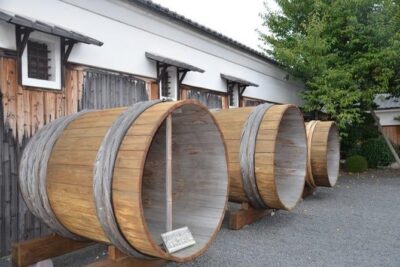
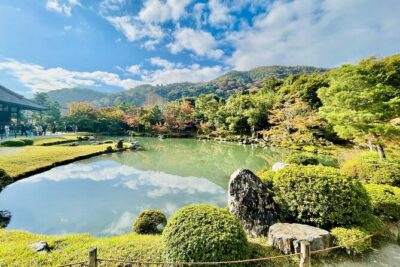
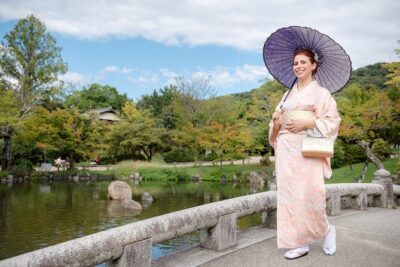
Fushimi Inari and the Temples of Kyoto, side by side.
 ★ 4.8Fushimi Inari, Kinkakuji, Bamboo Grove 1 Day Bus TourFrom $1224,316 reviews
 ★ 4.9Tea Ceremony in a Traditional Tea House in KiyomizuFrom $493,519 reviews
 ★ 4.7Kyoto/Osaka: Nara, Fushimi Inari Taisha, Arashiyama Bus TourFrom $521,275 reviews
 ★ 4.7Nijo-jo Castle and Ninomaru Palace Guided TourFrom $161,020 reviews
 ★ 4.4Osaka/Kyoto: Arashiyama, Nara & Fushimi Inari Shrine w/LunchFrom $61754 reviews
 ★ 4.7Nijo Castle, Kiyomizu & Fushimi Inari Guided TourFrom $54700 reviews
 ★ 5.0Nijo, Kinkaku-ji, Arashiyama, Kiyomizu & Fushimi InariFrom $51699 reviews
 ★ 4.7Imperial Palace & Nijo Castle Guided Walking TourFrom $49453 reviews
Filed on these lists too