
REVIEW · PRIVATE
Private Kyoto Tour: Explore the Most Iconic Sights
Four Kyoto icons, planned for real life. This private tour strings together Kinkaku-ji, Kiyomizu-dera, Fushimi Inari Taisha, and Arashiyama so you spend less time figuring out the next move and more time enjoying Kyoto. I like the private, tailored approach, and I also like the car-and-taxi setup that keeps you comfortable when the route gets tricky. One thing to consider: it is a long day at about 8 to 10 hours, plus temple entry rules and extra fees can vary by stop.
The tour is built around your pace. You can ask to tweak the route, and the guide comes from Japan, the US, or Spanish speaking countries, usually guiding in English. If you want a guide who matches your language, you can usually arrange that for an additional fee, so you do not have to rely on limited explanations at the exact moments you most want them.
For reassurance, the small details matter. Some guides are praised for clear English and smooth driving, including a guide named Riku, and one review also flagged a potential downside for larger groups about seating and vehicles when booking late. In other words, most people should feel in good hands, but if you have a bigger party, ask what vehicle and seating will look like before you lock it in.
In This Review
- Key points before you go
- Why a private Kyoto loop beats chasing trains
- Kinkaku-ji Golden Pavilion: what to expect and how to make it worth it
- Kiyomizu-dera: 1200 years in one viewpoint-heavy stop
- Fushimi Inari Taisha and the torii-walk strategy
- Arashiyama Bamboo Forest: bamboo, bridge, and a boat ride
- Guide quality and language help, with Riku as a standout example
- Price and value: what $200 per person buys you in Kyoto
- Making the 8 to 10 hour day feel manageable
- Who this tour fits best (and who should look elsewhere)
- Should you book this private Kyoto tour?
- FAQ
- How long is the private Kyoto tour?
- What does the tour cost?
- Is pickup included?
- Is this a private tour?
- Which major sights are included in the itinerary?
- Are entrance fees included?
- Is lunch included?
- Will I have a way to access tickets on the day?
- What language will the guide speak?
- Can I cancel for free, and how close to the start time?
Key points before you go
- Private route, no group shuffle, just your party
- Taxi used only when it helps, so you are not paying for a car you do not need
- Mobile ticket and pickup offered for easier mornings
- Four major Kyoto highlights in one day with time for photos and walking
- Arashiyama includes a bamboo walk plus bridge and boat time
- Some temple entry costs may be extra, so confirm what is covered for your exact dates
Still weighing up options in Kyoto? These are the ones our reviewers rated highest.
- PERFECT KYOTO 1-Day Bus Tour
★ 5.0 · 13,518 reviews - Kyoto: Fushimi Inari, Kinkakuji, Bamboo Grove 1 Day Bus Tour
★ 4.8 · 4,316 reviews - Kyoto: Tea Ceremony in a Traditional Tea House in Kiyomizu
★ 4.9 · 3,519 reviews - Kyoto Geisha Walking Tour: Gion District & Hidden Gems
★ 4.7 · 3,273 reviews
Why a private Kyoto loop beats chasing trains
Kyoto is one of those cities where the highlights are close on a map and far in real time. Crowds, narrow roads, and changing bus routes can turn a simple plan into a stress-fest. This tour makes the day feel more doable by using a mix of private transport and taxis when needed, with parking fees handled.
The private format is also the hidden value. You are not trying to keep up with a larger group through peak time, and you can slow down at the places you care about. I especially like that you can adjust the plan to your interests, instead of being locked into a script that assumes everyone wants the same pace.
You also get practical support for the day. The tour offers pickup, uses an air-conditioned vehicle, and includes travel time in the total duration. That matters because in Kyoto, the time between sights can be as draining as the sights themselves.
Finally, there is the guide factor. Even when you know the big names, the small context turns them from photo stops into places you understand. One guide named Riku got standout praise for excellent English, answering questions, and being a careful driver. That kind of calm competence is gold on a day with multiple walks and transfers.
Kinkaku-ji Golden Pavilion: what to expect and how to make it worth it
Kinkaku-ji, also called the Golden Pavilion, is famous for a reason. The temple is a Zen Buddhist site known for the top floors that are covered in gold color, and that shine is what most people come to see. It is the kind of place where your brain goes straight to photos, but the setting rewards slower attention too.
This stop is scheduled at around two hours, with an admission ticket included in the tour description. That time window is realistic. You can do the classic viewpoints, take a few photos, and still have breathing room to notice the details around the ponds and garden edges.
The only practical watch-out is timing. Kinkaku-ji can be very popular, so your guide’s job is not just explanation, it is also helping you move in a way that avoids unnecessary thrashing around. With a private tour, you generally spend less time waiting and more time actually looking.
If you care about photos, come prepared with your camera habits. A golden temple reflects light in strong ways. I find it helps to plan for a second viewpoint, not just one quick shot, because angles change fast as crowds ebb and flow.
Kiyomizu-dera: 1200 years in one viewpoint-heavy stop
Kiyomizu-dera is the kind of Kyoto landmark that feels instantly important the moment you arrive. The tour frames it as a Buddhist temple with a history spanning about 1,200 years, and it is also a UNESCO World Heritage site. Even if you have seen photos, being there in person gives you a sense of scale.
This is another roughly two-hour stop, and the tour notes that your admission fee covers the visit. The temple area involves stairs and walking, so the private pacing helps here. You can take breaks without being rushed, and your guide can help you focus on what matters most to you.
One thing to keep in mind: Kiyomizu-dera is not just one photo frame. It is a series of angles, perspectives, and viewpoints that build a fuller picture as you move. If you only sprint from gate to main platform, you miss some of the satisfaction of the place.
Practical tip for your day planning: treat this as your second anchor stop, right after Kinkaku-ji. By this point, you know you are in the right rhythm, and the guide can help you keep momentum without turning the experience into an assembly line.
- PERFECT KYOTO 1-Day Bus Tour★ 5.0 · 13,518 reviews
- Kyoto: Fushimi Inari, Kinkakuji, Bamboo Grove 1 Day Bus Tour★ 4.8 · 4,316 reviews
- Kyoto: Tea Ceremony in a Traditional Tea House in Kiyomizu★ 4.9 · 3,519 reviews
- Kyoto: Tea Ceremony Ju-An at Jotokuji Temple★ 4.9 · 3,207 reviews
- Kyoto: 45-Minute Tea Ceremony Lesson Experience★ 4.3 · 2,378 reviews
Fushimi Inari Taisha and the torii-walk strategy
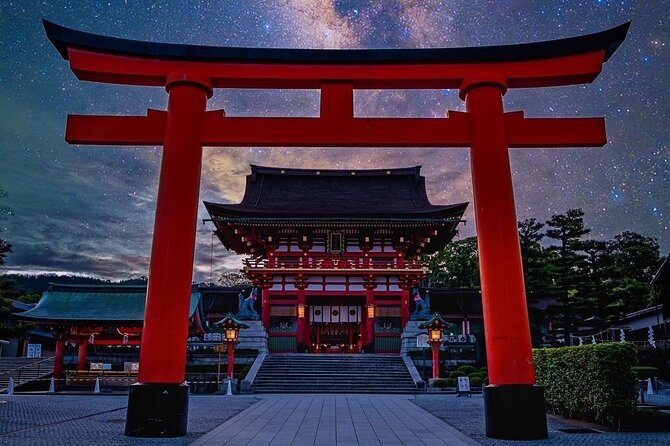
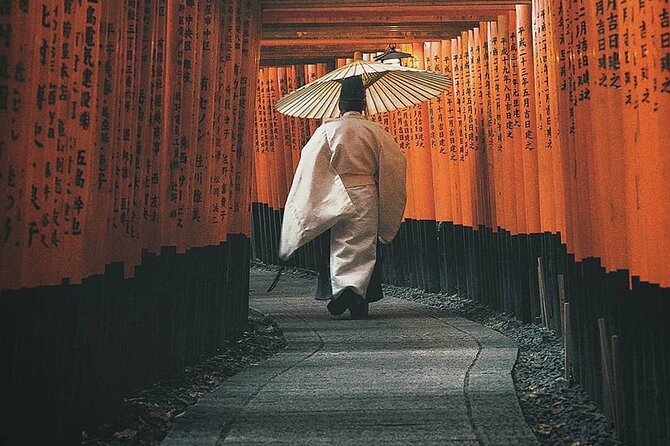
Fushimi Inari Taisha is the Kyoto stop that most people picture instantly: thousands of torii gates in bright vermilion color forming a corridor up the mountain. The tour calls out the torii network as the reason it is so visually striking.
Here the schedule again is around two hours, but the entry note is different: admission is listed as not included for this stop. Also, the tour has a separate note that there may be a temple entrance fee of about 8 to 10 USD. That overlap could confuse you if you are trying to budget, so I recommend you confirm what fees are covered in your booking details.
Why does this matter? Because the torii walk is the whole point. If you end up short on cash or hit a paywall at the wrong moment, you lose time and energy. A private guide reduces friction, but it does not replace the need to know what is included.
How to make the torii experience feel rewarding instead of exhausting: decide what you want from the walk. If you want the classic gate tunnel effect, you might not need to go far. If you want longer views and less crowding higher up, you will want to pace yourself and plan for more walking.
Either way, your guide can help you choose where to spend your time based on your comfort level. That is one of the advantages of going private. You are not locked into an arbitrary turnaround point.
Arashiyama Bamboo Forest: bamboo, bridge, and a boat ride
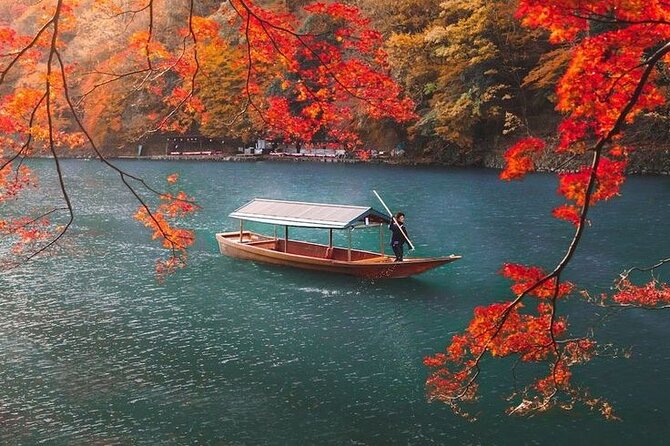
Arashiyama is a well-rounded experience on this itinerary. You get time in the bamboo forest, a walk across Togetsukyo Bridge, and then a tranquil boat ride across the lake, before you continue with the rest of the day.
The tour description also notes that entrance fees for the bamboo forest area are included. That is helpful value, because bamboo entries can become an annoying extra payment if you are already paying for multiple sites in a day.
This stop is about the atmosphere more than the “one perfect viewpoint” feeling. The bamboo stalks create shade and changing light, and the slower river and bridge rhythm gives your legs a break from constant stairs. The boat ride adds a different angle on the scenery, and it helps keep the day from feeling like only walking and photos.
The main drawback is that Arashiyama still draws crowds. The private format helps you move without constant stopping and starting, but you should still expect busy conditions at peak hours. If you are sensitive to crowd energy, tell your guide what you prefer. A good guide will adjust the flow where possible.
If you like scenic breaks and you want at least one portion of the day that feels calm, Arashiyama is the best-fit stop on this route.
Guide quality and language help, with Riku as a standout example
Your guide is the difference between a checklist day and a meaningful Kyoto day. This tour emphasizes that guides come from different backgrounds, including Japan, the US, and Spanish speaking countries. The tours are typically done in English, and you can request a guide who speaks your native language for an additional fee.
That language flexibility is useful because Kyoto is full of symbolism. It is not only about seeing the buildings, it is about understanding why people treat these places with such respect.
One review specifically praised a guide named Riku for being awesome, very knowledgeable, pleasant to be around, and for having excellent English. Another positive comment highlighted that the guide was fun, accommodating, and a careful driver, and that the car was clean and reliable.
So what does that mean for you? It means you can ask questions during the most interesting moments, not only when you finish sightseeing and have time to track your guide down.
The only caution I would keep in mind comes from the less happy feedback. A complaint mentioned difficulty with arranging for a party size of 10 versus what was described, and concerns about seating in one vehicle when booking close to the trip. If you are traveling with a larger party or you care about being seated together, contact the provider before you go and confirm vehicle plan details.
Price and value: what $200 per person buys you in Kyoto
At $200 per person, you are paying for more than transportation. You are buying time saved, fewer logistical headaches, and a guide who can reshape the day around your interests.
Let’s break down where that value comes from:
- Private tour format: no waiting for strangers, no “next stop” urgency if you want a slower moment
- Transport strategy: the tour says there are no charges for a car you do not use, using taxis only as needed for comfort and efficiency
- Included costs: parking fees and specific entrance fees are included, including bamboo forest and Fushimi Inari Taisha entry per the included list
- A focused route: four major icons plus a scenic Arashiyama sequence, packed into one day
Where your budgeting might need attention: the tour also notes that a temple entrance fee of about 8 to 10 USD may apply. At the same time, the itinerary states admission tickets are included for Kinkaku-ji and Kiyomizu-dera. That means your final “out of pocket” amount depends on how the provider applies included tickets to your booking.
My practical advice: before you arrive, check your confirmation details or ask the guide ahead of time what is already paid and what you will pay on site. That keeps the day smooth and prevents that common travel moment of standing at a ticket desk while everyone else is moving on.
Also, lunch is not included. That is normal for a private highlights tour, but it does mean you should plan where you will eat. If you are hungry later, you might end up grabbing whatever is closest rather than what is best.
Making the 8 to 10 hour day feel manageable
A day that covers four signature stops is a lot, even with private transport. The good news is that the route is structured with roughly two-hour blocks at each major stop plus transportation time, so you are not constantly sprinting.
Still, you should go in with a few expectations:
- Expect walking at each site, especially around temple grounds and at Fushimi Inari
- Plan for weather swings, since Kyoto can shift fast
- Bring a small plan for your comfort, like water and a light layer you can peel off
The other thing that helps: the tour includes pickup and uses an air-conditioned vehicle. That gives you a real reset between stops. It is not glamorous, but it is effective. On a long day, that reset is what keeps you from feeling wrecked by stop three.
If you want to maximize enjoyment, tell your guide what you care about most before you start. If golden temples are your obsession, lean in. If torii gates are the priority, focus time there. If Arashiyama scenery and calm boat time is what you want, protect that portion of your day.
Who this tour fits best (and who should look elsewhere)
This tour is a strong match if you want:
- A private Kyoto highlights day without the stress of route planning
- A guide who can explain what you are seeing and answer questions in English, or in another language for an added fee
- Comfort on the move, including pickup and air-conditioned transport
- A mix of iconic temples and scenery, including Arashiyama bamboo plus bridge and boat time
It may be less ideal if:
- You hate walking for long stretches, since temple grounds and Fushimi Inari require it
- You want lunch included or a more leisurely multi-day structure
- Your group is large and you require specific seating arrangements in one vehicle, because you may need to clarify vehicle setup ahead of time
For most people, though, this is an efficient way to experience Kyoto’s headline sights while keeping the day feeling human, not like a rushed tour stamp.
Should you book this private Kyoto tour?
If you want a one-day plan that hits the big Kyoto icons while still letting you shape the pace, this is worth serious consideration. The biggest reasons are the private format, the smart use of taxis and transport, and the guide support that can make each stop click.
Book it if you are comfortable with a long day and you want Kinkaku-ji, Kiyomizu-dera, Fushimi Inari, and Arashiyama all in one flow. I would also confirm what entrance fees are included for your dates, since there is some mixed wording about temple fees. If you have a bigger group, message the provider early and confirm vehicle and seating details.
In short: this is a practical, high-value way to see Kyoto’s best-known sights without losing your whole day to logistics.
FAQ
How long is the private Kyoto tour?
It runs about 8 to 10 hours, with travel time included in the total duration.
What does the tour cost?
The price is $200.00 per person.
Is pickup included?
Yes, pickup is offered.
Is this a private tour?
Yes. It is private, and only your group participates.
Which major sights are included in the itinerary?
The tour includes Kinkaku-ji (Golden Pavilion), Kiyomizu-dera, Fushimi Inari Taisha, and Arashiyama Bamboo Forest, plus Togetsukyo Bridge and a boat ride across the lake.
Are entrance fees included?
Entrance fees are listed as included for the bamboo forest area and Fushimi Inari Taisha, and the itinerary also indicates admission tickets are included for Kinkaku-ji and Kiyomizu-dera. There is also a note that a temple entrance fee of about 8 USD to 10 USD may apply, so it is smart to confirm what is covered for your booking.
Is lunch included?
No. Lunch is not included.
Will I have a way to access tickets on the day?
You receive a mobile ticket.
What language will the guide speak?
Tours are typically conducted in English. A guide who speaks your native language can be arranged for an additional fee.
Can I cancel for free, and how close to the start time?
You can cancel up to 24 hours in advance for a full refund. If you cancel less than 24 hours before the experience starts, the amount paid is not refunded.
Newest Kyoto write-ups from the Loving Japan desk
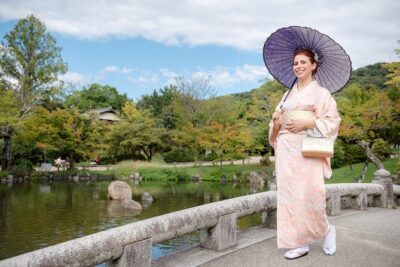
Private, side by side.
 ★ 5.0Tokyo 6hr Private Tour with Government-Licensed GuideFrom $1553,902 reviews
 ★ 5.0Private Tour to Mt. Fuji and Hakone (Fully Licenced Operator)From $4971,910 reviews
 ★ 4.9Mount Fuji Full-Day Private Tour from Tokyo (Customizable)From $3931,470 reviews
 ★ 4.8Private City Highlights Tour with Local GuideFrom $1061,433 reviews
 ★ 5.0Private Custom Tour: Tokyo in a DayFrom $1591,432 reviews
 ★ 5.0Kyoto 6hr Private Tour with Government-Licensed GuideFrom $1551,369 reviews
 ★ 5.0Tokyo Customized Private Tour: See Top Attractions in 1 DayFrom $1451,351 reviews
 ★ 4.9Hotspots & Hidden Gems Walking Tour Private or GroupFrom $331,300 reviews