
REVIEW · TOURS WITH GOVERNMENT-LICENSED GUIDES
Private Tokyo Tour with Licensed Guide & Vehicle (Max 15 persons)
Tokyo can feel like a maze.
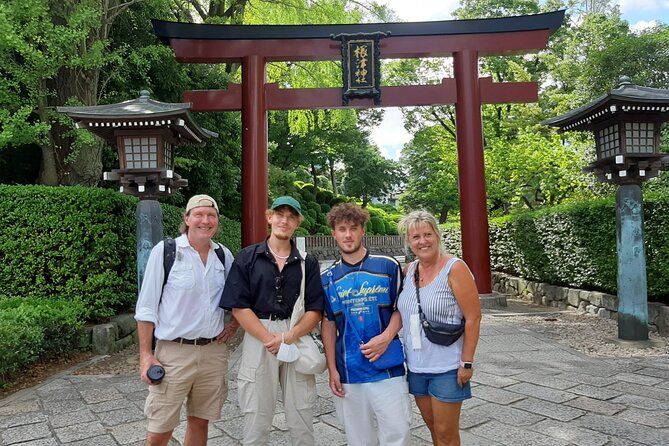
This private Tokyo tour by car helps you get oriented fast, with hotel pickup and drop-off and a licensed local guide to turn landmarks into context. I also like the tight focus: you pick about 3 to 4 stops from a menu, so you spend time seeing, not hunting. Guides like Yoshi, Koji, and Coco are the kind who explain what you’re looking at, then help you pace the day around your interests.
The only drawback is time. Six hours goes quickly once you factor in driving, entrances, and photos, so you will feel the “hit the highlights” vibe. If you want deep museum time or long walks, this tour is not that kind of day.
In This Review
- Key things I’d watch for
- Why a private car is the real value in Tokyo
- Price and what you actually get for $553.58 per group
- How the customizable plan works when you only have 6 hours
- Imperial Palace: getting an Edo-era feel in the city’s core
- Harajuku and Takeshita Street: fashion chaos with photo-friendly energy
- Senso-ji and Asakusa: the old Tokyo stop that also feeds you
- Kappabashi “kitchen street”: plastic models, real souvenirs
- Meiji Jingu Shrine: calm, forest air, and a reset button
- Tsukishima Monjya Street: Tokyo food that isn’t a generic “snack”
- Ginza: polished shopping and a pearl-shaped dream
- Shibuya Crossing and Hachiko: your crash course in modern Tokyo
- Akihabara: anime, tech, and gacha joy in one neighborhood
- Yanaka Ginza: retro street wandering and stray-cat charm
- Ueno Park: museums, cherry blossom energy, and a shorter time slot
- Tokyo Tower: iconic views with an important ticket detail
- Tsukiji Fish Market: classic Tokyo food energy
- Getting the most out of your 6 hours (without feeling like you sprinted)
- Who this private Tokyo car tour is best for
- Should you book this Tokyo private tour?
Key things I’d watch for
- Hotel pickup and drop-off mean you skip the daily “How do we get there?” game
- Licensed English guide turns each stop into a story you can actually remember
- Pick 3 to 4 sites from the menu, so the day matches your vibe, not a fixed script
- A private vehicle saves you from Tokyo metro transfers and long station navigation
- Food and shopping stops are built in, not tacked on at the end
- Some attractions have exclusions (for example, Tokyo Tower top deck)
Licensed guides working the same ground
- Tsukiji Food and Toyosu Market with Government-Licensed Guide
★ 5.0 · 158 reviews - Toyosu Market Morning Tuna Auction and Tsukiji Food Tour with Licensed Guide
★ 4.5 · 146 reviews - Tokyo 8hr Private Tour with Government-Licensed Guide
★ 5.0 · 121 reviews - Private Tokyo Tour with Licensed Guide & Vehicle (Max 15 persons)
★ 5.0 · 107 reviews
Why a private car is the real value in Tokyo
Tokyo is efficient. It’s also complicated. Trains and stations can be a puzzle, especially when you’re switching lines, walking up and down stairways, or trying to find the right exit while everyone else is doing the same.
This is where the private vehicle really pays off. You get hotel pickup and drop-off, then you move from area to area with far less friction. You also get more control over the day’s rhythm. If you want photos, you pause. If you want a slower walk at a temple, your guide can adjust. That kind of flexibility is hard on a metro day.
And because it’s private, your group is the only group in the car. That matters. No loud herd management. No waiting around for someone who missed the last restroom stop.
Price and what you actually get for $553.58 per group
The price is $553.58 per group (up to 4) for a tour that runs about 6 hours. That’s not “cheap,” but it’s also not just for a ride.
What you’re buying is:
- A licensed local English-speaking guide who can plan your day and explain what you’re seeing
- A private vehicle (so you’re not paying in time and stress)
- A customizable format based on choosing about 3 to 4 sites from the menu
For a first visit, that combo can be good value. If you tried to recreate this day on your own, you would spend your energy on directions, ticket logistics, and timing. Here, your guide helps you avoid the wasted hours.
Also, you should think of this as “pay once, save mental bandwidth.” Tokyo is an easy city to get around, but it’s a hard city to navigate while you’re also trying to see a lot. This tour is built for people who want the first-day win.
How the customizable plan works when you only have 6 hours
The tour is designed around choosing a small set of stops. The listing frames it as customizing a tour of 3 to 4 sites from the options, then spending about 30 minutes per stop (with a couple of shorter ones).
Here’s how to use that smartly:
- Pick one “old Tokyo” stop (temples or historic areas)
- Pick one “modern Tokyo” stop (neon neighborhoods, shopping streets)
- Pick one food or shopping stop that matches what you want to buy or eat
- Use the last slot for something iconic or scenic
If you only choose the most crowded headline places, your day can feel rushed. A better mix is what makes the tour feel satisfying instead of frantic.
Guides such as Mura-san and Noropi are known for tailoring around interests like shopping, history, or food, and for adjusting pacing when the day needs it.
- Mt Fuji and Hakone 1-Day Bus Tour Return by Bullet Train★ 5.0 · 26,383 reviews
- 1-Day Tokyo Bus Tour★ 5.0 · 14,250 reviews
- Tokyo: teamLab Planets TOKYO Digital Art Museum Entry Ticket★ 4.6 · 9,779 reviews
- Mt Fuji & Hakone Cruise, Drum Show Bullet Train 1 Day from Tokyo★ 4.0 · 7,413 reviews
- Tokyo: Shinjuku Food Tour (13 Dishes at 4 Local Eateries)★ 5.0 · 6,603 reviews
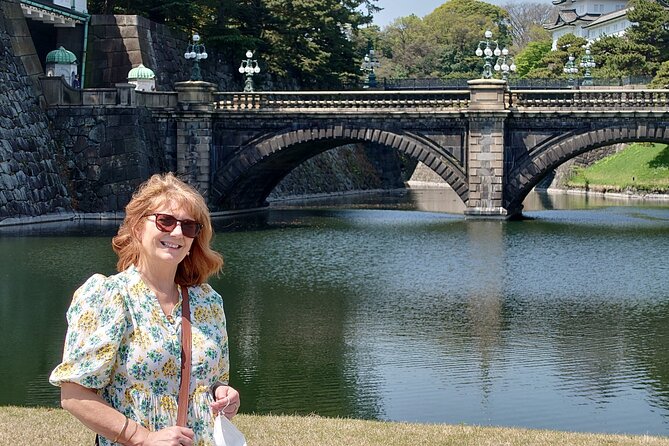
Imperial Palace: getting an Edo-era feel in the city’s core
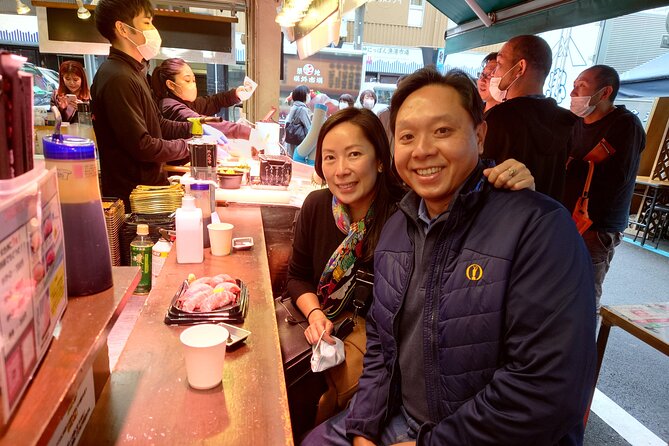
Stop 1: Imperial Palace (about 30 minutes, admission free)
This is a great start because it sets the tone. Even when you’re in the middle of modern Tokyo, the palace grounds give you a sense of depth, historic timeline, and space to breathe. The setting is described as full of historic remnants and an atmosphere you can feel, plus beautiful natural surroundings.
Practical tip: If you’re trying to photograph quietly, arriving earlier in the morning helps. You’re not visiting a showroom. You’re walking through a place with rules and flow, so keep expectations realistic and follow your guide’s lead.
Why it works on this tour: it’s one of the few stops that feels “wide” without needing a long commitment. In a 6-hour day, that’s a big deal.
Harajuku and Takeshita Street: fashion chaos with photo-friendly energy
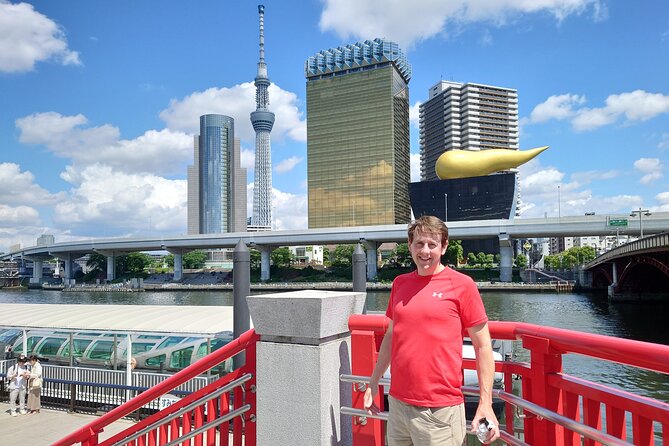
Stop 2: Takeshita Street (about 30 minutes, admission free)
If your idea of Tokyo includes style, youth culture, and fast street browsing, Takeshita Street fits. This is where you get that Harajuku look and the energy of “kawaii” fashion. The listing suggests you can find interesting outfits and items that you can’t easily get elsewhere.
What I like about pairing it with temples: Harajuku and a shrine feel like two different chapters of Tokyo. One day, you get both.
What to consider: Takeshita is busy. Plan to shop quickly, not to browse for an hour. Your 30 minutes disappear fast once you’re people-watching and hunting for a specific item.
Senso-ji and Asakusa: the old Tokyo stop that also feeds you
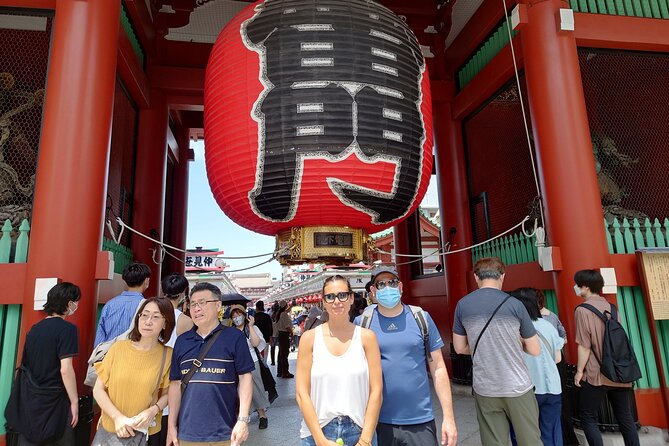
Stop 3: Senso-ji Temple (about 30 minutes, admission free)
Senso-ji is one of those places that makes you understand why Tokyo is so popular. It’s famous, yes, but it’s famous for a reason. The experience is old Tokyo in action, with the added bonus of street food nearby.
The listing calls out sweets you’ll likely see and want to try, like dango and deep fried sweet bean filled mochi (agemanju). You can also shop for souvenirs around the temple area.
My practical advice: treat this stop like a “guided orientation plus taste test.” In a half hour, you’re not doing a slow, contemplative pilgrimage. You’re getting the main sights, the best vibe, and one or two food moments.
Kappabashi “kitchen street”: plastic models, real souvenirs
Stop 4: Kappabashi Street (Kappabashi Dogugai) (about 30 minutes, admission free)
This is the stop for anyone who loves Japanese kitchen culture, cooking gadgets, and the kind of practical souvenirs that feel like they belong in your home. The area is known for uniquely Japanese utensils and the famous plastic sample food displays.
One very specific souvenir idea is a miniature food model keychain. That’s the kind of buy that doesn’t feel random. It’s specific to Japan, and you’ll remember exactly why you bought it.
What to consider: This is shopping. If you’re not in “buy mode,” you might need to give yourself permission to browse and enjoy the visuals only.
Meiji Jingu Shrine: calm, forest air, and a reset button
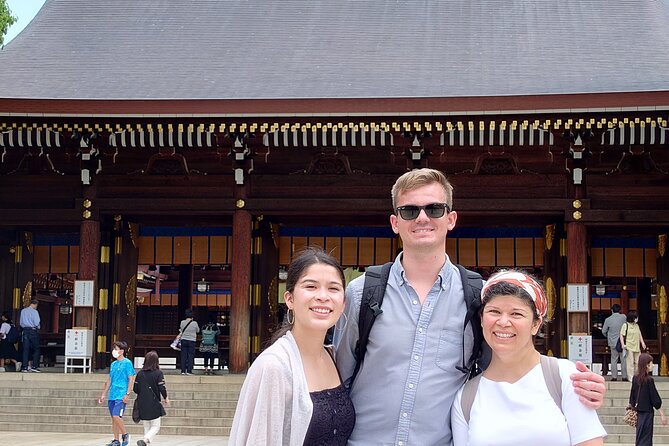
Stop 5: Meiji Jingu Shrine (about 30 minutes, admission not included)
If Tokyo stress has been building up, this is the reset. The listing highlights the Shinto atmosphere, the peaceful grounds, and the surrounding ancient trees. You get a break from shopping streets and crowds.
What I like about this stop is that it changes your senses. Even a short visit feels different from the neon and storefront energy. It’s a place where you can stand still and just watch.
Planning note: Admission is not included here, so budget for the ticket cost. Also, expect it to be popular. Your guide can help you move efficiently so you still get the calm without feeling like you’re sprinting.
Tsukishima Monjya Street: Tokyo food that isn’t a generic “snack”
Stop 6: Tsukishima Monjya Street (about 30 minutes, admission free)
Monja (a Tokyo-style savory dish) is one of those food experiences that feels very local. The listing frames this stop as enjoying a taste that is uniquely Tokyo at one of the many monjya restaurants here.
What to consider: This is food-focused. If you eat a full meal before or after, you might not have room for tasting. If you want to try monjya, keep the rest of your day lighter.
If food is a priority for you, this stop plus Senso-ji street food and Tsukiji market snacks can create a day that feels like a Tokyo tasting menu.
Ginza: polished shopping and a pearl-shaped dream
Stop 7: Ginza (about 30 minutes, admission free)
Ginza is where Tokyo looks like it’s wearing a suit. High-end department stores, upscale shopping, and iconic brands. The listing specifically mentions Mikimoto for pearls, which is a fun target if you want a “Tokyo buy” with meaning.
This stop works best if you’re already thinking about shopping. If you’re not, it can feel like a quick window stroll.
Practical tip: In 30 minutes, choose one store area you want to visit. Don’t plan to cover the whole district. Your guide can help pick a route that keeps walking under control.
Shibuya Crossing and Hachiko: your crash course in modern Tokyo
Stop 8 (listed as a busiest crossing stop): Shibuya Crossing and the Hachiko statue (about 30 minutes, admission free)
This is Tokyo’s controlled chaos. The listing describes it as said to be the busiest crossing in the world, with people moving in organized chaos. It also highlights the statue of Hachiko, the loyal shiba dog.
Why this stop is valuable: It’s not just a photo spot. It’s a feel-for-the-city moment. You stand there, look at the flow, and suddenly Tokyo’s urban choreography clicks.
What to consider: Shibuya is always busy, so you may not be able to stand exactly where you want. Build in flexibility. Let your guide position you for the best view and the easiest photo angles.
Akihabara: anime, tech, and gacha joy in one neighborhood
Stop 9: Akihabara (about 30 minutes, admission free)
If you’re into anime, tech nerd culture, or the world of gacha machines, this is the place. The listing frames it as a stop to experience Japan’s geek culture, and it even calls out gachapon.
This is also a good stop for souvenirs that feel personal. Want a themed keychain, a small figure, or a capsule toy? Your guide can point you toward the sections that match your interests.
What to consider: In 30 minutes, you will likely buy something, or you’ll rush. Decide upfront if you want browsing time or purchasing time, then let that choice guide your pace.
Yanaka Ginza: retro street wandering and stray-cat charm
Stop 10: Yanaka Ginza Shopping Street (about 30 minutes, admission free)
Yanaka is for a different Tokyo mood. The listing calls it a retro shopping street with stray cats. It also mentions famous croquettes, giving you a food reason to slow down.
I like this stop because it often feels human-scale compared with the big flashy areas. You can walk, look, and enjoy the vibe without feeling like you’re in a theme park.
What to consider: If your group is very mobility-limited, your guide can still steer you toward the most accessible segments, but you should expect regular neighborhood walking.
Ueno Park: museums, cherry blossom energy, and a shorter time slot
Stop 11: Ueno Park (about 10 minutes, admission not included)
Ueno Park is big, and the listing calls out that it has a handful of museums, a zoo, a Toshogu Shrine, and Shinobazu Pond. It also notes Ueno as a major cherry blossom party spot.
But the key detail for your planning is the time. This is a shorter stop here, about 10 minutes, so you should think of it as a quick view and a photo moment, not a full park exploration.
What to consider: Because admission is not included, some parts of the park may have ticketed areas. In your short time window, your guide will likely keep you focused on what you can enjoy quickly.
Tokyo Tower: iconic views with an important ticket detail
Stop 12: Tokyo Tower (up to the main deck only) (about 30 minutes, admission not included)
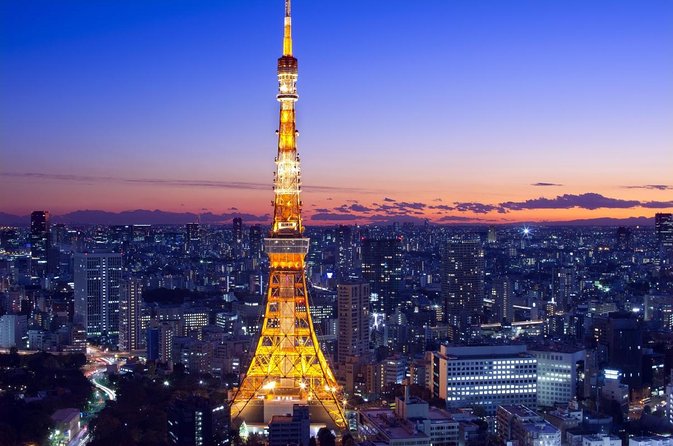
Tokyo Tower is iconic. The listing states you go up to the main deck, and the top deck is not included. At 332.9 meters, it is built as a communications and observation tower.
This stop makes sense if you want a viewpoint without turning your day into a queue marathon. Since you are limited to the main deck, plan to prioritize your photo angles early.
What to consider: Ticket cost is not included, so bring that budget into your day plan. If you want the full experience with the top deck, you’d need to cover that separately, which this tour does not include.
Tsukiji Fish Market: classic Tokyo food energy
Stop 13: Tsukiji Fish Market (about 30 minutes, admission free)
Tsukiji is described as the old fish market of Japan. It’s packed with food, unique bites, and a mix of locals and tourists. The listing encourages you to purchase something while you’re there to support local efforts.
This is an easy stop to love because it’s sensory. You can smell, see, and sample. Even if you don’t know seafood vocabulary, your guide can help point you to items that make sense.
What to consider: In a short time window, don’t plan to taste everything. Choose one or two things and enjoy them. This is also a stop where your stomach needs a reality check, because it can lead to “one more snack” quickly.
Getting the most out of your 6 hours (without feeling like you sprinted)
Here are the practical ways to make this day feel worth it:
- Choose your 3 to 4 stops early. If you wait until the day before, you risk picking places that overlap too much (lots of shopping in one pocket, lots of crowds in another).
- Think in match-ups. A temple plus a shopping street is a great contrast. Shrine calm plus Harajuku fashion makes the day feel like a story, not a checklist.
- Plan your “photo mindset.” Many stops are about photos and short walks. If you treat every stop like a slow walk, you will end the day wanting more time.
- Ask for lunch guidance. Lunch isn’t included, but guides have been known to recommend specific spots based on dietary needs and tastes. One example that came up in guidance was tonkatsu recommendations like Onotesando, along with help understanding what to order and why. You can use that pattern even if your guide suggests a different place.
- If you have mobility needs, communicate early. The tour notes car-seat limitations and says you must contact directly if you need them. Reviews also describe hands-on support for drop-offs at accessible entrances and helping with tickets, but you should still plan ahead and tell your guide what works for your pace.
Also, if you want fewer crowds at key sites like Senso-ji, the best move is a tour time that gets you there earlier. The short time slot only works when you arrive at the right moment.
Who this private Tokyo car tour is best for
This is a strong fit if you:
- Want a first-visit overview of Tokyo without the maze of metro transfers
- Prefer a private experience where your group sets the pace
- Care about both classic sights and modern neighborhoods
- Want a guide to translate context, not just recite facts
It’s also a good family option. The tour is built for small private groups and has experience managing different ages within one day. A guide like Taka, for example, was praised for patience with a larger group size.
If you’re the type who loves all-day wandering, multiple museums, or long stops inside big venues, you might prefer a longer or multi-day plan. This one is about smart coverage, not slow travel.
Should you book this Tokyo private tour?
I’d book it if you want your Tokyo day to feel organized, efficient, and tailored, without you having to do the heavy lifting of planning routes. The big win is the private car plus licensed guide plus the ability to pick about 3 to 4 stops that match your interests, especially for food and shopping.
Skip it if your “perfect day” means long museum hours, lots of wandering with no timing pressure, or you’re hoping to fit every iconic site into one six-hour window. With this format, you’ll do best when you choose fewer stops and give each one your full attention.
Licensed Guides on the Same Ground
Newest Tokyo write-ups from the Loving Japan desk
Tours with Government-Licensed Guides, side by side.
 ★ 5.0Tokyo 6hr Private Tour with Government-Licensed GuideFrom $1553,902 reviews
 ★ 5.0Kyoto 6hr Private Tour with Government-Licensed GuideFrom $1551,369 reviews
 ★ 5.0Hiroshima / Miyajima Full-day Private Tour with Government Licensed GuideFrom $2021,298 reviews
 ★ 5.0Kyoto 4hr Private Tour with Government-Licensed GuideFrom $109629 reviews
 ★ 4.8Private Tour with Local Licensed GuideFrom $106463 reviews
 ★ 5.0Hiroshima City 4hr Private Walking Tour with Licensed GuideFrom $122437 reviews
 ★ 5.0Private Kyoto Tour with Licensed Guide & Vehicle (Max 15 persons)From $634417 reviews
 ★ 5.0Osaka 4hr Private Tour with Government-Licensed GuideFrom $109359 reviews
Filed on these lists too