
REVIEW · TSUKIJI AND TOYOSU FISH MARKETS
Tsukiji Food and Toyosu Market with Government-Licensed Guide
Tokyo’s fish markets reward early risers. I like the stress-free navigation with a government-licensed guide, and I love seeing both Toyosu and Tsukiji in one morning. It saves you from getting lost in seafood alley after seafood alley, and it connects the older market traditions to the newer wholesale center in a way you can actually understand while you’re walking. The possible catch: you’re on a tight schedule, and Toyosu admission, transit costs, and food are not included.
What makes this feel worth the money is how much easier it is with a guide who can spot what you should look for, where to stand, and what to ask before you waste time. In guide feedback, people repeatedly praise hosts like Toyo and Yasuho Suzuki for being organized, friendly, and ready with practical tips, including how to handle the areas that can feel crowded and chaotic.
This is also a real walking tour, with pickup and drop-off handled on foot and a meeting point in the market zone. You’ll finish near the Tsukiji Outer Market, which is great if you want to keep eating afterward on your own.
In This Review
- Key things I’d plan around
- Toyosu Market: The newer wholesale hub on Tokyo Bay
- Tsukiji Fish Market: The real labyrinth, guided
- Namiyoke Inari Shrine: Why waves matter in a reclaimed landscape
- Tsukiji Hongwanji Temple: Buddhism in the fish-market neighborhood
- How licensed guidance changes what you actually get to see
- Food and shopping reality check, plus how to eat without wasting time
- Getting between Toyosu and Tsukiji: your guide organizes, you pay transport
- The full flow, mapped to what you’ll feel at each stop
- Who should book this Tsukiji and Toyosu tour?
- Should you book? My decision guide
- FAQ
- Is the tuna auction included on this tour?
- How long does the tour take?
- Do I need to pay admission fees during the tour?
- Is food included?
- Is this tour private?
- How does the guide handle transportation between Toyosu and Tsukiji?
- Where do we meet and where does the tour end?
- Is it a walking tour?
- Can I use a mobile ticket?
- What about timing if I want to eat after?
Key things I’d plan around
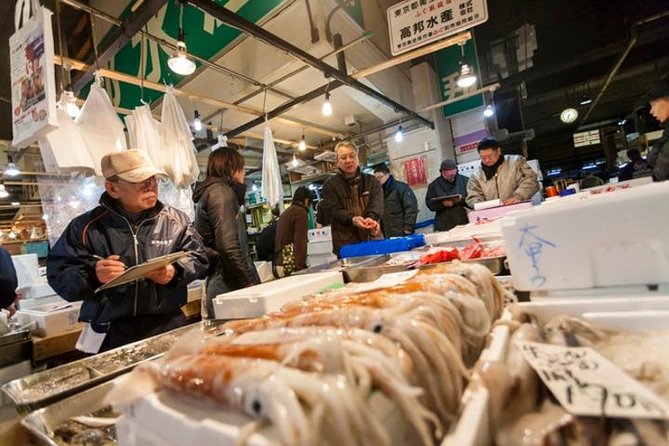
- Two markets, one morning plan so you get the story of Tokyo fish trading without hopping independently
- Licensed local guide support to help you navigate crowd density and vendor flow
- Temple and shrine stops add context including Namiyoke Inari and Tsukiji Hongwanji
- Toyosu admission is not included so budget for that plus whatever you sample
- Public transport between stops is extra even though your guide organizes it
- Limited time for meals during the tour so plan on eating after if you want a full breakfast or lunch
Hungry earlier than that? Other market breakfasts we tried
- Tokyo Tsukiji Fish Market Food and Culture Walking Tour
★ 5.0 · 3,184 reviews - Tokyo: Tsukiji Fish Market Food and Walking tour
★ 5.0 · 1,724 reviews - Tokyo: Tsukiji Fish Market Guided Walking Tour
★ 4.9 · 1,397 reviews - Tokyo Sushi Making Class in Tsukiji with Professional Chef
★ 5.0 · 1,177 reviews
Toyosu Market: The newer wholesale hub on Tokyo Bay
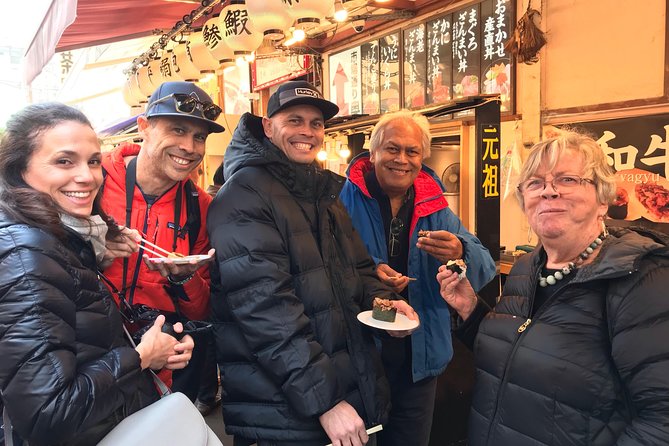
Toyosu is Tokyo’s modern fish-market complex, opened on October 11, 2018 on a man-made island in Tokyo Bay. It replaced the wholesale function of the older Tsukiji Market, so this stop gives you the “where the supply chain lives now” view. If you’ve only ever seen fish markets in movies, Toyosu helps you understand the real scale, the workflow, and why people treat this place like an industrial food engine.
Your time here is about one hour, and Toyosu admission is not included. That matters because it can change how you experience the market. With paid entry, you’ll generally have an easier route into the main areas, but you still need to plan cash or card for admission and for what you want to sample.
Here’s the practical thing I’d watch for: Toyosu can feel different depending on when you arrive. One review noted that the newer market didn’t have much to see when they went around noon because some stalls were closed. So if you can, aim for the earliest part of the morning. Even within a short tour, timing can be the difference between “lots of choices” and “mostly observation.”
Also, Toyosu is usually a better place for eating on your own because the area has stores and restaurant options you can move toward quickly after your walk. In other words, even if you don’t buy everything inside the market zone, this stop is useful for getting a feel for what you can return to later.
Tsukiji Fish Market: The real labyrinth, guided
Tsukiji is the one most people picture when they hear Tokyo fish market, and it’s where the energy can feel intense. This part lasts about two hours, and Tsukiji itself is listed as free admission in the tour details, which helps keep your spending under control compared to markets where you always pay a gate fee.
You’ll meet your guide at Tsukiji Honganji Temple, just outside the market’s main gate. That’s a smart start point because it gives you a clear landmark. From there, you walk into the seafood maze and learn what you’re looking at as you go, instead of relying on guesswork. A licensed guide matters here because Tsukiji is crowded, and it’s easy to drift into the wrong streets, miss the areas you actually came for, or get stuck behind foot traffic.
In reviews, the most praised part is often the guide’s ability to connect history and food in a way you can see. People described guides like Suzuki and Koji as helping them make sense of how the market works, including how tuna auction viewing works, even though this particular tour is not the tuna auction option. That’s a key difference: this tour gives you the market feel and culture, while the full auction-focused experience is a separate add-on.
Also, Tsukiji includes a short shrine and temple sequence, which is a big value add. Those breaks keep the tour from being only one long sensory push.
Namiyoke Inari Shrine: Why waves matter in a reclaimed landscape
A quick stop at Namiyoke Inari Shrine fits well between market walking stretches. It takes about 15 minutes, and admission is free.
This shrine is tied to Tsukiji’s relationship with the sea. The site is meant to help keep away the waves from the land reclaimed from the ocean. Even if you don’t speak Japanese, you’ll get the basic meaning fast, because the shrine context is right there. It’s one of those pauses that makes Tsukiji feel like more than a place to buy fish.
For me, the value is mental. When a market tour is mostly loud stalls and sharp smells, you can lose the bigger story. A short spiritual landmark like this resets your brain and gives you a clean theme you can carry back into the market walk.
Licensed guides working the same ground
- Tokyo 6hr Private Tour with Government-Licensed Guide★ 5.0 · 3,902 reviews
- Tsukiji Food and Toyosu Market with Government-Licensed Guide★ 5.0 · 158 reviews
- Toyosu Market Morning Tuna Auction and Tsukiji Food Tour with Licensed Guide★ 4.5 · 146 reviews
- Tokyo 8hr Private Tour with Government-Licensed Guide★ 5.0 · 121 reviews
- Private Tokyo Tour with Licensed Guide & Vehicle (Max 15 persons)★ 5.0 · 107 reviews
Tsukiji Hongwanji Temple: Buddhism in the fish-market neighborhood
Next up is Tsukiji Hongwanji Temple, about 30 minutes, admission free. The tour details call out Buddhism’s long presence in Japan and highlight this temple’s unique construction.
Even if you’re not a serious temple person, this stop is worth it for one simple reason: it signals how deeply the market sits inside the broader city fabric. The fish market is not isolated from religion and daily life. It’s woven into the same neighborhoods, and this temple stop makes that visible without turning the tour into a lecture.
You’ll also appreciate the pacing. Markets move fast. Temples and shrines move at human speed.
How licensed guidance changes what you actually get to see
This is a private tour for just you and your party, led by a government-licensed, local English-speaking guide. That sounds like a marketing line until you hit the real problem in Tokyo markets: flow. Where do you stand? When do you move? What should you look for first? What can wait?
In the guide feedback, the most consistent praise was that guides made the tour feel stress-free and easy to follow. People credited guides for being punctual and friendly, and for going beyond facts to help with practical decisions, like where to shop or where to try food.
Some guides were also mentioned for extra help with logistics, like supporting guests who were unsure about Tokyo train navigation or IC cards. If you’re using a Suica or similar transit card, having a guide help you recharge or navigate early can save time and avoid that awkward rush-hour spiral. One review explicitly called out help with IC cards.
One more practical note: your tour includes licensed guide support, but entrance fees, food and drink, and transportation fees are not included. So your guide makes the experience easier, but you’re still buying samples and paying your own way for things that are outside the included sights.
The good news is that the guide entry fees are only covered for sights listed under what to expect. That keeps expectations realistic. You’re not paying for hidden extras that aren’t included.
Food and shopping reality check, plus how to eat without wasting time
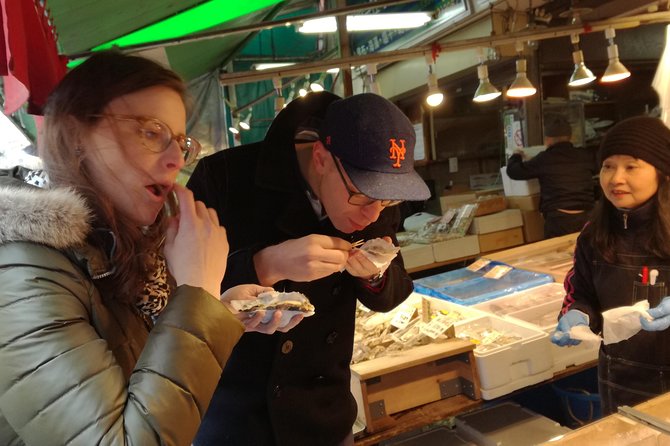
This tour includes the chance to sample and walk through food options, but food and drink are not included. That means your spending depends on your appetite and what you decide to buy.
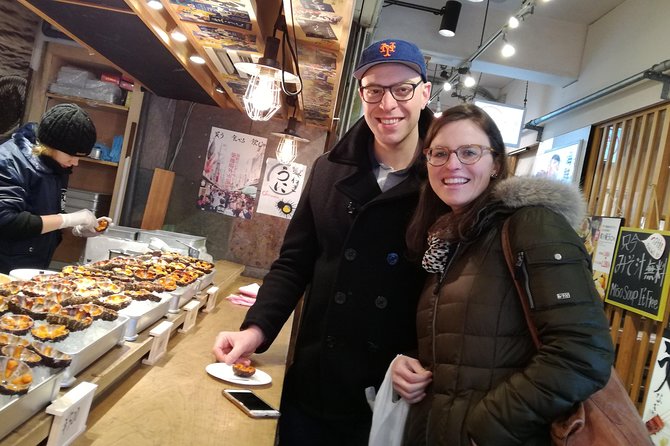
Multiple reviews point to one theme: you’ll likely have only limited time to grab something during the tour, so plan your biggest meal right after. The tour also notes you can stay after and eat breakfast or lunch if you like, as your own expense.
If you want the best value from this setup, treat it like this:
- Use the tour for guidance, tastings, and learning what to look for
- Use the end of the tour near Tsukiji Outer Market for your full meal and shopping time
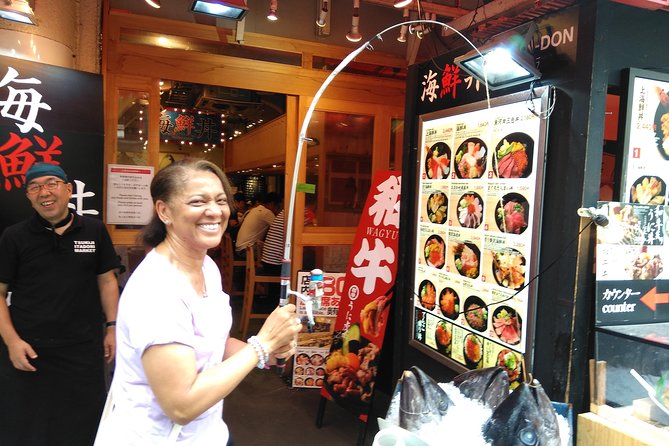
Cash is another practical consideration. One review strongly suggested bringing cash and highlighted that wagyu is a thing to consider if that’s your style. Even with modern payment habits in Tokyo, markets still reward people who show up ready with simple payment options.
Also note the tour is not the tuna auction experience. There’s a separate option specifically for the Toyosu morning tuna auction and Tsukiji food tour with a licensed guide. The tuna auction starts at 5:30 am in that other format, so if that’s your top priority, you need the auction-focused tour, not this one.
Getting between Toyosu and Tsukiji: your guide organizes, you pay transport
This is where many first-time market tours get annoying, and this one tries to prevent that. The tour arranges travel between markets on public transport, organized by your guide. But transportation fees are not included, so you should budget for transit costs.
You’ll also be on foot for pickup and drop-off, and the tour is listed as near public transportation. That combination is helpful. You are not stuck with a long taxi detour or a confusing long walk across the city.
If you’re the type who hates improvising, this is a win. You get the human routing help, while you still pay what you’d pay anyway to ride Tokyo’s transit system.
One more timing note: because this is a morning-oriented market walk with multiple stops, wear shoes you can handle. The tour lasts about four hours total, and a good portion of that time is on your feet.
The full flow, mapped to what you’ll feel at each stop
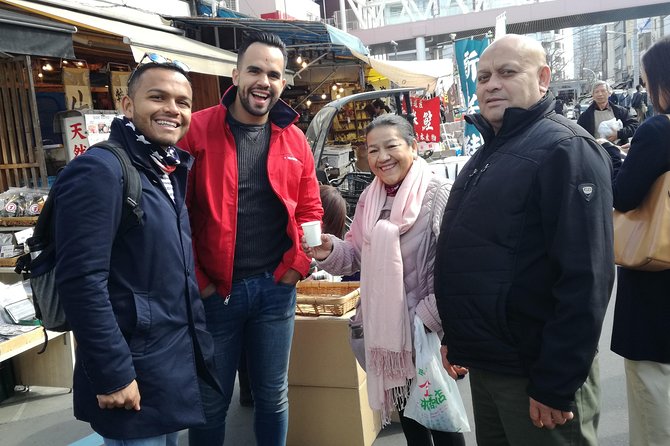
Here’s the practical shape of the morning, translated into what it feels like for you:
First, you start near Toyosu Market (meeting point listed in the Toyosu area) and spend about an hour there. Expect to focus on the newer wholesale environment and what “modern market logistics” looks like.
Then you move to Tsukiji Fish Market for about two hours. This is where you’ll spend most of your energy, because Tsukiji’s retail and street-level food vibe is dense. The guide helps you move with purpose instead of drifting.
After that, you slow down slightly with Namiyoke Inari Shrine (15 minutes) and then Tsukiji Hongwanji Temple (30 minutes). These stops break up the crowd pressure and give context to the area you just walked through.
Finally, you end near Tsukiji Outer Market. That’s convenient because it’s exactly where you’ll likely want to keep eating or shopping on your own if you still have energy.
Who should book this Tsukiji and Toyosu tour?
This tour is a strong match if you want:
- A short, well-structured morning in Tokyo’s fish market neighborhoods
- A private, licensed guide who can help you navigate crowds and food options
- A mix of food culture and quick cultural stops (Inari Shrine and Tsukiji Hongwanji Temple)
- A tour that connects the newer Toyosu hub to the older Tsukiji market feel
It may not be your best fit if:
- You specifically want the tuna auction viewing. This is not the tuna auction tour, and the auction timing starts at 5:30 am in the auction-specific option.
- You’re looking for a long shopping spree with lots of free time. Reviews repeatedly suggest the schedule is tight, and you should eat after the tour.
Should you book? My decision guide
I’d book this tour if you’re a first-timer to Tokyo food markets or you want to avoid the “I’m in the right place, but I have no idea what I’m looking at” problem. The licensed guide angle is the core value here, because markets like Tsukiji are easier with direction. The private format also keeps things calm and flexible for your group.
I wouldn’t book it if your whole goal is the tuna auction itself, because you’ll need the auction-focused tour option. In that case, you’re trading convenience for a very early start, and this specific tour isn’t built around that.
One last piece of advice: plan to arrive early in your morning and bring some cash for the spots where you’ll want to sample and buy. Then treat the tour like a guided orientation, and plan your biggest meal right after near Tsukiji Outer Market.
FAQ
Is the tuna auction included on this tour?
No. This tour is not for the tuna auction. If you want the morning tuna auction, you need the separate Toyosu Market Morning Tuna Auction and Tsukiji Food Tour with Licensed Guide.
How long does the tour take?
The tour duration is about 4 hours.
Do I need to pay admission fees during the tour?
Toyosu Market admission is not included. Tsukiji Fish Market admission is listed as free. Entrance fees are also listed as not included in general.
Is food included?
Food and drink are not included, though the tour includes market time where you can sample and buy items on your own. You can also stay after to eat breakfast or lunch at your expense.
Is this tour private?
Yes. It’s a private tour/activity, and only your group participates.
How does the guide handle transportation between Toyosu and Tsukiji?
You travel between the markets on public transport organized by your guide. Transportation fees are not included.
Where do we meet and where does the tour end?
You meet at Toyosu Market at 6-chōme-6-1 Toyosu, Koto City, Tokyo 135-0061, Japan. The tour ends at Fish Market Tsukiji Outer Market in Tsukiji, Chuo City, Tokyo.
Is it a walking tour?
Yes. It’s described as a walking tour, and pickup/drop-off is on foot.
Can I use a mobile ticket?
Yes. The tour includes a mobile ticket.
What about timing if I want to eat after?
The tour notes that you can stay after and eat breakfast or lunch if you like, as your own expense.
Licensed Guides on the Same Ground
Market Mornings We Have Reviewed

Newest Tokyo write-ups from the Loving Japan desk

Tsukiji and Toyosu Fish Markets, side by side.
 ★ 5.0Tokyo Tsukiji Fish Market Food and Culture Walking TourFrom $993,184 reviews
 ★ 5.0Tsukiji Fish Market Food and Walking tourFrom $301,724 reviews
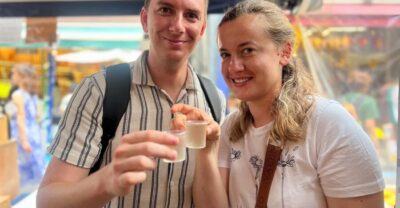 ★ 4.9Tsukiji Fish Market Guided Walking TourFrom $221,397 reviews
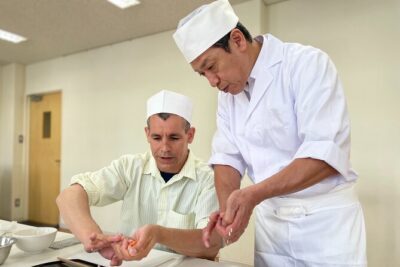 ★ 5.0Tokyo Sushi Making Class in Tsukiji with Professional ChefFrom $491,177 reviews
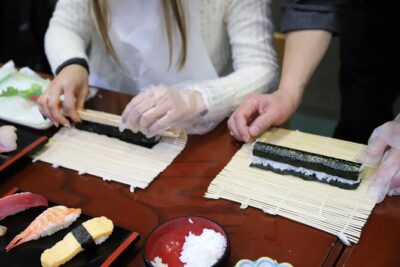 ★ 5.0Tsukiji Fish Market Guided Tour and Sushi Making with Pro ChefFrom $104775 reviews
★ 4.7Tsukiji Fish Market Food and Culture Walking TourFrom $96757 reviews
★ 5.0Tsukiji Fish Market Guided Tour and Sushi Making with Pro ChefFrom $104775 reviews
★ 4.7Tsukiji Fish Market Food and Culture Walking TourFrom $96757 reviews
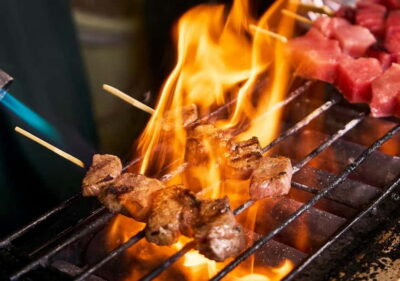 ★ 5.0Tsukiji Fish Market: Street Food & Culture Walking TourFrom $33669 reviews
 ★ 5.0Tsukiji Fish Market Small-Group Food Walking TourFrom $87621 reviews