
REVIEW · JAPANESE COOKING CLASSES
Small-Group Wagyu Beef and 7 Japanese Dishes Tokyo Cooking Class
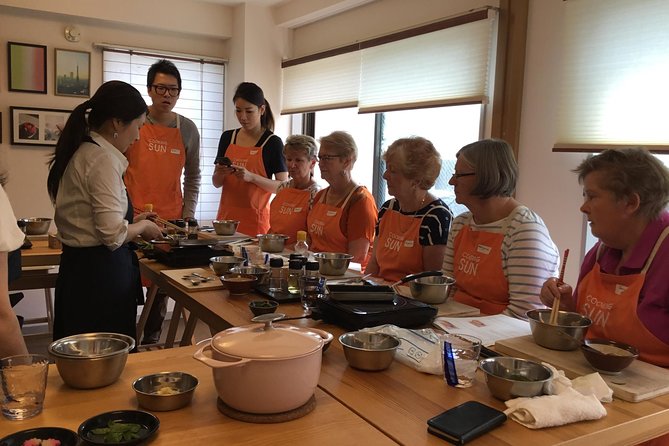
Dashi first, then Wagyu, in three hours. This is a small-group Tokyo cookery class where you do real prep work, start with dashi, and end with a kaiseki-style lunch you cooked yourself, plus sake and green tea. One thing to plan for: the building can be a little tricky to locate, so I recommend giving yourself extra time and using Google Maps.
What I like most is the hands-on pace, because you are not stuck watching. The other standout is the instruction, led by friendly English-speaking locals like Aya and Hidemi, with a teaching style that keeps things approachable even if your knife skills are rusty. You also leave with recipes, so this is not just a nice meal, it is usable cooking homework.
In This Review
- Key things that make this cooking class worth your time
- Your Wagyu kaiseki-style lunch starts with dashi
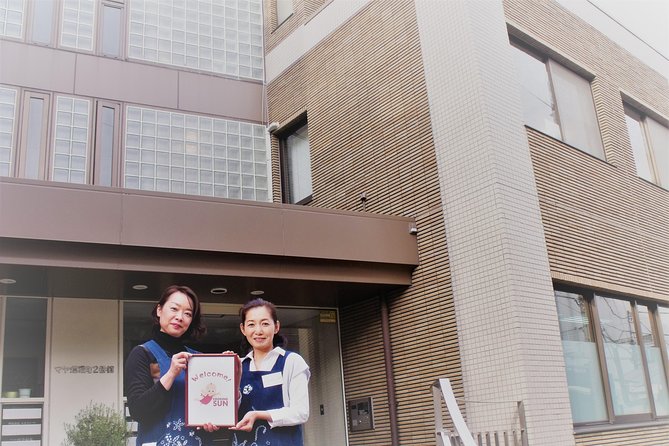
- Cooking Sun Tokyo, Shinjuku area, and why location matters
- Small group setup: apron on, towel ready, knives optional
- How dashi teaches you Japanese flavor, not just one recipe
- Seven dishes, one workflow: what you actually do in the kitchen
- Wagyu as the star, not a gimmick
- Presentation and cut style: the parts you do not get in most casual cooking
- The instructor team: English support with real feedback
- Sake and green tea, plus the meal you built
- What you can bring home and actually use
- Price check: is $72.96 a good deal for this class?
- Who should book this Wagyu cooking class, and who may not
- A quick logistics checklist before you go
- Should you book this Tokyo Wagyu cooking class?
- FAQ
- How long is the cooking class?
- How many people are in the class?
- Where does the class meet in Tokyo?
- What time does the class start?
- What is included in the price?
- Is hotel pickup included?
- Is there a vegetarian option?
- What dietary requirements should I tell you before booking?
Key things that make this cooking class worth your time
- Up to eight people, so you get hands-on help instead of being a bystander
- Dashi at the start, the stock that shows up across Japanese flavors
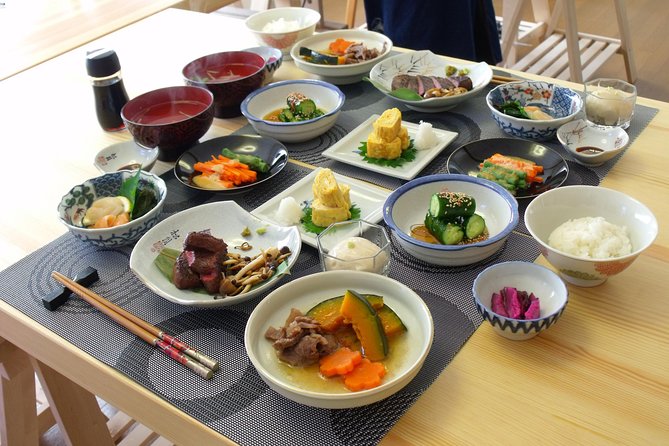
- Wagyu as the main course, with classic seasonings and Japanese techniques
- English instruction from local cooks (I saw names like Aya, Hidemi, and others mentioned)
- Take-home recipes and a full-course lunch, not just one dish
Cook it yourself instead. Other kitchens in Tokyo
- Tokyo: Roll and Authentic Sushi Making Class in Asakusa
★ 4.9 · 1,957 reviews - Tokyo: Sushi Making Class in a Happi Coat near a Famous Spot
★ 4.9 · 1,377 reviews - Tokyo Sushi Making Class in Tsukiji with Professional Chef
★ 5.0 · 1,177 reviews - Ramen & Gyoza Cooking Class in Tokyo with Local Supermarket Visit
★ 5.0 · 823 reviews
Your Wagyu kaiseki-style lunch starts with dashi
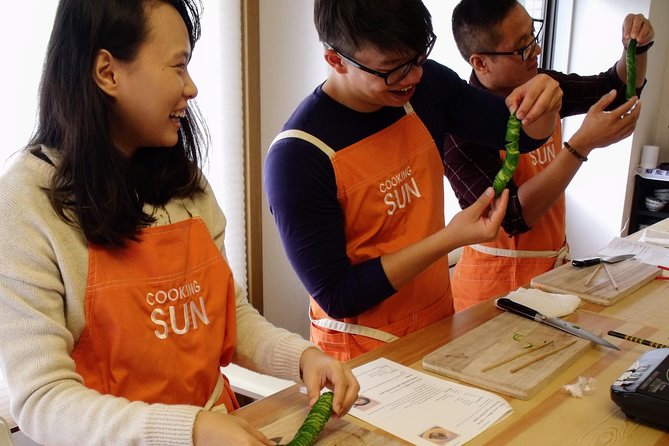
Tokyo has cooking classes that feel like a demo. This one feels like a small kitchen assignment where you actually cook. You join a group limited to eight people, and you work through a course-style lunch that builds from appetizers toward main and finishing flavors like dessert.
The class starts the way many Japanese meals begin, with dashi. Dashi is a foundational soup stock, and learning it first helps you understand why so many Japanese dishes taste layered without being complicated. Once you make dashi, you see how the same flavor base can show up in multiple dishes, which is a big confidence boost if you want to recreate things at home.
You also get a classic structure to the morning. It is hands-on, instructor-led, and then it turns into a sit-down feast. That combo is what makes this a great “Tokyo morning plan” when you want something more personal than food sightseeing.
Cooking Sun Tokyo, Shinjuku area, and why location matters
The meeting point is Cooking Sun Tokyo in Shinanomachi, Shinjuku City. The start time is 9:30 am, and the activity ends back at the meeting point.
What you should know for real-world planning:
- It is near public transportation, but the building can still be hard to pinpoint.
- A residential-feeling area with trees is part of the vibe, but that also means you rely on correct directions.
- A mobile ticket is used, so have it ready on your phone.
Practical tip: plan to arrive a few minutes early. If you are on foot, take an extra circuit to confirm you are at the right entrance. That small buffer prevents the stress spiral that can happen when a sign is not obvious.
Small group setup: apron on, towel ready, knives optional
This is one of those classes where the logistics are mostly handled for you. Ingredients and supplies are provided, and you get an apron and a towel rental. That matters because it keeps the class focused on cooking, not shopping.
You will also have a clear group dynamic. With a maximum of eight people, the instructor can correct technique and explain what you are doing while you are doing it. In practical terms, you get faster feedback on things like cutting style, seasoning amounts, and timing.
I also like that the studio setup feels clean and organized. That is not just comfort. A tidy workspace makes it easier to handle multiple steps without losing track.
One more detail that helps: you can request a vegetarian option when you book. If you have dietary needs beyond vegetarian, you should advise at booking time so the instructors can plan accordingly.
- Mt Fuji and Hakone 1-Day Bus Tour Return by Bullet Train★ 5.0 · 26,383 reviews
- 1-Day Tokyo Bus Tour★ 5.0 · 14,250 reviews
- Tokyo: teamLab Planets TOKYO Digital Art Museum Entry Ticket★ 4.6 · 9,779 reviews
- Mt Fuji & Hakone Cruise, Drum Show Bullet Train 1 Day from Tokyo★ 4.0 · 7,413 reviews
- Tokyo: Shinjuku Food Tour (13 Dishes at 4 Local Eateries)★ 5.0 · 6,603 reviews
How dashi teaches you Japanese flavor, not just one recipe
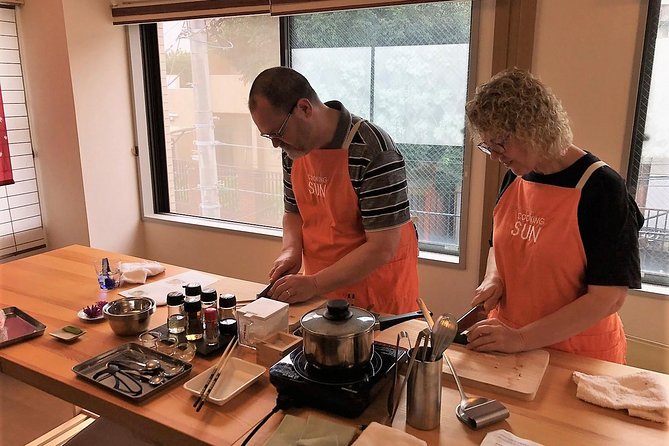
The class begins with dashi-making. The instructor walks you through the process first, then you use it in later dishes. This is the part that quietly changes how you cook.
Dashi is not just a stock. It teaches you how Japanese cooking builds flavor with the right base, then layers seasonings around it. During the class, you also learn about typical Japanese seasonings that show up again and again, like how they function in the dish rather than just the name of the ingredient.
Why this is valuable for you: when you learn the base, you stop treating each dish like a one-off. You start thinking, okay, this is a flavor system.
And since the class is hands-on, you are not simply listening. You are actively doing the steps that make dashi taste right, which makes it far easier to reproduce later.
Seven dishes, one workflow: what you actually do in the kitchen
The heart of the experience is cooking up to seven dishes during a full-course lunch. The main-course element features tender Wagyu beef, paired with traditional seasonings and Japanese cooking methods.
The course-style structure usually means you get a spread of textures and temperatures: something light to start, a deeper savory middle, and then finishing touches that make the meal feel complete.
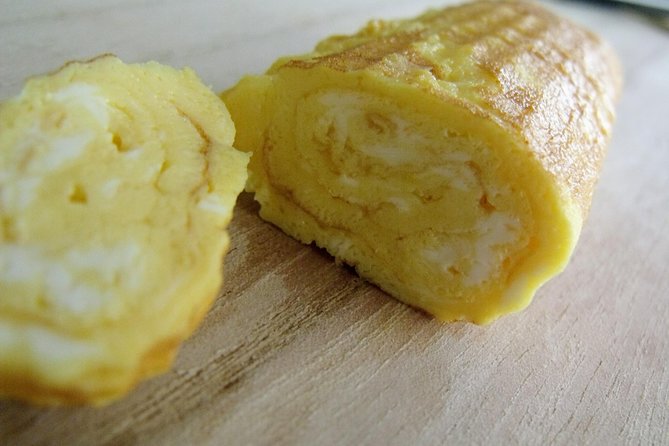
A helpful reality check from how the kitchen operates: while you are working and learning, some items may be prepared ahead by the staff so the class can move smoothly. For example, you might do lots of chopping and dressing mixing while other components like miso soup, rice, or potatoes may be handled in the background. There may also be components like an egg or searing a stuffed lotus root where the filling is already prepared so you can focus on your cooking task.
This matters because it sets expectations. You will still cook, but the class is designed for a short time window, about three hours total. The goal is to leave you with techniques you can repeat, not to recreate every step in real restaurant time.
Wagyu as the star, not a gimmick
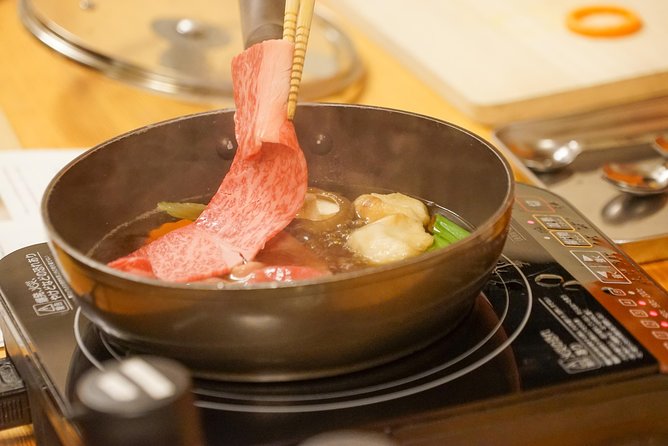
Wagyu gets a lot of hype, but here it is treated like a cooking ingredient. The class aims for tender results through correct seasoning and cooking approach. You learn how to respect fat and flavor balance rather than drowning everything in sauce.
And yes, the Wagyu dish is a highlight for many people, especially when it shows up in a classic Japanese format like sukiyaki-style cooking. If you love Japanese comfort food flavors, this is the moment that delivers.
Presentation and cut style: the parts you do not get in most casual cooking
Several parts of the experience focus on how Japanese home cooking looks. Expect instruction on food presentation, cutting and portioning, and the use of Japanese vegetables and seasonal ingredients.
These details are practical. When you come home, you do not just want the taste. You want the “this looks right” effect that makes Japanese meals feel special even when it is a weeknight.
The instructor team: English support with real feedback
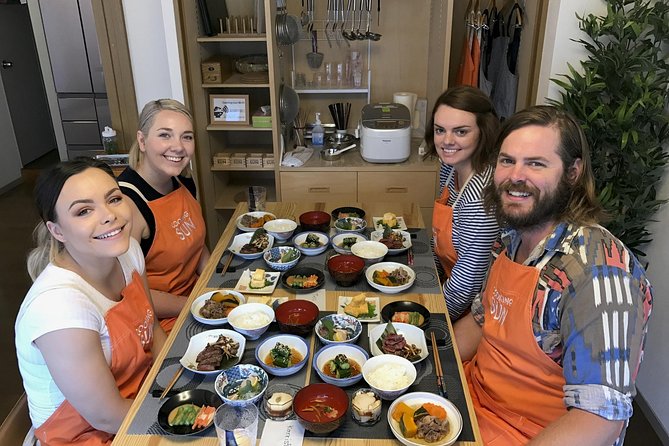
The instructors are English-speaking locals and are very hands-on in how they explain steps. Names that show up in the experience include Aya and Hidemi, and other instructor names mentioned include Kaori, Megumi, and Yoko. That variety is a good sign because it points to a practiced teaching team.
What I like about their approach is that it is not intimidating. Even if you do not cook much, the directions stay approachable. You get explanations in the moment, not vague advice after the fact.
Also, the class structure supports learning. You are not rushed through. You do not just watch the instructor plate. You work through the steps and then see what the finished dish should look like.
Sake and green tea, plus the meal you built
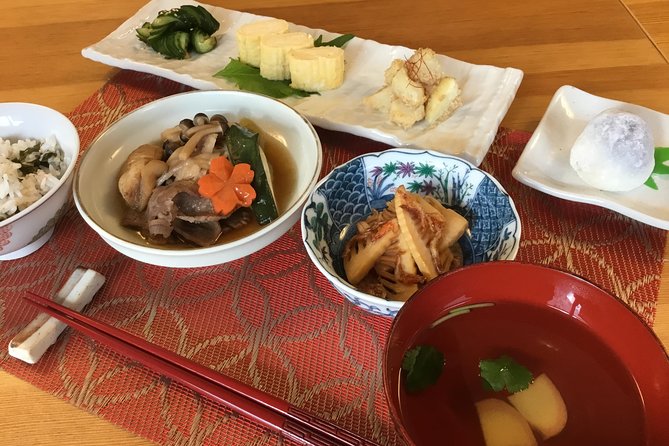
Once cooking wraps, you sit down to eat what you made. This is when the class becomes a full experience, not just a lesson.
The meal is accompanied by sake and green tea. That matters because it turns your lunch into a real kaiseki-style break, where flavors feel intentional and balanced. You cooked the dishes, so eating them feels like verifying your own work.
And since it is a multi-course lunch, you are not stuck eating one heavy dish and calling it done. You get variety, and that helps you understand how each dish fits into the full meal.
Small tip: eat slowly. You’ll notice details like stock depth and seasoning balance more clearly when you are not rushing to finish.
What you can bring home and actually use
At home, the hardest part is often not technique, it is remembering the order and the logic. This class is set up to help with that.
Here is what you should take away:
- Dashi basics, so you understand the flavor base for many dishes
- How Japanese seasonings work together, not just which bottle to grab
- Cutting and portioning ideas for Japanese vegetables
- Dressing and timing habits that keep dishes from tasting flat
You also receive recipes. That is a big deal. Many cooking classes end with a photo and a fuzzy memory. Here, you have the written route back to the results.
You may notice that a lot of the learning comes from repeating the same “systems.” Dashi first. Seasoning logic. Then dishes that share flavor DNA. That is why this feels like you leave with tricks, not just dishes.
Price check: is $72.96 a good deal for this class?
At $72.96 per person, this is not a budget cooking class, but it is also not trying to be ultra-premium. For Tokyo, what you are paying for is the combination of:
- A small group with up to eight people
- Ingredients for a multi-dish, full-course lunch
- Instructor time and feedback
- Wagyu beef as a main ingredient
- Apron and towel provided
- Recipes to take home
- Sake and green tea with lunch
If you were to eat a kaiseki-style meal plus add cooking instruction and recipes, you would likely pay far more. And if you just want to eat wagyu, you can find it, sure, but you would not learn the dashi foundation or how the seasonings connect across multiple dishes.
So for me, this price looks like value if your goal is practical learning plus a satisfying meal. If your only goal is to sample Japanese food quickly, it may feel like more effort than you expected.
Who should book this Wagyu cooking class, and who may not
This class suits you best if you:
- Want hands-on Japanese cooking, not a showroom experience
- Love Japanese flavors like dashi-based soups and savory-sweet seasonings
- Like the idea of learning a technique you can reuse at home
- Want a small group, English instruction, and a full lunch included
You might want to choose something else if:
- You dislike chopping and mixing tasks, because the class includes real prep work
- You strongly prefer a pure restaurant-style “watch and then eat” format
- You are very sensitive to location finding, since the building may be hard to locate at first
Also, if you have dietary requirements, this is the kind of class where you should tell the team at booking so they can plan. That is explicitly part of how they work.
A quick logistics checklist before you go
- Start time is 9:30 am, total duration is about three hours
- Mobile ticket is used
- Hotel pickup and drop-off are not included
- The class is near public transportation
- Vegetarian options are available if you request it while booking
- Wear comfortable clothes for cooking, you will be active
If you want the smoothest experience, bring your appetite, and show up early enough to find the building without rushing.
Should you book this Tokyo Wagyu cooking class?
Yes, I think you should book it if you want a real cooking lesson tied to a satisfying meal. The standout is the combination: small-group attention, dashi as a core lesson, and Wagyu as the centerpiece. You end with sake and green tea, plus recipes you can use later, which is exactly what makes the class more than a one-time activity.
Also, if you like flexibility, you can cancel for free up to 24 hours in advance for a full refund. That makes it easier to fit into a busy Tokyo schedule.
One final call: give yourself a little extra time for directions, and you will be rewarded with a warm, friendly kitchen experience where you cook, learn, and actually eat what you made.
FAQ
How long is the cooking class?
The cooking class runs for about 3 hours.
How many people are in the class?
The class is limited to a maximum of 8 people.
Where does the class meet in Tokyo?
It meets at Cooking Sun Tokyo, 18-39 Shinanomachi, Shinjuku City, Tokyo 160-0016, Japan.
What time does the class start?
The start time is 9:30 am.
What is included in the price?
Included are a local cooking instructor, recipes, ingredients, and apron and towel rental.
Is hotel pickup included?
No, hotel pickup and drop-off are not included.
Is there a vegetarian option?
Yes. A vegetarian option is available, and you should advise during booking.
What dietary requirements should I tell you before booking?
You should advise any specific dietary requirements at the time of booking.
Kitchens You Can Book Into


Newest Tokyo write-ups from the Loving Japan desk




Japanese Cooking Classes, side by side.
 ★ 5.0Sushi Making Tokyo Roll and Authentic Japanese Sushi ClassFrom $593,971 reviews
 ★ 4.9Roll and Authentic Sushi Making Class in AsakusaFrom $581,957 reviews
 ★ 5.0Ramen Cooking Class at Ramen Factory in KyotoFrom $1311,937 reviews
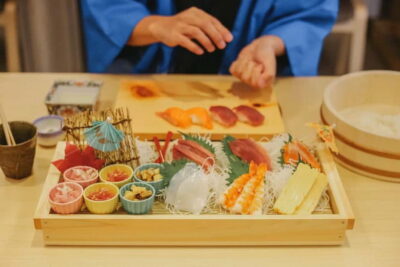 ★ 4.9Sushi Making Class in a Happi Coat near a Famous SpotFrom $421,377 reviews
 ★ 5.0Sushi Making Osaka Roll and Authentic Japanese Sushi ClassFrom $311,220 reviews
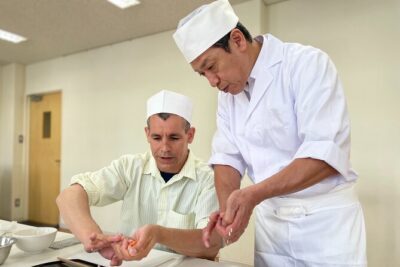 ★ 5.0Tokyo Sushi Making Class in Tsukiji with Professional ChefFrom $491,177 reviews
 ★ 5.0Ramen & Gyoza Cooking Class in Tokyo with Local Supermarket VisitFrom $122823 reviews
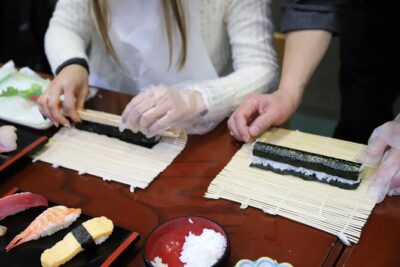 ★ 5.0Tsukiji Fish Market Guided Tour and Sushi Making with Pro ChefFrom $104775 reviews
Filed on these lists too