
REVIEW · DOTONBORI AND OSAKA STREET FOOD
Sushi Class in Osaka Dotonbori
If you like food with a lesson plan, this fits. In Osaka Dotonbori, you’ll get a small-class feel while you learn to make three authentic sushi styles. The one catch is the meeting building can be a little tricky to spot at first.
I like that the class keeps things practical: ingredients are prepared for you, an apron is provided, and your instructors guide you step by step. I also love the payoff, you finish with three different sushi types plus miso soup, so you’re not just watching. The main consideration is that you’re working in a compact space, so it helps to arrive on time and expect a bit of kitchen-style focus.
This is a great way to taste Osaka beyond restaurant orders. You’ll practice techniques tied to the Kansai style, especially oshi-zushi (pressed sushi), which locals still take seriously. And since the class maxes at 8 people, it feels personal instead of rushed.
In This Review
- Key highlights that make this class worth your morning
- Why this sushi class in Dotonbori feels personal
- The three sushi you’ll make, and the skills each one teaches
- Salad roll: a Japanese-style roll built with soft precision
- Nigiri: rice first, topping second, and timing in between
- Oshizushi: the Kansai box sushi that turns technique into geometry
- What happens when you arrive: Room 807 and a quick call button
- Veg options and gluten-free support, without turning it into a compromise
- Why $71.16 feels like value in Osaka (not just a fun meal)
- The teaching style: patient, slow enough to keep up
- Finding the right building near Namba, and avoiding the common mix-up
- Who should book this sushi-making class in Osaka
- What you can do with your new sushi skills afterward
- Should you book the Sushi Class in Osaka Dotonbori?
- FAQ
- What sushi types will I make in the class?
- How long is the sushi class in Osaka Dotonbori?
- How many people are in the class?
- Are vegetarian or gluten-free options available?
- Where do I meet the instructor and how do I enter?
- Is the ticket mobile?
Key highlights that make this class worth your morning

- Make three sushi types: a salad roll, nigiri, and Kansai-style oshi-zushi
- Small group (max 8), so you can ask questions without shouting
- Prepared ingredients + apron means more time learning and less time measuring
- Miso soup included, so your meal is part of the experience
- Vegetarian and gluten-free options available if requested ahead
Still hungry on Dotonbori? A few more crawls
- Osaka: Shinsekai Food Tour with 13-15 Dishes at 5 Eateries
★ 4.8 · 2,204 reviews - Osaka Local Foodie Walking Tour in Dotonbori and Shinsekai
★ 5.0 · 985 reviews - Osaka: Dotonbori District River Cruise with Drink Discount
★ 4.2 · 876 reviews - Ultimate Osaka Walking Tour: Castle, Dotonbori & Hidden Gems
★ 5.0 · 862 reviews
Why this sushi class in Dotonbori feels personal
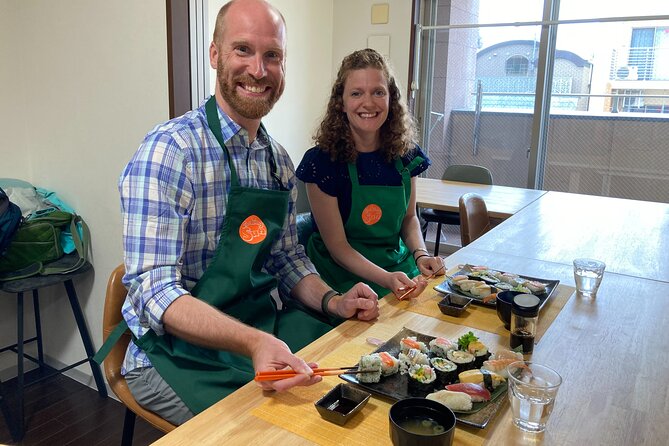
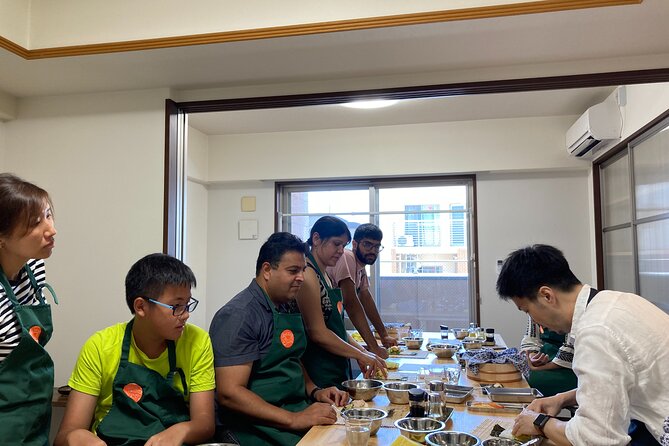
Osaka’s Dotonbori is famous for lights, food stalls, and nonstop energy. This class gives you a calmer, hands-on angle on that same food culture. With a maximum group size of 8, you’re not squeezed into a long conveyor-belt style workshop where one person does, and the rest watch.
You’ll be doing real assembly, not just rolling a single version. That matters because sushi is all about small decisions, rice texture, topping placement, and how gently you handle things. In this format, you get the time to correct mistakes while they are still small.
Also, the class is designed to help beginners succeed. Ingredients are prepared for you, and an apron is provided. That removes the big “where do I even start” barrier that can happen when people try to copy sushi at home with uncertain tools and messy expectations.
The three sushi you’ll make, and the skills each one teaches
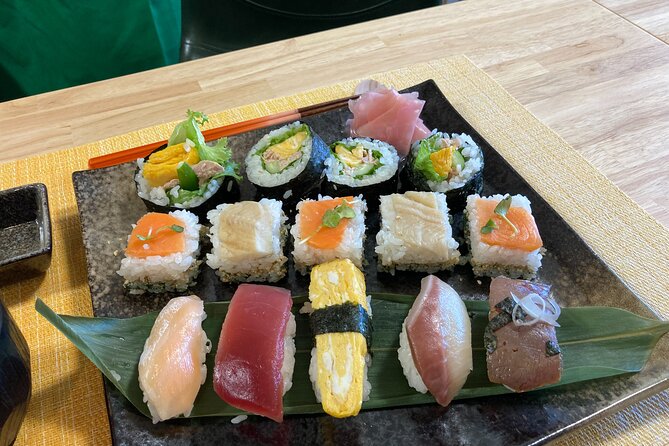
You’ll make three types of sushi over about 3 hours, guided throughout. Think of it like learning a mini curriculum of Japanese sushi styles, each with its own technique and feel.
Salad roll: a Japanese-style roll built with soft precision
Your salad roll includes crab-flavored kamaboko, lettuce, cucumber, avocado, tuna mixed with mayonnaise, and nori. The key detail is that there is a core of tamagoyaki, the sweet-savory Japanese rolled omelet.
What you learn here is balance. You’re combining crisp and creamy elements and learning how to keep fillings even, so every bite has the same mix. It’s also a good first step because the ingredients are varied, which makes the assembly practice feel rewarding fast.
Counters and courses we sat at around Osaka
- Osaka: Roll and Authentic Sushi Making Class in Dotonbori★ 4.9 · 239 reviews
- Osaka: Sushi Class in Dotonbori★ 4.9 · 160 reviews
- Osaka Dotonbori: Sushi Making Experience★ 4.9 · 122 reviews
- Osaka: Sushi Making in Spacious Studio (SAME-DAY OK!)★ 5.0 · 75 reviews
- Sushi and Japnese foods cooking class in Osaka★ 5.0 · 51 reviews
Nigiri: rice first, topping second, and timing in between
Nigiri-zushi is one of Japan’s representative dishes: vinegared rice with toppings placed on top. In this class, you’ll learn the bite-sized approach that makes nigiri feel elegant instead of messy.
You’re practicing technique that goes beyond looks. The topping placement needs to be steady, and the rice needs to hold its shape without becoming heavy or dry. This is the part of sushi making that helps you understand why good sushi doesn’t rely on sauces or extra toppings.
Oshizushi: the Kansai box sushi that turns technique into geometry
Oshizushi is pressed sushi, and in Osaka it’s often called box sushi. You fill a square wooden frame with sushi rice and toppings, then press so the rice sticks to what’s on top. The result is a square that you cut into pieces right before eating.
This is a standout because it’s very different from rolling. You’re not shaping with your hands in the same way. You’re using a frame and a press, and that forces clean layering. It’s also a direct tie to Kansai tradition, so it feels like Osaka-specific knowledge rather than generic sushi skills.
And yes, the cut-right-before-eating detail matters. It helps keep the pieces crisp and tidy instead of drying out on the counter.
What happens when you arrive: Room 807 and a quick call button
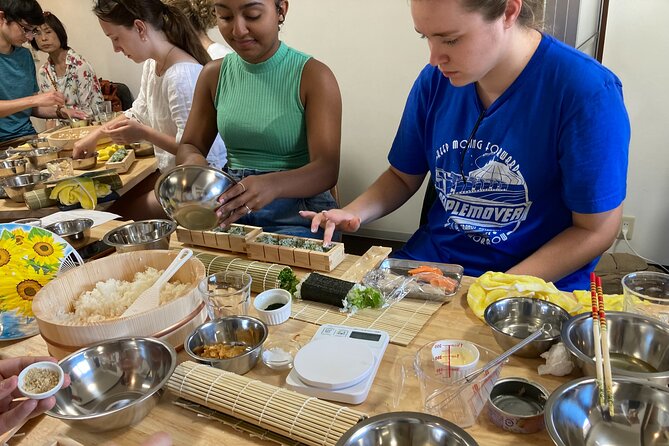
The class meets at Masters Residence Dotonbori I. Your room is Room 807, and the directions are clear: press 807 and then hit the 呼出 (call) button to get the door opened.
This is the kind of small instruction that saves you stress. If you arrive right at the start time and can’t get in, your morning gets annoying fast. I’d give yourself a little extra buffer, especially because the building is described as hidden within a larger structure.
Once inside, you’ll settle in and follow the instructors through each sushi station. The class ends back at the meeting point, so you don’t need to coordinate transport after you eat.
Veg options and gluten-free support, without turning it into a compromise
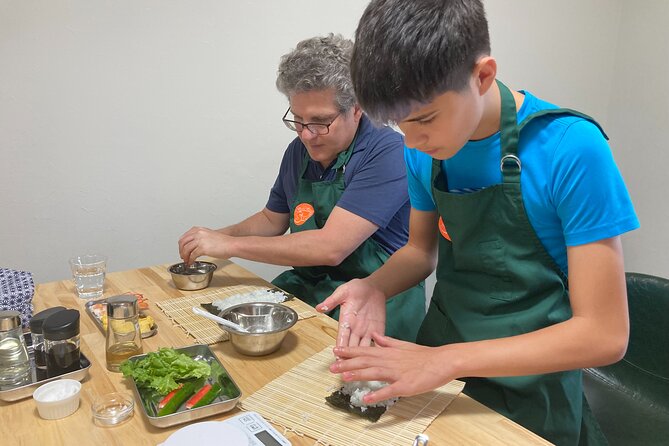
If you’re eating vegetarian, you can request a vegetarian option when you book. The class indicates vegetarian variations are available with eggs or with no eggs.
There’s also a gluten-free option available, again requestable during booking. That’s important because sushi classes can sometimes treat dietary needs as an afterthought. Here, they explicitly offer options, so you should be able to participate without staring at a plate you cannot eat.
My practical advice: make the request clearly during booking, and double check your confirmation message. When food is prepared around dietary needs, details matter.
Why $71.16 feels like value in Osaka (not just a fun meal)
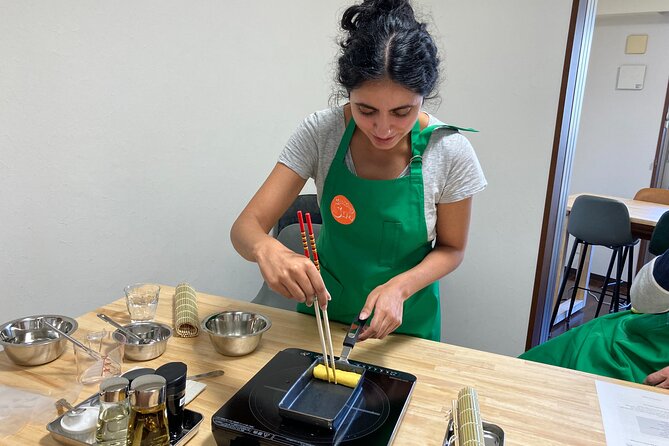
At $71.16 per person for about 3 hours, this sits in the “worth it if you learn” category. You are not just paying for lunch. You’re paying for hands-on instruction, prepared ingredients, and a menu that includes three sushi types plus miso soup.
Here’s what makes it good value in real terms:
- You get multiple techniques in one sitting: rolling assembly, nigiri handling, and pressed sushi.
- The class setup removes guesswork, ingredients are prepared, and you’re provided an apron.
- You leave full, with food you made yourself, not just a small tasting portion.
Could you eat three kinds of sushi in Osaka for less? Maybe, depending on where you go. But you would not learn the pressed-sushi method or how nigiri differs from rolls. That skill is what turns this from a single meal into something you can repeat.
Also, small group size helps value. When max is 8, the time is used well. You can ask questions and get corrections while they matter.
The teaching style: patient, slow enough to keep up
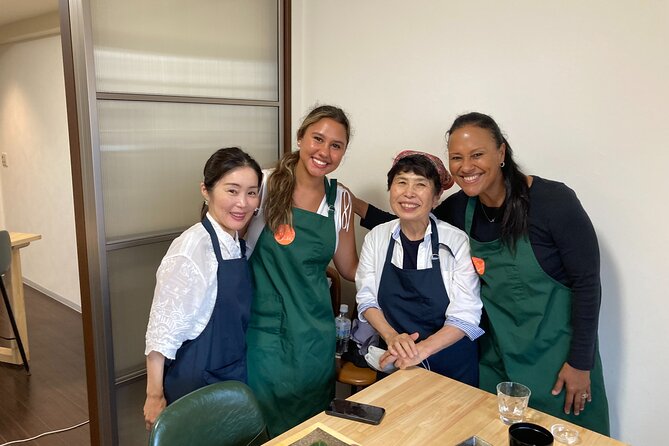
A theme in the descriptions is instruction that doesn’t rush you. The class format gives teachers room to explain, pause, and answer questions at your speed.
You may meet instructors identified by name such as Sakura cook, Yoshi, or Ami and Jaimi. The common thread in how they’re described is patience and clarity, including slow explanations and support when people are newer to sushi.
If you’re a total beginner, this matters. Sushi making can get stressful when someone talks fast and expects perfect technique immediately. Here, the pacing is described as beginner-friendly, and that makes it easier to actually learn rather than just survive the workshop.
If you’re experienced, you’ll still benefit. You get structured practice and guidance on details like rice handling and topping placement, which are the parts most people struggle with when trying to recreate sushi at home.
Finding the right building near Namba, and avoiding the common mix-up
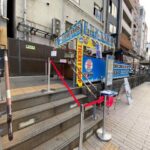
Google Maps may drop you at a building across the street. The good news is there’s a placard on the correct building, but you might need those extra minutes to locate Masters Residence Dotonbori I and confirm you are at the right entrance.
So here’s the smart move: arrive a touch early, and look for the placard that points to the right building. Once you’re there, follow the simple Room 807 steps, press 807, then call.
This is not a reason to avoid the class. It’s just a heads up so you don’t walk yourself into a mini scavenger hunt before you start cooking.
Who should book this sushi-making class in Osaka
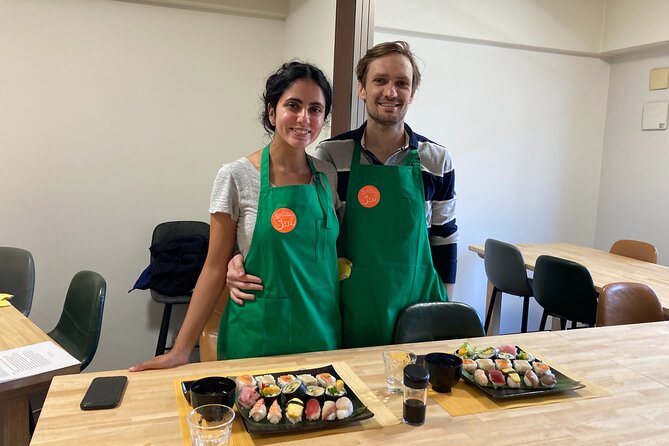
This class fits several travel styles.
You’ll love it if:
- You want authentic Japanese sushi techniques rather than a quick food tour stop
- You enjoy interactive classes where you make the food and eat it
- You are traveling solo or as a couple and want a focused activity that still feels friendly
- You’re bringing family, including kids, and you want a structured experience where participants can join with guidance
The class also works for people with dietary needs because vegetarian and gluten-free options exist when requested ahead.
You might choose differently if:
- You hate structured lessons and prefer free-form wandering
- You’re extremely short on time in Osaka, because the session is set for a morning start and lasts about 3 hours
- You want a more “spectator” style experience. This is participation-based.
What you can do with your new sushi skills afterward
The best part of a sushi class is the brain work you do during it. You learn how each sushi style is assembled, and that changes how you understand sushi when you eat it later.
For example:
- Oshizushi teaches you the logic of layering and pressing with a frame, so you get why box sushi holds its shape
- Nigiri teaches rice-topping balance, so you notice better sushi’s restraint in the next restaurant meal
- The salad roll teaches filling distribution, so you see how toppings can be both crunchy and creamy in one bite
If you end up falling in love with it, you might do what some people have done after class, grab supplies to recreate the method at home. Even if you never go full enthusiast, you’ll at least know what technique you’re tasting.
Should you book the Sushi Class in Osaka Dotonbori?
I think you should book this class if you want a hands-on morning in Osaka that actually teaches skills. The combination of three sushi types, small-group format, and included miso soup makes the price feel fair, because you get both learning and a full meal.
It’s especially worth it if you like Kansai-style food and want to learn why oshi-zushi remains popular in Osaka. And if you are vegetarian or need gluten-free options, the class explicitly supports that when you request it ahead.
The only real reason to hesitate is logistics stress. If you know you get flustered finding hidden entrances, arrive early and follow the Room 807 instructions carefully.
If you want a practical souvenir you can use later, not just photos, this is one of the better cooking classes to choose in Osaka.
FAQ
What sushi types will I make in the class?
You’ll make three types of sushi: a salad roll, nigiri, and oshi-zushi (pressed sushi). You’ll also enjoy your freshly made sushi with miso soup at the end.
How long is the sushi class in Osaka Dotonbori?
The class lasts about 3 hours.
How many people are in the class?
The class has a maximum of 8 travelers.
Are vegetarian or gluten-free options available?
Yes. A vegetarian option is available with eggs or with no eggs if requested during booking. A gluten-free option is also available if requested during booking.
Where do I meet the instructor and how do I enter?
The meeting point is Cooking Sun Japan at Masters Residence Dotonbori I. Your room is Room 807, and you should press 807 and the 呼出 (call) button to have the door opened.
Is the ticket mobile?
Yes, this experience uses a mobile ticket.
Counters and Courses


Dotonbori, Still Hungry


Newest Osaka write-ups from the Loving Japan desk

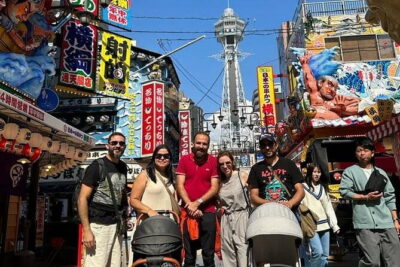


Dotonbori and Osaka Street Food, side by side.
 ★ 4.8Shinsekai Food Tour with 13-15 Dishes at 5 EateriesFrom $532,204 reviews
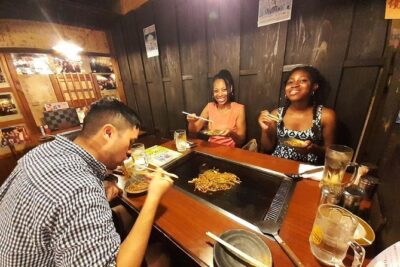 ★ 5.0Osaka Local Foodie Walking Tour in Dotonbori and ShinsekaiFrom $111985 reviews
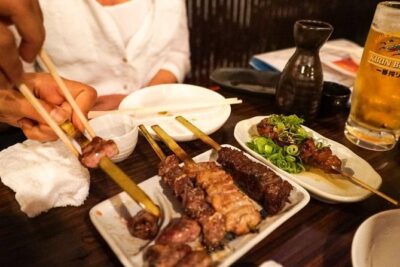 ★ 5.0Osaka Bar Hopping Night Walking Tour in Namba (3 bars, 6 tastes)From $98958 reviews
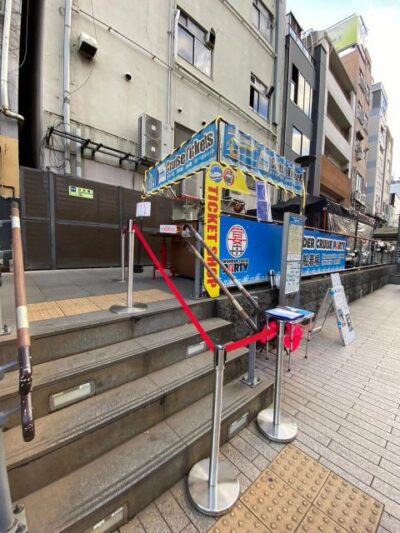 ★ 4.2Dotonbori District River Cruise with Drink DiscountFrom $12876 reviews
 ★ 5.0Ultimate Osaka Walking Tour: Castle, Dotonbori & Hidden GemsFrom $73862 reviews
 ★ 5.0Kuromon Market Food Walking Tour in Osaka (6 stops, 6 tastes)From $50550 reviews
 ★ 4.9Namba Pub Bar Crawl with a Local GuideFrom $30424 reviews
 ★ 5.0Ramen and Gyoza Cooking Class in DotonboriFrom $70378 reviews
Filed on these lists too