
REVIEW · SHOW
Tokyo: Authentic Japanese Dance Show ticket by professionals
Kimonos, rhythm, and history in one evening. In Shinjuku, this professional Japanese dance show is a close-up look at traditional performing arts you do not have to fully understand to enjoy deeply.
I especially love the up-close viewing. You can pick up the dancers’ expressions and the tiny details that make Japanese dance feel precise, not flashy. I also like the award-winning polish of the performers and the way you get context in English between parts of the program.
One thing to plan around: photography is prohibited during performances. If you want lots of photos, you will need to wait, since there is a set time for pictures at the end.
In This Review
- Key points before you go
- Shinjuku makes traditional Japanese dance feel close
- Price and what $54 buys you in real value
- Your seat matters: up-close viewing and award-winning technique
- The performance itself: stories told through movement
- Kimonos you can appreciate without being a fashion expert
- English between acts: how to follow along with minimal Japanese
- The photo rule: plan for no photos during the show
- A simple, realistic evening flow in Shinjuku
- Who should book this Japanese dance show
- Food not included, so pair it with a smart plan
- Kids and families: childcare is available
- The provider and the staff experience
- Should you book it?
Key points before you go
- Shinjuku location with easy access in central Tokyo, so you can fit the show around dinner plans.
- Professional dancers who have earned awards in dance competitions.
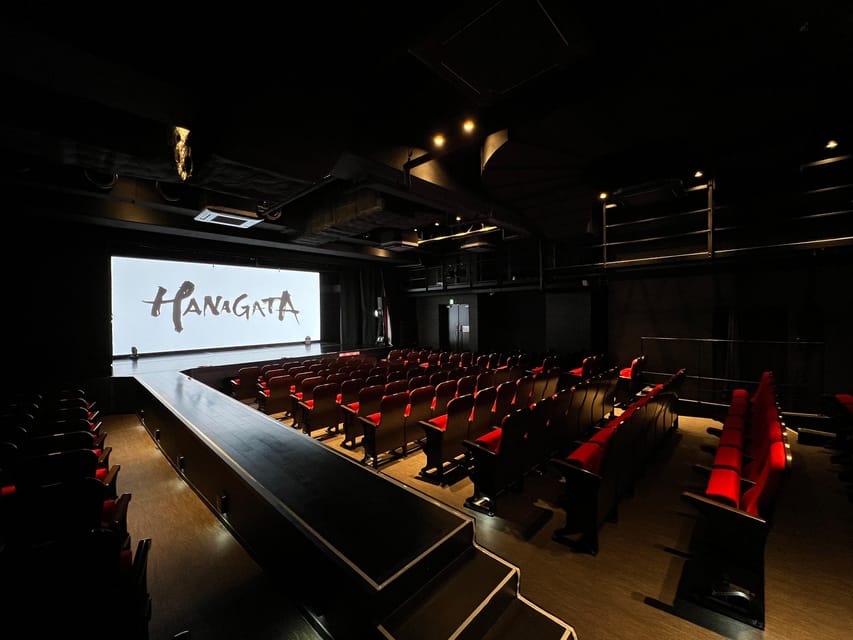
- Up-close atmosphere where facial expressions and movement details actually register.
- Kimonos and costume craftsmanship that look incredible from a seat close to the stage.
- English explanations between acts to help you follow even if you only know a few Japanese words.
- Photo time after the show makes it a lot easier to capture a memory without ruining the performance for others.
Still weighing up options in Tokyo? These are the ones our reviewers rated highest.
- Mt Fuji and Hakone 1-Day Bus Tour Return by Bullet Train
★ 5.0 · 26,383 reviews - 1-Day Tokyo Bus Tour
★ 5.0 · 14,250 reviews - Tokyo: teamLab Planets TOKYO Digital Art Museum Entry Ticket
★ 4.6 · 9,779 reviews - Mt Fuji & Hakone Cruise, Drum Show Bullet Train 1 Day from Tokyo
★ 4.0 · 7,413 reviews
Shinjuku makes traditional Japanese dance feel close
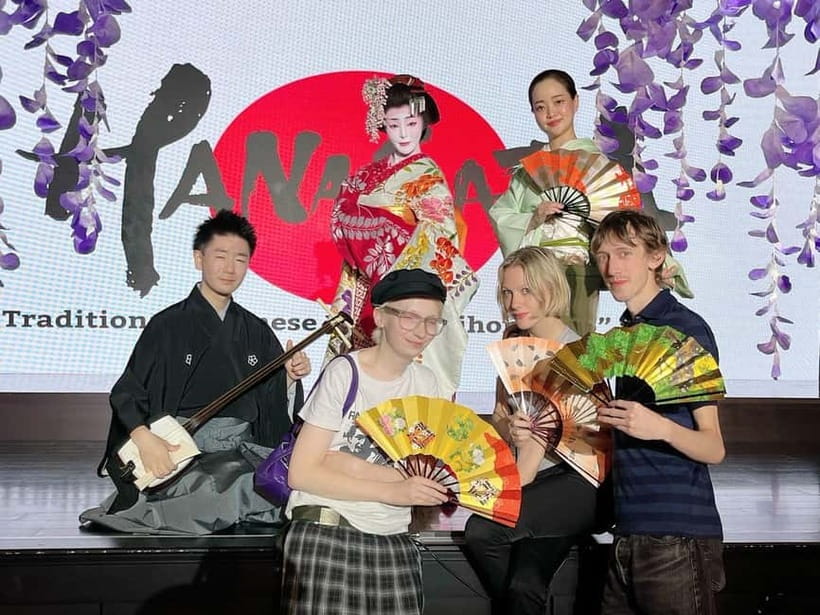
If your Tokyo days already include bright lights and fast trains, this show slows everything down in a good way. Shinjuku is a convenient base for visitors, and that matters, because you can watch traditional arts without turning the evening into a logistics puzzle.
The theater experience is designed for attention. Instead of feeling like background entertainment, the performance asks you to watch closely: the timing of movements, the shape of hands, and how the dancers change their focus when a story turns. That close watching is easier in Shinjuku than in far-flung venues, especially if you only have a short stay.
Price and what $54 buys you in real value
At about $54 per person, this is not the cheapest activity in Tokyo, but it is also not priced like a giant tourist spectacle. For the money, you are paying for trained professionals, a costume-focused stage presentation, and a format that helps foreign visitors actually understand what they are seeing.
You also get something many ticketed shows skip: context. Between dance sections, information is provided in English, so you can connect movement to meaning instead of just watching pretty motions. Several details from the experience reinforce that value, like staff friendliness, welcome gifts, and the sense that even smaller moments are considered part of the show, not just filler.
Your seat matters: up-close viewing and award-winning technique
The biggest practical advantage here is proximity. Watching from close to the stage is where Japanese dance changes from visual style into something more emotional. You notice the expressions in real time, and you can see how controlled the dancers are with each transition.
The performers are Japanese dancers who have earned recognition through competitions, and you can feel that training in the precision of the movements. It is not only about big gestures. It is the careful pacing, the measured stillness, and how quickly they can shift from one mood to another.
One more nice detail: you should not worry much about seat quality. The experience is arranged so there is not a bad place to watch, which matters for groups with mixed preferences, or for first-time theatergoers who hate being stuck behind something.
- Mt Fuji and Hakone 1-Day Bus Tour Return by Bullet Train★ 5.0 · 26,383 reviews
- 1-Day Tokyo Bus Tour★ 5.0 · 14,250 reviews
- Tokyo: teamLab Planets TOKYO Digital Art Museum Entry Ticket★ 4.6 · 9,779 reviews
- Mt Fuji & Hakone Cruise, Drum Show Bullet Train 1 Day from Tokyo★ 4.0 · 7,413 reviews
- Tokyo Mt Fuji 5th St & Hakone Cruise Bus Tour w/Bullet Train★ 4.4 · 5,024 reviews
The performance itself: stories told through movement
Japanese dance here is presented as more than entertainment. The program connects technique to culture, and it leans into the idea that this art form has been passed down for over 400 years. Instead of trying to teach every detail, it gives you enough to feel the structure of the performance.
What you will likely notice is how the dancers use the body like a language. Hand shapes, footwork, and posture shift to communicate emotion and narrative turns. Even if you are not tracking names or historical references, the performance has a clear emotional arc: you watch, you adjust, and then you understand it on a human level.
A real benefit of this setup is that it works at two levels at once. If you love the art for its technique, you can appreciate the discipline. If you are more interested in culture and feeling, you can focus on expressions, mood, and the way music guides the choreography.
Kimonos you can appreciate without being a fashion expert
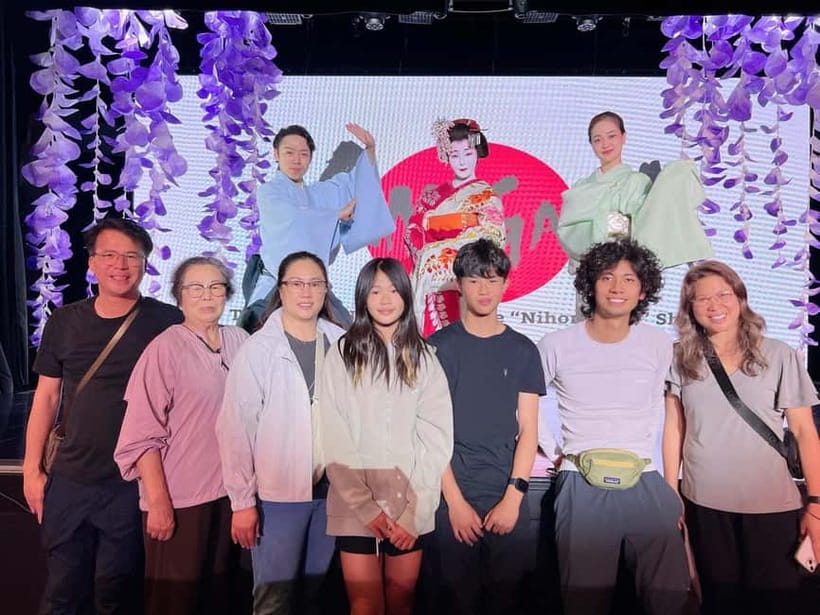
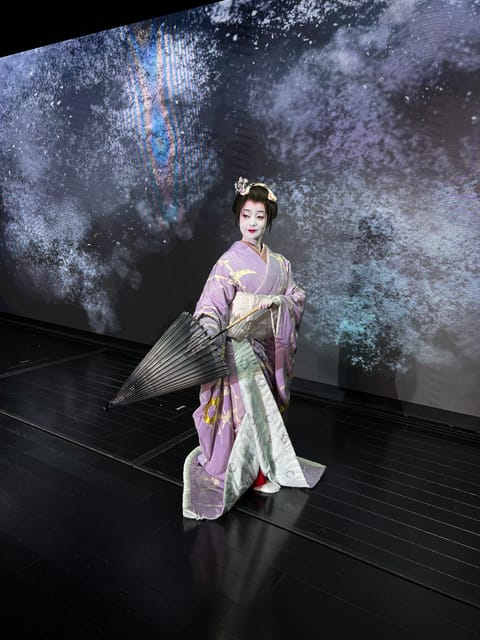
The kimonos are not an afterthought. They are part of the storytelling. From the close-up angle, you can see how beautiful the costumes are and how carefully the decorations are made.
This is the sort of detail you remember later, because it gives you a visual anchor. When you understand nothing about dance technique, you can still feel the weight of what the dancers wear and how it moves with them. Several people come away especially impressed by the elegance and craftsmanship, which makes sense given the close viewing setup.
If you are the kind of traveler who loves photographing textiles, you will have to accept the no-during-show rule. But the good news is that the costumes still make an impact even when your phone stays in your pocket.
English between acts: how to follow along with minimal Japanese
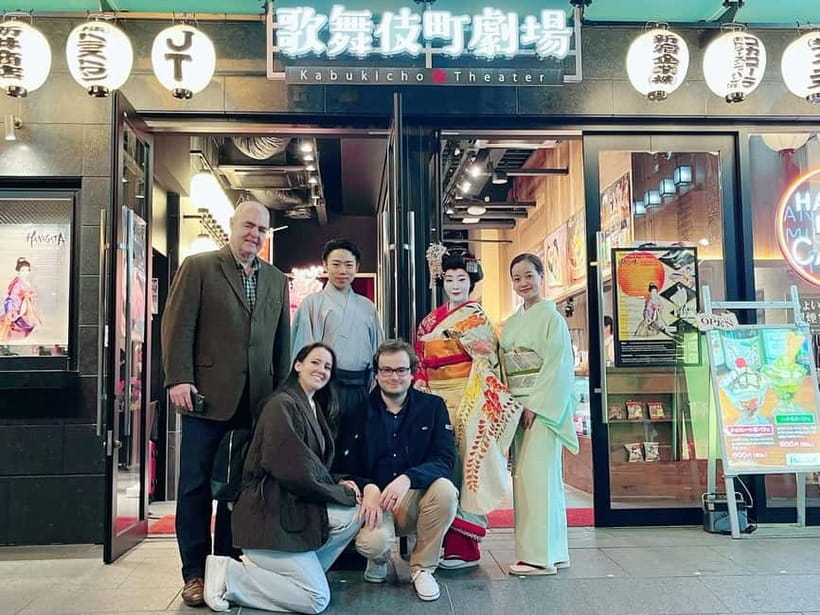
The show is in Japanese, so you are not getting spoken English throughout. But you do get English information between parts of the program, which helps a lot if you are not fluent.
Here is the simple way to handle it: treat the English moments like captions for movement. Listen for what the segment is about, then watch the next dance with that idea in mind. You will usually pick up much more than you expect, because dance is visual first, and language supports the meaning.
Also, do not underestimate the effect of a friendly, patient atmosphere. The staff are welcoming, and you may find that they can communicate in English well enough to answer basic questions. If you are trying a few Japanese phrases, the tone is supportive, not awkward.
The photo rule: plan for no photos during the show
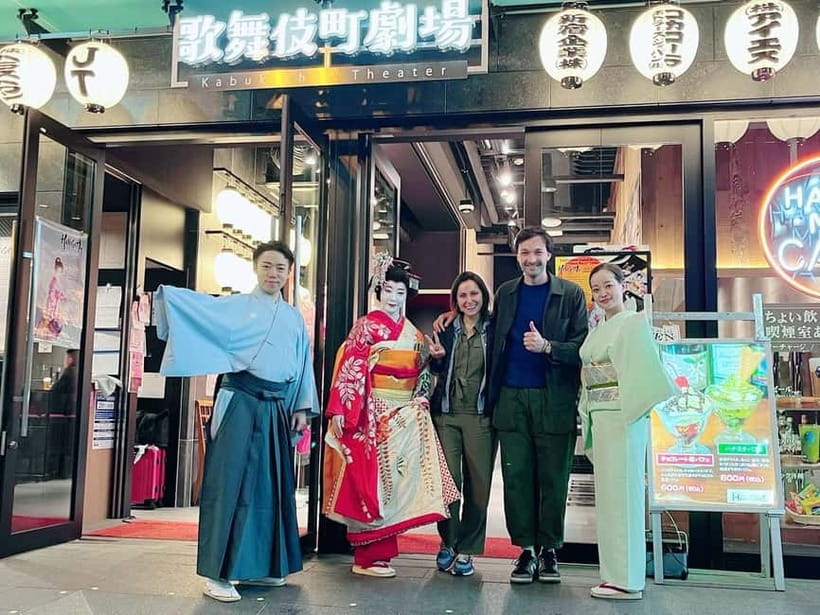
Photography is prohibited during performances. That policy keeps attention on the dancers and helps everyone enjoy the show without phones flashing around.
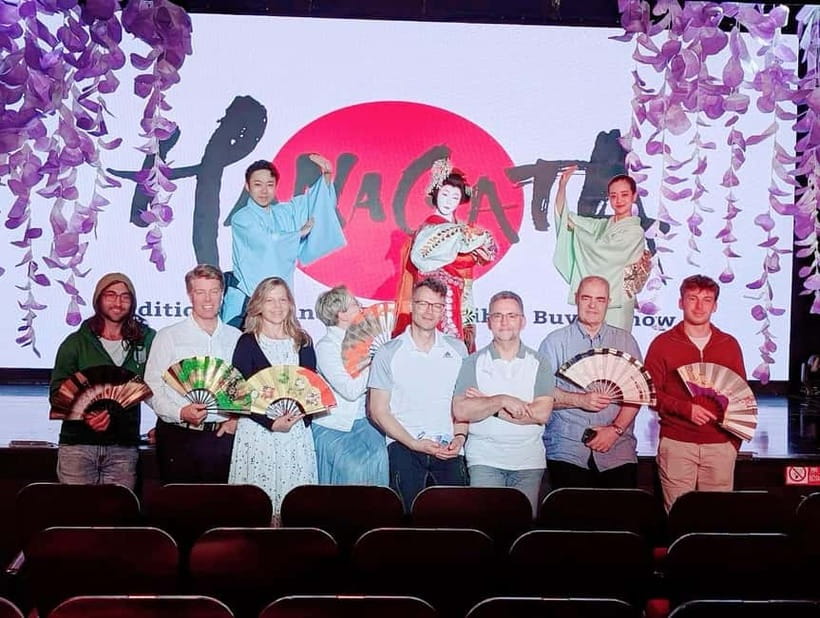
So what do you do? You keep your camera ready mentally, not physically. At the end of the performance, there is a time for taking pictures, which gives you a chance to capture the moment once the dancing is complete.
This also shapes the experience in a positive way. Without constant screen interruptions, the performance feels calmer and more respectful. You end up watching longer and noticing more.
A simple, realistic evening flow in Shinjuku
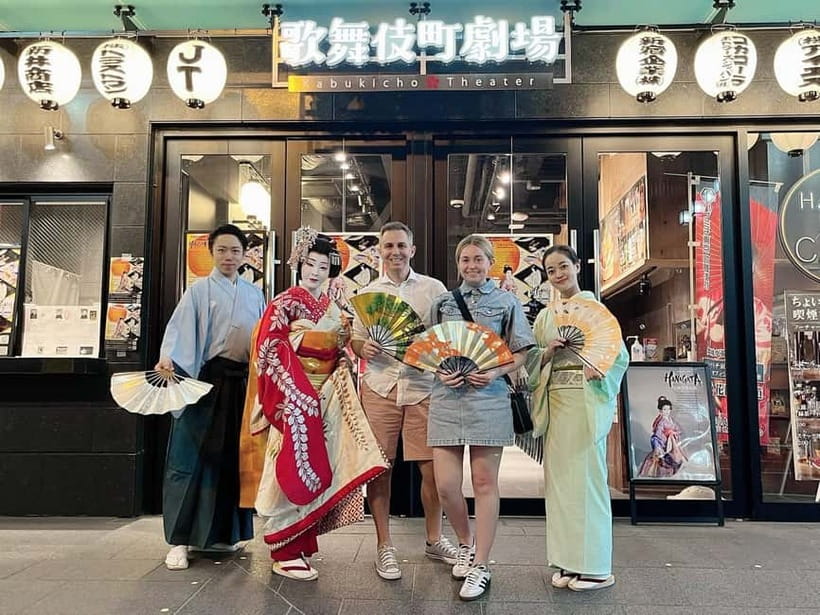
Since this is a single main event, the itinerary is straightforward, which is exactly what I like on a travel schedule.
First, you arrive and get set for the show. Staff are friendly, and the experience includes welcome items, which help you feel like this is a real cultural program rather than just a ticket with doors.
Then the performance begins. You watch multiple dance sections, and you get English explanations between them, so you can connect story themes and cultural context with what the dancers are doing.
Finally, you finish with the photo time. That last part is important because it gives you a souvenir moment to balance the no-photo portion during the performance.
If you are planning dinner the same night, I recommend timing your meal so you are not rushed right before showtime. Even without exact timing details, the easiest plan is to treat the show as the anchor and build your surrounding plans around it.
Who should book this Japanese dance show
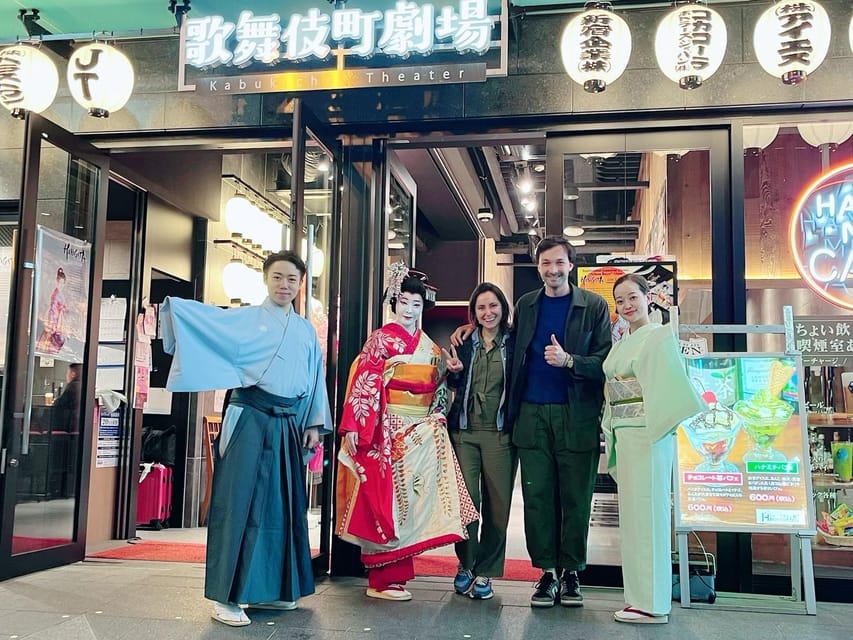
I think this works best for travelers who want culture with artistic standards. You do not need deep background knowledge. The structure helps you understand what you are watching, and the close-up approach makes the technique accessible.
It is also a good option if you are traveling as a couple or solo, because the attention is focused and there is plenty to see from any seat. People who love traditional arts, costumes, and performance storytelling will likely enjoy this a lot.
If you hate rules about phones and cameras, this may feel frustrating at first. But the photo-at-the-end setup usually makes it manageable. You just cannot treat it like a casual TikTok moment in the middle of the choreography.
Food not included, so pair it with a smart plan
Food and beverage are not included. That means you should plan your meal before or after the show. The upside is you are not locked into a set meal you might not want.
Since you are in Shinjuku, it is easy to find options nearby. If you want a calmer night, eat earlier and then go in rested. If you want a more energetic vibe, you can do a light snack before and save the full meal for after the performance.
Kids and families: childcare is available
If you are traveling with children, there is an option for childcare during your time at the activity. You can reserve a kids program through the provided childcare link, and there are also arrangements for kids experiences.
This is useful because the show format sounds like it depends on attention and a peaceful audience environment. Having childcare support can turn a stressful logistics problem into something easy.
The provider and the staff experience
The experience provider listed is YUKI YOSHIDA. In practice, what you will feel as a visitor is the staff and performers leading a warm, respectful program.
From what you can expect, the staff are welcoming, and they often communicate in English well enough to help you between dance sections. There is also an emphasis on sharing information, not keeping culture behind a wall.
Should you book it?
Yes, if you want a focused, high-quality Japanese dance show in central Tokyo. The value comes from three things working together: award-level dancers, close viewing, and English context between parts. Add in the costume beauty of kimonos, and you get an evening that feels like culture you can actually see and feel, not just read about.
Book it if your schedule can handle one ticketed event and you are okay with the photography rule during the performance. If you absolutely need constant photo opportunities during the show, you might prefer a different style of cultural activity where phones are allowed throughout.
If you are curious about traditional Japanese performing arts, this is the kind of experience that makes the next day in Tokyo feel richer, because you will carry something specific from the performance, not just a vague impression.
Newest Tokyo write-ups from the Loving Japan desk






Show, side by side.
 ★ 4.0Mt Fuji & Hakone Cruise, Drum Show Bullet Train 1 Day from TokyoFrom $1497,413 reviews
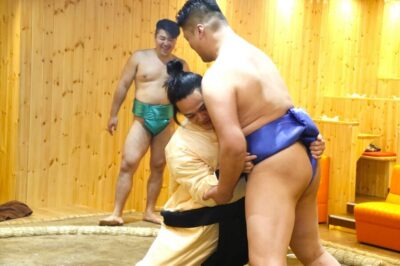 ★ 4.8Sumo Show Experience with Chicken Hot Pot and a PhotoFrom $1036,678 reviews
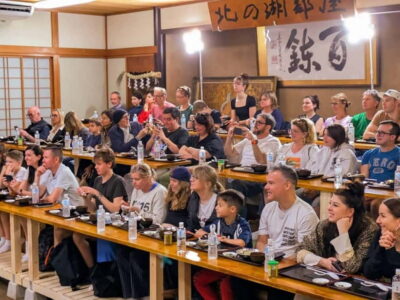 ★ 4.8Sumo Show and Dining ExperienceFrom $792,742 reviews
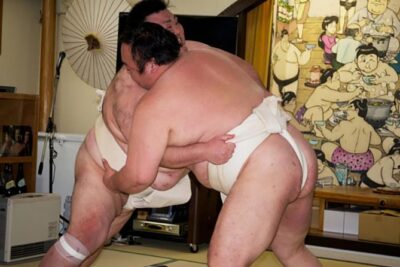 ★ 5.0the SUMO showFrom $891,960 reviews
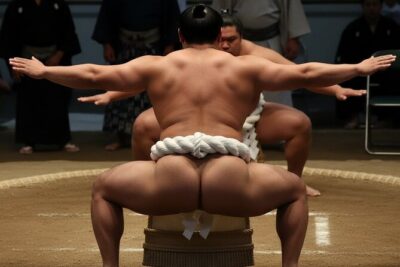 ★ 5.0Tokyo Shinjuku Sumo Show & Experience with PhotoFrom $791,750 reviews
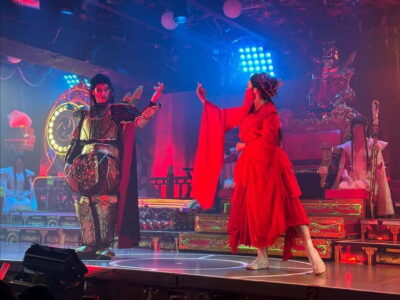 ★ 4.5Samurai Restaurant Show Ticket with 2 DrinksFrom $551,307 reviews
 ★ 4.0Mt Fuji & Hakone Cruise, Drum Show Bus 1 Day from TokyoFrom $1221,287 reviews
 ★ 4.8Sumo Show and Experience in ShinjukuFrom $691,001 reviews