
REVIEW · TSUKIJI AND TOYOSU FISH MARKETS
Tokyo: Classic Tsukiji Food Tour
Tsukiji tastes best early. This classic morning tour through the Tsukiji Outer Market area lets you eat your way into Japanese food culture, with stops built around what people actually buy and savor before the day gets going.
I love two things most. First, the small group setup (max 10) keeps the experience easy to follow, even in tight alleys and crowded stalls. Second, the food pacing hits the essentials fast, with a sit-down Japanese breakfast that can include grilled mackerel, black cod, and miso soup, plus lots of tastings and sweets. Guides such as Yappy, Kay, Sandra, and Shigeki are repeatedly praised for humor, stories, and steering you toward the right stalls.
One thing to plan for: this is walking level advanced, with lots of on-your-feet time and narrow market lanes. Comfortable shoes and patience with crowd flow matter, and baby strollers are not allowed.
In This Review
- Key highlights you’ll feel (not just read)
- Tsukiji Outer Market is where food becomes a morning ritual
- Breakfast first, so your taste buds actually get a workout
- Tsukiji Outer Market tastings, focused on stalls you can’t easily pick
- Traditional sweets and the sweet-salty rhythm Japanese markets do so well
- A shrine stop adds meaning, not just another photo stop
- Regional and seasonal foods: tasting Japan beyond seafood
- How the 3-hour format works in real life
- Who should book this tour, and who might want a different option
- Price value check for $181 per person
- The real secret is the guide, and the guide experience is consistent
- Practical start: where to meet and what to bring
- Should you book the Classic Tsukiji Food Tour?
- FAQ
- How long is the Tokyo Classic Tsukiji Food Tour?
- Is the tour in English?
- How big are the groups?
- What’s included in the price?
- What is the meeting point?
- Is hotel pick-up included?
- What do I need to bring?
- Are there any restrictions or requirements?
Key highlights you’ll feel (not just read)
- Breakfast at a local restaurant sets the tone and keeps you from guessing what to order
- English guide support helps you navigate Tsukiji’s alleys with confidence
- Tsukiji Outer Market tastings focus on quality and variety, not random samples
- Fresh seasonal and regional bites show Japan’s range beyond seafood
- Traditional Japanese sweets are included, so you get the whole meal, not just savory
- Meet at Turret Coffee Shop (Tsukiji, Exit 2) with your Arigato Travel sign
Hungry earlier than that? Other market breakfasts we tried
- Tokyo Tsukiji Fish Market Food and Culture Walking Tour
★ 5.0 · 3,184 reviews - Tokyo: Tsukiji Fish Market Food and Walking tour
★ 5.0 · 1,724 reviews - Tokyo: Tsukiji Fish Market Guided Walking Tour
★ 4.9 · 1,397 reviews - Tokyo Sushi Making Class in Tsukiji with Professional Chef
★ 5.0 · 1,177 reviews
Tsukiji Outer Market is where food becomes a morning ritual
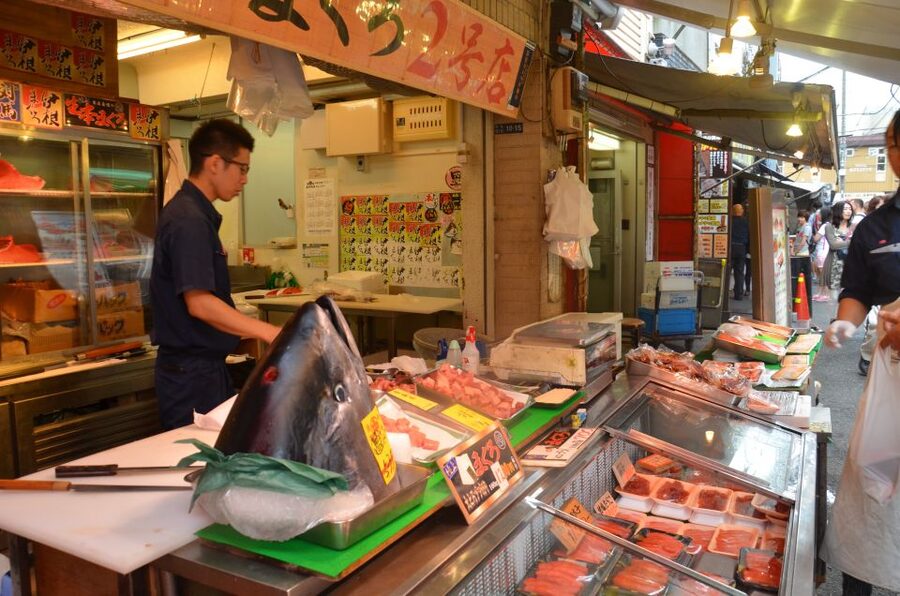
If you’ve only seen Tsukiji from photos, you might miss the point. Tsukiji works because it’s sensory and human-scale at the edges, where people line up, vendors call out, and you start noticing how ingredients are treated with care.
This tour is designed for that exact feeling. You’re in the Tsukiji Outer Market area early enough to see the market in motion, but you’re not sent off alone with a vague map. A real guide keeps things moving and, more importantly, gives context so you understand what you’re tasting and why it’s served that way.
A big value here is variety without decision fatigue. Instead of you trying to figure out 10 different stalls on your own, the tour threads together breakfast, tastings, and sweets, with just enough structure to keep you from wasting time.
Breakfast first, so your taste buds actually get a workout
The day starts with a breakfast at a local restaurant, not a fast tourist stop. One reason I like this approach is simple: you eat while you’re still curious and your palate is fresh, so later tastings land better.
In past tours, that breakfast can include options like grilled mackerel, black cod, and miso soup, plus rice and other standard comfort items. Even if you’re not a hardcore seafood person, breakfast is usually where people get comfortable with Japanese flavors: clean broth, simple seasoning, and seafood that tastes like the ocean, not like seasoning.
You’ll also likely get guidance on how to approach the meal. That matters because Japanese breakfast items can look familiar but taste different once you notice the balance of salt, sweetness, and umami. By the time you reach the market stalls, you’re not just eating, you’re learning how to read flavors.
Tsukiji Outer Market tastings, focused on stalls you can’t easily pick
After breakfast, the tour shifts into tasting mode around the Tsukiji Outer Market area. This is where the experience earns its reputation.
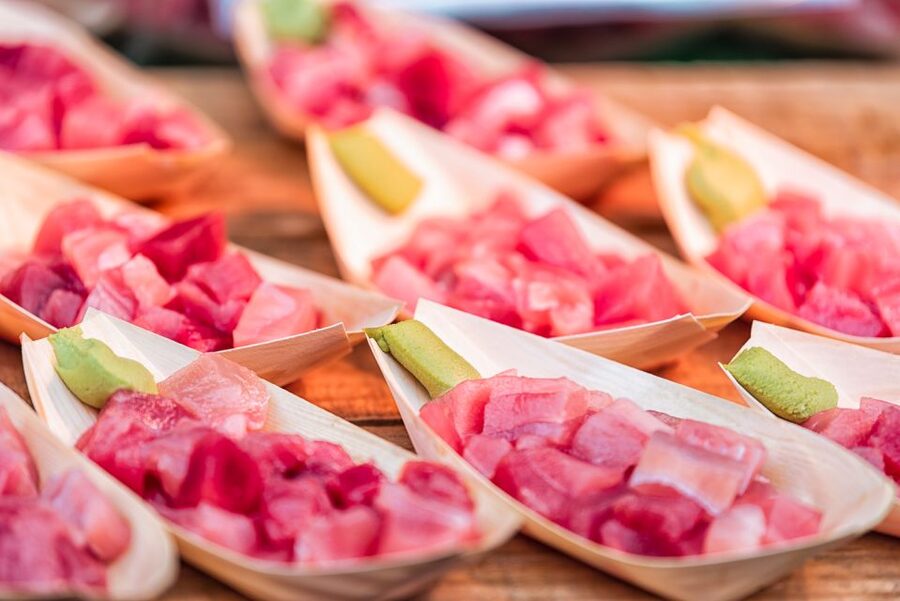
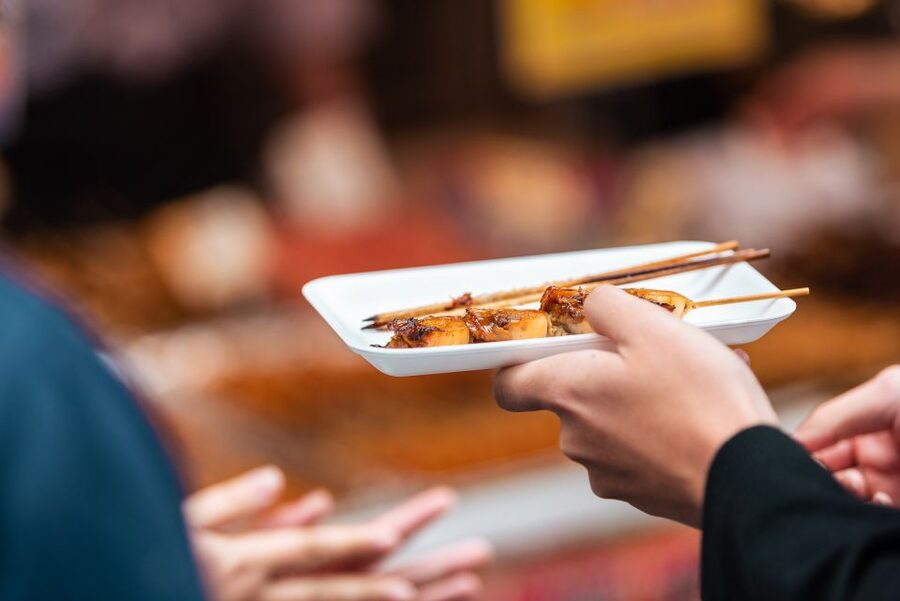
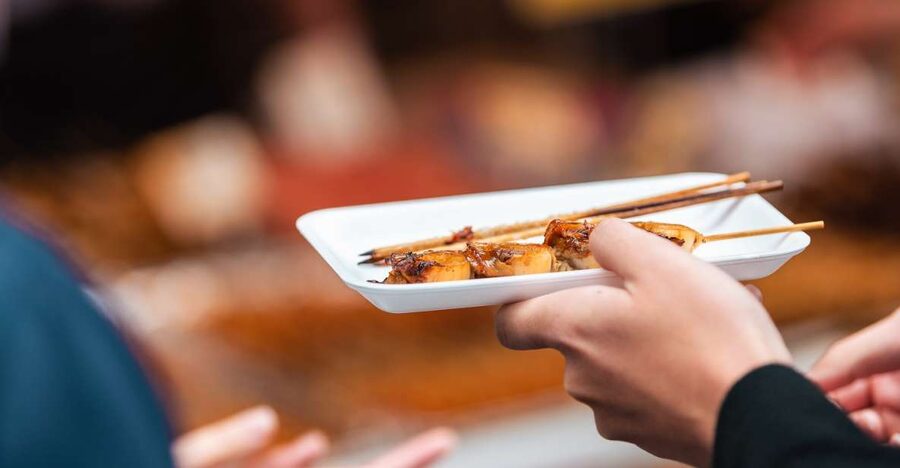
You’ll try multiple food tastings rather than one big meal, so you can compare textures and styles: grilled seafood aromas in the air, bites that lean savory and briny, and items that feel more snack-like than restaurant-like. Several past participants highlight top sashimi quality, oysters, and other standout seafood, and the consistent theme is freshness.
Another practical advantage is navigation. Tsukiji has narrow lanes, crowds at peak moments, and stalls that are easy to miss if you’re not watching for them. Guides such as Yappy, Kay, and Josh are praised for moving efficiently while still stopping to point out what matters. You’re not only tasting, you’re learning where you are in the market and what each section is known for.
And if you like hands-on details, this tour can deliver. One memorable example from past tours: learning how to grate fresh wasabi. That kind of skill matters because fresh wasabi changes the whole experience compared with packaged paste. It’s sharper, cleaner, and you can actually smell it.
- Mt Fuji and Hakone 1-Day Bus Tour Return by Bullet Train★ 5.0 · 26,383 reviews
- 1-Day Tokyo Bus Tour★ 5.0 · 14,250 reviews
- Tokyo: teamLab Planets TOKYO Digital Art Museum Entry Ticket★ 4.6 · 9,779 reviews
- Mt Fuji & Hakone Cruise, Drum Show Bullet Train 1 Day from Tokyo★ 4.0 · 7,413 reviews
- Tokyo: Shinjuku Food Tour (13 Dishes at 4 Local Eateries)★ 5.0 · 6,603 reviews
Traditional sweets and the sweet-salty rhythm Japanese markets do so well
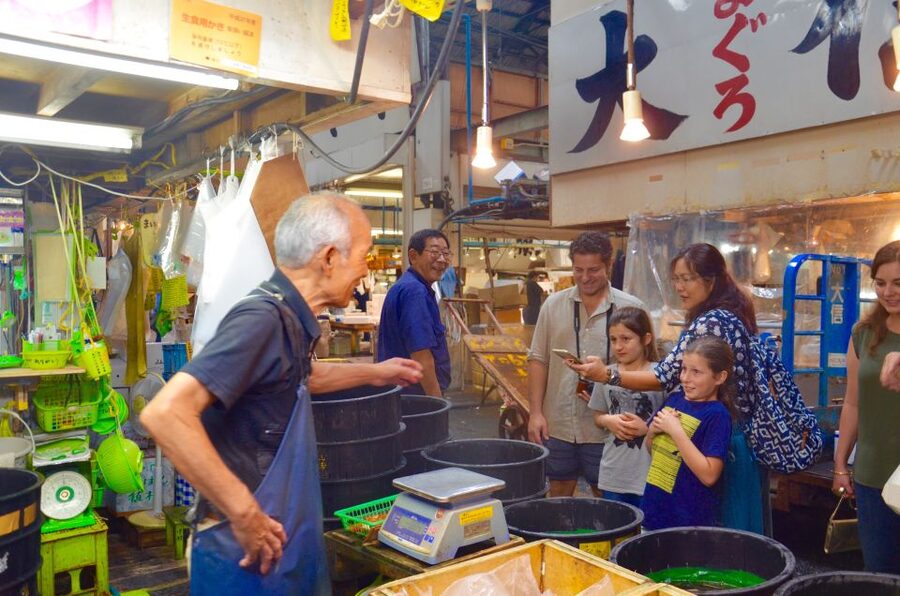
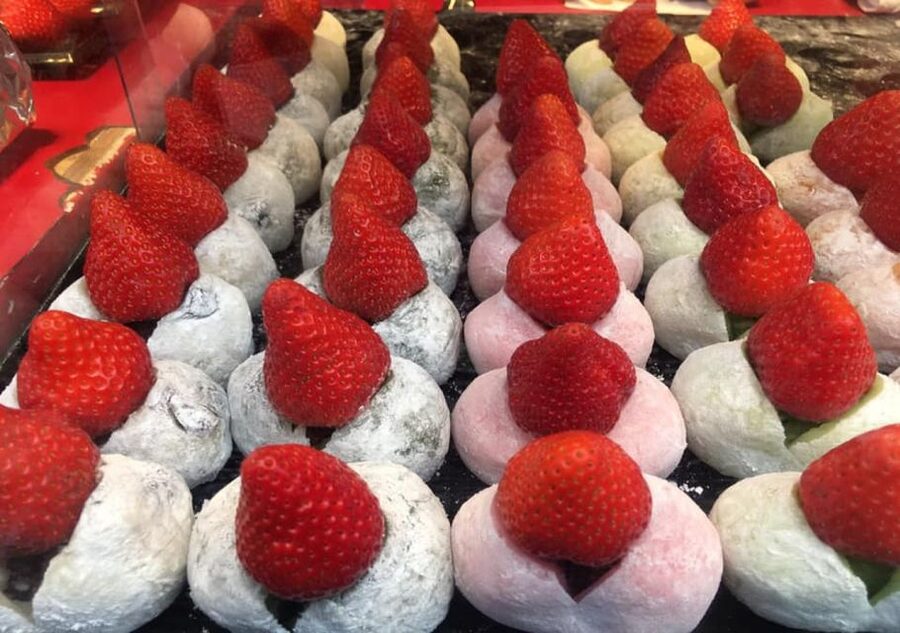
Most food tours overdo savory and forget sweets. This one includes traditional Japanese sweets, which is a smart way to understand how the meal fits together.
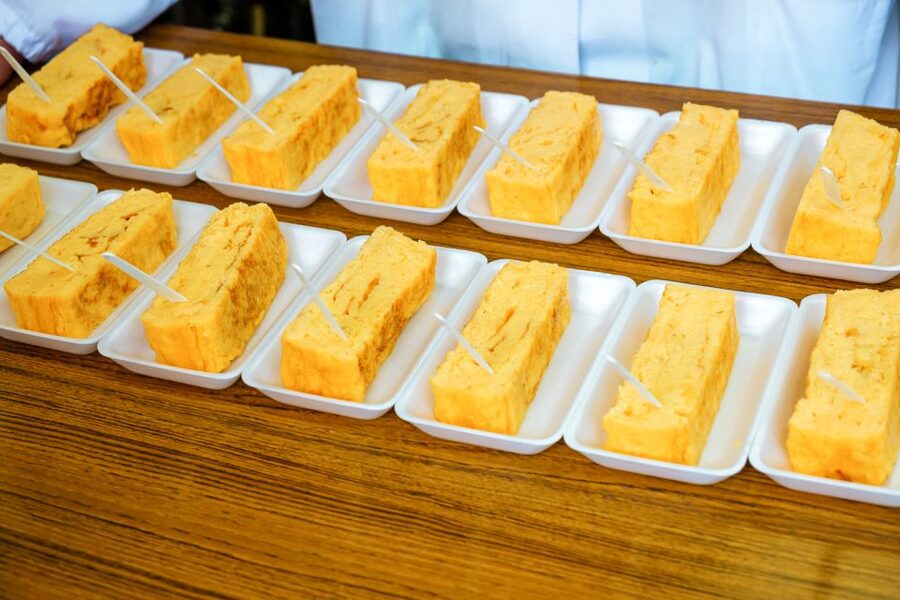
You might try seasonal items, tea-friendly bites, or desserts that feel like they belong to the market culture rather than a museum gift shop. Past tours have included unique dessert styles, including a fish-shaped custard dessert, and that’s exactly the point: markets treat sweets as part of the day, not a separate event.
What’s valuable for you is pacing. After savory tastings, a sweet bite resets your palate. It also gives you a wider picture of Japanese taste, including how sweetness can be subtle and how textures can be as important as flavors.
A shrine stop adds meaning, not just another photo stop
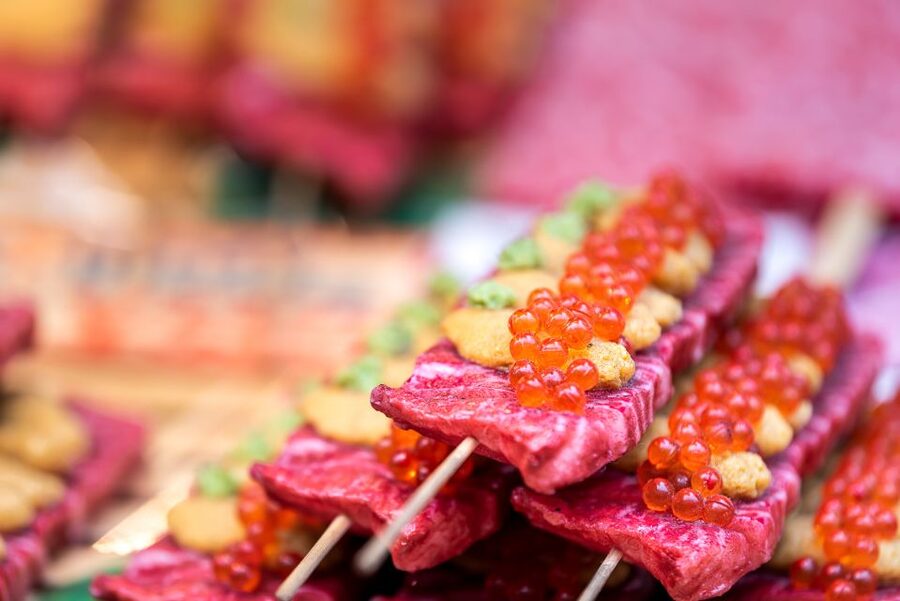
A classic part of the tour includes a shrine visit. The experience is framed around learning the area’s deeper roots, including a site with over 300 years of history.
Why this is worth your time: Tsukiji isn’t just a food bazaar. It’s a place where tradition, commerce, and daily life intersect. When your guide ties food culture to longer timelines, it makes the tastings feel less random. You start connecting the dots between how ingredients are valued and how communities keep doing things the same way, year after year.
Just don’t expect a long museum-style lecture. The shrine stop works best as a pause and a reset. It gives you breathing space from the market noise while keeping the cultural thread going.
Regional and seasonal foods: tasting Japan beyond seafood
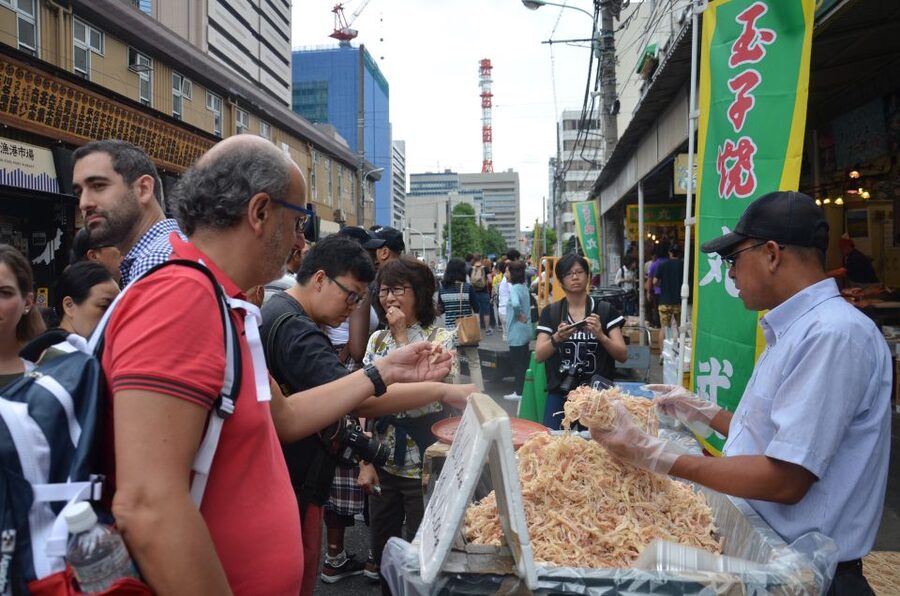
One of the tour promises is exploring regional and seasonal food from around Japan. That matters because Tokyo food can trick you into thinking Japan is only sushi and ramen. Tsukiji is seafood-heavy, yes, but the tour route aims for broader variety.
In practice, that shows up as tastings that aren’t all the same flavor profile. You’ll likely encounter items tied to seasonality, ingredients prepared in different styles, and other market snacks that show up in regional cuisines.
For you, the benefit is confidence. After a tour like this, you’re better equipped to shop for foods you can recognize and choose intentionally later. You also get a sense of what to look for when you’re standing in front of menus.
How the 3-hour format works in real life
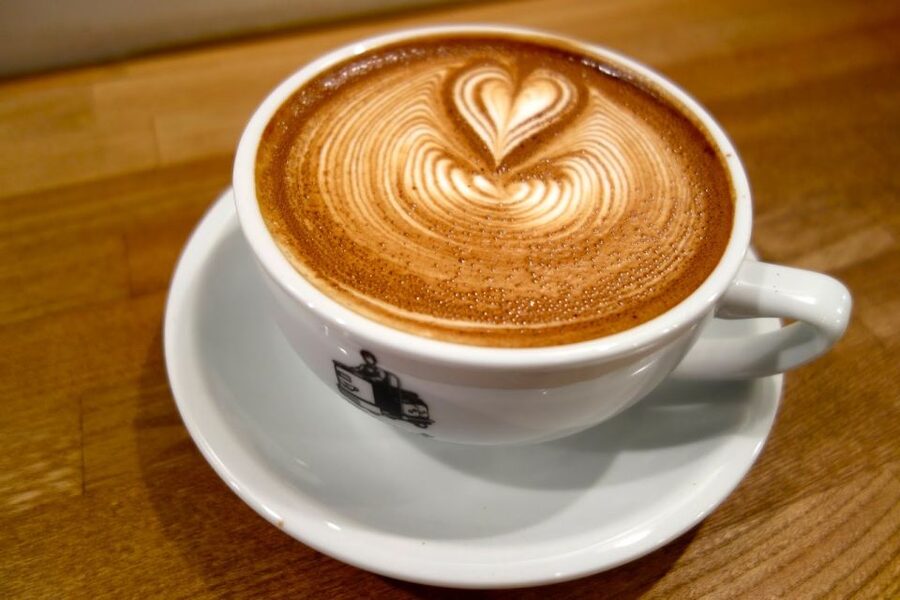
This is a 3-hour experience with a small group limited to 10 participants. That duration is long enough to feel like you learned something and short enough to keep the morning enjoyable.
The pacing usually goes like this:
- Start with breakfast so you’re set up for tastings
- Walk and taste through the Tsukiji Outer Market area
- Add sweets and a cultural stop
- Finish with enough momentum that you still have energy to continue exploring Tokyo afterward
The walking level is marked advanced, so the biggest “timing” issue is your body, not the clock. Plan for lots of standing and slow movement through crowded lanes. If you’re used to city walking and comfortable standing for stretches, you’ll likely be fine.
Who should book this tour, and who might want a different option
This tour is a strong fit if you want:
- A first real taste of Japanese market food culture
- A guided path through Tsukiji so you don’t waste time guessing
- A morning activity that feels authentic, not staged
- A range of tastings plus breakfast and sweets, all in one block of time
It can be less ideal if:
- You need stroller-friendly routes, since baby strollers are not allowed
- You prefer slow, open-ended wandering with no structure, because the tour has a tight, practical flow
- You’re sensitive to crowds and lots of walking
There’s also an honest value note from past experiences: it can feel pricey if you compare it to casual eating, especially when booking for smaller groups. Still, many people feel it’s worth it when you factor in breakfast, multiple tastings, sweets, and the fact you’re getting expert guidance through a market that’s tough to navigate alone.
Price value check for $181 per person
At $181 per person for a 3-hour small-group tour, you’re paying for three things:
1) Food you can’t easily assemble on your own (breakfast, tastings, sweets)
2) Access and guidance through a complex market layout
3) An English-speaking live guide who helps you understand what you’re eating
If you were to replicate the experience solo, you might easily spend a similar amount just on meals, plus you’d still be guessing which stalls are best and how to order without wasting time. The guide factor is the difference between random sampling and a coherent food journey.
For me, the best “value signal” is the way the tour is described: you’re not just eating, you’re learning how to taste, what freshness means in practice, and how to move through the market efficiently. That’s hard to price, but it’s exactly what you get for this money.
The real secret is the guide, and the guide experience is consistent
The standout pattern across past experiences is the guide. Guides such as Yappy, Kay, Sandra, Shigeki, and others are praised for humor, stories, and stepping in when the market gets intense.
What you’re really buying is translation, direction, and reassurance:
- Direction, so you feel confident choosing what’s in front of you
- Translation, so you understand what a stall is offering and how to think about it
- Reassurance, so you don’t feel lost in crowds or overwhelmed by choices
That’s why many people describe this as a highlight of their stay. It turns Tsukiji from a place you visit into a place you understand.
Practical start: where to meet and what to bring
You’ll meet at Turret Coffee Shop in Tsukiji, take Exit 2. Your guide will be there holding an Arigato Travel sign.
Bring:
- Passport
- Comfortable shoes (this is the biggest item for this tour)
Other important rules:
- Baby strollers are not allowed
- Unaccompanied minors are not allowed
- Children must be accompanied by an adult
- A copy of your passport is required for those aged 10 and above
If you want to feel relaxed, show up a little early. Market mornings are crowded, and being calm at the start helps the rest of the tour flow.
Should you book the Classic Tsukiji Food Tour?
I’d book this if you want a guided, food-forward way to experience Tsukiji’s Outer Market area, and you’re comfortable with an advanced walking morning. The combination of breakfast, multiple tastings, traditional sweets, and an English guide makes it a smart use of a limited morning in Tokyo.
Skip it or consider a different style of outing if you hate crowded standing, need stroller access, or prefer long free time over structured sampling. Also, if the total cost feels high for your group, do a quick math check against what you’d otherwise spend on a comparable breakfast plus several market stops plus guidance. If you’d be eating your way anyway, this tour often ends up feeling more fair.
If you’re the type who likes learning while you eat, and you want that first taste of Japan done the practical way, this is a strong choice.
FAQ
How long is the Tokyo Classic Tsukiji Food Tour?
It lasts about 3 hours.
Is the tour in English?
Yes, it has a live English-speaking guide.
How big are the groups?
The group is small, limited to 10 participants.
What’s included in the price?
The tour includes breakfast at a local restaurant, food tastings from the Tsukiji Outer Market area, traditional Japanese sweets, and exploration of regional food from around Japan.
What is the meeting point?
Meet at Turret Coffee Shop in Tsukiji, take Exit 2, and look for your guide holding an Arigato Travel sign.
Is hotel pick-up included?
No, hotel pick-up is not included, though it can be arranged for an additional charge.
What do I need to bring?
Bring your passport and wear comfortable shoes.
Are there any restrictions or requirements?
Baby strollers are not allowed, unaccompanied minors are not allowed, and children must be accompanied by an adult. A copy of your passport is required for those aged 10 and above. A minimum of 2 people is required per booking.
Market Mornings We Have Reviewed



Newest Tokyo write-ups from the Loving Japan desk


Tsukiji and Toyosu Fish Markets, side by side.
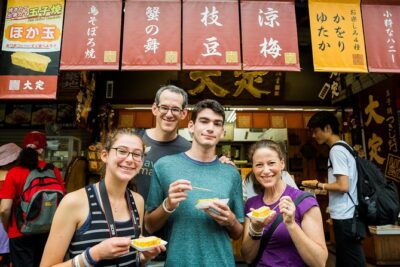 ★ 5.0Tokyo Tsukiji Fish Market Food and Culture Walking TourFrom $993,184 reviews
 ★ 5.0Tsukiji Fish Market Food and Walking tourFrom $301,724 reviews
 ★ 4.9Tsukiji Fish Market Guided Walking TourFrom $221,397 reviews
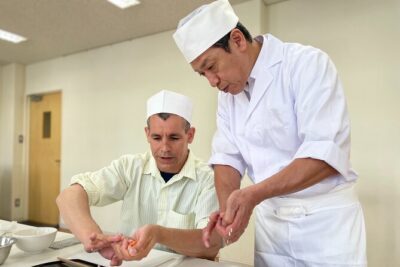 ★ 5.0Tokyo Sushi Making Class in Tsukiji with Professional ChefFrom $491,177 reviews
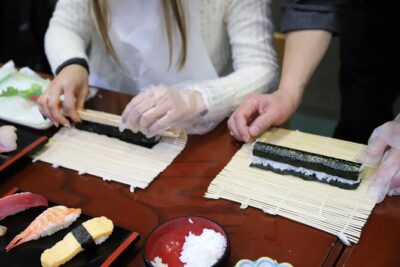 ★ 5.0Tsukiji Fish Market Guided Tour and Sushi Making with Pro ChefFrom $104775 reviews
★ 4.7Tsukiji Fish Market Food and Culture Walking TourFrom $96757 reviews
★ 5.0Tsukiji Fish Market Guided Tour and Sushi Making with Pro ChefFrom $104775 reviews
★ 4.7Tsukiji Fish Market Food and Culture Walking TourFrom $96757 reviews
 ★ 5.0Tsukiji Fish Market: Street Food & Culture Walking TourFrom $33669 reviews
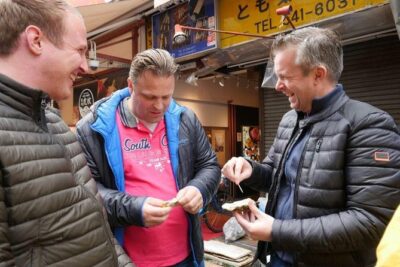 ★ 5.0Tsukiji Fish Market Small-Group Food Walking TourFrom $87621 reviews
Filed on these lists too