
REVIEW · ASAKUSA, SENSO-JI AND TOKYO SKYTREE
Tokyo Early Morning Tour Asakusa Meiji Shrine (Private Opt)
Tokyo looks calmer before the city wakes. This early-morning route hits big names fast, with the kind of context an English-speaking guide like Hana Tanaka or Kouta adds as you go. I love the crowd advantage and how the pacing keeps you moving without feeling rushed.
The main thing to plan for is that you are not fed on this tour. Food and drinks are not included, so you’ll either snack on your own or plan a proper breakfast stop around the sights, and you’ll also want to budget the transport fee (around 600 yen).
In This Review
- Key points that make this Tokyo early morning plan work
- Why start Tokyo at dawn
- Your route: Asakusa, Tsukiji, Meiji Jingu, and Shibuya Crossing
- Stop 1: Asakusa and Senso-ji temple street life
- Stop 2: Tsukiji Fish Market, outer stalls, and food-window Tokyo
- Stop 3: Meiji Jingu Shrine and the forest calm
- Stop 4: Shibuya Crossing, plus your walk ending at Hachiko
- Private or self-guided: how flexibility changes the day
- Price and value: what you’re really paying for
- Meet-up point and timing: simple logistics, less stress
- Who this tour suits best
- Should you book this early morning Tokyo landmarks tour?
- FAQ
- Is this tour in English?
- How long is the tour?
- What stops are included?
- Are there admission fees for the stops?
- Is food included?
- Where does the tour start and end?
- Do I need to pay for transportation?
- Can I cancel for a refund?
Key points that make this Tokyo early morning plan work
- Early timing: You see Asakusa, Tsukiji, and Meiji Jingu before the worst of the afternoon crowds.
- Guide commentary: A real live guide explains what you’re looking at, not just where to stand.
- Practical pacing: Stops are spaced so you can check off major landmarks in about 5 hours.
- Great end point: You finish at the Hachiko Statue outside Shibuya Station, easy for onward plans.
- Small group size: Maximum of 8 travelers, which helps questions and flow.
- Flexible options: Choose private or self-guided, depending on how you like to travel.
Still on the Sumida side? A few more Asakusa options
- Tokyo: Japanese Dance Cabaret Theater Asakusa-Kaguwa Ticket
★ 4.8 · 2,270 reviews - Tokyo: Meiji Shrine, Asakusa, Skytree Bus Tour and Cruise
★ 4.7 · 1,986 reviews - Tokyo: Roll and Authentic Sushi Making Class in Asakusa
★ 4.9 · 1,957 reviews - Tokyo: Asakusa Walking Tour with Sensoji Temple Visit
★ 4.8 · 1,583 reviews
Why start Tokyo at dawn
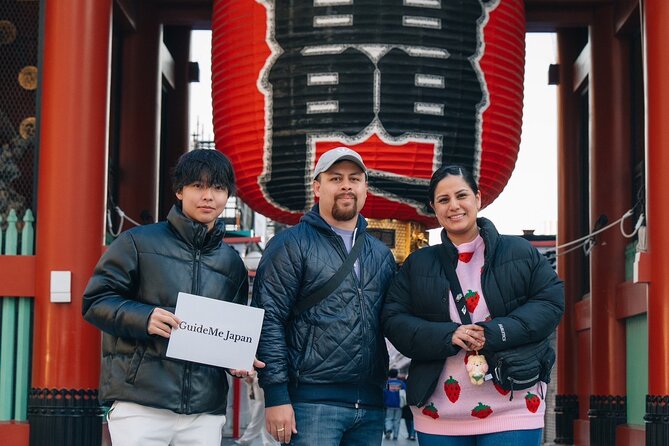
Tokyo gets loud fast, and lineups get ugly fast. Starting early is the whole trick here. You’re aiming for cooler temperatures, lighter foot traffic, and a more human feel around famous places that can turn chaotic later in the day.
I also like the way this route gives you contrast. You move from historic Asakusa to a food-focused Tsukiji walk, then into the hush of Meiji Jingu, and finally out to the electric energy of Shibuya Crossing. You’ll get the “Tokyo is weird in the best way” feeling without burning half your day just traveling between neighborhoods.
Your route: Asakusa, Tsukiji, Meiji Jingu, and Shibuya Crossing
This tour is built around a simple idea: hit the landmarks that most first-timers want, then keep going so you don’t waste time. Expect about 5 hours total, with these scheduled stops:
- Asakusa: about 1 hour
- Tsukiji Fish Market (outer area): about 1 hour
- Meiji Jingu Shrine: about 1 hour 30 minutes
- Shibuya Crossing: about 30 minutes
A key detail: admission is free at all the listed stops, so what you pay for is the guide help and your route structure. That can make the price feel more reasonable, especially on a first day when you want fewer “Wait, where do we go?” moments.
Stop 1: Asakusa and Senso-ji temple street life
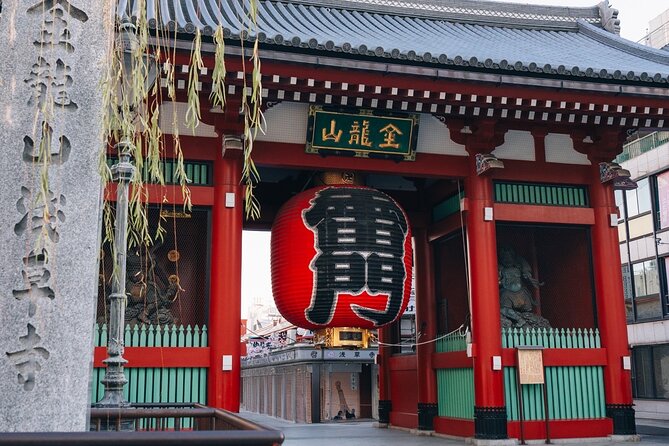
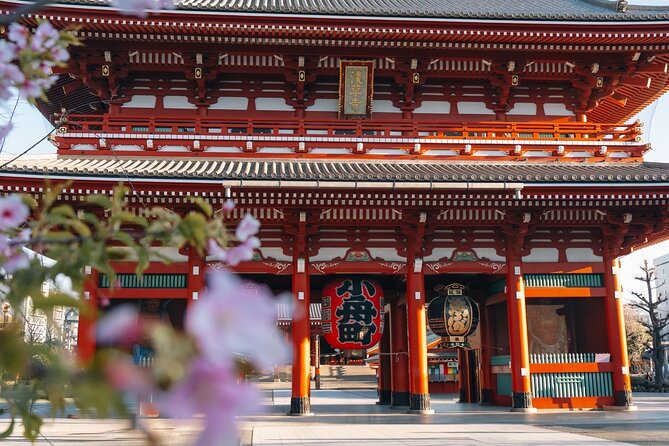
Asakusa is where Tokyo’s history feels touchable. Your visit centers on Senso-ji, the area’s most famous Buddhist temple, and the surrounding streets that bring it to life.
In practice, the hour works best if you treat it like a stroll with a purpose. You’ll want time to see the temple area, then look along the Nakamise Shopping Street for the classic souvenirs and snacks people associate with Asakusa. The guide part matters here, because the temple and its symbols can feel like “cool stuff to photograph” until someone explains what you’re looking at.
What I like: the way the early start makes Asakusa easier to enjoy, especially if you don’t want to fight your way through crowds just to see the temple gates and walkway.
A possible drawback: if you’re the type who wants a very slow, deep temple visit, one hour may feel short. This is a highlights plan, not a monastery-level marathon.
The central Tokyo landmarks, reviewed one by one
- Flagship 2-Hours Official Street Go-Kart Tour – Tokyo Bay Shop★ 5.0 · 4,974 reviews
- Tokyo: Imperial Palace and Shogun Historical Walking Tour★ 5.0 · 2,251 reviews
- Tokyo: Meiji Shrine, Asakusa, Skytree Bus Tour and Cruise★ 4.7 · 1,986 reviews
- Chopstick Making Workshop in Ginza★ 4.8 · 1,366 reviews
- Tokyo Panoramic 1 Day: Meiji Shrine, Asakusa, Odaiba and SKYTREE®★ 4.5 · 1,222 reviews
Stop 2: Tsukiji Fish Market, outer stalls, and food-window Tokyo
Tsukiji is famous for seafood, and even after the wholesale inner market moved to Toyosu, the outer market area still has the energy. This stop is a food-lover’s walk, more about what you can see, smell, and taste on the street than about a formal museum tour.
You’ll spend about an hour here, and that’s enough time to:
- scan the busy lanes
- spot seafood displays
- get ideas for what to try later in Tokyo
- understand how Tsukiji fits into the city’s food culture
One heads-up: food and drinks are not included, so you’ll likely spend your own money if you want to sample. The good news is you can choose based on your budget and appetite, instead of being forced into a set meal.
What to watch for: Tsukiji can be energetic. In a short visit, it helps to decide in advance what kind of snack you want, so you don’t burn your hour deciding.
Stop 3: Meiji Jingu Shrine and the forest calm
After market noise, Meiji Jingu feels like a different planet. This Shinto shrine is dedicated to Emperor Meiji and Empress Shoken, and the whole experience is shaped by the forested approach that pulls the city noise away from you.
You’ll have about 1 hour 30 minutes, which is the most comfortable timing on the itinerary. That extra half hour matters because shrine visits are not just “look once, leave.” You’ll want time to walk the pathways, pause, and take in the stillness, even if you’re not religious.
What I like: this is one of the few spots in central Tokyo where you can slow down without planning a separate day. The guide context helps too, because shrine customs and features can make more sense when someone explains what you’re seeing as you go.
A consideration: if you’re short on time or you prefer faster stops, this can be the part that feels like the longest. It’s also the part that can feel quiet, so people who want constant activity might feel a little bored.
Stop 4: Shibuya Crossing, plus your walk ending at Hachiko
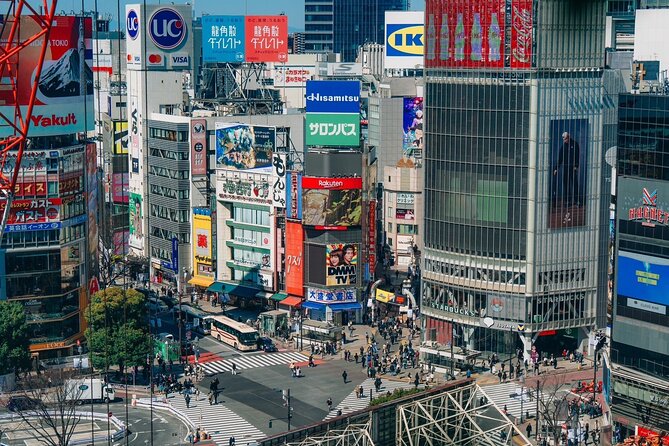
Shibuya Crossing is Tokyo’s “yes, this is real” moment. It’s known for the big pedestrian scramble outside Shibuya Station, where people flow from multiple directions and it feels like the entire district moves at once.
You’ll get about 30 minutes, which is a good length. Long enough to watch a couple of crossing cycles and find a decent spot, short enough that you don’t lose the rhythm of the day.
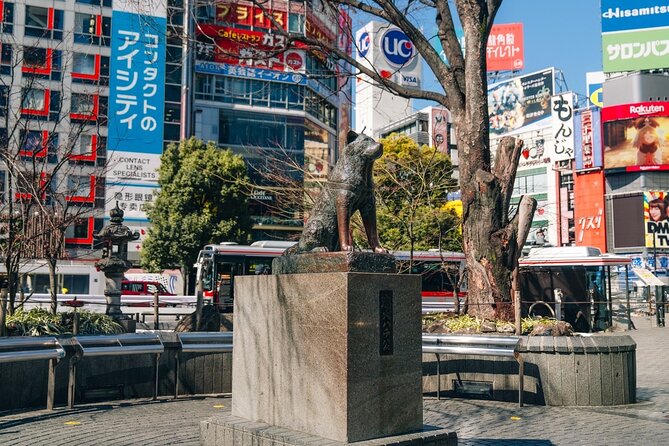
The tour ends at the Hachiko Statue near Shibuya Station. That’s an excellent closing move because it puts you at the heart of transportation and nightlife. If you want to keep going after the tour, you’re not stranded in a quiet pocket. You’re placed right where it’s easy to connect elsewhere.
What I like: ending at Hachiko means you can immediately orient yourself, then decide your next neighborhood based on energy level, not exhaustion level.
Private or self-guided: how flexibility changes the day
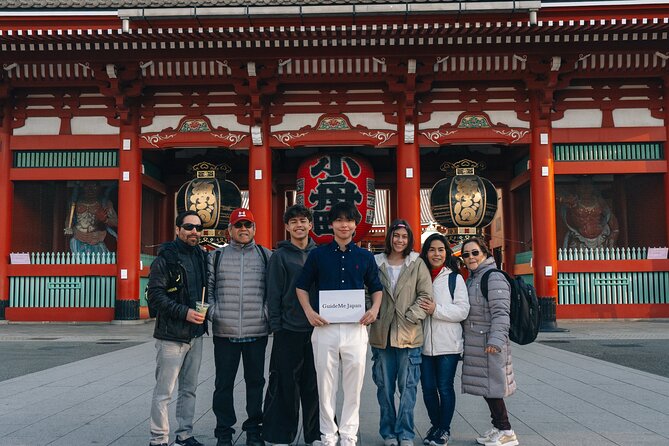
The tour is offered with flexibility, either as a private option or a self-guided choice. That difference matters more than you might think.
With a guided format, you get explanation as you walk. That’s especially valuable at Meiji Jingu and around Senso-ji, where details can help you understand what you’re seeing. It also helps at Tsukiji, where a guide can point out what’s worth your time in a crowded, fast-moving environment.
With a self-guided option, you’ll be relying more on signage and your own choices. That can work well if you:
- already know a bit about Japanese history or religion
- enjoy wandering and picking your own angles
- don’t need a lot of context
My practical take: if it’s your first time in Tokyo, a guided option usually gives you the best return on time, because you’re building a mental map while you walk.
Price and value: what you’re really paying for
The price is $59.46 per person for this about 5-hour experience. That’s not an “all-inclusive deal” kind of price, but it can still be good value when you break down what’s included versus what’s optional.
Included:
- English-speaking guide
- Mobile ticket
- Free admission at the listed stops
- Small group experience, maximum 8 travelers
Not included:
- Transportation fee, around 600 yen
- Food and drinks
Here’s how I’d judge value for you. If you’re arriving in Tokyo and you want a smooth first-day overview, the guide helps you avoid time-wasting confusion. You pay for structure and local commentary, not for entry fees or a prepared meal.
If you love food sampling, you’ll likely spend more on snacks anyway, but at least Tsukiji lets you choose what you want. If you hate spending extra, this plan can still work because you can choose just one or two small bites rather than committing to a full meal.
Meet-up point and timing: simple logistics, less stress
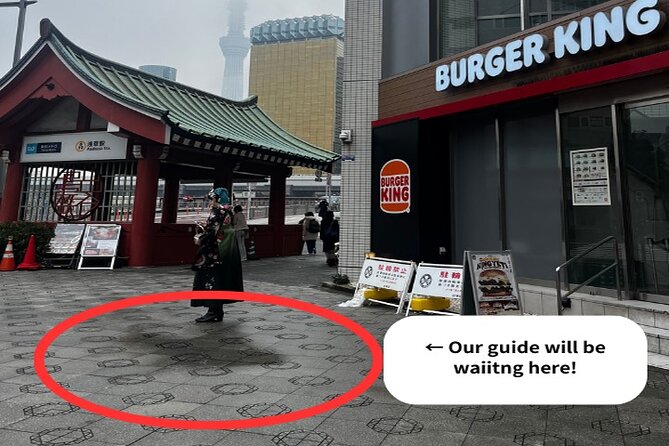
The tour starts at Burger King Asakusa Azumabashi, in the Kaminarimon area (Taito City). It ends at the Hachiko Statue in Shibuya, just outside Shibuya Station.
Two things to like here: both endpoints are in well-known public areas, and the start point is described as near public transportation. Translation: you can likely reach the meeting spot without complicated transfers, and you’ll end in a place where you can get where you want next.
For the walk itself, the activity is listed for people with moderate physical fitness. That’s fair for a route that mixes temple areas, market streets, and walking in between.
Who this tour suits best
This is a strong match if you:
- want a high-efficiency first-day Tokyo hit
- care about seeing major sights with less crowd pressure
- like learning context while you walk
- want a plan that works well for families, including teenagers
In terms of vibe, the early timing plus a small group makes it feel more like Tokyo with a local friend than a rigid bus tour. The guide names that come up in the experience, including Hana Tanaka and Kouta, are often praised for being personable and helpful with questions. That kind of interaction matters if you want your “what am I looking at?” moments answered on the spot.
Should you book this early morning Tokyo landmarks tour?
Book it if you want a structured way to check off Asakusa, Tsukiji, Meiji Jingu, and Shibuya in one smooth morning-to-early-afternoon flow, with a guide to translate what you’re seeing. The early start is the real payoff, because you’re catching the sites before they become harder to enjoy.
Skip or consider a different option if you need a food-included experience, or if you’d rather spend long, unhurried time in only one or two locations. This one is built for variety and forward motion, not deep single-site immersion.
FAQ
Is this tour in English?
Yes. It includes an English-speaking guide.
How long is the tour?
The duration is approximately 5 hours.
What stops are included?
The itinerary includes Asakusa, Tsukiji Fish Market, Meiji Jingu Shrine, and Shibuya Crossing.
Are there admission fees for the stops?
Admission is listed as free for each of the included stops.
Is food included?
No. Food and drinks are not included.
Where does the tour start and end?
It starts at Burger King Asakusa Azumabashi (Kaminarimon area) and ends at the Hachiko Statue near Shibuya Station.
Do I need to pay for transportation?
A transportation fee of around 600 yen is not included.
Can I cancel for a refund?
Yes, you can cancel for a full refund up to 24 hours in advance of the experience start time. Free cancellation is available under that condition.
Central Tokyo Landmarks


Asakusa and the Skytree, Keep Going

Newest Tokyo write-ups from the Loving Japan desk
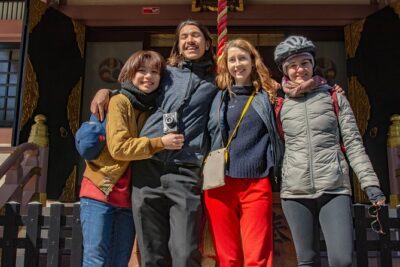
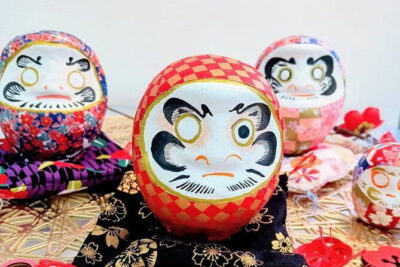
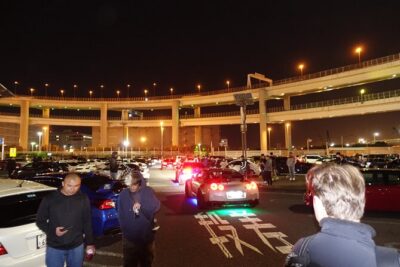
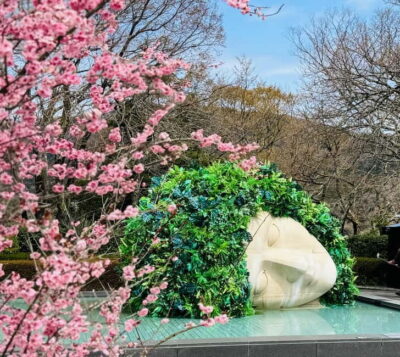
Asakusa, Senso-ji and Tokyo Skytree, side by side.
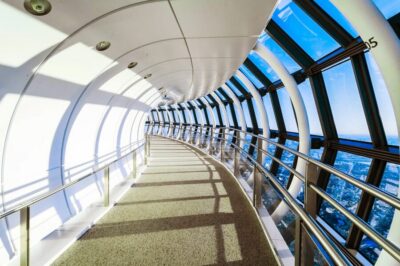 ★ 4.5TOKYO SKYTREE® Admission ticketFrom $1311,192 reviews
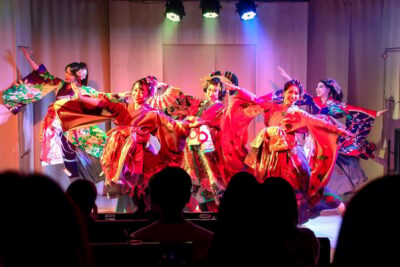 ★ 4.8Japanese Dance Cabaret Theater Asakusa-Kaguwa TicketFrom $492,270 reviews
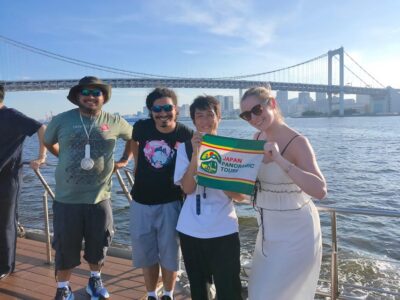 ★ 4.7Meiji Shrine, Asakusa, Skytree Bus Tour and CruiseFrom $1221,986 reviews
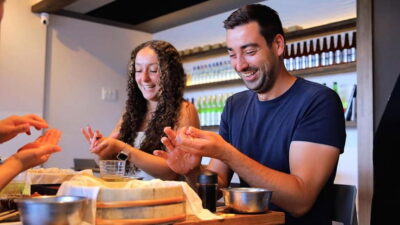 ★ 4.9Roll and Authentic Sushi Making Class in AsakusaFrom $581,957 reviews
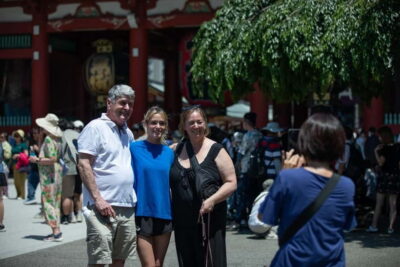 ★ 4.8Asakusa Walking Tour with Sensoji Temple VisitFrom $221,583 reviews
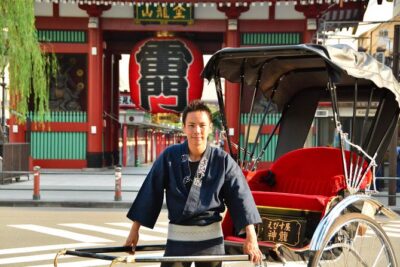 ★ 5.0Tokyo Asakusa Rickshaw TourFrom $421,375 reviews
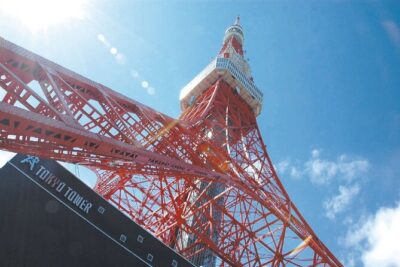 ★ 4.5Tokyo Panoramic 1 Day: Meiji Shrine, Asakusa, Odaiba and SKYTREE®From $851,222 reviews
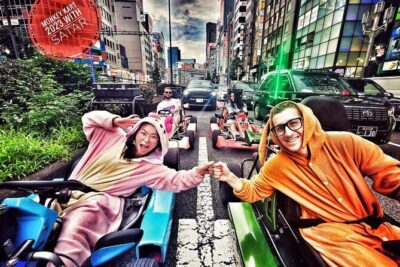 ★ 5.0Tokyo Go Kart: Asakusa, Skytree, and Akihabara **IDP MUST**From $99988 reviews
Filed on these lists too