
REVIEW · TSUKIJI AND TOYOSU FISH MARKETS
Tokyo Food Tour Taste Fresh Delights at Tsukiji Market
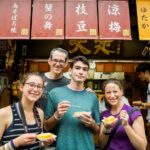
Tsukiji feels like organized chaos, with a plan. This small-group walking food tour through Tsukiji Outer Fish Market helps you avoid getting lost, while you eat your way past the stalls with a guide like Keiko, who’s great at explaining what you’re seeing. It’s a simple 2 hours 30 minutes of food and story, with enough stops to feel worth it even on a tight schedule.
I like two things most. First, you get around 5 to 8 food samples, not just a snack, so you truly leave fed. Second, the tour is paced for real people in a real crowd, with a max group size of 12 and a guide who keeps things moving while still answering questions.
The main thing to consider is that this is a seafood-forward route. If you avoid fish or shellfish, you may have fewer options than you’d like, so it helps to be upfront about preferences.
In This Review
- Key highlights I’d circle before you go
- Tsukiji Outer Market is the real test, and a guide helps fast
- What you’ll eat: 5 to 8 seafood samples plus brunch, not just one bite
- Stop by stop: Tsukiji stalls, stories about sushi, and a shopping finale
- What the 2 hours 30 minutes feels like in real life
- Small-group attention, and why it matters in a crowded market
- Price and value: Is $90 worth it for Tsukiji?
- How to prepare so you enjoy the market more (and regret it less)
- Who should book this Tsukiji food tour, and who should think twice
- Should you book? My honest take
- FAQ
- How long is the Tsukiji Outer Market walking food tour?
- What does the tour cost?
- How many food samples are included?
- Is brunch included?
- How big is the group?
- Where do I meet the guide?
- Where does the tour end?
- Is private transportation included?
- What happens if the weather is bad?
- What is the cancellation policy?
Key highlights I’d circle before you go
- 5 to 8 tastings included, which is the difference between a quick walk and a true food experience
- Small group capped at 12, so you’re not just another face in the crowd
- A guide who explains the stalls, including the history and significance of what’s on offer
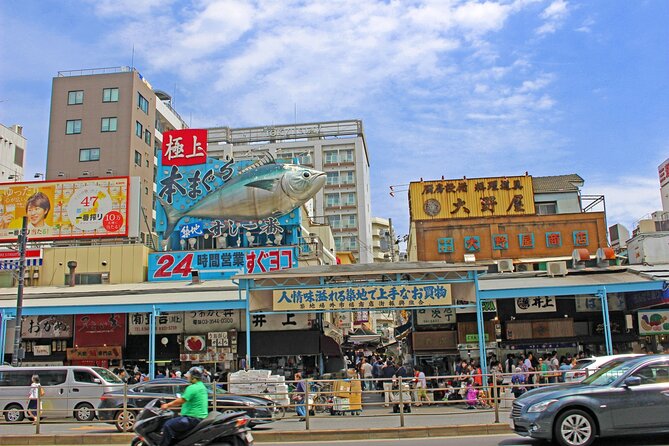
- Tsukiji Outer Market, not the old inner auction area, making the tour easier to enjoy as a visitor
- Stops can include extra surprises, like a Japanese knife store and even a shrine visit in some runs
- You finish inside the shopping zone, so you can keep browsing after the tour ends
Hungry earlier than that? Other market breakfasts we tried
- Tokyo Tsukiji Fish Market Food and Culture Walking Tour
★ 5.0 · 3,184 reviews - Tokyo: Tsukiji Fish Market Food and Walking tour
★ 5.0 · 1,724 reviews - Tokyo: Tsukiji Fish Market Guided Walking Tour
★ 4.9 · 1,397 reviews - Tokyo Sushi Making Class in Tsukiji with Professional Chef
★ 5.0 · 1,177 reviews
Tsukiji Outer Market is the real test, and a guide helps fast
Tsukiji has a reputation for being a must-see. It also has a reputation for being confusing if you show up without a plan. The streets and alleys around the Tsukiji Outer Fish Market are packed, signs are everywhere, and lines form quickly at the stalls that know how to draw a crowd.
That’s exactly why this tour style works. You follow a guide through the market so you’re not spending your time scanning storefronts and guessing which places are actually worth your money. The tour is built to help you get your bearings fast, so you can focus on food.
One theme that comes through clearly is how much the guide does beyond pointing. Keiko and other guides mentioned by name in past tours are described as patient, good at English, and great at explaining why certain stalls matter. You end up understanding what you’re eating, not just consuming it.
What you’ll eat: 5 to 8 seafood samples plus brunch, not just one bite
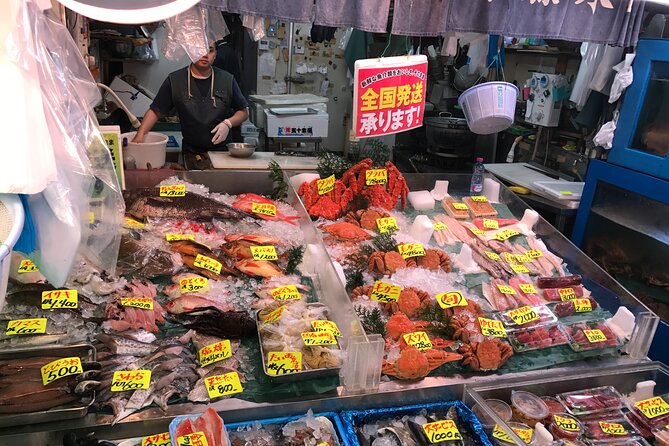
The biggest practical promise here is the amount of food. You’ll get around 5 to 8 food samples, and brunch is included. That matters because Tsukiji is one of those places where it’s tempting to spend money on random items you’ve never tried, then realize you still feel hungry later.
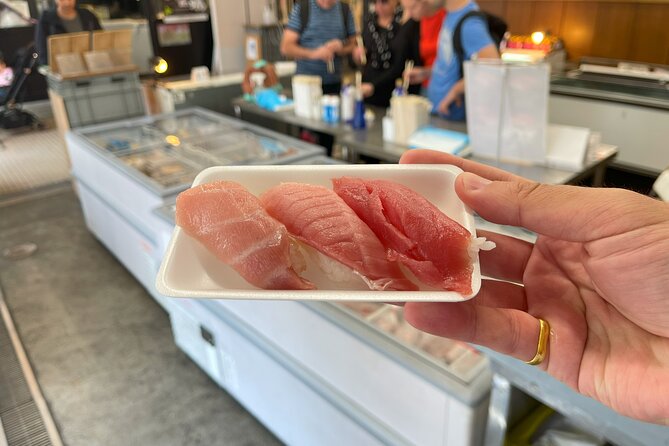
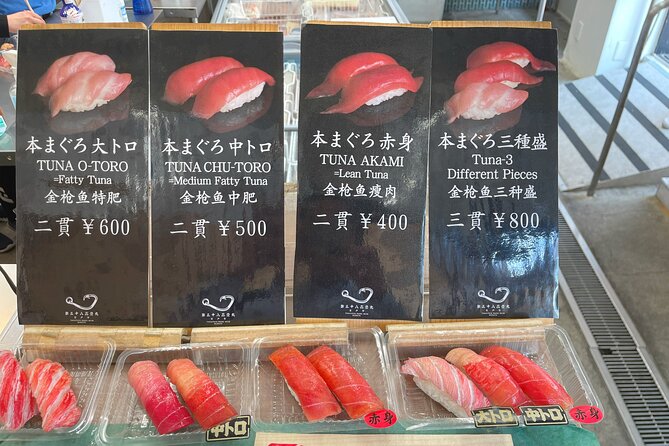
So what kind of food shows up? The tour is described as seafood-focused, with items that can include sushi, oysters, and other fresh seafood you’ll likely never walk past with confidence on your own. In real examples from past tastings, I’ve seen mentions of tuna, miso cod, tamago, ice cream, black tea, and even puffer fish. You should treat these as examples of what might appear, not a guaranteed menu.
A smart way to think about this: you’re not just eating fish. You’re tasting a range of Japanese market flavors that are built for the environment. Many items are quick to serve, easy to share, and designed for people who are moving around constantly.
Stop by stop: Tsukiji stalls, stories about sushi, and a shopping finale
The core of the tour is walking through Tsukiji Outer Market and hopping between shops. The focus is on seeing the working market vibe while also eating from places you might otherwise miss. You start at a specific meeting point at LAWSON Tsukiji 4 Chome Store, then work your way through the stalls with a guide who talks through the history and significance of what’s in front of you.
You can expect the guide to connect the food to the market itself. The tour description highlights histories about sushi and stories tied to the world’s biggest fish market, and the reviews reinforce that the guide explains the meaning behind the stalls, not only the items. That storytelling is part of the value because it turns a crowded place into something that feels legible.
Some runs include extra stops that make the tour feel more like a tour and less like a simple tasting crawl. One review mentions a Japanese knife store as a final stop, which is a great match for Tsukiji. If you like kitchen tools, you’ll likely enjoy seeing the craft side of Japanese food culture.
There’s also mention of a shrine visit in at least one tour experience. Since it’s not listed as a fixed stop in the core outline, think of it as a possible addition rather than something every group will do.
- Mt Fuji and Hakone 1-Day Bus Tour Return by Bullet Train★ 5.0 · 26,383 reviews
- 1-Day Tokyo Bus Tour★ 5.0 · 14,250 reviews
- Tokyo: teamLab Planets TOKYO Digital Art Museum Entry Ticket★ 4.6 · 9,779 reviews
- Mt Fuji & Hakone Cruise, Drum Show Bullet Train 1 Day from Tokyo★ 4.0 · 7,413 reviews
- Tokyo: Shinjuku Food Tour (13 Dishes at 4 Local Eateries)★ 5.0 · 6,603 reviews
What the 2 hours 30 minutes feels like in real life
This is a short, concentrated experience, about 2 hours 30 minutes. That length is ideal for Tsukiji because you’re dealing with crowds and constant movement. Longer tours can feel like you’re sprinting for food. Shorter ones can feel too quick to absorb anything.
The pacing also helps with decision fatigue. If you were doing Tsukiji on your own, you’d have to pick where to eat, when to wait, and what to try. On this tour, you focus on saying yes to the tastings, asking questions, and learning what the guide recommends.
It also ends in a practical place for continuing your day. The tour finishes at the Tsukiji Outer Market area, so you can keep shopping after you’re done eating. That’s a small detail, but it’s one of the best reasons to book instead of eating and leaving, because you don’t have to backtrack to find where the action continues.
Small-group attention, and why it matters in a crowded market
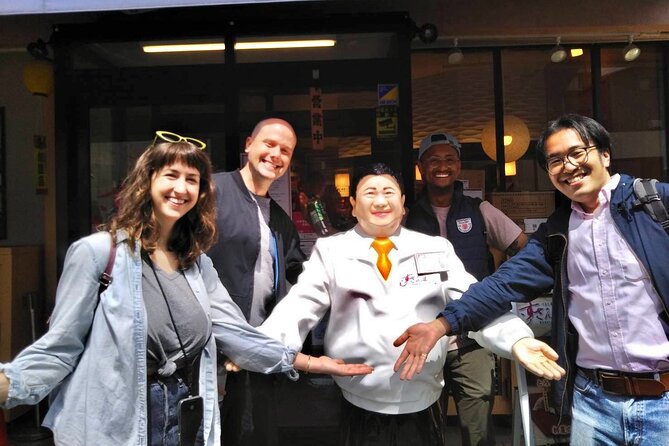
The maximum group size is 12 travelers. In Tsukiji, that’s the difference between moving smoothly and being swallowed by the crowd.
Smaller groups help in a few ways. You get personalized attention, your guide can manage the flow of tastings, and it’s easier for the guide to react if someone wants to linger at a stall or ask a follow-up question. Reviews also praise guides for securing spaces to try foods, which tells you the tour is designed with crowd reality in mind, not just theory.
This is also where seeing names like Keiko and Miyu in reviews becomes useful. When multiple guides are mentioned and described as patient and adaptable, it suggests the tour company trains for the same kind of market leadership, not just for tossing food at the group.
If you’re traveling with kids, there’s also good evidence this format can work. A review mentions doing the tour with toddlers, and another calls out a guide being great with a 10-year-old. You’ll still be standing and walking, but the pacing and guidance can help keep it enjoyable.
Price and value: Is $90 worth it for Tsukiji?
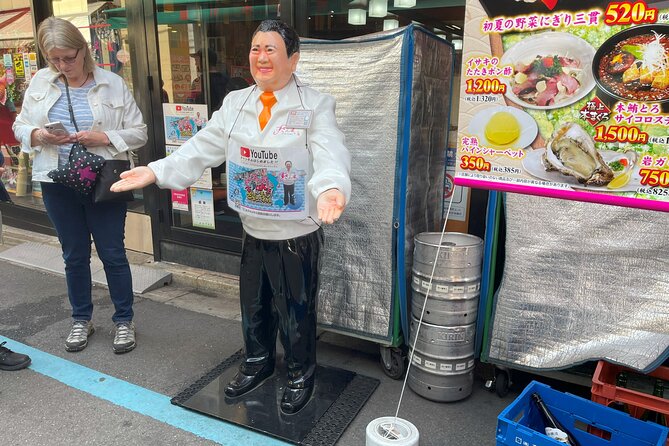
At $90 per person, the price is not cheap, but it’s also not outrageous for a market tour that includes multiple tastings. Here’s how I’d judge the value.
You’re paying for three things:
- Guided navigation through a confusing, crowded area
- Pre-selected tastings so you’re not guessing what’s worth it
- A guide who adds context, including history and stall significance
The tour includes brunch and about 5 to 8 samples, so you should leave with a real meal’s worth of food, not just bites. Admission ticket costs are listed as free in the tour details, which helps keep the experience simpler and easier to budget.
One more value point: this is a short tour that fits busy schedules. If Tsukiji is on your list and time is tight, paying for a guided structure can save you more than money. It saves you time, confusion, and the risk of spending your limited Tokyo energy on the wrong stall.
How to prepare so you enjoy the market more (and regret it less)
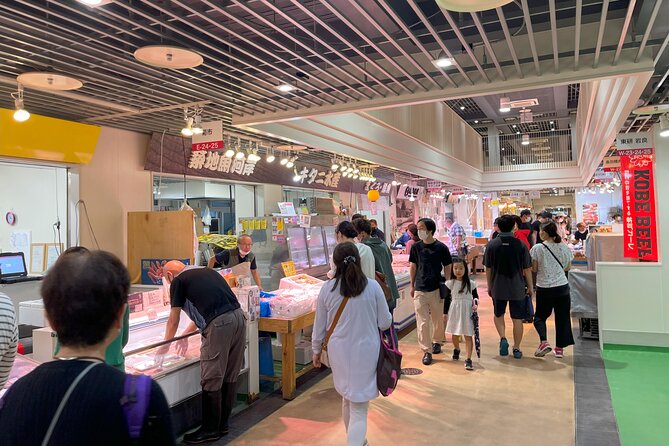
Tsukiji is outdoors and indoors, and it’s crowded. You’ll get the best experience if you show up ready to walk and stand. Comfortable shoes are not optional. Bring a small bag you can keep close, since the market flow can move faster than you expect.
Also, come hungry. Even with 5 to 8 samples, you’re tasting while walking, not settling into a long sit-down meal. If you show up full from breakfast, you may feel like you’re paying for food you aren’t tasting fully.
If you have dietary preferences or you avoid certain seafood, don’t rely on the tour to guess. The tour description emphasizes seafood variety like sushi and oysters, and reviews show additional fish-focused items. If fish is not for you, this might not be the right fit, or you’ll need to manage expectations and ask during the tour.
Finally, have a question ready. This kind of market becomes a lot more fun when you can ask the guide why certain stalls do what they do. Reviews highlight that guides answer food and culture questions, so give them something to work with.
Who should book this Tsukiji food tour, and who should think twice
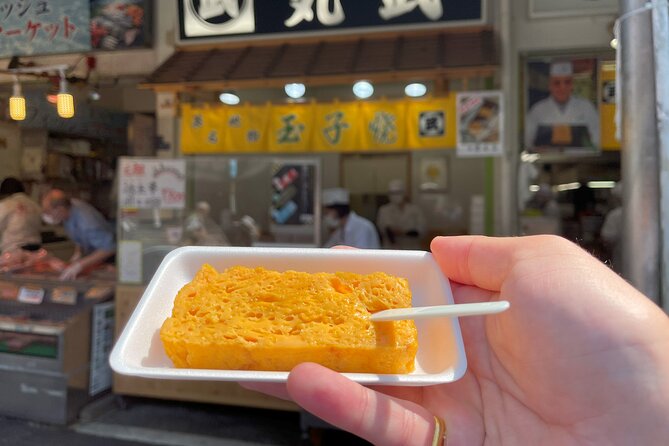
This tour is best for people who want Tsukiji to feel understandable and rewarding. If you’re a first-time visitor, or you know you’ll stress out trying to find good spots on your own, the guided structure is the point.
It also suits food travelers who like variety. Reviews mention trying unusual dishes and drinks, and the tour is designed around hopping between food shops so you get a mix rather than one meal repeated in three forms.
It may not be ideal if you want a wide range of non-seafood choices. The tour is seafood-focused by design, and most tastings are built around fish and related specialties. You might still enjoy the culture and learning, but your eating options could be limited.
If you’re looking for a private, customized itinerary with no walking, that’s also not what this is. It’s a small-group walking tour with included tastings, and it works best when you’re comfortable moving.
Should you book? My honest take
Book it if you want the smartest way to experience Tsukiji Outer Market without losing time in the crowd. The biggest wins are simple: you avoid getting lost, you get 5 to 8 tastings plus brunch, and you leave with a clearer sense of how sushi and fish-market culture connect.
Think twice if you dislike seafood or you’re not comfortable standing and walking for a couple of hours. In that case, you could still enjoy Tsukiji on your own, but you may feel less satisfied with a tour that is built around fish-centric tastings.
If you’re doing Tokyo on a schedule and you want one food-focused activity that actually feels like food, this is a strong choice.
FAQ
How long is the Tsukiji Outer Market walking food tour?
It runs about 2 hours 30 minutes.
What does the tour cost?
The price is $90.00 per person.
How many food samples are included?
The tour includes around 5 to 8 food samples.
Is brunch included?
Yes. Brunch is included.
How big is the group?
The tour has a maximum of 12 travelers.
Where do I meet the guide?
The meeting point is LAWSON Tsukiji 4 Chome Store (4-chōme-8-1 Tsukiji, Chuo City, Tokyo 104-0045, Japan).
Where does the tour end?
It ends at the Tsukiji Outer Market area so you can keep shopping after the tour.
Is private transportation included?
No. Private transportation is not included.
What happens if the weather is bad?
This experience requires good weather. If it’s canceled due to poor weather, you’ll be offered a different date or a full refund.
What is the cancellation policy?
You can cancel for a full refund up to 24 hours before the experience start time. If you cancel less than 24 hours before, the amount paid is not refunded.
Market Mornings We Have Reviewed



Newest Tokyo write-ups from the Loving Japan desk


Tsukiji and Toyosu Fish Markets, side by side.
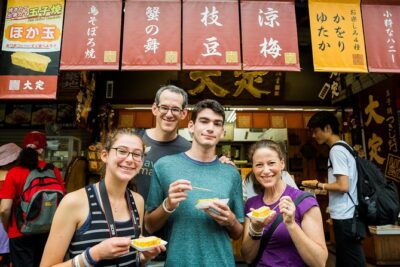 ★ 5.0Tokyo Tsukiji Fish Market Food and Culture Walking TourFrom $993,184 reviews
 ★ 5.0Tsukiji Fish Market Food and Walking tourFrom $301,724 reviews
 ★ 4.9Tsukiji Fish Market Guided Walking TourFrom $221,397 reviews
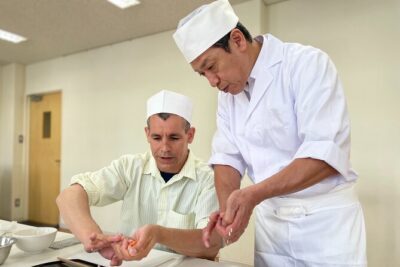 ★ 5.0Tokyo Sushi Making Class in Tsukiji with Professional ChefFrom $491,177 reviews
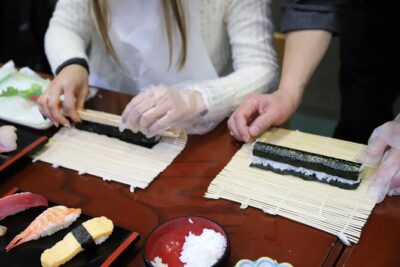 ★ 5.0Tsukiji Fish Market Guided Tour and Sushi Making with Pro ChefFrom $104775 reviews
★ 4.7Tsukiji Fish Market Food and Culture Walking TourFrom $96757 reviews
★ 5.0Tsukiji Fish Market Guided Tour and Sushi Making with Pro ChefFrom $104775 reviews
★ 4.7Tsukiji Fish Market Food and Culture Walking TourFrom $96757 reviews
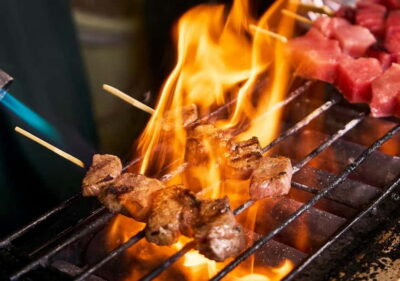 ★ 5.0Tsukiji Fish Market: Street Food & Culture Walking TourFrom $33669 reviews
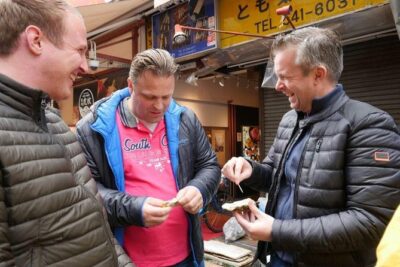 ★ 5.0Tsukiji Fish Market Small-Group Food Walking TourFrom $87621 reviews
Filed on these lists too