
REVIEW · TSUKIJI AND TOYOSU FISH MARKETS
Tokyo: Guided Walking Tour of Tsukiji Market with Breakfast
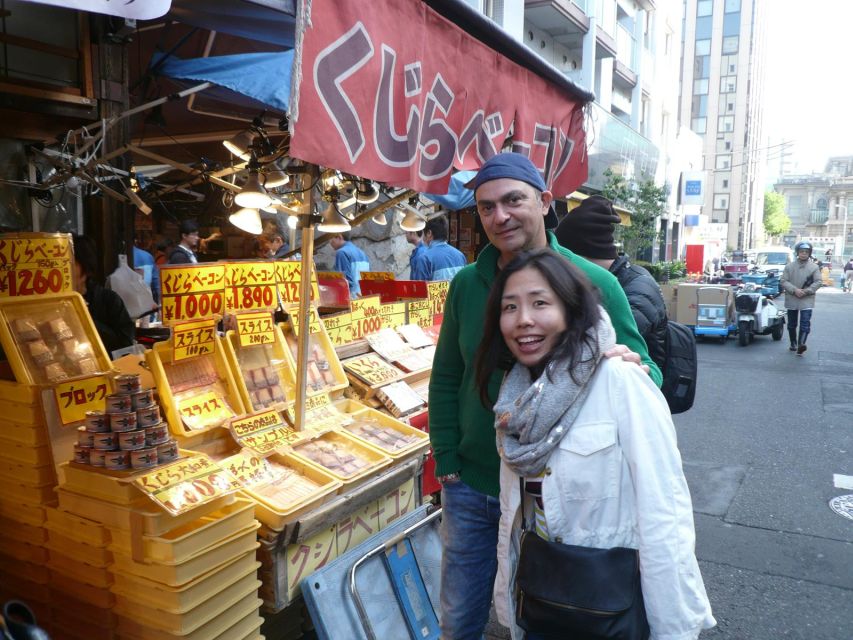
Tokyo’s Tsukiji market hits early and hard. This guided breakfast walk mixes serious food energy with cultural context, starting at Tsukiji Hongwanji Temple before you move into the Outer Market maze. I like the way the tour turns a place that looks overwhelming into something you can actually follow.
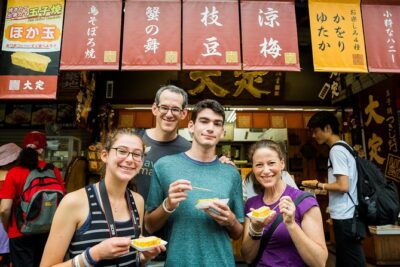
What you’ll likely love most is the 7 included tastings. You’re not just grazing one or two snacks, you’re working your way through a lineup that can include grilled skewers, a Japanese-style omelette, tuna sandwiches, and fried fish paste skewers, plus tea and dashi.
One possible drawback: you’ll be doing a lot of standing and eating in a crowded area, so if you get uncomfortable in lines or have very strict food limits, go in with a plan and communicate early.
In This Review
- Tsukiji breakfast, temple start, and 7 tastings in 150 minutes
- Finding Tsukiji Hongwanji Temple before the noise
- Walking into Tsukiji Outer Market, what you’re really seeing
- How the guide connects food, culture, and religion
- The 7 tastings: what’s on your breakfast menu
- Where you’ll eat, and how you avoid tourist bottlenecks
- Time on the market, and why 150 minutes works
- The small-group feel: easier pacing and better attention
- Pricing: what $85 buys you in real value
- Who this Tsukiji breakfast tour suits best
- Booking decision: should you choose this tour
- FAQ
- FAQ
- How long is the Tsukiji walking tour with breakfast?
- How much does the tour cost?
- Where do I meet for the tour?
- How do I get to the meeting point from Tsukiji Station?
- What is included in the tour?
- What kinds of food tastings are included?
- Is the tour offered in English?
- Is the tour wheelchair accessible?
- What should I bring?
- What is the cancellation policy?
- Is pay later available?
Tsukiji breakfast, temple start, and 7 tastings in 150 minutes

- Temple first, food second so you understand what you’re looking at, not just what you’re eating
- 7 tastings included with a mix of seafood, beef, tea, and dashi soup stock
- Small group of up to 10 for easier pacing through narrow market lanes
- Real-market viewing as you pass wholesalers hard at work and unusual products on display
- Guide helps with ordering and translation so you spend less time guessing and more time tasting
Hungry earlier than that? Other market breakfasts we tried
- Tokyo Tsukiji Fish Market Food and Culture Walking Tour
★ 5.0 · 3,184 reviews - Tokyo: Tsukiji Fish Market Food and Walking tour
★ 5.0 · 1,724 reviews - Tokyo: Tsukiji Fish Market Guided Walking Tour
★ 4.9 · 1,397 reviews - Tokyo Sushi Making Class in Tsukiji with Professional Chef
★ 5.0 · 1,177 reviews
Finding Tsukiji Hongwanji Temple before the noise
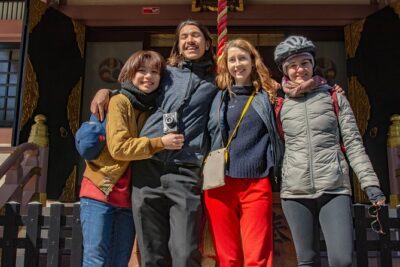
Tsukiji feels like two worlds: the quiet, ritual side you meet first, and the market chaos you step into right after. The tour begins at the main gate of Tsukiji Hongwanji Temple, a great move because it gives you a mental “landing spot.” Before you chase the next bite, you’re orienting your eyes and your understanding.
From the outside, the temple’s architecture is described as ancient and Indian-inspired, which is a fun detail to notice as you walk. Even if you only look from the street, it helps frame Japanese food culture in a bigger picture. It’s not just hunger. There’s religion, routine, and respect for tradition baked into everyday life.
Practical tip: start the morning with comfortable shoes. Even before the market, you’re walking, and the real walking ramps up once you head into the Outer Market.
Walking into Tsukiji Outer Market, what you’re really seeing
After the temple exterior, you head to the Tsukiji Outer Market, one of the largest wholesale fish market areas in the world and a major food stop in Tokyo. If you’ve watched videos of Tsukiji, you might imagine it’s all spectacle. On this kind of guided walk, you get something better: context.
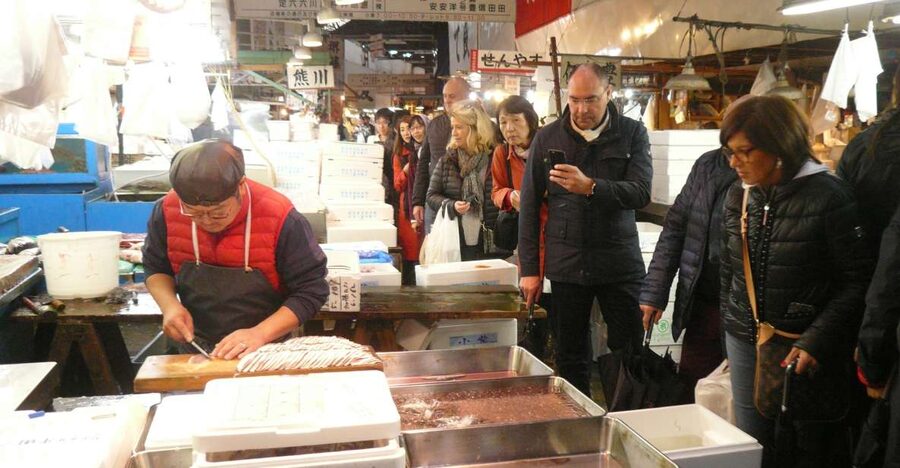
You’ll move through streets lined with restaurants, shops, and stalls. As you pass, you’ll see market workers and expert wholesalers busy at work, not just tourists taking photos. That distinction matters. Without guidance, Tsukiji can feel like a blur of signage and seafood. With a guide, you start noticing patterns: where things move faster, what’s being prepared for breakfast, and how vendors expect customers to order and pay.
One of the strengths of this format is that it’s designed for watching and eating at the same time. You don’t have to pick between either one. You can focus on both, and the guide helps stitch it together so it makes sense as you go.
How the guide connects food, culture, and religion
A lot of food tours stop at flavor. This one also explains how Japanese culture and religion are connected to cuisine. You’ll hear the “why” behind certain foods and the role of ritual in daily eating.
In Japan, food isn’t just fuel, it’s tied to seasons, offerings, and the idea that preparation matters. Starting at the temple sets that tone. Then, when you’re tasting, the explanation helps you connect what you’re eating to the setting you’re in. It’s not heavy or academic. It’s more like, pay attention to this detail, it has a reason.
If you enjoy learning as you eat, this is a good fit. If you hate lectures, you can still enjoy it, because the tour is paced around tastes and walking rather than long speeches.
- Mt Fuji and Hakone 1-Day Bus Tour Return by Bullet Train★ 5.0 · 26,383 reviews
- 1-Day Tokyo Bus Tour★ 5.0 · 14,250 reviews
- Tokyo: teamLab Planets TOKYO Digital Art Museum Entry Ticket★ 4.6 · 9,779 reviews
- Mt Fuji & Hakone Cruise, Drum Show Bullet Train 1 Day from Tokyo★ 4.0 · 7,413 reviews
- Tokyo: Shinjuku Food Tour (13 Dishes at 4 Local Eateries)★ 5.0 · 6,603 reviews
The 7 tastings: what’s on your breakfast menu

This tour includes 7 local specialties, and the lineup is the core reason it’s worth the price. You’re paying for access, timing, and guidance, but the tangible value is the amount and variety of food.
Here’s what’s included, based on the tour description:
- A grilled seafood or beef skewer
- A Japanese-style omelette
- Tuna sandwiches
- Fried fish paste skewers
- A drink
- A sample of Japanese tea
- A sample of dashi soup stock
A few things to know about that mix. First, it’s designed to cover different textures and flavors. You get grilled items, warm brothy dashi, and ready-to-eat bites like sandwiches and skewers. Second, it’s a way to sample fish-related flavors without committing to one single dish you might not like.
From the experience notes, you’ll also see how the tour is flexible about what you want to try. Some participants said they told the guide what worked for them and what didn’t, and the guide adjusted accordingly. That’s a big deal for real people with real preferences, especially if you’re traveling with someone picky.
Food-pace warning: multiple reviews call out that it’s a lot of food. So come hungry and keep your expectations realistic. This is a breakfast experience, not a light snack stroll.
Where you’ll eat, and how you avoid tourist bottlenecks
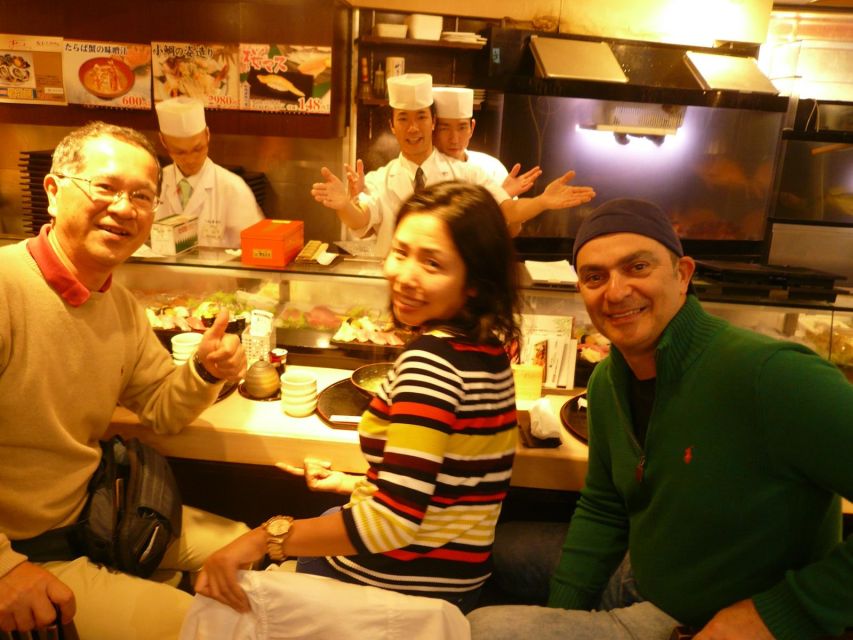
Tsukiji is not built for easy wandering if you’re trying to order and translate on the fly. A big advantage here is that your guide coordinates tastings across multiple stops. That means you’re spending less time reading menus you can’t decode and more time actually eating.
Reviews also mention guides helping with translation and waiting in long lines while the group explores nearby. That matches what you should expect from a small-group walking tour in a market environment. The guide is there to handle the friction points, so you do not lose your morning to confusion.
If you’ve ever been stuck in a line with no idea what’s happening next, this structure helps. You still experience Tsukiji up close, but the hard parts are managed for you.
One caution from feedback: English clarity can vary by guide. In one case, a participant found the guide harder to understand, but they were still able to work around it. If you’re sensitive to that, consider going in with a calm mindset and be ready to point and confirm what you’re tasting.
Time on the market, and why 150 minutes works
The tour runs about 150 minutes, which is long enough to feel like you got a real breakfast and short enough to keep the rest of the morning open. A few participants noted that the visit ends soon enough for you to continue experiencing the market on your own.
That timing matters because Tsukiji is more enjoyable when you have breathing room. You might want to go back for something you loved. Or you might want to wander and buy a snack for later. With 150 minutes, you get the benefits of the guided tastings without burning your whole day.
For planning your Tokyo morning, this is the kind of activity that pairs well with other nearby neighborhoods. You’re not locked into an all-day commitment. You’re getting an early highlight, then you can decide what to do next while you’re still close by.
The small-group feel: easier pacing and better attention
This tour caps the group size at 10 participants, and that matters more than it sounds. In a market, small groups move more smoothly, split less at each stop, and tend to get more attention from the guide.
You’ll also find it easier to ask questions. Reviews mention guides being generous with help, and in one case, a participant even said the guide gave advice for later in the trip. Another person mentioned that the guides answered questions about the area and Tokyo generally. That’s part of the value of a small group, you get interaction, not just a walking playlist.
If you like a bit of personal attention, choose this style of tour over a huge bus group. You’ll feel it in the pace, the ability to adapt, and how quickly you can regroup after short tastings.
Pricing: what $85 buys you in real value
At $85 per person for 150 minutes, the price isn’t “cheap.” But it also isn’t just for walking and photos.
You’re paying for:
- A live English guide
- Access to multiple tasting stops across the Outer Market
- 7 tastings that would be harder, slower, or more confusing to assemble on your own
- Translation support and coordination, especially helpful in lines and vendor situations
- A structured experience that saves time while you’re trying to understand a complex market
If you’re the kind of traveler who wants to taste the market without risking a slow, frustrating search for places that can handle orders in English, then this price starts to feel reasonable. If you already have a strong plan for Tsukiji and you’re happy buying food one shop at a time, you might do it cheaper on your own. But you’ll pay in time and decision stress.
The best way to think about it: $85 is buying you momentum plus variety, not just a list of snacks.
Who this Tsukiji breakfast tour suits best
I’d point this tour toward people who want a guided introduction to Tokyo food culture. It’s especially good for:
- First-time visitors who feel a bit overwhelmed by Tokyo markets
- Food lovers who want variety in one morning
- Travelers who like learning the why behind what they eat
- Groups or families where someone might have preferences, since guides have adjusted tastings for what people are comfortable with
If you hate crowds, don’t like seafood, or want total freedom to roam without structure, you might prefer a self-guided market visit. The tour is built for controlled tasting and walking, so it will feel dense at times.
Booking decision: should you choose this tour
Book it if you want the most efficient way to experience Tsukiji for breakfast, with 7 included tastings and a guide who can explain what you’re seeing. I especially like the temple start, because it gives the morning meaning, not just calories.
Think twice if you’re looking for a quiet, slow stroll. This is a morning focused on market action, lines, and lots of food. Also, if your English comprehension is strict, you may want to keep in mind that clarity can vary by guide based on participant feedback.
FAQ
FAQ
How long is the Tsukiji walking tour with breakfast?
The tour lasts 150 minutes.
How much does the tour cost?
It costs $85 per person.
Where do I meet for the tour?
Meet in front of Tsukiji Hongwanji Temple.
How do I get to the meeting point from Tsukiji Station?
From Tsukiji Station on the Hibiya Line, take Exit A1, turn left, and the temple entrance is about 50 meters from the station.
What is included in the tour?
The tour includes a guide and tasting of 7 local specialties.
What kinds of food tastings are included?
Included tastings can include grilled seafood or beef skewers, a Japanese-style omelette, tuna sandwiches, fried fish paste skewers, a drink, Japanese tea, and dashi soup stock.
Is the tour offered in English?
Yes, the live tour guide speaks English.
Is the tour wheelchair accessible?
Yes, the tour is wheelchair accessible.
What should I bring?
Wear comfortable shoes.
What is the cancellation policy?
You can cancel up to 24 hours in advance for a full refund.
Is pay later available?
Yes, you can reserve now and pay later, so you can book and pay nothing today.
Market Mornings We Have Reviewed

Newest Tokyo write-ups from the Loving Japan desk


Tsukiji and Toyosu Fish Markets, side by side.
 ★ 5.0Tokyo Tsukiji Fish Market Food and Culture Walking TourFrom $993,184 reviews
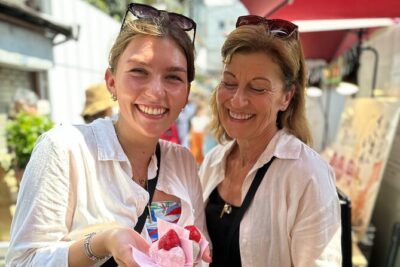 ★ 5.0Tsukiji Fish Market Food and Walking tourFrom $301,724 reviews
 ★ 4.9Tsukiji Fish Market Guided Walking TourFrom $221,397 reviews
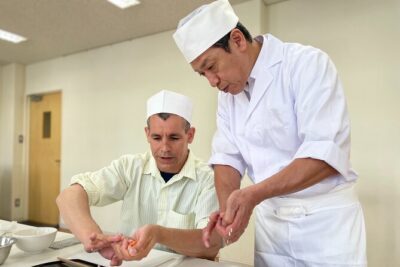 ★ 5.0Tokyo Sushi Making Class in Tsukiji with Professional ChefFrom $491,177 reviews
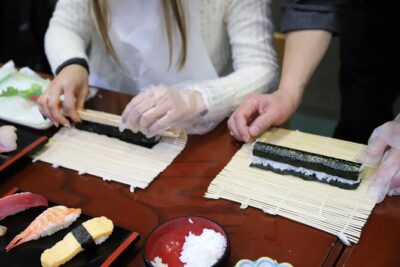 ★ 5.0Tsukiji Fish Market Guided Tour and Sushi Making with Pro ChefFrom $104775 reviews
★ 4.7Tsukiji Fish Market Food and Culture Walking TourFrom $96757 reviews
★ 5.0Tsukiji Fish Market Guided Tour and Sushi Making with Pro ChefFrom $104775 reviews
★ 4.7Tsukiji Fish Market Food and Culture Walking TourFrom $96757 reviews
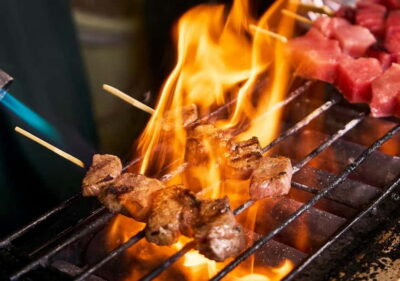 ★ 5.0Tsukiji Fish Market: Street Food & Culture Walking TourFrom $33669 reviews
 ★ 5.0Tsukiji Fish Market Small-Group Food Walking TourFrom $87621 reviews
Filed on these lists too