
REVIEW · TSUKIJI AND TOYOSU FISH MARKETS
Tokyo: Guided Walking Tour of Tsukiji Market with Lunch
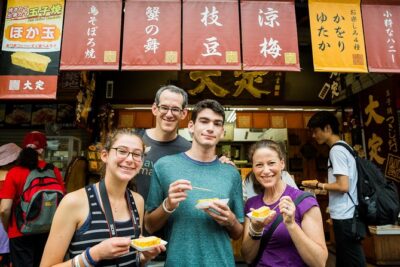
Tsukiji feels like a live food workshop. This guided walk starts at the Tsukiji Hongwanji Temple and then shifts gears into Tokyo’s Tsukiji Outer Market, where you’ll follow expert input and sample 9 local specialties. I especially like the mix of practical food stops plus cultural context, including how Japanese culture and religion can show up in everyday eating.
The main thing to watch is expectations. At $113, this is a guided tasting and walking experience, not a giant all-you-can-eat food festival, and a few people felt the food quality and the covered area did not match the price. If you’re the type who expects top-tier sushi at every stop, plan to judge it in person, and keep an open mind.
In This Review
- Key things to know before you go
- Tsukiji Hongwanji Temple: Start With Religion, Then Follow the Senses
- Outer Market With a Guide: 165 Minutes of Moving, Sampling, and Learning
- The 9 Tastings: What You’ll Eat and Why It Works as a Whole Meal
- Seeing Wholesalers Work: The Market’s Real Education
- Price and Value at $113: Worth It If You Want Guidance Plus Tastings
- Who Should Book This Tsukiji Walking Tasting Tour
- Practical Tips to Enjoy Every Stop in Tsukiji
- Should You Book This Tsukiji Market Tour?
- FAQ
- Where is the meeting point for the tour?
- How do I get there from Tsukiji Station?
- How long is the guided tour?
- What food is included in the tour price?
- Is the tour wheelchair accessible?
- Can I get a full refund if my plans change?
Key things to know before you go
- Tsukiji Hongwanji Temple start: you begin at the temple gate, taking in the ancient Buddhist-inspired exterior before the market noise starts.
- Nine tastings, carefully paced: grilled seafood or beef skewers, Japanese-style omelette, tuna sushi, fish paste skewers, filled rice balls, dessert, drink, Japanese tea, and dashi soup stock.
- A route designed for a quick culture-to-food story: you hear how cuisine links to Japanese traditions and daily life.
- You’ll see wholesalers work close up: not just storefronts, but the people and products behind the scenes.
- Small group format helps with questions and movement: limited to 10 participants, so your guide can steer the group without losing people.
- Some guides focus on keeping the tour tidy and efficient: past groups praised guides for queueing for you and using food boxes or cleaning wipes.
Hungry earlier than that? Other market breakfasts we tried
- Tokyo Tsukiji Fish Market Food and Culture Walking Tour
★ 5.0 · 3,184 reviews - Tokyo: Tsukiji Fish Market Food and Walking tour
★ 5.0 · 1,724 reviews - Tokyo: Tsukiji Fish Market Guided Walking Tour
★ 4.9 · 1,397 reviews - Tokyo Sushi Making Class in Tsukiji with Professional Chef
★ 5.0 · 1,177 reviews
Tsukiji Hongwanji Temple: Start With Religion, Then Follow the Senses
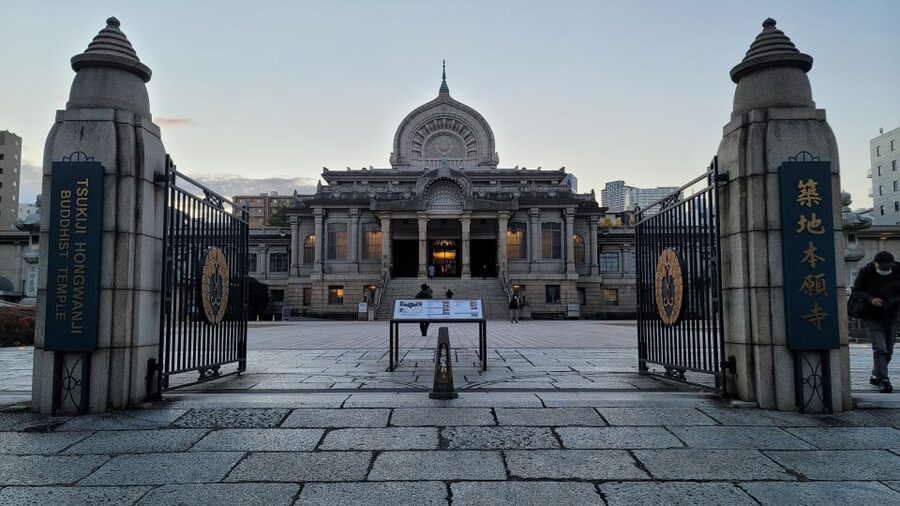
Most food tours jump straight into eating. This one begins at the Tsukiji Hongwanji Temple, meeting you in front of the main gate. From the start, you’re looking at an exterior style described as ancient and inspired by Buddhist tradition with an Indian influence, which sets a different tone than the usual market-tour script.
Why this matters: Tsukiji is not just a place where people buy ingredients. It is also part of Tokyo’s everyday rhythm, where religious spaces sit near working neighborhoods and traditions influence habits, from how people show respect to what feels “right” to eat. Starting at the temple helps you read the area with fresh eyes, instead of treating it like a food theme park.
What to do with your eyes in these first minutes: notice the gate and the exterior details as you walk in. Then, when you head toward the Outer Market, the contrast is immediate. You go from quiet architecture to fast feet, sharp smells, and quick transactions. That shift is one reason the tour feels more coherent than a random restaurant crawl.
Outer Market With a Guide: 165 Minutes of Moving, Sampling, and Learning
Tsukiji’s Outer Market can overwhelm you fast, even if you love food. The key advantage here is a guide who helps you move through it in an organized way. Your tour runs 165 minutes, and the group is capped at 10 people, which keeps the pacing workable and the explanations audible.
The meeting point is easy to find if you’re already near Tsukiji Station on the Hibiya Line. Exit A1, turn left, and the temple entrance is about 50 meters away. This matters because time in Tsukiji is real time. If you arrive late or unprepared, you lose part of the route before the tastings even begin.
A practical tip that will help you enjoy the whole arc: wear comfortable shoes. This is a walking experience, and you’ll be on your feet long enough to notice if your shoes are wrong. Also, expect some standing and waiting around food stops. One guide in past tours was specifically praised for queueing for the group so you could keep exploring while food was ordered, and that kind of small help makes a big difference in a tight market schedule.
The small-group size also changes how you experience the information. With fewer people, you’re more likely to get follow-up questions answered. That’s where a lot of the value lives, because your guide can point out what you should try and how to interpret what you’re seeing in a wholesale environment.
The 9 Tastings: What You’ll Eat and Why It Works as a Whole Meal

This is the core of the tour. You’re not just passing by snacks, you’re sampling 9 local specialties as you walk. The list is specific, and that’s useful because it gives you a clear sense of what kind of flavors to expect.
Here’s how the tasting lineup comes together:
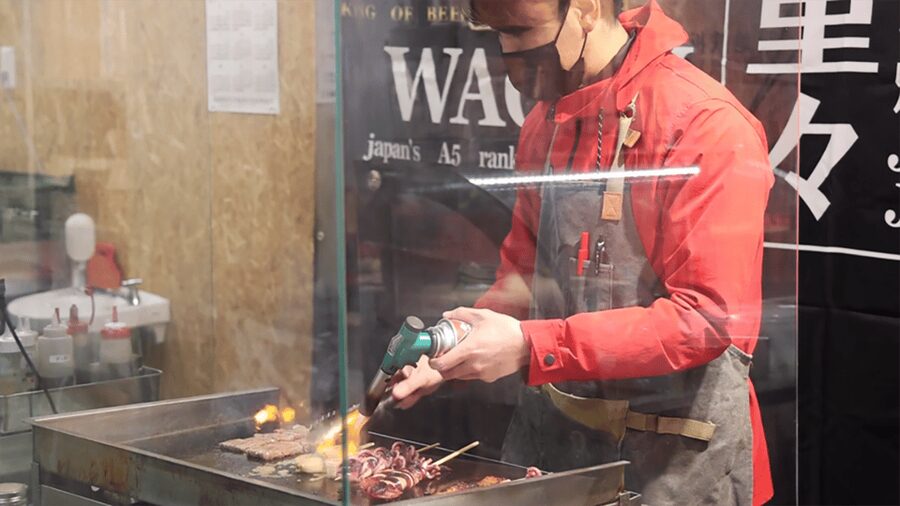
- Grilled seafood or beef skewers: you’ll get skewers that fit Tokyo’s street-food style, with the kind of smoky, savory bite that makes you want the next stop.
- Japanese-style omelette: a softer, egg-forward counterpoint to the grilled items, helpful for resetting your palate.
- Tuna sushi: a classic market signal dish, letting you compare freshness and texture as you move through the area.
- Fried fish paste skewers: a fun texture shift, because you’re moving from flaky fish flavors to something denser and crispier.
- Filled rice balls: these help you slow down. Rice-based snacks are also practical when you’re walking and tasting in sequence.
- Dessert and a drink: you’ll finish with sweetness and a beverage to keep the end from feeling salty or heavy.
- Japanese tea sample and dashi soup stock: this pairing is quietly smart. Tea cools things down, while dashi gives you that savory, broth-based foundation common in Japanese cooking.
Why the order and variety matter: the tastings cover multiple flavor modes, grilled, egg, raw or sushi-style, crisp-fried, and broth. If everything were just seafood, you might get “market overload” and stop tasting with your full attention. Instead, the tour nudges you through texture and flavor changes so each stop feels like a distinct lesson.
Now, the balanced note. Some people thought the food included was not great, with complaints about average sushi and one item described like a tuna mayo-style rice ball. That’s not unusual in a market tasting format, because many tours prioritize convenience and reliable availability. So, go for the guided experience and the cultural learning, not the promise of a single, perfect bite at every station.
If you want the best odds of loving it, arrive hungry with a calm mindset. You’ll get enough variety that you can enjoy multiple hits, even if one stop is merely okay.
- Mt Fuji and Hakone 1-Day Bus Tour Return by Bullet Train★ 5.0 · 26,383 reviews
- 1-Day Tokyo Bus Tour★ 5.0 · 14,250 reviews
- Tokyo: teamLab Planets TOKYO Digital Art Museum Entry Ticket★ 4.6 · 9,779 reviews
- Mt Fuji & Hakone Cruise, Drum Show Bullet Train 1 Day from Tokyo★ 4.0 · 7,413 reviews
- Tokyo Mt Fuji 5th St & Hakone Cruise Bus Tour w/Bullet Train★ 4.4 · 5,024 reviews
Seeing Wholesalers Work: The Market’s Real Education
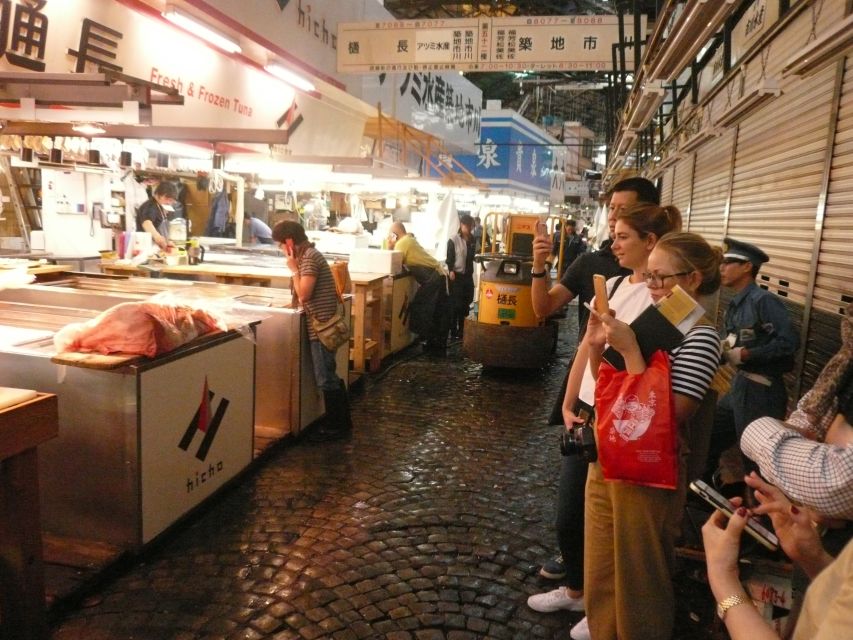
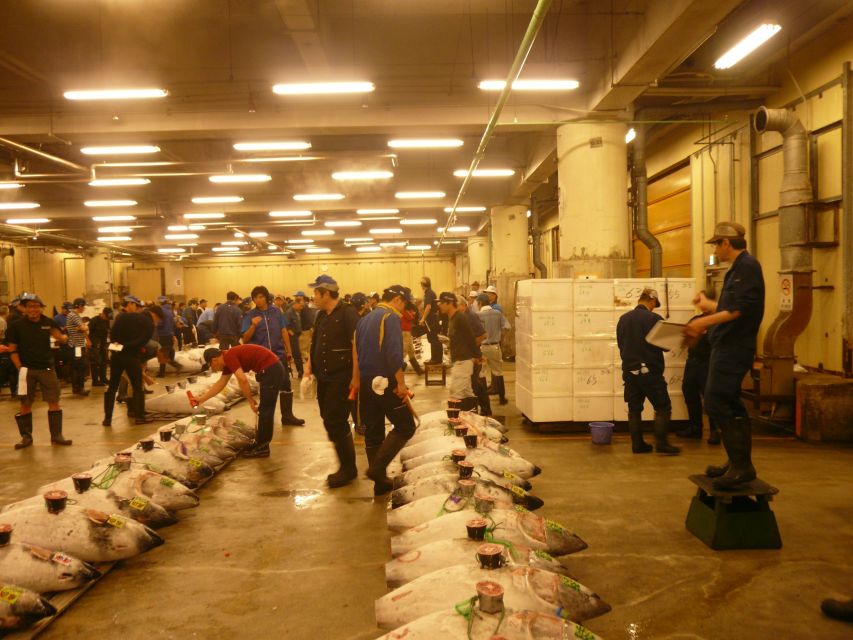
Tsukiji’s reputation often gets reduced to photos of fish displays and quick bites. What makes this tour feel more authentic is watching the wholesale engine behind the scenes. You’ll pass restaurants, shops, stalls, and other businesses while observing expert wholesalers busy at work.
That matters because wholesalers and stall operators don’t operate like typical retail storefronts. The energy is different. You notice rhythm, workflow, and how information moves through a food ecosystem that depends on speed and freshness. If you’ve ever visited a market alone and felt like you missed the point, this is the fix, because the guide helps you interpret what you’re seeing.
A few practical ways to get more out of this part:
- Watch how workers handle products and how quickly things change from one moment to the next.
- Pay attention to the “unusual products” and ask why they’re sold there, not only what they are.
- Use the guide to translate the market logic into something you can understand on the spot.
One past guide was praised for being relaxed and informative, and even for helping the group stay organized with food boxes and cleaning wipes. Another team included an assistant named Sachiko, with the guide Yumiko helping groups navigate and understand the area’s history and context. Those kinds of details may sound small, but in a dense market setting, they reduce stress so you can actually observe.
Price and Value at $113: Worth It If You Want Guidance Plus Tastings
Let’s talk money honestly. This tour costs $113 per person and lasts 165 minutes. You’re paying for a licensed, English-speaking live guide, plus 9 tastings included in the price, plus the time-saving advantage of a route designed for the Outer Market environment.
Where the value shows up:
- You’re getting 9 specific food samples, including savory items like dashi soup stock and tea, plus grilled skewers and sushi.
- You’re getting a cultural framework, including how Japanese culture and religion connect to cuisine.
- You’re getting navigation help in a market that is easy to get lost in if you wander randomly.
Where the value might feel thin:
- If you expected a full-on food feast with standout bites every time, you may feel disappointed.
- If you dislike waiting or standing, the pacing could be a problem.
- If you only care about the area covered, you might find the walking footprint smaller than you hoped.
So I’d frame it like this: the tour is a good value if you want structure, context, and guided tastings in a short window. It’s a weaker value if your top priority is a guaranteed sequence of top-tier, restaurant-quality servings with large portions.
Given the price, I’d also suggest you mentally check your expectations at the door. This is about learning how Tsukiji works and tasting a range of staples, not about leaving with the strongest culinary awards in your memory.
Who Should Book This Tsukiji Walking Tasting Tour
This tour makes the most sense for:
- First-time Tsukiji visitors who want help understanding what matters and what to try.
- Food lovers who like walking and sampling in sequence instead of sitting through one restaurant meal.
- People who enjoy the “how it’s made and why it’s eaten” part, not just the final bite.
- Families and mixed groups who benefit from a small group size, making it easier for a guide to keep everyone together.
It may not be the right fit if:
- You’re expecting a wide area tour with lots of stops beyond the included tastings.
- You’re picky about sushi and want every piece to be exceptional, no matter the crowd and logistics.
- You’re sensitive to minor communication mismatches right at the start. One group described a language barrier early on, even though they liked the guide overall.
If you’re unsure, I’d treat this as a guided sampler and market education. If that sounds like your style, book it.
Practical Tips to Enjoy Every Stop in Tsukiji
You don’t need a lot of special preparation, but a few choices will make the experience smoother.
First: bring comfortable shoes. That’s the only must-have listed, and it’s also the most important in practice. You’ll be walking and standing in a dense area where you don’t want to think about your feet.
Second: eat lightly beforehand. The tour includes nine tastings, plus a tea sample and dashi soup stock, so you’ll have several bites across the 165 minutes. If you arrive starving, you might rush through the experience. If you arrive already full, you might not taste with your full attention.
Third: keep an open mind about the exact menu interpretation. While the tasting categories are clear, the real-world execution can vary by availability and flow. That’s especially true in busy markets. Your goal is to try, compare, and learn from the guide’s direction.
Finally: if you’re the kind of person who likes organization, pay attention to the guide’s system. Some guides have been praised for bringing food boxes and cleaning wipes, and that helps you stay tidy while sampling multiple items. In a place like Tsukiji, small efficiency tricks keep the whole tour from feeling chaotic.
Should You Book This Tsukiji Market Tour?
Yes, if you want a guided walk that blends temple context, market visibility, and 9 included tastings in a short 165-minute window. This is the kind of tour that helps you read Tsukiji like a local, not like a tourist scanning menus.
Maybe think twice if you’re mainly chasing the best possible sushi or a long, wide-ranging food crawl. The market environment and tasting format can create uneven satisfaction, and a few people felt the food quality did not justify the $113 price.
If you book, do it for the combo: guidance through the Outer Market, seeing wholesalers in action, and letting the guide steer you through a set of Japanese street-food and market staples you can’t easily build on your own.
FAQ
Where is the meeting point for the tour?
You meet in front of Tsukiji Hongwanji Temple.
How do I get there from Tsukiji Station?
From Tsukiji Station on the Hibiya Line, take Exit A1 and turn left. The temple entrance is about 50 meters from the station.
How long is the guided tour?
The tour lasts 165 minutes.
What food is included in the tour price?
The tour includes tastings of 9 local specialties.
Is the tour wheelchair accessible?
Yes, the tour is wheelchair accessible.
Can I get a full refund if my plans change?
Yes. You can cancel up to 24 hours in advance for a full refund.
Market Mornings We Have Reviewed


Newest Tokyo write-ups from the Loving Japan desk






Tsukiji and Toyosu Fish Markets, side by side.
 ★ 5.0Tokyo Tsukiji Fish Market Food and Culture Walking TourFrom $993,184 reviews
 ★ 5.0Tsukiji Fish Market Food and Walking tourFrom $301,724 reviews
 ★ 4.9Tsukiji Fish Market Guided Walking TourFrom $221,397 reviews
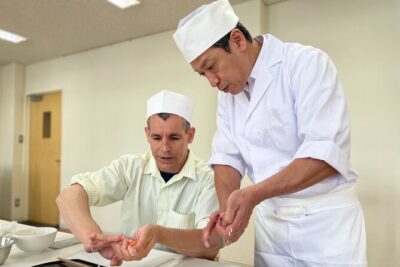 ★ 5.0Tokyo Sushi Making Class in Tsukiji with Professional ChefFrom $491,177 reviews
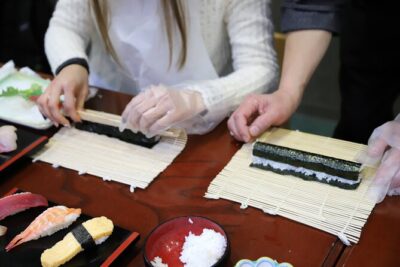 ★ 5.0Tsukiji Fish Market Guided Tour and Sushi Making with Pro ChefFrom $104775 reviews
★ 4.7Tsukiji Fish Market Food and Culture Walking TourFrom $96757 reviews
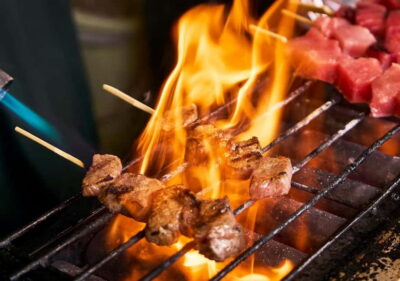 ★ 5.0Tsukiji Fish Market: Street Food & Culture Walking TourFrom $33669 reviews
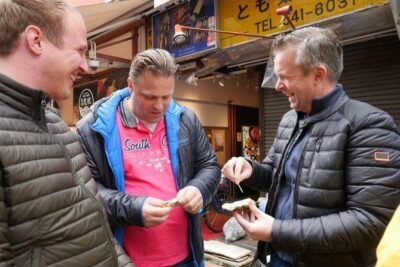 ★ 5.0Tsukiji Fish Market Small-Group Food Walking TourFrom $87621 reviews
Filed on these lists too