
REVIEW · SHIBUYA, SHINJUKU AND HARAJUKU WALKS
Tokyo: Harajuku Meiji Shrine to Shibuya Crossing Guided Tour
Tokyo clicks when someone plans the route for you. I like the guided navigation that saves you from map-scanning, and I like the small-group cap that keeps the walk manageable even in big crowds. In about two hours, you move from Meiji Jingu Shrine to Takeshita Street, then end at prime photo time near Shibuya Scramble Crossing.
The only catch is the tight timeline. You cover a lot in a short window, so if you want long, slow stops, you might wish for more time at each place. Still, it is a smart way to get your bearings fast in Tokyo.
In This Review
- Key things to know before you go
- A guided Harajuku to Shibuya route that actually saves time
- Meiji Jingu Shrine: calm power before the chaos
- Takeshita Street: fast access to Harajuku style
- Shibuya Scramble Crossing photos, timed for real life
- How the guide and small group change the whole experience
- Price and value: what $79.73 really buys you
- Getting there and where the tour ends in Shibuya
- Comfort tips that make the whole route easier
- Who this tour is best for
- Should you book this Harajuku to Shibuya guided tour?
- FAQ
- What is the duration of the Tokyo Harajuku to Shibuya guided tour?
- How much does the tour cost?
- How many people are in the group?
- What is included in the tour price?
- Are admission tickets included?
- Do I need a printed ticket?
- Where does the tour start and end?
- How much walking is involved between the Harajuku and Shibuya parts?
- What fitness level is required?
- Is free cancellation available?
Key things to know before you go
- Small group of 10 travelers max means you get more interaction and fewer bottlenecks
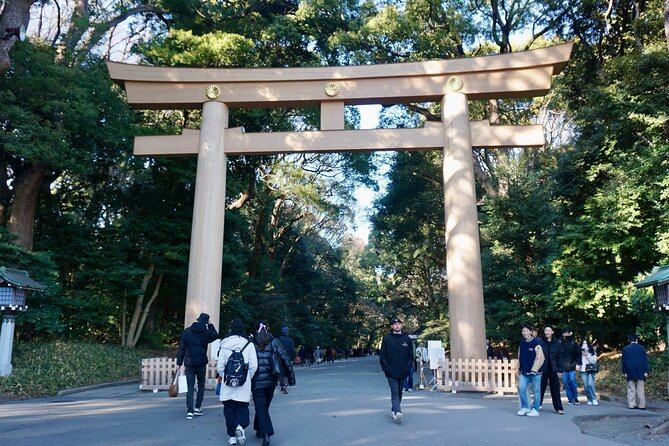
- Meiji Jingu Shrine first sets a calm tone, with a focus on the shrine’s New Year history
- Takeshita Street stop gives you quick access to the Harajuku fashion and kawaii shops
- Shibuya Crossing photo time puts you at the center of Tokyo’s most famous intersection
- Omikuji (fortune paper) fee included so you do not have to figure out that small cost
Other routes through the west side of Tokyo, compared
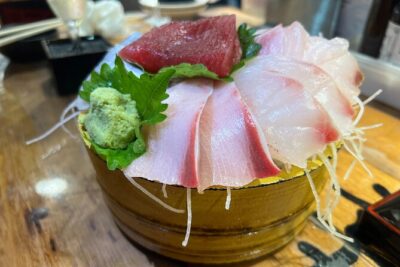
- Tokyo: Shinjuku Food Tour (13 Dishes at 4 Local Eateries)
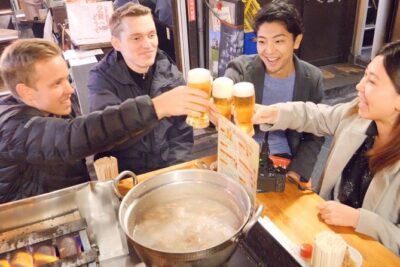
★ 5.0 · 6,603 reviews - Tokyo Bar Hopping Tour in Shinjuku (All-You-Can-Drink + Dinner)
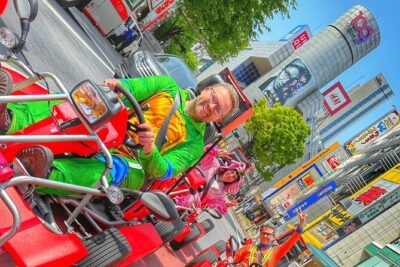
★ 5.0 · 3,587 reviews - Official Street Go-Kart in Shibuya
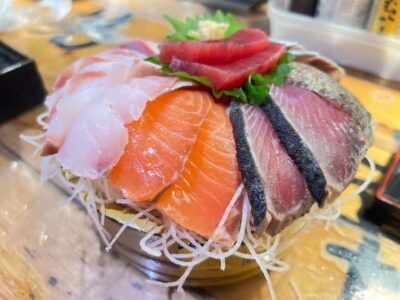
★ 5.0 · 3,435 reviews - Tokyo: Shinjuku Food Tour (15 Dishes and 4 Eateries)
★ 4.9 · 2,033 reviews
A guided Harajuku to Shibuya route that actually saves time
If it is your first time in Tokyo, your biggest enemy is not language. It is decision fatigue. Harajuku and Shibuya both look like they demand a whole day each, and the routes between them can feel like a maze when you are tired.
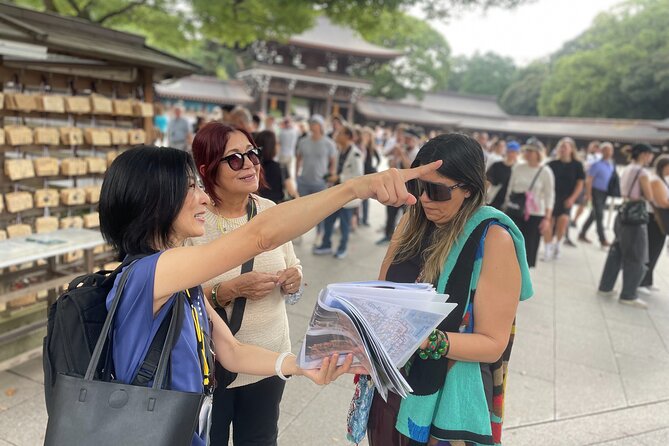
This tour solves that with a simple structure. You are not wandering for hours trying to guess what is worth your time. A guide leads you through three high-impact zones, with commentary along the way so the scenery connects instead of feeling random. The total time is about two hours, so it works well when you want Tokyo highlights without turning your feet into hamburger.
I also like that you get a small-group experience. With a cap of 10 travelers, it stays more human than the big-bus style tours. You can ask quick questions, and your pace stays close to walking speed rather than sprinting between photo stops.
Meiji Jingu Shrine: calm power before the chaos
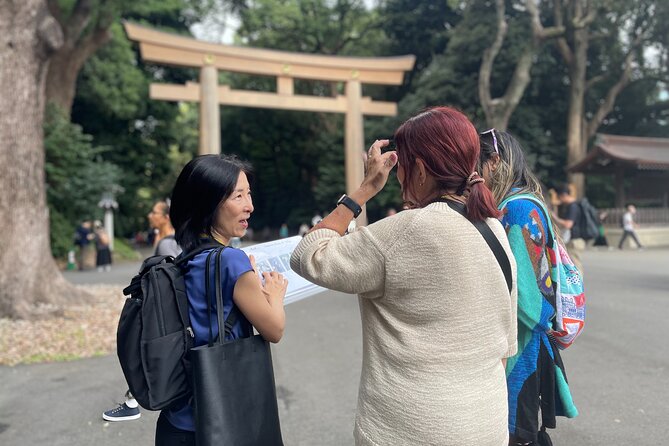
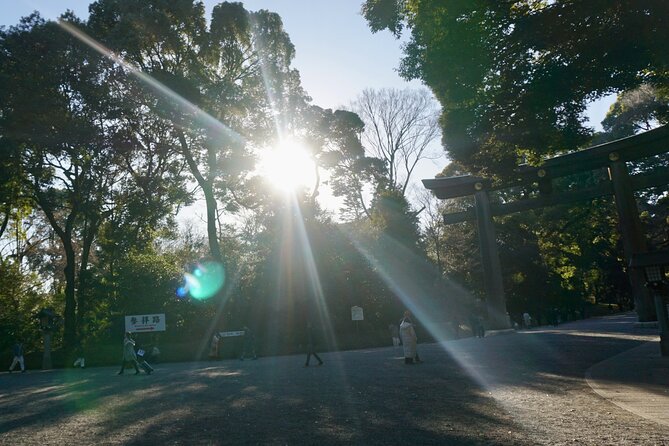
Starting at Meiji Jingu Shrine is a smart move. Even if you have zero interest in shrines, the atmosphere does something to your brain. You step into an area known for a sense of natural energy, and the history is tied to a very specific seasonal tradition.
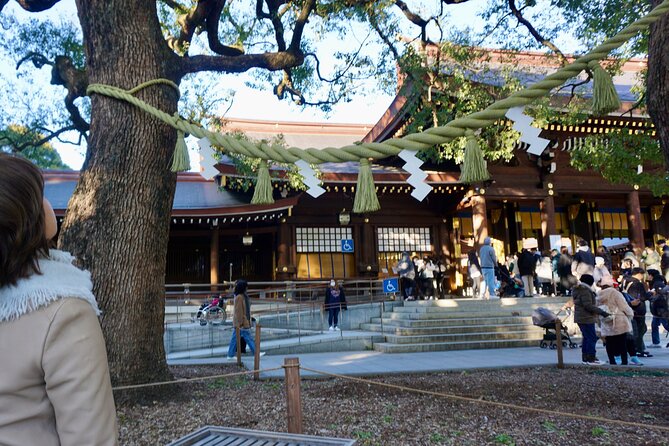
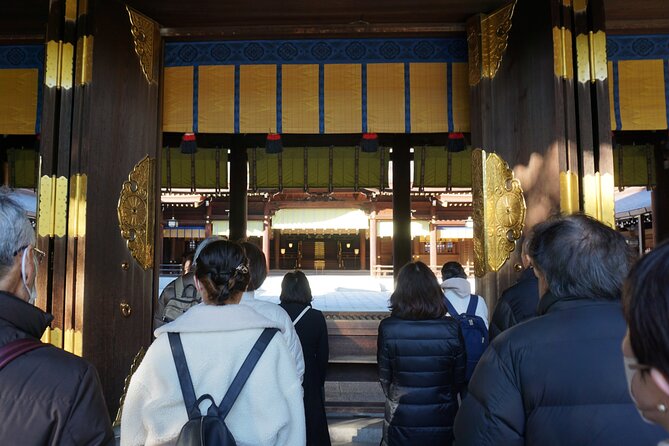
Meiji Jingu is said to be the most visited shrine in Japan for Hatsumode, the New Year shrine visit. That context matters. It helps you understand why the place feels so important, not just decorative. Instead of treating it like another photo backdrop, you get a sense of how people relate to the shrine at key moments in the year.
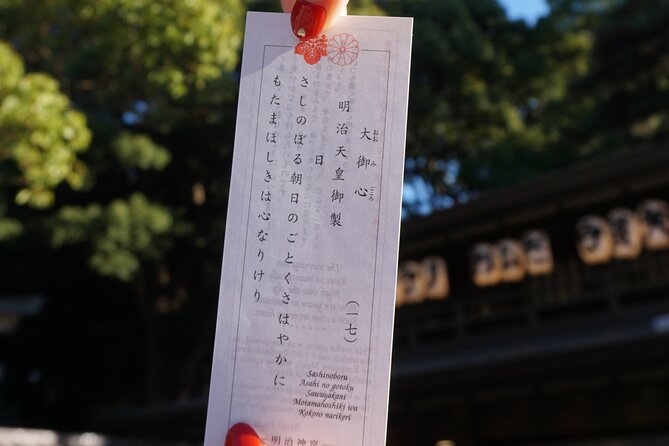
You also get the included omikuji fortune paper fee. That is one of those tiny cultural add-ons that often gets skipped when people self-tour. Here, it is built in. You are not left hunting for the right spot or figuring out what the ritual is called in English.
A practical note: this portion is about slow walking and standing still. It is not a strenuous climb, but it can still be a lot of time on your feet, especially if you are sensitive to long lines or slow-moving groups.
One more bonus angle comes from a real moment guests have mentioned. During the shrine visit, some groups have seen a traditional wedding. You cannot plan for that, but it is exactly the kind of thing that makes a guided visit feel worth it.
Takeshita Street: fast access to Harajuku style
After the shrine, the mood shifts. Takeshita Street is where Harajuku turns into pop culture in real time. This is the part that feels loud, colorful, and designed for walking slowly while looking up and around.
The street is known for fashion stores and lots of cute, kawaii-style shops. If you want a quick hit of what Harajuku is famous for, this stop does it. It is short, about 30 minutes, so you do not get stuck shopping your life away, but you do get enough time to browse, snack, and take photos.
Food is the big temptation here. The tour area is associated with Japanese-style crepes, and it makes sense as a grab-and-go treat while you stroll. Since the tour does not list food as included, I treat it as optional. If you are hungry, plan on eating here rather than trying to decide later.
The main drawback to a short Takeshita Street stop is that the busiest streets can be slow. Crowds can compress your movement and make it harder to stop exactly where you want. Your guide helps you avoid the worst meandering, but you still need to accept that Harajuku is popular, and the sidewalks are part of the show.
If you are the type who likes to read signs and compare shop styles, you will probably love the variety. If you prefer quiet experiences, you may feel the shift from shrine calm to street energy a bit jarring.
The central Tokyo landmarks, reviewed one by one
- Flagship 2-Hours Official Street Go-Kart Tour – Tokyo Bay Shop★ 5.0 · 4,974 reviews
- Tokyo: Imperial Palace and Shogun Historical Walking Tour★ 5.0 · 2,251 reviews
- Tokyo: Meiji Shrine, Asakusa, Skytree Bus Tour and Cruise★ 4.7 · 1,986 reviews
- Chopstick Making Workshop in Ginza★ 4.8 · 1,366 reviews
- Tokyo Panoramic 1 Day: Meiji Shrine, Asakusa, Odaiba and SKYTREE®★ 4.5 · 1,222 reviews
Shibuya Scramble Crossing photos, timed for real life
Then you head to Shibuya. From Takeshita Street, it is about a 20-minute walk. That is actually good news: you get a chance to see more of the city than if you took trains back and forth, and walking keeps the tour feeling connected.
Shibuya Crossing is famous for a reason. When you arrive, you are surrounded by the kind of street theater that makes Tokyo feel like Tokyo. This stop is focused on photo opportunities. You are given time to stand near the action and shoot the crossing without feeling like you are constantly checking which direction to go next.
One thing I appreciate about a guided approach here is positioning. The crossing is chaotic by design. Even if you know what it looks like in photos, the real version comes with angles, crowd flow, and timing that can be confusing. A guide helps you find a workable spot and keeps the group from spilling into places that slow everyone down.
This stop is also where you want to think about your phone and your body. Bring the right strap or grip if you like steady photos. Also, if you are wearing uncomfortable shoes, Shibuya will punish you fast because the crowd stand-still moments can add up.
Expect lots of people. That is part of the point. If you want emptier streets, this is not the tour to chase solitude.
How the guide and small group change the whole experience
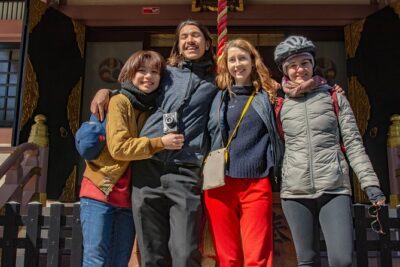
The star of this tour is the guide. You get a guide for the full route, plus commentary as you move through each area. That matters because Tokyo is layered. Places look similar at first, but the meanings are different, and a guide gives you those connections in plain language.
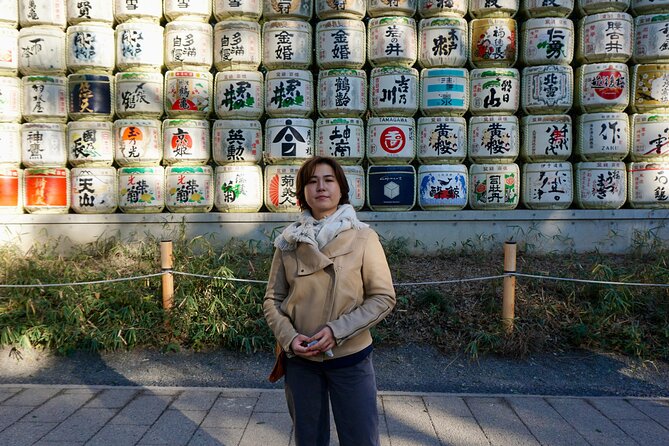
In the feedback I’ve seen, Naoko is specifically mentioned for being friendly, informative, and speaking very good English. That is not just a nice detail. Clear English makes it easier to understand what you are seeing right now, not later when you are back in your hotel room Googling things.
The small-group cap at 10 travelers helps the whole flow. You are less likely to get lost in a crowd, and your guide can still manage attention. It also makes questions feel normal. If something feels confusing, you can ask and move on without derailing the group.
That said, small group does not mean no crowds. Harajuku and Shibuya are popular areas. The difference is that you are not dealing with the problem alone.
Price and value: what $79.73 really buys you
At $79.73 per person for about two hours, the tour is not cheap in the way a free walking tour might be. But it is also not overpriced when you look at what is included.
Here is what you are paying for, in practical terms:
- A live guide who handles navigation and commentary
- Access to the key stops in a short time window
- The omikuji (fortune paper) fee included
- Admission tickets are listed as free for the stops
So the money mostly covers the guide and the time saved. If you are a first-timer and you want to hit three major areas, the guide can be the difference between a smooth day and a day spent wandering while everyone else seems to know where to go.
Also, the tour uses a mobile ticket. That reduces small friction, which adds up when you are moving fast.
If you already know Tokyo well and you love spontaneous planning, you might spend less DIY. But if you want a structured highlights loop, $79.73 feels like paying for convenience and clarity, not paying for museum admissions.
Getting there and where the tour ends in Shibuya
Start and end points matter because Tokyo can be unforgiving about walking distances when you end up on the wrong side of an area.
You start at Harajuku Station. The meeting location is listed as 1 Chome-18 Jingumae, Shibuya, Tokyo 150-0001, Japan. That is close to the action, so you are not fighting the first leg of the day.
You end at Shibuya Mark City, specifically a viewpoint right next to both JR and Ginza line. That is a convenient finish because it puts you near major rail options for the next part of your day. If you plan to keep exploring after the tour, this helps.
What I’d do in your shoes: arrive a little early. Even with a guide, you want breathing room to find the correct entrance and match your group before you start walking.
Comfort tips that make the whole route easier
This is a walking-based tour, and the fitness level is listed as moderate. That does not mean you need to train for a marathon, but it does mean you should treat your shoes as part of the plan.
Wear comfortable walking shoes with decent grip. Harajuku and Shibuya sidewalks can be busy, and you will spend time standing for photos. If you tend to get tired in crowds, plan on taking breaks only when the guide stops the group, not by wandering off.
Also, charge your phone before you go. You will be photographing Meiji Jingu’s serene setting, Takeshita Street’s shops, and Shibuya Crossing’s high-energy intersection.
If you do not like carrying stuff, travel light. You are moving between areas and you do not want to manage a heavy bag while you are trying to hold a phone, drink water, and keep up with the group.
Who this tour is best for
This tour works especially well for:
- First-time visitors who want their bearings in Tokyo without overthinking routes
- People who like a mix of tradition and pop culture in one afternoon
- Travelers with limited time who still want to see Meiji Jingu, Harajuku, and Shibuya Crossing
- Anyone who benefits from a guide managing crowd flow and timing
It may not be your best fit if:
- You hate crowds and prefer quiet streets
- You want deep, slow exploration at each location rather than a short highlight loop
- You get uncomfortable on your feet for extended stretches
The sweet spot is someone who wants Tokyo to feel connected, not like three separate stops you have to stitch together yourself.
Should you book this Harajuku to Shibuya guided tour?
If you want a straightforward Tokyo highlight route and you value a guide to handle navigation, this is an easy yes. The tour is built for getting oriented fast, and the small group size makes it feel more like you are walking with someone who knows the area rather than herding people through checklists.
Book it if you are traveling on a schedule and you want to leave with photos that actually match what you hoped to see: Meiji Jingu’s New Year significance, Takeshita Street’s Harajuku style, and Shibuya Crossing at its most recognizable.
Skip it or consider a different format if you prefer quiet pacing and long stops. This is short on purpose. It gives you a lot of Tokyo in about two hours, but it also means you cannot slow down and linger.
FAQ
What is the duration of the Tokyo Harajuku to Shibuya guided tour?
The tour runs for about 2 hours.
How much does the tour cost?
The price is $79.73 per person.
How many people are in the group?
The group is capped at a maximum of 10 travelers.
What is included in the tour price?
The tour includes a tour guide and the omikuji (fortune paper) fee.
Are admission tickets included?
Admission tickets for the included stops are listed as free.
Do I need a printed ticket?
No, the tour uses a mobile ticket.
Where does the tour start and end?
It starts at Harajuku Station and ends at Shibuya Mark City, at the viewpoint next to both JR and the Ginza line.
How much walking is involved between the Harajuku and Shibuya parts?
After Takeshita Street, it is about a 20-minute walk to reach Shibuya.
What fitness level is required?
The tour lists a moderate physical fitness level.
Is free cancellation available?
Yes, free cancellation is available. You can cancel up to 24 hours in advance for a full refund.
Central Tokyo Landmarks



West Tokyo on Foot: Seven More

Newest Tokyo write-ups from the Loving Japan desk
Shibuya, Shinjuku and Harajuku Walks, side by side.
 ★ 5.0Shinjuku Food Tour (13 Dishes at 4 Local Eateries)From $866,603 reviews
 ★ 5.0Tokyo Bar Hopping Tour in Shinjuku (All-You-Can-Drink + Dinner)From $1063,587 reviews
 ★ 5.0Official Street Go-Kart in ShibuyaFrom $763,435 reviews
 ★ 4.9Shinjuku Food Tour (15 Dishes and 4 Eateries)From $852,033 reviews
 ★ 4.9Shinjuku Local Bar and Izakaya Guided Walking TourFrom $341,794 reviews
 ★ 5.0Tokyo Shinjuku Chopsticks Making ClassFrom $201,763 reviews
 ★ 5.0Tokyo Shinjuku Sumo Show & Experience with PhotoFrom $791,750 reviews
 ★ 4.9Street Kart Experience in ShibuyaFrom $741,484 reviews
Filed on these lists too