
REVIEW · ASAKUSA, SENSO-JI AND TOKYO SKYTREE
Tokyo : Kimono Rental in Asakusa Provided by KanoWafuku
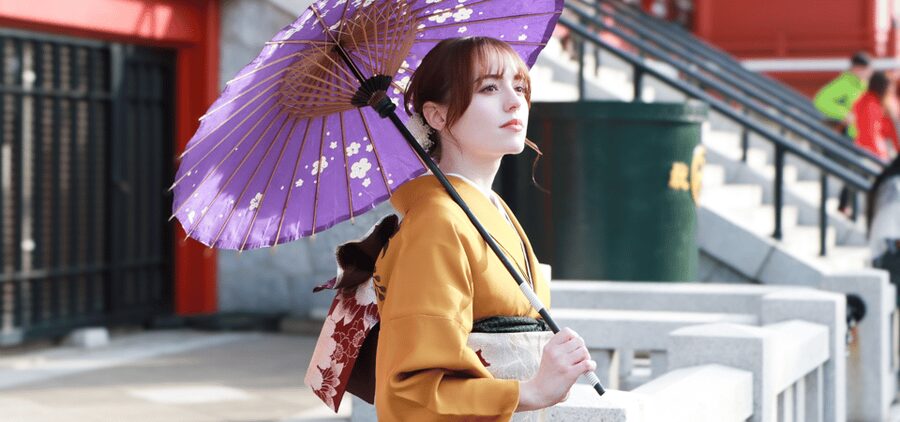
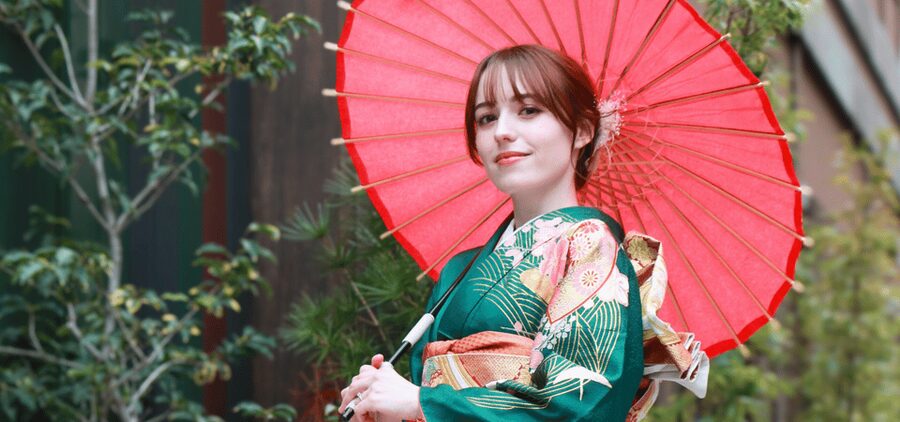
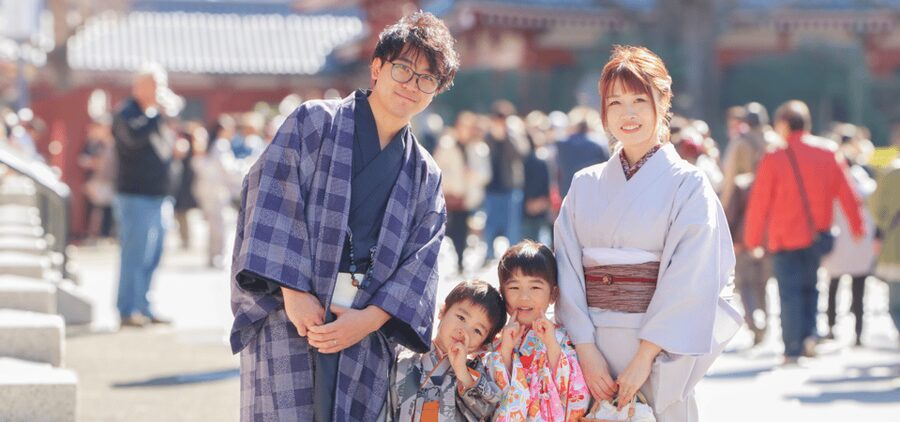
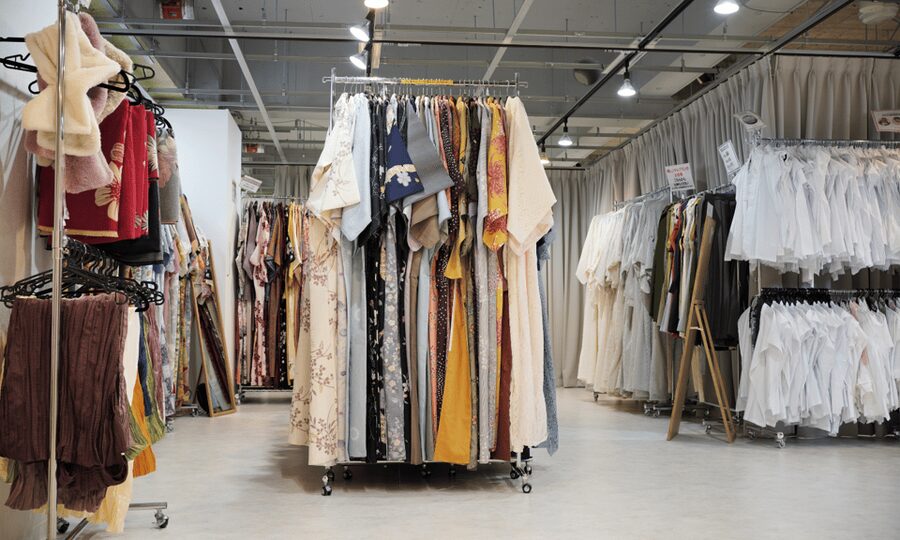
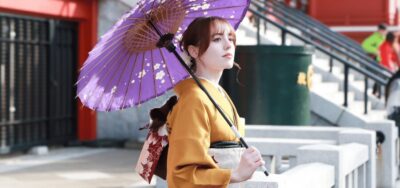
A kimono walk in Asakusa starts fast. KanoWafuku puts you just 3 minutes from Sensoji Temple, and the whole process is built to get you out the door in time for sightseeing. What I like most is how easy it feels to do your first kimono, thanks to renting empty-handed with all accessories provided, plus a huge selection (over 300 items).
The second big win for me is the choice. You can pick from many styles, and the price does not change based on the type of kimono or yukata you select for your plan, so you are not locked into one look.
One thing to consider: if you want extra decorative items, some options are paid locally (and accessory add-ons require cash). Also, hair styling is women only, so men should set expectations for what is included.
In This Review
- Key highlights to know before you go
- Asakusa is the right stage for a first kimono
- KanoWafuku at a glance: $19 value and what’s included
- The flow that gets you dressed, styled, and out the door
- 1) Arrive for reception at your reserved time
- 2) Reception and optional accessories, with cash only for add-ons
- 3) Kimono selection, with lots of inventory
- 4) Luggage change, plus a heads-up on large bags
- 5) Dressing in a dedicated area
- 6) Hair set for women, plus styling patterns
- 7) Sandals and geta selection
- 8) Go sightseeing right after dressing
- 9) Return by the final time, or expect fees
- Timing reality: how to avoid feeling rushed
- Women’s hair styling details, and what men should expect
- Accessories and optional extras: where cost can change
- Footwear and comfort: small choice, big effect
- Luggage and leaving things behind while you roam
- Who should book KanoWafuku, and who should skip it
- Should you book KanoWafuku in Asakusa?
- FAQ
- How far is KanoWafuku from Sensoji Temple?
- What is the price and duration?
- Can I come empty-handed?
- What is included in the rental set?
- Is hair styling available for men?
- What is the final time I must return the kimono?
- Are there extra charges I should expect?
Key highlights to know before you go
- 3-minute walk to Sensoji Temple, so you can start sightseeing right away
- Empty-handed rental is supported, with accessories included
- 300+ kimono and yukata items to choose from
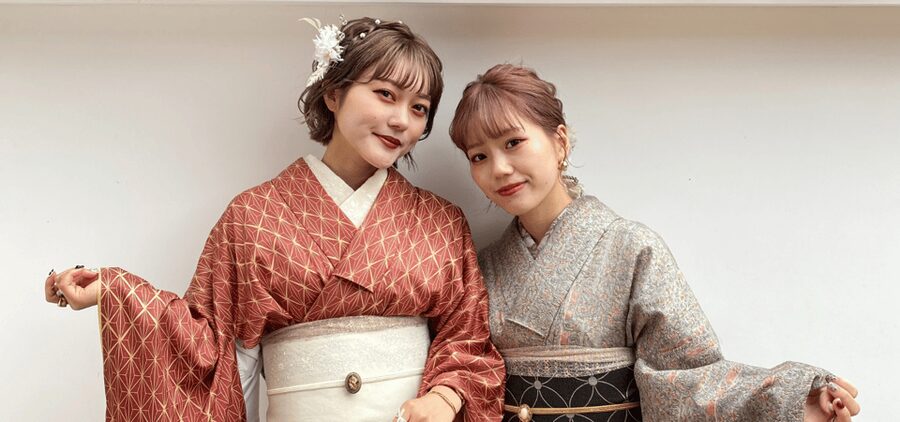
- Women get hair set and hair ornaments, men do not
- Final return time is 5:30 p.m., no matter when you book
Still on the Sumida side? A few more Asakusa options
- Tokyo Asakusa: Miu Kimono Rental and Optional Photoshoot
★ 4.9 · 54 reviews
Asakusa is the right stage for a first kimono
Asakusa is one of the easiest places in Tokyo to pull off a kimono day. You are close to the kind of traditional streetscape people picture, and in this case you are also very close to the action. KanoWafuku’s location is about a 3-minute walk to Sensoji Temple, which matters because you will actually use the time you spend renting.
Here is the practical part. If you are going to wear a kimono, you want the outfit to do something for you, not just sit in photos. This rental is set up so that once you are dressed, you head out immediately to explore nearby spots and restaurants in kimono.
Small groups also help the vibe. The experience is limited to 6 participants, so you are not stuck waiting behind a huge line of other people getting dressed.
KanoWafuku at a glance: $19 value and what’s included
KanoWafuku rents kimonos in Asakusa for $19 per person, and the experience runs about 1 hour. That sounds quick, and it is, because the typical window from reception through dressing and hair styling to departure is usually 45 to 70 minutes. Season and timing can shift that a bit, so plan to arrive close to your reservation time.
What I like about the value is that you do not need to source anything in advance. The shop provides the kimono rental set and includes dressing, and it also includes hair set and hair ornaments for women. If you are worried about forgetting a zipper tab, shoes, or an extra accessory, this kind of setup reduces stress fast.
Also, the store opened July 1, 2023, which often means facilities and procedures are more streamlined than older, long-running operations. That is not a guarantee, but it fits the overall flow they provide.
The flow that gets you dressed, styled, and out the door
This is a rental experience, not a guided tour, so your “itinerary” is really the sequence of steps from check-in to sightseeing. Once you understand the order, you can manage your time and avoid last-minute stress.
- Tokyo: Sumo Show Experience with Chicken Hot Pot and a Photo★ 4.8 · 6,678 reviews
- Tokyo: Karate Experience with Former All-Japan Champion★ 4.9 · 46 reviews
- Made from flour in 30min! Ramen-noodle Making Experience!★ 4.8 · 24 reviews
- Japanese paper Notebook and Mizuhiki Belt Bookmark Workshop★ 4.9 · 14 reviews
1) Arrive for reception at your reserved time
You should plan to arrive at the time you reserved. The key point is that you will be moving through reception, kimono selection, dressing, and (for women) hair styling before you walk out.
If you are traveling with a plan for the rest of the day, this step is where you protect your schedule. Being late can compress everything that follows.
2) Reception and optional accessories, with cash only for add-ons
At reception, they confirm your kimono or yukata rental plan. Then you get options for kimono accessories, and here is the practical catch: if you add options, cash payment is the only method.
So if you want to spend, budget for cash. If you want to keep it simple, you can likely stick with what is included and just focus on choosing the kimono look.
3) Kimono selection, with lots of inventory
This is where the experience can feel especially fun. You can choose from over 300 items, and you can pick many options during selection. The shop also states that prices do not change depending on the type of rental kimono or rental yukata, which is helpful if you are indecisive.
If you are tempted by specific details, focus on the difference between what is included and what is sold as optional decoration. Some extra decorative elements can be available for purchase locally, which is where costs can change.
4) Luggage change, plus a heads-up on large bags
You can leave clothes you take off or anything you do not need for sightseeing. That is a big deal in a busy area like Asakusa where you probably do not want to carry a jacket, extra shoes, or a bulky bag while wearing a kimono.
There is a potential fee though: storage fees apply for large luggage such as carry cases. If you are coming with a large hard case, consider whether you can store it elsewhere before you do the kimono rental.
5) Dressing in a dedicated area
Dressing is done at each store’s dedicated dressing area. The shop’s approach is very “show up and they handle it,” meaning you do not need to bring anything special.
This part can vary by season and your choices, but the promise is that the fitting is handled by experienced kimono and yukata staff.
6) Hair set for women, plus styling patterns
After the kimono is on, the hair stylist sets your hair to match the kimono. The process uses irons and hair styling tools, and hair accessories are included.
The shop notes that suitable styles work for all hair lengths, and you can choose from 5 hairstyle patterns. Hair styling is not available for men, so men should treat this as a kimono dressing service only, not a full hair makeover.
7) Sandals and geta selection
Once the outfit is ready, you select sandals and geta that match the kimono and yukata. This is not a tiny detail, because footwear changes how long you can comfortably walk.
They also mention custom-made zori sandals made to go with trendy kimono every season (at Rika Wafuku). If you care about the look, this is one of the points where you can make the whole outfit feel more intentional.
8) Go sightseeing right after dressing
You are positioned for an easy kimono walk around nearby sightseeing spots. There are tourist spots and also restaurants in the surrounding area, which is great because you can plan a meal without changing clothes again.
If you are doing this as a first-time kimono experience, this “walk out into it” moment is often the payoff. It turns a rental into a day plan.
9) Return by the final time, or expect fees
Return the kimono by the final return time. The shop emphasizes that late returns mean a late fee, and the final return time is 5:30 p.m. no matter what time you booked.
That 5:30 p.m. detail matters a lot. It means your sightseeing has an invisible deadline, so it is smart to plan your walking and meal timing with that cut-off in mind.
Timing reality: how to avoid feeling rushed
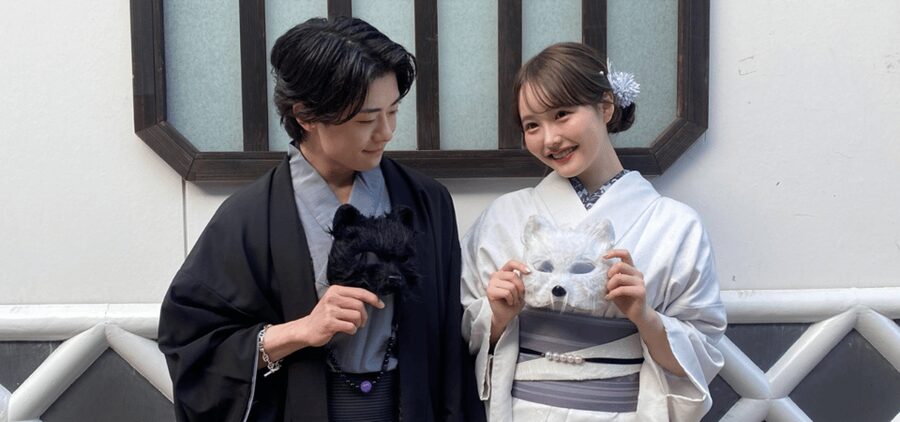
On paper, the rental is 1 hour, but in practice, the shop states it usually takes 45 to 70 minutes from reception to dressing and hair styling to departure. That range is normal for kimono rentals, because selection and fitting take time.
If you want a calm experience, give yourself a little buffer. Arrive on time or slightly early for reception, and avoid booking the next activity with no slack.
Also, remember the final return time of 5:30 p.m. If you book later in the day, you might have less time to roam in your kimono even though the rental “duration” is the same. The day structure is real, so build your itinerary around that constraint.
Women’s hair styling details, and what men should expect
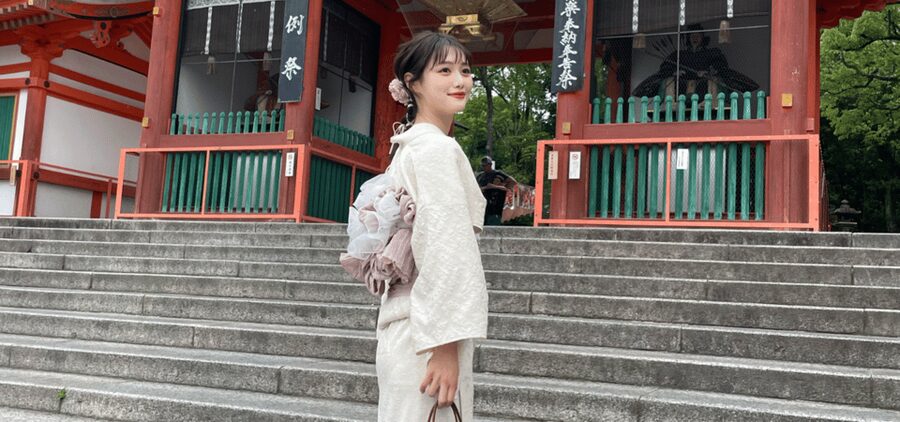
If you are a woman, the hair set is included, and that is a huge reason people book a kimono rental instead of just buying a rental yourself somewhere else. The stylist will set your hair to coordinate with the kimono, and you can choose from 5 patterns. Hair ornaments are included too.
If you are a man, the shop notes that men’s hair setting service is not available. That does not mean the kimono experience is incomplete, but it does mean you should expect less “finish work” than women get. You will still get dressed, and you can still do the kimono walk.
If you are planning photos, do not rely on hair styling as the only source of polish. Men might want to plan a simple styling routine beforehand for hair, since the service side is limited.
Accessories and optional extras: where cost can change
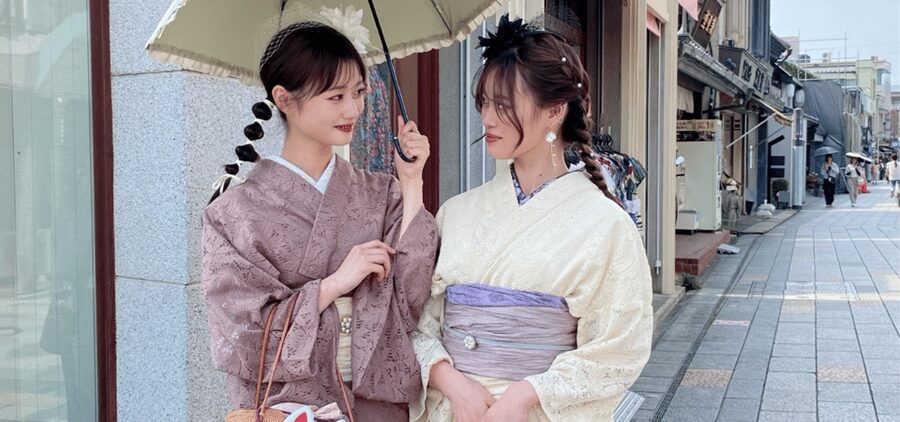
The basic package includes the kimono rental set, dressing, and (for women) hair styling and hair ornaments. But the shop also offers accessory options at reception, and optional decorations can be purchased locally.
Two practical lessons help you avoid surprises:
1) Decide ahead of time whether you want extra ornamentation or you are happy with the included look.
2) If you do add something, plan on paying with cash, since cash is the only payment method for optional add-ons.
If you are drawn to more decorative styles, treat optional decorations like a menu choice. Think of the $19 as your baseline value, then treat add-ons as your personal upgrade path.
Footwear and comfort: small choice, big effect
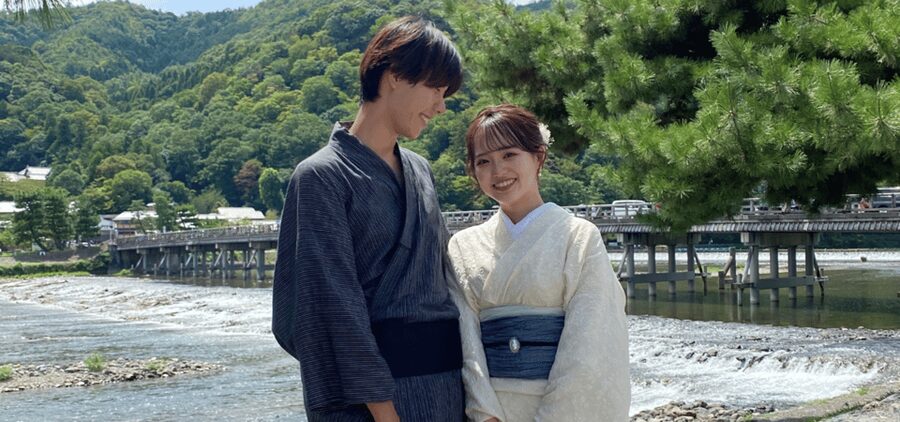
Kimono walk days look great, but comfort determines whether you actually enjoy the day. After dressing, the shop helps you choose sandals and geta that match your outfit.
It is smart to take this part seriously. Different footwear changes your stride, and it can affect how tired you get by the time you reach your last destination. If you have any known foot issues, this is the time to ask for the most comfortable option that still fits the kimono look.
Since the shop also mentions seasonal, custom zori sandals, you might see options aimed at both style and fit. Choosing well here can make your kimono day feel effortless rather than like an endurance test.
Luggage and leaving things behind while you roam
A kimono rental is only convenient if you can safely deal with your normal street stuff. KanoWafuku lets you leave clothes you take off and luggage you do not need for sightseeing.
That flexibility is helpful if you are bringing a jacket, small bag items, or anything that is not compatible with kimono walking. And for most people, it is the difference between enjoying the outfit versus thinking about your belongings.
The one caution is large luggage. The shop states that storage fees apply for large luggage such as carry cases. If you are traveling with something bulky, consider whether you can reduce its size before you come to the store.
Who should book KanoWafuku, and who should skip it
This rental fits best if you want an easy, classic Tokyo kimono experience with minimal prep. The empty-handed approach is a big signal that this is designed for first-timers and casual day-planners.
It also fits people who want to spend time outdoors in kimono. Because the shop is close to Sensoji Temple, it is made for walking and stopping at nearby spots.
It is not suitable for:
- Children under 3 years old
- Pregnant women
If you are a man, you can still book, but you should plan for no hair styling service. If you are a woman, you get dressing plus hair set and hair ornaments, which is a strong value boost.
Should you book KanoWafuku in Asakusa?
Yes, if your priority is a straightforward kimono day that starts close to major sights. For $19, you get a lot: dressing, kimono rental set, optional accessory selection, and for women, hair styling and ornaments. The 3-minute walk to Sensoji Temple makes this feel like a real experience, not just a costume change.
I would hesitate only if you hate the idea of optional extras you might be offered at reception, or if cash-only add-ons are inconvenient. Also, keep the 5:30 p.m. final return time in mind, since that deadline shapes how much you can do with your kimono.
If you want, tell me your travel month and whether you are booking for a woman or a man. I can help you plan a realistic timeline for Asakusa so you are not sprinting at the end.
FAQ
How far is KanoWafuku from Sensoji Temple?
It is about a 3 minutes walk to Sensoji Temple.
What is the price and duration?
The price is $19 per person and the activity duration is 1 hour.
Can I come empty-handed?
Yes. You can rent it empty-handed, and the shop has the accessories you need for kimono rental.
What is included in the rental set?
Included items are the kimono rental set, dressing, and hair set plus hair ornaments for women.
Is hair styling available for men?
No. Hair styling service is not available for men.
What is the final time I must return the kimono?
The final return time is 5:30 p.m. for all reservations. Late returns can result in a late fee.
Are there extra charges I should expect?
There can be extra charges for optional decorations purchased locally, and storage fees for large luggage such as carry cases.
Rental Counters, Compared
Asakusa and the Skytree, Keep Going
Newest Taito City write-ups from the Loving Japan desk
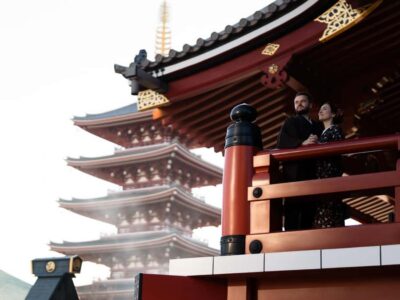
Asakusa, Senso-ji and Tokyo Skytree, side by side.
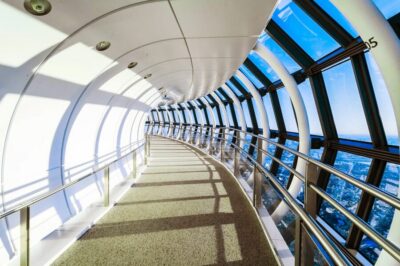 ★ 4.5TOKYO SKYTREE® Admission ticketFrom $1311,192 reviews
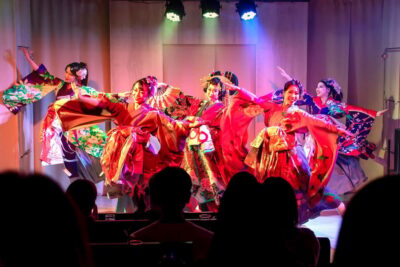 ★ 4.8Japanese Dance Cabaret Theater Asakusa-Kaguwa TicketFrom $492,270 reviews
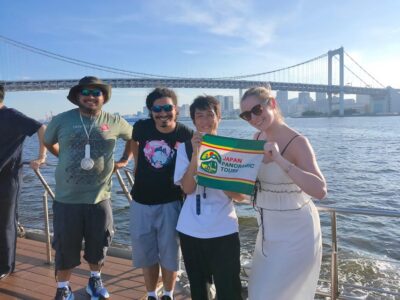 ★ 4.7Meiji Shrine, Asakusa, Skytree Bus Tour and CruiseFrom $1221,986 reviews
 ★ 4.9Roll and Authentic Sushi Making Class in AsakusaFrom $581,957 reviews
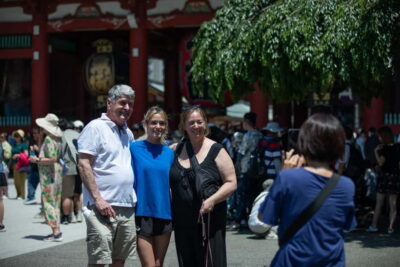 ★ 4.8Asakusa Walking Tour with Sensoji Temple VisitFrom $221,583 reviews
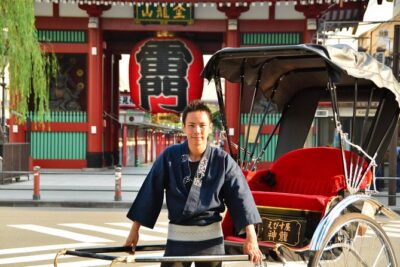 ★ 5.0Tokyo Asakusa Rickshaw TourFrom $421,375 reviews
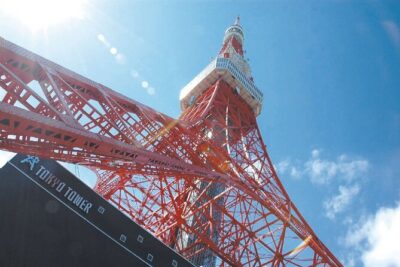 ★ 4.5Tokyo Panoramic 1 Day: Meiji Shrine, Asakusa, Odaiba and SKYTREE®From $851,222 reviews
 ★ 5.0Tokyo Go Kart: Asakusa, Skytree, and Akihabara **IDP MUST**From $99988 reviews
Filed on these lists too